Leasehold Meaning
Description
Get your form ready online
Our built-in tools help you complete, sign, share, and store your documents in one place.
Make edits, fill in missing information, and update formatting in US Legal Forms—just like you would in MS Word.
Download a copy, print it, send it by email, or mail it via USPS—whatever works best for your next step.
Sign and collect signatures with our SignNow integration. Send to multiple recipients, set reminders, and more. Go Premium to unlock E-Sign.
If this form requires notarization, complete it online through a secure video call—no need to meet a notary in person or wait for an appointment.
We protect your documents and personal data by following strict security and privacy standards.

Make edits, fill in missing information, and update formatting in US Legal Forms—just like you would in MS Word.

Download a copy, print it, send it by email, or mail it via USPS—whatever works best for your next step.

Sign and collect signatures with our SignNow integration. Send to multiple recipients, set reminders, and more. Go Premium to unlock E-Sign.

If this form requires notarization, complete it online through a secure video call—no need to meet a notary in person or wait for an appointment.

We protect your documents and personal data by following strict security and privacy standards.
Looking for another form?

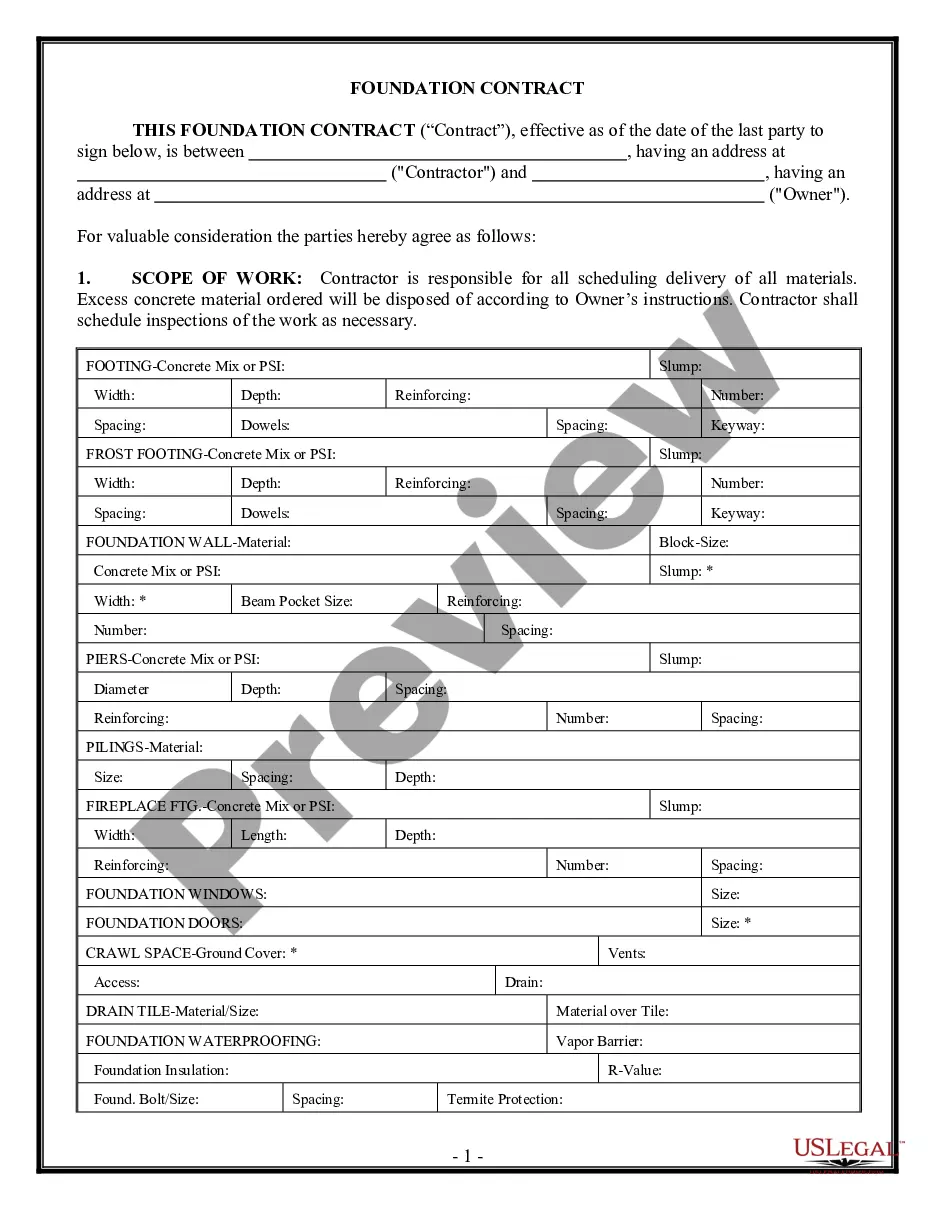
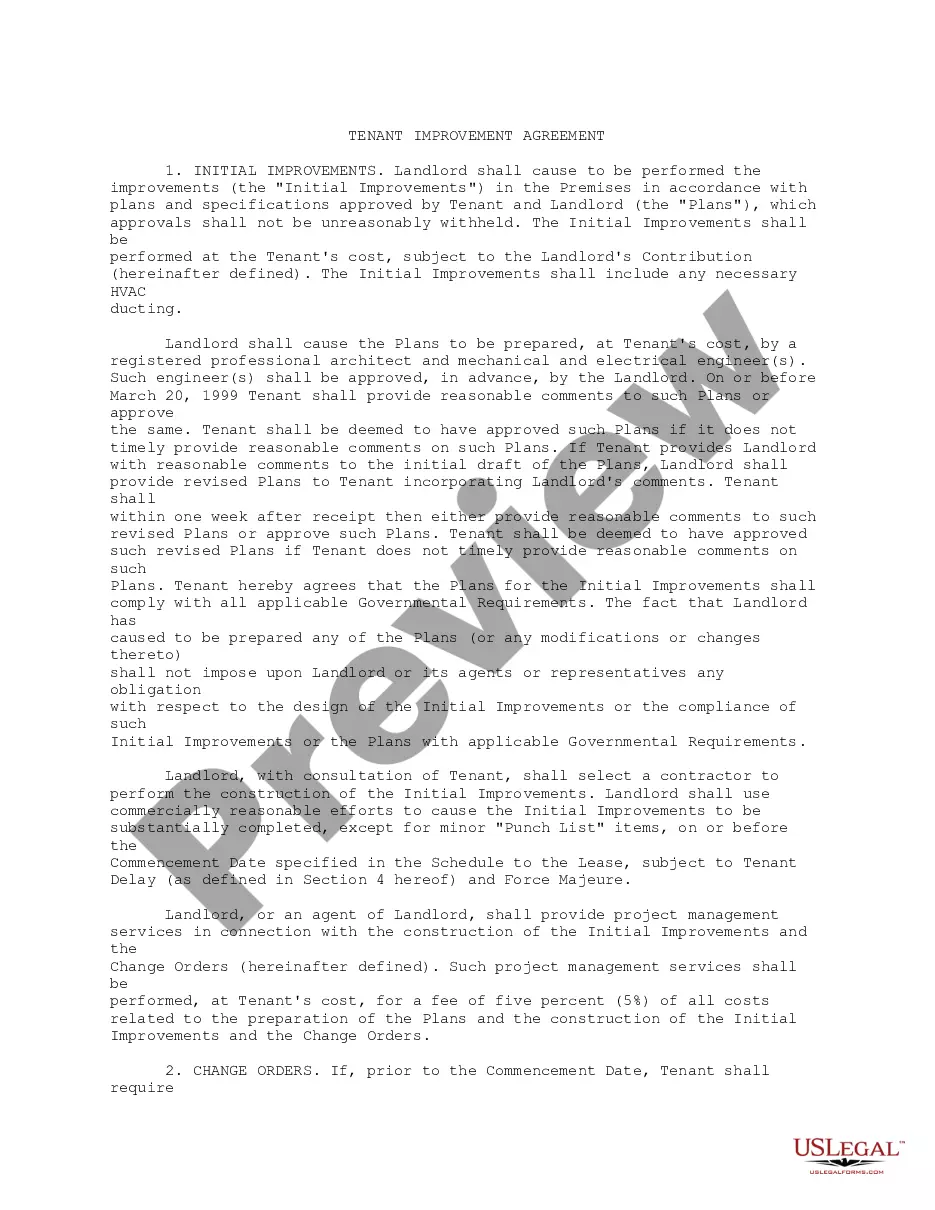
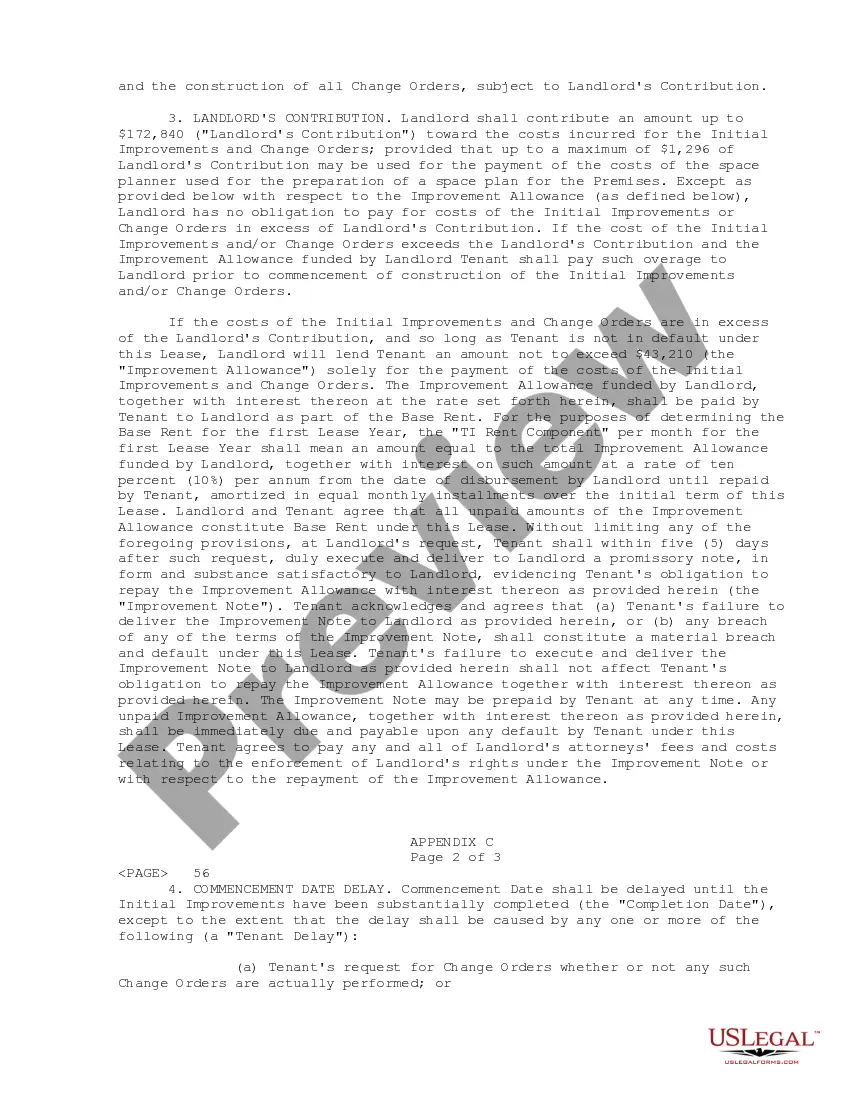
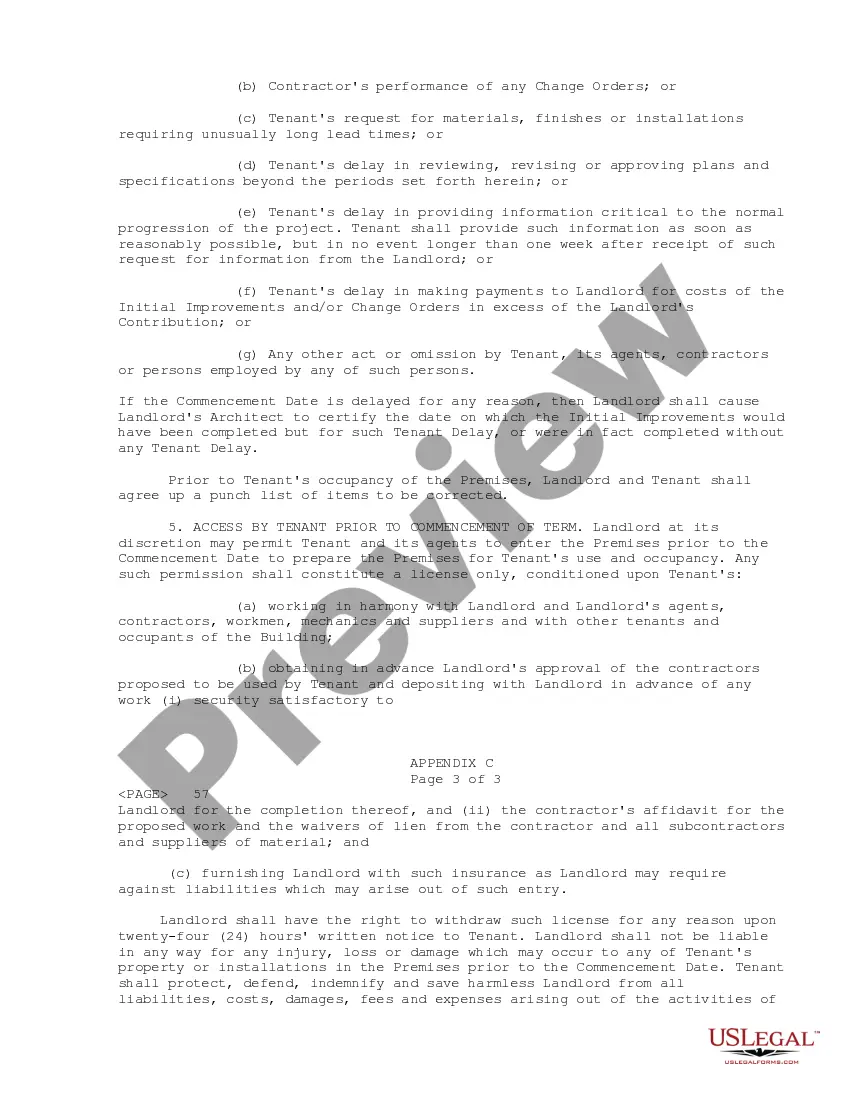
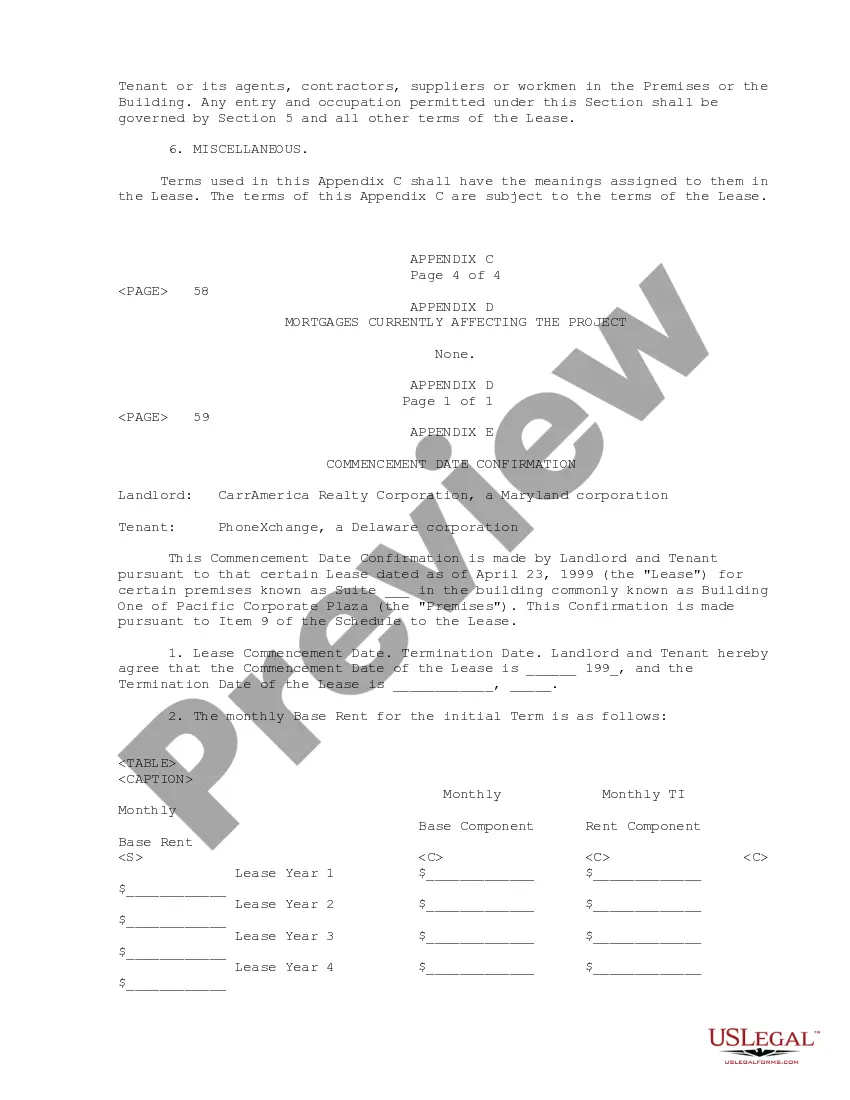
How to fill out Tenant Improvement Lease?
- If you're a returning user, simply log in to your account and download the required template by clicking the Download button, ensuring your subscription remains active.
- For first-time users, start by reviewing the Preview mode along with the form description to confirm you select a document that aligns with your needs and adheres to local jurisdiction requirements.
- If you need a different document, utilize the Search tab above to find the correct one, moving forward only if it suits your requirements.
- Proceed to purchase the document by clicking the Buy Now button and selecting an appropriate subscription plan. You’ll need to create an account for access.
- Complete your purchase by entering your credit card information or choosing to pay through PayPal.
- Finally, download your form and save it on your device. You can access it anytime in the My Forms section of your profile.
US Legal Forms provides a vast library featuring over 85,000 fillable and editable legal forms, empowering users to efficiently generate documents.
Leverage the benefits of US Legal Forms today to ensure your legal documentation is both accurate and compliant with the law. Start navigating your leasehold meaning with confidence!
Form popularity
FAQ
Owning the leasehold means you have the right to occupy a property for a specific term outlined in your lease agreement. However, it’s crucial to understand that the land it occupies remains under the control of the freeholder. When you grasp the leasehold meaning, you become better equipped to manage your expectations and responsibilities as a leaseholder.
While leasehold properties can be advantageous, there are notable disadvantages to consider. The most significant concern is the impending expiration of the lease, which can affect the property’s resale value. Furthermore, leaseholders may face ground rent increases or restrictions imposed by the freeholder, which can impact your living experience.
Ownership leasehold means that while you own the property itself, you don’t own the land on which it stands. Instead, you hold a lease from the landowner, giving you the right to use the property for a designated time. This arrangement has specific terms, such as duration and conditions of use, and understanding this concept is vital for any potential buyer.
The meaning of leasehold refers to a type of property ownership where a person buys the right to occupy land and buildings for a specified period, based on a lease agreement. This arrangement often differentiates itself from freehold ownership, where the buyer owns both the property and land outright. Understanding leasehold meaning is essential when considering property investments, ensuring you know your rights and responsibilities.
A leasehold property is typically a home or apartment that a buyer purchases but does not own the land it stands on. For instance, many condos and apartment units operate under leasehold agreements. In such cases, the buyer holds a lease for a specific number of years, while the underlying land remains owned by another party.
Whether purchasing a leasehold is worthwhile depends on your personal goals and circumstances. A leasehold can offer lower upfront costs compared to freehold properties, making it more accessible for some buyers. However, it's essential to weigh the pros and cons, including potential future limitations and costs. To get started on your journey in leasehold purchasing, consider our comprehensive tools and resources at USLegalForms.
The most common type of leasehold is the residential leasehold, which typically involves apartments or homes leased for a set duration. This type of leasehold arrangement defines the rights and responsibilities of both the tenant and the landlord, clarifying the leasehold meaning. Familiarizing yourself with residential leaseholds can help you navigate your living situation effectively. If you're considering entering into a lease, our resources at USLegalForms can provide valuable guidance.
While leasehold arrangements can provide flexibility, there are notable disadvantages. One significant drawback is the limited ownership duration, meaning you may not truly own the property in the long run. Additionally, leaseholders may face restrictions on property modifications and might be subject to ground rent increases. Understanding these disadvantages is essential to making sound real estate decisions.
Common examples of leasehold assets include apartments, commercial office spaces, and land that individuals or businesses lease under a lease agreement. These assets typically come with specific rights and responsibilities defined in the lease, reflecting the leasehold meaning. By recognizing these examples, you can better understand the implications of entering into a leasehold agreement. If you need assistance navigating leasehold agreements, consider using our platform at USLegalForms.
Leasehold refers to a property arrangement where one party holds the right to use a property owned by another party for a specified period. This arrangement typically involves a lease agreement, which outlines the terms and conditions. The leasehold meaning emphasizes the temporary nature of this arrangement, as the ownership of the land remains with the landlord. Understanding leasehold can help you make informed decisions about property investments.