Leasehold Improvements With Example
Description
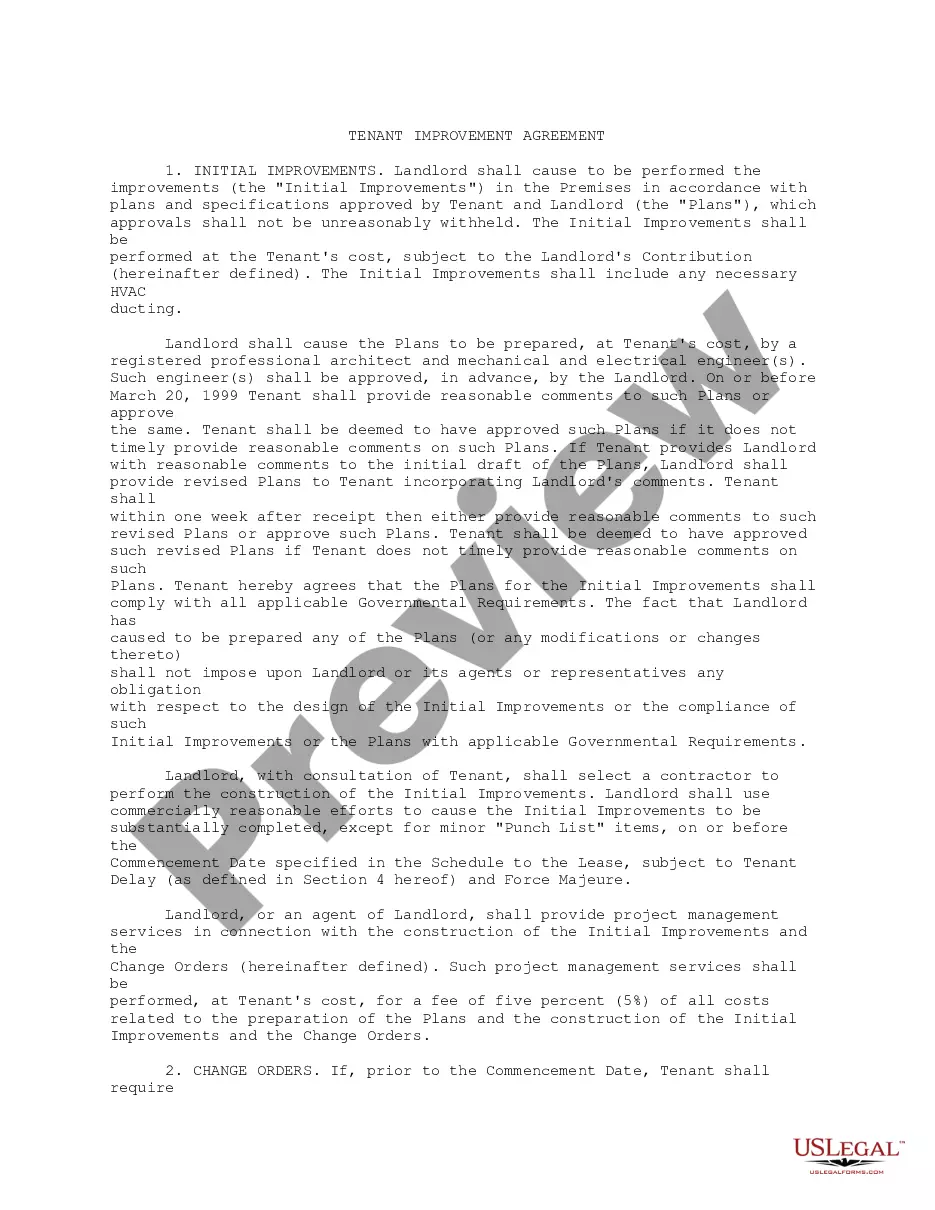
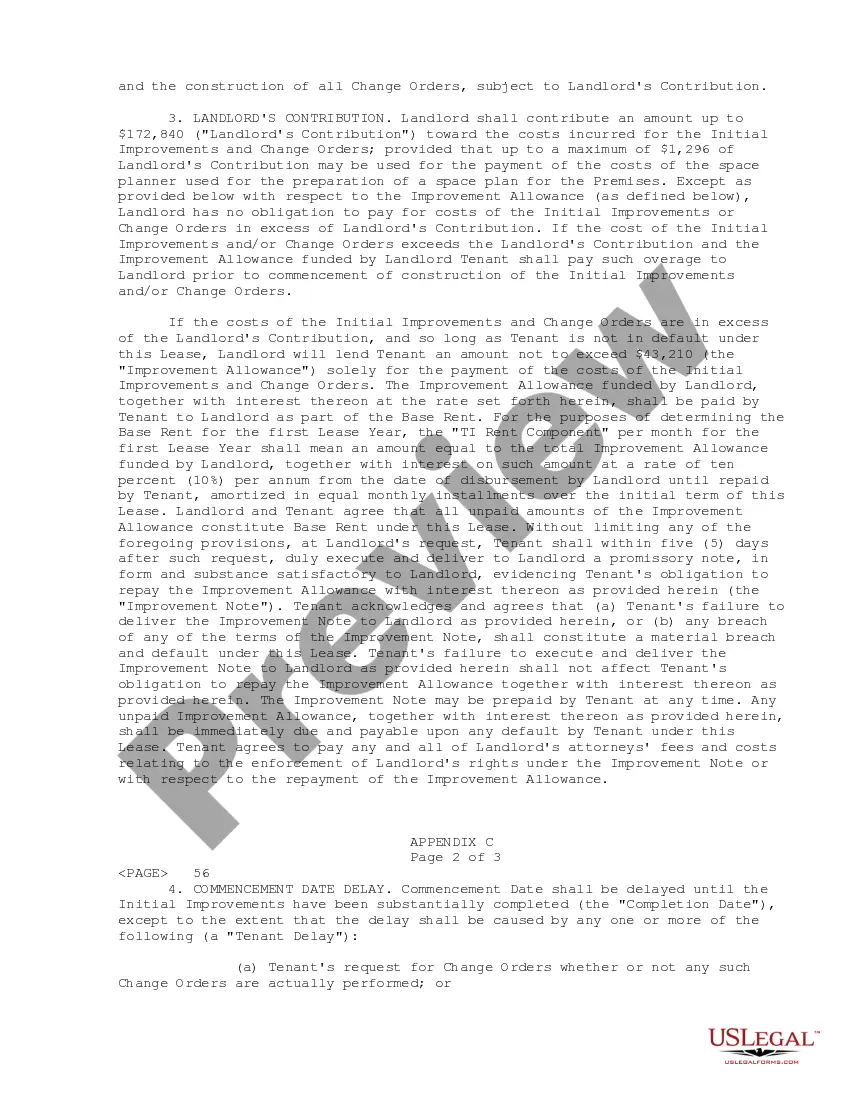
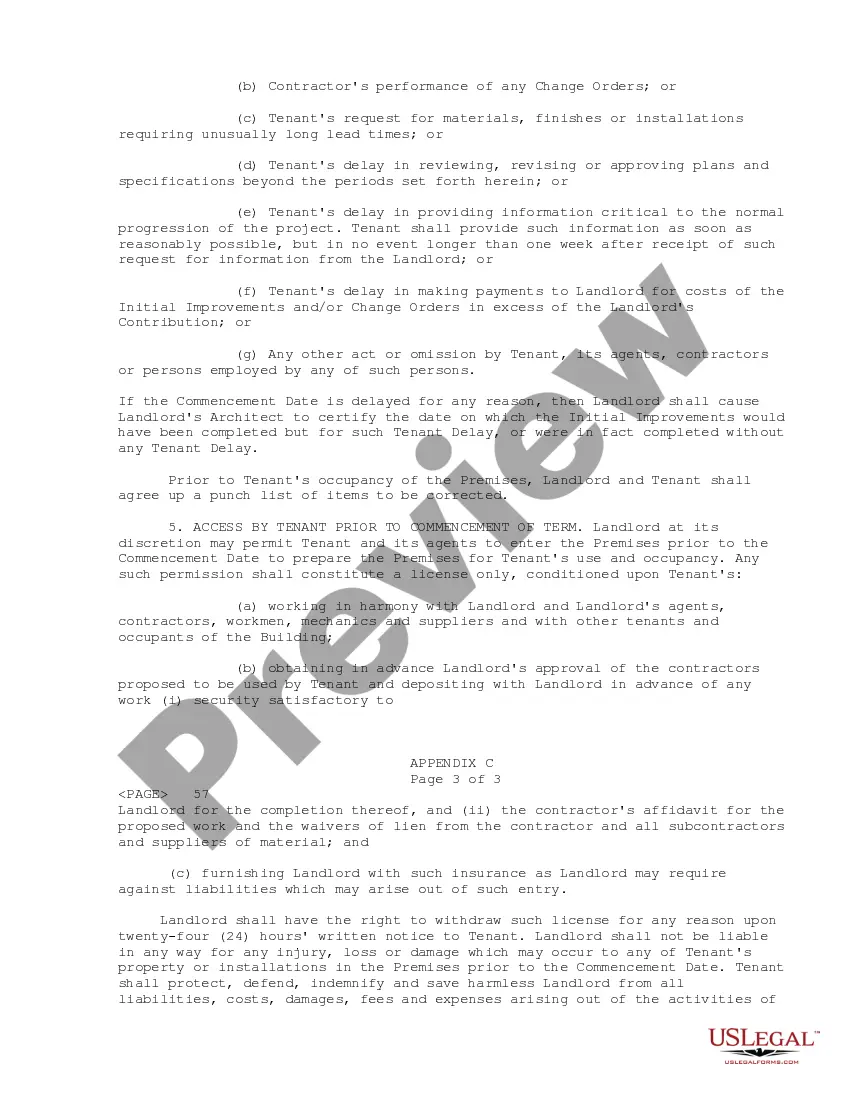
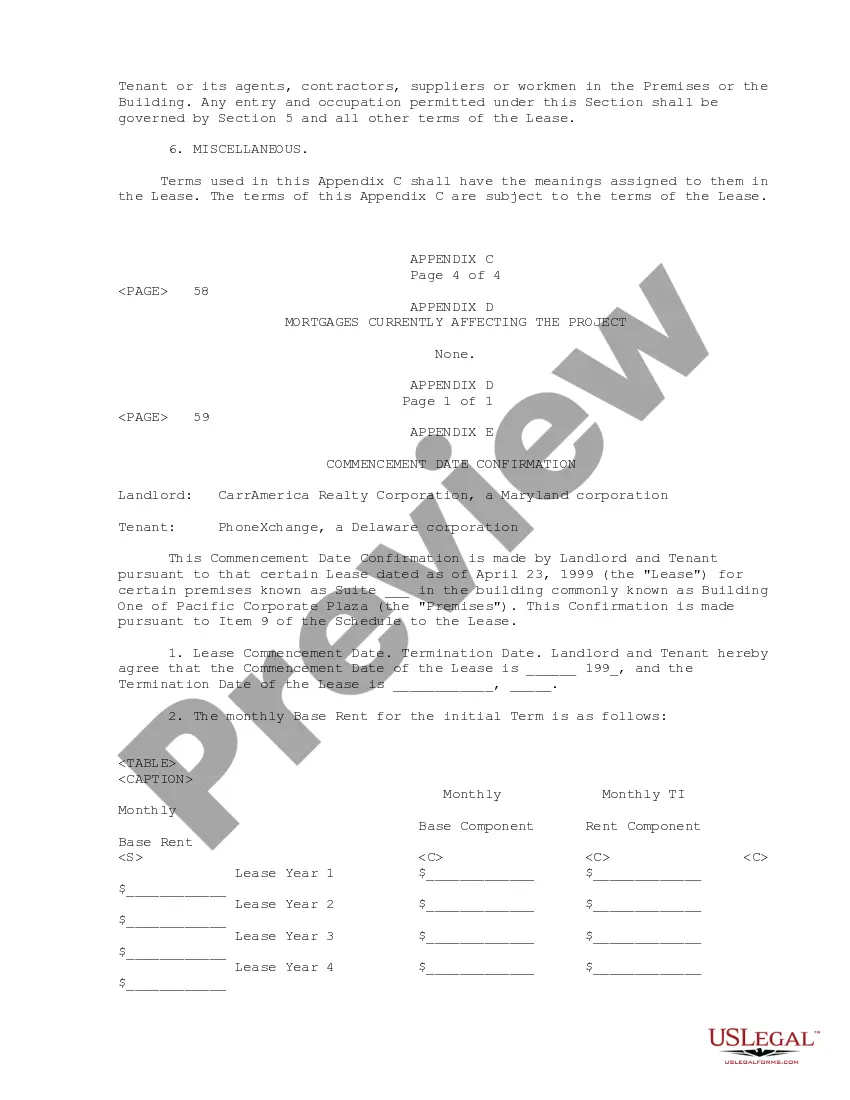
Get your form ready online
Our built-in tools help you complete, sign, share, and store your documents in one place.
Make edits, fill in missing information, and update formatting in US Legal Forms—just like you would in MS Word.
Download a copy, print it, send it by email, or mail it via USPS—whatever works best for your next step.
Sign and collect signatures with our SignNow integration. Send to multiple recipients, set reminders, and more. Go Premium to unlock E-Sign.
If this form requires notarization, complete it online through a secure video call—no need to meet a notary in person or wait for an appointment.
We protect your documents and personal data by following strict security and privacy standards.

Make edits, fill in missing information, and update formatting in US Legal Forms—just like you would in MS Word.

Download a copy, print it, send it by email, or mail it via USPS—whatever works best for your next step.

Sign and collect signatures with our SignNow integration. Send to multiple recipients, set reminders, and more. Go Premium to unlock E-Sign.

If this form requires notarization, complete it online through a secure video call—no need to meet a notary in person or wait for an appointment.

We protect your documents and personal data by following strict security and privacy standards.
Looking for another form?


How to fill out Tenant Improvement Lease?
Regardless of whether for commercial objectives or personal issues, every individual must confront legal circumstances at some point in their lifetime.
Completing legal paperwork necessitates meticulous focus, beginning with choosing the appropriate form template.
With a comprehensive US Legal Forms catalog available, you need not waste time hunting for the right template across the internet. Utilize the library’s user-friendly navigation to locate the suitable form for any circumstance.
- Acquire the template you need via the search bar or catalog exploration.
- Review the details of the form to confirm it aligns with your situation, state, and county.
- Select the form’s preview to examine it.
- If it is not the correct document, return to the search tool to locate the Leasehold Improvements With Example template you require.
- Obtain the file once it satisfies your specifications.
- If you already possess a US Legal Forms account, click Log in to access previously stored documents in My documents.
- If you do not yet have an account, you can acquire the form by clicking Buy now.
- Select the correct pricing alternative.
- Complete the account registration form.
- Choose your payment method: you can use a credit card or PayPal account.
- Select the document format you desire and download the Leasehold Improvements With Example.
- After it is downloaded, you can fill out the form using editing programs or print it and fill it out by hand.
Form popularity
FAQ
To write off leasehold improvements, businesses should consider the depreciation method applicable to their situation. For example, if you made significant enhancements to your leased space, you can depreciate those costs over the lease term or a useful life of 39 years, depending on the improvement. This approach allows you to deduct the expense gradually on your tax returns, promoting accurate financial reporting. If you need assistance with the process, consider using US Legal Forms to help streamline the documentation.
A leasehold improvement qualifies when it enhances the functionality or value of a rented space. For example, adding shelving to a retail store or constructing a conference room in an office qualifies as a leasehold improvement. To qualify further, these improvements must conform to the lease agreement and generally remain as part of the property, with ownership reverting to the landlord upon lease termination. Understanding what qualifies helps you maximize your investment in a commercial space.
Leasehold improvements and tenant improvements often refer to similar concepts. Specifically, leasehold improvements are changes made to a rental property to meet the needs of the tenant. For instance, if a business installs new lighting or partitions in their office space, these modifications qualify as leasehold improvements. Understanding this terminology is essential as it impacts how both parties view responsibility and ownership during the lease period.
Leasehold improvements with example can include a broad range of modifications, such as painting walls, installing cabinetry, and improving plumbing or electrical systems. Essentially, any change that personalizes or upgrades the leased property qualifies as a leasehold improvement. It’s beneficial to detail these items in your lease for clarity. Consulting with platforms like uslegalforms can help you outline these improvements effectively in your agreements.
Leasehold improvements with example are enhancements made to a leased space to better fit the tenant's needs. These improvements are typically agreed upon in the lease contract and can include major renovations or minor modifications. They last throughout the lease term and often require careful planning to ensure compliance with the landlord's regulations. This strategic investment can lead to a more productive and enjoyable workspace.
Leasehold improvements with example refer to any modifications made to a rental property by the tenant. Common examples include installing new flooring, adding or removing walls, or upgrading lighting fixtures. These improvements enhance the usability of the space and can increase its value. Understanding these examples helps you assess your investment in leased properties.
To record leasehold improvements, first, add the costs to the asset account on your balance sheet. Then, establish a corresponding depreciation schedule to reflect the asset's diminishing value over its useful life. For instance, if you invest $30,000 in updating a commercial space, you would list that in your assets and gradually expense it through your profit and loss account. This method ensures transparency in your financial documents.
The write-off period for leasehold improvements generally follows a straight-line depreciation approach over 15 years, according to IRS guidelines. However, if the lease term is shorter, you may depreciate over the lease term instead. For example, if you sign a 10-year lease, you might choose to depreciate the improvements over that period. Always consult with a tax advisor to ensure your depreciation schedule aligns with current regulations.
Examples of leasehold improvements include installing new flooring, painting walls, adding partition walls, and upgrading electrical systems. These changes enhance the functionality or aesthetics of a leased space and typically require landlord approval. For instance, putting in a new reception area in an office serves as a leasehold improvement. They often provide a better environment for clients and staff.
The accounting rules for leasehold improvements state that these costs should be capitalized and recorded as assets in your financial statements. You will typically depreciate these improvements over the shorter of the useful life of the improvement or the remaining lease term. For example, if you improve a space for a 5-year lease, the depreciation might span that time frame. This systematic approach helps in accurate financial reporting.