Leasehold Improvements Qualify For Section 179
Description
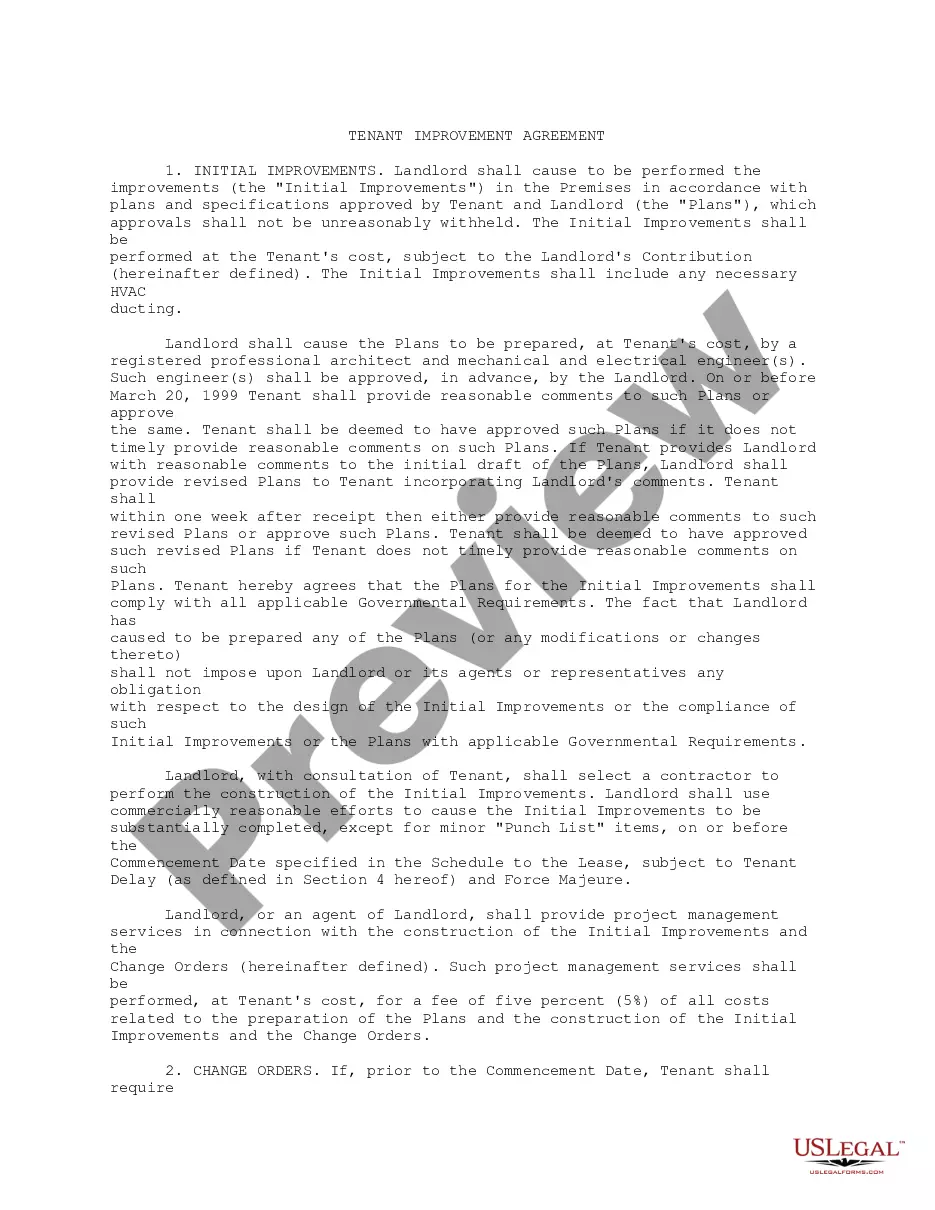
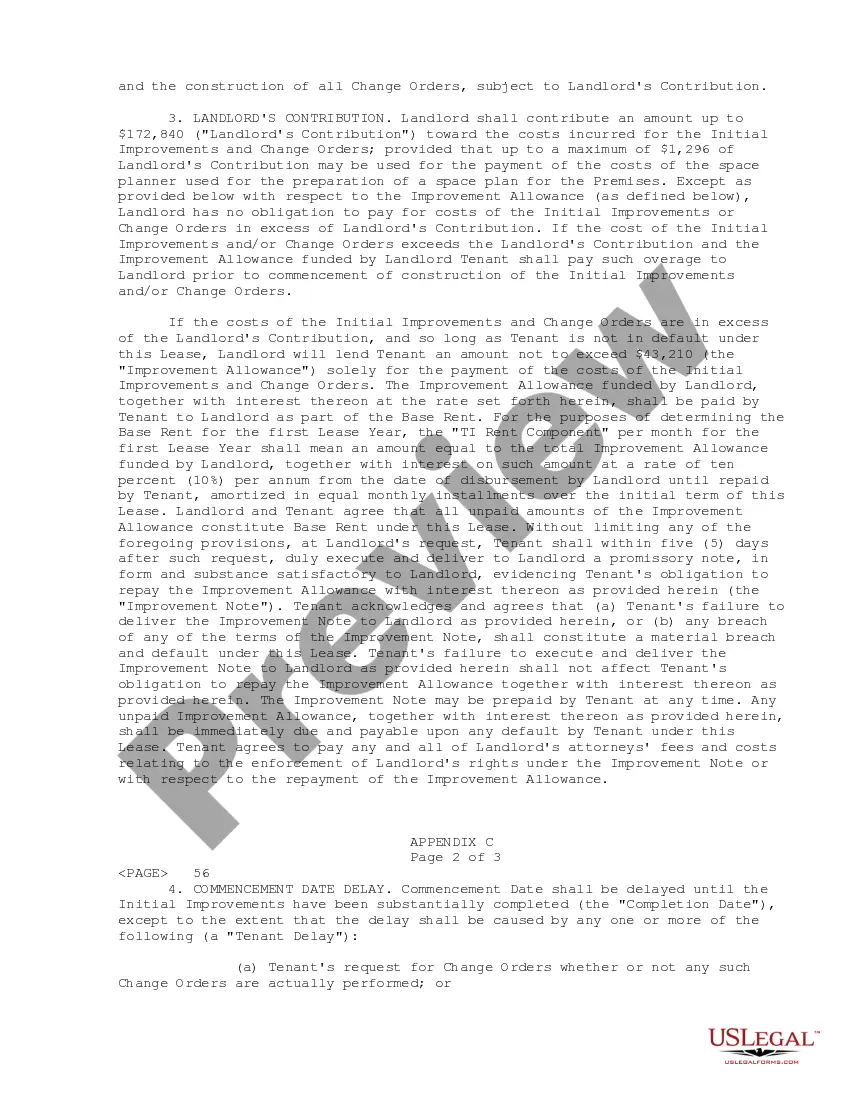
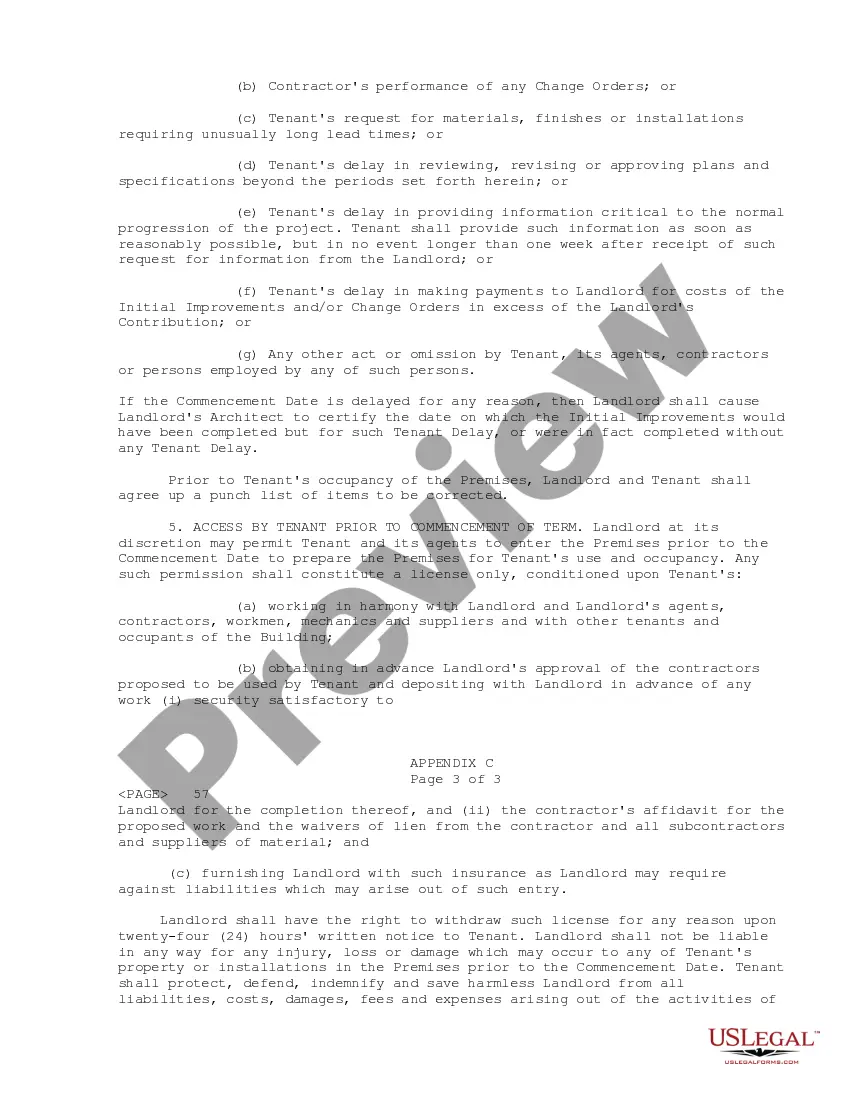
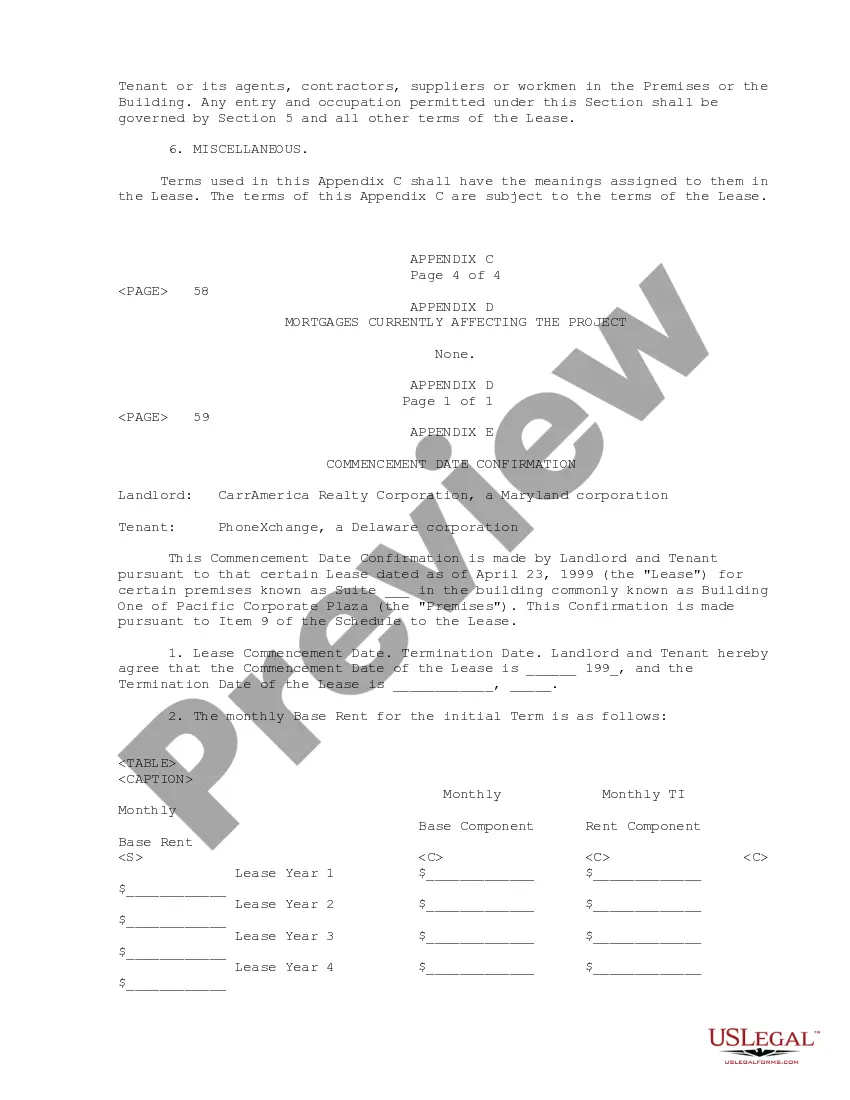
Get your form ready online
Our built-in tools help you complete, sign, share, and store your documents in one place.
Make edits, fill in missing information, and update formatting in US Legal Forms—just like you would in MS Word.
Download a copy, print it, send it by email, or mail it via USPS—whatever works best for your next step.
Sign and collect signatures with our SignNow integration. Send to multiple recipients, set reminders, and more. Go Premium to unlock E-Sign.
If this form requires notarization, complete it online through a secure video call—no need to meet a notary in person or wait for an appointment.
We protect your documents and personal data by following strict security and privacy standards.

Make edits, fill in missing information, and update formatting in US Legal Forms—just like you would in MS Word.

Download a copy, print it, send it by email, or mail it via USPS—whatever works best for your next step.

Sign and collect signatures with our SignNow integration. Send to multiple recipients, set reminders, and more. Go Premium to unlock E-Sign.

If this form requires notarization, complete it online through a secure video call—no need to meet a notary in person or wait for an appointment.

We protect your documents and personal data by following strict security and privacy standards.
Looking for another form?




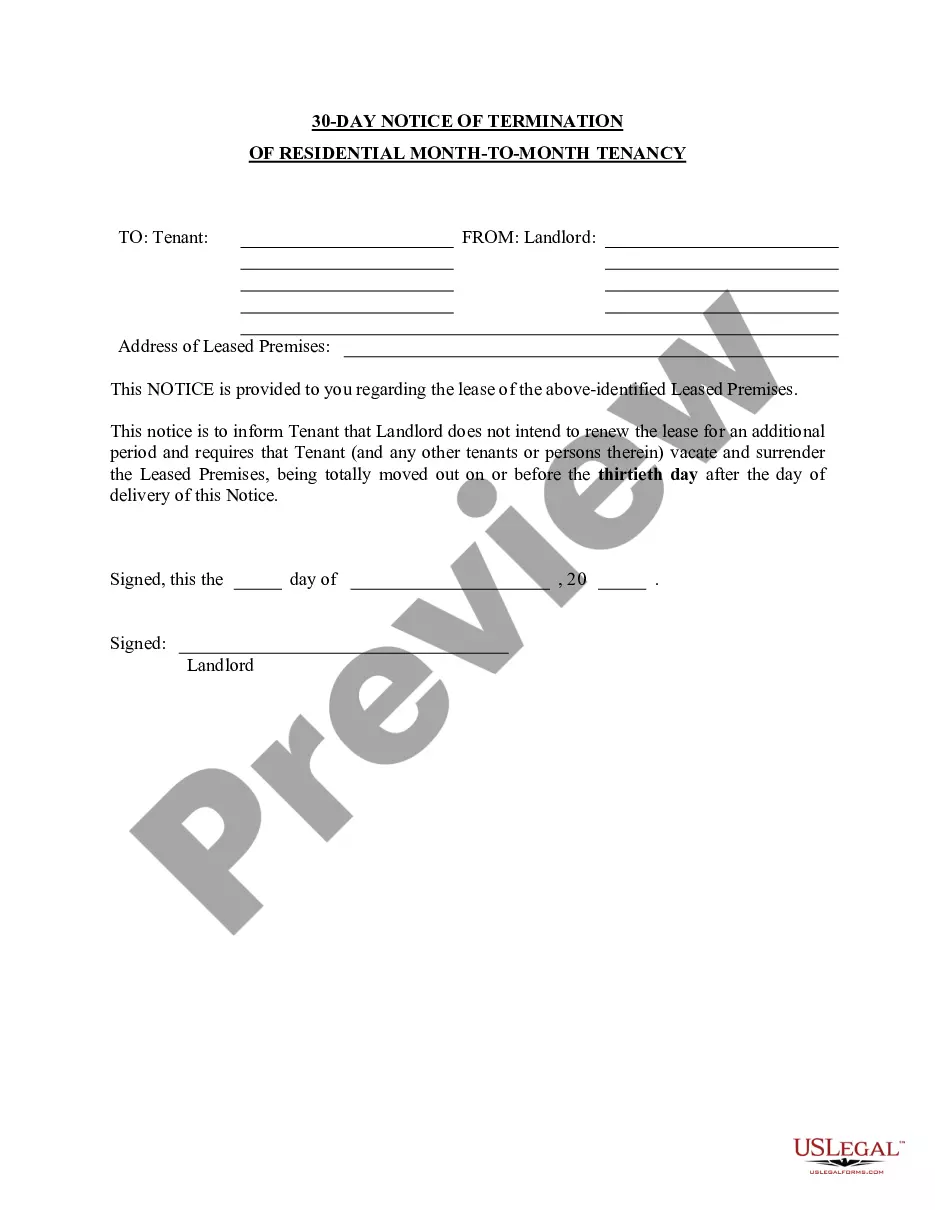
How to fill out Tenant Improvement Lease?
- If you're a returning user, log in to your account to download the required template, ensuring your subscription is active.
- For new users, begin by previewing the available forms to verify they align with your specific legal needs and local jurisdiction.
- Should you need another template, utilize the Search function to locate the correct document. Proceed only if it aligns with your requirements.
- Once you find the right form, click on the Buy Now button, select your preferred subscription plan, and create an account to gain full access.
- Complete your purchase by entering your payment information, whether through credit card details or PayPal.
- After processing your order, download the form and save it to your device. Access it anytime via the My Forms menu.
Leveraging US Legal Forms allows you to navigate legal processes with ease, offering a library of over 85,000 editable forms and packages.
Empower yourself with legal knowledge and get started today. Visit US Legal Forms now to explore your options!
Form popularity
FAQ
Yes, you can use Section 179 for eligible leasehold improvements, making it a smart financial move. This provision allows businesses to deduct costs associated with renovations that enhance their workspace. By taking advantage of this option, you can improve efficiency and potentially reduce tax liabilities. So remember, leasehold improvements qualify for section 179, enabling you to maximize your benefits.
A qualified leasehold improvement refers to enhancements made to a commercial property that cater to its operational needs. These improvements must be made under a lease agreement and must not involve structural changes. By meeting these criteria, businesses can benefit from tax deductions. Moreover, leasehold improvements qualify for section 179, further incentivizing property enhancements.
Absolutely, if your leasehold improvements meet specific requirements, you can claim Section 179. This provision allows you to deduct a significant amount for improvements made to your business space. It's a strategic way to enhance your operations without incurring a heavy tax burden. Remember, leasehold improvements qualify for section 179 as long as they meet the guidelines.
Certain types of property do not qualify for Section 179. Specifically, land, permanent structures, and property used for residential rental properties do not meet the criteria. Therefore, if you're considering leasehold improvements, it's crucial to ensure they fall within eligible categories. Remember, leasehold improvements qualify for section 179, providing you a chance to gain benefits.
To write off leasehold improvements, you should first determine if they qualify under Section 179. Next, keep detailed records of the expenses incurred for the improvements, as accurate documentation is crucial. Afterward, you can claim the deduction on your tax return, ensuring you adhere to IRS guidelines. Ultimately, these steps ensure that leasehold improvements qualify for section 179 and benefit your bottom line.
Yes, businesses can claim capital allowances on qualified leasehold improvements. This allows for the recovery of costs associated with enhancements to the property used for trade. However, it is important to ensure the improvements meet the eligibility criteria set forth in tax regulations. Consequently, leasehold improvements that adhere to these guidelines qualify for section 179.
A leasehold improvement qualifies when it enhances the functionality of a leased space. This includes alterations to walls, floors, or ceilings that improve the property for business use. Additionally, these improvements must be made to a building that meets the necessary guidelines. By ensuring these conditions are met, leasehold improvements qualify for section 179.
Certain property types do not qualify for Section 179 treatment. Notably, property used for residential rent, land, and tangible personal property primarily held for sale do not meet the criteria. Therefore, it is essential to ensure the property you are considering aligns with the regulations. Understanding these exclusions helps clarify how leasehold improvements qualify for section 179.
Items included in leasehold improvements typically encompass a wide range of renovations, such as installing new fixtures, upgrading restroom facilities, and enhancing accessibility features. These improvements aim to create a better working environment for the business. Once again, remember that leasehold improvements qualify for Section 179 if they are necessary for your operational needs and contribute to the enhancement of the leased space.
Leasehold improvements that physically alter the space and can be considered qualified renovations qualify for Section 179. Some examples include structural improvements, fixtures, and installations that enhance the leased property’s usability. Always consult with a tax professional to ensure your improvements fit the criteria, so you can accurately claim the benefits associated with leasehold improvements.