Leasehold Improvements Qualify For Bonus Depreciation
Description
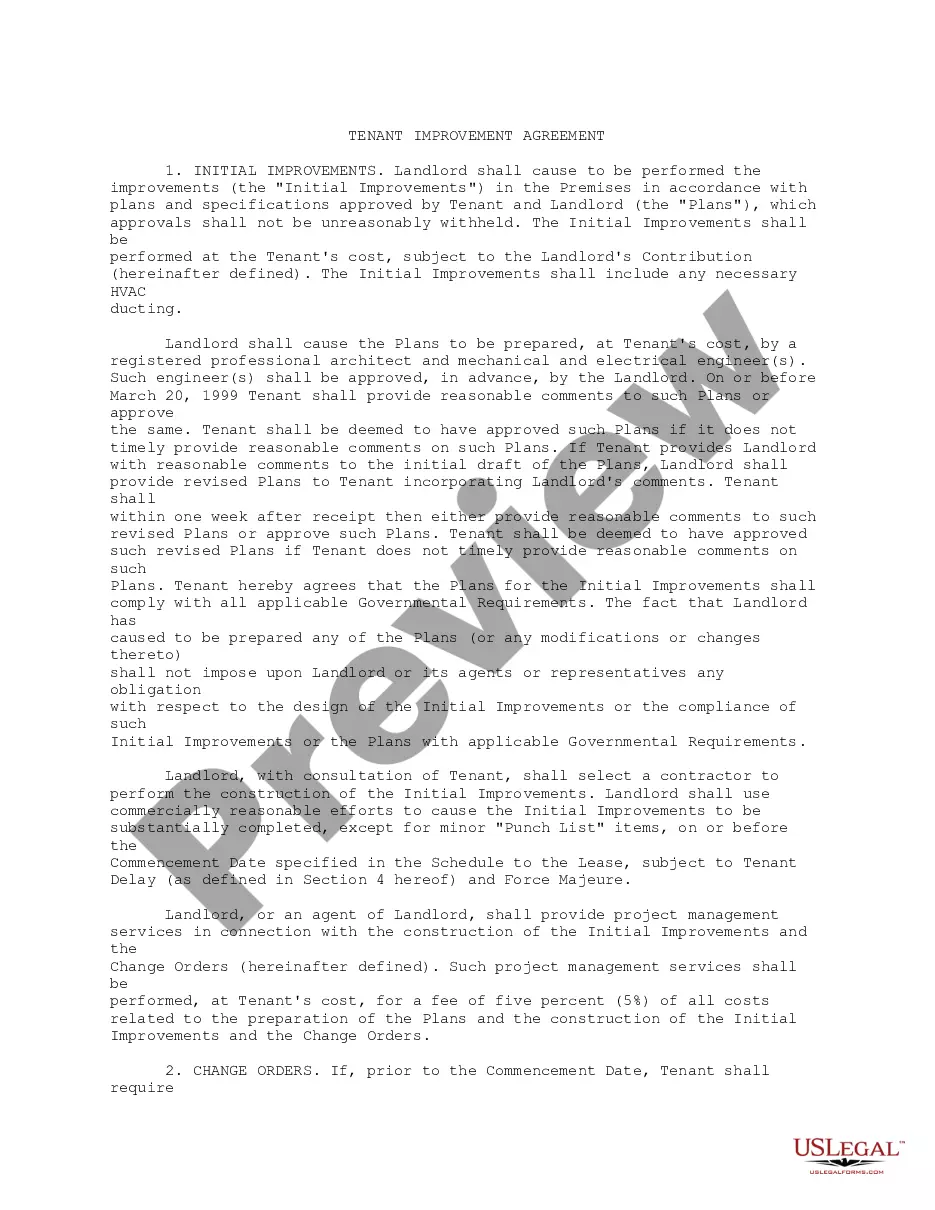
Get your form ready online
Our built-in tools help you complete, sign, share, and store your documents in one place.
Make edits, fill in missing information, and update formatting in US Legal Forms—just like you would in MS Word.
Download a copy, print it, send it by email, or mail it via USPS—whatever works best for your next step.
Sign and collect signatures with our SignNow integration. Send to multiple recipients, set reminders, and more. Go Premium to unlock E-Sign.
If this form requires notarization, complete it online through a secure video call—no need to meet a notary in person or wait for an appointment.
We protect your documents and personal data by following strict security and privacy standards.

Make edits, fill in missing information, and update formatting in US Legal Forms—just like you would in MS Word.

Download a copy, print it, send it by email, or mail it via USPS—whatever works best for your next step.

Sign and collect signatures with our SignNow integration. Send to multiple recipients, set reminders, and more. Go Premium to unlock E-Sign.

If this form requires notarization, complete it online through a secure video call—no need to meet a notary in person or wait for an appointment.

We protect your documents and personal data by following strict security and privacy standards.
Looking for another form?




How to fill out Tenant Improvement Lease?
- Log in to your account if you're a returning user, or create a new account if this is your first time.
- Search for the appropriate leasehold improvement form in the extensive catalog of over 85,000 legal documents available.
- Review the form preview and description to confirm it fits your needs and complies with local regulations.
- Select your preferred subscription plan by clicking the Buy Now button to gain access.
- Complete your purchase by entering your payment details or utilizing your PayPal account.
- Download your chosen form template directly to your device for immediate use.
Using US Legal Forms simplifies the document creation process and ensures that you're on firm legal ground. With access to premium experts, you can achieve the precise outcomes you need for your leasehold improvements.
Don't miss out on potential tax advantages—start today by exploring the comprehensive resources at US Legal Forms to secure your legal documents.
Form popularity
FAQ
To account for a lease improvement allowance, determine the total amount provided by the landlord for renovations or improvements. This amount should be recorded as a liability on your balance sheet, offsetting the asset generated by the improvements. Since leasehold improvements qualify for bonus depreciation, you can capitalize on this allowance in a tax-efficient manner. USLegalForms provides resources to help you accurately track and manage these financial elements.
Some properties are ineligible for bonus depreciation. This includes certain residential rental properties and assets that have been expensed in prior years. It's crucial to be aware of these restrictions to fully optimize your tax strategy. Meanwhile, leasehold improvements qualify for bonus depreciation, making them a smart investment option for property owners.
Absolutely, bonus depreciation can be taken on qualified leasehold improvements. This applies to improvements that meet specific timeframes and standards set by tax laws. By ensuring your leasehold improvements qualify for bonus depreciation, you can benefit from accelerated deductions over time. For additional assistance, consider resources available on platforms like uslegalforms.
Some assets are explicitly excluded from bonus depreciation. This includes assets such as certain used property, public utility property, and property used for lodging. Understanding which assets don't qualify is essential for effective tax planning. However, leasehold improvements qualify for bonus depreciation, which can significantly impact your financial strategy.
Yes, depreciation can be claimed on leasehold improvements. These improvements enhance the property and have a finite lifespan, allowing for depreciation over time. Specifically, leasehold improvements qualify for bonus depreciation, which can provide significant tax advantages. Consult an expert or use services like uslegalforms to help you navigate the nuances.
Certain types of property are not eligible for depreciation. This includes land, personal property held for personal use, and certain intangible assets. Understanding these exclusions is vital for correctly managing your taxes. Remember, leasehold improvements qualify for bonus depreciation, so focus on those improvements for potential tax savings.
Various land improvements qualify for bonus depreciation under the right circumstances. Common examples include fences, roads, and landscaping that enhance the property's functionality. Importantly, leasehold improvements qualify for bonus depreciation as well, further adding value to your property investment. To navigate these rules efficiently, platforms such as uslegalforms can provide useful resources.
Real estate that meets specific criteria can qualify for bonus depreciation. Generally, properties with a useful life of 20 years or less, such as nonresidential real estate, could be eligible. Notably, leasehold improvements qualify for bonus depreciation if they meet the guidelines stipulated by tax regulations. Therefore, if you're considering property improvements, consult with an expert to ensure you maximize your tax benefits.
For leasehold improvements to be considered qualified, they must enhance a nonresidential property and comply with specific IRS guidelines. This includes improvements that are not structural and focus on interior modifications. Importantly, these qualified leasehold improvements often qualify for bonus depreciation, allowing significant tax advantages. Engaging with a tax professional can clarify these qualifications to optimize your benefits.
Certainly, leasehold property is subject to depreciation. This depreciation allows you to recover costs over the lease's life. While the improvements made to the property are depreciated, it’s vital to ensure those enhancements qualify specifically for bonus depreciation benefits. Keeping accurate records will aid in the depreciation process.