False Imprisonment For Assault
Description
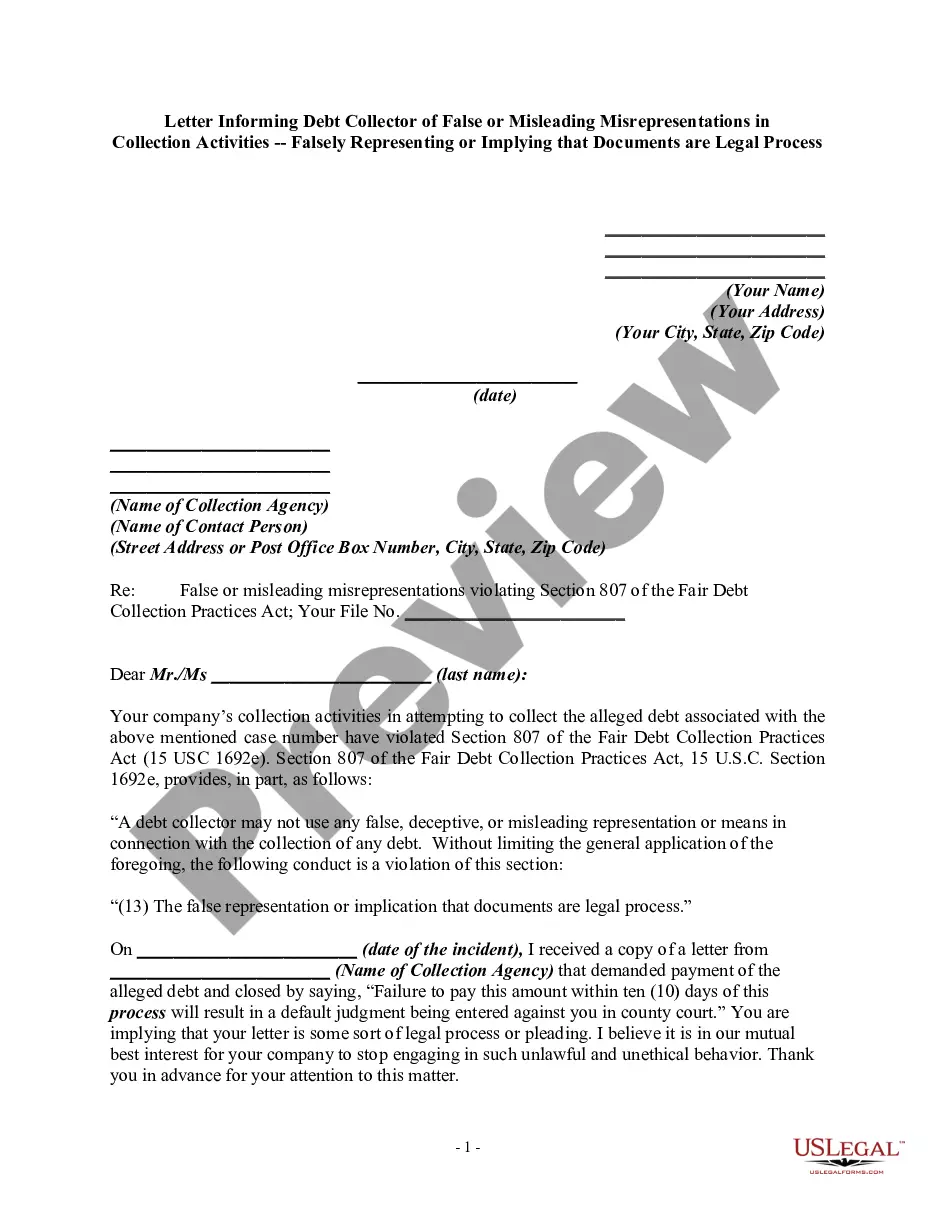
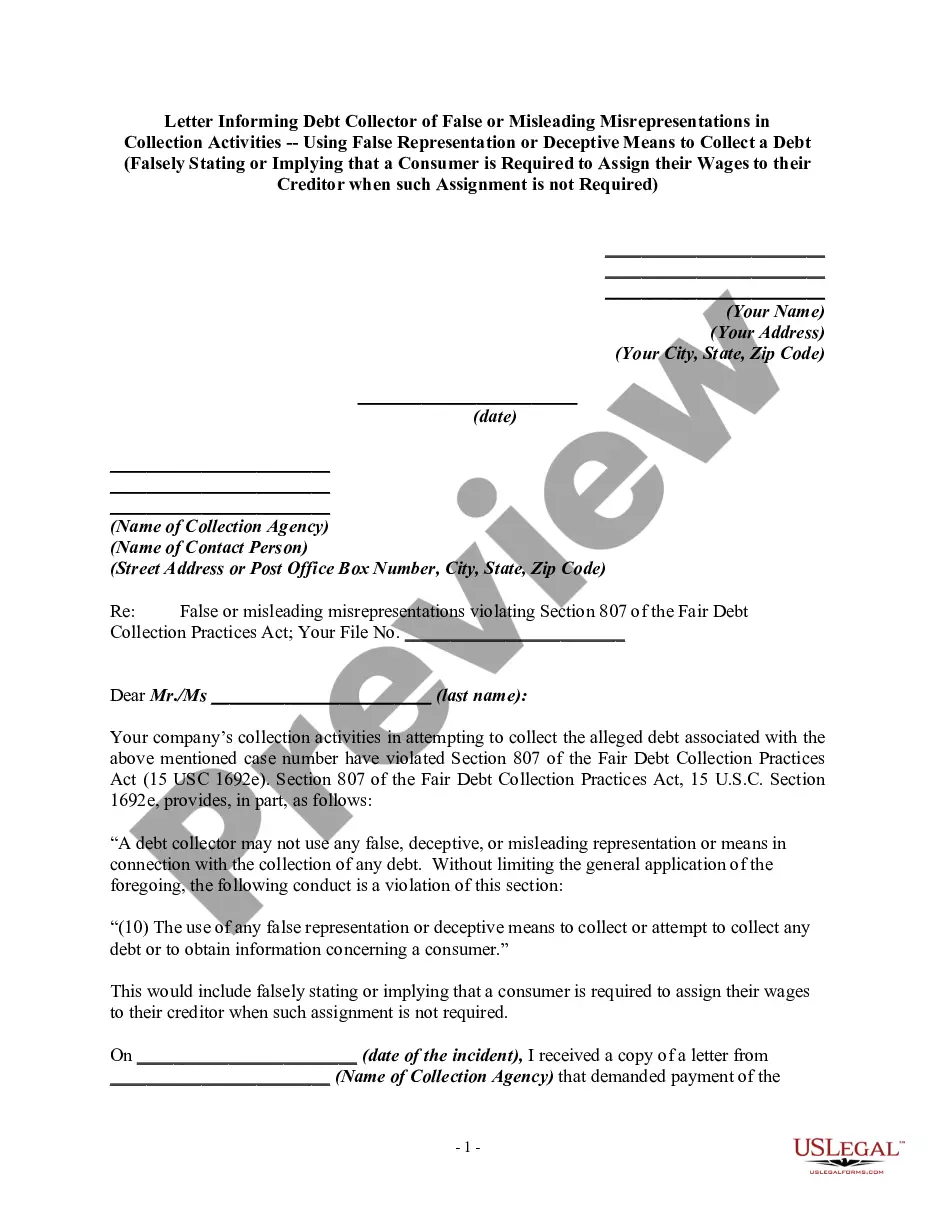
Get your form ready online
Our built-in tools help you complete, sign, share, and store your documents in one place.
Make edits, fill in missing information, and update formatting in US Legal Forms—just like you would in MS Word.
Download a copy, print it, send it by email, or mail it via USPS—whatever works best for your next step.
Sign and collect signatures with our SignNow integration. Send to multiple recipients, set reminders, and more. Go Premium to unlock E-Sign.
If this form requires notarization, complete it online through a secure video call—no need to meet a notary in person or wait for an appointment.
We protect your documents and personal data by following strict security and privacy standards.

Make edits, fill in missing information, and update formatting in US Legal Forms—just like you would in MS Word.

Download a copy, print it, send it by email, or mail it via USPS—whatever works best for your next step.

Sign and collect signatures with our SignNow integration. Send to multiple recipients, set reminders, and more. Go Premium to unlock E-Sign.

If this form requires notarization, complete it online through a secure video call—no need to meet a notary in person or wait for an appointment.

We protect your documents and personal data by following strict security and privacy standards.
Looking for another form?








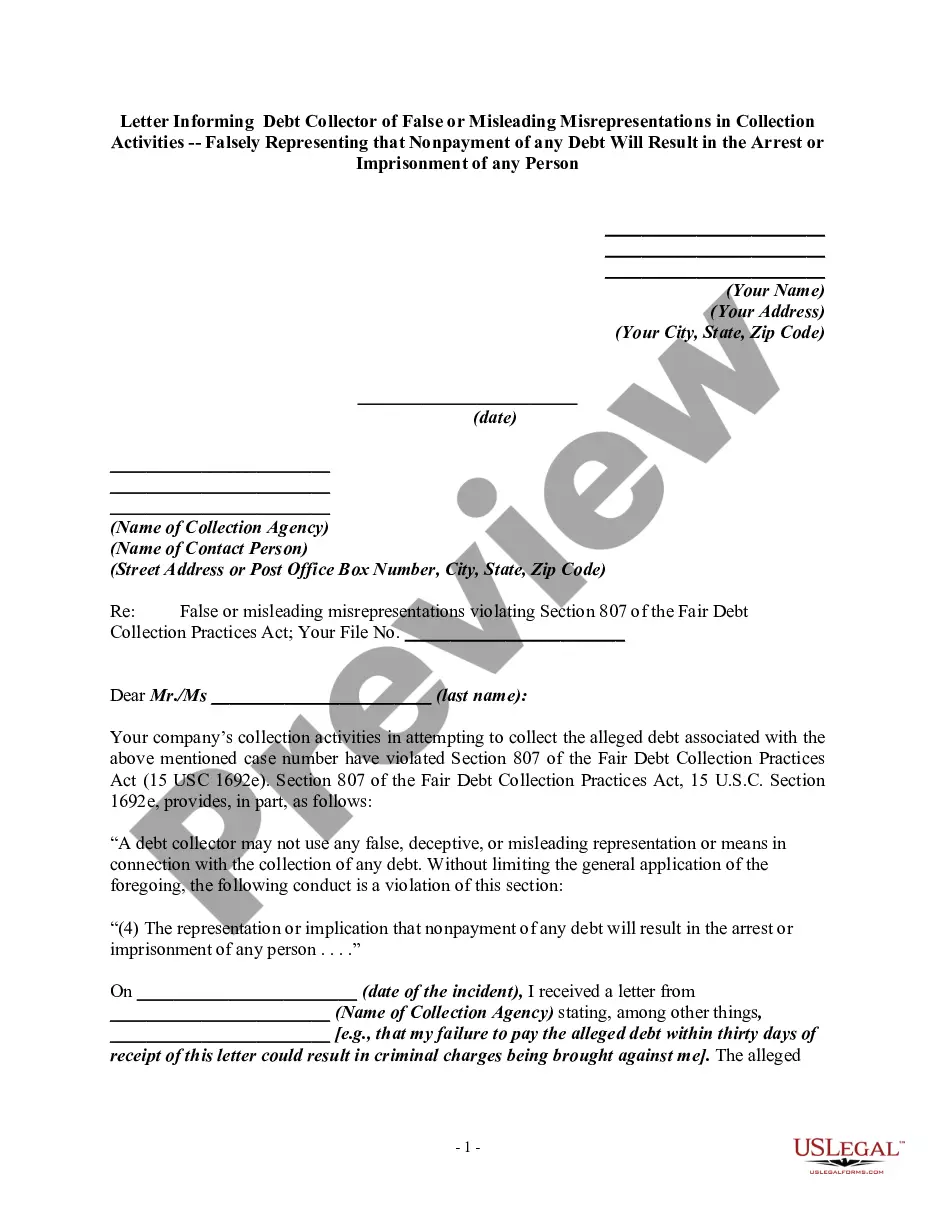
How to fill out Letter Informing Debt Collector Of False Or Misleading Misrepresentations In Collection Activities - Falsely Representing That Nonpayment Of Any Debt Will Result In The Arrest Or Imprisonment Of Any Person?
It’s clear that you cannot transform into a legal expert instantly, nor can you swiftly learn how to prepare False Imprisonment For Assault without possessing a specialized skill set.
Drafting legal documents is a labor-intensive procedure that demands specific education and expertise. So why not delegate the preparation of the False Imprisonment For Assault to the professionals.
With US Legal Forms, one of the most comprehensive legal document collections, you can find everything from court documents to templates for internal communication. We understand the importance of compliance with federal and state regulations. That’s why, on our site, all forms are location-specific and current.
You can access your documents again from the My documents section at any time. If you’re an existing user, you can simply Log In and find and download the template from the same section.
Regardless of the purpose of your paperwork—whether it’s financial, legal, or personal—our platform is here to assist you. Give US Legal Forms a try today!
- Start by using the search bar located at the top of the page to find the document you require.
- Preview it (if this option is available) and review the accompanying description to determine if False Imprisonment For Assault is what you need.
- If you require a different form, begin your search anew.
- Create a free account and select a subscription plan to purchase the form.
- Click Buy now. After the payment is completed, you can download the False Imprisonment For Assault, fill it out, print it, and send it or mail it to the appropriate individuals or organizations.
Form popularity
FAQ
To prove assault, you generally need to show that the accused intended to cause harm or created fear of harm in the victim. Evidence may include witness statements, video footage, and medical records. Documentation of the incident is crucial, as it strengthens your case. If you're dealing with a case of false imprisonment for assault, gathering comprehensive evidence is vital, and resources like US Legal Forms can assist you in organizing your documentation effectively.
While false imprisonment and assault are related, they are distinct legal concepts. False imprisonment involves unlawfully restraining someone’s freedom, whereas assault refers to the act of causing another person to fear imminent harm. However, false imprisonment can occur alongside assault in many cases. If you believe you have been a victim of false imprisonment for assault, seeking legal advice can help clarify your situation.
The sentence for false imprisonment can vary based on the circumstances of the case. Typically, a conviction may lead to jail time, fines, or both. In some instances, judges may impose probation as part of the sentence. If you're facing charges related to false imprisonment for assault, it's crucial to consult a legal expert to understand potential outcomes.
An example of false imprisonment for assault could involve a person being locked in a room against their will, without any legal reason for their confinement. For instance, if a security guard detains someone in a store without just cause, that may constitute false imprisonment. However, it is vital to assess each situation individually as the context can vary. Utilizing platforms like US Legal Forms can provide guidance and resources for those facing such issues.
In cases of false imprisonment for assault, the burden of proof lies with the plaintiff. They must demonstrate that they were intentionally confined without legal justification. This typically involves showing that the confinement was willful and that the individual had no reasonable means of escape. Understanding the burden of proof is crucial for anyone considering pursuing legal action.
Assault and false imprisonment are distinct legal concepts. Assault involves an intentional act that causes someone to fear imminent harm, while false imprisonment for assault occurs when someone is unlawfully confined against their will. It is essential to understand that false imprisonment does not require physical harm, only the restriction of someone's freedom. Knowing these differences can help you navigate legal situations effectively.
Elements of the crime intentionally detained, restrained, or confined another person; the restraint made the victim stay or go somewhere for a period of time; victim did not give their consent and was harmed; the conduct was a significant factor in causing victim's harm.
False Imprisonment Situations Physically restraining a person from leaving an area. Locking the doors of a room to prevent escape. Store owner detaining a suspected theft for an unreasonable amount of time. A robber enters a store, waves his gun and tells people not to leave.
To secure monetary compensation for false imprisonment, you must be able to prove that another reasonable person would not have performed the same actions in the same situation. Your attorney will also need to demonstrate the following elements: There was a willful restraint that prevented you from leaving.
To prove a false imprisonment claim as a tort in a civil lawsuit, the following elements must be present: There was a willful detention; The detention was without consent; and. The detention was unlawful.