Good Faith Live
Description
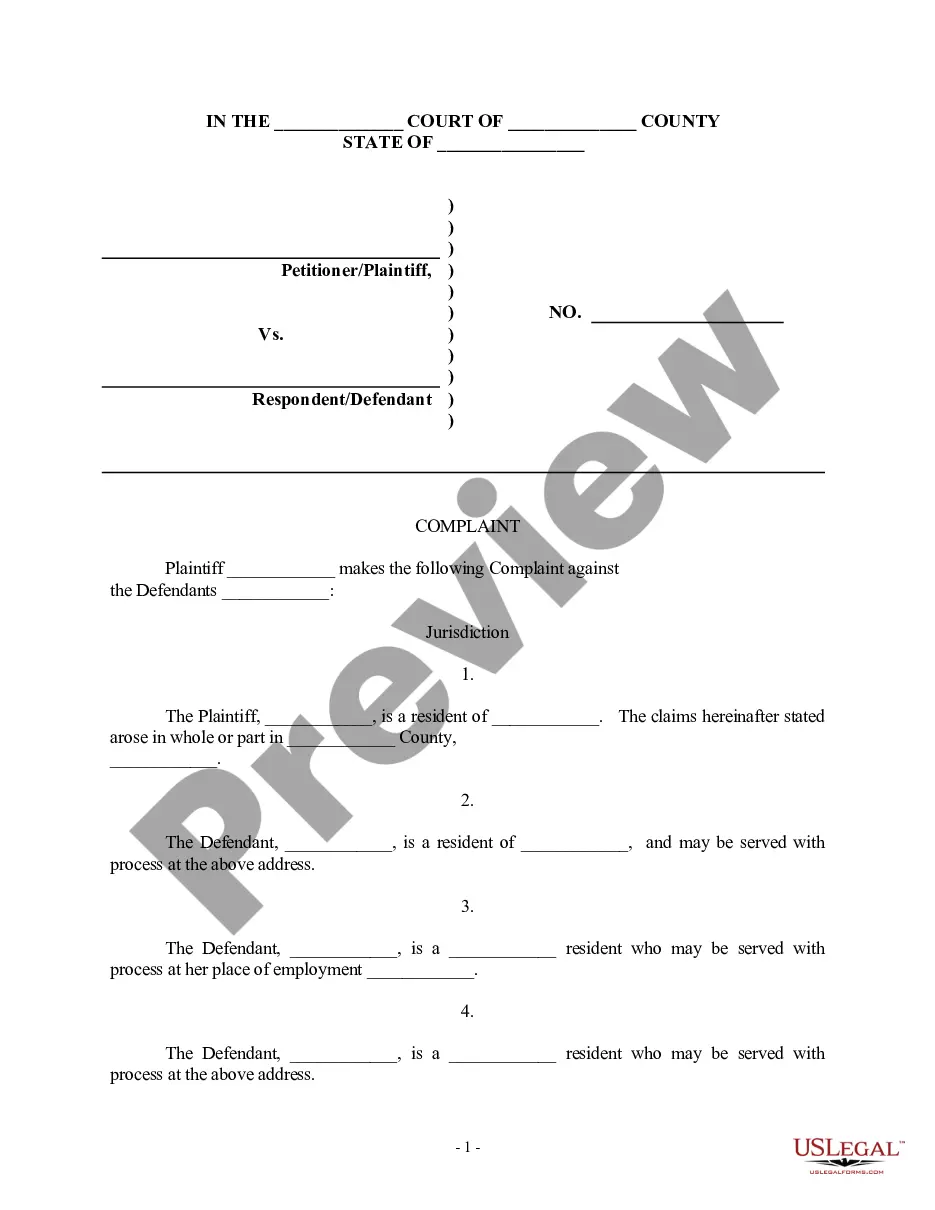
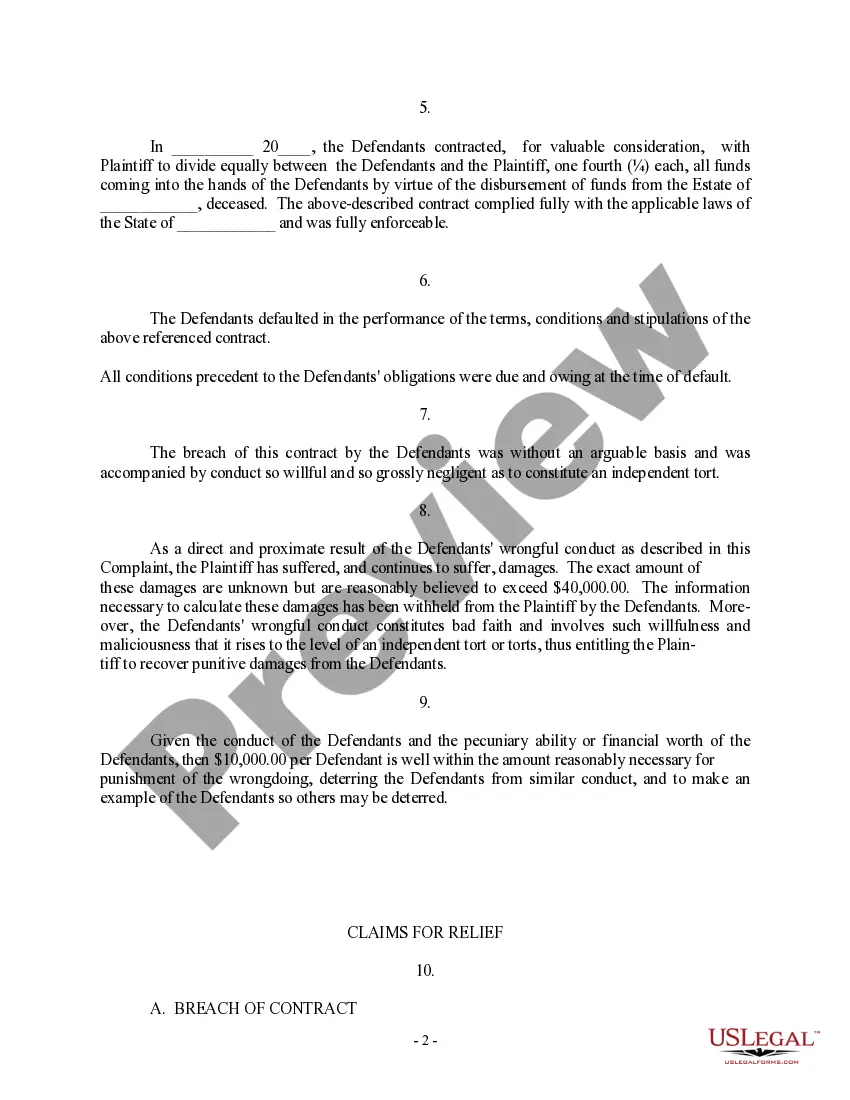
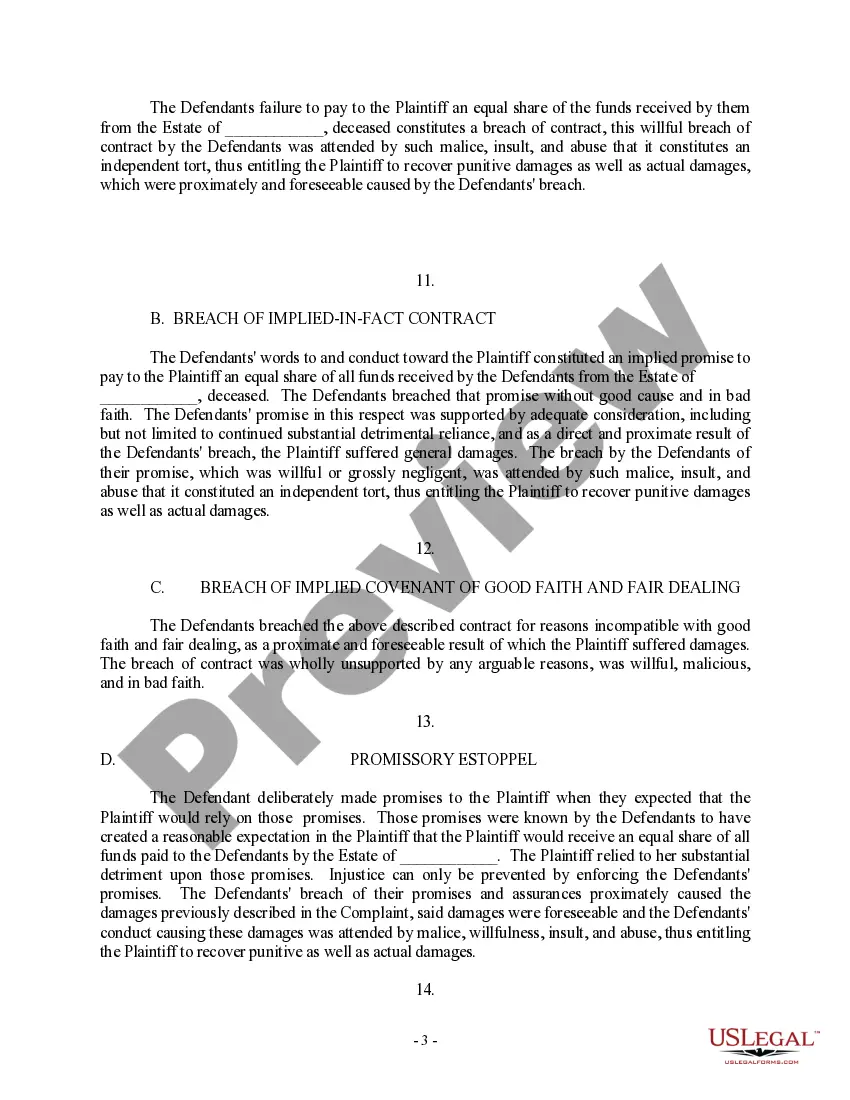
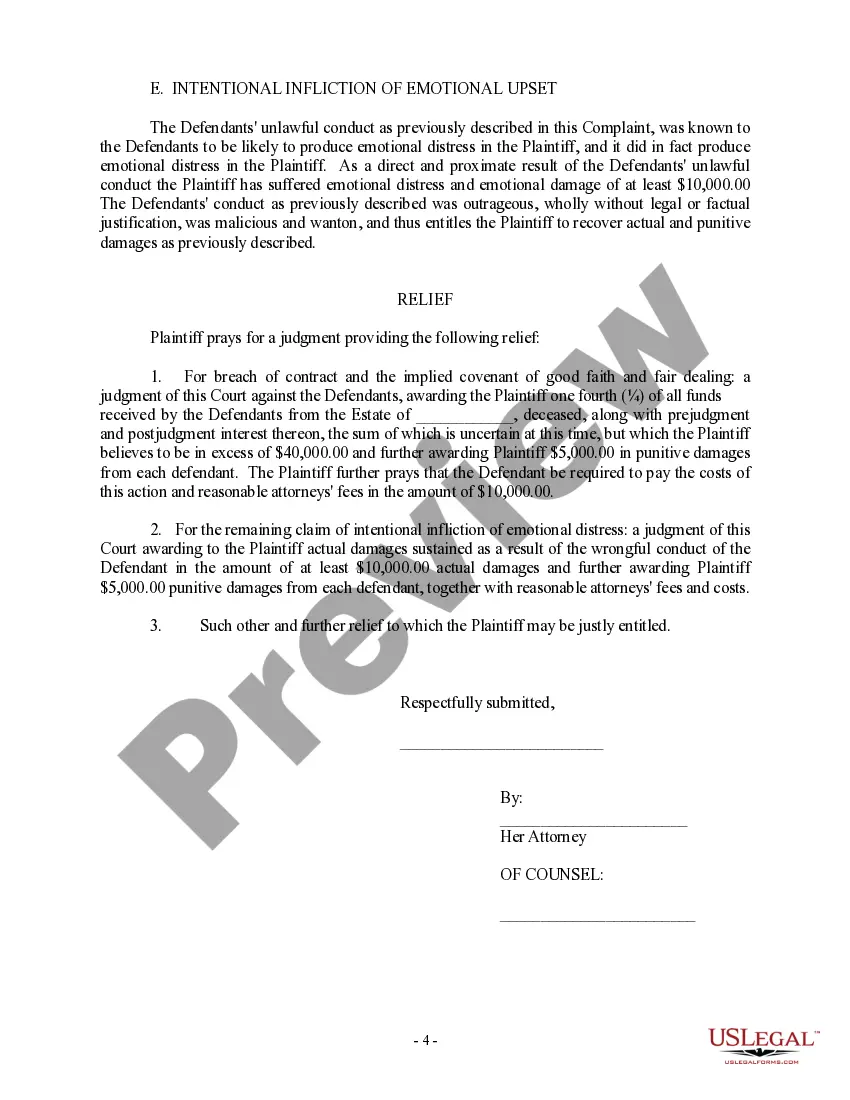
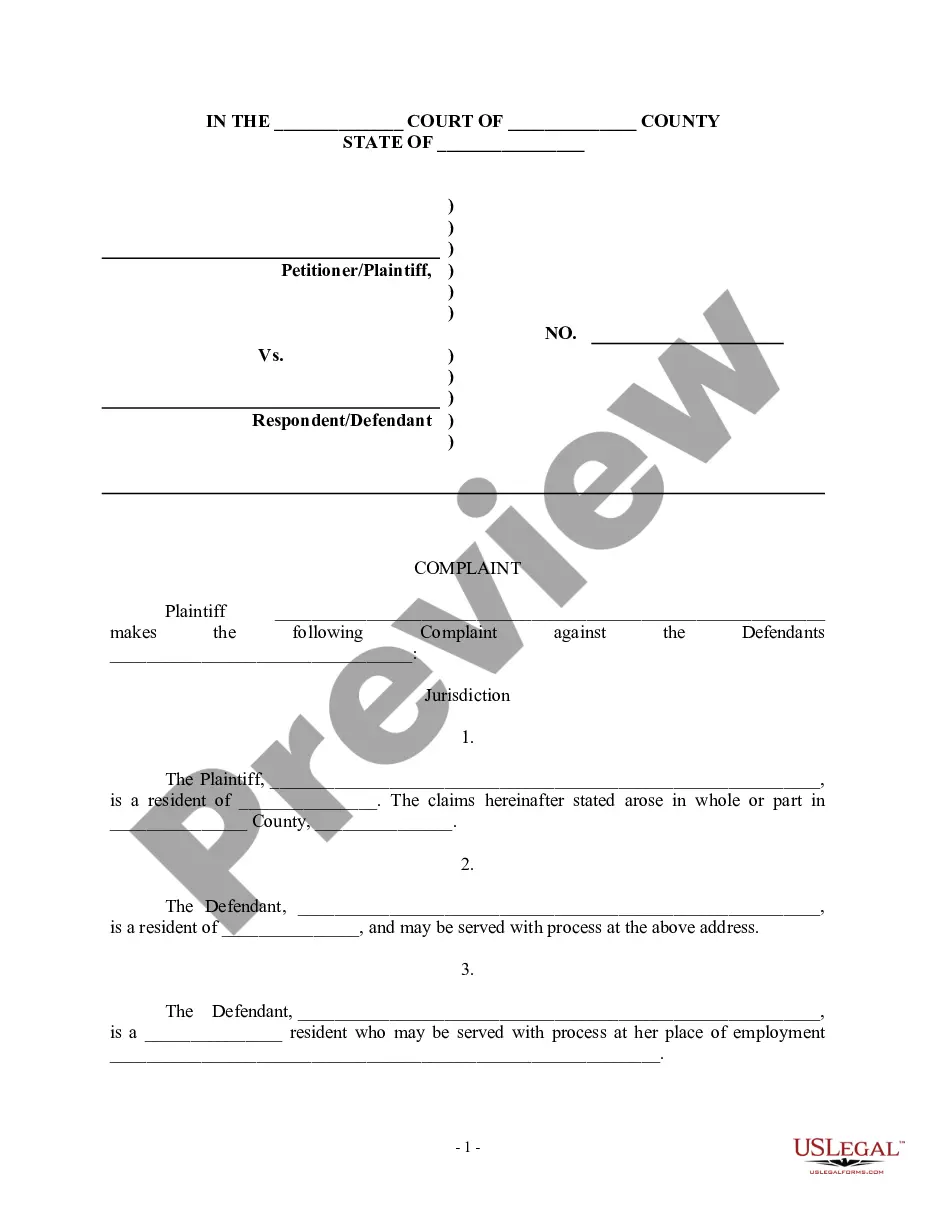
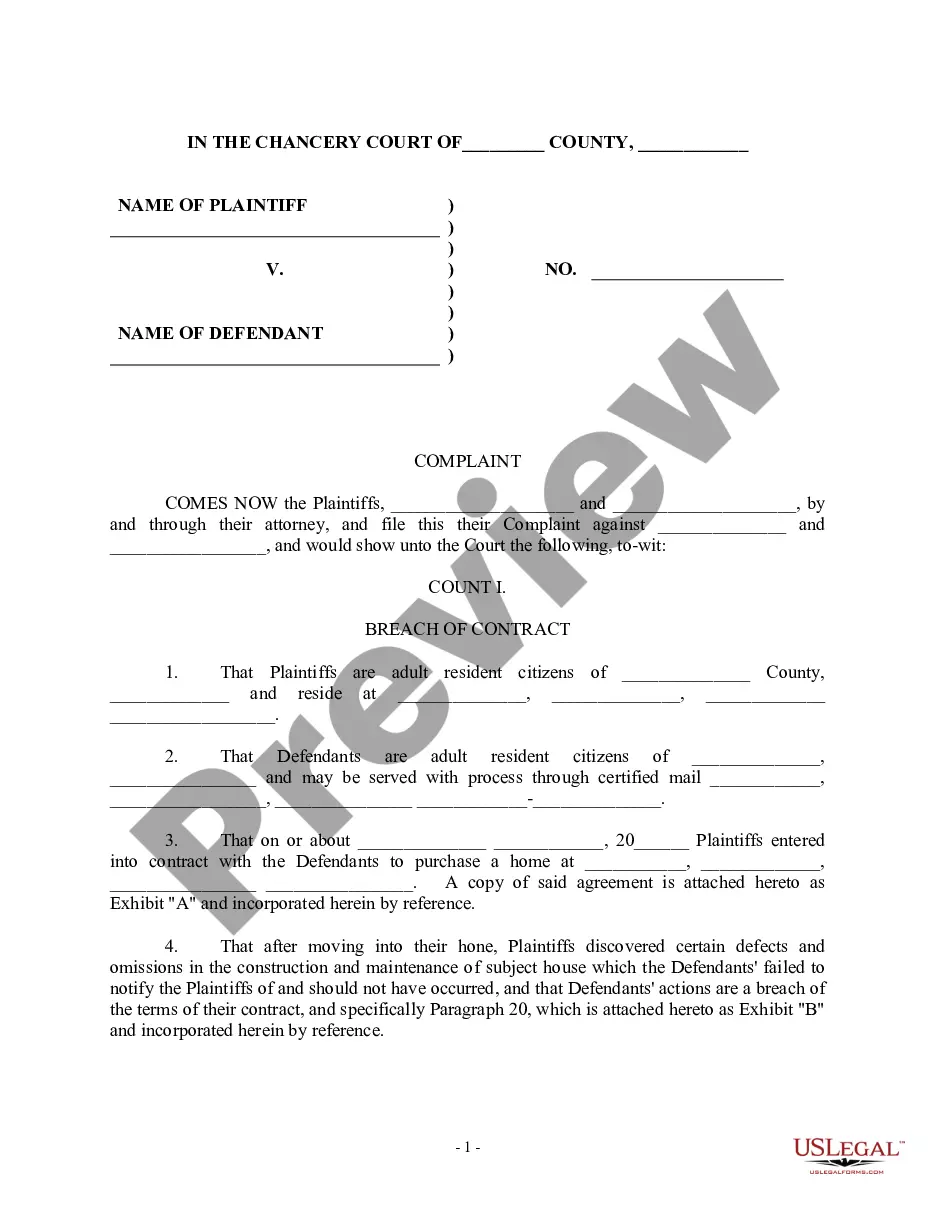

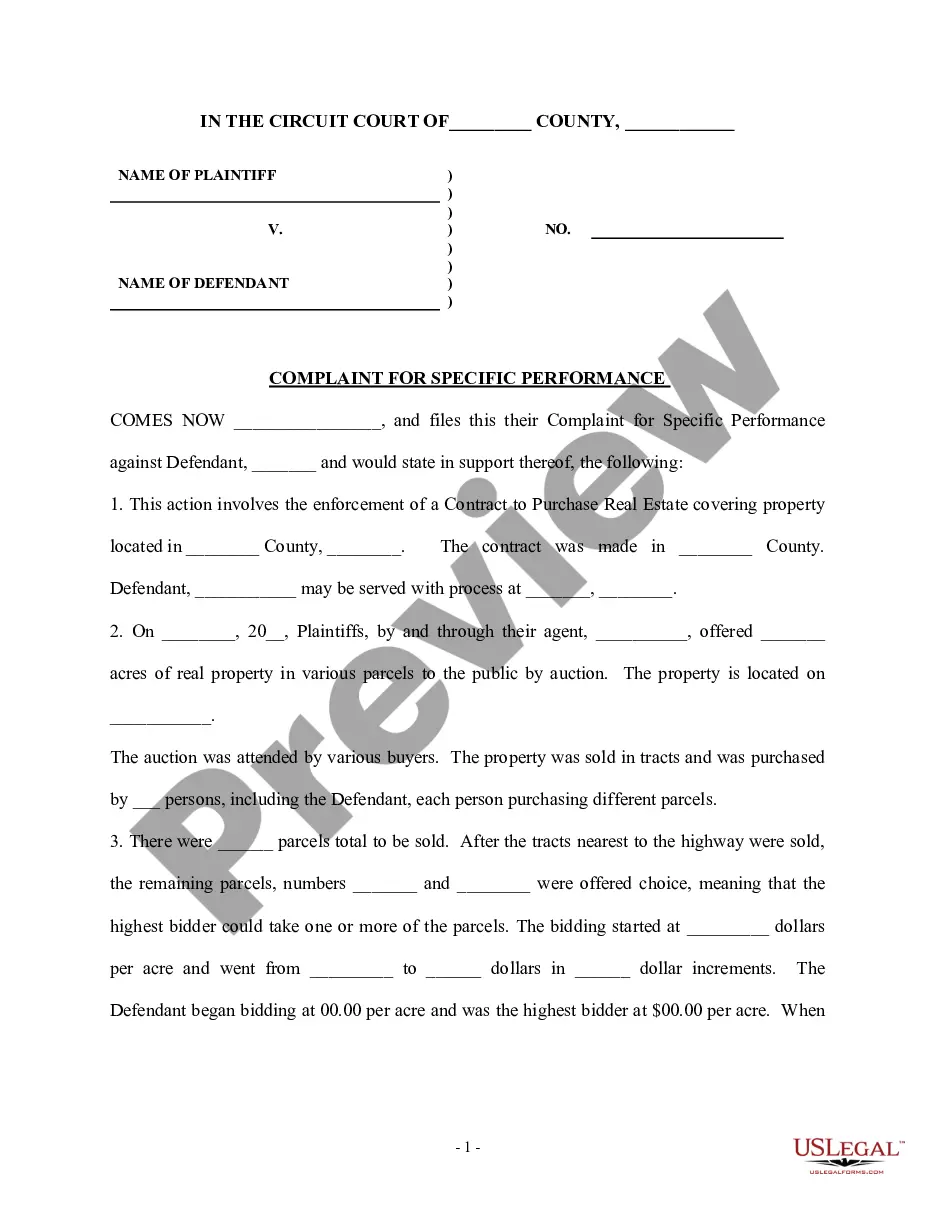

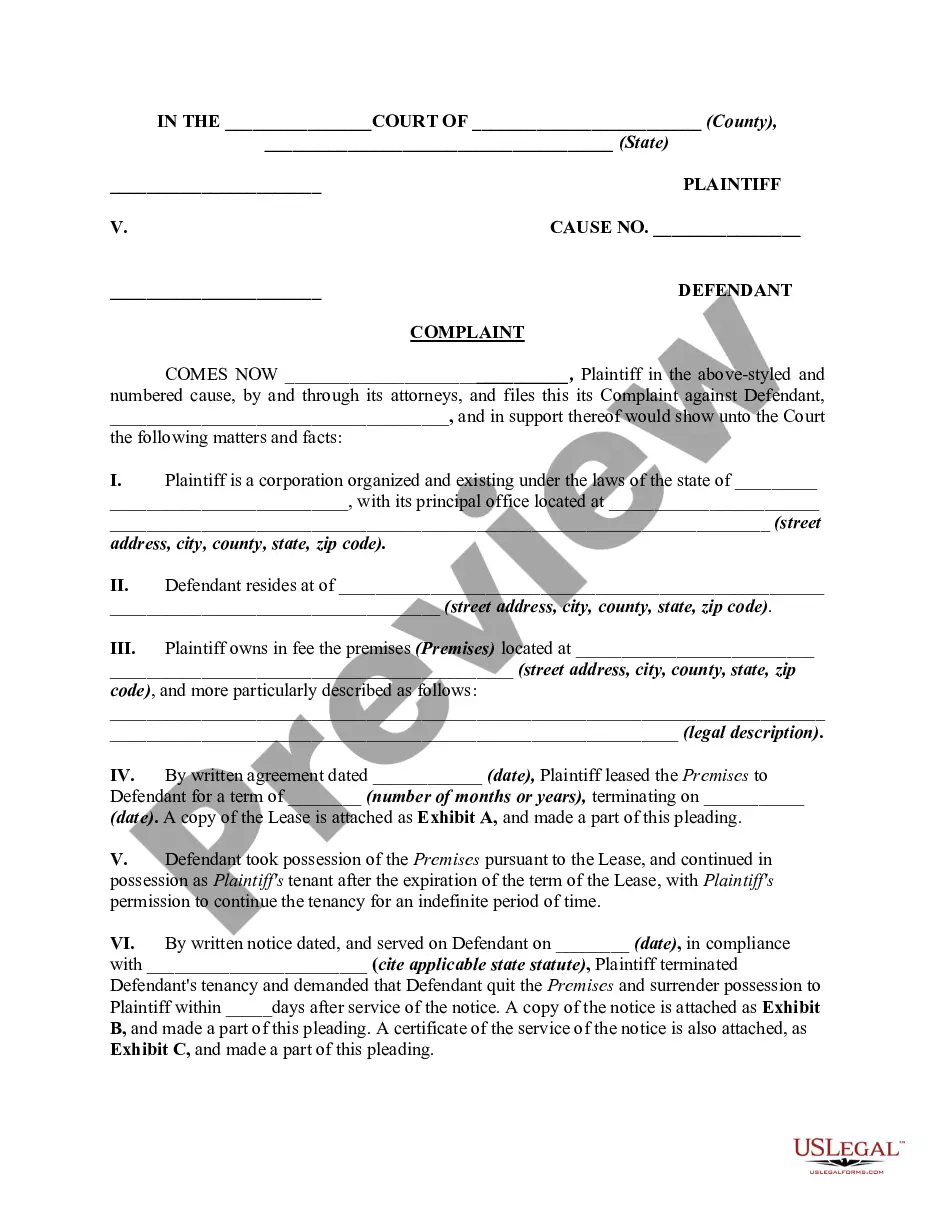



How to fill out Complaint Regarding Breach Of Contract To Divide Estate Proceeds, Implied Contract, Good Faith And Fair Dealing, Promissory Estoppel, Emotional Distress?
- Log in to your account if you have previously used US Legal Forms. Ensure your subscription is active; renew it if necessary.
- For first-time users, browse the extensive library. Use the Preview feature to check descriptions and confirm the form aligns with your jurisdiction.
- If you need to adjust your search, utilize the Search tab to find alternatives that meet your needs.
- When you find the ideal document, click 'Buy Now' and select your preferred subscription plan. You will need to create an account to proceed.
- Complete the payment with your credit card or PayPal to finalize the subscription process.
- Finally, download your form directly to your device. You can also access it anytime from your 'My Forms' menu.
By following these straightforward steps, you'll harness the power of US Legal Forms to effortlessly navigate your legal needs. With over 85,000 forms available and the ability to consult with experts, you ensure precision in all your legal documents.
Start today with US Legal Forms to take the stress out of legal paperwork and achieve peace of mind with every document you create!
Form popularity
FAQ
Filling out a good faith estimate involves carefully entering your expected costs for a specific project or service. Start by gathering all relevant information, such as project specifics and anticipated expenses. Ensure you clearly outline all fees, including service charges and potential escalations. By using the Good Faith Live features on the US Legal Forms platform, you can easily generate a comprehensive estimate that aligns with industry standards.
You can show good faith by being honest, keeping promises, and communicating openly with others. Accountability and transparency play crucial roles in demonstrating this quality. With the tools available through Good Faith Live, you can cultivate a culture of good faith in your professional activities.
When someone says 'in good faith', they refer to acting with honest intent and sincerity in their actions. This phrase underscores a commitment to fairness and integrity, whether in agreements or everyday interactions. With Good Faith Live, you can learn to embody this principle, enhancing your relationships and negotiations.
The good faith effort strategy involves taking sincere actions to fulfill obligations, especially in challenging situations. It emphasizes the importance of perseverance and genuine attempts to meet commitments. Using Good Faith Live, organizations can implement this strategy effectively, ensuring accountability and transparency.
To remain in good faith means to continue acting honestly and with integrity in all dealings. This commitment builds lasting relationships based on trust, whether in business or personal interactions. Good Faith Live helps maintain this standard by encouraging consistent, open communication.
Good faith includes scenarios where one party makes reasonable efforts to meet its obligations. For instance, if a seller provides accurate product descriptions and fulfills delivery promises, they are acting in good faith. By utilizing Good Faith Live, you can navigate such situations more effectively, ensuring mutual understanding and cooperation.
An example of acting in good faith involves entering into a contract where both parties share all necessary information transparently. For instance, when a company discloses all relevant details during negotiations, it fosters trust and collaboration. With Good Faith Live, you can see how this principle enhances communication in business relationships.
A good faith payment to debt collectors refers to an initial payment aimed at demonstrating a borrower's willingness to settle debts. It shows that you are taking responsibility for your financial obligations and seeking to resolve issues. Understanding this concept is crucial, and using resources from uslegalforms can help you navigate such situations effectively.
To write a good faith statement, start by clearly stating your intentions and purpose. Next, express your commitment to transparency and honesty throughout the process. Incorporating the idea of good faith live can enhance the credibility of your statement, as it reflects your genuine desire to foster trust in your dealings.
A good faith statement serves to communicate honesty and intentions between parties. It can be a declaration that both individuals or organizations will engage in negotiations or transactions fairly and transparently. This concept aligns with the principles of good faith live, showcasing the importance of trust in relationships.