Option Plan With The Help
Description







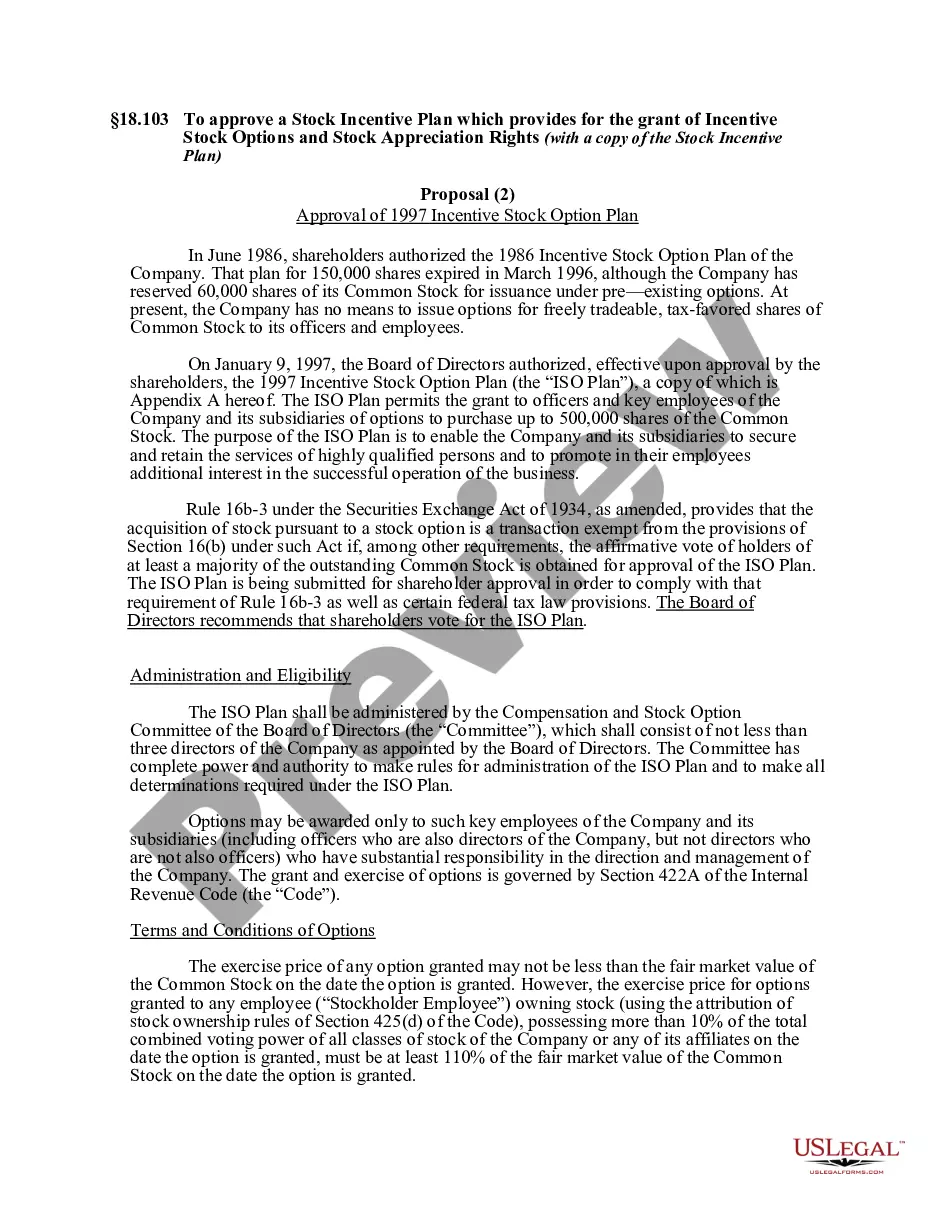
Get your form ready online
Our built-in tools help you complete, sign, share, and store your documents in one place.
Make edits, fill in missing information, and update formatting in US Legal Forms—just like you would in MS Word.
Download a copy, print it, send it by email, or mail it via USPS—whatever works best for your next step.
Sign and collect signatures with our SignNow integration. Send to multiple recipients, set reminders, and more. Go Premium to unlock E-Sign.
If this form requires notarization, complete it online through a secure video call—no need to meet a notary in person or wait for an appointment.
We protect your documents and personal data by following strict security and privacy standards.

Make edits, fill in missing information, and update formatting in US Legal Forms—just like you would in MS Word.

Download a copy, print it, send it by email, or mail it via USPS—whatever works best for your next step.

Sign and collect signatures with our SignNow integration. Send to multiple recipients, set reminders, and more. Go Premium to unlock E-Sign.

If this form requires notarization, complete it online through a secure video call—no need to meet a notary in person or wait for an appointment.

We protect your documents and personal data by following strict security and privacy standards.
Looking for another form?



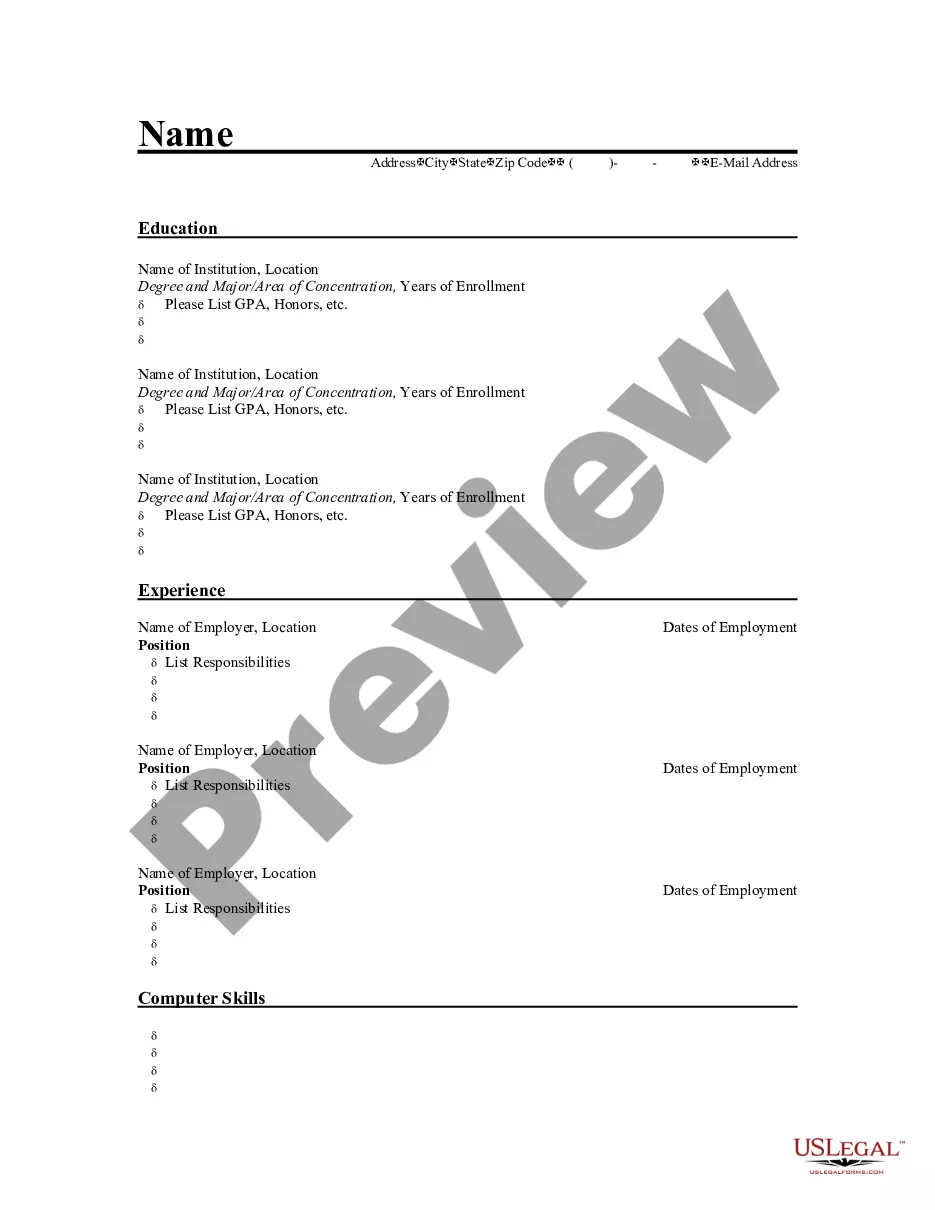


How to fill out Stock Option Plan Stock Option Plan Which Provides For Grant Of Incentive Stock Options, Nonqualified Stock Options, And Exchange Options?
- If you're an existing user, log in to your account and check if your subscription is active. If necessary, renew it based on your chosen payment plan.
- For new users, start by previewing the form descriptions. Ensure the selected document meets your specific requirements and complies with local regulations.
- If any discrepancies arise, utilize the Search tab to find the appropriate template that better suits your needs.
- Proceed to purchase your document by clicking the Buy Now button. You will need to create an account to access the comprehensive library.
- Finalize your payment using your credit card or PayPal to complete the subscription.
- Download the template onto your device. You can also access it anytime from the My Forms section.
By following these steps, you’ll have streamlined access to over 85,000 forms ensuring accuracy and legal compliance.
Start simplifying your legal document process today with US Legal Forms and empower yourself with the right tools. Explore your options now!
Form popularity
FAQ
One downside of an ESOP is that it can create financial and administrative complexity for the company. Implementing an ESOP involves significant legal and tax considerations, which can be challenging to navigate. Additionally, if the company's stock value declines, employees may face financial loss, highlighting the need for a balanced approach that might include an option plan with the help as a viable alternative.
The main difference between options and ESOP lies in how they grant ownership. Options give employees the right to buy stock in the future, while ESOPs provide shares outright. Each has its own advantages, and an option plan with the help can be an effective way to motivate employees without immediate dilution of ownership for the company.
Options are reported on your tax return by documenting the transactions made during the tax year, including sales and exercises. Use Schedule D and Form 8949 forms to report capital gains and losses from these transactions. To make this process less daunting, US Legal provides comprehensive guides that assist you step-by-step.
Yes, options are reported on the 1099 B form once you sell or exercise them. This form details any gains or losses from your trades, ensuring you have the necessary information for your tax return. With the help of US Legal, you can easily access the relevant forms and understand how to report your options accurately.
For tax purposes, option premiums are generally considered capital gains or losses based on whether you realize a profit or loss upon selling or exercising the options. When you exercise an option, the premium adds to your basis, which influences the total gain or loss when sold later. Consider exploring the US Legal resources for more details on treating these premiums.
Reporting option premium on your tax return involves recognizing the premium amount as income. You must report it when you realize a gain from the options exercised or sold. To ensure accuracy and compliance, using US Legal can provide the resources and guidance necessary for completing your tax forms correctly.
Creating a stock option plan requires strategic planning and an understanding of your company's goals. Begin by consulting with legal and financial advisors to draft a comprehensive plan that aligns with your business objectives. It's easier to create an option plan with the help of our user-friendly templates, ensuring you include all necessary elements for a successful rollout.
Setting up a stock option plan starts with defining purpose, eligibility, and the number of shares available. You should draft a plan document that outlines these elements and comply with applicable laws. Consider using our platform to create an option plan with the help of expert templates that simplify the process.
Filing taxes on stock options involves determining whether your options are non-qualified or incentive stock options. Each type has different tax implications, which you must report accurately. Utilize resources like ours to develop an effective option plan with the help of tax professionals who can assist you with all required filings.
When reporting stock options on your W-2, the income from exercised stock options typically appears in Box 1 of your form. The IRS requires you to account for this as ordinary income. You can set up your option plan with the help of our resources, which provide clear guidance on accurately reporting your income and ensuring compliance with tax regulations.