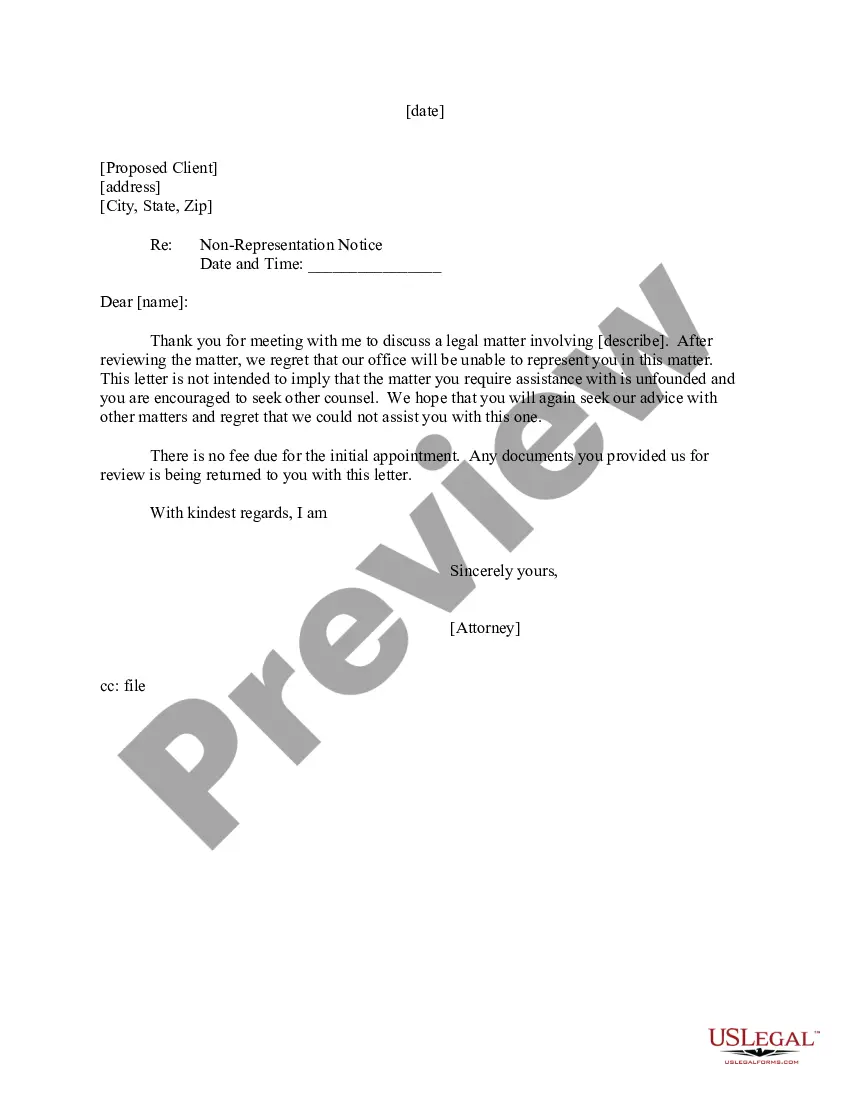
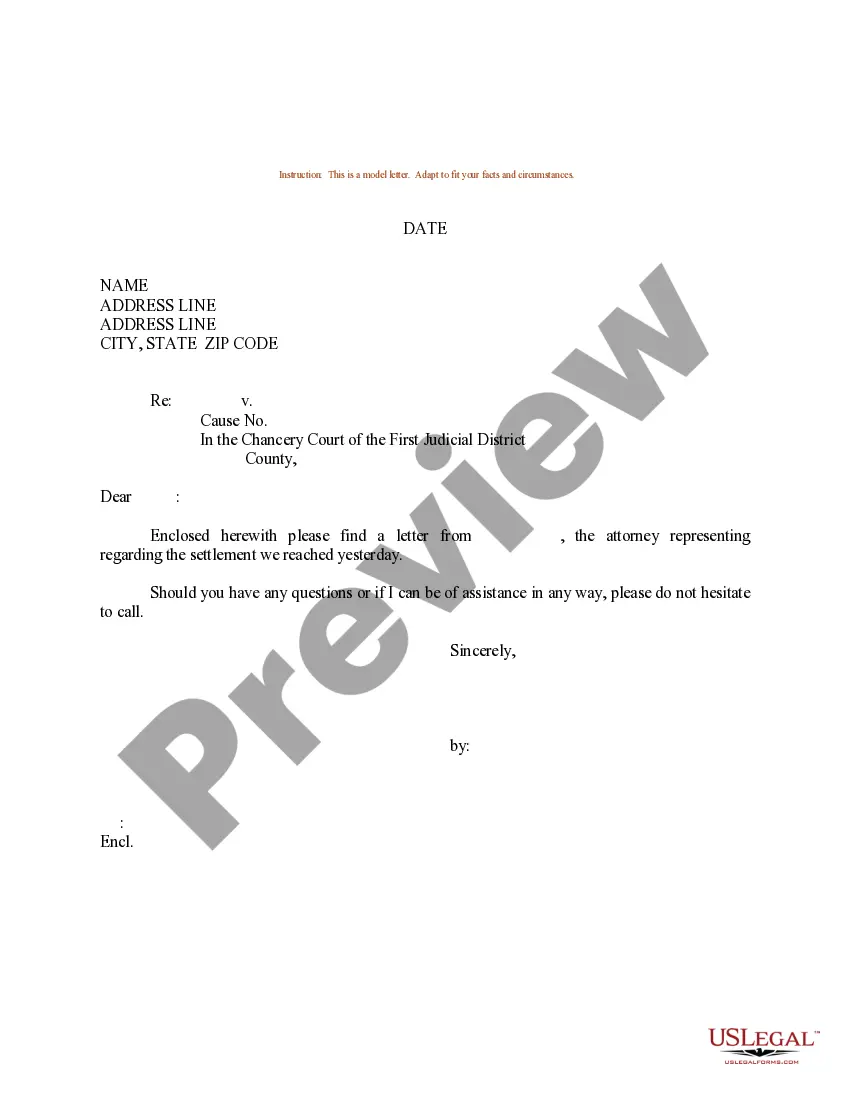
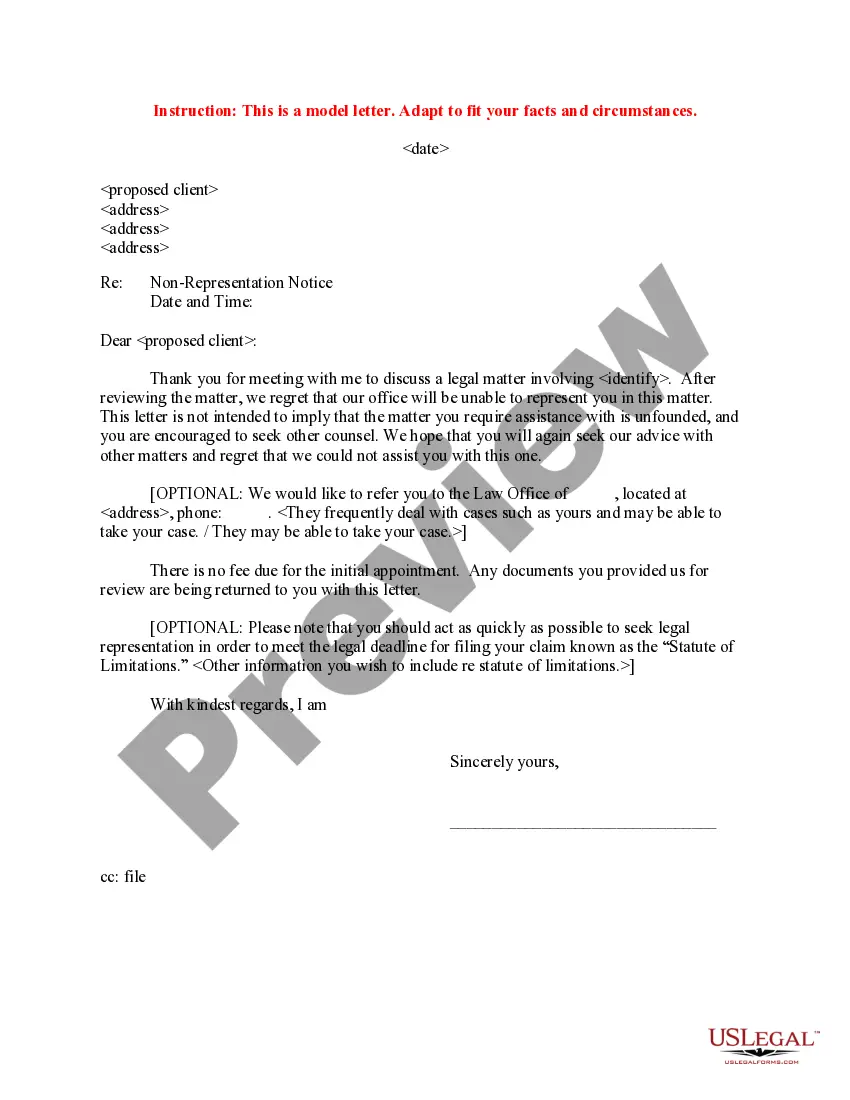
Letter Non Representation Without Taxation
Description
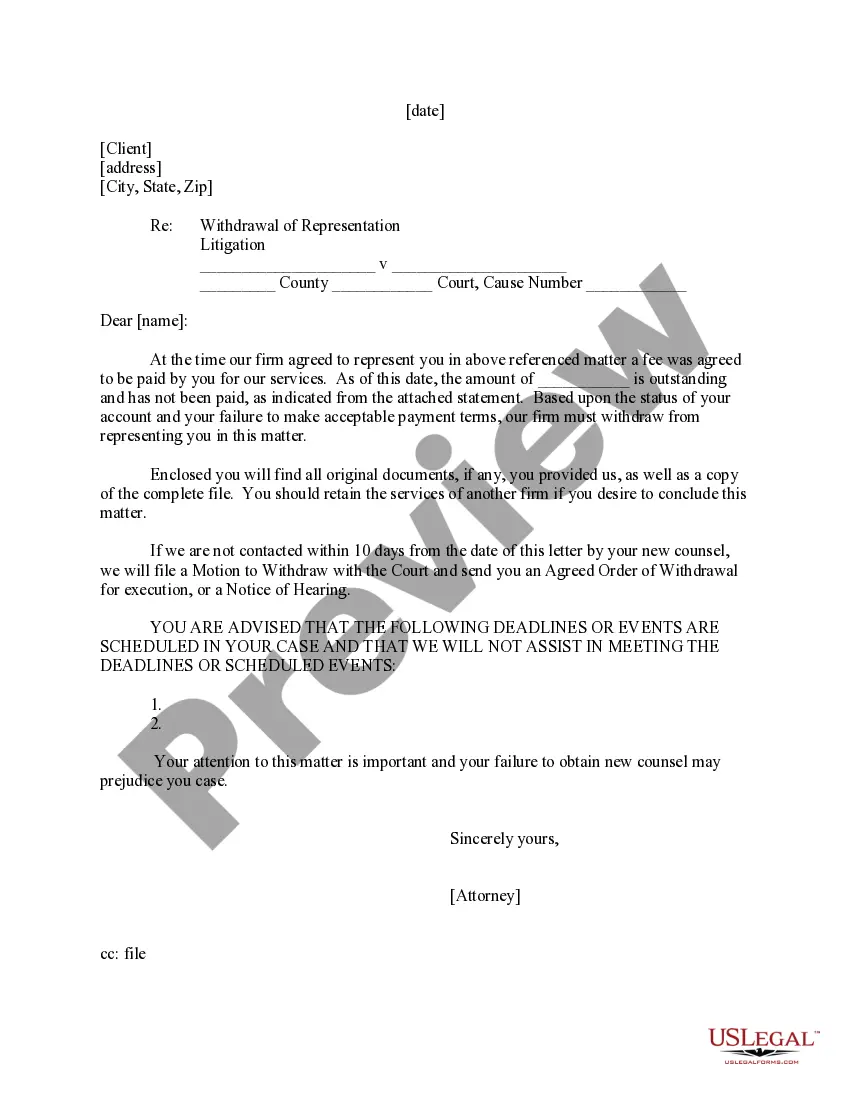
Get your form ready online
Our built-in tools help you complete, sign, share, and store your documents in one place.
Make edits, fill in missing information, and update formatting in US Legal Forms—just like you would in MS Word.
Download a copy, print it, send it by email, or mail it via USPS—whatever works best for your next step.
Sign and collect signatures with our SignNow integration. Send to multiple recipients, set reminders, and more. Go Premium to unlock E-Sign.
If this form requires notarization, complete it online through a secure video call—no need to meet a notary in person or wait for an appointment.
We protect your documents and personal data by following strict security and privacy standards.

Make edits, fill in missing information, and update formatting in US Legal Forms—just like you would in MS Word.

Download a copy, print it, send it by email, or mail it via USPS—whatever works best for your next step.

Sign and collect signatures with our SignNow integration. Send to multiple recipients, set reminders, and more. Go Premium to unlock E-Sign.

If this form requires notarization, complete it online through a secure video call—no need to meet a notary in person or wait for an appointment.

We protect your documents and personal data by following strict security and privacy standards.
Looking for another form?
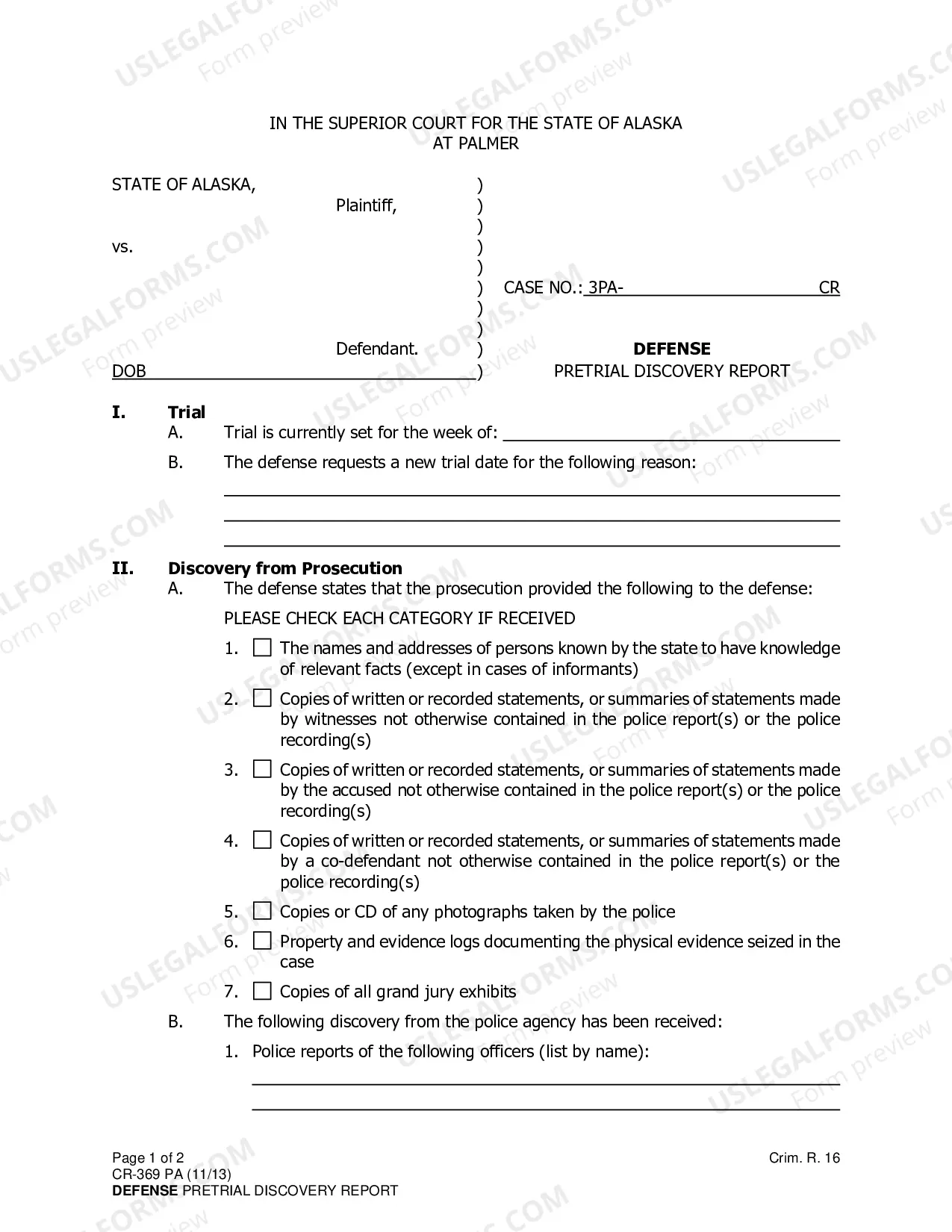





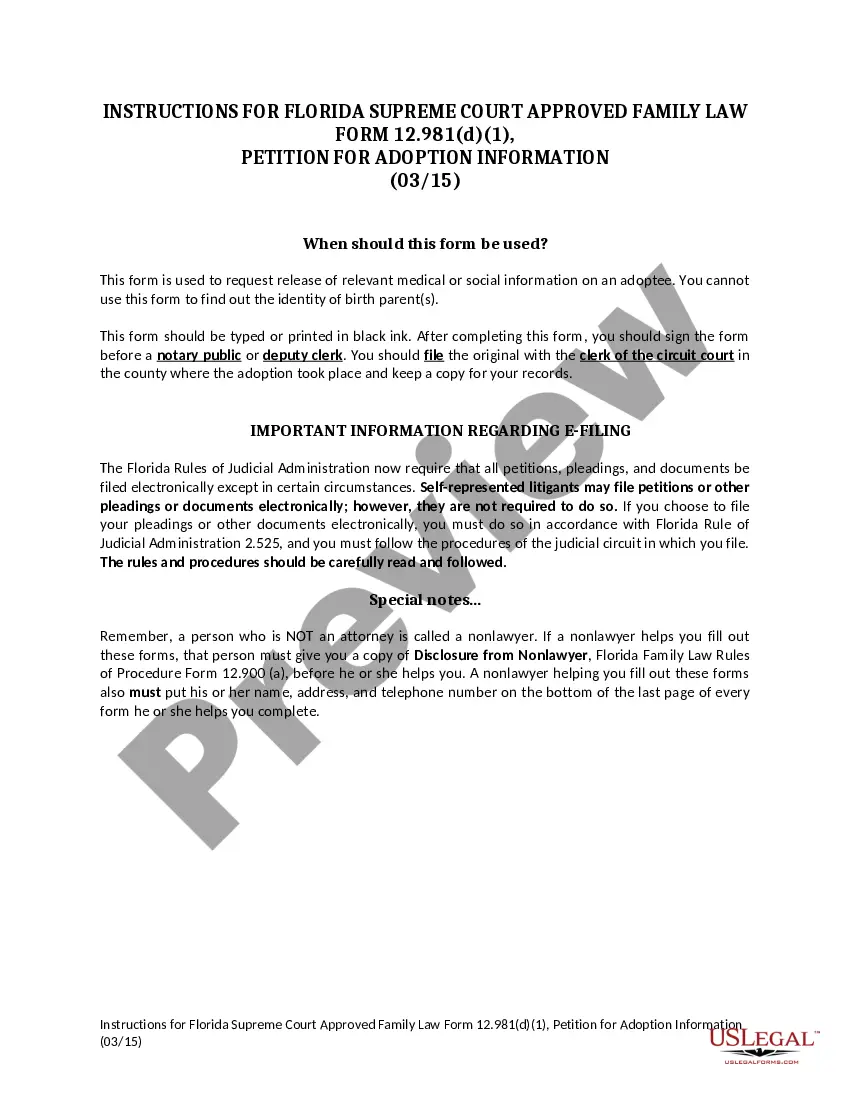


How to fill out Letter To Proposed Client - Non-Representation Letter?
Getting a go-to place to access the most recent and appropriate legal templates is half the struggle of working with bureaucracy. Choosing the right legal files needs precision and attention to detail, which explains why it is vital to take samples of Letter Non Representation Without Taxation only from trustworthy sources, like US Legal Forms. An improper template will waste your time and hold off the situation you are in. With US Legal Forms, you have little to worry about. You may access and check all the information concerning the document’s use and relevance for the situation and in your state or region.
Take the following steps to complete your Letter Non Representation Without Taxation:
- Utilize the library navigation or search field to locate your template.
- View the form’s description to ascertain if it fits the requirements of your state and area.
- View the form preview, if there is one, to make sure the template is the one you are searching for.
- Go back to the search and find the appropriate template if the Letter Non Representation Without Taxation does not match your needs.
- When you are positive regarding the form’s relevance, download it.
- If you are an authorized user, click Log in to authenticate and access your selected forms in My Forms.
- If you do not have a profile yet, click Buy now to get the form.
- Pick the pricing plan that fits your preferences.
- Go on to the registration to finalize your purchase.
- Finalize your purchase by choosing a payment method (credit card or PayPal).
- Pick the file format for downloading Letter Non Representation Without Taxation.
- When you have the form on your device, you can change it with the editor or print it and complete it manually.
Get rid of the inconvenience that comes with your legal paperwork. Discover the extensive US Legal Forms collection where you can find legal templates, examine their relevance to your situation, and download them on the spot.
Form popularity
FAQ
The Stamp Act Congress met on this day in New York in 1765, a meeting that led nine Colonies to declare the English Crown had no right to tax Americans who lacked representation in British Parliament.
In short, many colonists believed that as they were not represented in the distant British parliament, any taxes it imposed on the colonists (such as the Stamp Act and the Townshend Acts) were unconstitutional and were a denial of the colonists' rights as Englishmen.
At present, we have taxation without representation, which is not healthy. Maintaining 18 as the legal minimum age for voting not only goes against the mantra of 'no taxation without representation'.
No Taxation without Representation The British government argued instead that the colonists enjoyed virtual representation, that they were represented in Parliament in the same way as the thousands of British subjects who did not have the vote, or towns not represented in Parliament, such as Birmingham and Manchester.
The phrase taxation without representation describes a populace that is required to pay taxes to a government authority without having any say in that government's policies. The term has its origin in a slogan of the American colonials against their British rulers: "Taxation without representation is tyranny."1.