Rules For Estate Accounts
Description

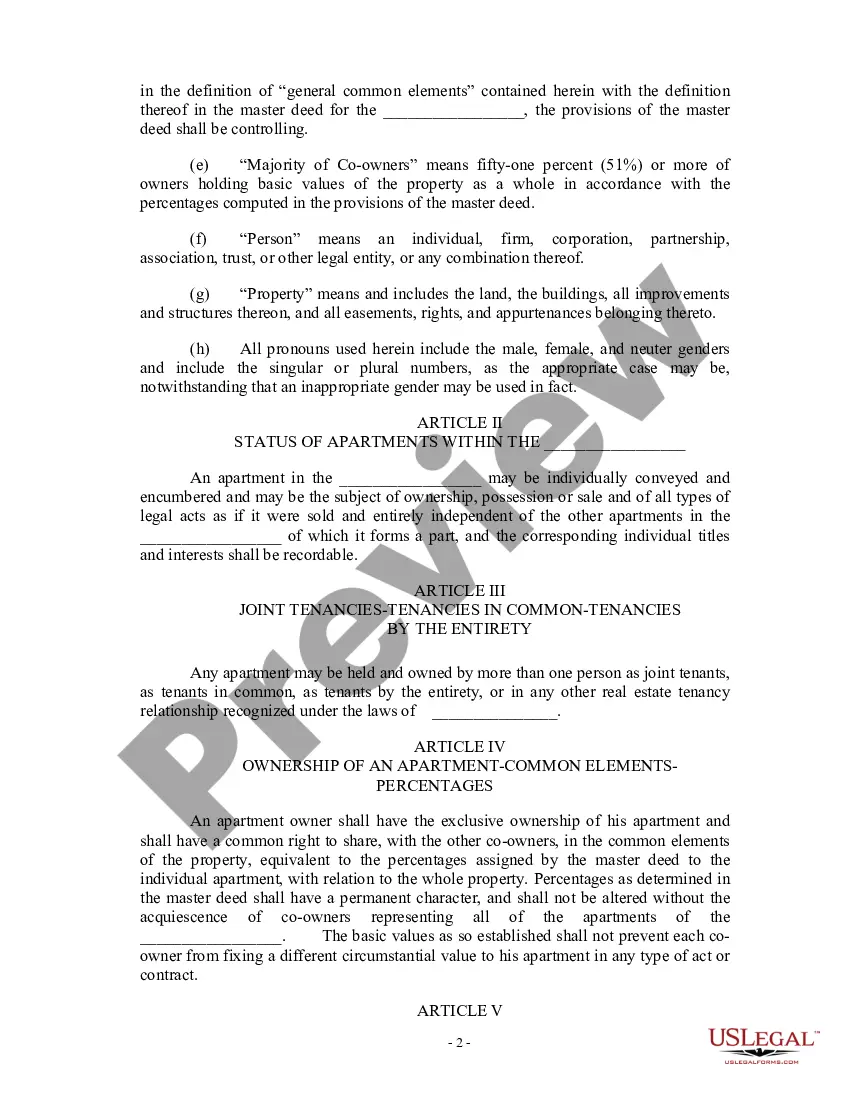
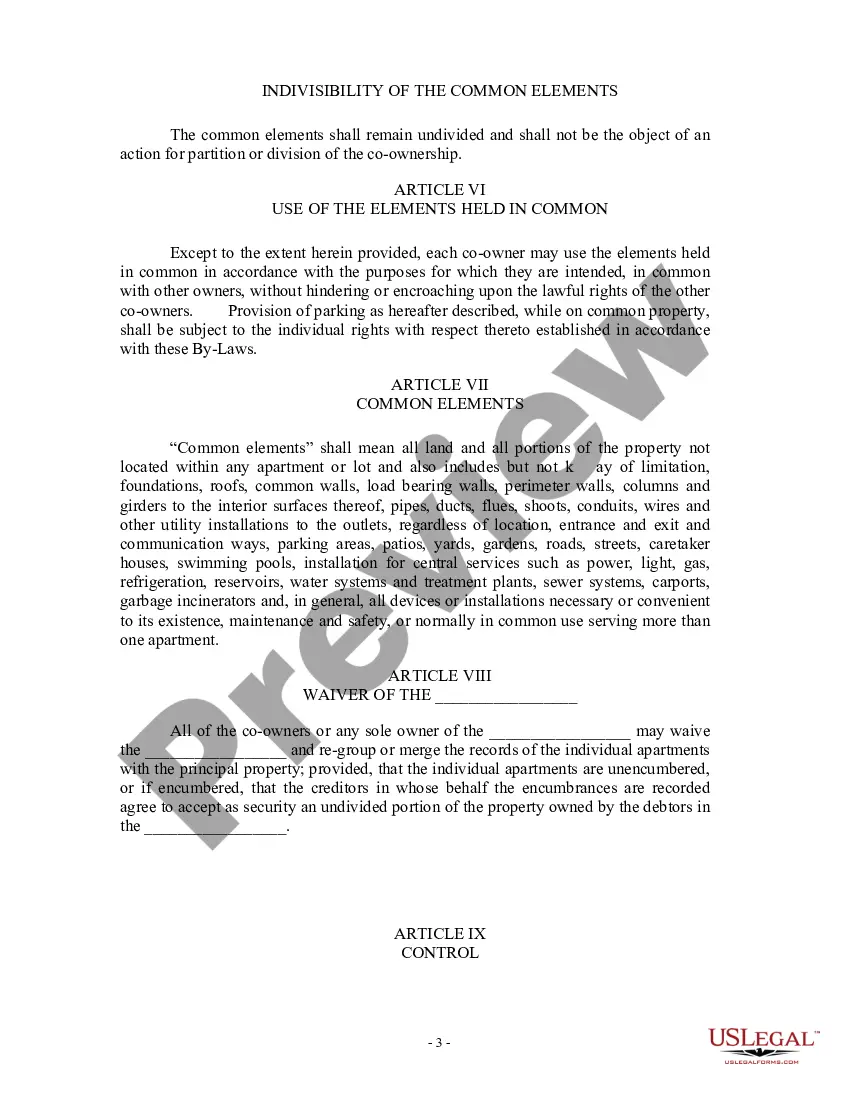
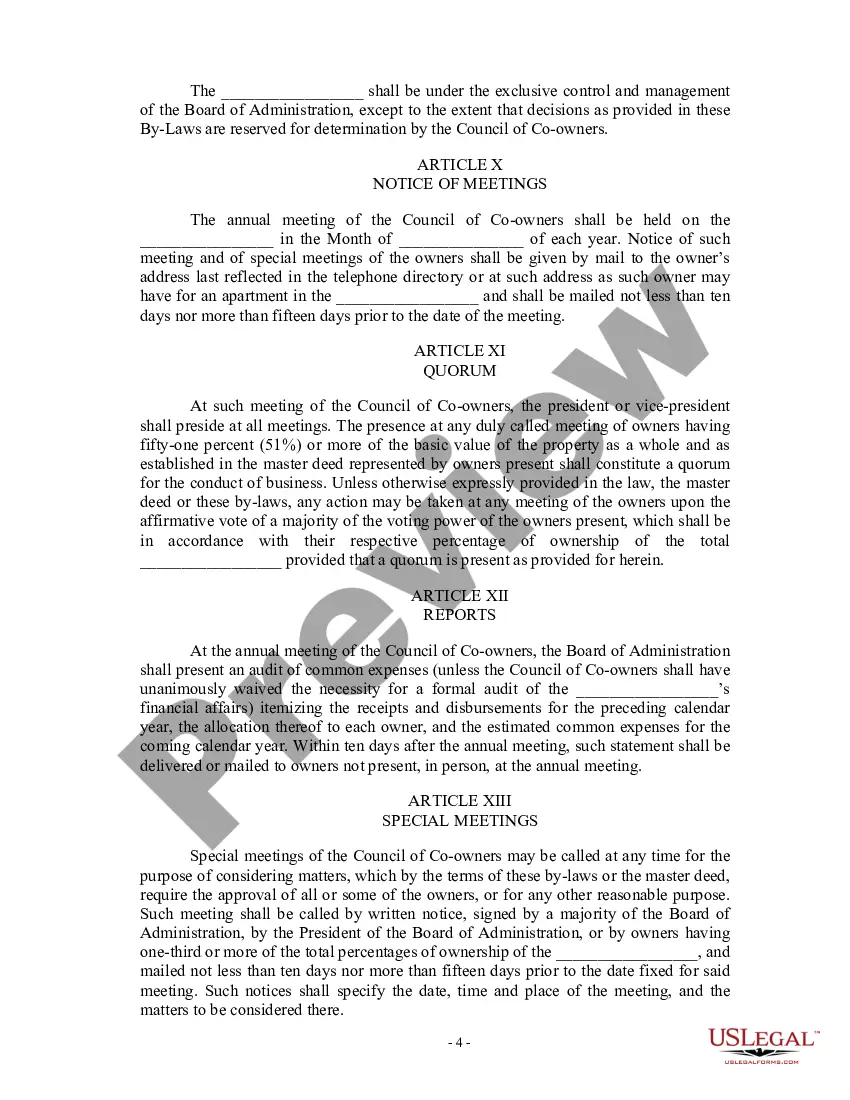
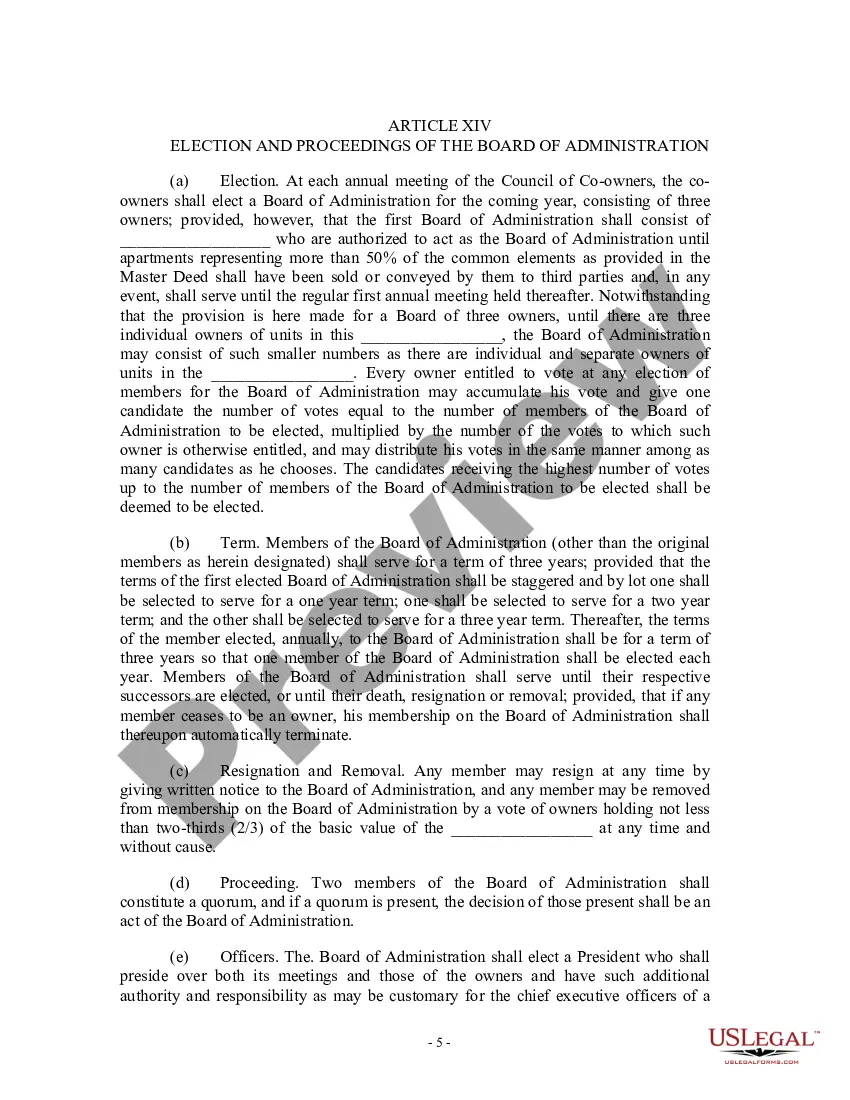


Get your form ready online
Our built-in tools help you complete, sign, share, and store your documents in one place.
Make edits, fill in missing information, and update formatting in US Legal Forms—just like you would in MS Word.
Download a copy, print it, send it by email, or mail it via USPS—whatever works best for your next step.
Sign and collect signatures with our SignNow integration. Send to multiple recipients, set reminders, and more. Go Premium to unlock E-Sign.
If this form requires notarization, complete it online through a secure video call—no need to meet a notary in person or wait for an appointment.
We protect your documents and personal data by following strict security and privacy standards.

Make edits, fill in missing information, and update formatting in US Legal Forms—just like you would in MS Word.

Download a copy, print it, send it by email, or mail it via USPS—whatever works best for your next step.

Sign and collect signatures with our SignNow integration. Send to multiple recipients, set reminders, and more. Go Premium to unlock E-Sign.

If this form requires notarization, complete it online through a secure video call—no need to meet a notary in person or wait for an appointment.

We protect your documents and personal data by following strict security and privacy standards.
Looking for another form?


How to fill out Bylaws Of Condominium?
Legal administration can be overwhelming, even for the most experienced experts.
When you are searching for a Guidelines For Estate Accounts and don’t have the opportunity to spend time finding the correct and updated version, the tasks can be challenging.
US Legal Forms accommodates any requirements you might have, from personal to corporate paperwork, all in one location.
Utilize cutting-edge tools to complete and manage your Guidelines For Estate Accounts.
Here are the steps to follow after downloading the form you need: Confirm it is the correct document by previewing it and reviewing its description. Ensure that the template is accepted in your state or county. Click Buy Now once you are ready. Select a subscription plan. Choose the format you desire, and Download, complete, sign, print, and submit your documents. Enjoy the US Legal Forms online directory, backed by 25 years of expertise and reliability. Improve your daily document management in a seamless and user-friendly manner today.
- Access a resource library of articles, guides, and manuals that pertain to your circumstances and needs.
- Save time and energy searching for the forms you require, and use US Legal Forms’ advanced search and Review tool to locate Guidelines For Estate Accounts and acquire it.
- If you hold a subscription, Log In to your US Legal Forms account, search for the form, and obtain it.
- Check your My documents tab to view the documents you previously downloaded as well as to manage your folders as you prefer.
- If this is your first experience with US Legal Forms, create an account and gain unlimited access to all the benefits of the library.
- A robust online form directory can be transformative for anyone who wants to handle these scenarios efficiently.
- US Legal Forms is a leader in online legal documentation, with over 85,000 state-specific legal forms accessible to you at any time.
- With US Legal Forms, you can access state- or county-specific legal and business documents.
Form popularity
FAQ
There is no set format for estate accounts, however they should as a minimum detail all estate assets as they were at the date of death, all liabilities and any increases/ decreases in the value of estate assets once they have been liquidated.
An executor is often in receipt of checks in the deceased's name, in payment of amounts owed to the deceased while they were alive. An estate account makes it easy for the executor to endorse and deposit these payments.
This means that the funds contained in the accounts will be transferred to the court-appointed executor or administrator for deposit into an account in the name of the decedent's estate, and they may be able to be used by the executor or administrator to satisfy the decedent's debts and pay probate costs.
An estate account is a bank account that an estate's executor or personal representative opens ? in the name of the deceased person's estate ? to temporarily hold the deceased person's assets. The executor can then settle the deceased person's unfinished affairs using the money in the account.
All beneficiaries do not need to formally approve estate accounts; however, it is best practice for the Executor(s) and main beneficiaries to sign the estate accounts to show a legal agreement across all parties. Nevertheless, the beneficiaries are entitled to receive a copy of them and review the information.