Salaried Employee With No Pto
Description
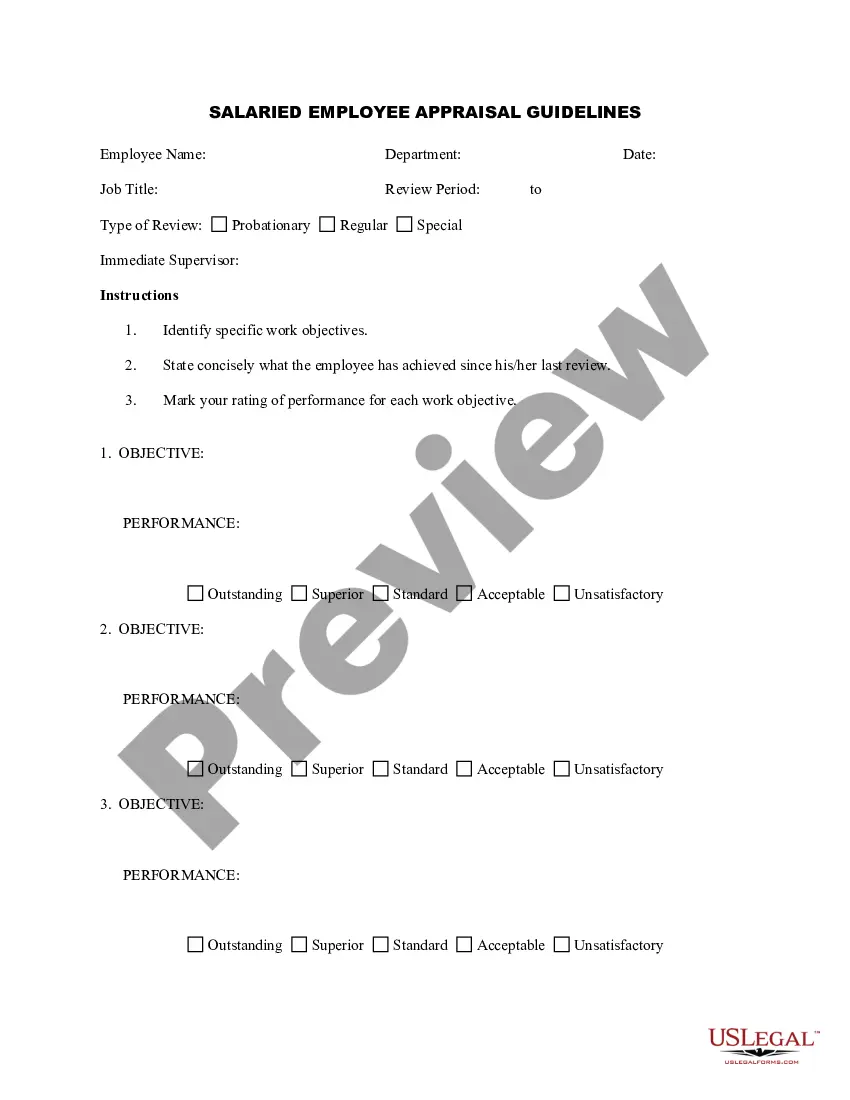
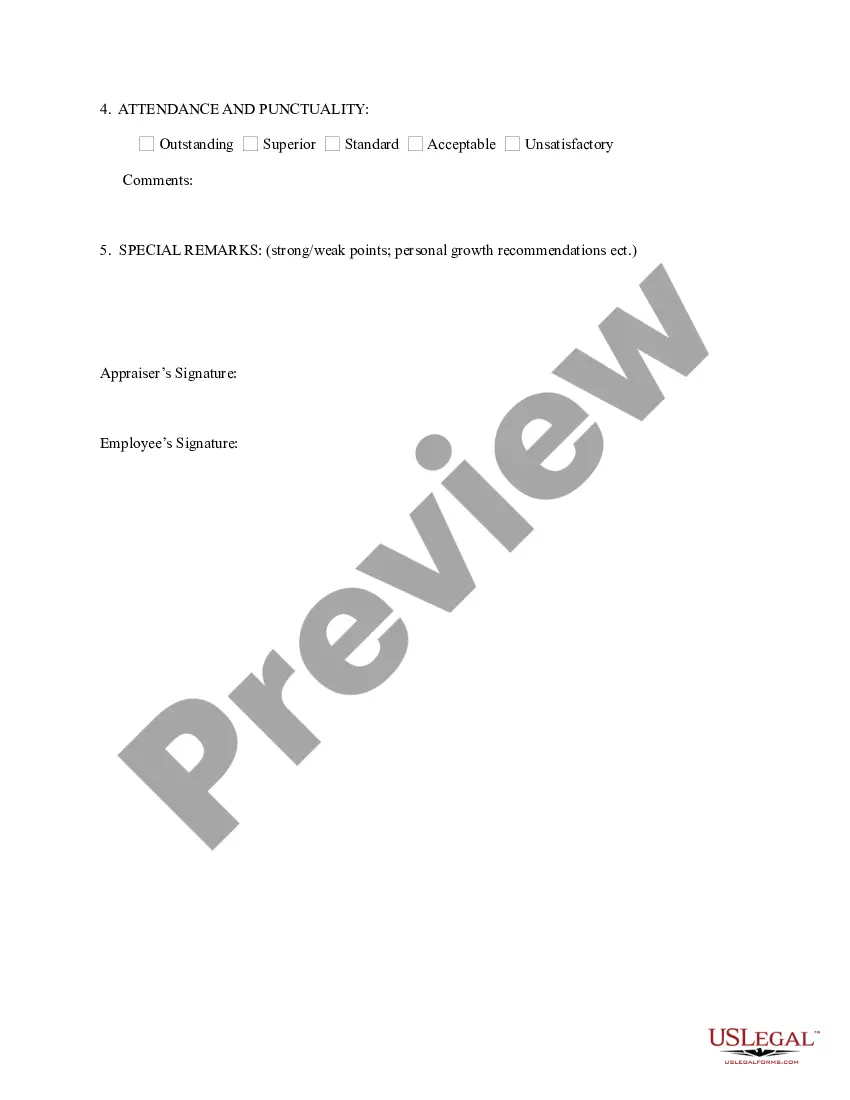
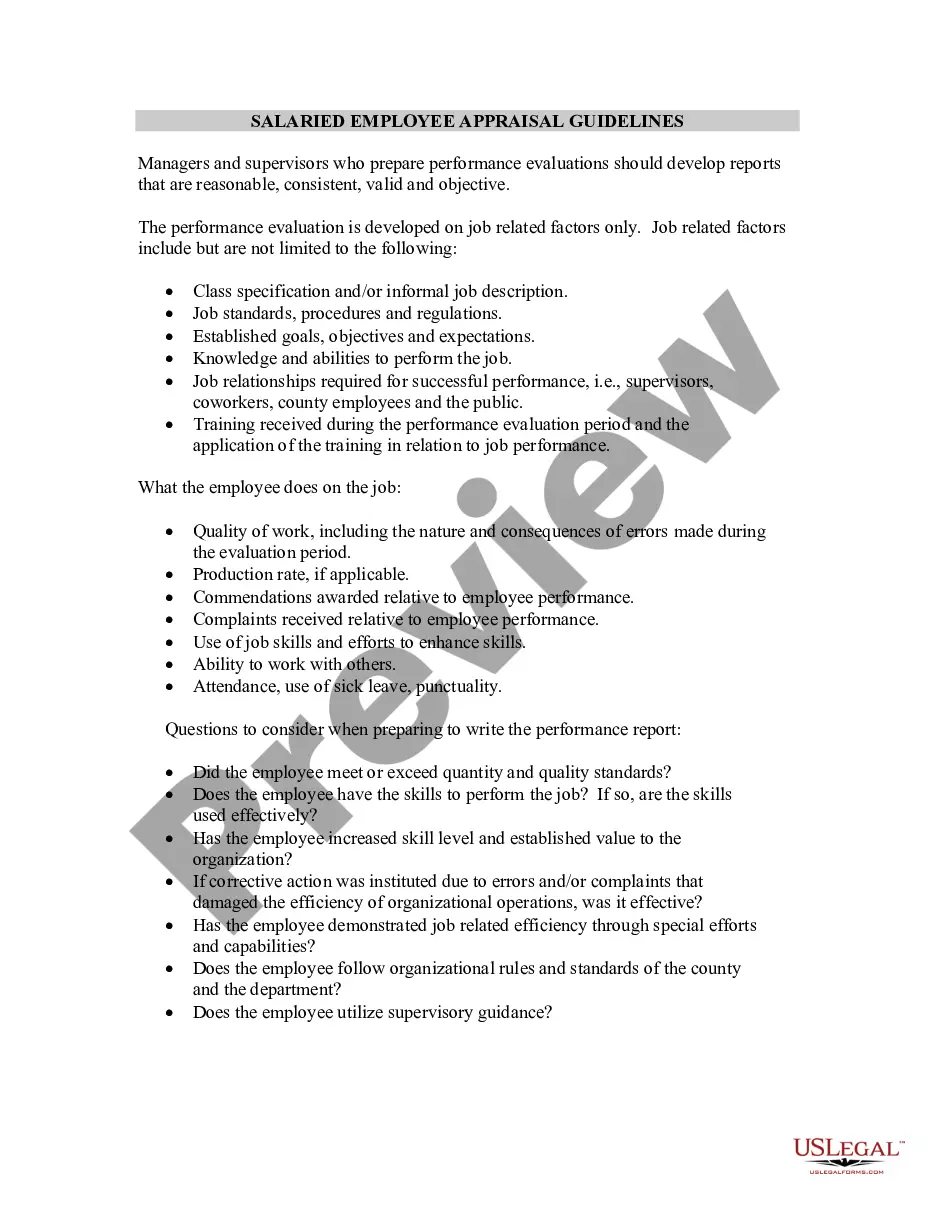
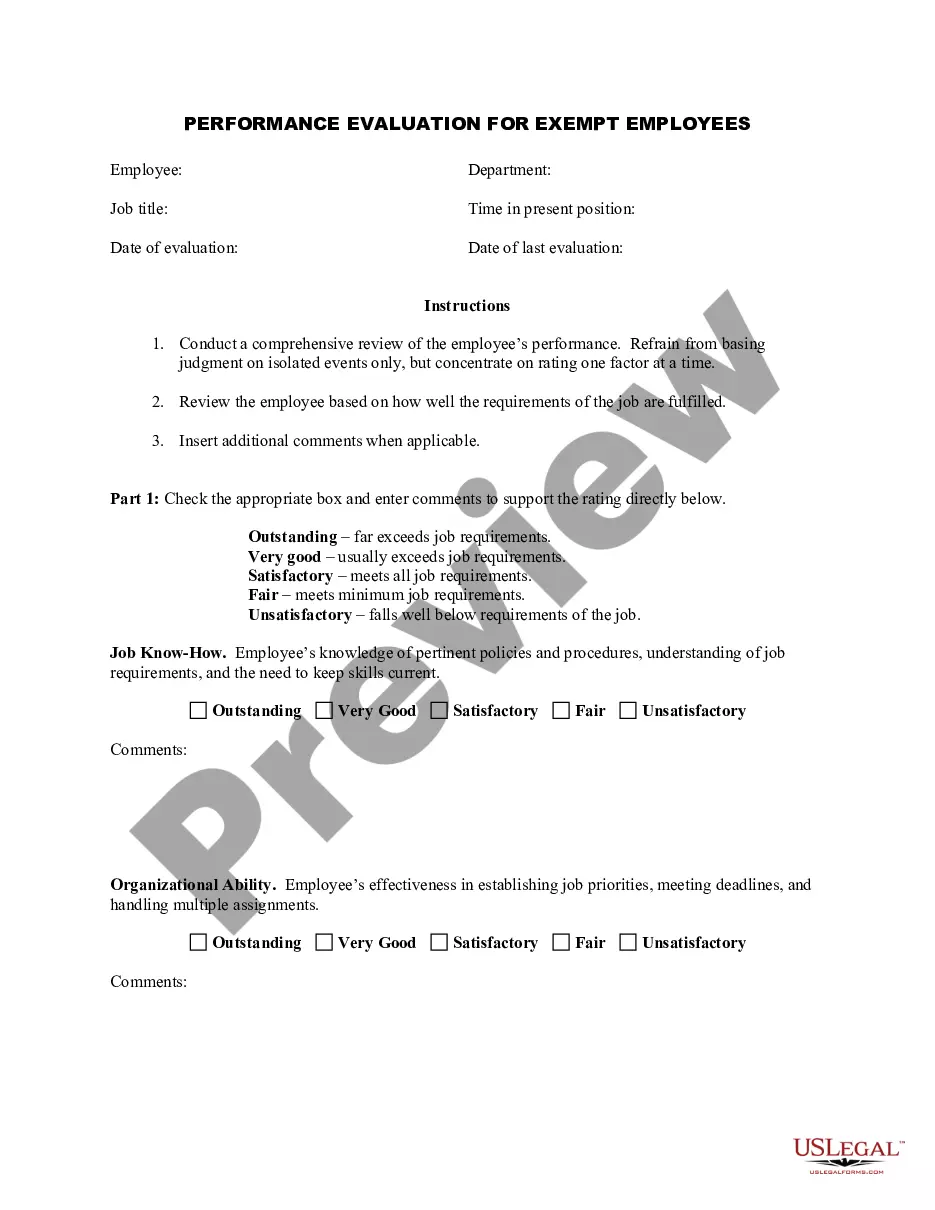
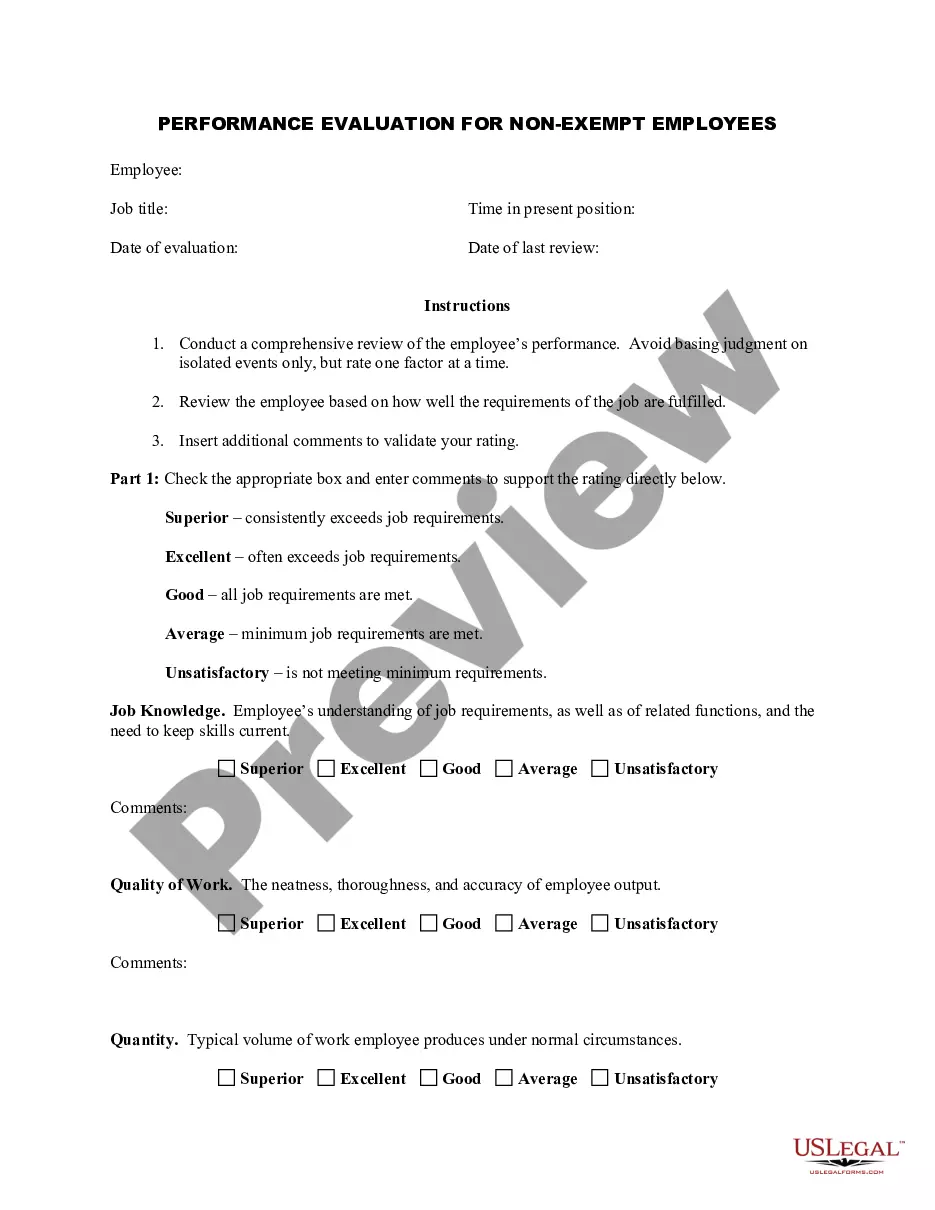
Get your form ready online
Our built-in tools help you complete, sign, share, and store your documents in one place.
Make edits, fill in missing information, and update formatting in US Legal Forms—just like you would in MS Word.
Download a copy, print it, send it by email, or mail it via USPS—whatever works best for your next step.
Sign and collect signatures with our SignNow integration. Send to multiple recipients, set reminders, and more. Go Premium to unlock E-Sign.
If this form requires notarization, complete it online through a secure video call—no need to meet a notary in person or wait for an appointment.
We protect your documents and personal data by following strict security and privacy standards.

Make edits, fill in missing information, and update formatting in US Legal Forms—just like you would in MS Word.

Download a copy, print it, send it by email, or mail it via USPS—whatever works best for your next step.

Sign and collect signatures with our SignNow integration. Send to multiple recipients, set reminders, and more. Go Premium to unlock E-Sign.

If this form requires notarization, complete it online through a secure video call—no need to meet a notary in person or wait for an appointment.

We protect your documents and personal data by following strict security and privacy standards.
Looking for another form?
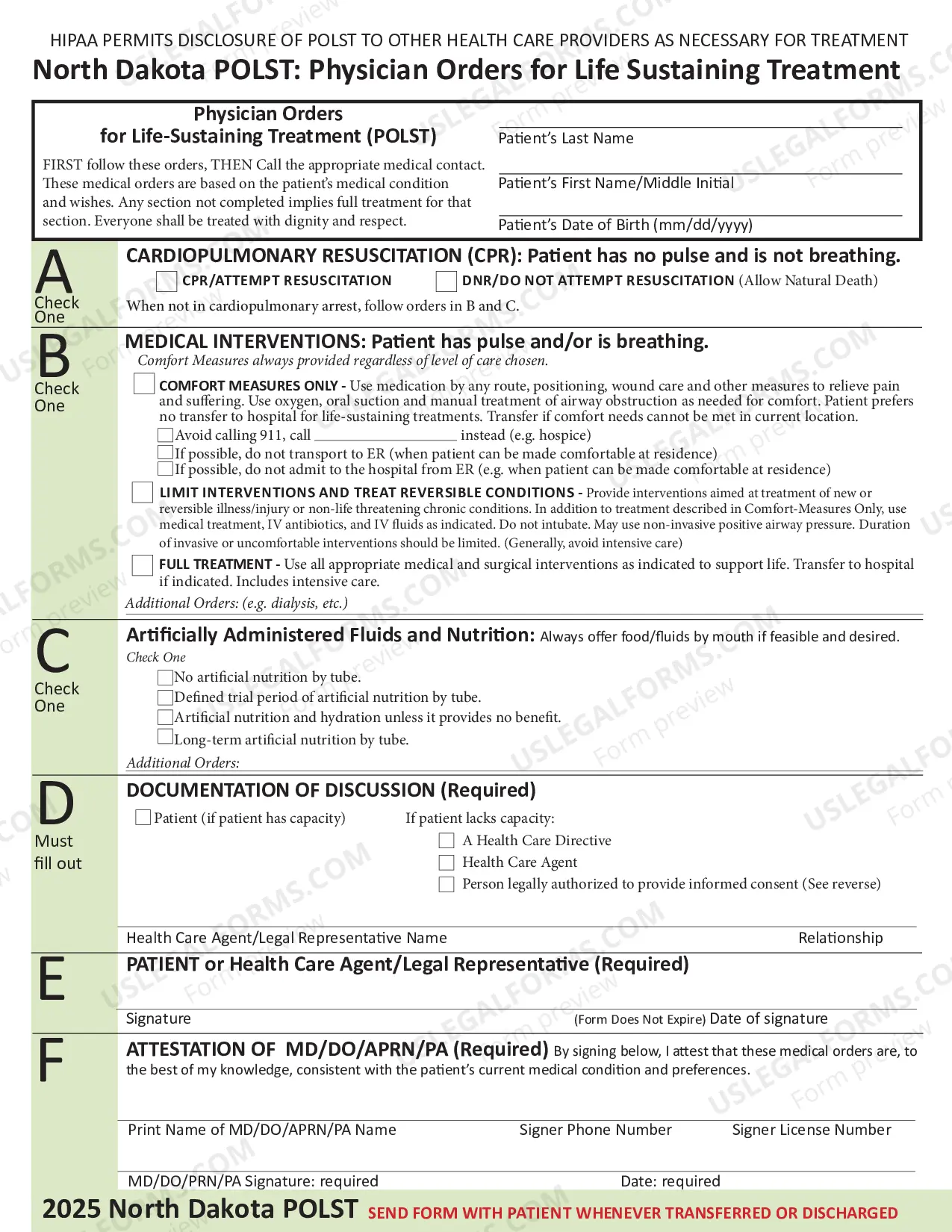




How to fill out Salaried Employee Appraisal Guidelines - Employee Specific?
- If you're a returning user, log into your account and locate the required form template. Ensure your subscription remains active; renew it if necessary.
- For first-time users, start by browsing the extensive library of over 85,000 legal forms. Utilize the Preview mode to evaluate and find the perfect match for your specific needs and local jurisdiction.
- If the desired template isn't a fit, use the search bar to find alternatives that meet your legal requirements.
- To procure the document, click the Buy Now button and select your preferred subscription plan. Registration is required for access to the complete library.
- Complete your purchase by entering your payment details, either with a credit card or through PayPal.
- After your purchase, download the completed template directly onto your device. You can access it anytime from the My Forms section of your profile.
In summary, US Legal Forms makes it simple for salaried employees with no PTO to access vital legal documents. With a robust library and expert assistance, you can ensure your documents are both correct and comprehensive.
Start your hassle-free document acquisition today!
Form popularity
FAQ
PTO for salaried employees typically works by allowing a specific number of days off each year. Employees can use these days for vacation, personal time, or illness, similar to hourly employees. For a salaried employee with no PTO, the absence of these days means they may need to negotiate directly with their employer regarding time off. Understanding your company's PTO policy can make a significant difference in managing work-life balance.
Yes, PTO can apply to salaried employees, although policies vary by employer. Some companies offer PTO as a benefit while others might have different arrangements. If you are a salaried employee with no PTO, it's essential to review your company's policy to understand your entitlements. Clarifying these details can help you plan for time off more effectively.
The average PTO for salaried employees varies across industries and companies. Generally, many salaried roles offer around 10 to 15 days of PTO annually, but this can change based on experience and tenure. Employers aim to provide competitive benefits to attract talent, but some salaried employees may face situations where they have no PTO. Researching your industry standards can guide your expectations.
If a salaried employee runs out of PTO, they may need to discuss other options with their employer. Depending on company policy, they might have to take unpaid leave. Employers often have flexibility when it comes to addressing such situations, but it's important to communicate openly. Understanding your rights as a salaried employee with no PTO can help you find a solution.