Intermittent Family Leave Act
Description
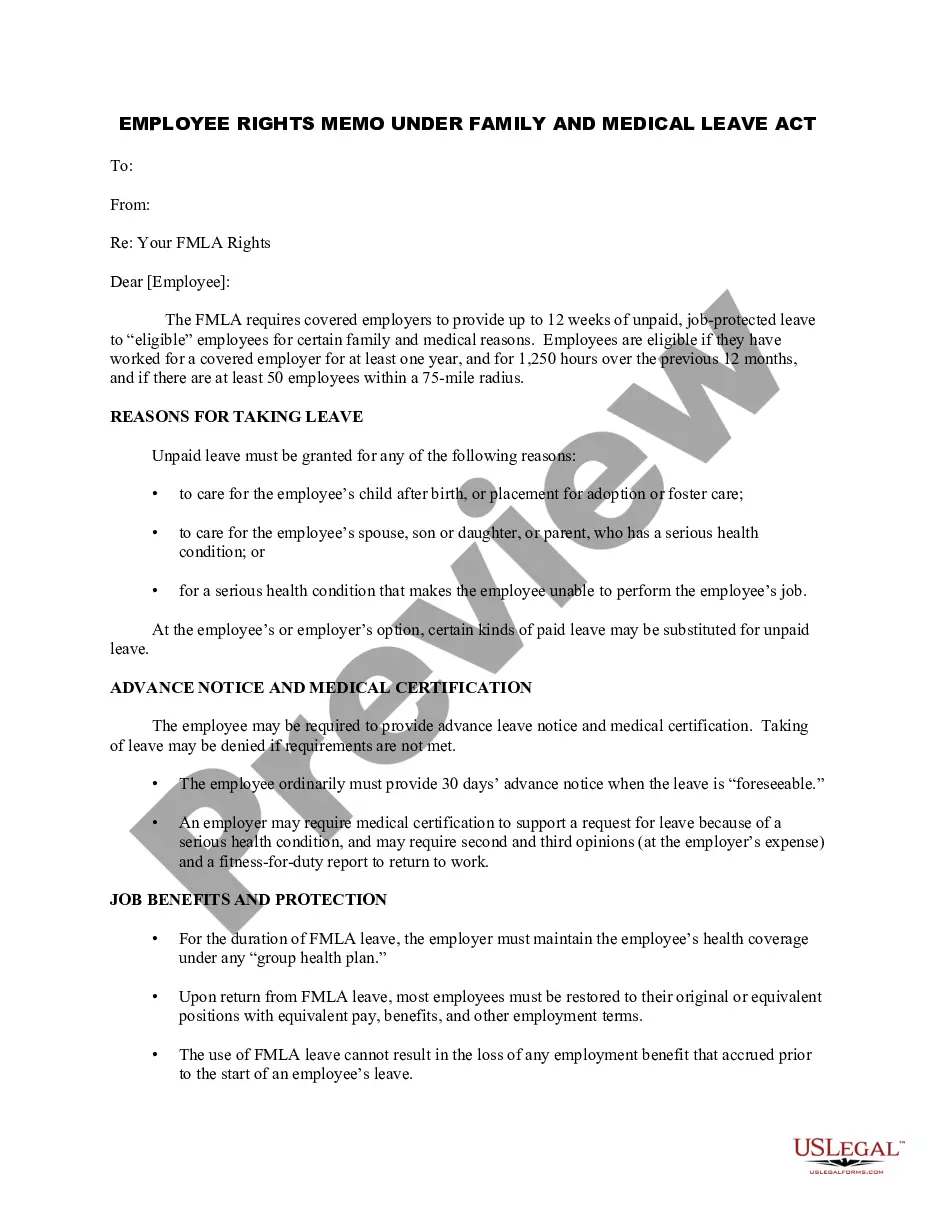
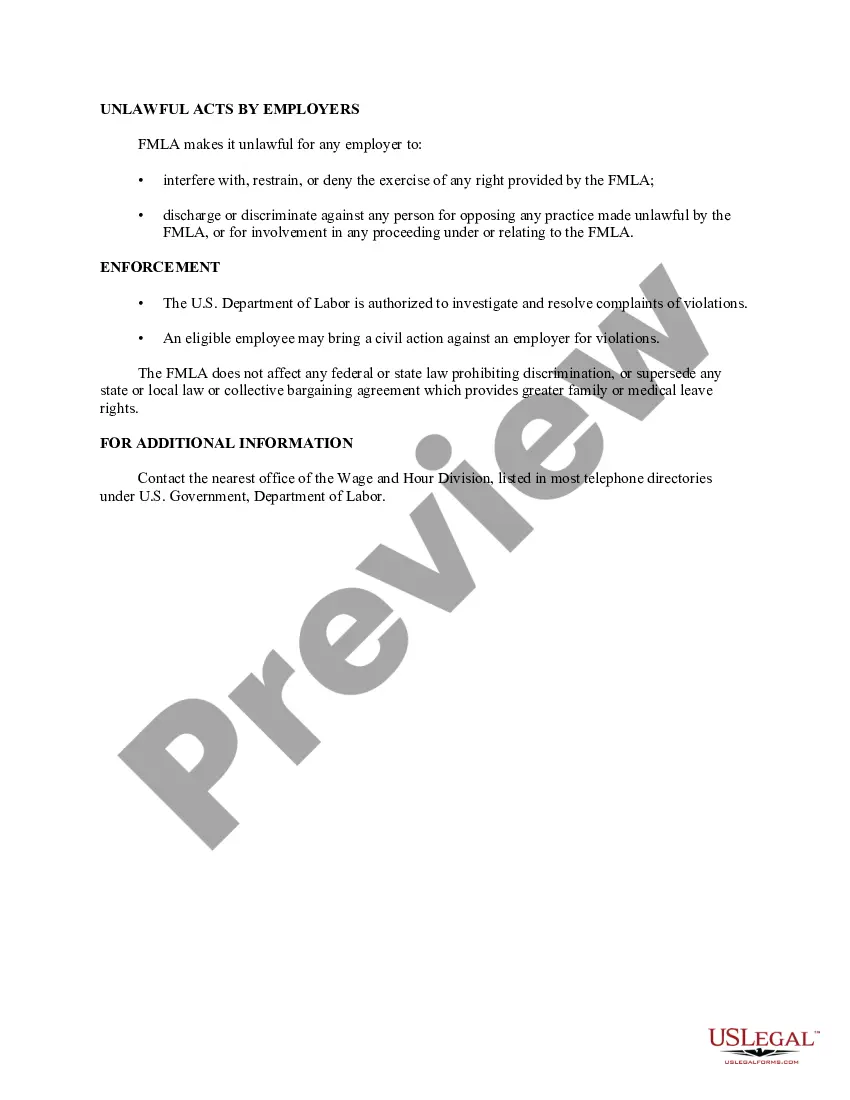
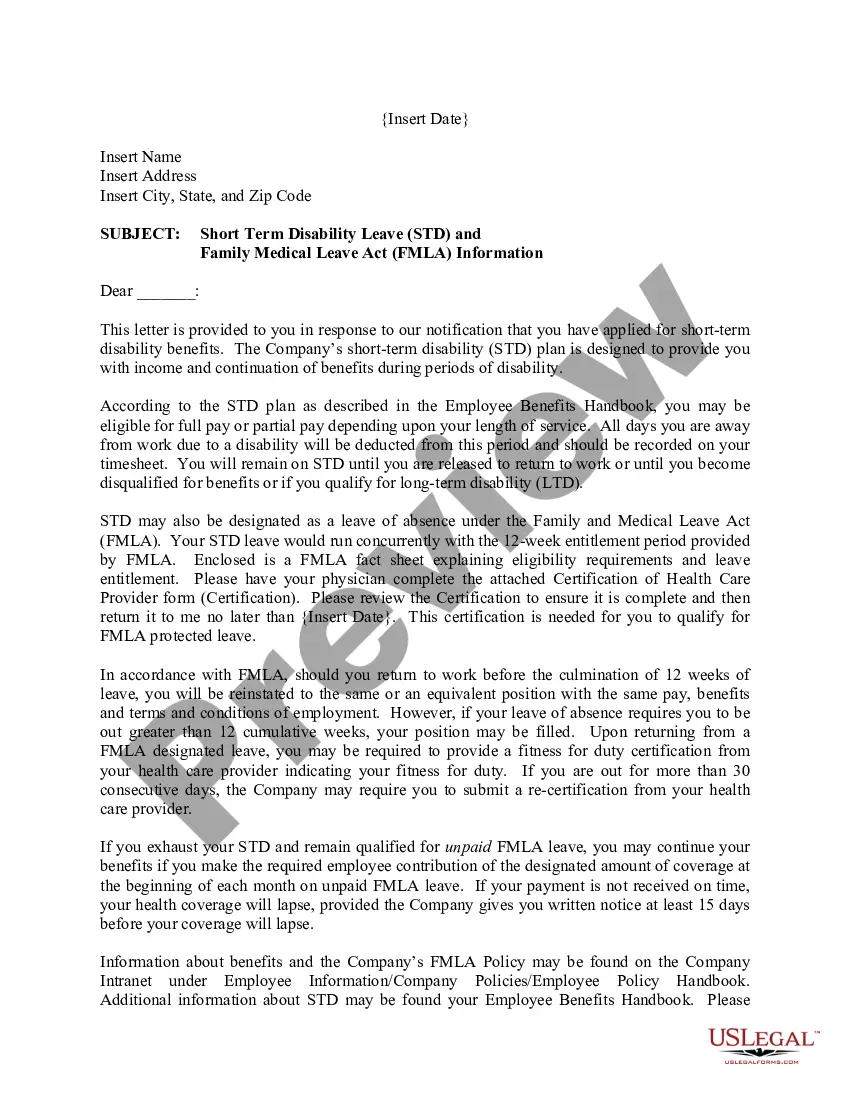
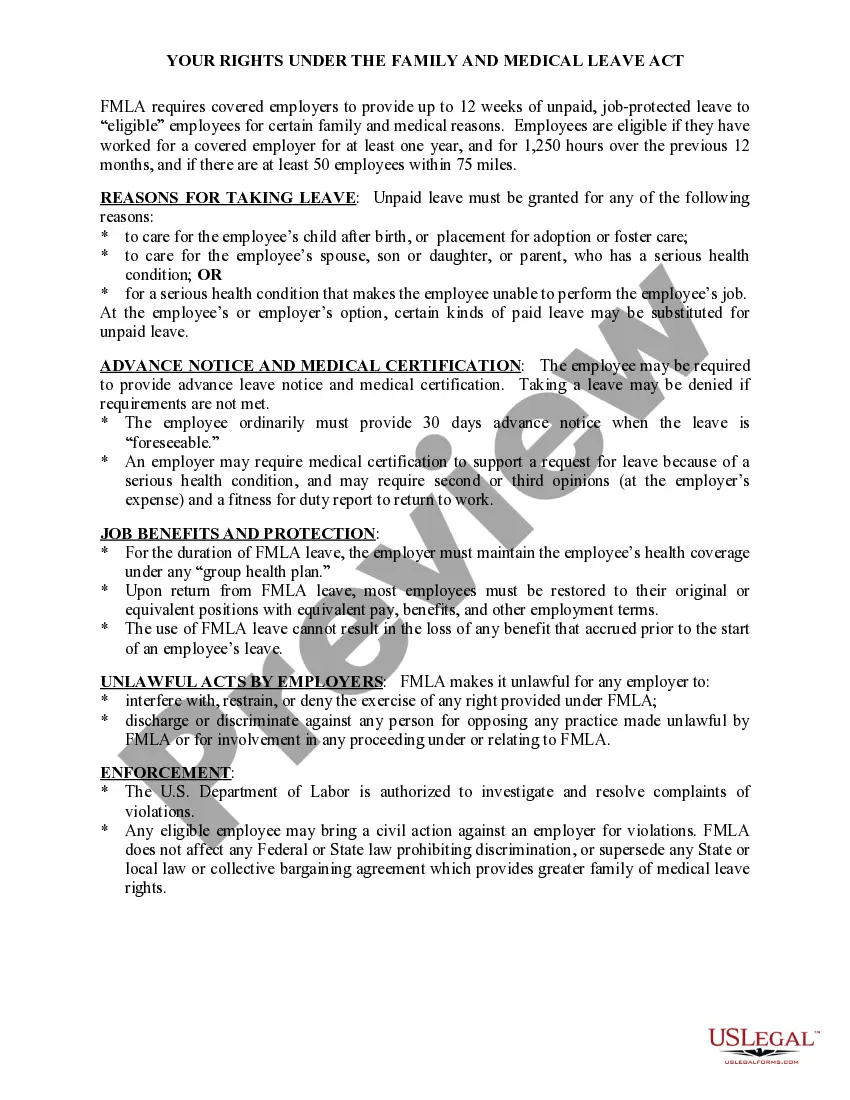
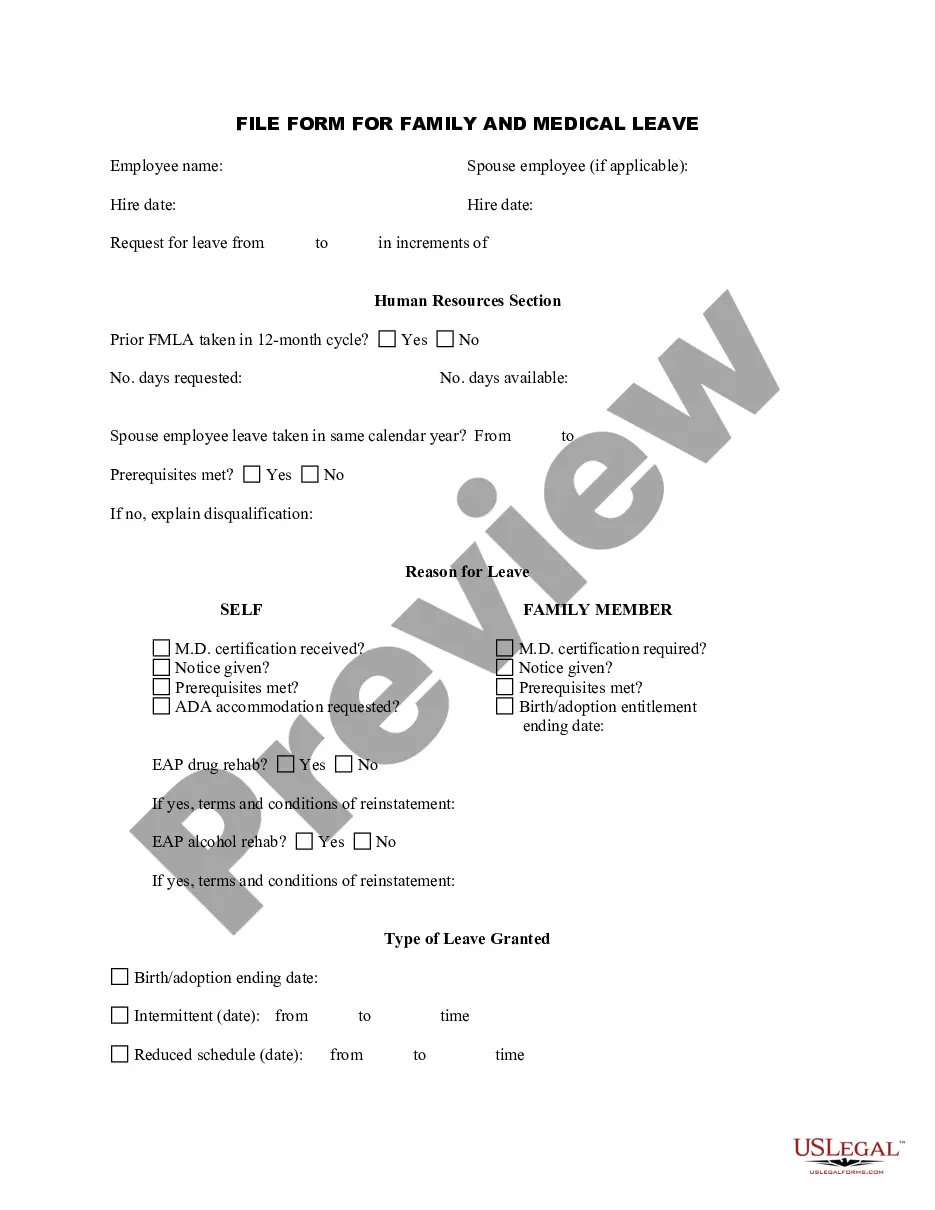
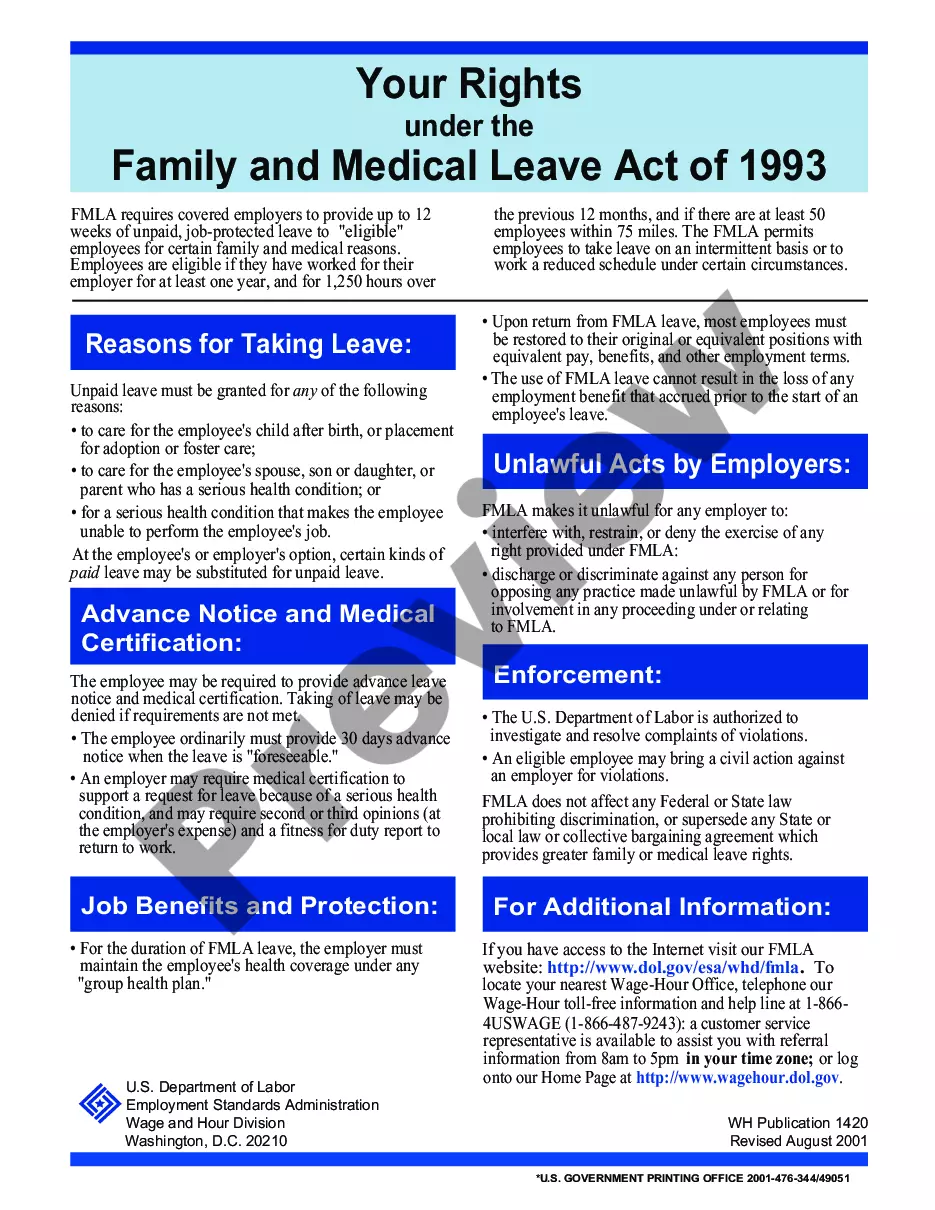

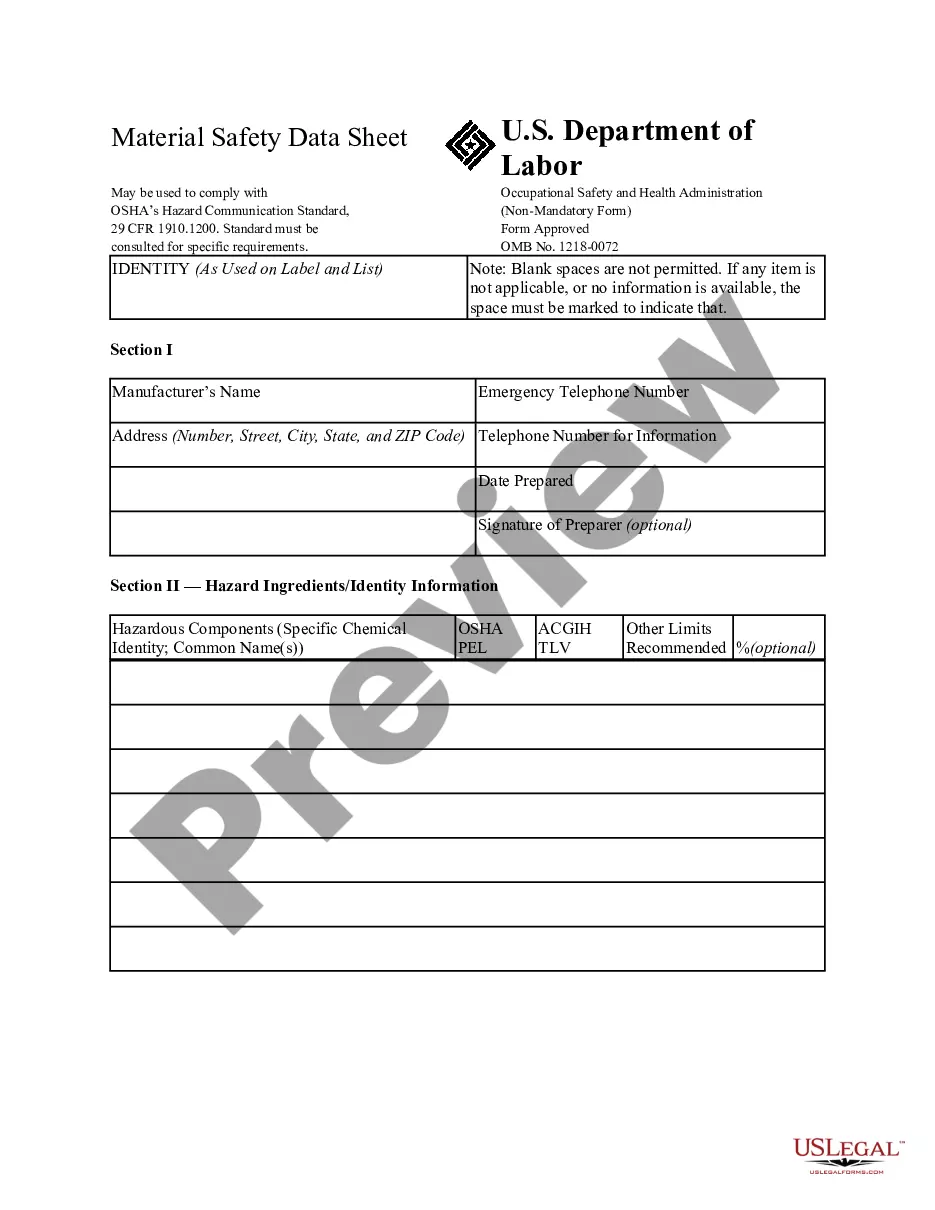
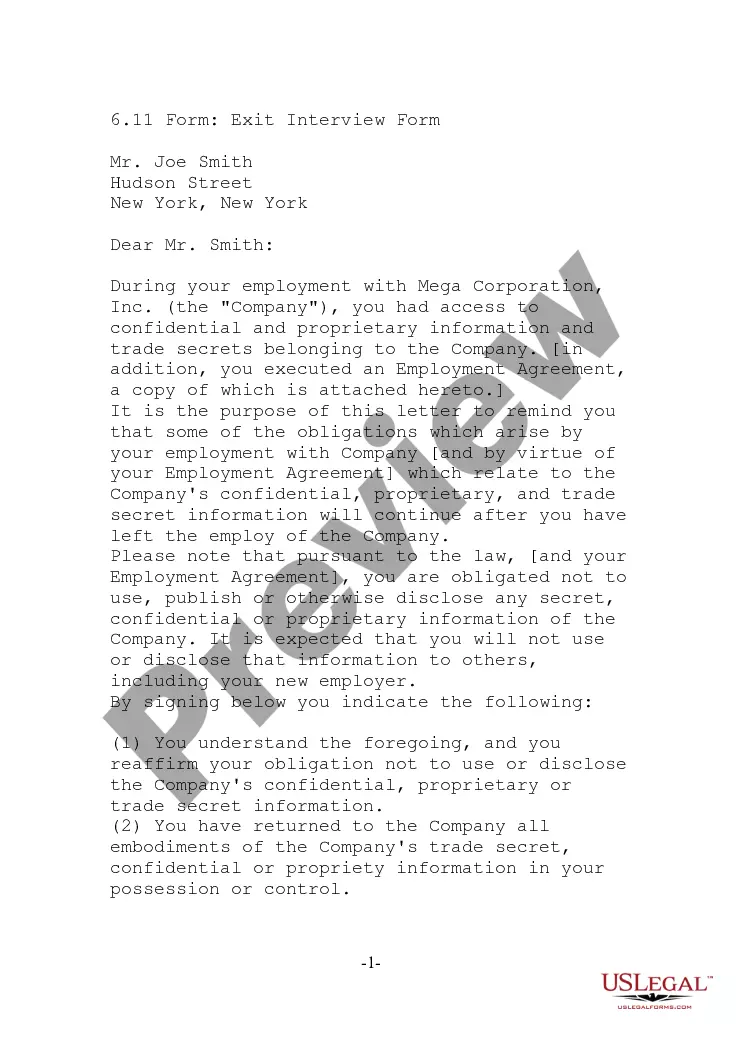
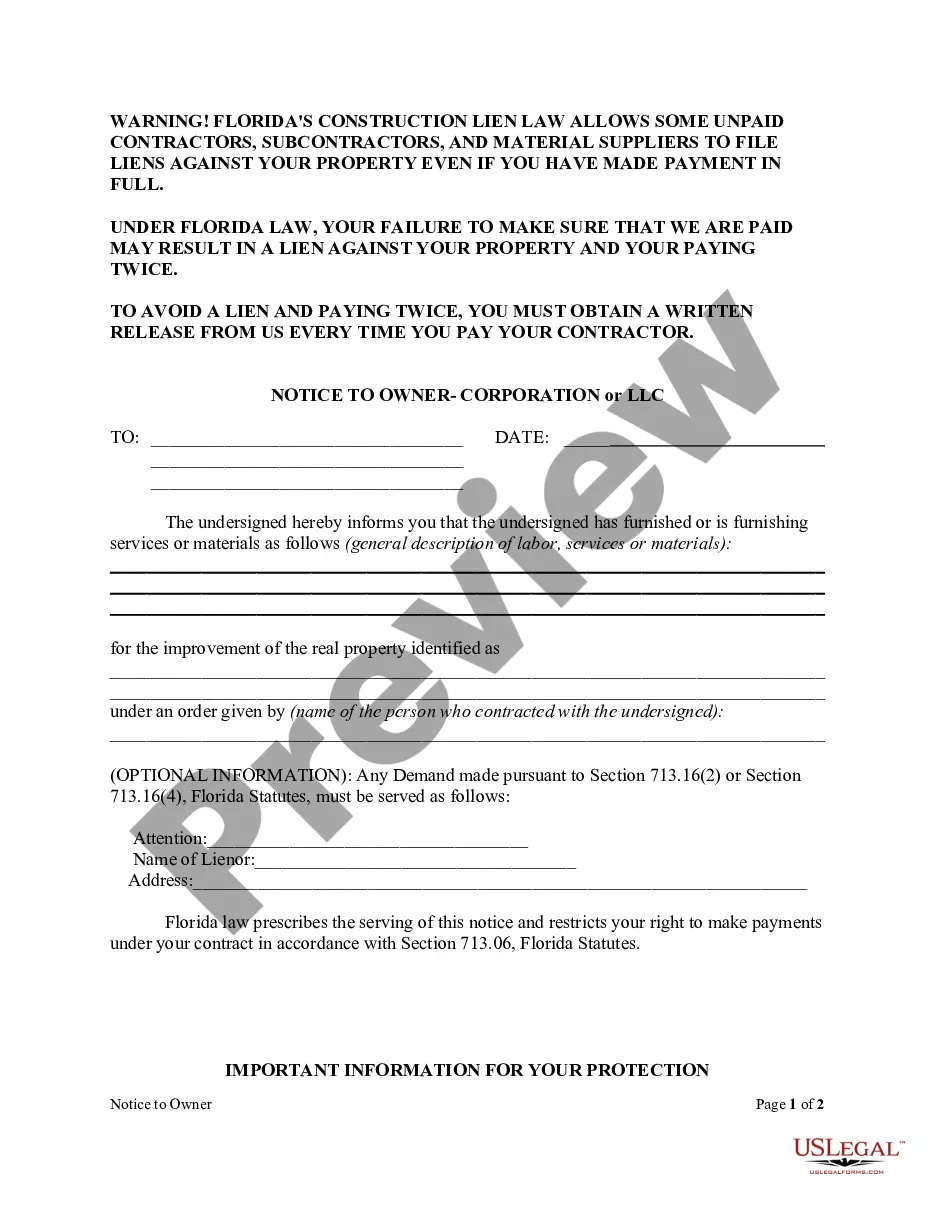
How to fill out Employee Rights Memo Under The Family And Medical Leave Act?
Identifying a reliable location to obtain the most up-to-date and pertinent legal templates is a significant part of navigating bureaucracy. Securing the appropriate legal documents necessitates accuracy and careful attention, which is why it is crucial to source samples of the Intermittent Family Leave Act exclusively from credible providers, such as US Legal Forms. An incorrect template can squander your time and prolong your current situation. With US Legal Forms, you have minimal worries. You can access and review all the details related to the document's application and significance for your particular condition and locale.
Consider the following steps to complete your Intermittent Family Leave Act.
Once the form is on your device, you can edit it using the editor or print it out to complete it manually. Eliminate the stress associated with your legal paperwork. Browse the extensive US Legal Forms library to discover legal templates, assess their applicability to your needs, and download them immediately.
- Utilize the catalog navigation or search function to find your document.
- Examine the form's description to ensure it aligns with your state and region’s requirements.
- Check the form preview, if available, to confirm that the form is indeed the one you need.
- Return to the search to find the appropriate template if the Intermittent Family Leave Act does not fit your specifications.
- If you are confident about the document's applicability, download it.
- If you are a registered user, click Log in to verify your identity and access your selected forms in My documents.
- If you don't have an account yet, click Buy now to acquire the template.
- Choose the pricing option that meets your needs.
- Proceed to registration to complete your purchase.
- Conclude your transaction by selecting a payment method (credit card or PayPal).
- Select the file format for downloading the Intermittent Family Leave Act.
Form popularity
FAQ
To determine your eligibility for intermittent leave under the Family and Medical Leave Act (FMLA), you must meet specific criteria. Generally, you must have worked for your employer for at least 12 months and logged a minimum of 1,250 hours during the previous year. Additionally, your employer must be covered under FMLA regulations. If you need help understanding your eligibility, USLegalForms offers resources to guide you through the process.
Filing for intermittent leave under the Family and Medical Leave Act (FMLA) involves notifying your employer and submitting the required paperwork. Start by discussing your situation with your employer to understand their specific process. Then, fill out the necessary forms, including any medical certifications, and submit them to your HR department. With tools from USLegalForms, you can access the right forms and ensure you meet all requirements.
The employee requesting intermittent leave under the Family and Medical Leave Act (FMLA) typically fills out the initial paperwork. This may include informing your employer and providing medical documentation if required. In some cases, healthcare providers may need to complete sections of the form to verify the need for leave. Utilizing services like USLegalForms can help simplify this process by providing the necessary forms.
To apply for intermittent leave under the Family and Medical Leave Act (FMLA), you must notify your employer about your need for leave. This process usually involves completing a specific form that your employer provides, which outlines your leave requirements. It is important to provide any necessary documentation to support your request, such as medical certification. For a smoother process, consider using platforms like USLegalForms to access the right forms easily.
Filling out FMLA for intermittent leave requires specific information about your medical condition and the anticipated schedule of your leave. First, obtain the necessary forms from your employer or visit resources like USLegalForms for guidance. You will need to provide details such as your doctor's recommendations and how your condition impacts your work. Following the instructions carefully will ensure that your request aligns with the Intermittent Family Leave Act.
An intermittent FMLA letter typically includes essential details such as your name, the dates of your leave, and the medical reason for your request. For example, you might state that you are requesting intermittent leave due to a chronic health condition covered under the Intermittent Family Leave Act. Providing clear information and any required medical documentation can strengthen your request. USLegalForms offers templates that can help you draft a professional letter that meets FMLA requirements.
Yes, intermittent employees can be eligible for the Family and Medical Leave Act (FMLA). Under the Intermittent Family Leave Act, eligible employees may take leave in separate blocks of time for specific medical reasons. It is important to meet the criteria set by the FMLA, such as working for a covered employer and having a qualifying medical condition. If you have questions about your eligibility, consider consulting resources available on USLegalForms.
The difference between FMLA and intermittent family leave act lies in how the leave is taken. FMLA provides continuous leave for a set period, while intermittent FMLA allows employees to take leave in smaller, scheduled chunks. This flexibility helps employees manage their health issues without completely stepping away from their job responsibilities.
Generally, you cannot be fired while on intermittent family leave act, as it provides job protection under federal law. However, if an employee fails to comply with the leave policies or engages in misconduct, termination may still be possible. It’s essential to understand your rights and ensure that you follow the legal guidelines during your leave.
The rules for intermittent family leave act include notifying your employer about your need for leave as soon as possible. Employees must provide medical documentation to support their leave request and adhere to the employer's policies regarding notice. Additionally, employers must keep track of the leave taken and maintain confidentiality regarding medical information.