Funeral Leave With A Baby
Description
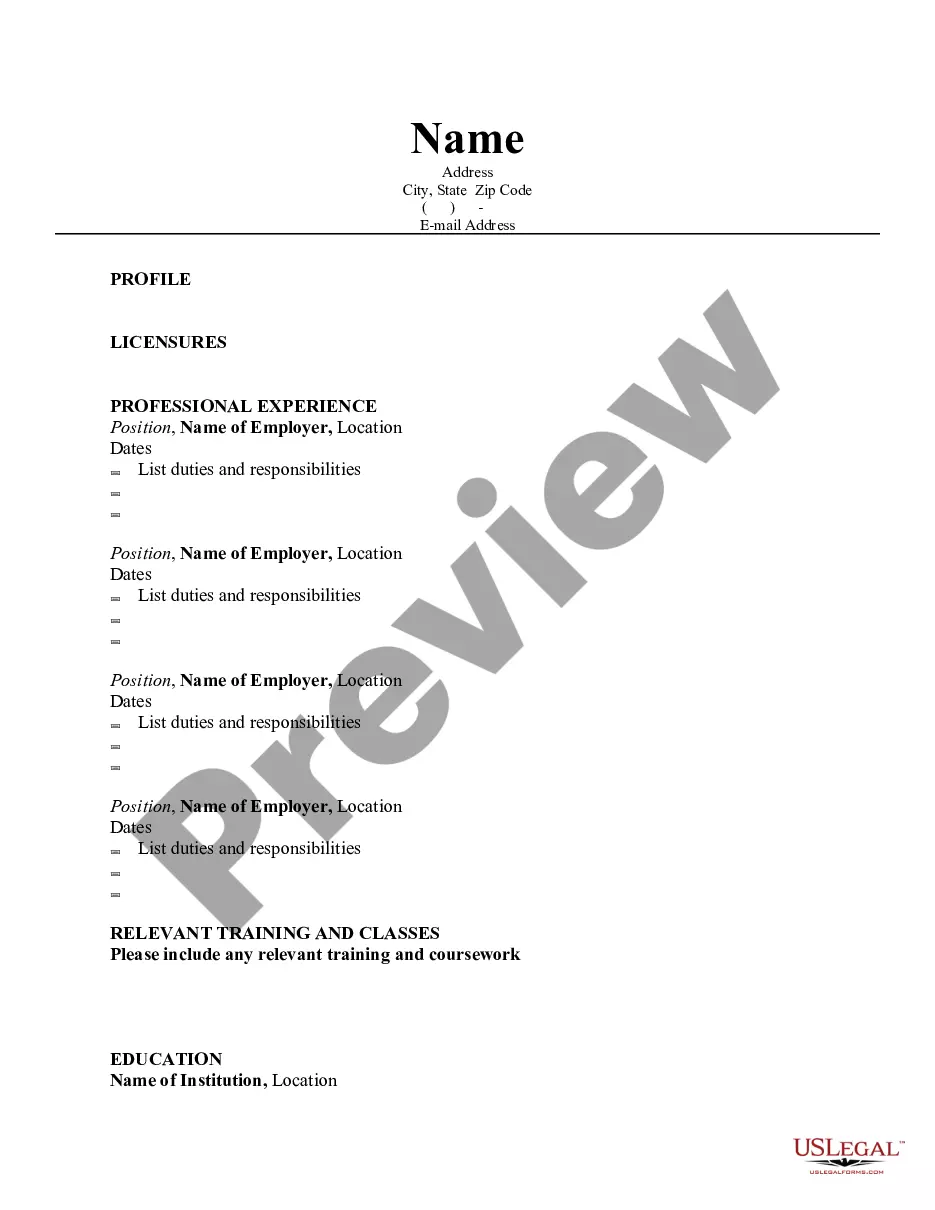
Get your form ready online
Our built-in tools help you complete, sign, share, and store your documents in one place.
Make edits, fill in missing information, and update formatting in US Legal Forms—just like you would in MS Word.
Download a copy, print it, send it by email, or mail it via USPS—whatever works best for your next step.
Sign and collect signatures with our SignNow integration. Send to multiple recipients, set reminders, and more. Go Premium to unlock E-Sign.
If this form requires notarization, complete it online through a secure video call—no need to meet a notary in person or wait for an appointment.
We protect your documents and personal data by following strict security and privacy standards.

Make edits, fill in missing information, and update formatting in US Legal Forms—just like you would in MS Word.

Download a copy, print it, send it by email, or mail it via USPS—whatever works best for your next step.

Sign and collect signatures with our SignNow integration. Send to multiple recipients, set reminders, and more. Go Premium to unlock E-Sign.

If this form requires notarization, complete it online through a secure video call—no need to meet a notary in person or wait for an appointment.

We protect your documents and personal data by following strict security and privacy standards.
Looking for another form?
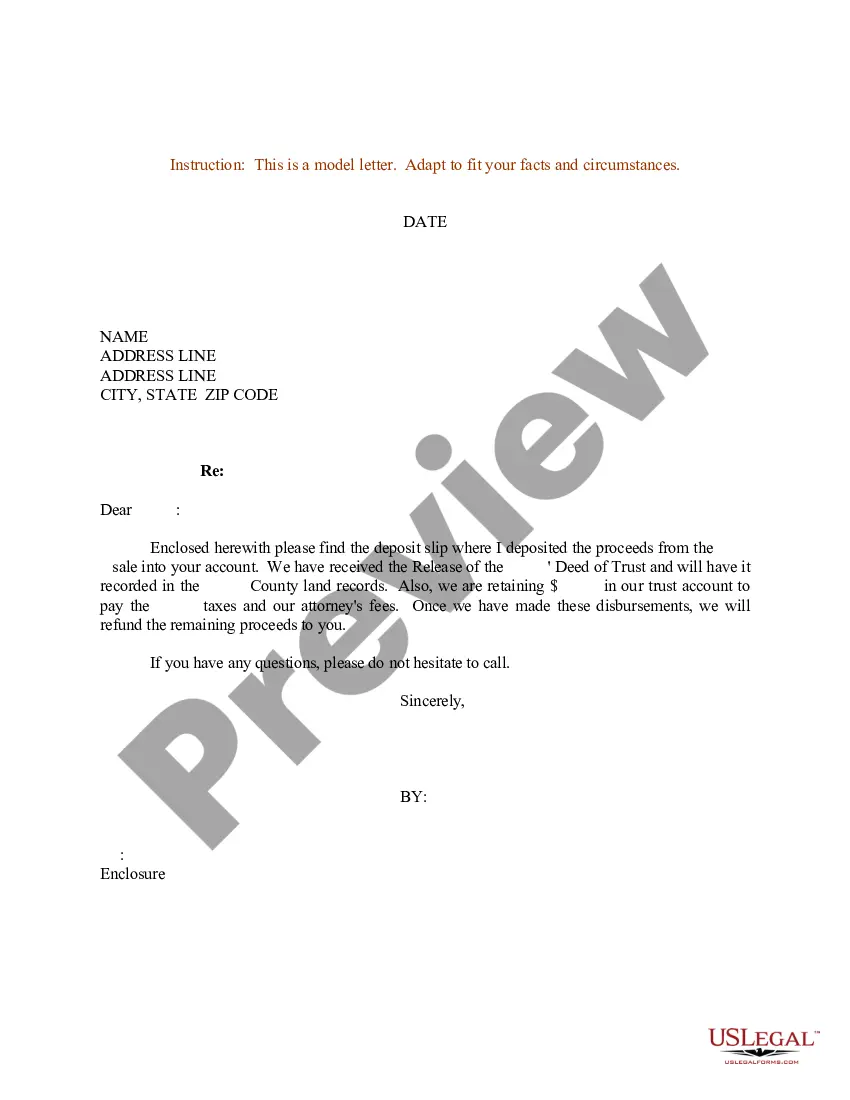




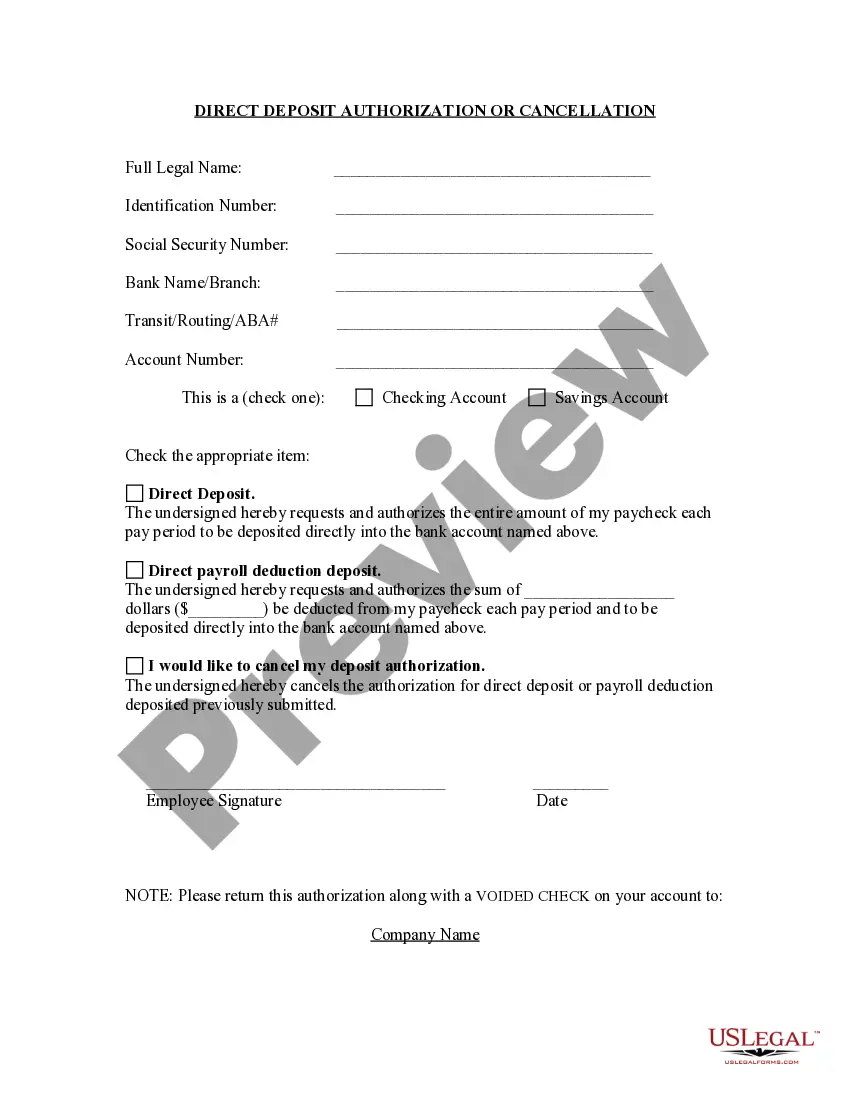



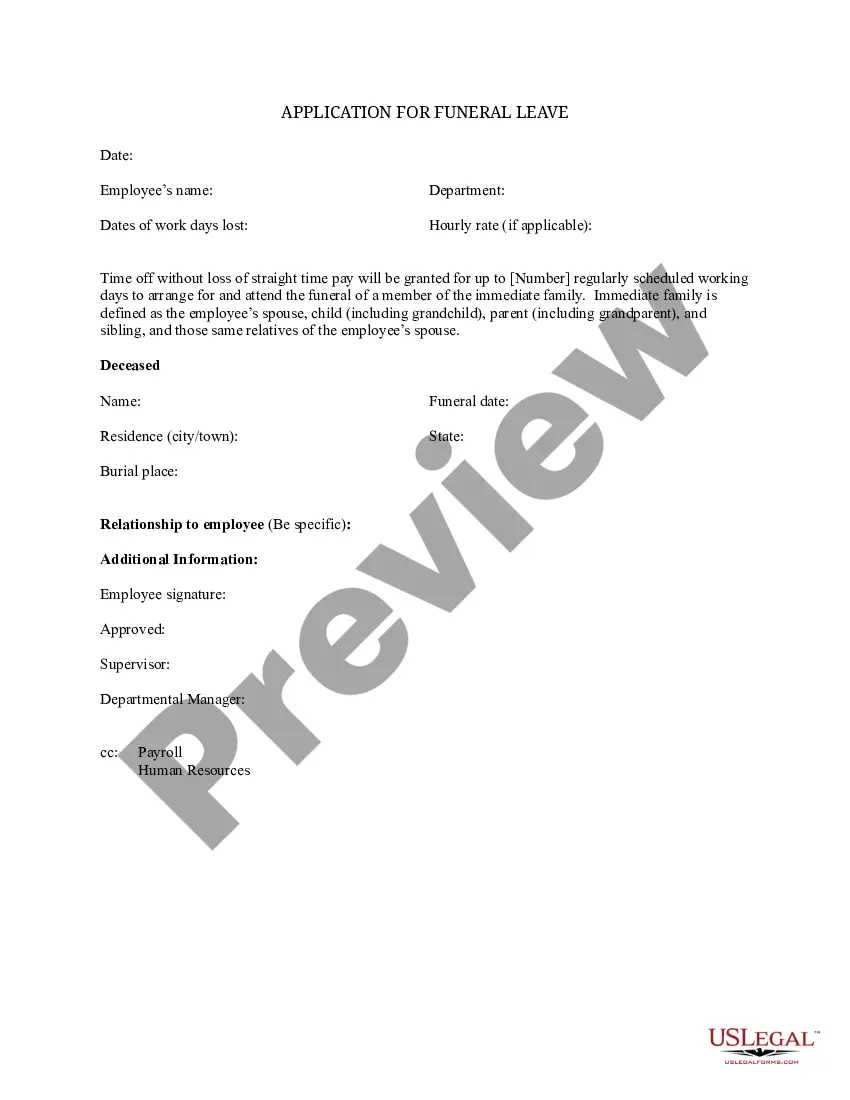
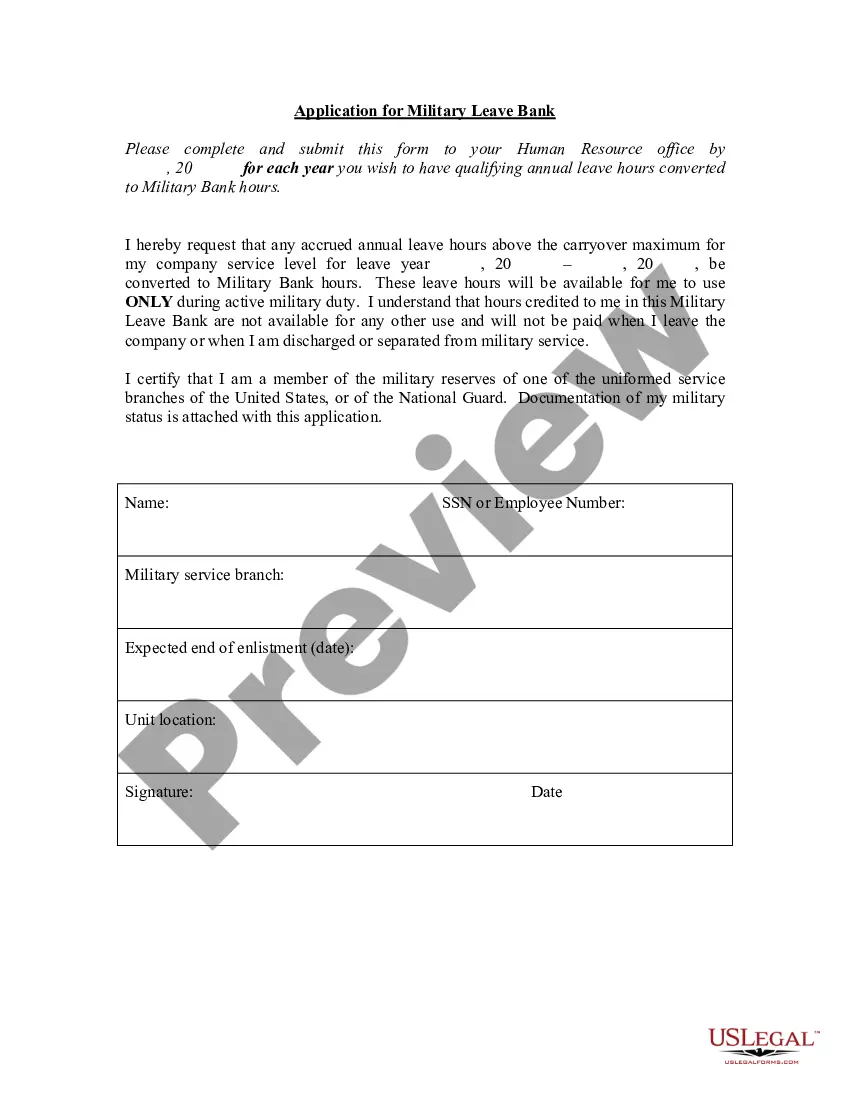
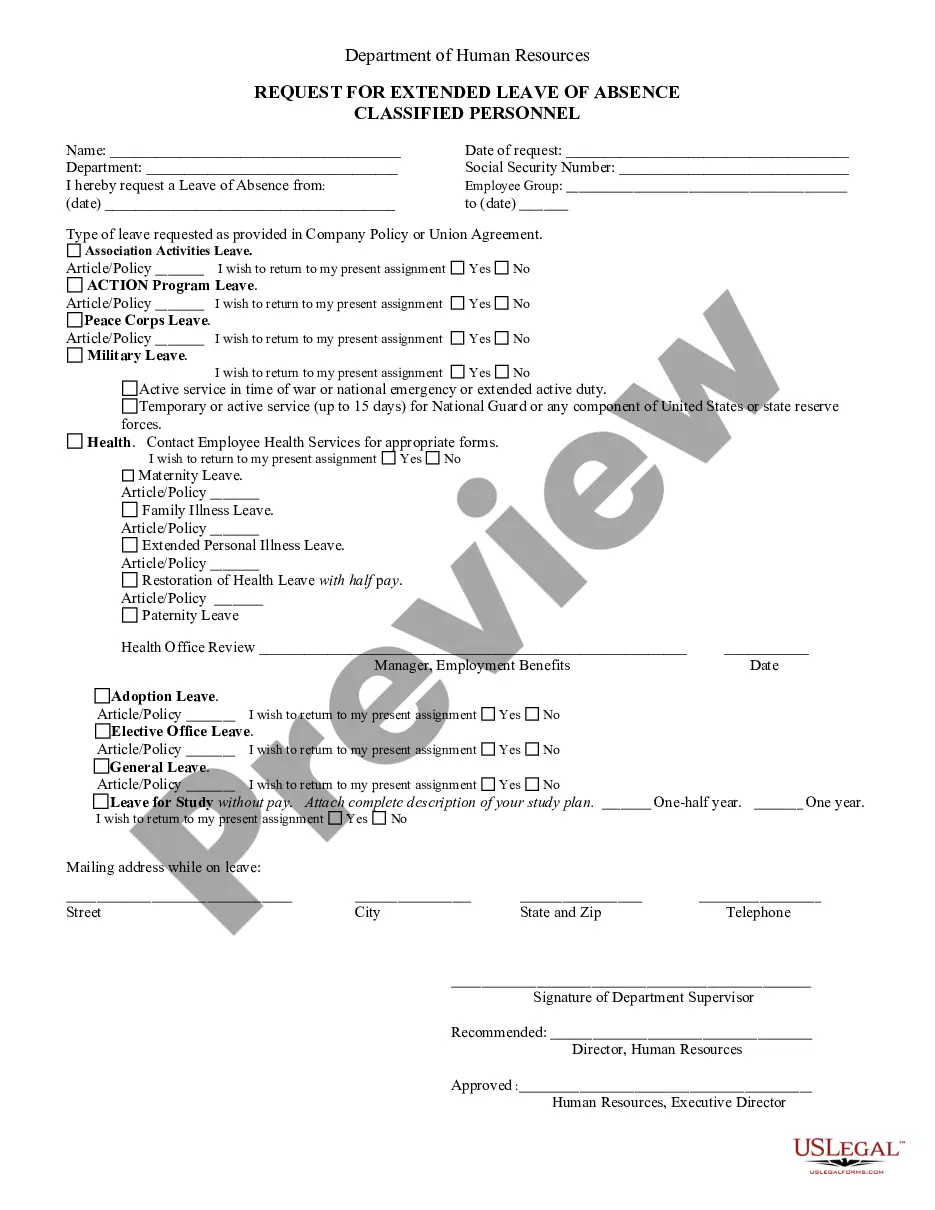
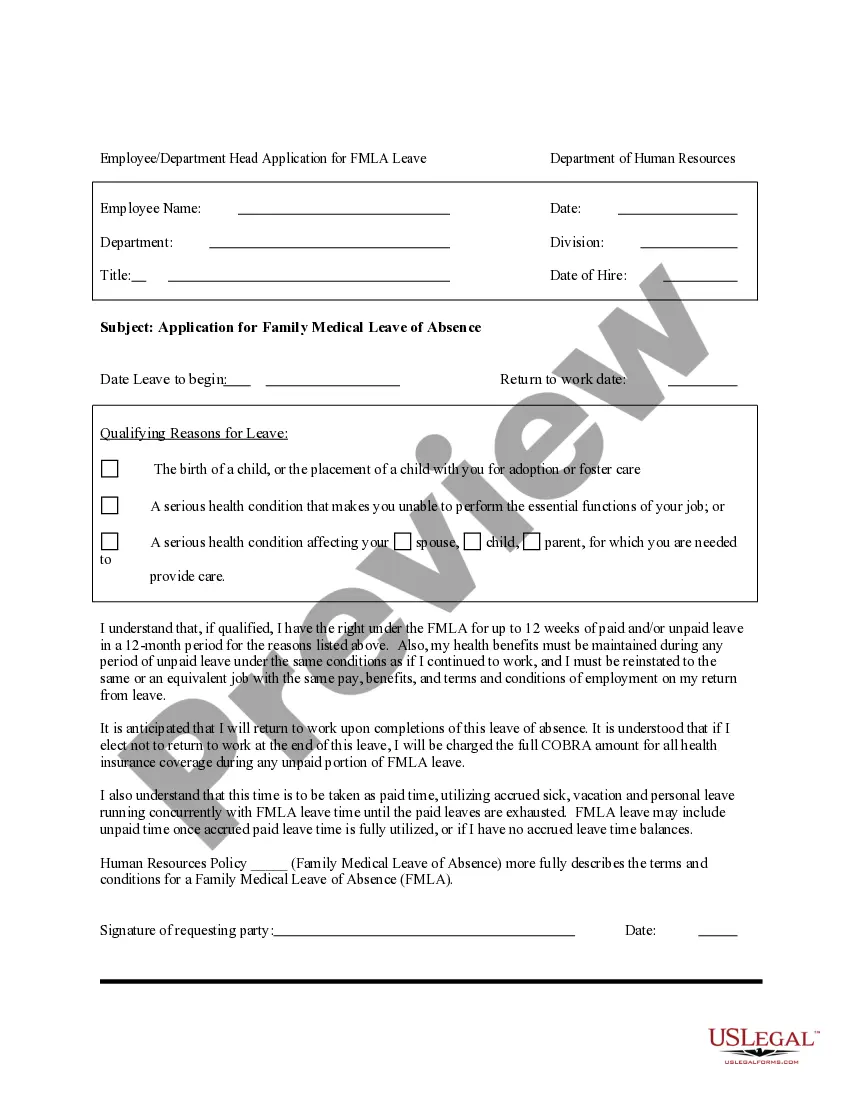
How to fill out Application For Funeral Leave?
- If you have previously used US Legal Forms, log into your account and download the necessary form by clicking the Download button. Ensure your subscription is active or renew it if necessary.
- For first-time users, start by searching the platform’s extensive library. Use the Preview mode to review form descriptions and confirm it suits your local jurisdiction.
- If you find a mismatch or need a different template, utilize the Search bar to explore additional options until you locate the right form.
- Once you select your document, click on the Buy Now button to choose a subscription plan that fits your needs. Creating an account is required to access the full range of resources.
- Proceed to payment by entering your credit card details or selecting PayPal for a secure transaction.
- Finally, download the completed form to your device. You can access this document anytime through the My Forms section of your account.
US Legal Forms empowers individuals and attorneys to quickly execute legal documents with a comprehensive and easy-to-use library of legal forms. By providing a robust collection of forms, they ensure that users obtain the precise documentation needed, without unnecessary delay.
In conclusion, utilizing US Legal Forms facilitates a smoother process for requesting funeral leave while managing the responsibilities of parenthood. Don't hesitate; start simplifying your legal needs today!
Form popularity
FAQ
Arranging a funeral for a baby can be a delicate and emotional task. Start by selecting a funeral home that understands your needs and offers compassionate support. You will need to discuss options for the service, burial, or cremation, considering your family's wishes. Additionally, consider connecting with services like USLegalForms for helpful resources and guidance on managing funeral leave with a baby.
Under the Family Medical Leave Act (FMLA), grief itself can be an eligible reason for taking leave, particularly when it relates to the loss of a close family member. If you are grieving the death of your baby, you may qualify for leave under the FMLA. Additionally, utilizing funeral leave with a baby policy could provide a crucial benefit during such a challenging time. It’s recommended to contact your HR or a legal resource to navigate your specific situation.
In the case of a parent’s death, employees typically receive bereavement leave that can range from a few days to a couple of weeks. The specifics rely heavily on company policies and state laws. It’s essential to check if your workplace offers a structured funeral leave with a baby policy that could potentially extend to parental losses as well. Always reach out to HR to better understand your leave rights.
If a baby dies, the time off work will depend on your emotional and physical needs as well as your employer’s policies. Many businesses recognize the importance of this loss and may offer up to a few weeks of funeral leave with a baby policy. It’s best to consult your company’s employee handbook or speak directly with HR for guidance to ensure you get the support you need.
The amount of time off work due to baby loss can differ significantly across various companies and jurisdictions. Employers often provide bereavement leave, which may include funeral leave with a baby clause. Consider discussing your situation with HR to clarify your rights and available leave options, as each company has different policies in place to support grieving employees.
When you experience the death of a child, it’s vital to take the necessary time to grieve and heal. Typically, the length of time off can vary depending on your employer's policies and the support offered by family leave laws. Many companies provide funeral leave with a baby policy in place, allowing for several days to weeks off based on individual needs. It’s advisable to communicate your situation with your HR department to understand your options.
To inform your boss about a funeral, approach them directly and be straightforward about your situation. You can say that you need to take funeral leave with a baby and explain the dates you will be unavailable. Maintaining professionalism in your communication, while sharing your personal news, helps foster understanding. If applicable, mention any plans for covering your duties during your absence.
Yes, it is absolutely acceptable to call off work for a funeral. Employers recognize the importance of mourning and support employees taking funeral leave with a baby. It's best to inform your supervisor as soon as you can and to follow any necessary procedures outlined in your employee handbook. Clear communication shows professionalism and respect for the workplace.
The term used for time off for a funeral is typically 'bereavement leave.' This type of leave often encompasses situations like funeral leave with a baby. Many companies offer bereavement leave as part of their employee benefits. Understanding your company's policies can help you know what to expect and how to utilize this leave.
When asking for time off for a funeral, approach your supervisor respectfully and explain the reason for your request. Share that you need funeral leave with a baby, specifying the timeframe you'll be absent. It’s essential to follow your company’s guidelines, as some organizations may require formal documentation. Being transparent can facilitate a positive response to your request.