Irs Foreign Contractor
Description
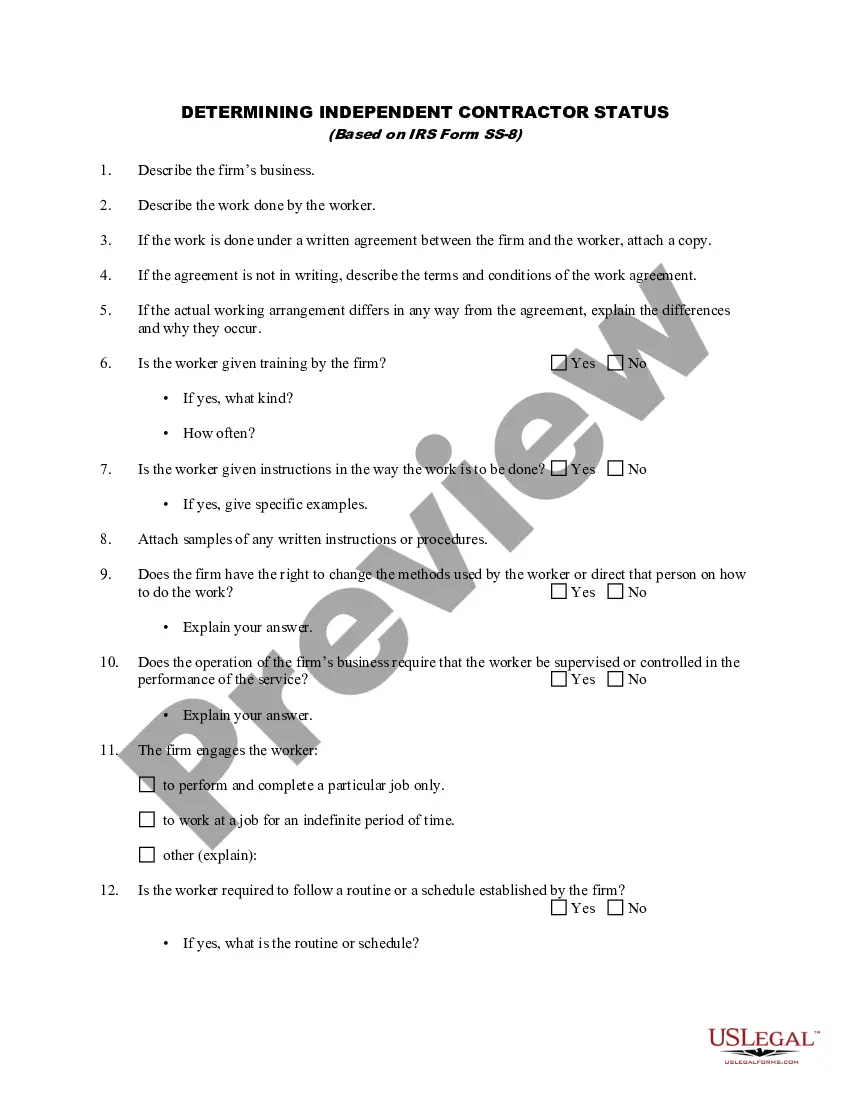
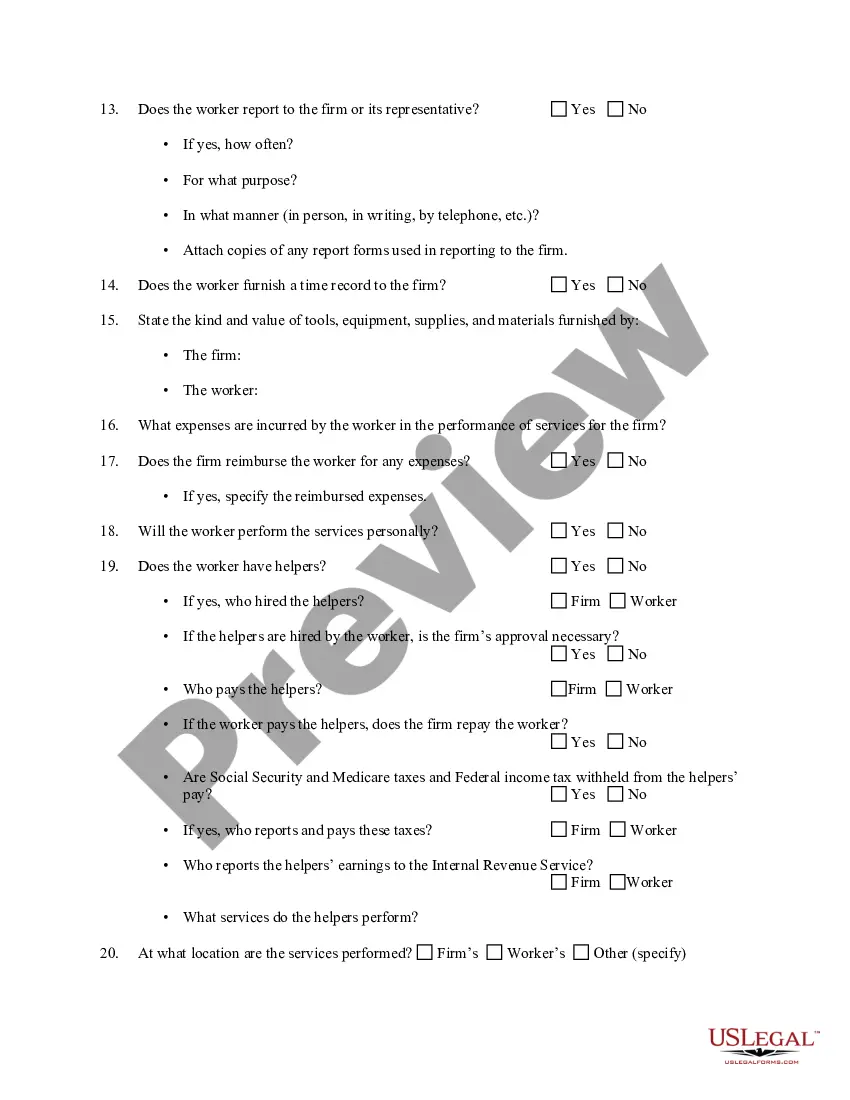
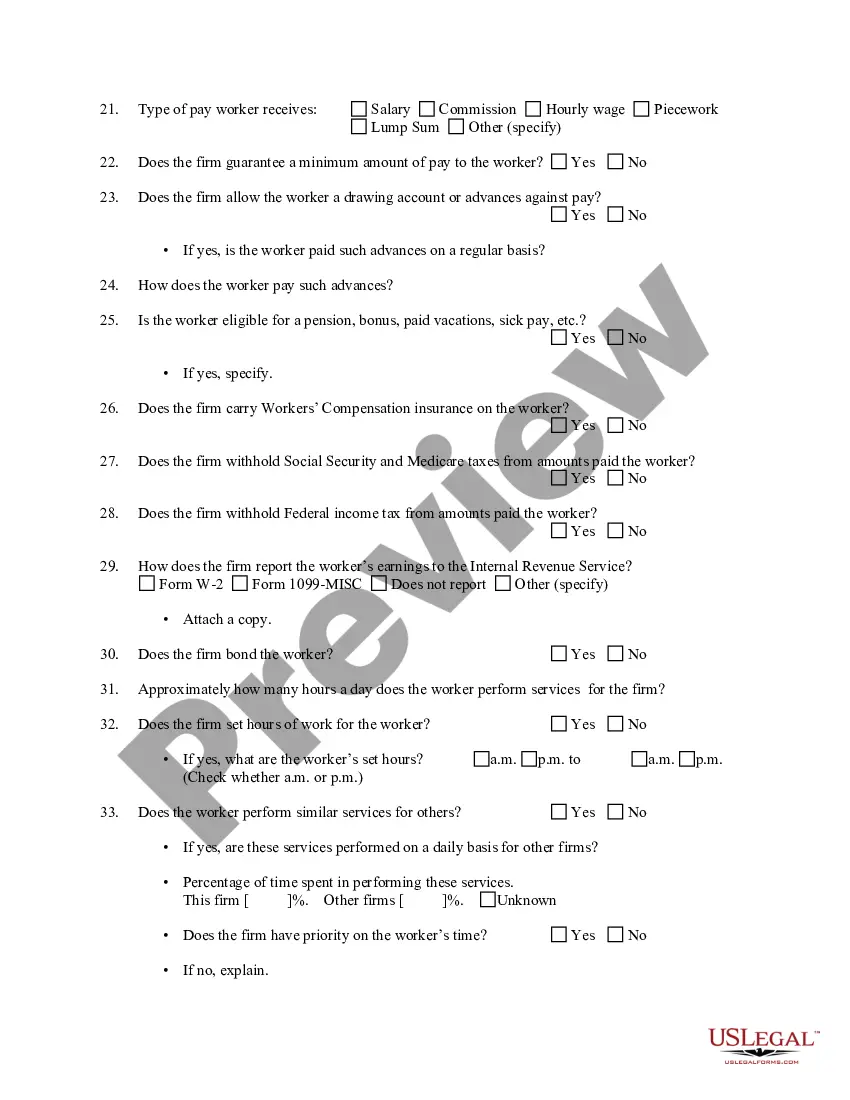
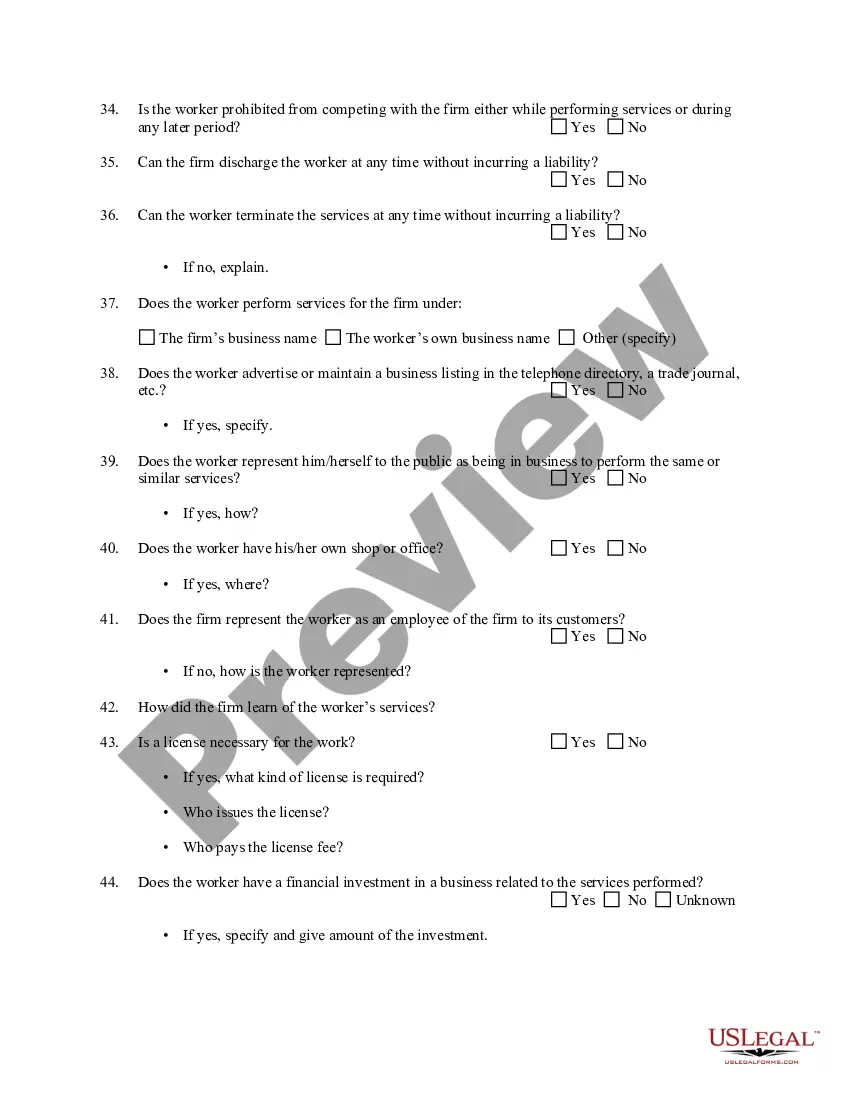
Get your form ready online
Our built-in tools help you complete, sign, share, and store your documents in one place.
Make edits, fill in missing information, and update formatting in US Legal Forms—just like you would in MS Word.
Download a copy, print it, send it by email, or mail it via USPS—whatever works best for your next step.
Sign and collect signatures with our SignNow integration. Send to multiple recipients, set reminders, and more. Go Premium to unlock E-Sign.
If this form requires notarization, complete it online through a secure video call—no need to meet a notary in person or wait for an appointment.
We protect your documents and personal data by following strict security and privacy standards.

Make edits, fill in missing information, and update formatting in US Legal Forms—just like you would in MS Word.

Download a copy, print it, send it by email, or mail it via USPS—whatever works best for your next step.

Sign and collect signatures with our SignNow integration. Send to multiple recipients, set reminders, and more. Go Premium to unlock E-Sign.

If this form requires notarization, complete it online through a secure video call—no need to meet a notary in person or wait for an appointment.

We protect your documents and personal data by following strict security and privacy standards.
Looking for another form?


How to fill out Determining Self-Employed Independent Contractor Status?
The IRS Foreign Contractor displayed on this page is a reusable legal document created by expert attorneys in accordance with federal and state laws.
For over 25 years, US Legal Forms has offered individuals, companies, and lawyers more than 85,000 validated, state-specific forms for any business and personal circumstance. It’s the quickest, simplest, and most reliable method to acquire the documents you require, as the service ensures bank-level data protection and malware prevention.
Select the format you desire for your IRS Foreign Contractor (PDF, Word, RTF) and save the document on your device.
- Search for the document you need and review it.
- Examine the sample you searched and preview it or evaluate the form description to confirm it meets your needs. If it does not, utilize the search bar to find the appropriate one. Click Buy Now once you have found the template you require.
- Subscribe and Log In.
- Choose the pricing plan that fits you and create an account. Use PayPal or a credit card to make a swift payment. If you already possess an account, Log In and verify your subscription to continue.
- Obtain the editable template.
Form popularity
FAQ
No, foreign contractors do not fill out a W-9. Instead, they are required to complete Form W-8BEN to establish their non-U.S. status. The W-9 form is specifically designed for U.S. persons and entities, so it does not apply to IRS foreign contractors. If you are unsure about the correct forms to use, uslegalforms can assist you in navigating these requirements.
When working with an IRS foreign contractor, you typically need to have them complete Form W-8BEN. This form certifies their foreign status and helps establish the correct withholding tax rate. By submitting this form, the foreign contractor can claim any applicable tax treaty benefits. Using uslegalforms can simplify this process, as they provide templates and guidance for filling out the necessary forms.
Yes, hiring a non-US citizen as an independent contractor is possible and can be advantageous for your business. Ensure you understand the IRS foreign contractor requirements to avoid potential issues with taxation. By leveraging resources like USLegalForms, you can create the necessary contracts that protect both parties while facilitating a successful working relationship.
Absolutely, hiring a non-US citizen as a contractor is allowed, provided they can fulfill the project requirements. You should familiarize yourself with IRS foreign contractor regulations to ensure compliance with tax obligations. Utilizing platforms like USLegalForms can help simplify the process and ensure you have the right agreements in place.
Yes, you can hire someone who is not a US citizen as long as they meet the qualifications for the job. It’s important to verify their eligibility to work and understand the IRS foreign contractor guidelines for tax purposes. By following these steps, you can confidently engage a talented individual from abroad without complications.
To hire a foreign independent contractor, start by clearly defining the work you need completed. Next, search for qualified candidates through platforms that specialize in international freelancers. Once you find a suitable contractor, ensure you comply with IRS regulations regarding tax reporting and payments, as understanding the IRS foreign contractor rules is essential for smooth transactions.
Exemptions from paying taxes in the US can vary based on several factors, including residency status and income sources. Generally, IRS foreign contractors may not owe taxes if they do not have income sourced from the US. Additionally, certain treaties between the US and other countries can provide tax relief. For detailed information about exemptions, consulting a tax professional is advisable.
To report payments to IRS foreign contractors, you often do not need to report these payments on Form 1099. Instead, you should ensure that you have proper documentation, such as a W-8BEN form, to confirm the contractor's foreign status. This form helps establish that the contractor is not subject to US tax withholding. If you have concerns or need guidance, platforms like USLegalForms can assist you in navigating these requirements.
Foreign companies are typically not required to issue 1099 forms to US contractors. The IRS foreign contractor guidelines indicate that reporting is generally unnecessary for non-US entities. However, if a foreign company has a presence in the US or is engaged in business activities here, they may have different reporting requirements. Always check the specific circumstances, as tax responsibilities can vary.
When dealing with an IRS foreign contractor, you generally do not need to issue a 1099 form. The IRS does not require reporting for payments made to foreign contractors if they perform their work outside the United States. However, it is essential to keep detailed records of any payments made. For specific situations, consulting a tax professional can help clarify your obligations.