Residensial Lease
Description
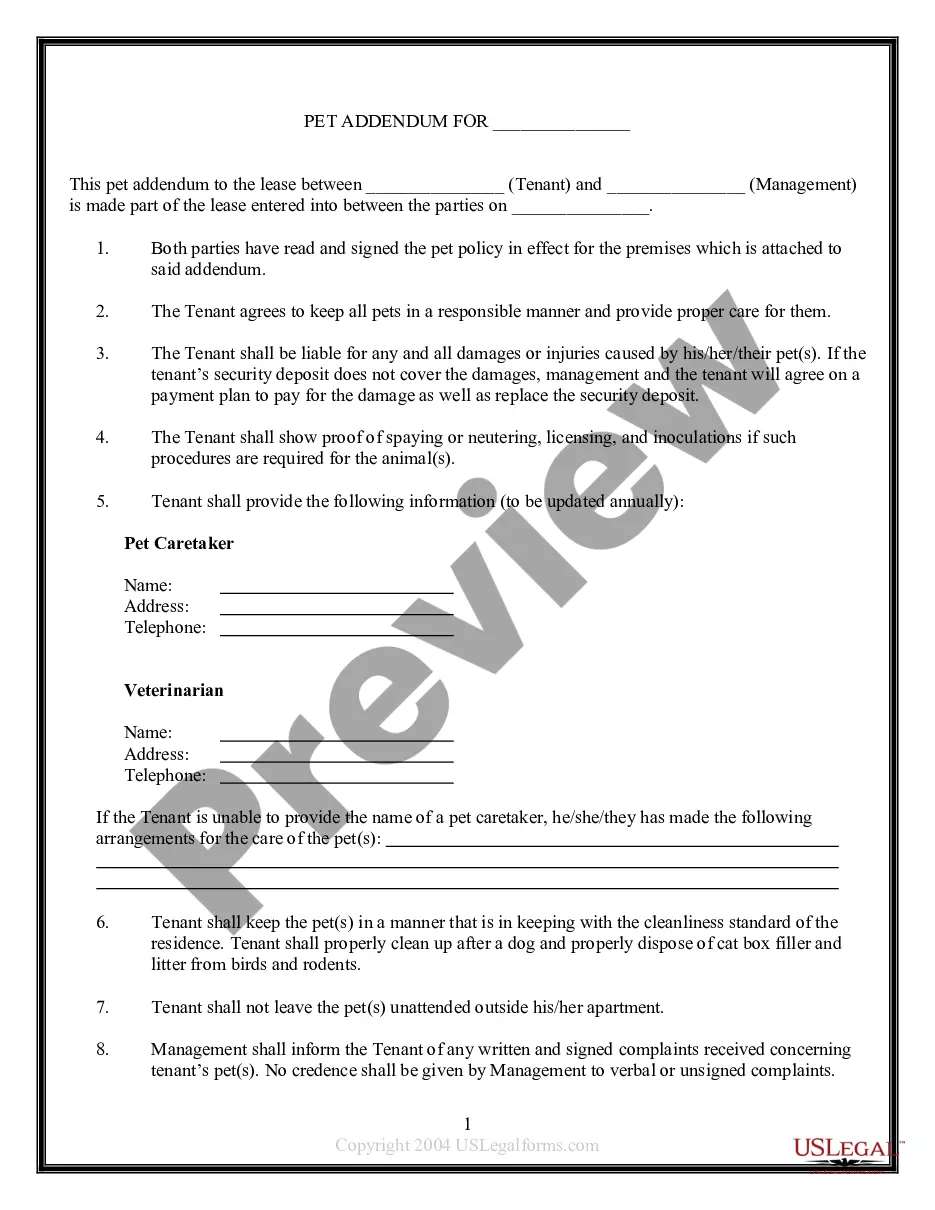
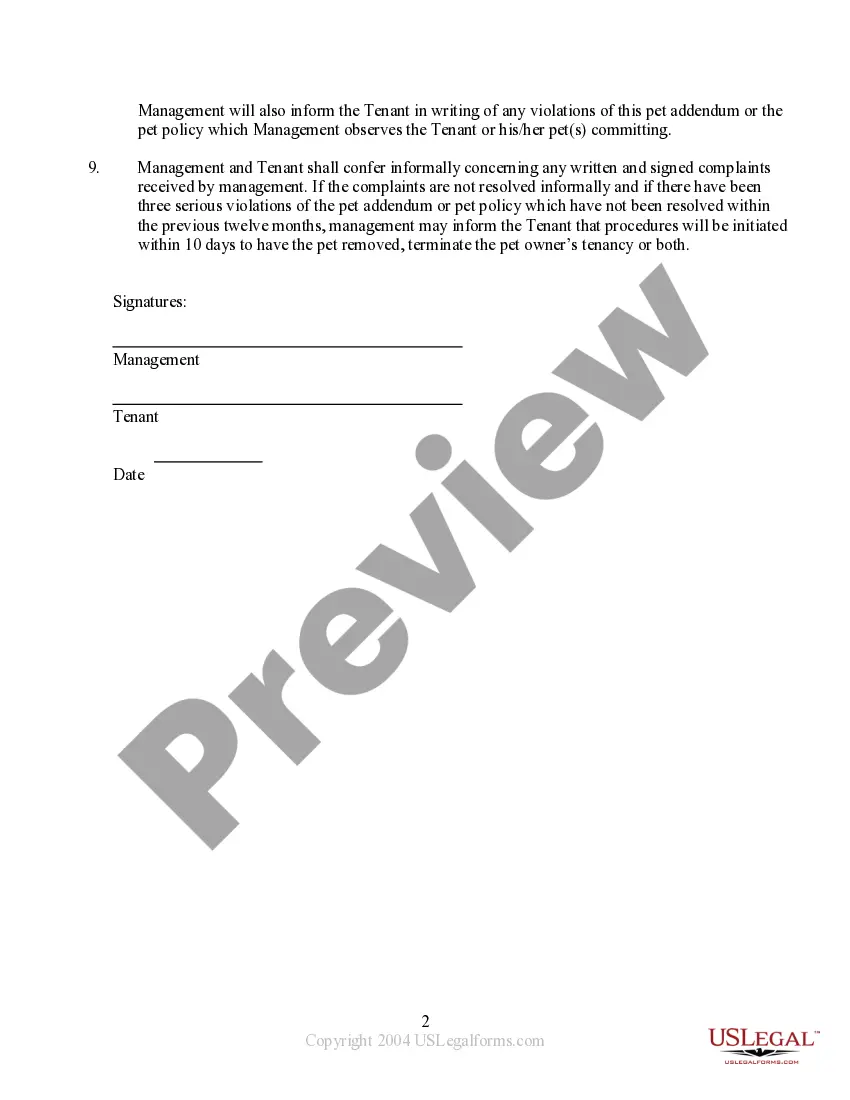
Get your form ready online
Our built-in tools help you complete, sign, share, and store your documents in one place.
Make edits, fill in missing information, and update formatting in US Legal Forms—just like you would in MS Word.
Download a copy, print it, send it by email, or mail it via USPS—whatever works best for your next step.
Sign and collect signatures with our SignNow integration. Send to multiple recipients, set reminders, and more. Go Premium to unlock E-Sign.
If this form requires notarization, complete it online through a secure video call—no need to meet a notary in person or wait for an appointment.
We protect your documents and personal data by following strict security and privacy standards.

Make edits, fill in missing information, and update formatting in US Legal Forms—just like you would in MS Word.

Download a copy, print it, send it by email, or mail it via USPS—whatever works best for your next step.

Sign and collect signatures with our SignNow integration. Send to multiple recipients, set reminders, and more. Go Premium to unlock E-Sign.

If this form requires notarization, complete it online through a secure video call—no need to meet a notary in person or wait for an appointment.

We protect your documents and personal data by following strict security and privacy standards.
Looking for another form?
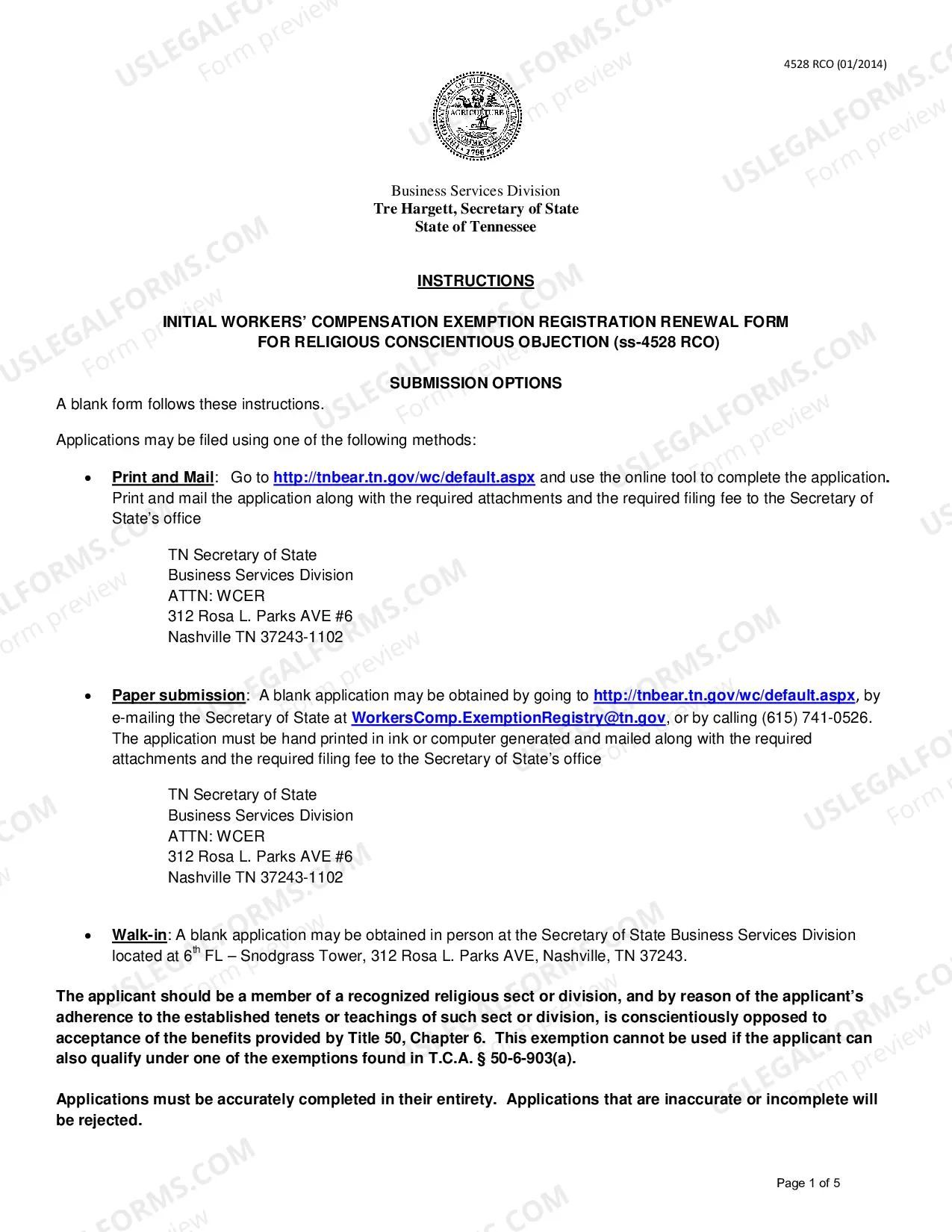


How to fill out Addendum To Apartment Lease Regarding Pets?
- For returning users, log in to your account and download your desired residential lease template by clicking the Download button. Ensure your subscription is active; if it's expired, renew it based on your selected plan.
- If this is your first time, start by checking the Preview mode and descriptions of the residential lease forms to confirm they meet your specific needs and comply with local jurisdiction requirements.
- If you find discrepancies, utilize the Search feature to explore additional templates until you discover the one that fits your requirements.
- Purchase the selected form by clicking the Buy Now button. To access the library’s full offerings, you need to create an account.
- Complete your transaction by entering your payment information or logging in through your PayPal account to finalize the subscription.
- Finally, download your completed residential lease form. You can save it on your device and revisit it any time via the My Forms section of your profile.
In conclusion, US Legal Forms provides an extensive collection of over 85,000 legal forms, including residential leases, ensuring you have the resources necessary for your legal needs. With the added benefit of expert assistance, you can create precise and legally sound documents effortlessly.
Start simplifying your legal paperwork today with US Legal Forms!
Form popularity
FAQ
Yes, a handwritten lease agreement can be legally binding if it includes all essential details clearly. Ensure both parties sign and date the document for it to hold up in court. Keep in mind that clarity is crucial; avoid ambiguity. It's often recommended to use a template for consistency and to meet legal standards.
While you don't need a lawyer to write a lease, having legal guidance can help ensure compliance with local laws. A lawyer can provide valuable insights and advice, especially if you have unique conditions. However, you can utilize resources like USLegalForms for templates to create a comprehensive residential lease yourself.
Yes, you can write your own residential lease agreement, but it's vital to include all necessary legal elements. Ensure it outlines rent, duration, and responsibilities for both parties. Consider consulting templates or legal resources to avoid missing crucial details. A well-structured agreement protects both you and your tenant.
Filling a lease agreement requires basic details like names, addresses, and rental terms. Make sure to specify the lease duration and any penalties for late payments. It's essential to include rules regarding pets, maintenance, and utilities. Thoroughly review each section to ensure clarity and avoid potential issues.
To fill out a residential lease inventory and condition form, first document each room and note its condition thoroughly. Include any existing damages or issues, as this record helps protect your security deposit. Use clear descriptions and take photos if necessary. This form is crucial for avoiding disputes when your lease term ends.
When reviewing a residential lease, watch for vague terms, excessive fees, or unclear maintenance responsibilities. These red flags can lead to misunderstandings. Additionally, if the landlord requires a large upfront payment without justification, it raises concerns. Carefully read each clause to ensure you understand your obligations.
The most common type of lease for residential property is the annual lease. This lease provides a fixed rental agreement for one year, creating a reliable income stream for landlords and stability for tenants. By choosing an annual residential lease, both parties can invest in a secure and predictable living arrangement.
In Florida, a residential lease must include specific components to be legally binding. These components typically include the names of all parties, the rental property's address, the duration of the lease, and the agreed rental amount. Adhering to these requirements ensures that the lease upholds both the landlord’s and tenant’s rights.
The most popular type of residential lease is a month-to-month lease. This lease arrangement offers flexibility for both renters and landlords, allowing tenants to move out with short notice. Month-to-month residential leases adapt to changing circumstances easily, making them an excellent choice for many renters.
The most common form of residential lease is a fixed-term lease, typically lasting for one year. This type of lease provides stability for tenants and landlords alike, as it clearly outlines the responsibilities of both parties throughout the lease period. It's an effective way to secure rental income and maintain a consistent living situation.