Percentage Rent For Restaurants
Description
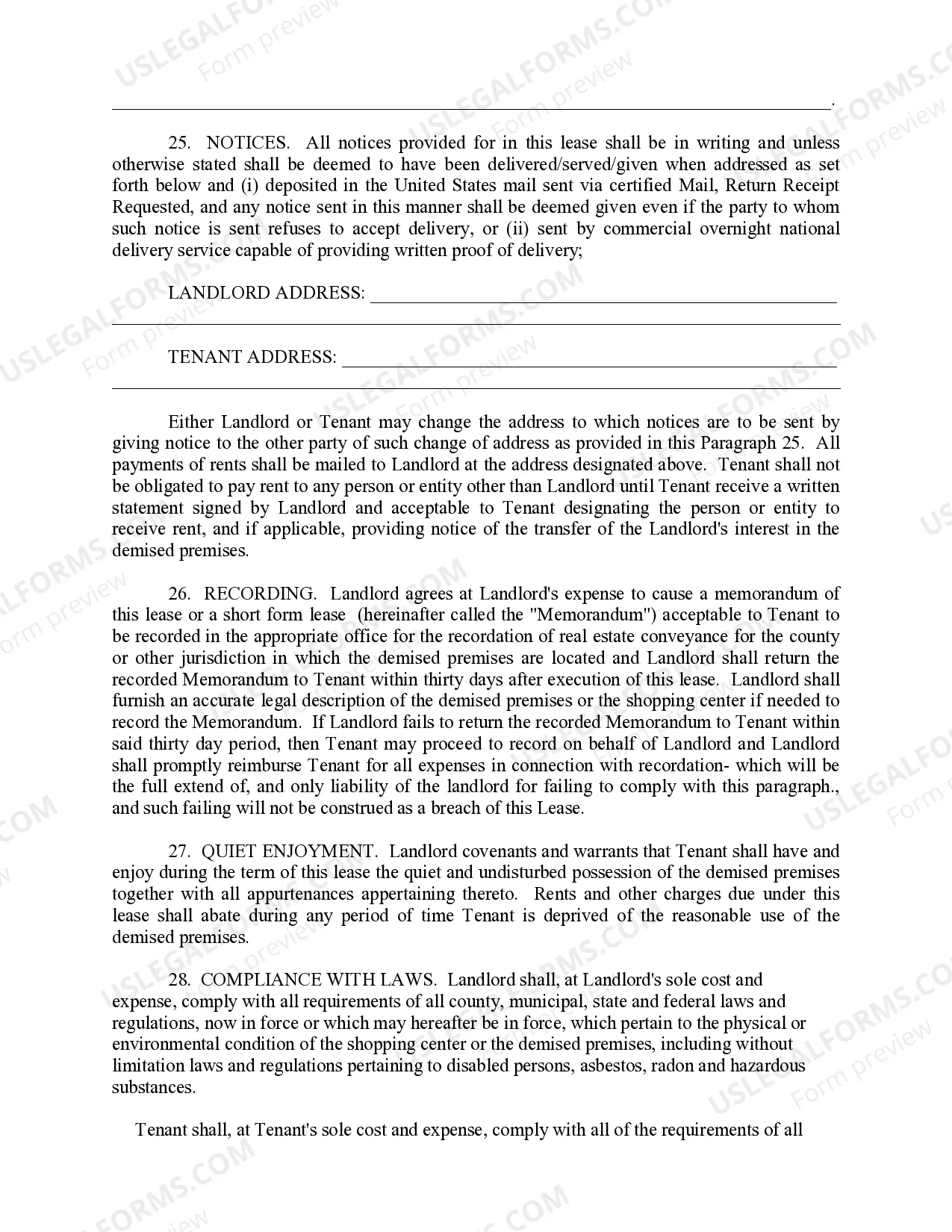
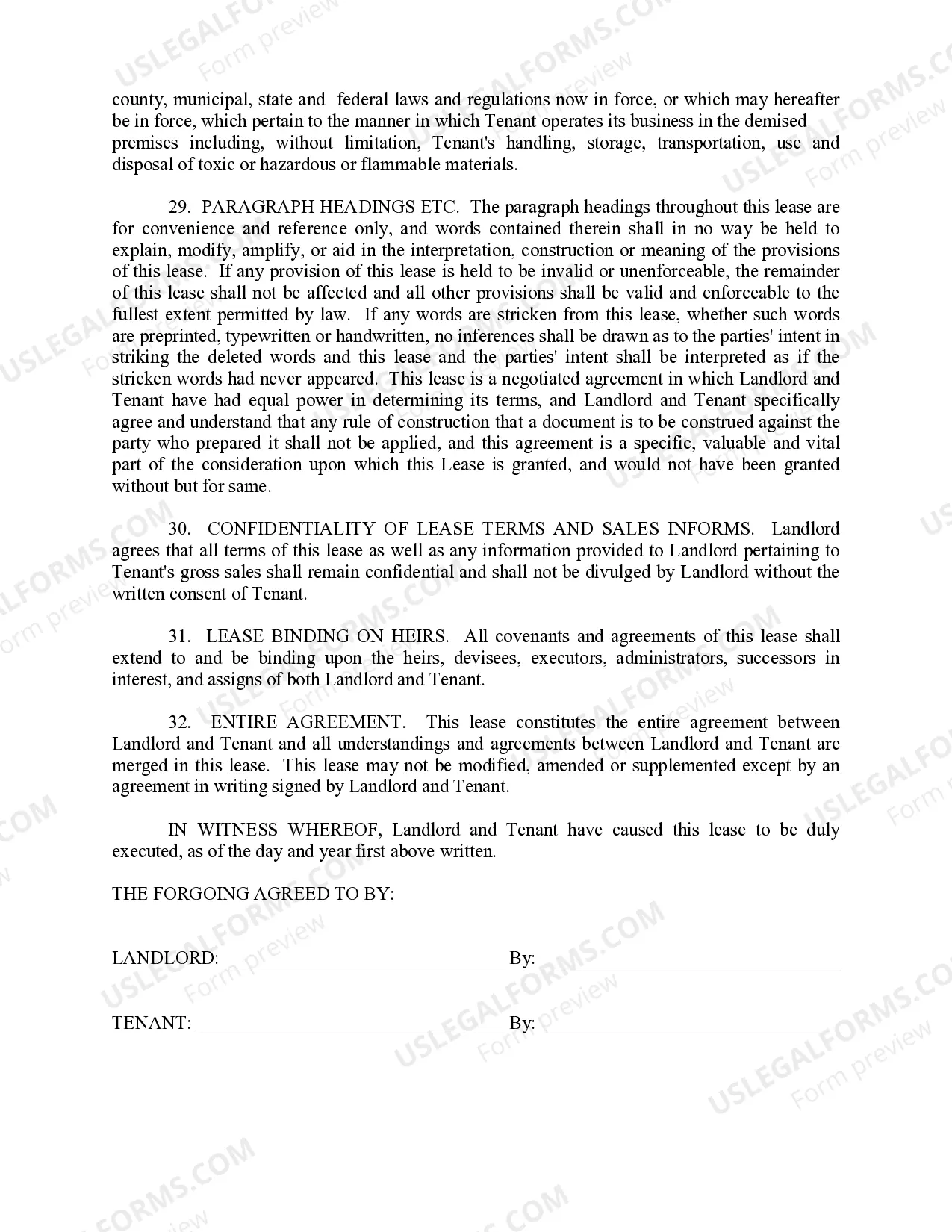
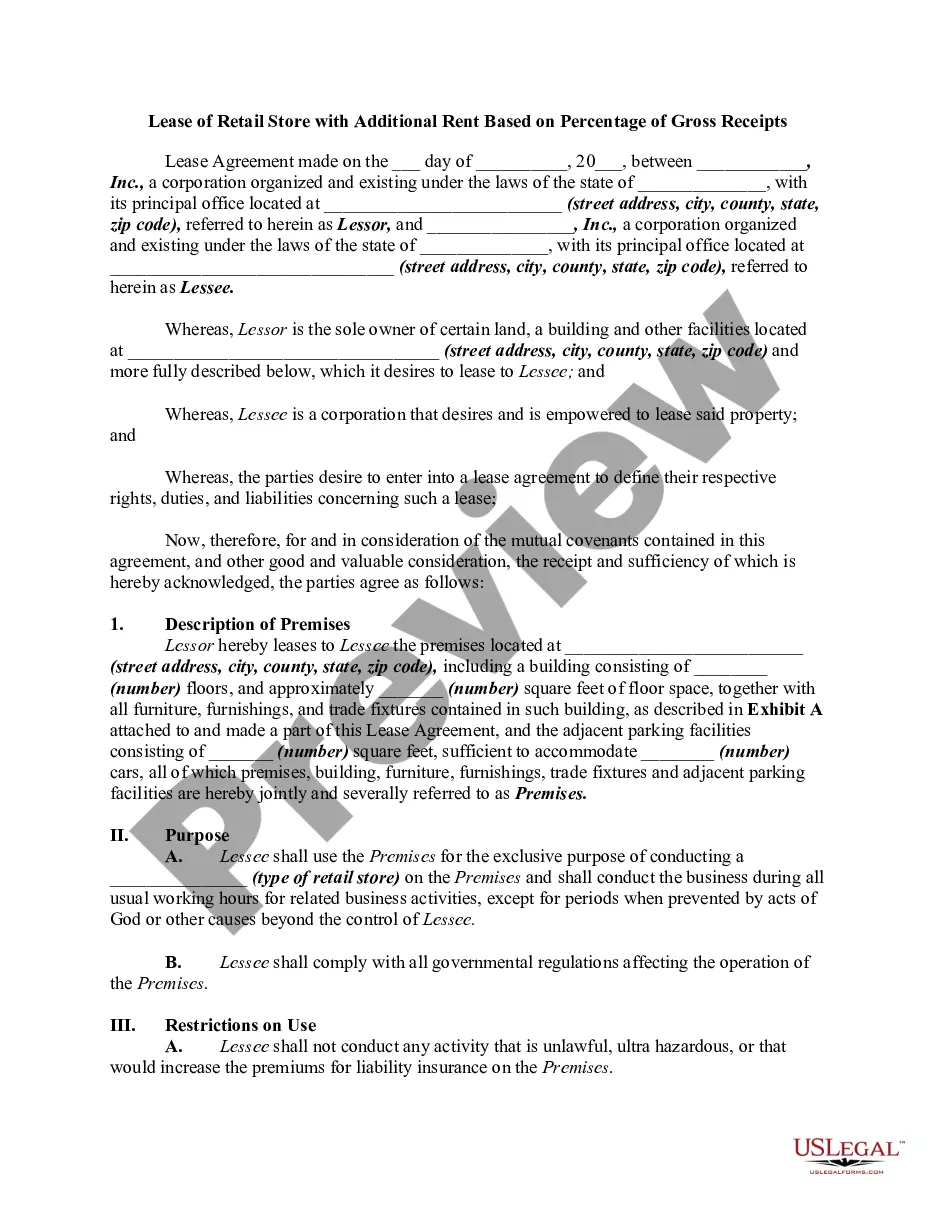
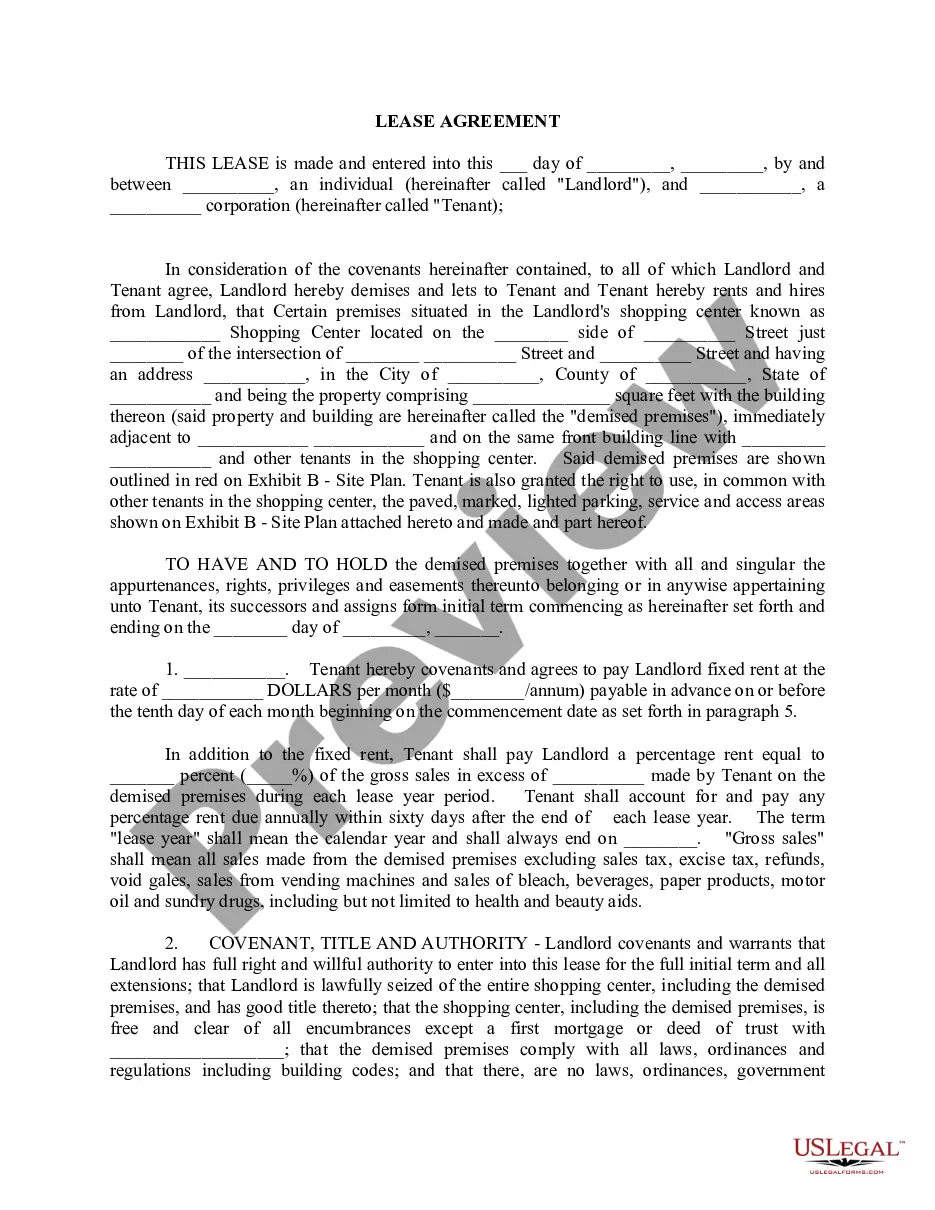
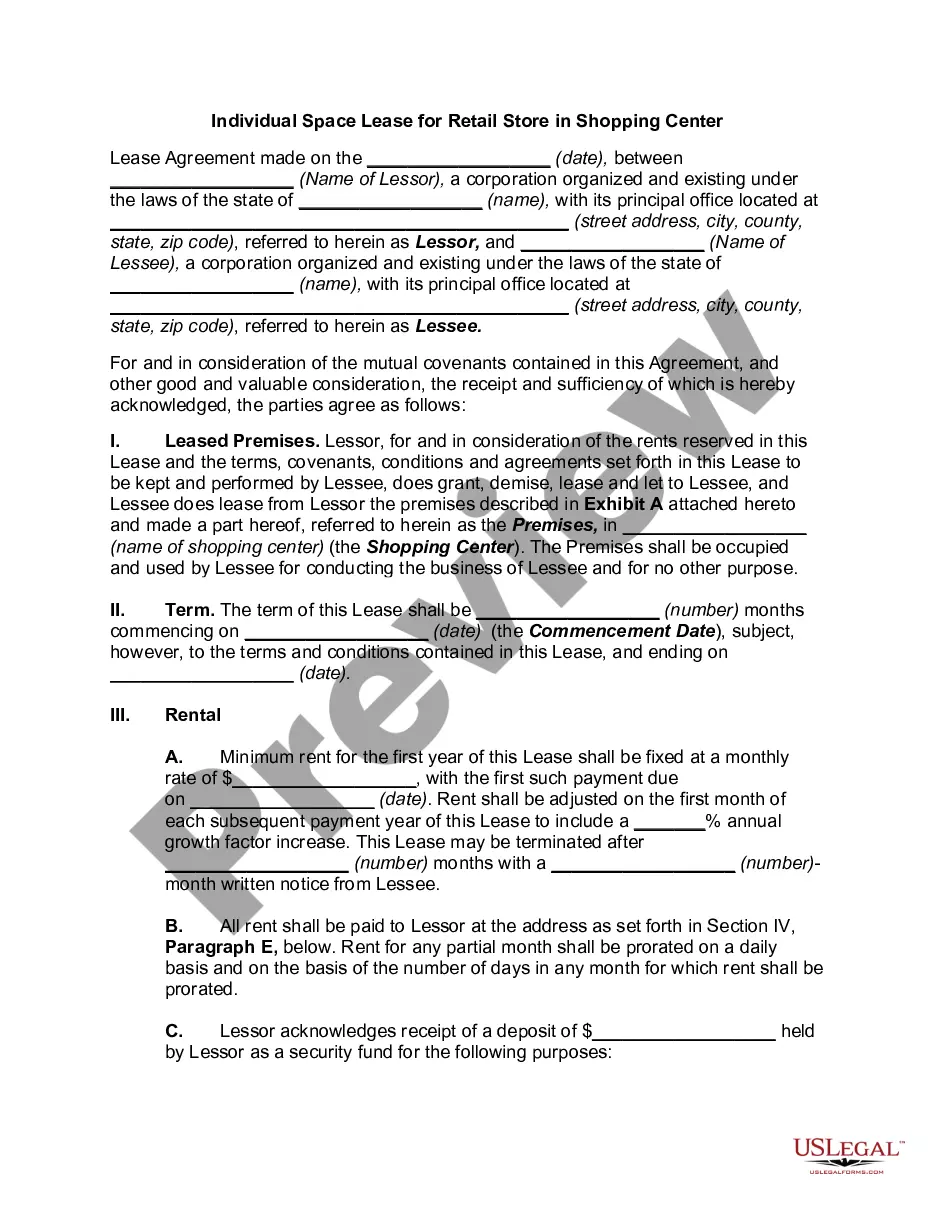
Get your form ready online
Our built-in tools help you complete, sign, share, and store your documents in one place.
Make edits, fill in missing information, and update formatting in US Legal Forms—just like you would in MS Word.
Download a copy, print it, send it by email, or mail it via USPS—whatever works best for your next step.
Sign and collect signatures with our SignNow integration. Send to multiple recipients, set reminders, and more. Go Premium to unlock E-Sign.
If this form requires notarization, complete it online through a secure video call—no need to meet a notary in person or wait for an appointment.
We protect your documents and personal data by following strict security and privacy standards.

Make edits, fill in missing information, and update formatting in US Legal Forms—just like you would in MS Word.

Download a copy, print it, send it by email, or mail it via USPS—whatever works best for your next step.

Sign and collect signatures with our SignNow integration. Send to multiple recipients, set reminders, and more. Go Premium to unlock E-Sign.

If this form requires notarization, complete it online through a secure video call—no need to meet a notary in person or wait for an appointment.

We protect your documents and personal data by following strict security and privacy standards.
Looking for another form?
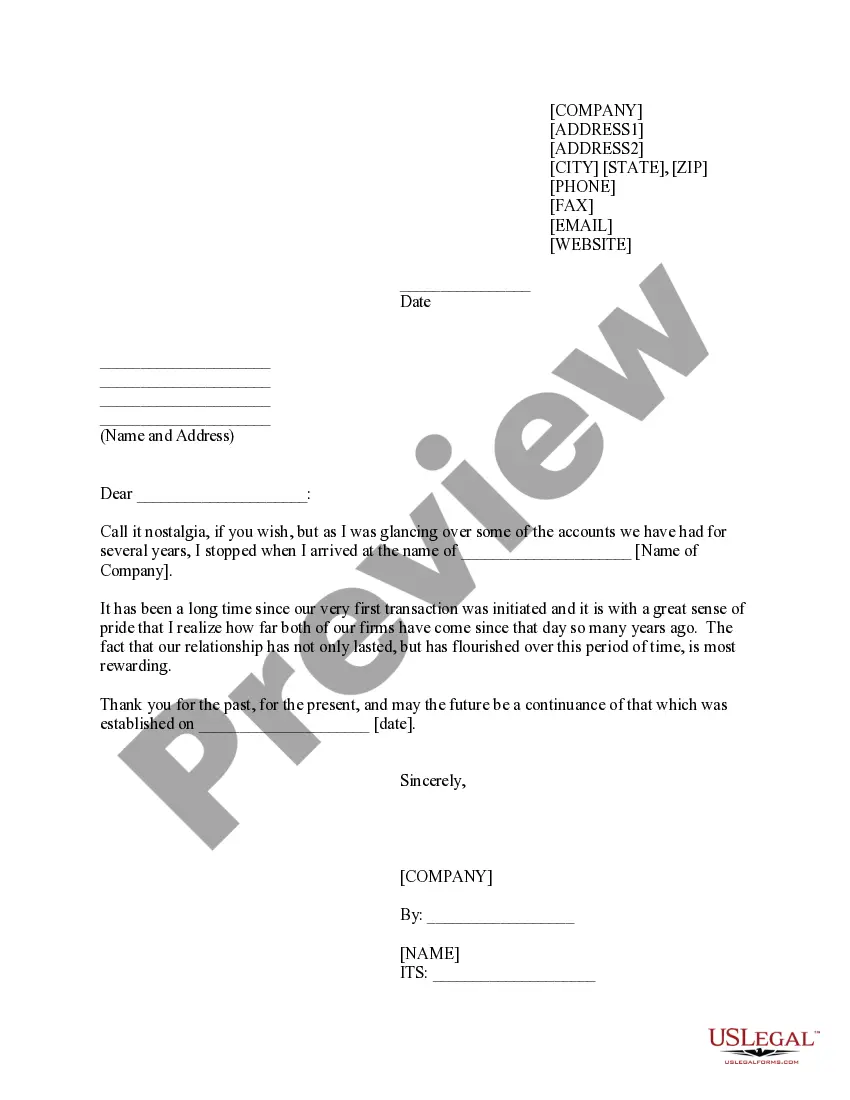








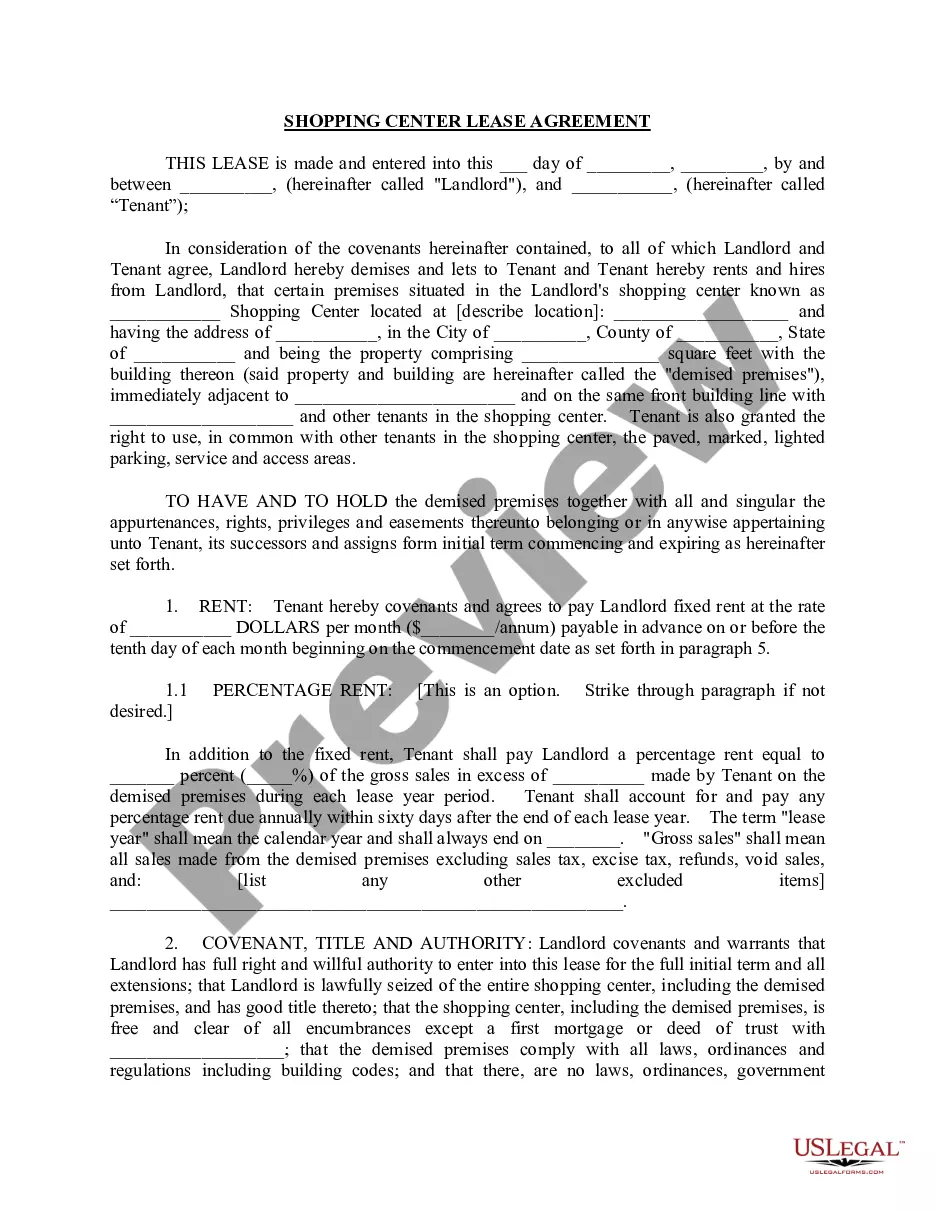
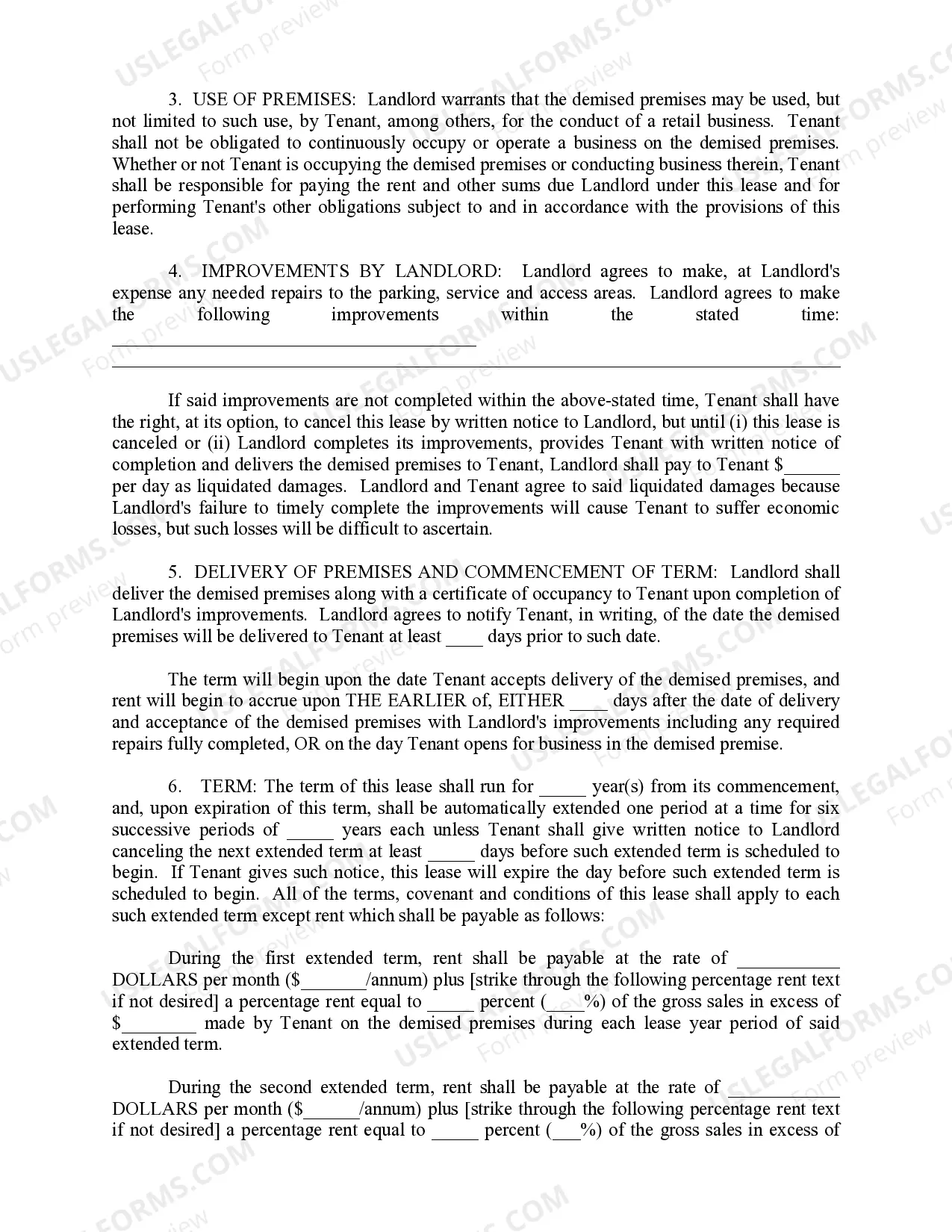
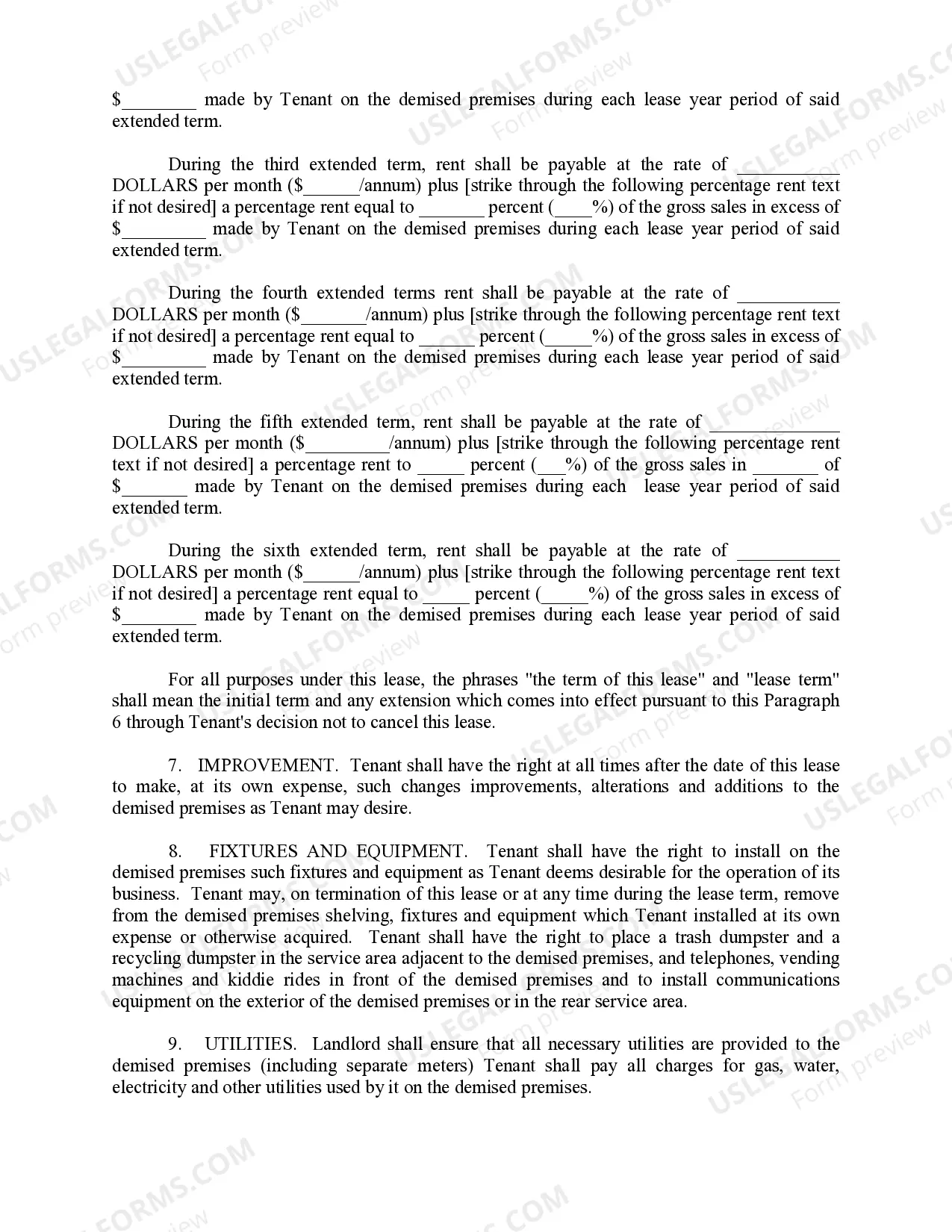
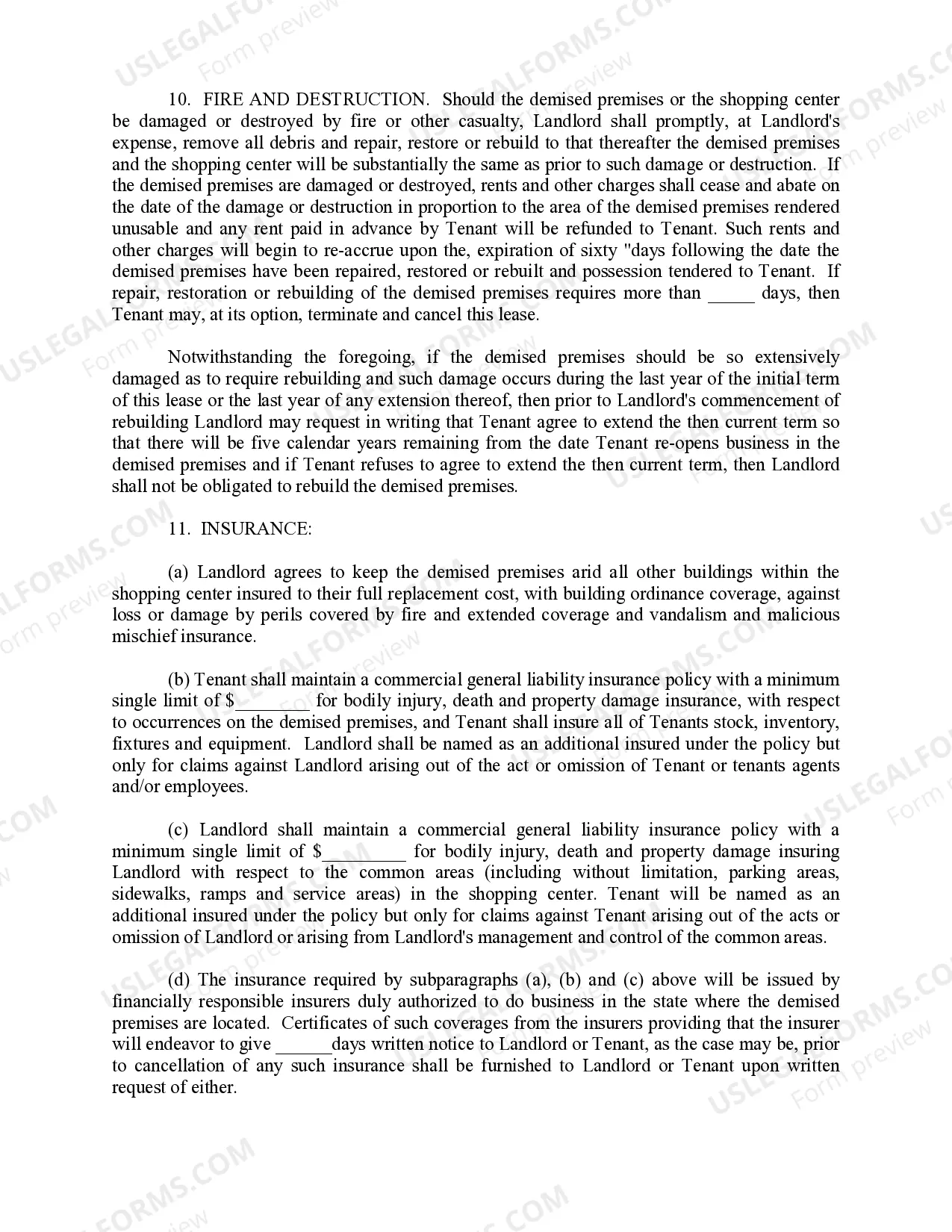
How to fill out Shopping Center Lease Agreement - Percentage Rent Option?
Finding a reliable source for the latest and suitable legal templates is a significant part of managing administrative tasks.
Selecting the correct legal documents necessitates precision and meticulousness, which is why it's crucial to obtain Percentage Rent For Restaurants samples solely from reputable providers, such as US Legal Forms.
Once the document is on your device, you can modify it using the editor or print it out and complete it manually. Eliminate the stress associated with your legal documentation. Explore the extensive US Legal Forms catalog to discover legal templates, evaluate their applicability to your situation, and download them immediately.
- Utilize the directory navigation or search bar to locate your template.
- Review the document's details to determine if it meets your state's and area's criteria.
- Examine the document preview, if available, to confirm it is the one you seek.
- Return to the search and look for the appropriate document if the Percentage Rent For Restaurants does not fit your needs.
- When you are assured of the document's applicability, download it.
- If you're a registered user, click Log in to verify and access your selected templates in My documents.
- If you do not yet have an account, click Buy now to acquire the template.
- Select the pricing option that aligns with your needs.
- Proceed to register to finalize your purchase.
- Complete your transaction by choosing a payment method (credit card or PayPal).
- Select the file format for downloading Percentage Rent For Restaurants.
Form popularity
FAQ
In most cases, the industry's collective experience shows that the lease cost should total no more than 5 to 8 percent of the restaurant's total revenues.
The Natural Breakpoint is the minimum annual base rent divided by the percentage rent. For example, if the minimum annual base rent is $100,000 per year and the percentage rent is 5%, then the Natural Breakpoint is $2,000,000.
Sales are influenced by the number of seats you have, and rent is influenced by the price per square foot (SF) you are paying. The important formula is that restaurant rent percentage should be no more than 10% of your sales (some restaurateurs feel 8% is the right number).
The formula for calculating percentage rent with a natural breakpoint is: (Gross Sales ? Natural Breakpoint) x Agreed-Upon Percentage = Percentage Rent. (Gross Sales ? Artificial Breakpoint) x Agreed-Upon Percentage = Percentage Rent. Gross Sales x Agreed-Upon Percentage = Percentage Rent.
As a general rule, your total occupancy cost should be 6% to 10% of your gross sales. Occupancy costs include rent, common area maintenance (CAM) fees, property taxes and insurance. CAM fees, like parking lot maintenance or janitorial services, should add no more than 2% to 3% to your base rent.