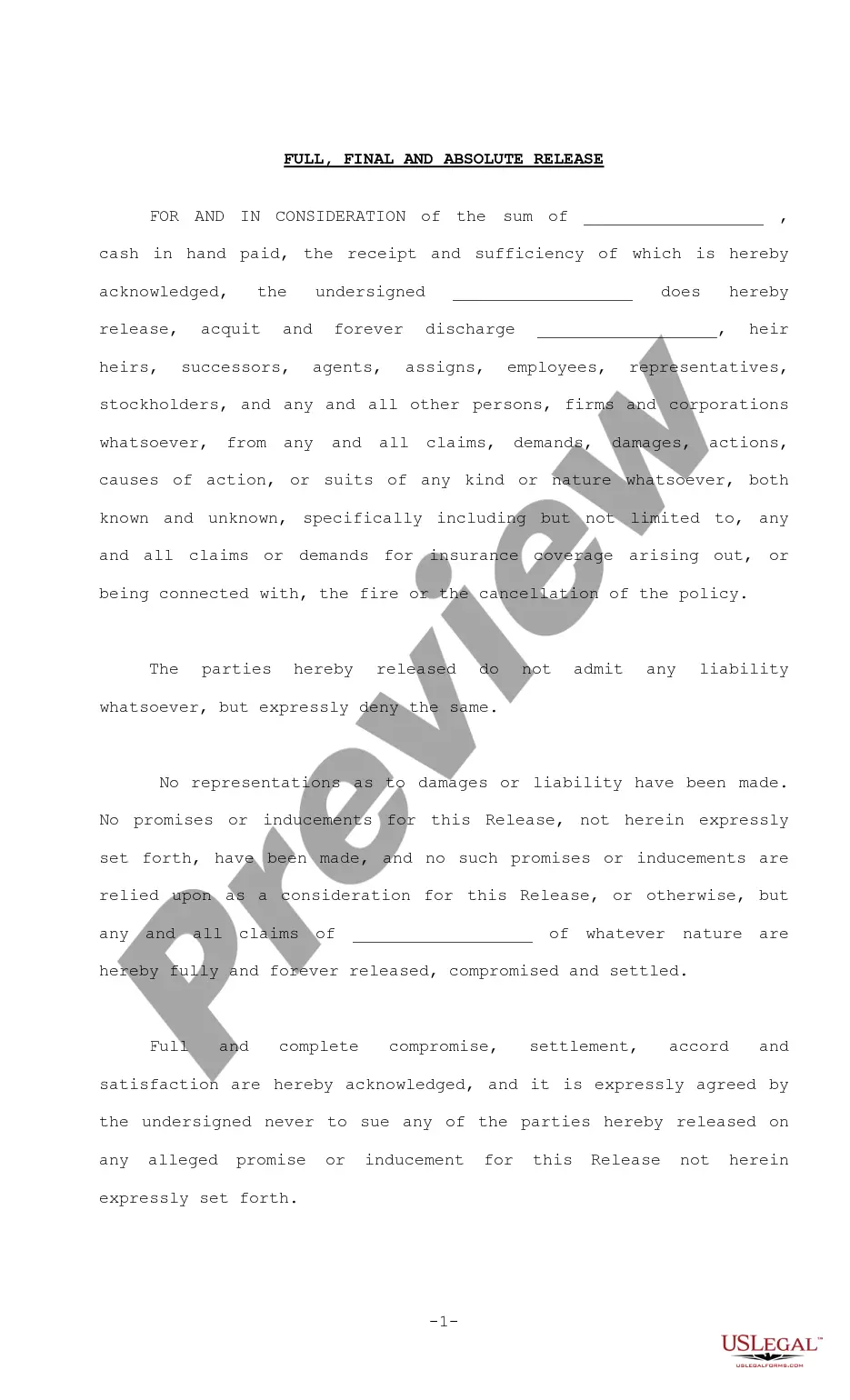
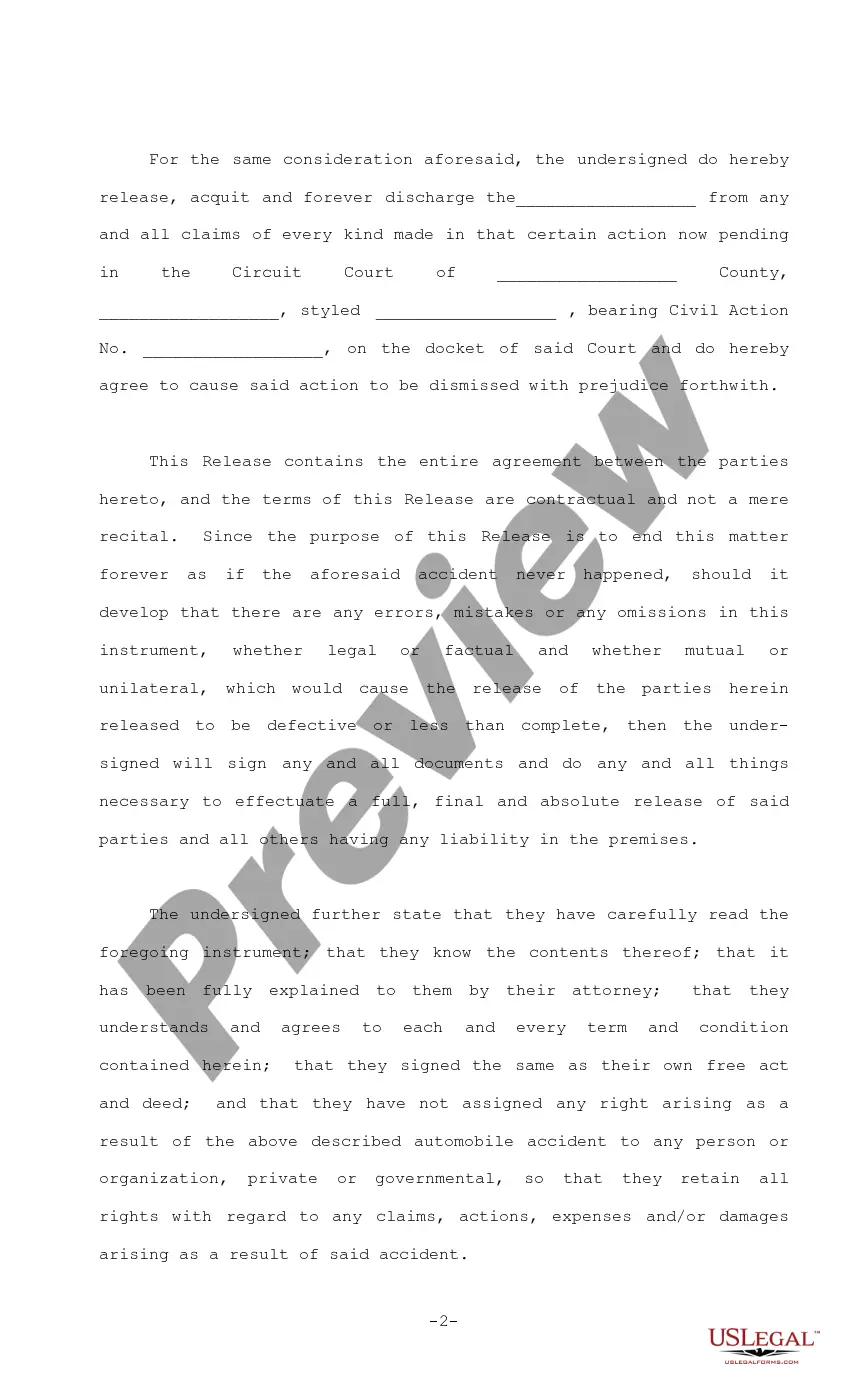
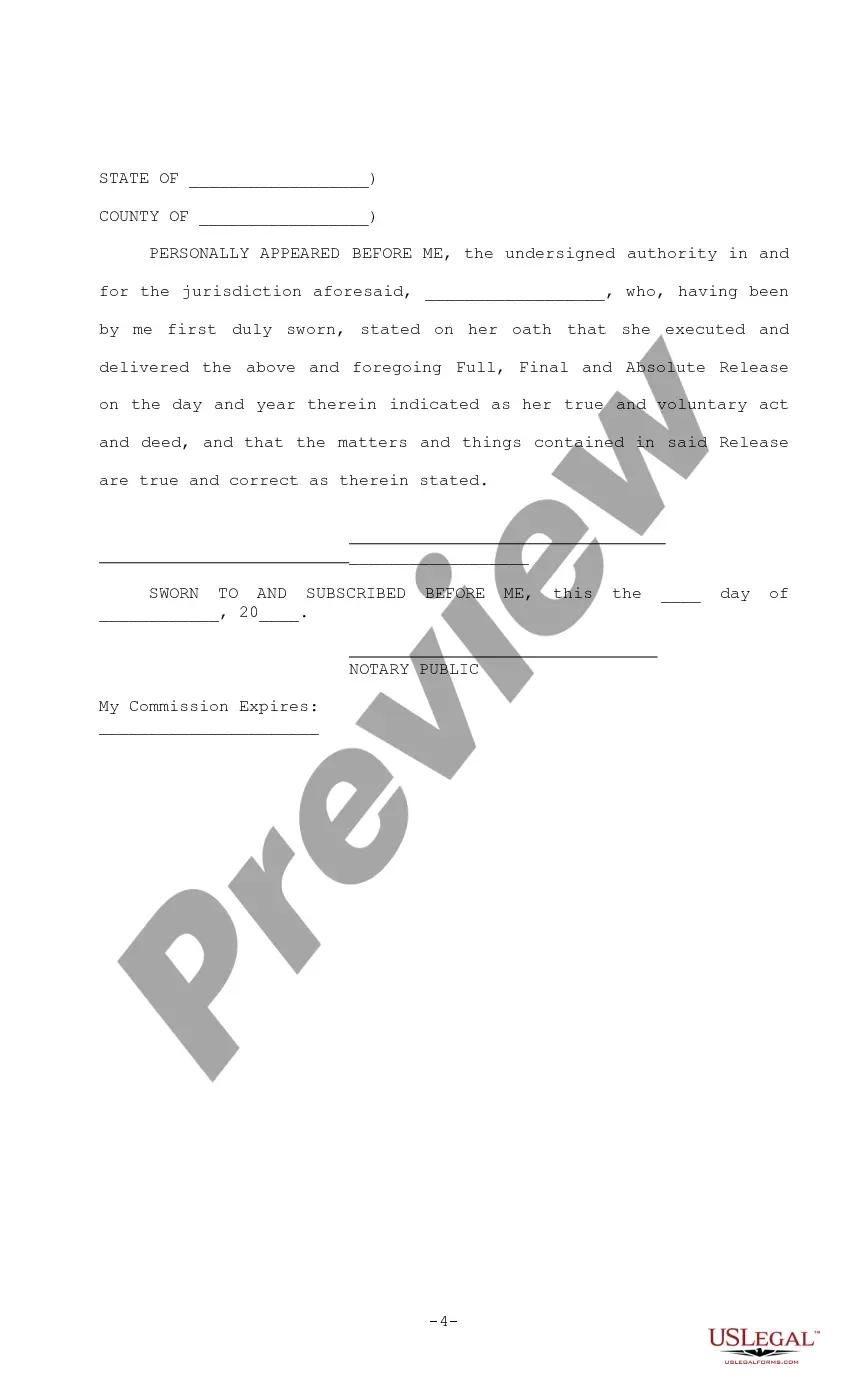
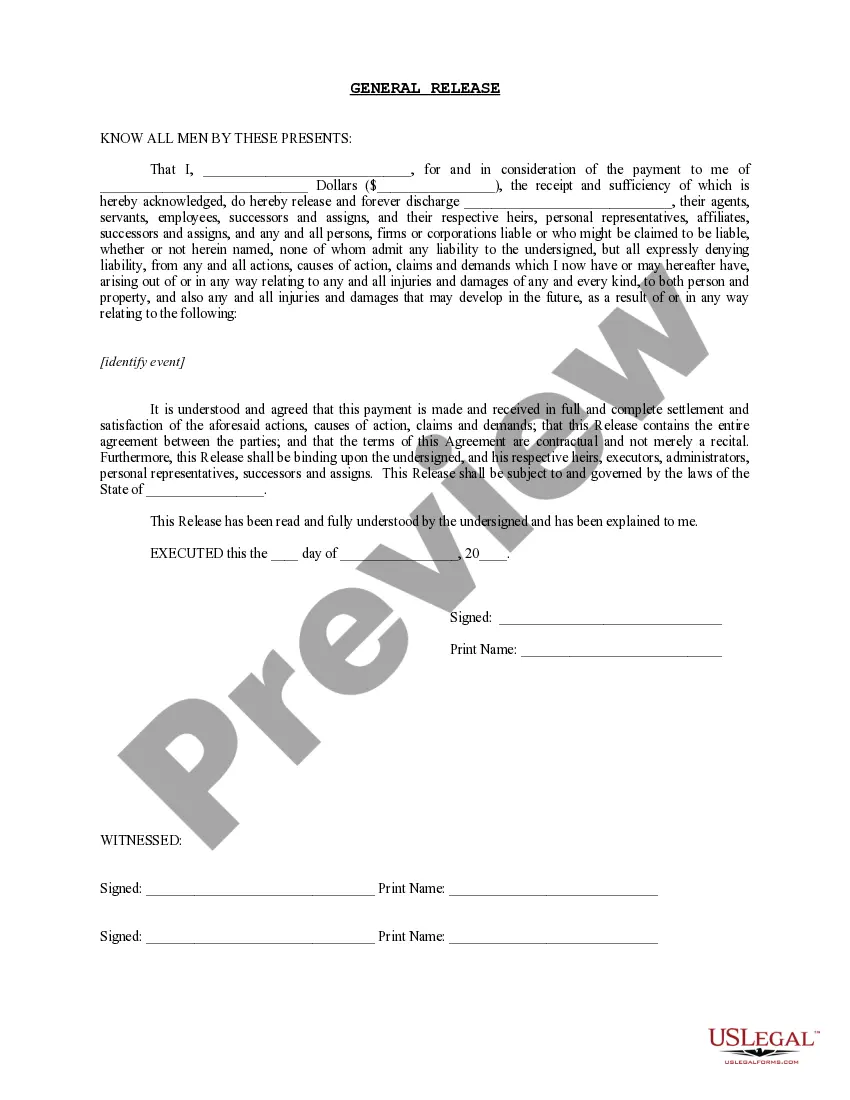
Full And Final Release And Indemnity Agreement
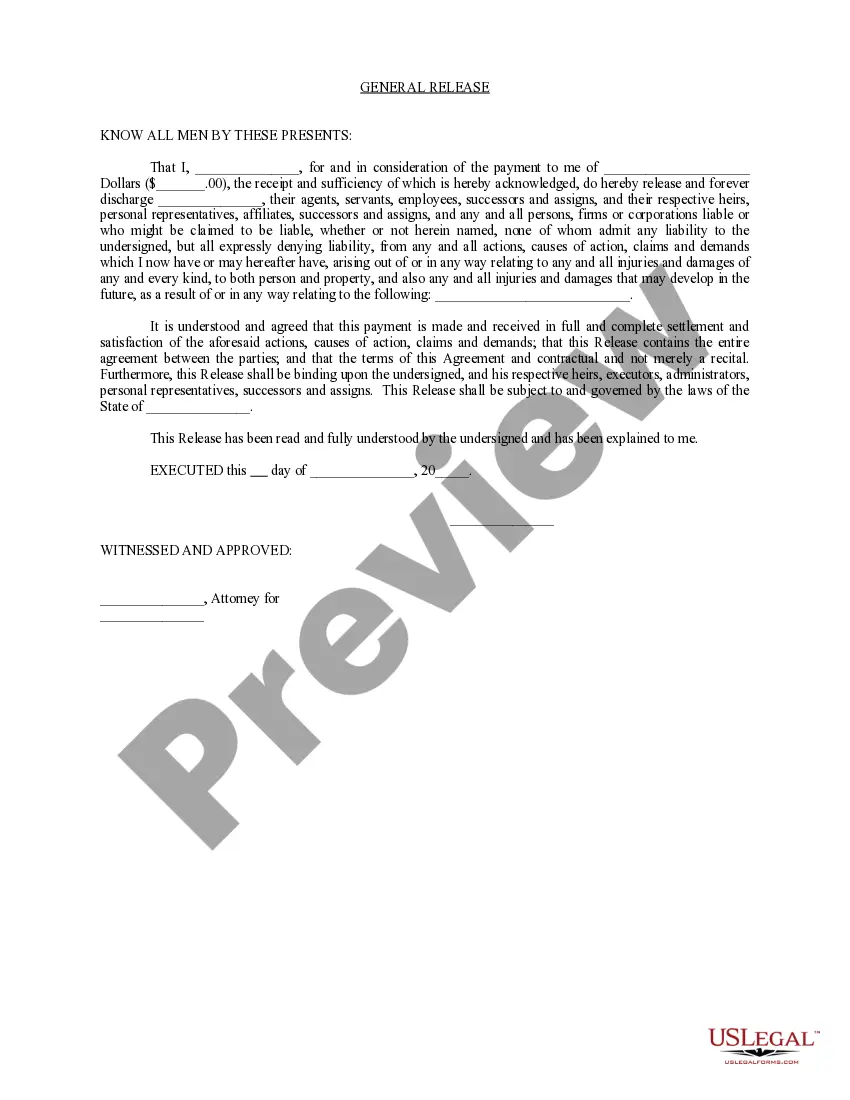
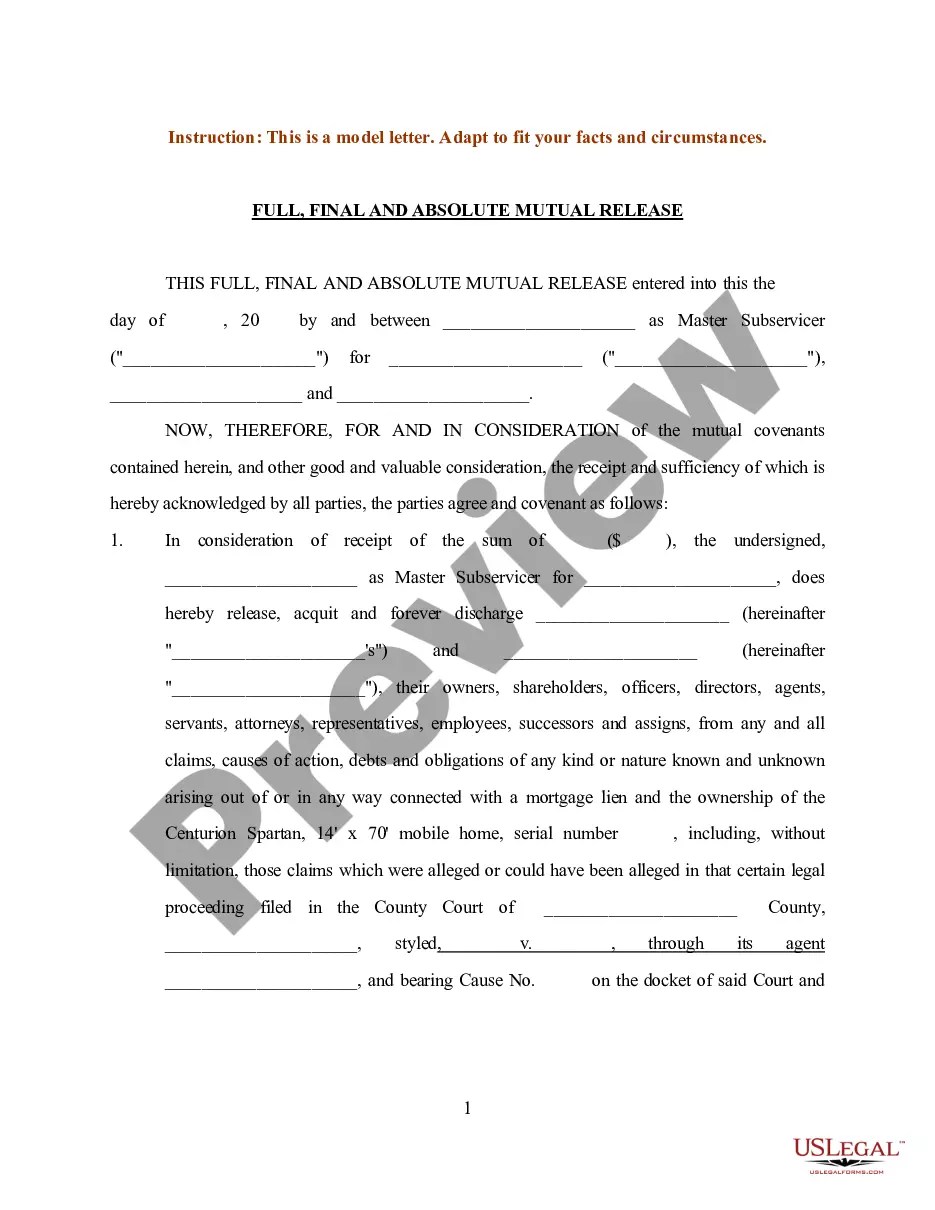
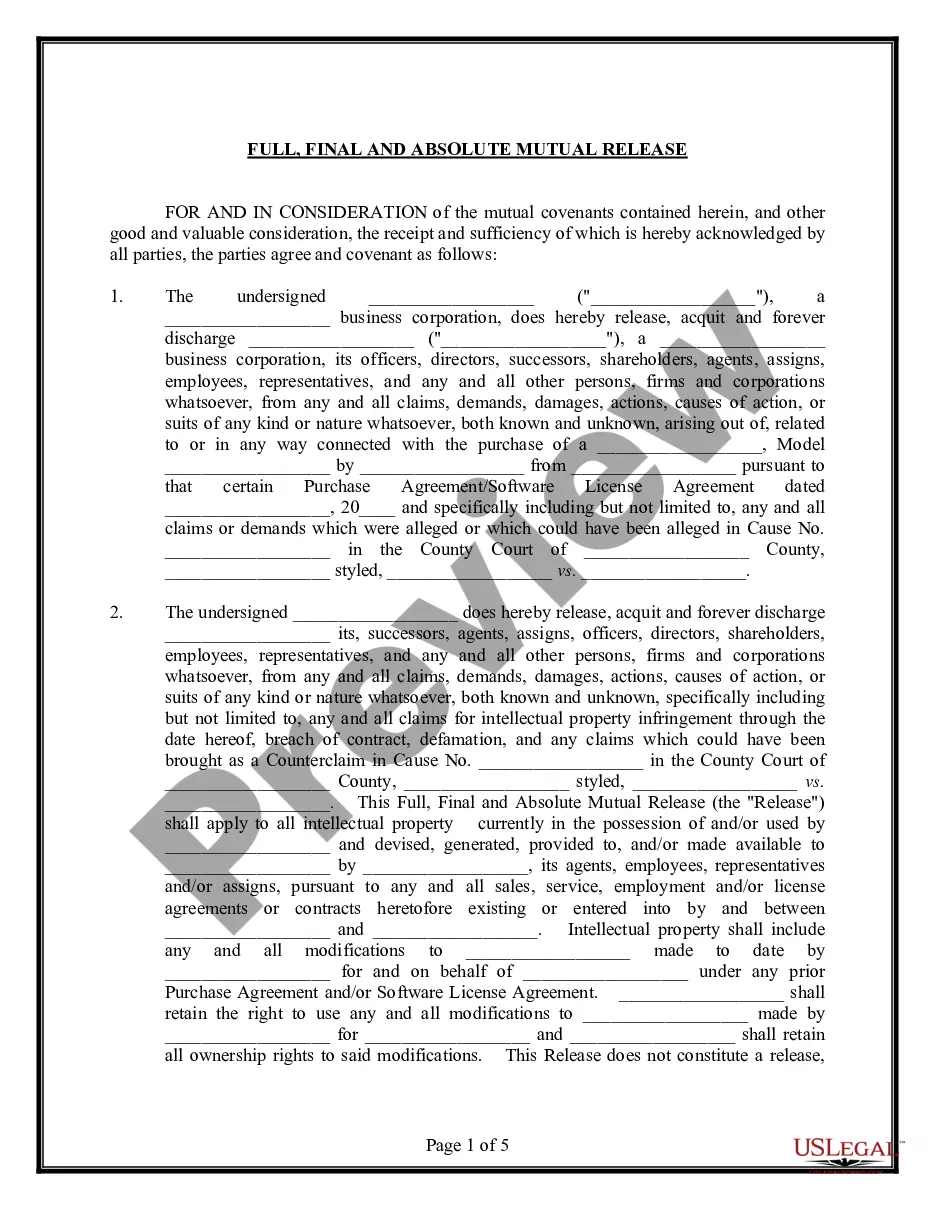
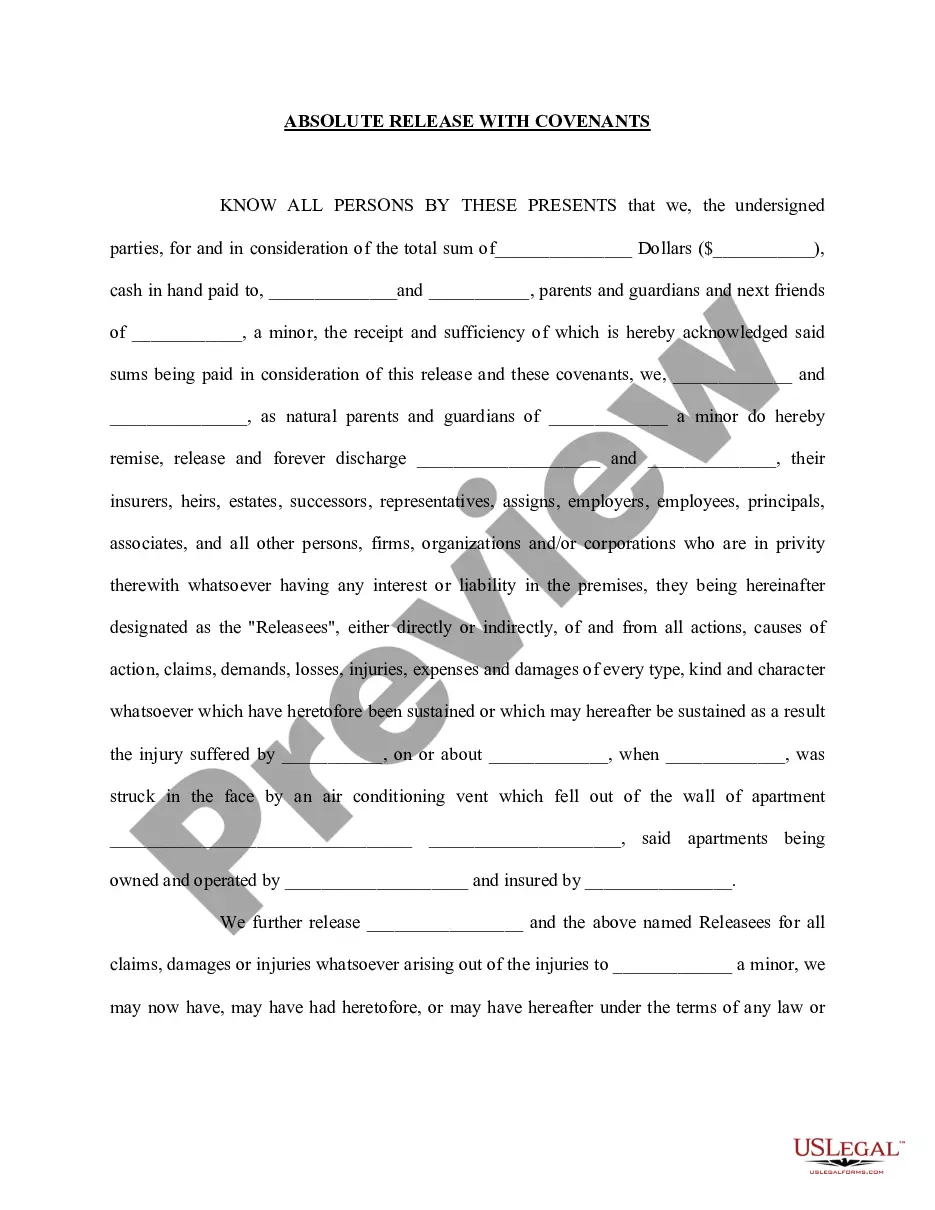
Description

Get your form ready online
Our built-in tools help you complete, sign, share, and store your documents in one place.
Make edits, fill in missing information, and update formatting in US Legal Forms—just like you would in MS Word.
Download a copy, print it, send it by email, or mail it via USPS—whatever works best for your next step.
Sign and collect signatures with our SignNow integration. Send to multiple recipients, set reminders, and more. Go Premium to unlock E-Sign.
If this form requires notarization, complete it online through a secure video call—no need to meet a notary in person or wait for an appointment.
We protect your documents and personal data by following strict security and privacy standards.

Make edits, fill in missing information, and update formatting in US Legal Forms—just like you would in MS Word.

Download a copy, print it, send it by email, or mail it via USPS—whatever works best for your next step.

Sign and collect signatures with our SignNow integration. Send to multiple recipients, set reminders, and more. Go Premium to unlock E-Sign.

If this form requires notarization, complete it online through a secure video call—no need to meet a notary in person or wait for an appointment.

We protect your documents and personal data by following strict security and privacy standards.
Looking for another form?
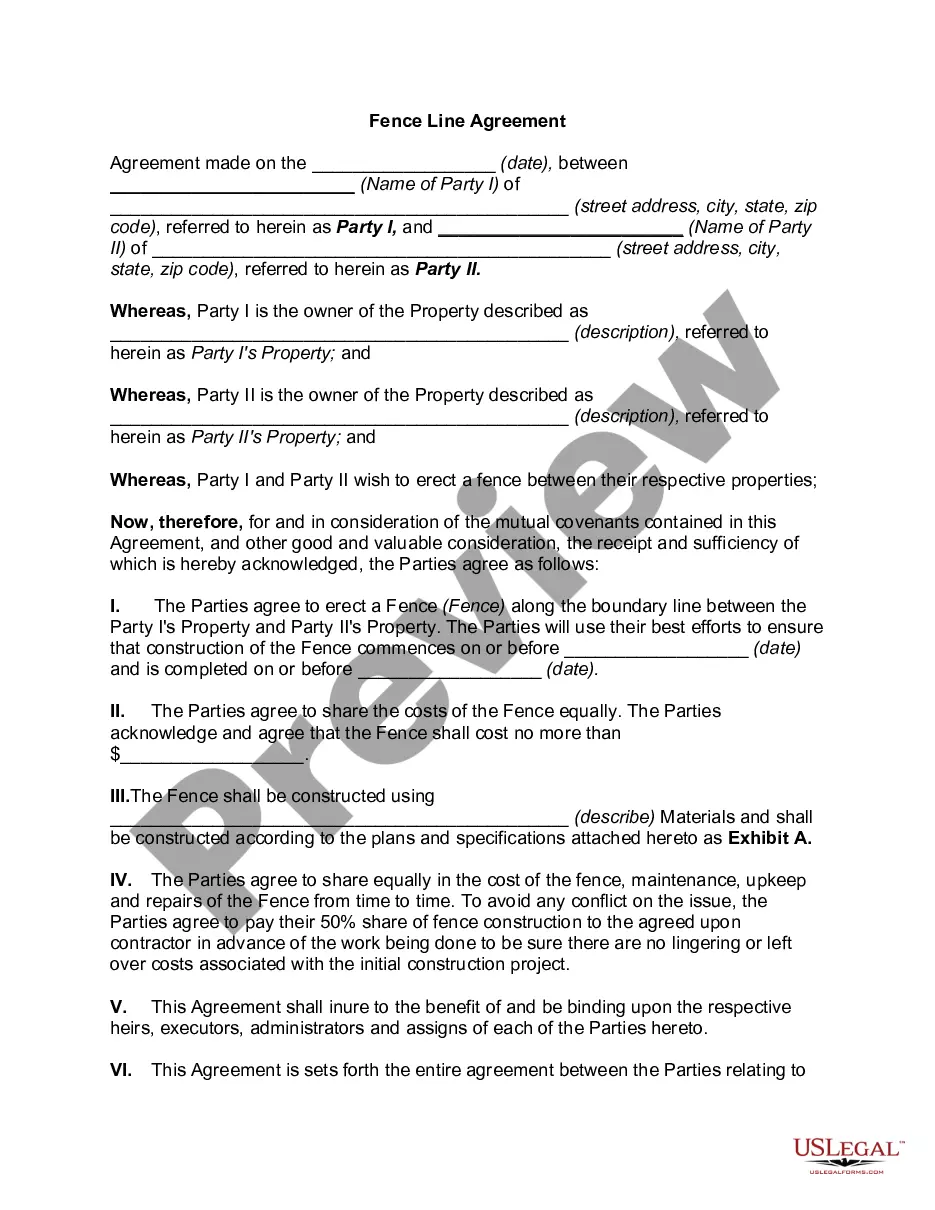

How to fill out Full, Final And Absolute Release?
Creating legal documents from the ground up can at times be daunting. Certain situations may require significant research and substantial financial investment.
If you're seeking a simpler and more cost-effective method for drafting Full And Final Release And Indemnity Agreement or other paperwork without unnecessary complications, US Legal Forms is readily available to assist you.
Our online repository of over 85,000 current legal documents covers nearly every aspect of your financial, legal, and personal affairs. With just a few clicks, you can promptly obtain state- and county-compliant forms carefully prepared by our legal experts.
Utilize our site whenever you require dependable services to swiftly find and download the Full And Final Release And Indemnity Agreement. If you are familiar with our website and have previously set up an account, simply Log In to your account, find the template, and download it or re-download it at any time from the My documents section.
US Legal Forms has a stellar reputation and over 25 years of experience. Join us today and transform document execution into a straightforward and efficient process!
- Verify the form preview and descriptions to confirm that you have located the document you seek.
- Ensure that the template you select adheres to the regulations and laws of your state and county.
- Choose the most appropriate subscription plan to acquire the Full And Final Release And Indemnity Agreement.
- Download the document. Then complete, sign, and print it out.
Form popularity
FAQ
A full release of all claims with indemnity means that one party gives up all rights to pursue any legal claims against another party while also ensuring financial protection if any issues arise. This dual assurance helps solidify trust between parties by creating a clear understanding of their obligations. In essence, this is a critical element of a full and final release and indemnity agreement.
An indemnity protects against financial losses due to claims, while a release focuses on relinquishing the right to pursue those claims. In other words, indemnity deals with compensation, and release addresses legal rights. A full and final release and indemnity agreement may include both elements, ensuring comprehensive protection.
An indemnity agreement serves to clearly define the responsibilities of each party regarding potential legal claims and financial losses. This document reassures parties that they are protected if issues arise, promoting trust in business transactions or personal agreements. It complements the full and final release and indemnity agreement by outlining specific liabilities.
The purpose of indemnity is to protect one party from incurring losses due to the actions or negligence of another. By agreeing to indemnify, one party takes responsibility for any claims or damages that may arise. This concept is a key component of a full and final release and indemnity agreement, offering additional security to those involved.
Indemnification involves one party agreeing to compensate another for legal losses while a release of claims entails relinquishing the right to pursue further legal claims. Essentially, indemnification is about financial responsibility, while a release is about giving up the right to sue. Both terms are crucial in a full and final release and indemnity agreement, but they serve distinct purposes.
The purpose of a release agreement is to formally document the relinquishment of rights or claims by one party against another. This agreement serves to prevent future legal disputes and offers peace of mind to all parties involved. Essentially, it lays the foundation for a full and final release and indemnity agreement that minimizes risks.
Release and indemnification refers to the process of one party relinquishing their right to pursue legal action against another. This typically involves the signer agreeing to indemnify or compensate the other party for any legal issues that may arise after signing the agreement. It's a critical aspect of a full and final release and indemnity agreement, providing a clear path to resolving conflicts.
A release and indemnity agreement is a legal document that protects one party from legal liability. By signing this agreement, one party agrees to relinquish any claims against another party, ensuring that both parties understand their rights and responsibilities. This is often used in various situations, including settling disputes or waiving potential future claims.
The key difference between release and indemnity lies in their function. A release eliminates future claims, effectively closing the door on legal actions related to a specific issue. Indemnity, however, offers a financial safety net by covering costs arising from those claims. When combined in a full and final release and indemnity agreement, they create a comprehensive protective strategy for all involved parties.
Indemnity simply means protection against loss or damage. It is an arrangement where one party agrees to compensate another for specific claims or expenses. In relation to a full and final release and indemnity agreement, indemnity safeguards parties from financial losses linked to legal claims. This clarification helps individuals understand its importance in legal contracts.