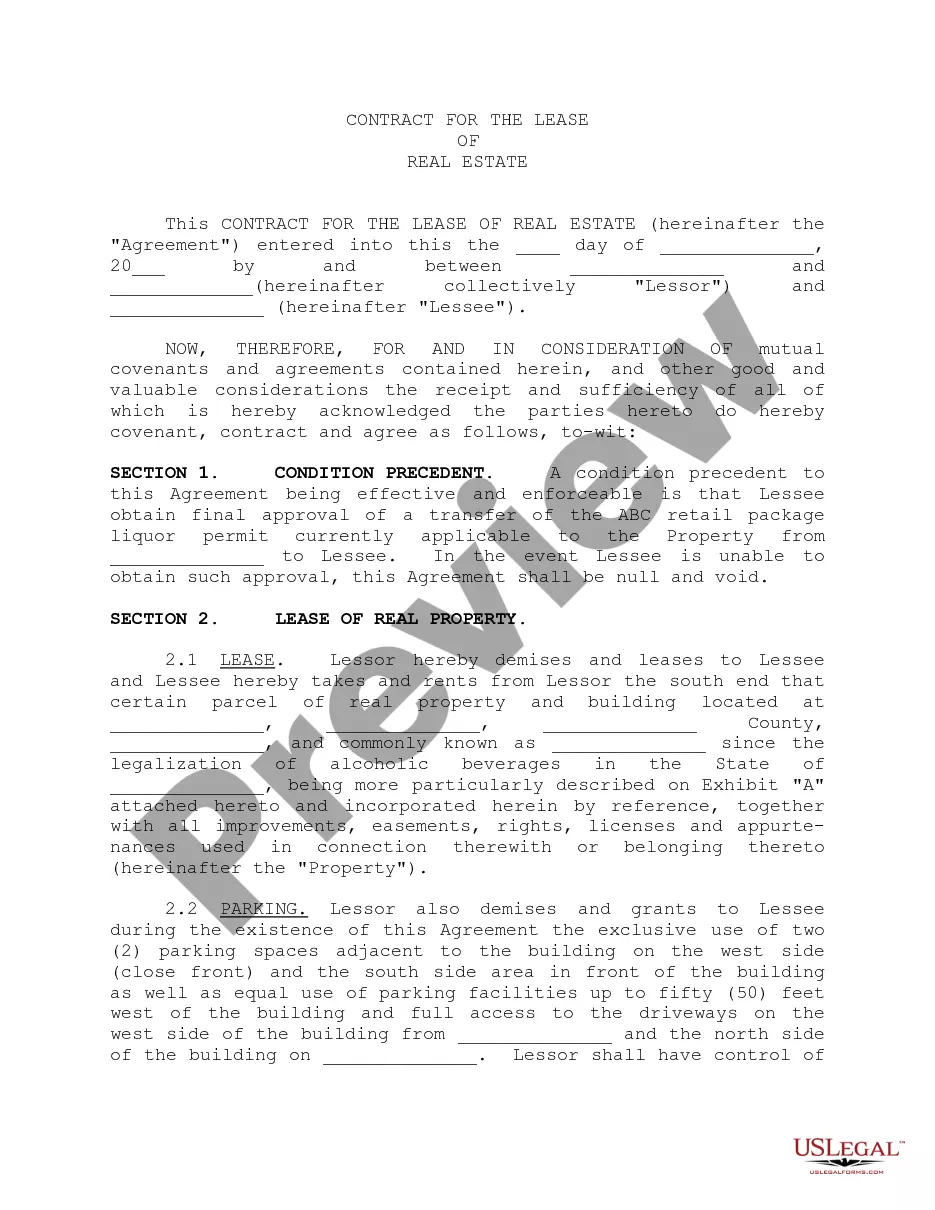
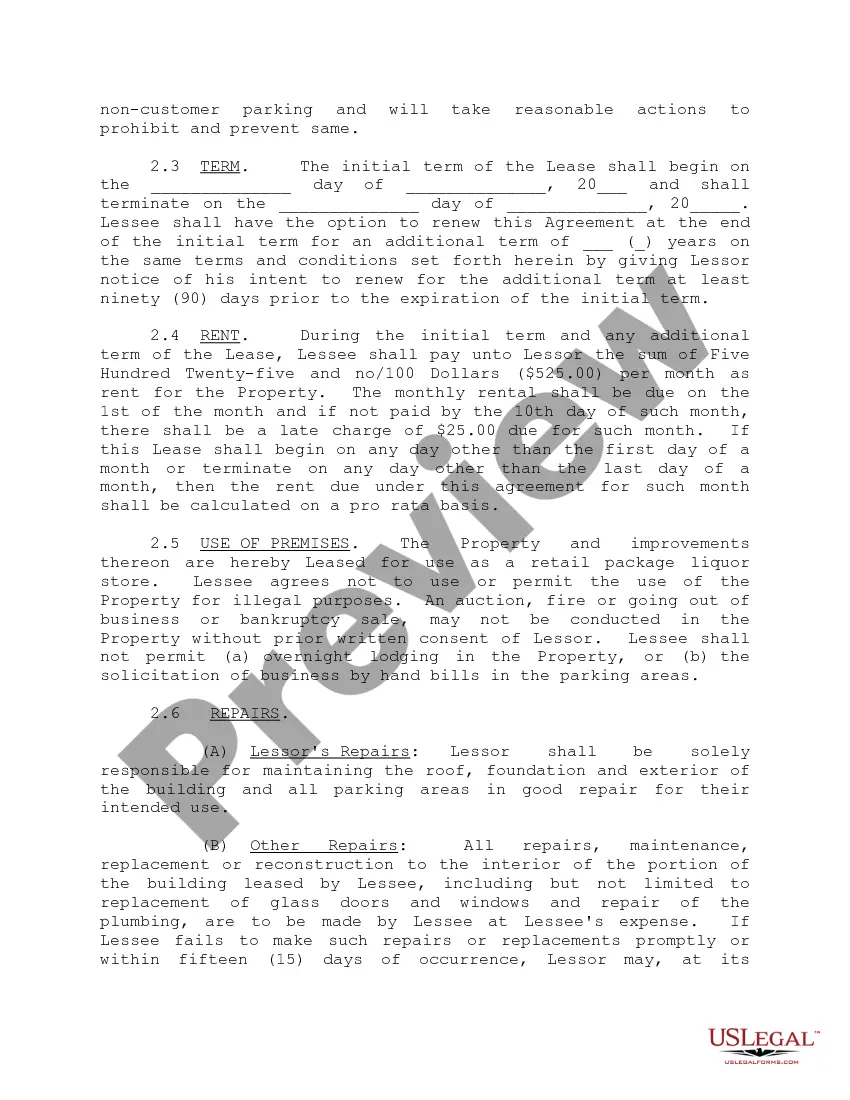
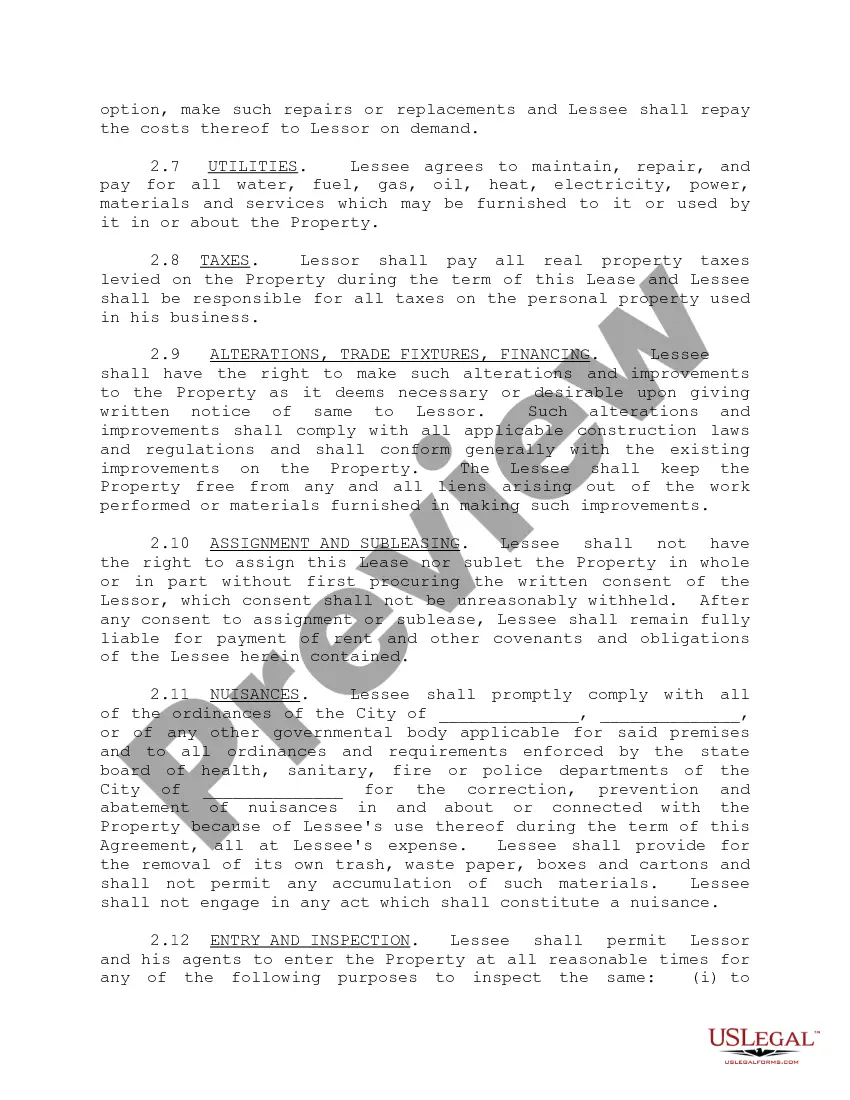
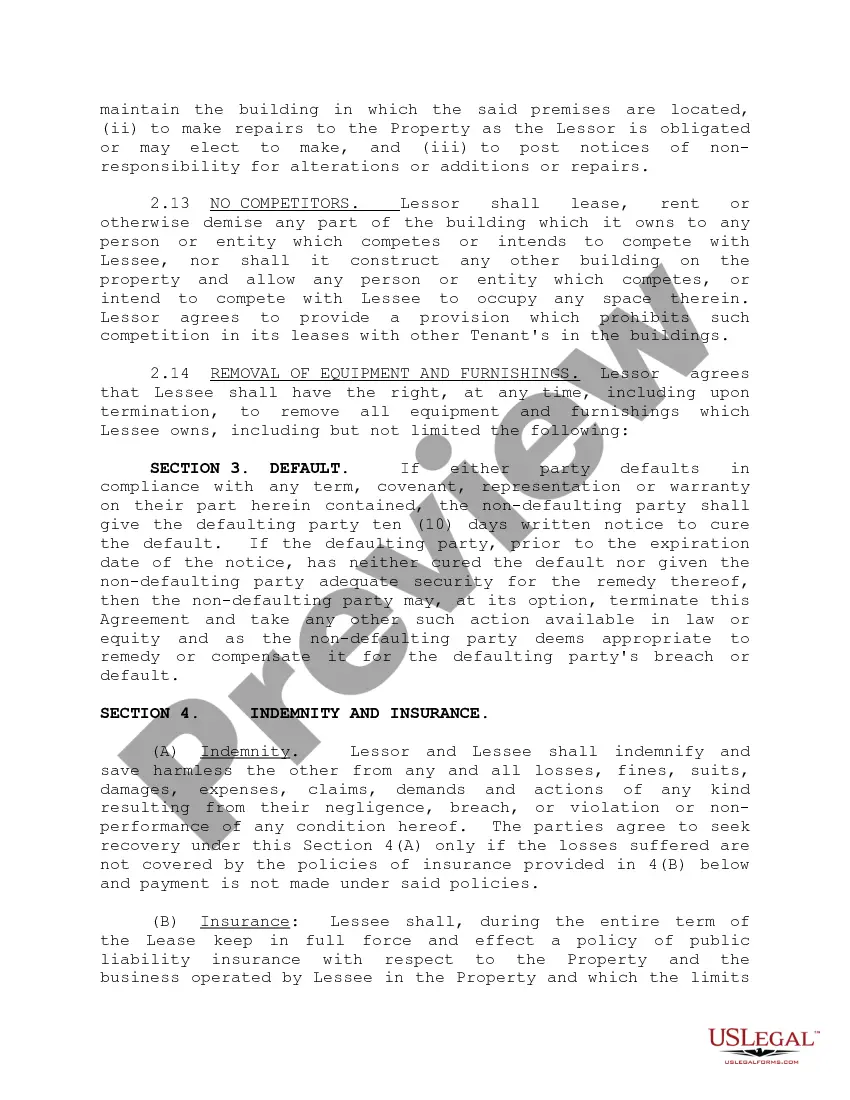
Lease Back Exemplo
Description
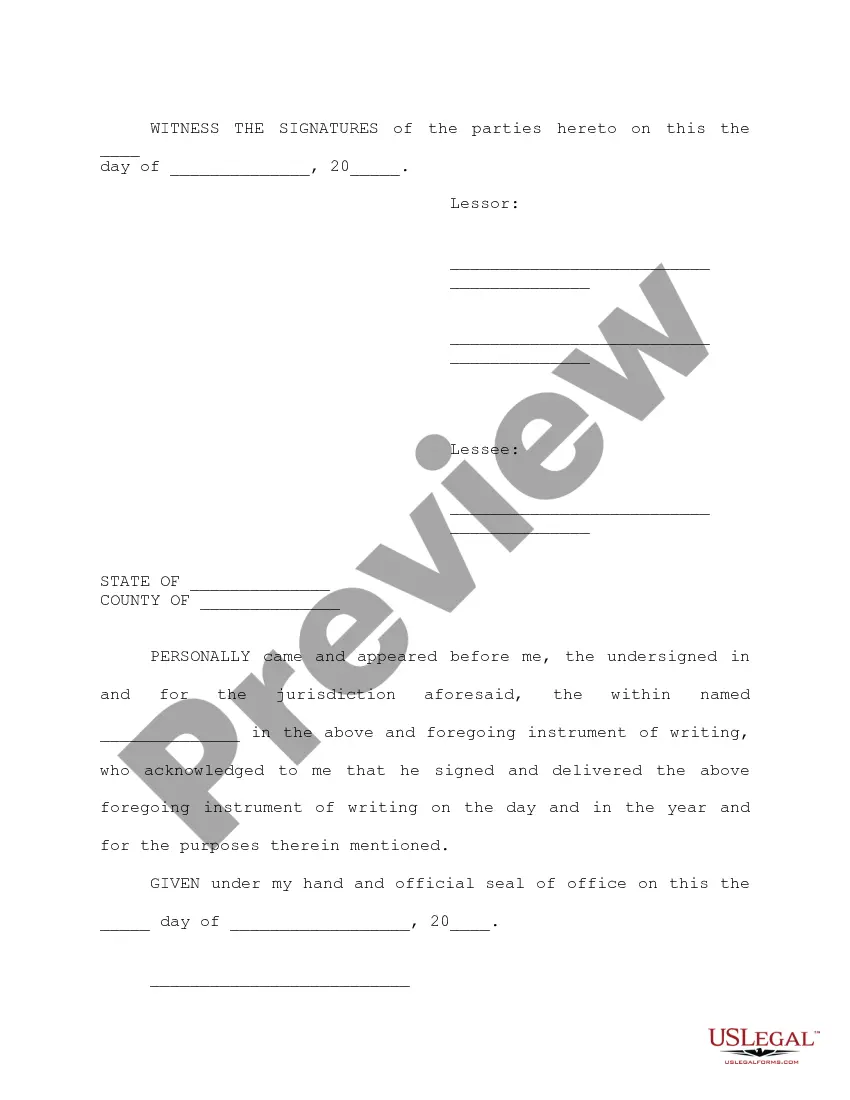

Get your form ready online
Our built-in tools help you complete, sign, share, and store your documents in one place.
Make edits, fill in missing information, and update formatting in US Legal Forms—just like you would in MS Word.
Download a copy, print it, send it by email, or mail it via USPS—whatever works best for your next step.
Sign and collect signatures with our SignNow integration. Send to multiple recipients, set reminders, and more. Go Premium to unlock E-Sign.
If this form requires notarization, complete it online through a secure video call—no need to meet a notary in person or wait for an appointment.
We protect your documents and personal data by following strict security and privacy standards.

Make edits, fill in missing information, and update formatting in US Legal Forms—just like you would in MS Word.

Download a copy, print it, send it by email, or mail it via USPS—whatever works best for your next step.

Sign and collect signatures with our SignNow integration. Send to multiple recipients, set reminders, and more. Go Premium to unlock E-Sign.

If this form requires notarization, complete it online through a secure video call—no need to meet a notary in person or wait for an appointment.

We protect your documents and personal data by following strict security and privacy standards.
Looking for another form?
How to fill out Contract For The Lease Of Real Estate?
- For existing users, log in to your account at US Legal Forms and check that your subscription is active. Click on the Download button to save the needed form template to your device.
- If you are new to US Legal Forms, start by browsing the extensive online library. Make sure to check the Preview mode for form descriptions to find the one that matches your specific requirements.
- In case you don’t find an appropriate form, use the Search tab to locate an alternative template that better fits your needs.
- Once you have identified the correct document, click the Buy Now button. Choose your preferred subscription plan to access the full library.
- Complete your purchase by entering your payment details, either via credit card or PayPal.
- After the transaction, download your form and if needed, access it anytime in the My Forms section of your account.
Following these steps can save you time and ensure that you have legitimate legal documents at your fingertips. With US Legal Forms, you gain not only access to a vast array of templates but also the expertise needed for proper completion.
Start using US Legal Forms today to simplify your legal documentation process!
Form popularity
FAQ
Lease leaseback works by allowing a company to sell its asset to an investor and then lease it back. This enables the company to gain immediate capital while still using the property, creating a win-win scenario. The arrangement can also provide tax benefits, as lease payments may be fully deductible. A lease back exemplo illustrates how businesses can leverage their real estate for financial flexibility while still operating seamlessly.
To effectively structure a sale/leaseback, start by consulting with financial advisors to assess your company's needs and options. Clearly define the lease terms, such as duration, rent amounts, and responsibilities for maintenance. It’s also vital to consider tax implications to maximize benefits. Using US Legal Forms can equip you with reliable documentation to set up a seamless lease back exemplo tailored to your business objectives.
The 90-day rule for sale-leaseback refers to a guideline imposed by the IRS that requires sellers to lease the property back for at least 90 days after the sale. This rule helps establish that the transaction is legitimate, preventing potential complications with tax deductions. By ensuring compliance with the 90-day rule, businesses can effectively use a lease back exemplo to optimize their financial strategies. Understanding these regulations can aid in planning a favorable sale-leaseback arrangement.
A sale and leaseback transaction involves a property owner selling their real estate to an investor while simultaneously leasing the property back. This arrangement allows the seller to continue using the property for operations without needing to own it. Typically, the lease includes a long-term duration, providing stability for both the seller and buyer. A lease back exemplo demonstrates how businesses can access capital while retaining control over their essential assets.
A lease buyout can be a beneficial option, especially if you want to own the asset outright. It allows you to transition from a lease to full ownership, thus avoiding ongoing rental expenses. However, it's crucial to evaluate the financial implications and ensure it aligns with your long-term goals. Consider utilizing platforms like uslegalforms to navigate and assess your lease back exemplo properly.
While a sale/leaseback offers various advantages, there are potential downsides to consider. The seller may lose ownership rights and some financial control over the property. Additionally, lease payments can add up over time, possibly leading to higher costs than initially expected. Understanding these aspects is essential when exploring a lease back exemplo as a financial strategy.
A lease buyback occurs when a company sells an asset to a buyer and then leases it back for a specified period. This arrangement allows the seller to access capital while still using the asset. Essentially, the buyer gains ownership, and the seller retains operational control. This process mirrors a lease back exemplo, providing flexibility and financial relief.
A lease back exemplo could be a smart financial move for some businesses, especially those in need of quick capital without losing operations. However, it's crucial to assess your long-term objectives and financial positioning. Engaging with US Legal Forms can provide vital resources and documents to navigate this process effectively.
Lease buyback involves a property owner selling their asset and simultaneously entering into a lease agreement. Essentially, the seller becomes a tenant, allowing them to access capital while continuing to use the property. This method can provide financial relief while offering a way to retain operational control of the asset.
One disadvantage of lease back exemplo is that it may limit your control over the property. Once you lease back your asset, you might struggle with certain restrictions imposed by the new owner. Furthermore, the long-term financial impact could be negative if property values increase significantly after the transaction.