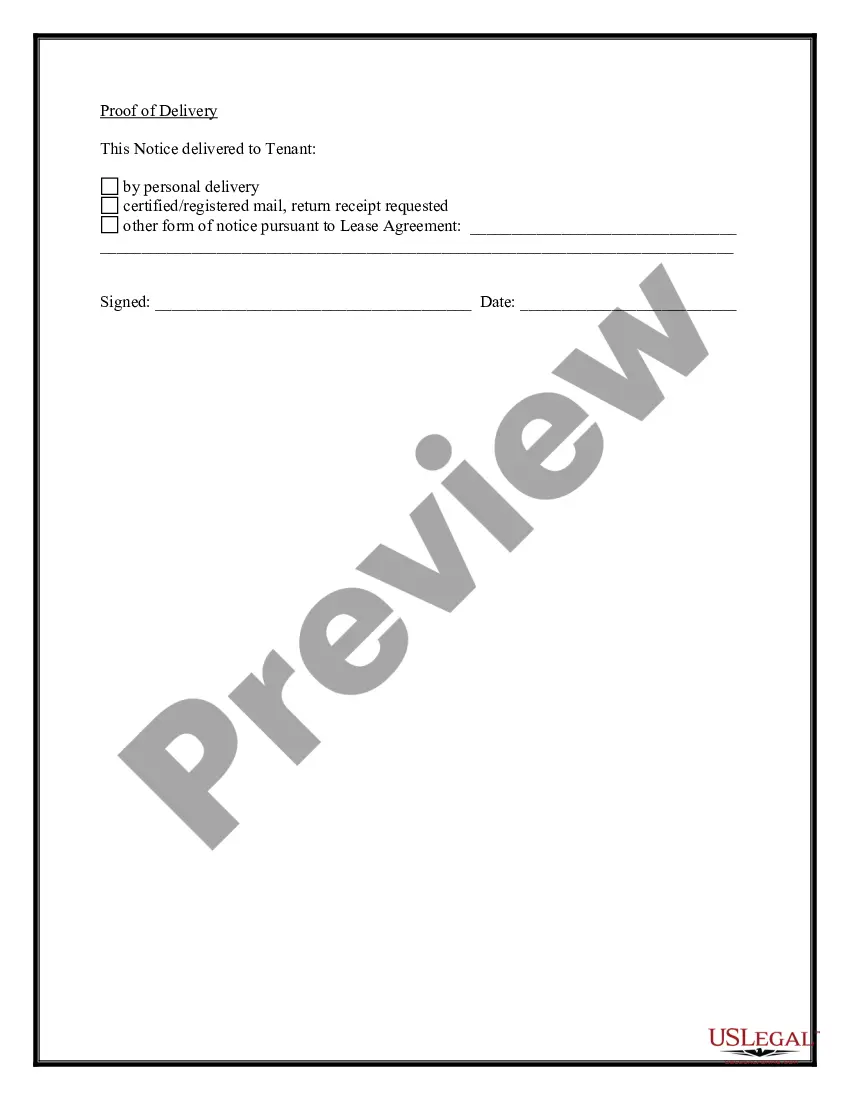
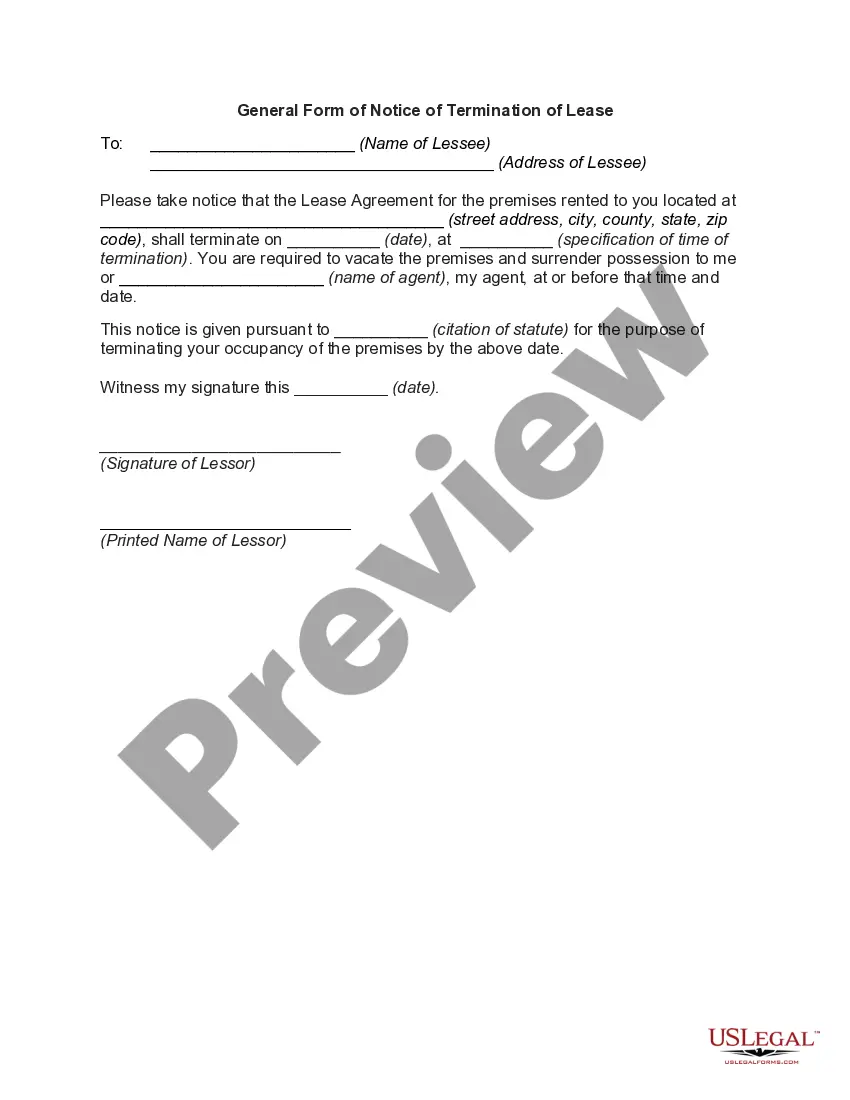
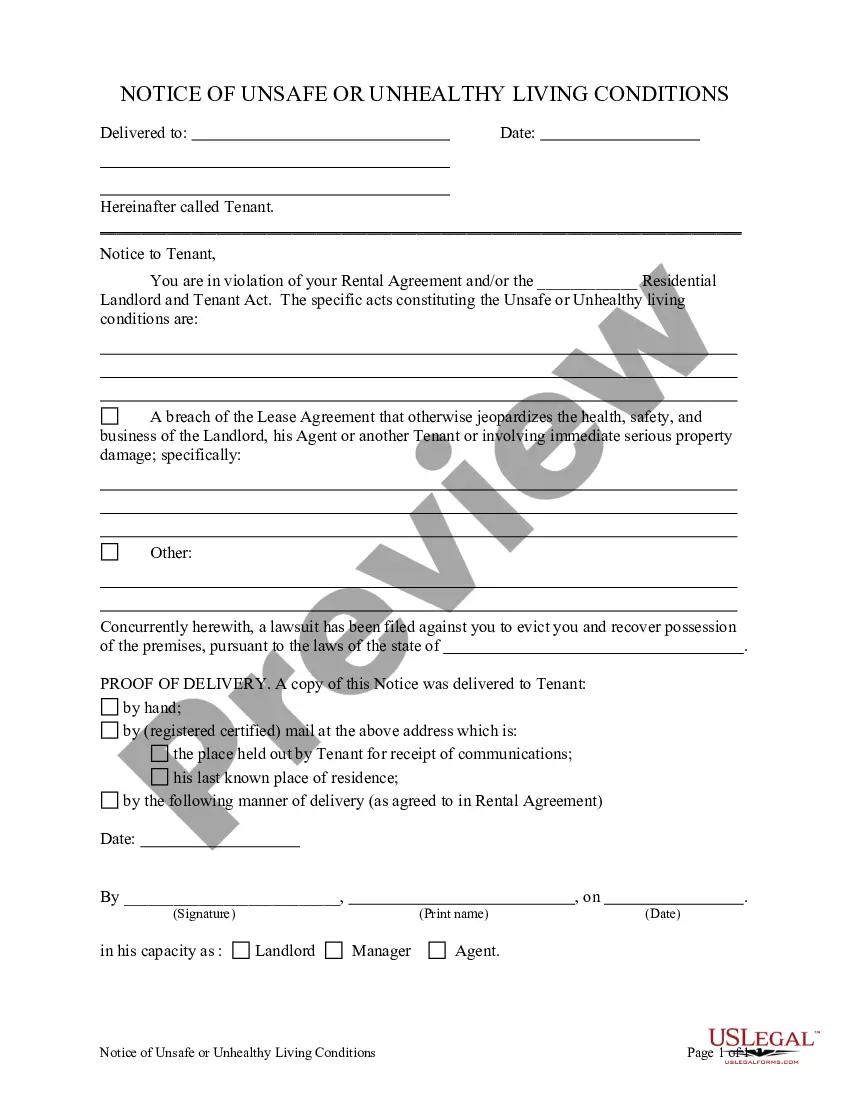
Letter Notice Violation Rental Agreement Without Consideration
Description




Get your form ready online
Our built-in tools help you complete, sign, share, and store your documents in one place.
Make edits, fill in missing information, and update formatting in US Legal Forms—just like you would in MS Word.
Download a copy, print it, send it by email, or mail it via USPS—whatever works best for your next step.
Sign and collect signatures with our SignNow integration. Send to multiple recipients, set reminders, and more. Go Premium to unlock E-Sign.
If this form requires notarization, complete it online through a secure video call—no need to meet a notary in person or wait for an appointment.
We protect your documents and personal data by following strict security and privacy standards.

Make edits, fill in missing information, and update formatting in US Legal Forms—just like you would in MS Word.

Download a copy, print it, send it by email, or mail it via USPS—whatever works best for your next step.

Sign and collect signatures with our SignNow integration. Send to multiple recipients, set reminders, and more. Go Premium to unlock E-Sign.

If this form requires notarization, complete it online through a secure video call—no need to meet a notary in person or wait for an appointment.

We protect your documents and personal data by following strict security and privacy standards.
Looking for another form?



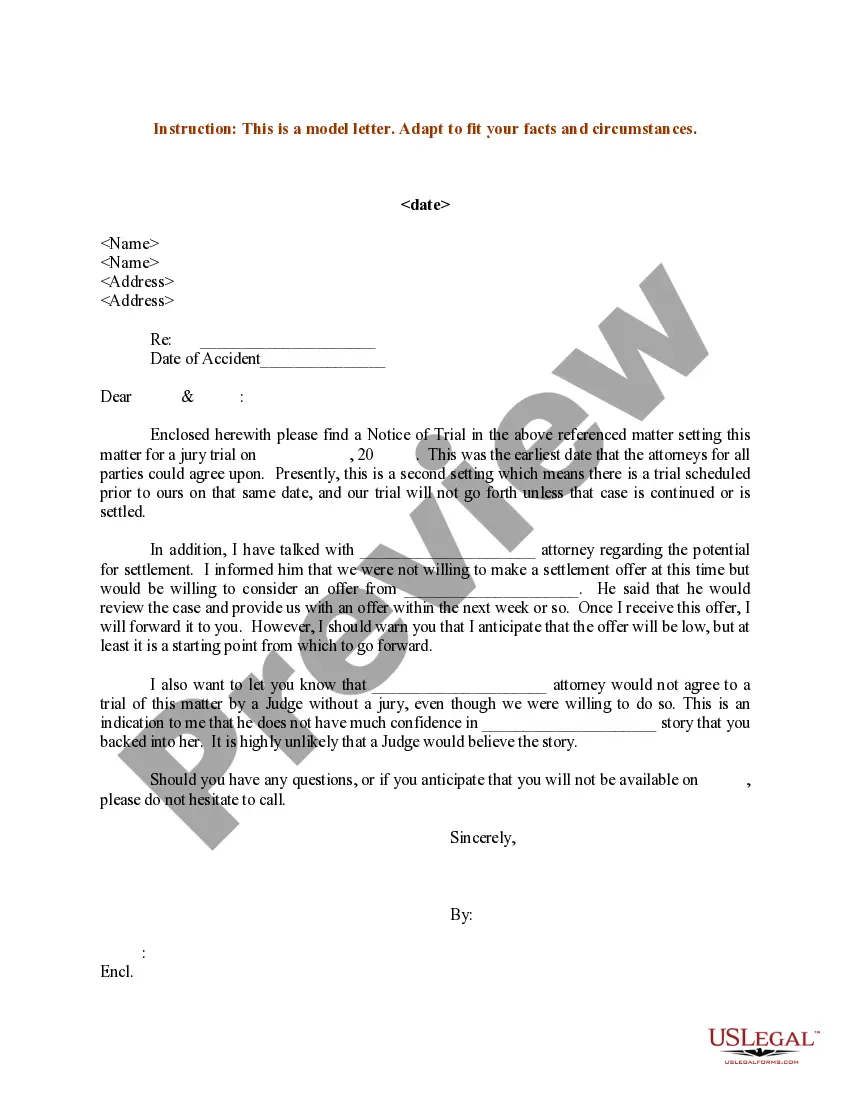


How to fill out Letter From Landlord To Tenant As Notice To Terminate For Substantial Violation Of Rental Agreement Or Law That Materially Affects Health And Safety?
Regardless of whether for professional reasons or personal matters, everyone encounters legal circumstances at some point in their life.
Completing legal documents requires meticulous care, starting with selecting the appropriate form template.
With an extensive US Legal Forms library available, you don’t have to waste time looking for the correct template across the web. Utilize the library’s straightforward navigation to find the right form for any circumstance.
- Locate the template you require using the search bar or catalog navigation.
- Review the form's details to confirm it suits your situation, jurisdiction, and locality.
- Click on the form’s preview to examine it.
- If it is the incorrect document, return to the search feature to find the Letter Notice Violation Rental Agreement Without Consideration example you need.
- Download the file if it meets your requirements.
- If you possess a US Legal Forms account, click Log in to access previously saved documents in My documents.
- If you haven’t created an account yet, you can acquire the form by clicking Buy now.
- Choose the correct payment option.
- Fill out the profile registration form.
- Select your payment method: use a credit card or PayPal account.
- Choose the file format you prefer and download the Letter Notice Violation Rental Agreement Without Consideration.
- Once saved, you can complete the form using editing software or print it out and fill it in by hand.
Form popularity
FAQ
If you receive a notice of lease violation, it's vital to act quickly. The consequences can range from fines to eviction, depending on the severity of the violation. You should review your lease and state laws to determine your options. In situations where clarification is needed, consider using a letter notice violation rental agreement without consideration template from US Legal Forms to communicate with your landlord and protect your interests.
Receiving a violation letter can be stressful, but responding promptly is crucial. Begin by reading the letter thoroughly to understand the claims made against you. Craft a clear and concise response, addressing each point raised, and include any evidence that supports your position. If necessary, you can utilize a letter notice violation rental agreement without consideration template from US Legal Forms to ensure your response is formal and effective.
When you believe your landlord has violated the lease, start by reviewing your rental agreement carefully to understand your rights. Document the violation with photos or written notes, and communicate your concerns directly to your landlord in a formal letter. If the issue remains unresolved, consider using a letter notice violation rental agreement without consideration template from US Legal Forms to inform your landlord of your intent to take further action.
The most common cause for breaching a lease typically stems from non-payment of rent. However, other causes can include property damage, unauthorized occupants, or exceeding pet limits. When faced with a breach, it’s helpful for landlords to provide a letter notice violation rental agreement without consideration to formally address the issue with the tenant. Understanding these common causes can assist both landlords and tenants in preventing future disputes.
To write a violation letter to a tenant, begin by clearly stating the specific violation and reference the rental agreement. Be concise and formal in your language, while providing any necessary documentation that supports your claim. It may be beneficial to include a deadline for compliance and mention the consequences of failing to address the issue. Using a letter notice violation rental agreement without consideration can help ensure both parties are on the same page regarding the violation.
If a landlord violates a lease agreement, they may face legal repercussions, including the possibility of the tenant suing for damages. The affected tenant can respond to the violation by documenting it and possibly sending a letter notice violation rental agreement without consideration to express their concerns. Alternatively, tenants might have the option to withhold rent until the issue is resolved. Understanding your rights is crucial in this situation.
When a landlord violates a lease, it can lead to significant consequences for both parties involved. Tenants may have grounds to seek remedies, which may include compensation or lease termination. In many cases, tenants can write a letter notice violation rental agreement without consideration to formally notify the landlord of the breach. It's important to understand your rights and explore your options for resolving the issue.
If a tenant breaches a tenancy agreement, the landlord may take various actions, including issuing a notice, demanding resolution, or initiating eviction processes. The specific outcome often depends on the lease terms and local laws. In these situations, a letter notice violation rental agreement without consideration can serve as a useful document to discuss the matter and reach a resolution.
A serious breach of the lease typically includes actions such as not paying rent, causing significant damage, or violating occupancy terms. These breaches often justify immediate action from landlords, including eviction. If faced with such a situation, be sure to inform yourself about your rights and consider using a letter notice violation rental agreement without consideration to lay out your position.
When you receive a lease violation notice, take it seriously and respond promptly. Acknowledge the notice and explain your perspective clearly and respectfully. Crafting a well-structured letter notice violation rental agreement without consideration can help clarify any misunderstandings and outline how you plan to address the concerns raised by your landlord.