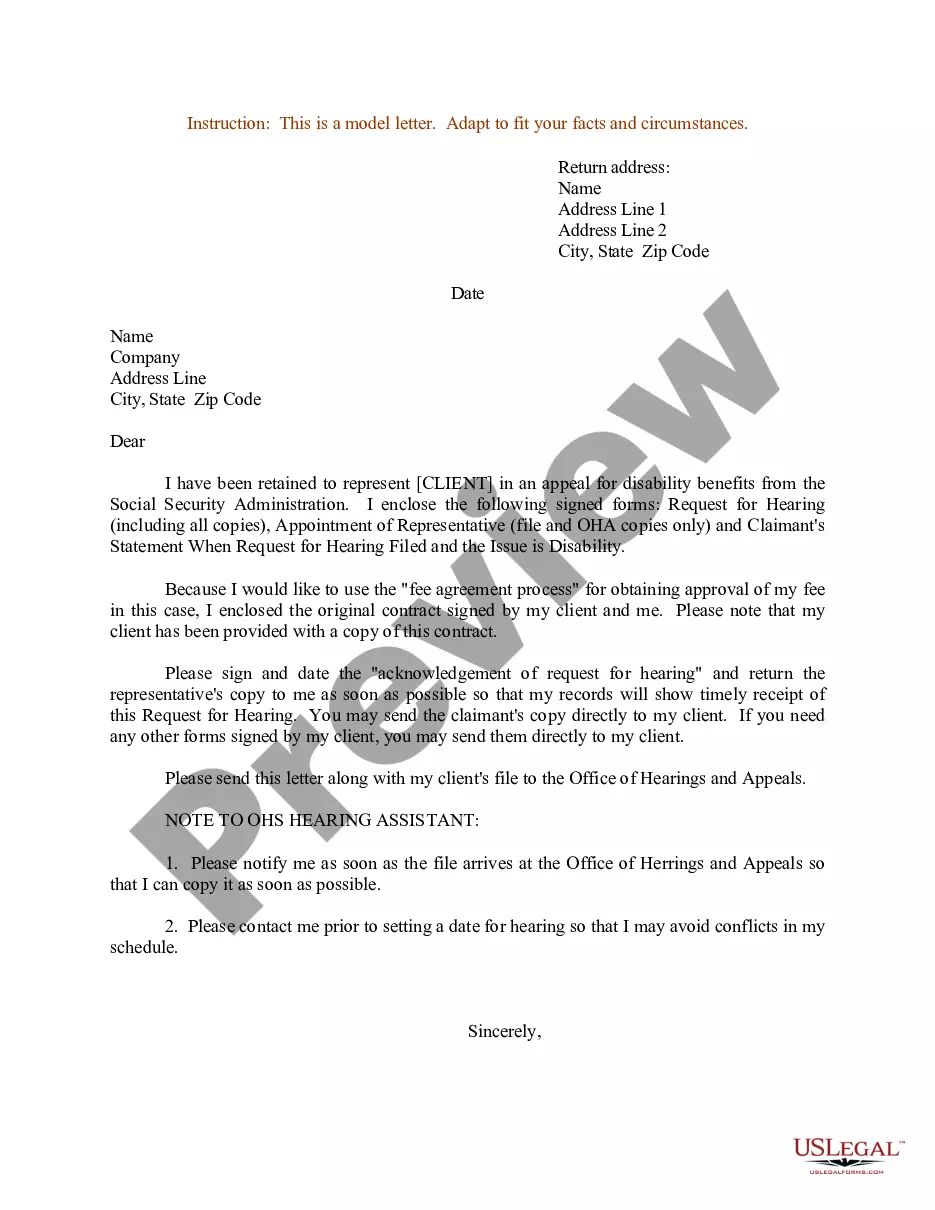
Sample Sentence With Disability
Description
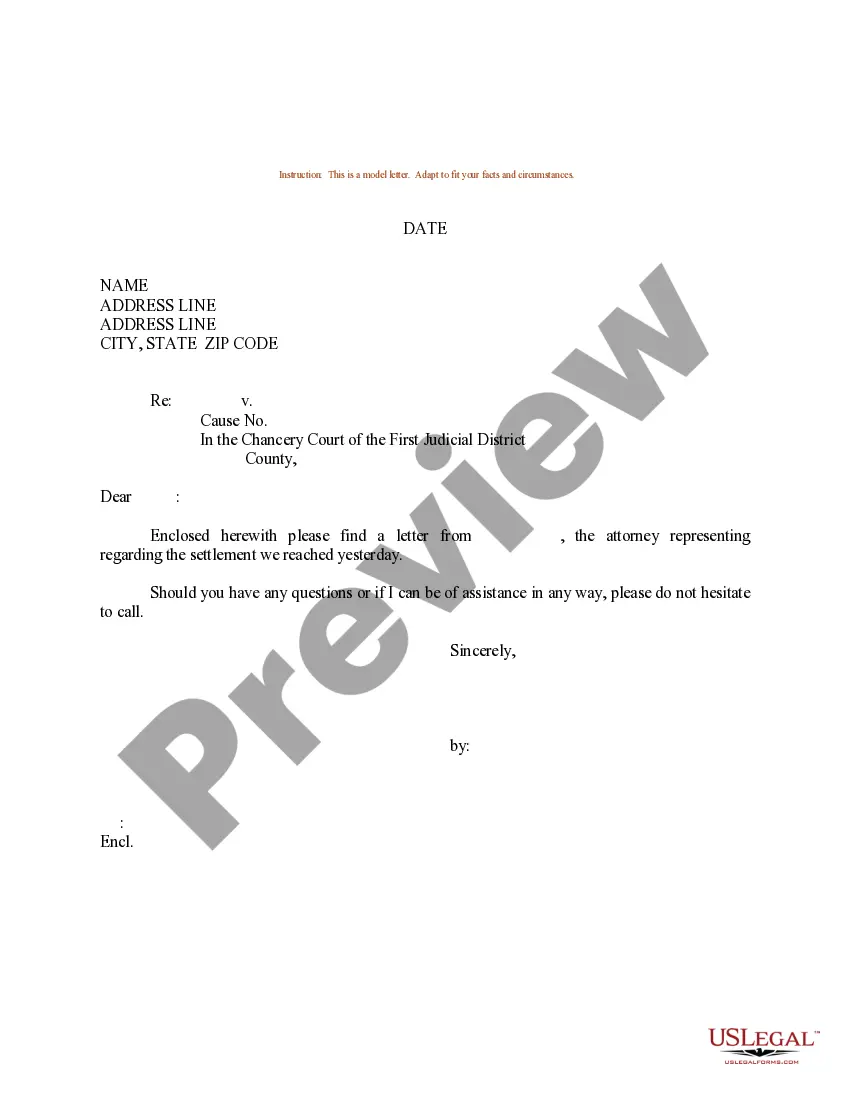
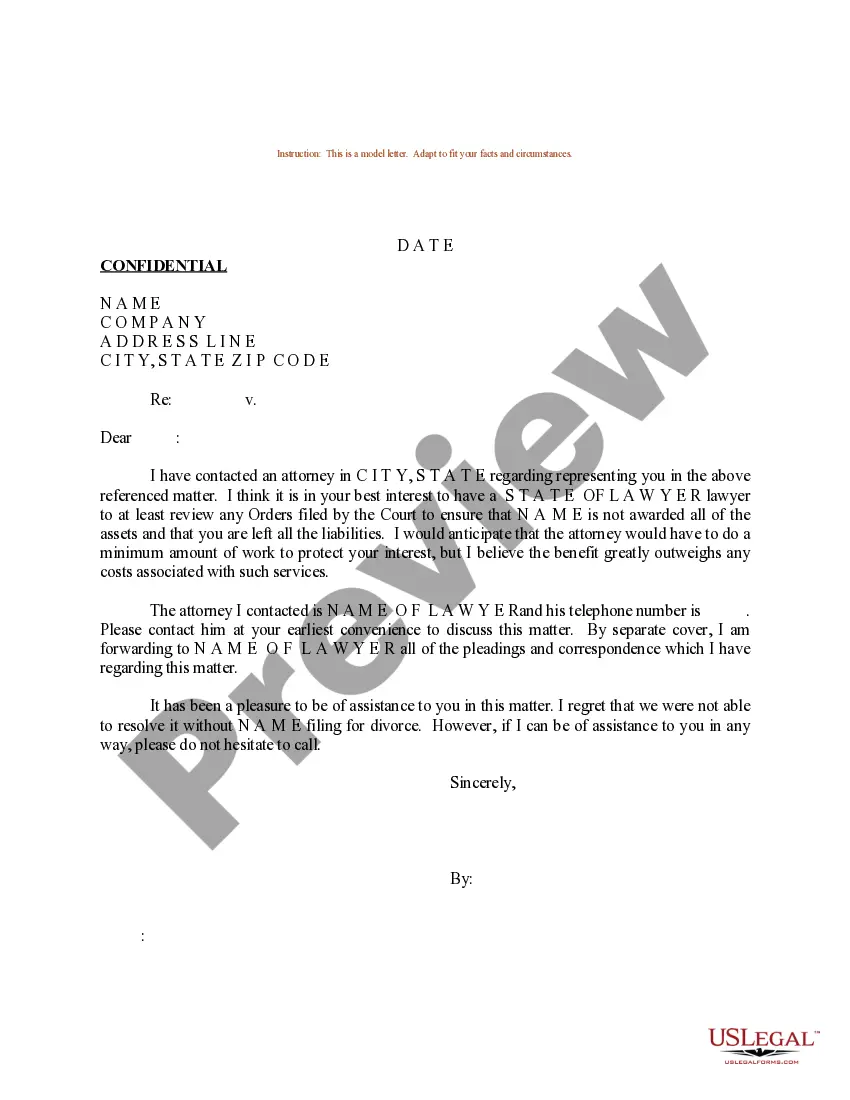
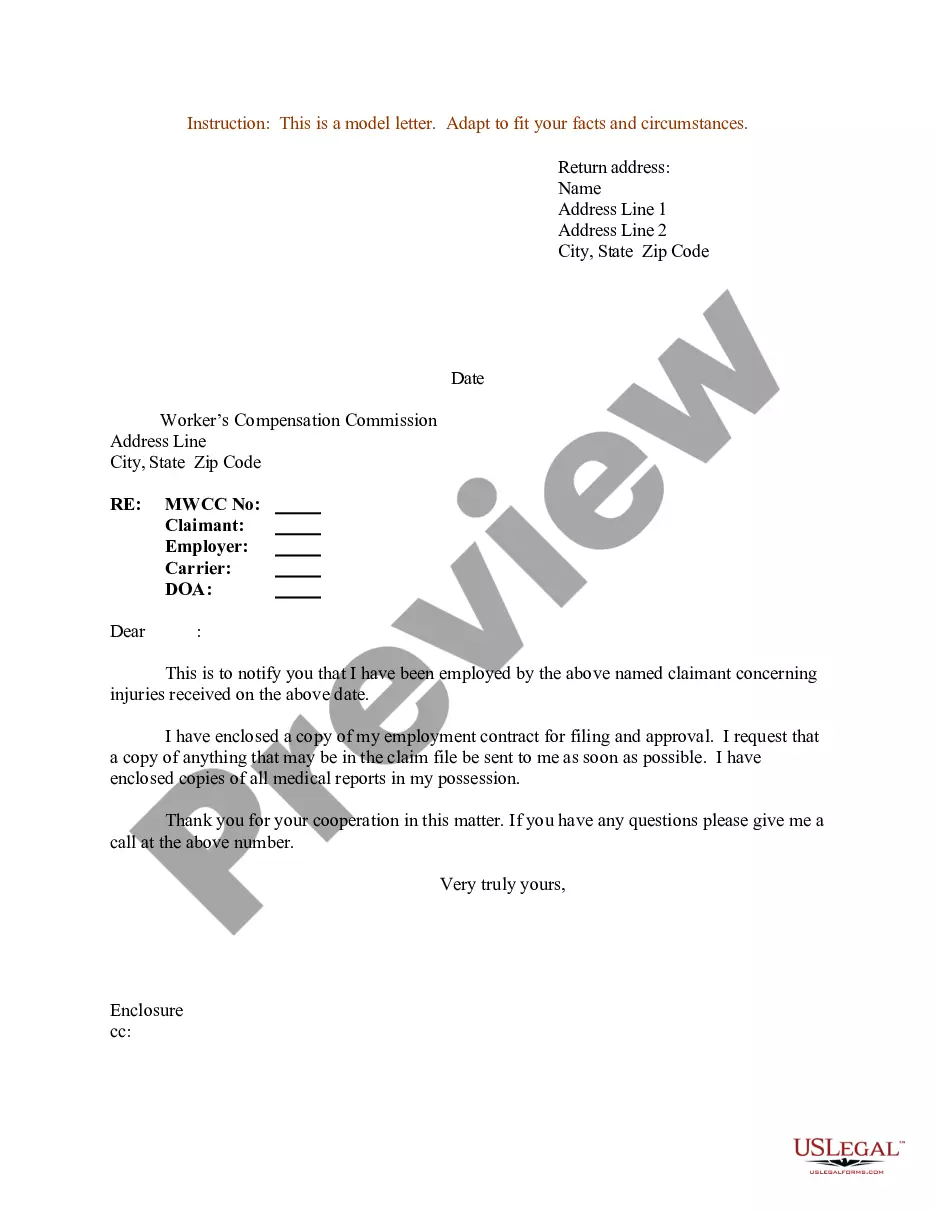
Get your form ready online
Our built-in tools help you complete, sign, share, and store your documents in one place.
Make edits, fill in missing information, and update formatting in US Legal Forms—just like you would in MS Word.
Download a copy, print it, send it by email, or mail it via USPS—whatever works best for your next step.
Sign and collect signatures with our SignNow integration. Send to multiple recipients, set reminders, and more. Go Premium to unlock E-Sign.
If this form requires notarization, complete it online through a secure video call—no need to meet a notary in person or wait for an appointment.
We protect your documents and personal data by following strict security and privacy standards.

Make edits, fill in missing information, and update formatting in US Legal Forms—just like you would in MS Word.

Download a copy, print it, send it by email, or mail it via USPS—whatever works best for your next step.

Sign and collect signatures with our SignNow integration. Send to multiple recipients, set reminders, and more. Go Premium to unlock E-Sign.

If this form requires notarization, complete it online through a secure video call—no need to meet a notary in person or wait for an appointment.

We protect your documents and personal data by following strict security and privacy standards.
Looking for another form?
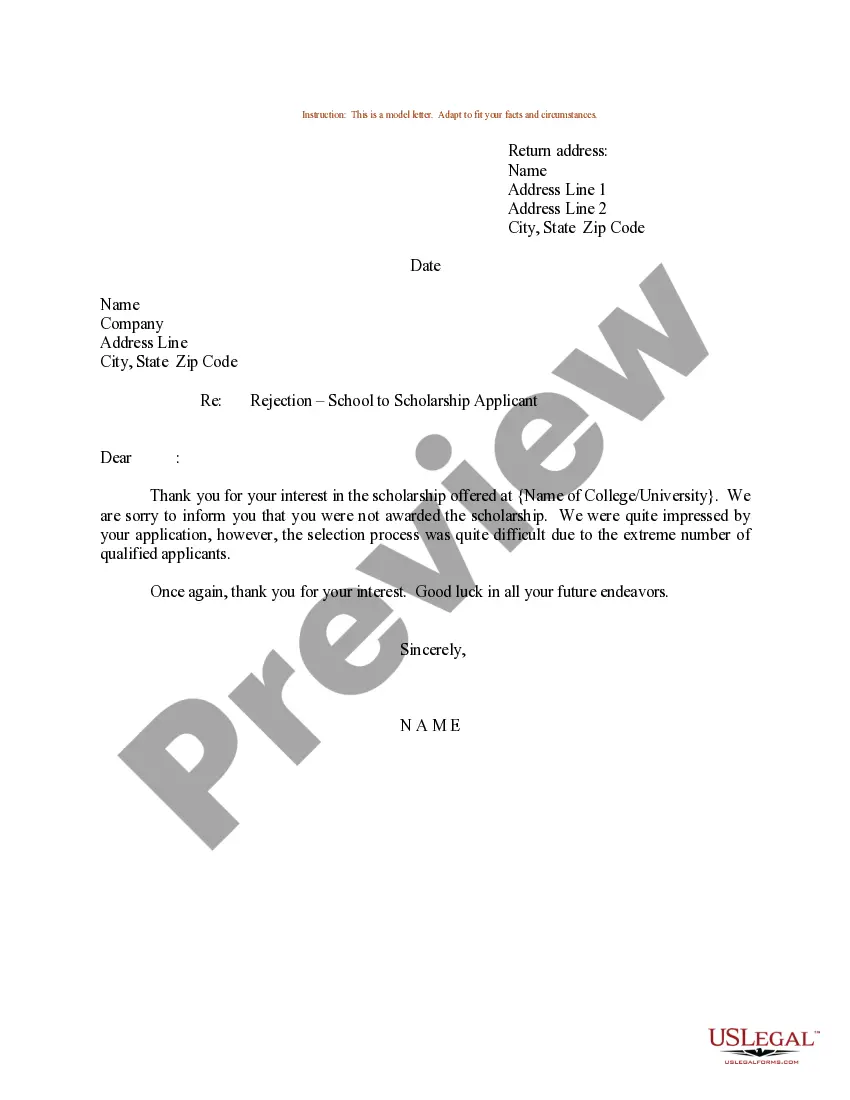

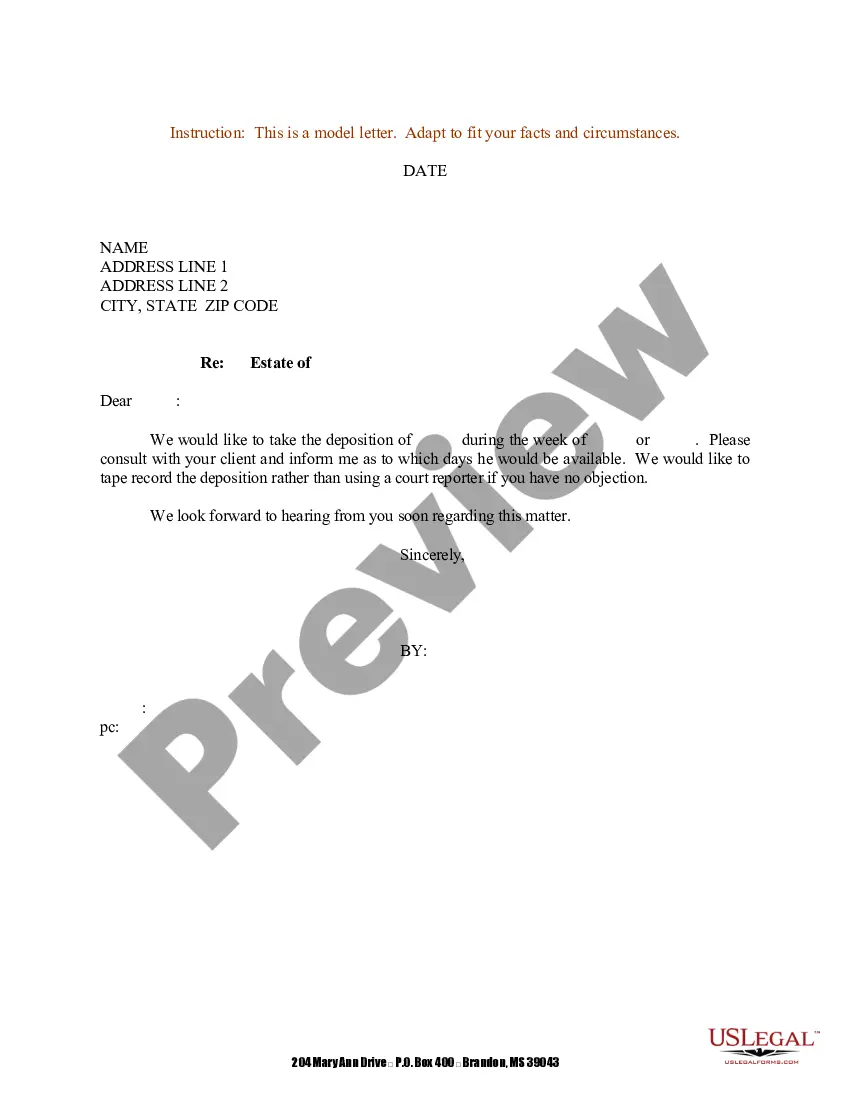
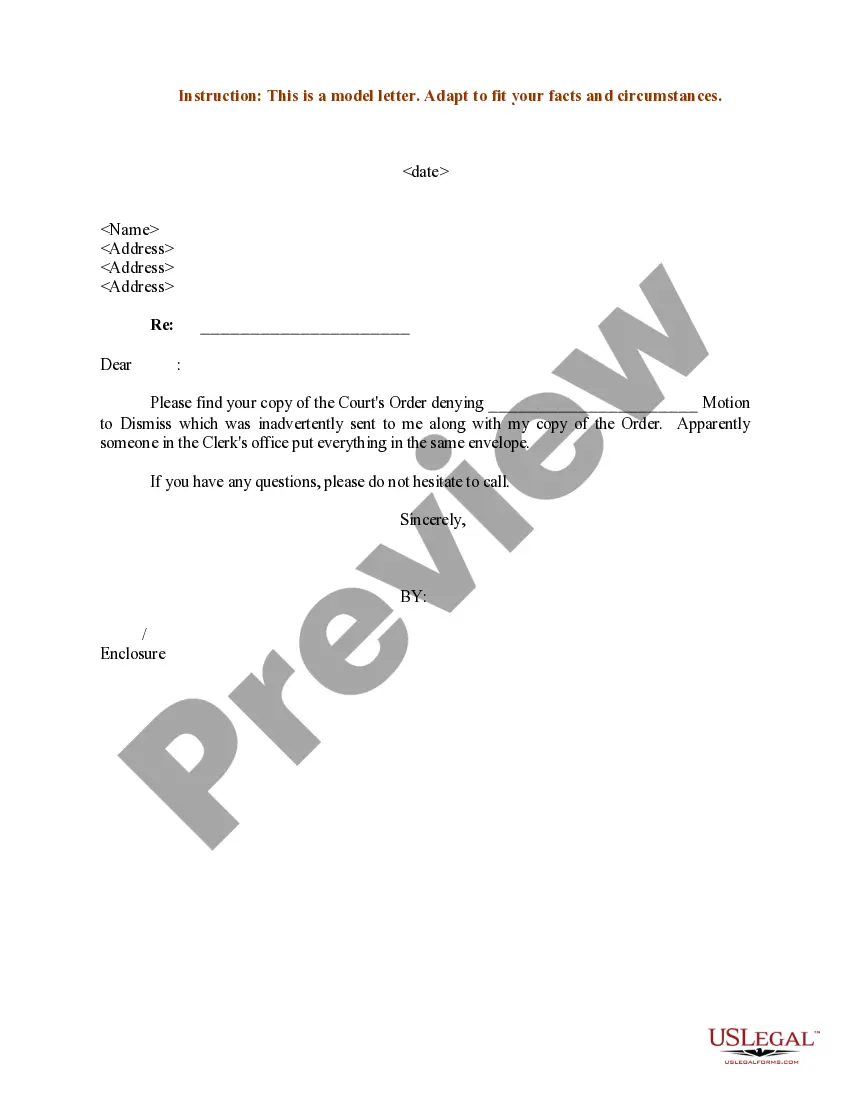

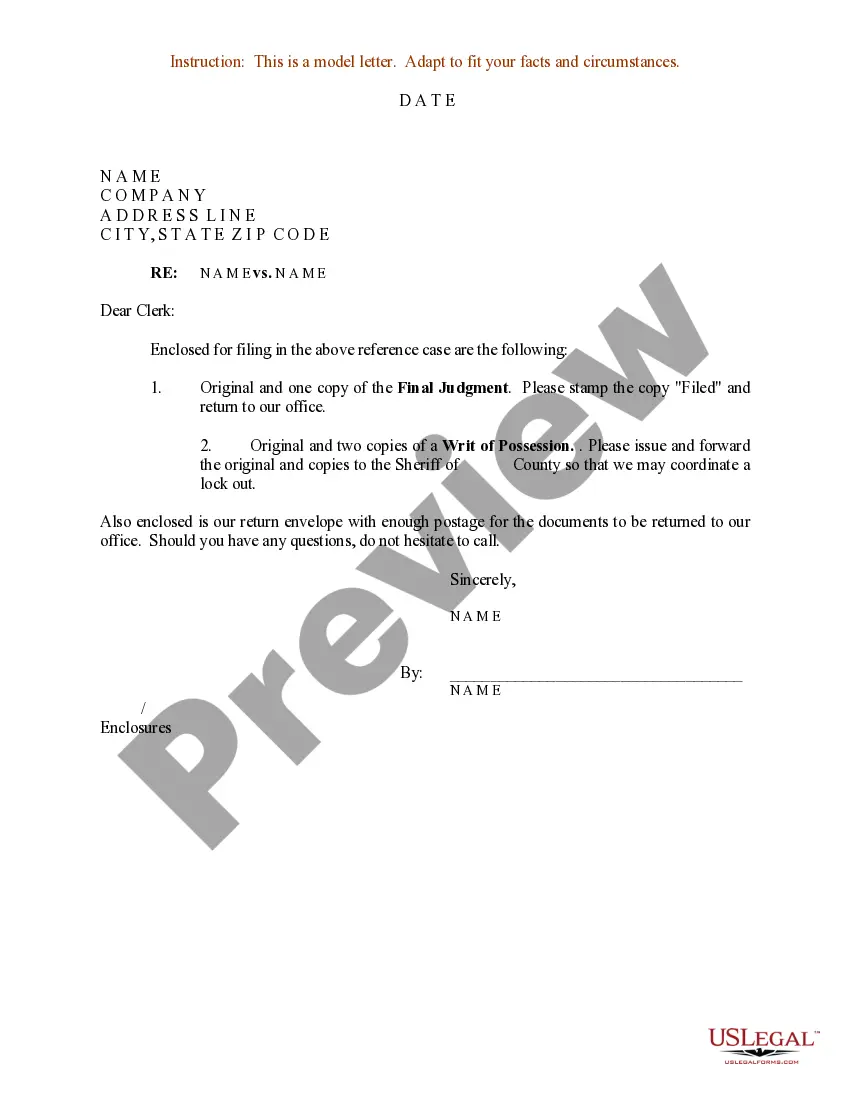

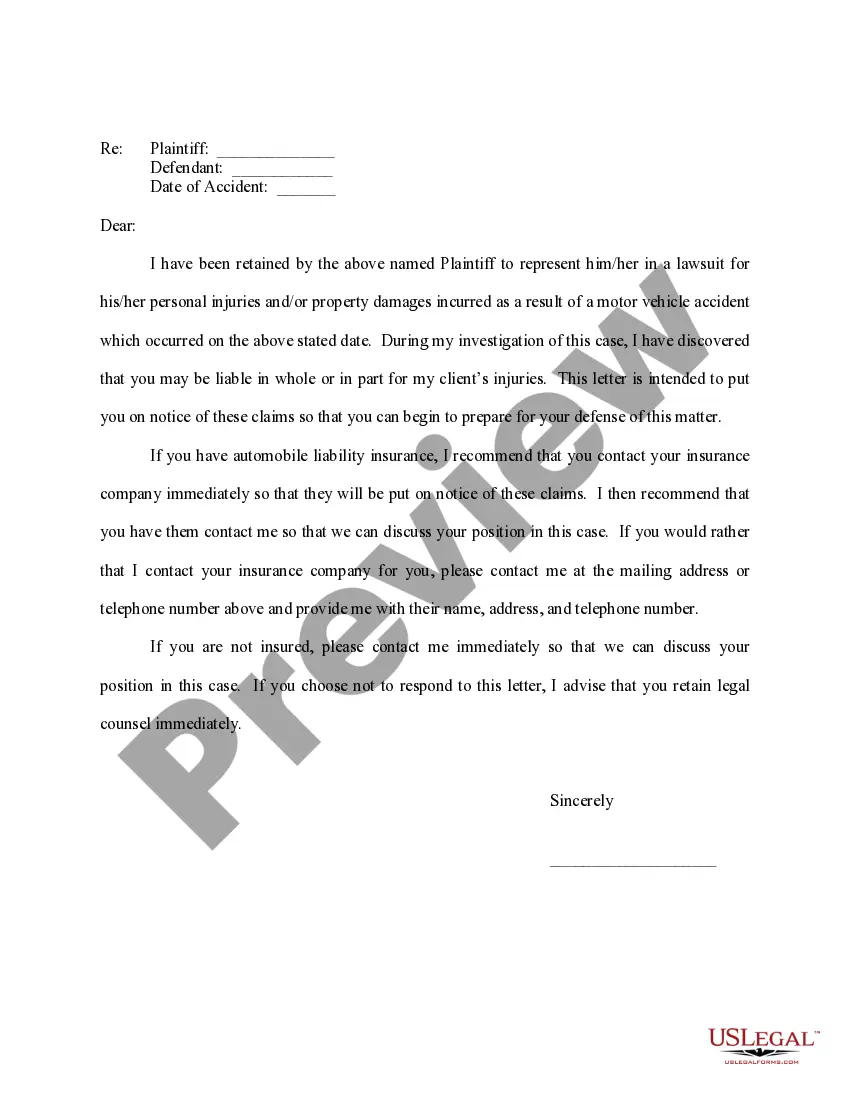
How to fill out Sample Letter For Notification Of Representation In An Appeal For Disability Benefits?
Regardless of whether for commercial reasons or personal issues, everyone must confront legal matters at some point in their lives.
Filling out legal documents necessitates meticulous attention, starting with selecting the correct form template.
After it is downloaded, you can fill in the form using editing software or print it out and complete it manually. With an extensive US Legal Forms catalog available, you do not need to waste time searching for the correct template online. Utilize the library’s easy navigation to find the right form for any occasion.
- For instance, if you choose an incorrect version of a Sample Sentence With Disability, it will be rejected upon submission.
- Thus, it is crucial to have a reliable source for legal documents like US Legal Forms.
- If you need to obtain a Sample Sentence With Disability template, follow these simple steps.
- Locate the template you require by utilizing the search bar or catalog navigation.
- Review the details of the form to confirm it aligns with your case, state, and county.
- Click on the form’s preview to view it.
- If it is not the correct form, return to the search feature to find the Sample Sentence With Disability template you need.
- Acquire the template when it suits your requirements.
- If you possess a US Legal Forms account, click Log in to access previously saved documents in My documents.
- In case you do not have an account yet, you can obtain the form by clicking Buy now.
- Choose the suitable pricing option.
- Fill out the profile registration form.
- Select your payment method: use a credit card or PayPal account.
- Choose the file format you desire and download the Sample Sentence With Disability.
Form popularity
FAQ
Here are our five best tips for writing about people with disabilities. Use person first language. Emphasize the person rather than their disability. ... Avoid unnecessary attention. ... Be neutral. ... Use the words "deaf" and "blind" in conjunction with modified descriptions. ... Accuracy.
Parking restrictions do not extend to disabled people. The new law should allow more disabled people to enter the mainstream of American life. They cared for their disabled son for 27 years, at great personal sacrifice.
If you do decide to talk about your disability you should explain how it affects you, outlining what you can do in relation to the job and the activities/responsibilities where you would require some modification or assistance. Make sure you're positive and talk about how you've overcome any hurdles.
Ing to the World Health Organization, disability has three dimensions: Impairment in a person's body structure or function, or mental functioning; examples of impairments include loss of a limb, loss of vision or memory loss. Activity limitation, such as difficulty seeing, hearing, walking, or problem solving.
Don't automatically refer to 'disabled people' in all communications ? many people who need disability benefits and services don't identify with this term. Consider using 'people with health conditions or impairments' if it seems more appropriate.