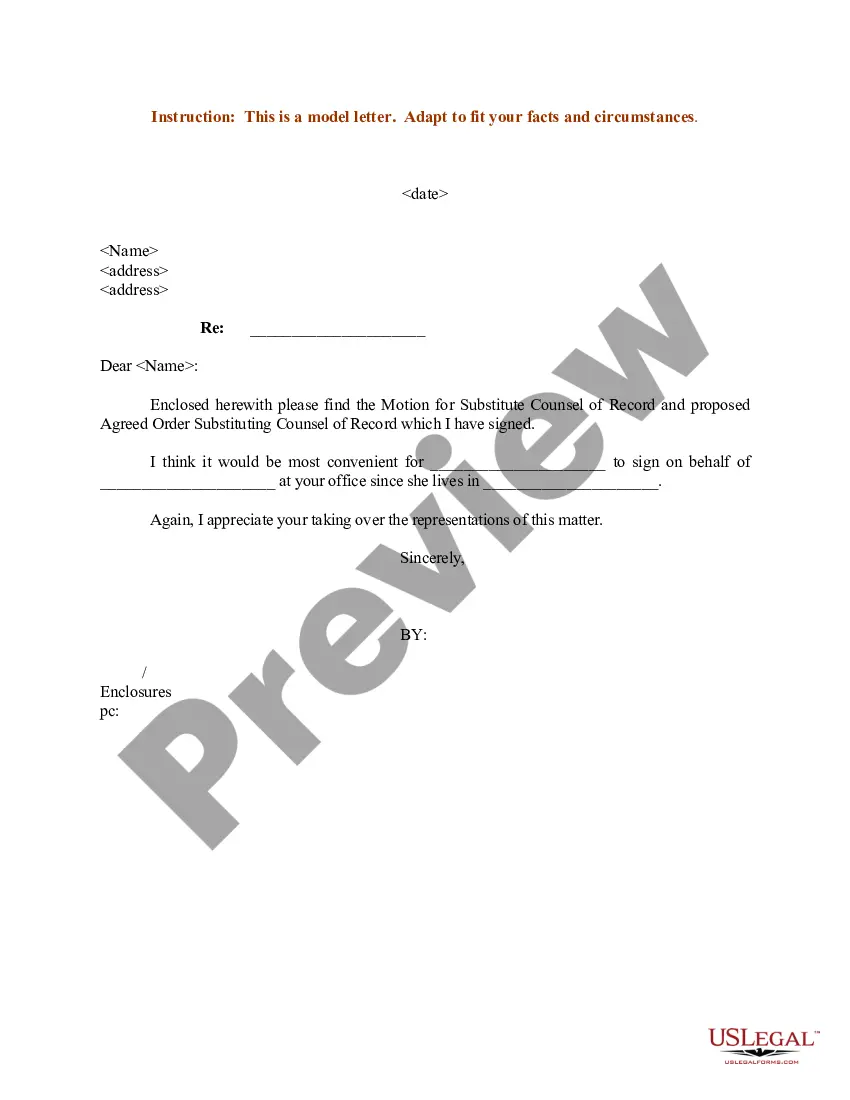
Substitute Legal Form For W-9
Description
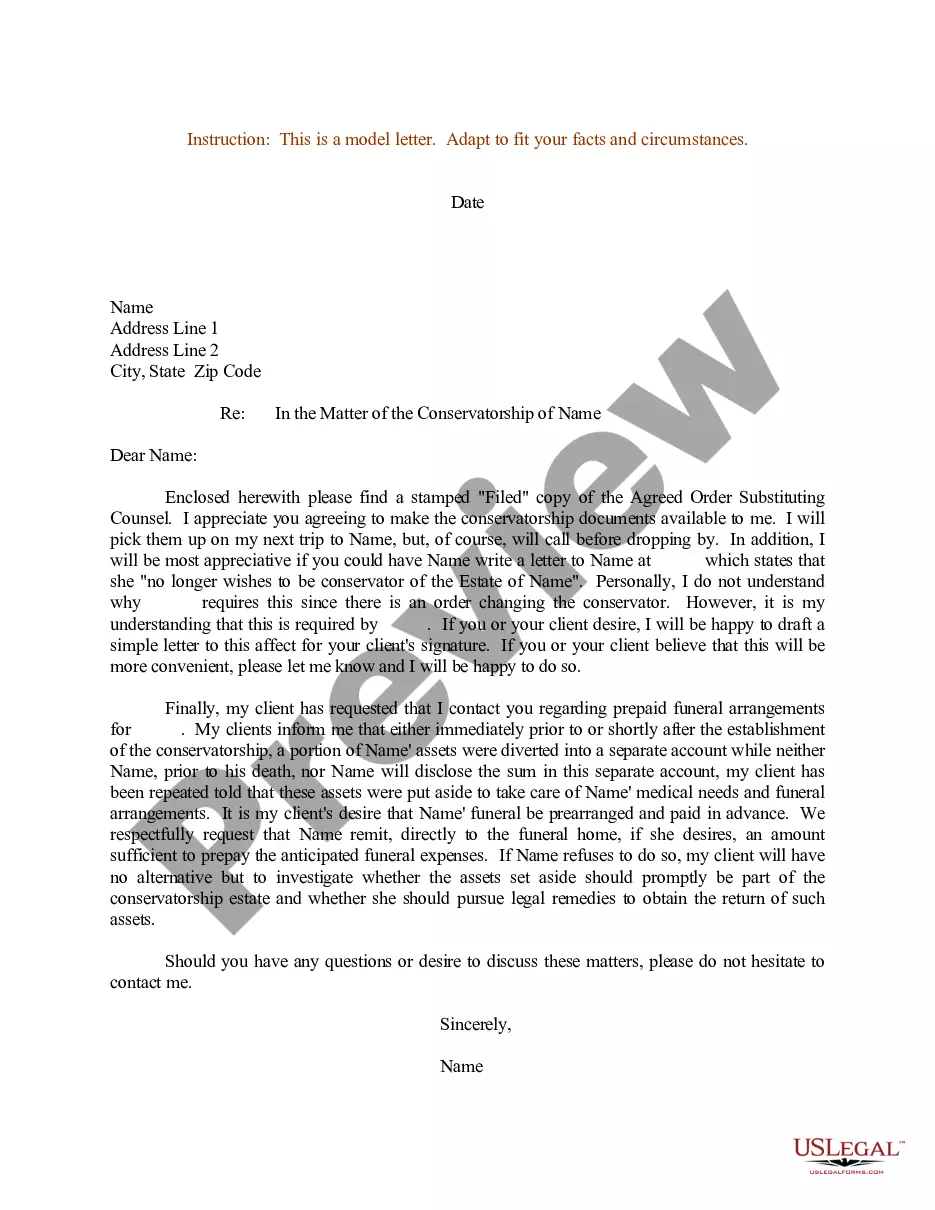
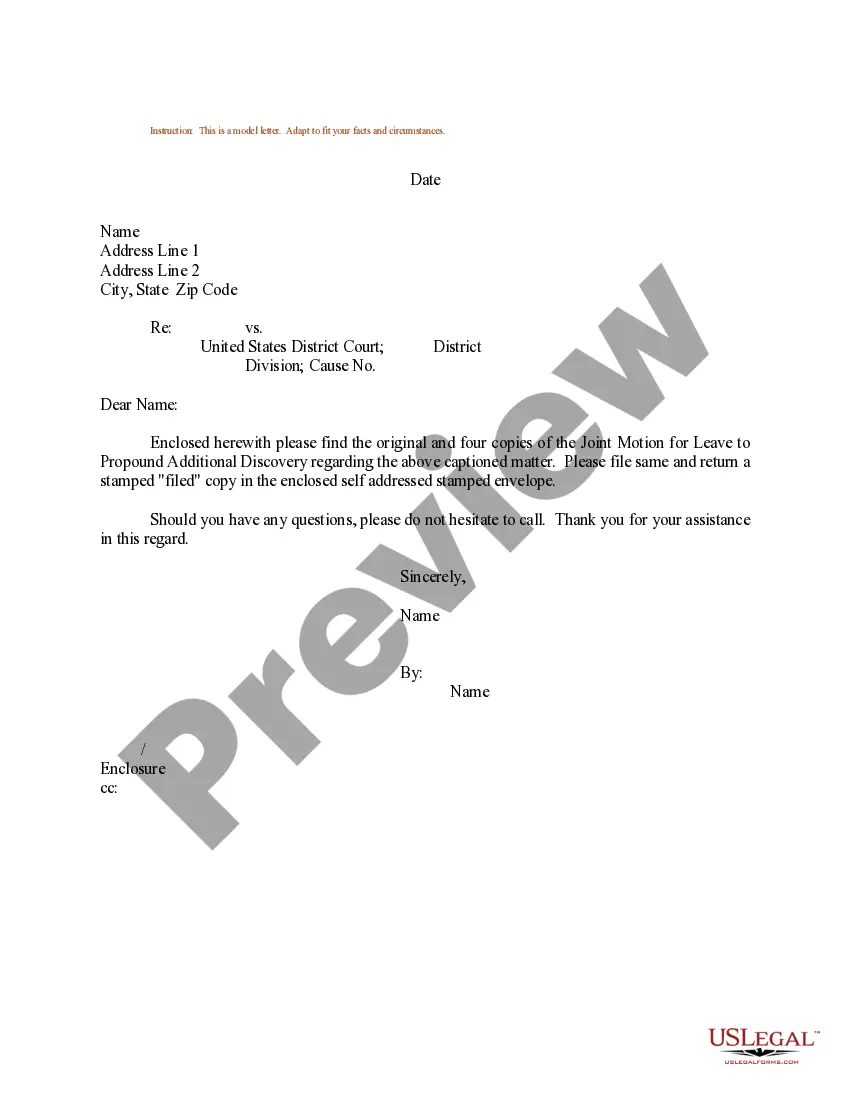
Get your form ready online
Our built-in tools help you complete, sign, share, and store your documents in one place.
Make edits, fill in missing information, and update formatting in US Legal Forms—just like you would in MS Word.
Download a copy, print it, send it by email, or mail it via USPS—whatever works best for your next step.
Sign and collect signatures with our SignNow integration. Send to multiple recipients, set reminders, and more. Go Premium to unlock E-Sign.
If this form requires notarization, complete it online through a secure video call—no need to meet a notary in person or wait for an appointment.
We protect your documents and personal data by following strict security and privacy standards.

Make edits, fill in missing information, and update formatting in US Legal Forms—just like you would in MS Word.

Download a copy, print it, send it by email, or mail it via USPS—whatever works best for your next step.

Sign and collect signatures with our SignNow integration. Send to multiple recipients, set reminders, and more. Go Premium to unlock E-Sign.

If this form requires notarization, complete it online through a secure video call—no need to meet a notary in person or wait for an appointment.

We protect your documents and personal data by following strict security and privacy standards.
Looking for another form?
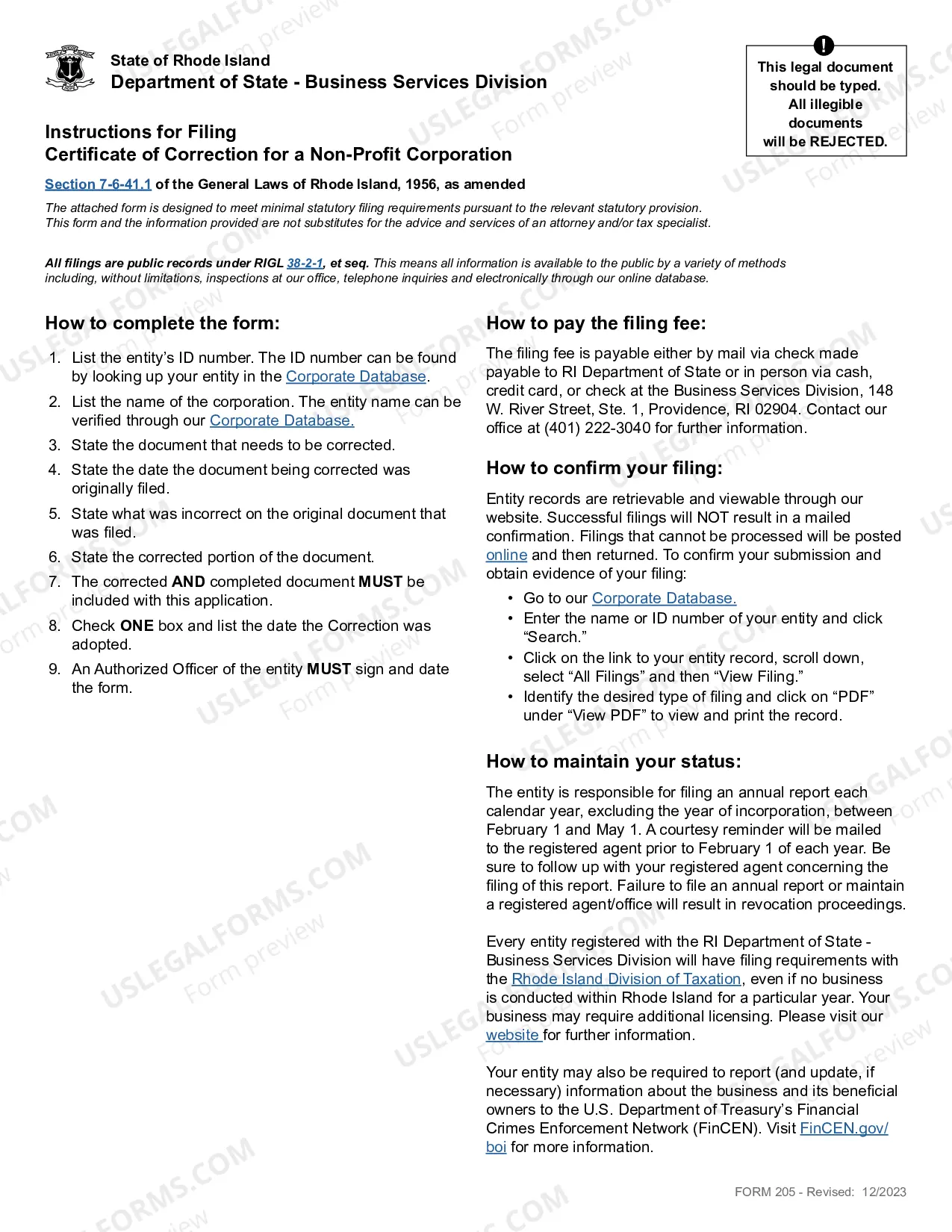
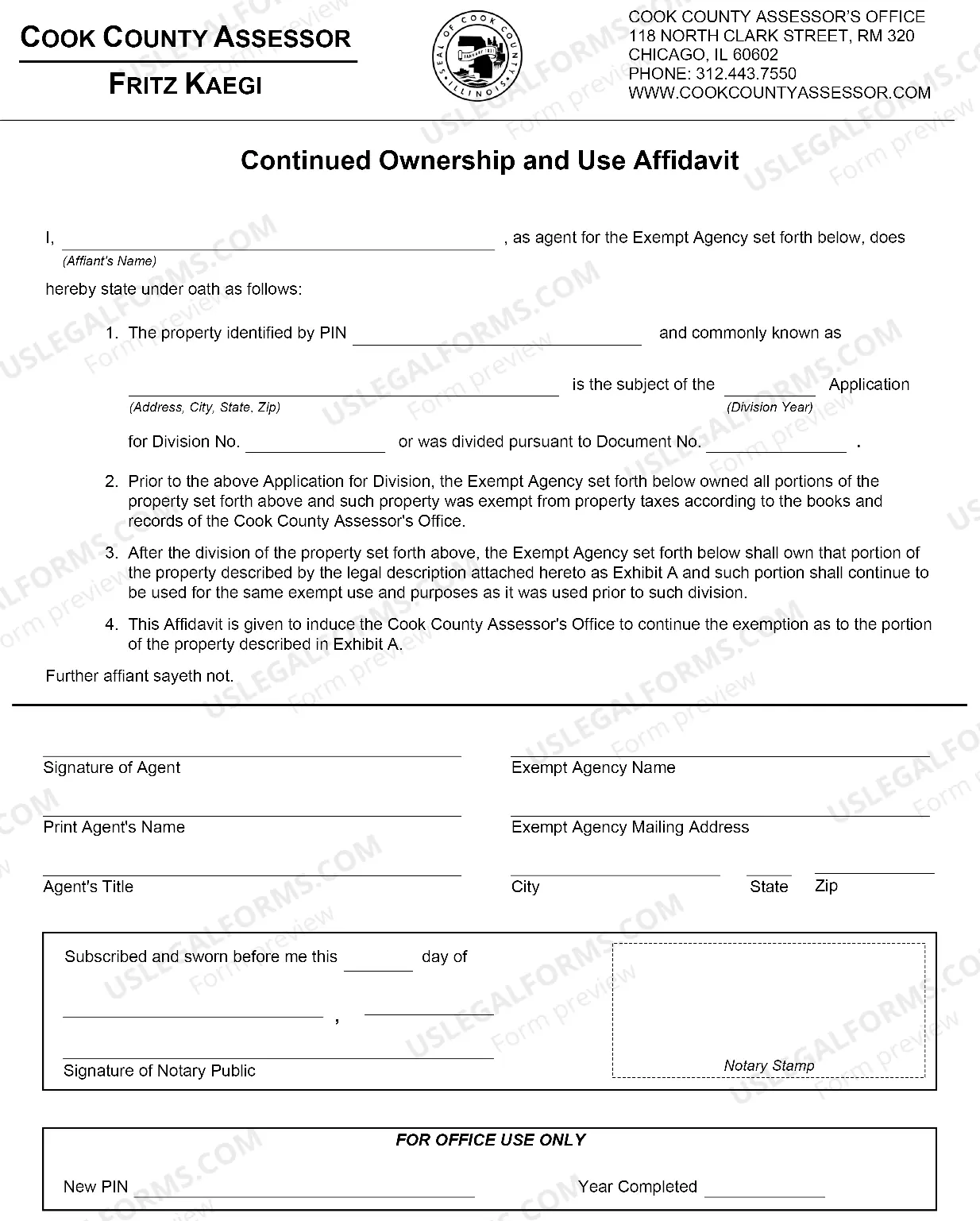

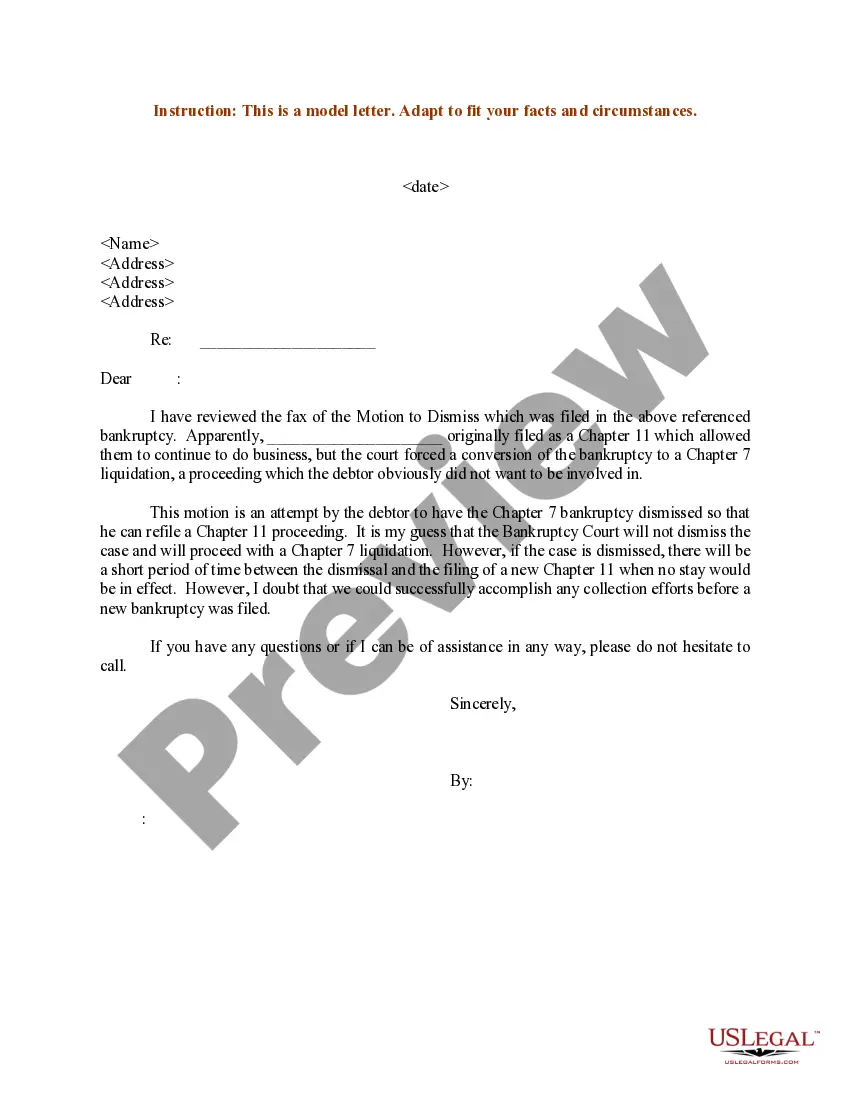
How to fill out Sample Letter For Motion For Substitute Counsel Of Record?
The Alternate Legal Document For W-9 presented on this page is a retrievable legal template created by experienced attorneys in accordance with federal and state laws.
For over 25 years, US Legal Forms has delivered individuals, businesses, and legal experts with upwards of 85,000 authenticated, state-specific documents for any commercial and personal situation.
Sign up for US Legal Forms to access validated legal templates for every situation in life.
- Search for the document you require and examine it.
- Scan the sample you found and preview it or consult the form description to verify it meets your requirements. If it doesn’t, employ the search feature to locate the right one. Click Buy Now once you have discovered the template you need.
- Register and Log Into your account.
- Select the pricing option that suits you and create an account. Use PayPal or a credit card for immediate payment. If you already possess an account, Log In and check your subscription to proceed.
- Obtain the editable template.
Form popularity
FAQ
The W-9 form and the 1099 form serve different purposes in tax reporting. A W-9 form collects taxpayer information, while a 1099 form reports earnings to the IRS. The substitute legal form for W-9 can be utilized to gather necessary data before issuing a 1099, streamlining the process for both parties. Understanding this difference is crucial for compliance and accurate reporting.
Anyone involved in the potential business transaction can write one, as they aren't legally binding. They act as a good faith document or disclaimer to clarify expectations and details of a potential business deal before anyone commits. This way, everyone involved can come to negotiations on the same page.
A letter of intent (LOI) is a document written in business letter format that declares your intent to do a specific thing. It's usually, but not always, nonbinding, and it states a preliminary commitment by one party to do business with another party.
If one party does not adhere to the letter's conditions, the other can sue for breach of contract. In some cases, if the letter of intent was part of a more significant transaction, breaking it may also lead to other forms of litigation.
Typically, letters of intent are prepared by real estate agents or brokers who are assisting with the lease or purchase transaction. However, it is a good idea to hire a real estate attorney in Los Angeles to review it before it is finalized and signed.
Components of a LOI Opening Paragraph: Your summary statement. ... Statement of Need: The "why" of the project. ( ... Project Activity: The "what" and "how" of the project. ( ... Outcomes (1?2 paragraphs; before or after the Project Activity) ... Credentials (1?2 paragraphs) ... Budget (1?2 paragraphs) ... Closing (1 paragraph) ... Signature.
While a letter of intent is not a legal document and need not be notarized, it is wise to discuss what it should include with a well-informed estate planning attorney before you begin.
A letter of Intent (LOI) is a special type of agreement that doesn't always require a signing. It acts as a way for one party to deliver their intentions to buy or sell something.
Introduction: This includes the purpose of the letter of intent, the date when it becomes effective and any definitions of terms that are necessary. Identification of parties: The buyer and seller are clearly defined. In addition, a full description of the business that will be bought should be included.