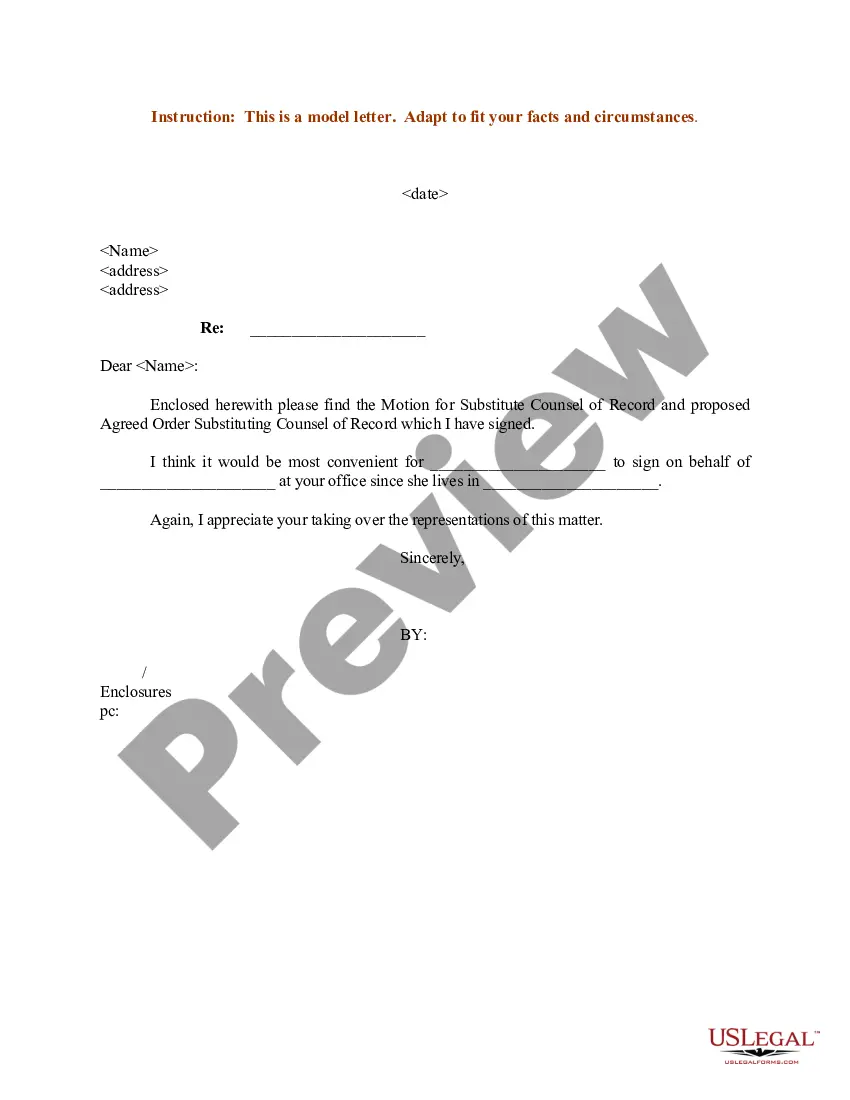
Substitute Legal Form For A Contract
Description
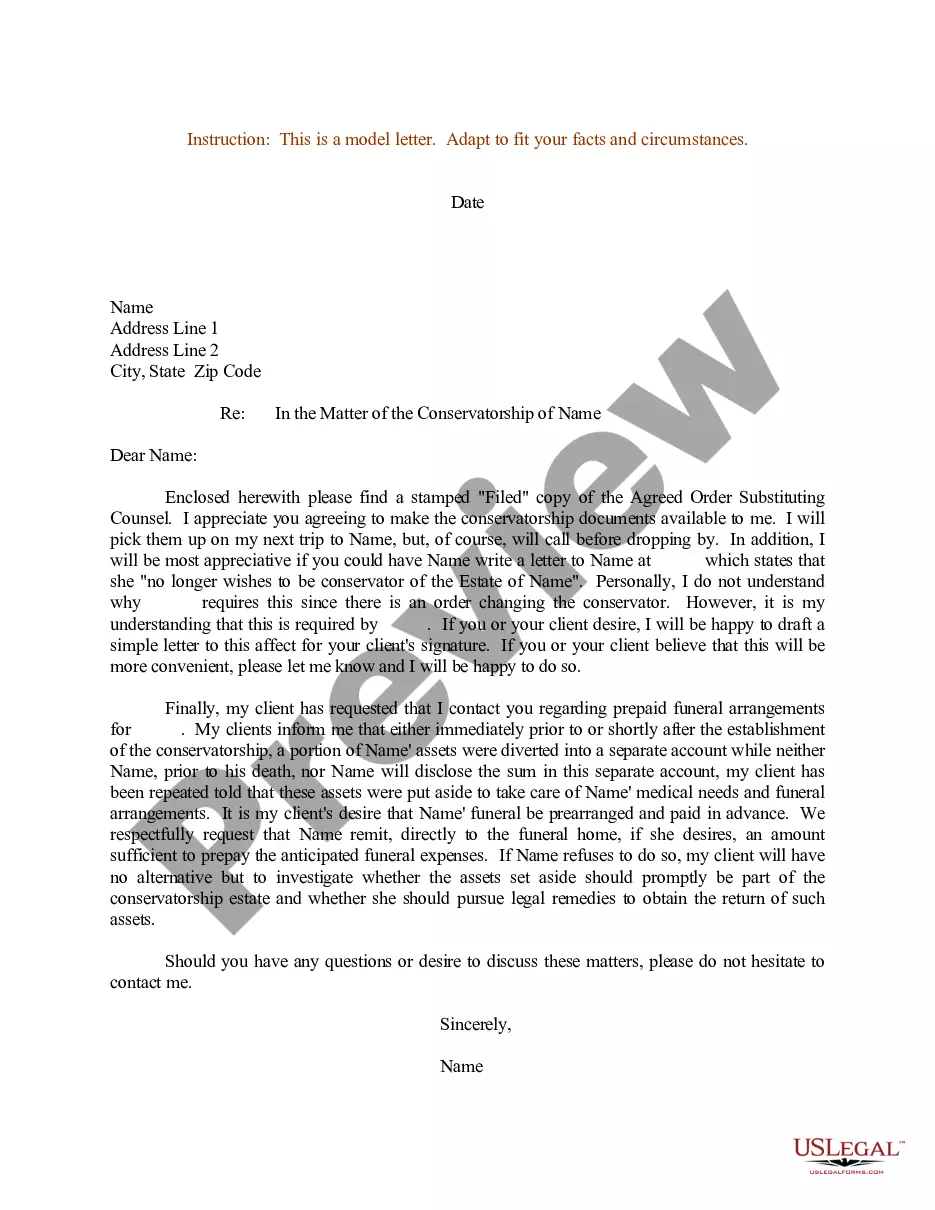
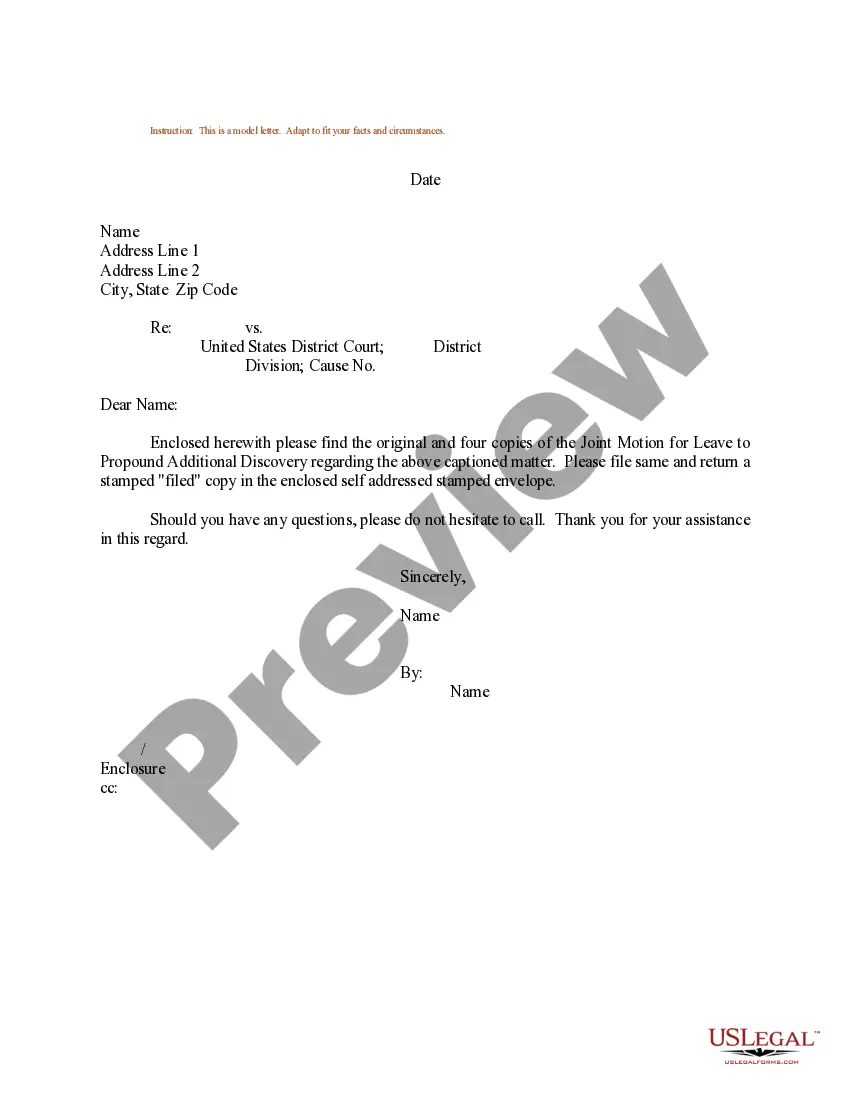
Get your form ready online
Our built-in tools help you complete, sign, share, and store your documents in one place.
Make edits, fill in missing information, and update formatting in US Legal Forms—just like you would in MS Word.
Download a copy, print it, send it by email, or mail it via USPS—whatever works best for your next step.
Sign and collect signatures with our SignNow integration. Send to multiple recipients, set reminders, and more. Go Premium to unlock E-Sign.
If this form requires notarization, complete it online through a secure video call—no need to meet a notary in person or wait for an appointment.
We protect your documents and personal data by following strict security and privacy standards.

Make edits, fill in missing information, and update formatting in US Legal Forms—just like you would in MS Word.

Download a copy, print it, send it by email, or mail it via USPS—whatever works best for your next step.

Sign and collect signatures with our SignNow integration. Send to multiple recipients, set reminders, and more. Go Premium to unlock E-Sign.

If this form requires notarization, complete it online through a secure video call—no need to meet a notary in person or wait for an appointment.

We protect your documents and personal data by following strict security and privacy standards.
Looking for another form?
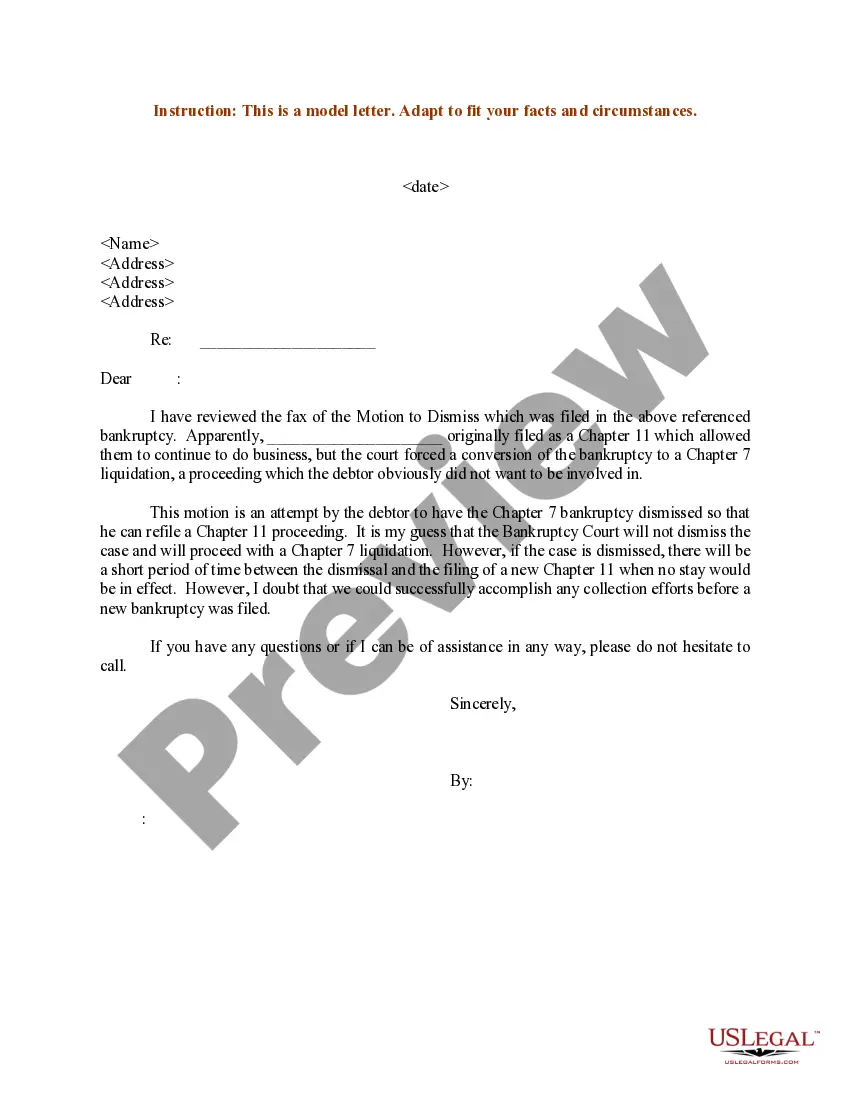
How to fill out Sample Letter For Motion For Substitute Counsel Of Record?
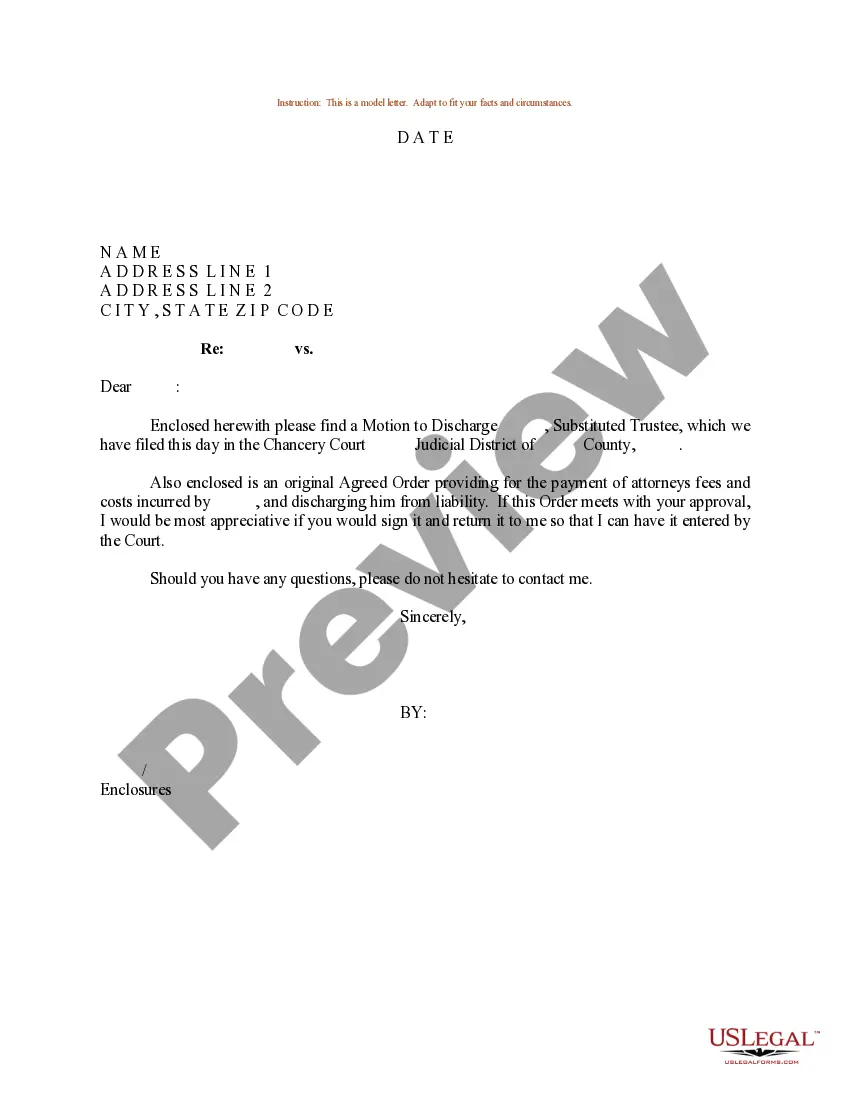
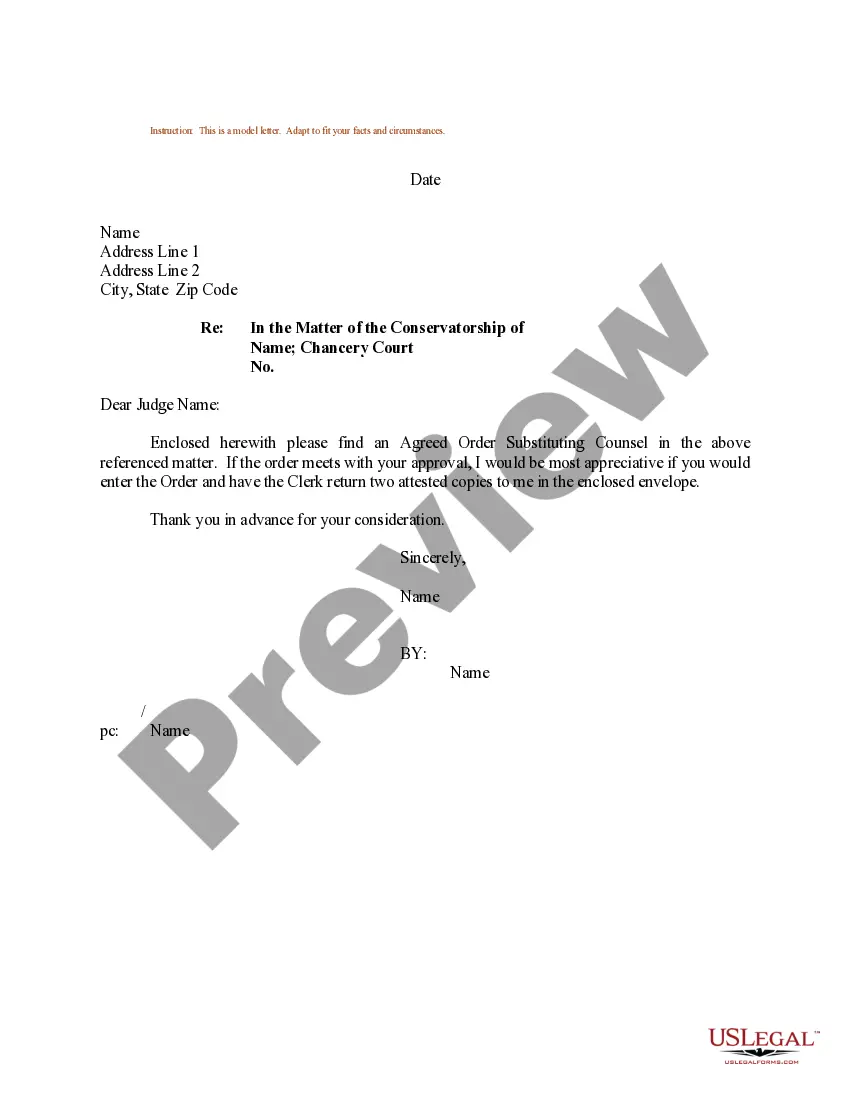
The Replacement Legal Document For A Contract you see on this webpage is a versatile legal template created by expert attorneys in compliance with federal and state regulations.
For over 25 years, US Legal Forms has supplied individuals, organizations, and legal professionals with more than 85,000 verified, state-specific templates for any business and personal event.
Select the format you prefer for your Replacement Legal Document For A Contract (PDF, DOCX, RTF) and store the sample on your device.
- Search for the document you require and examine it.
- Browse through the example you sought and preview it or review the form details to confirm it meets your requirements. If it doesn’t, use the search feature to find the correct one. Click Buy Now once you have discovered the template you desire.
- Subscribe and Log In.
- Choose the pricing plan that works for you and set up an account. Use PayPal or a credit card for a fast transaction. If you already possess an account, Log In and verify your subscription to continue.
- Obtain the editable template.
Form popularity
FAQ
An assignment transfers the rights and benefits of a contract to a third party without affecting the original contract's obligations. Conversely, a substituted contract voids the original agreement and replaces it entirely with a new contract. Understanding these distinctions is important for legal clarity. A substitute legal form for a contract can help clarify these processes.
Advance directives are legal documents that provide instructions for medical care and only go into effect if you cannot communicate your own wishes. The two most common advance directives for health care are the living will and the durable power of attorney for health care.
You must make sure that you clearly communicate and record these changes, being sure to date and sign it. If you want to refuse potentially life-sustaining treatment your decision must be in writing, signed, witnessed, and include the statement 'even if life is at risk as a result.
The most common types of advance directives are the living will and the durable power of attorney for health care (sometimes known as the medical power of attorney). There are many advance directive formats.
Types of Advance Directives The living will. Durable power of attorney for health care/Medical power of attorney. POLST (Physician Orders for Life-Sustaining Treatment) Do not resuscitate (DNR) orders. Organ and tissue donation.
An advance directive enables an individual to think about what they would like to happen to them in the event that they lose the capacity to take informed decisions about their care. Examples of such decisions include: The use of intravenous fluids and parenteral nutrition.
For example, they might want the document to state: ?If I have permanent and severe brain damage (for example, I can open my eyes, but I cannot speak or understand) and I am not expected to get better, I do not want my life to be prolonged, and I do not want life-sustaining treatment (including artificial feeding and ...
How Do I Make a Living Will? A living will can only be made by a competent adult who is age 18 or older. The declaration can be signed in the presence of two witnesses or a notary public. The witnesses must be age 18 or older, and should not be members of the family if at all possible.