Barangay Summon Letter Sample
Description
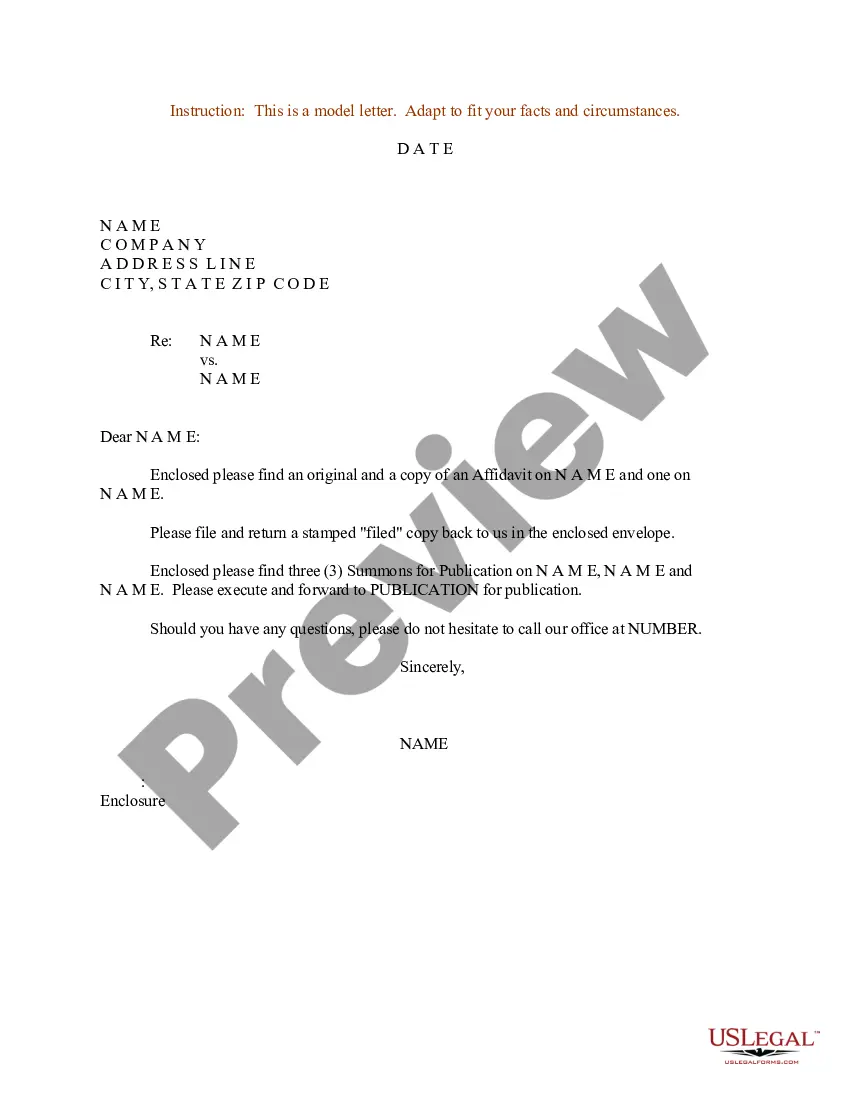
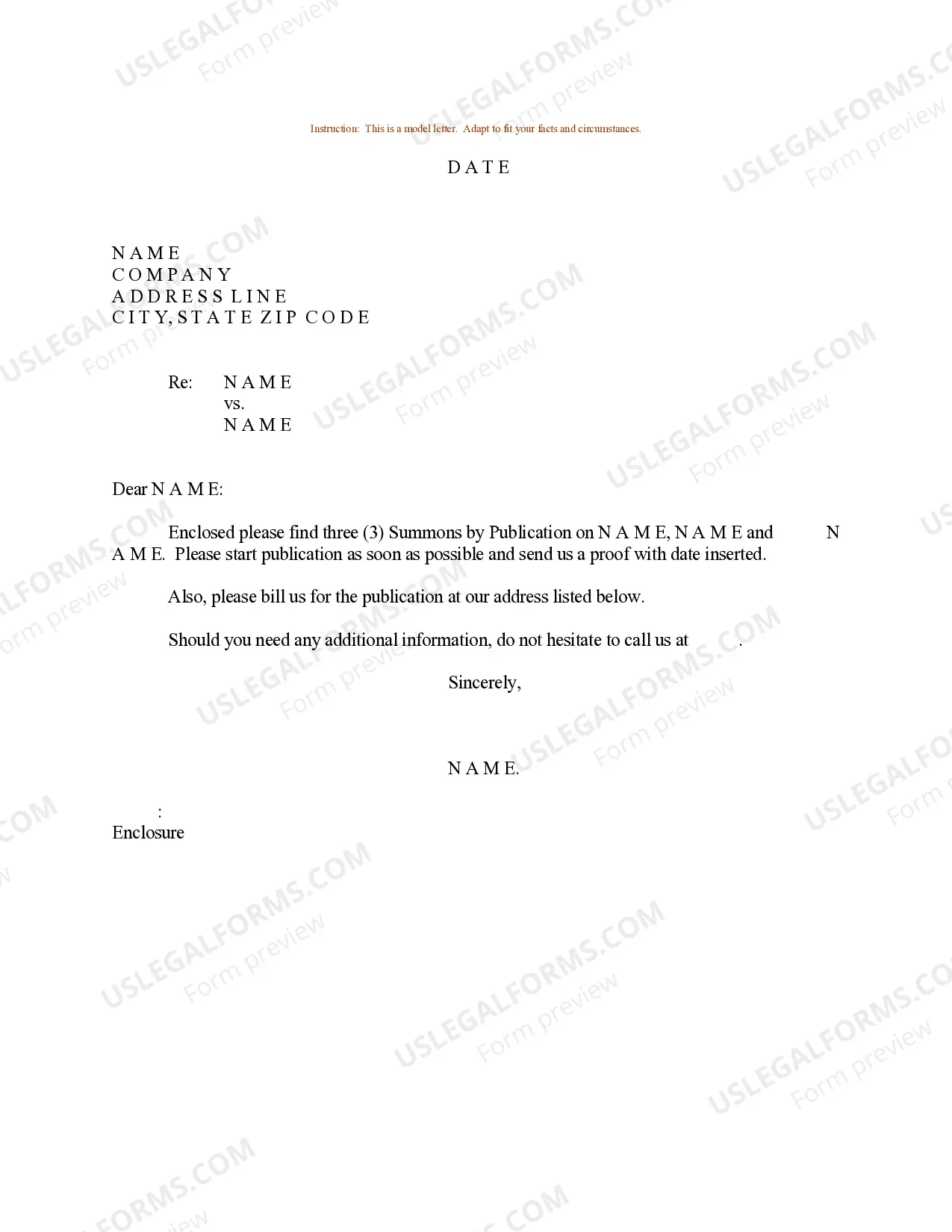
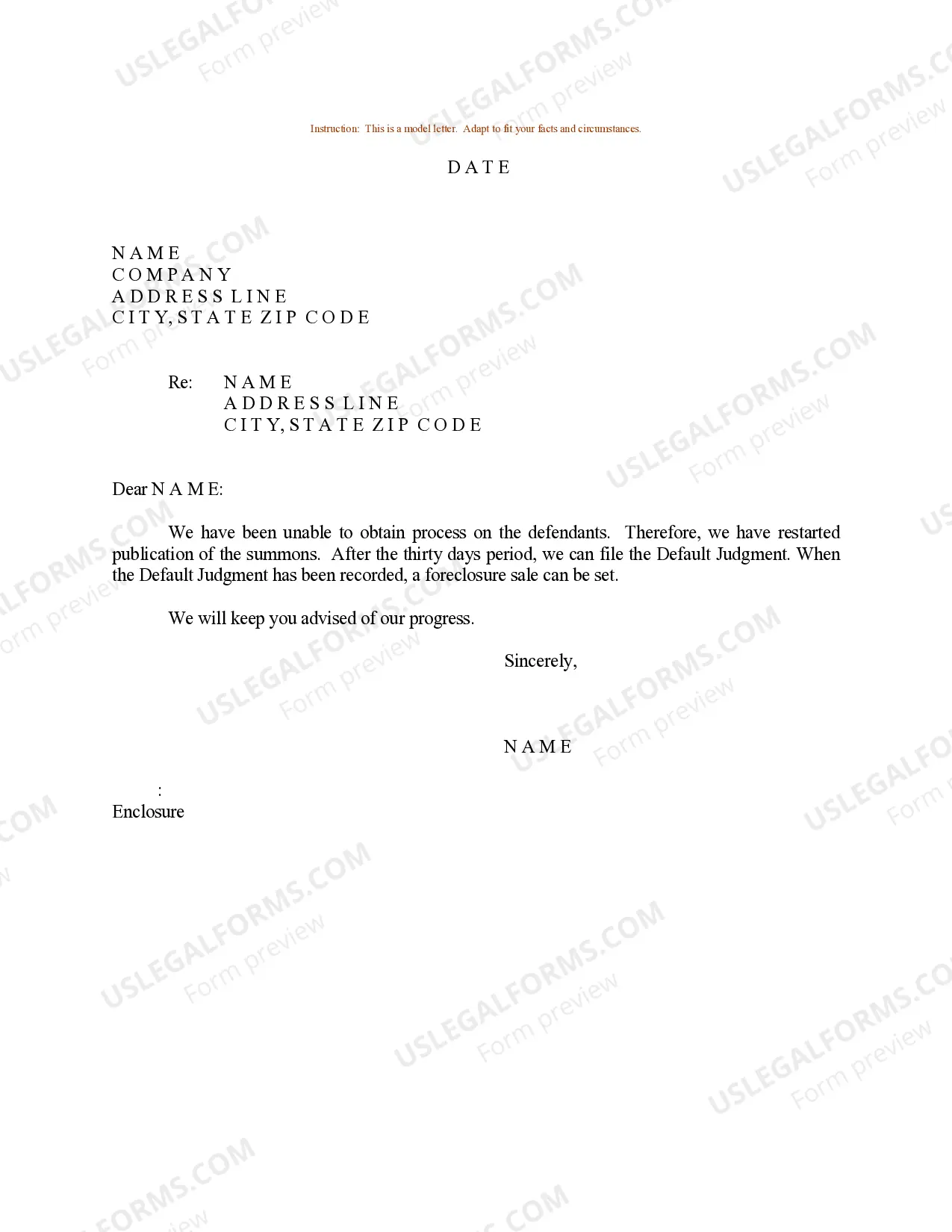
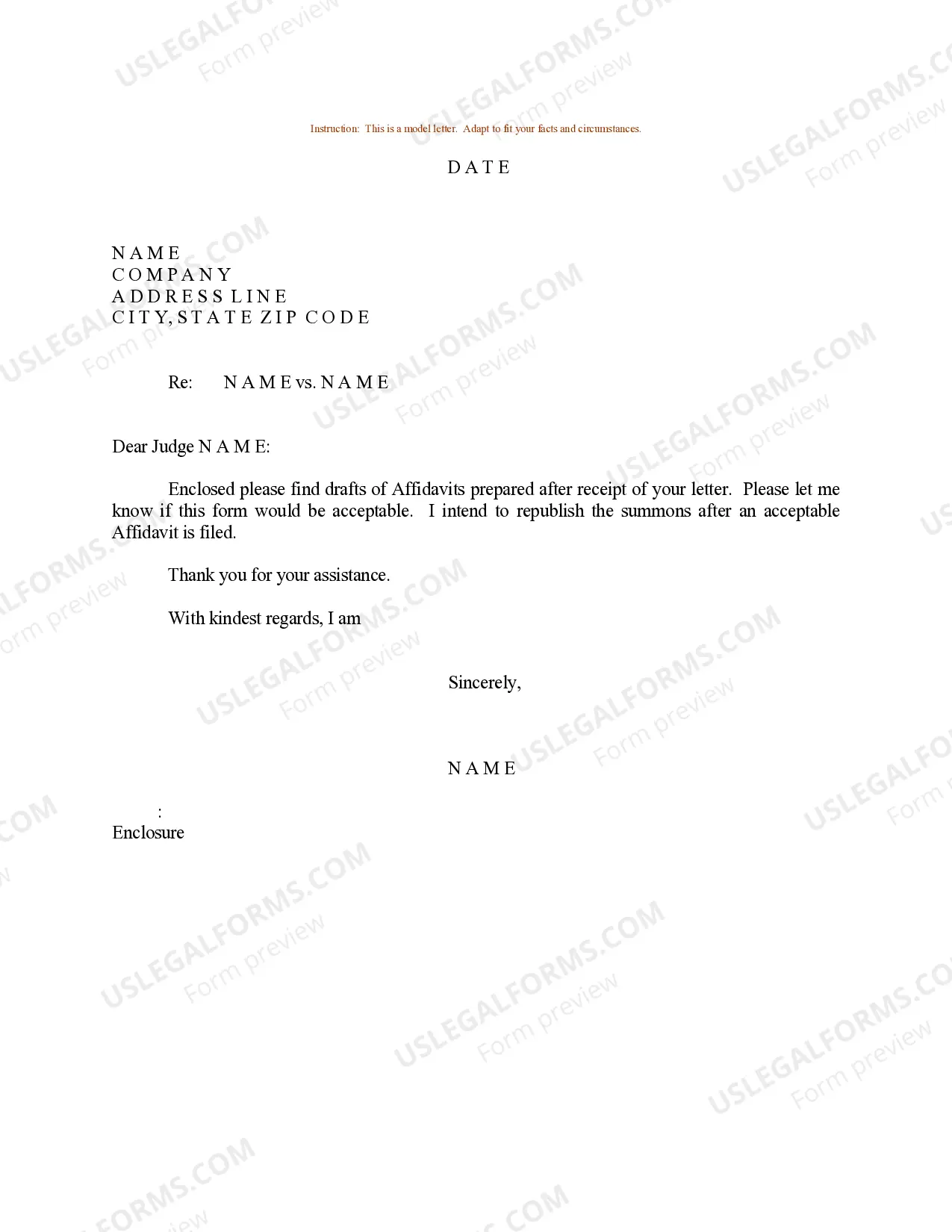
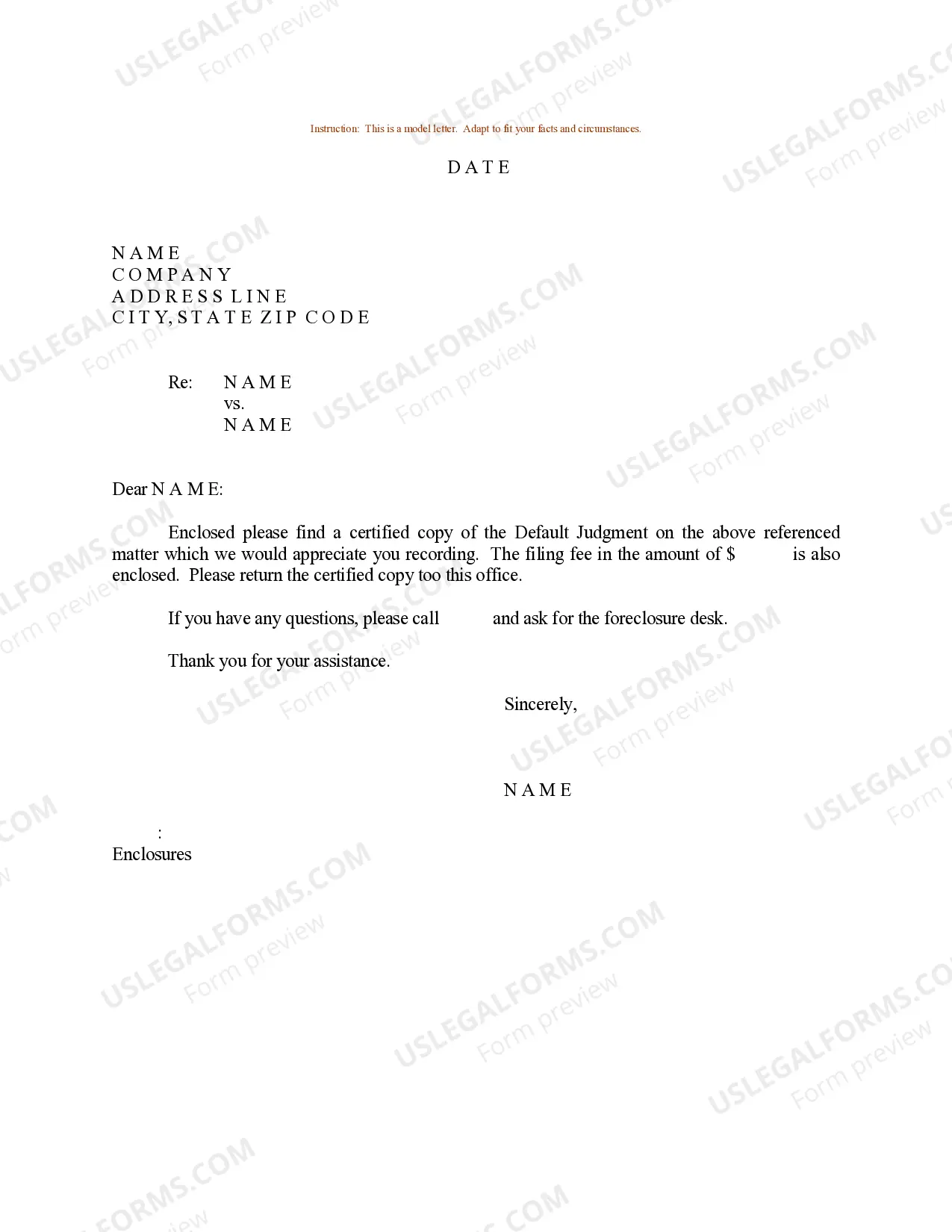
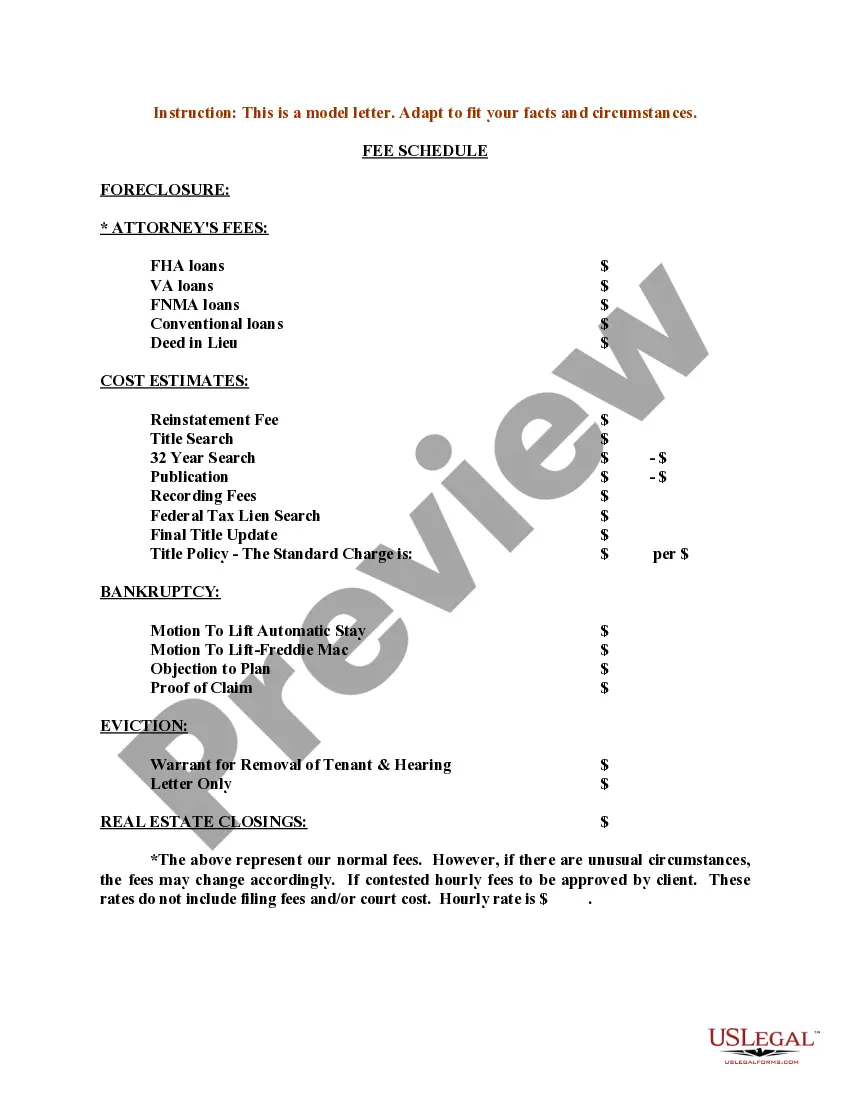
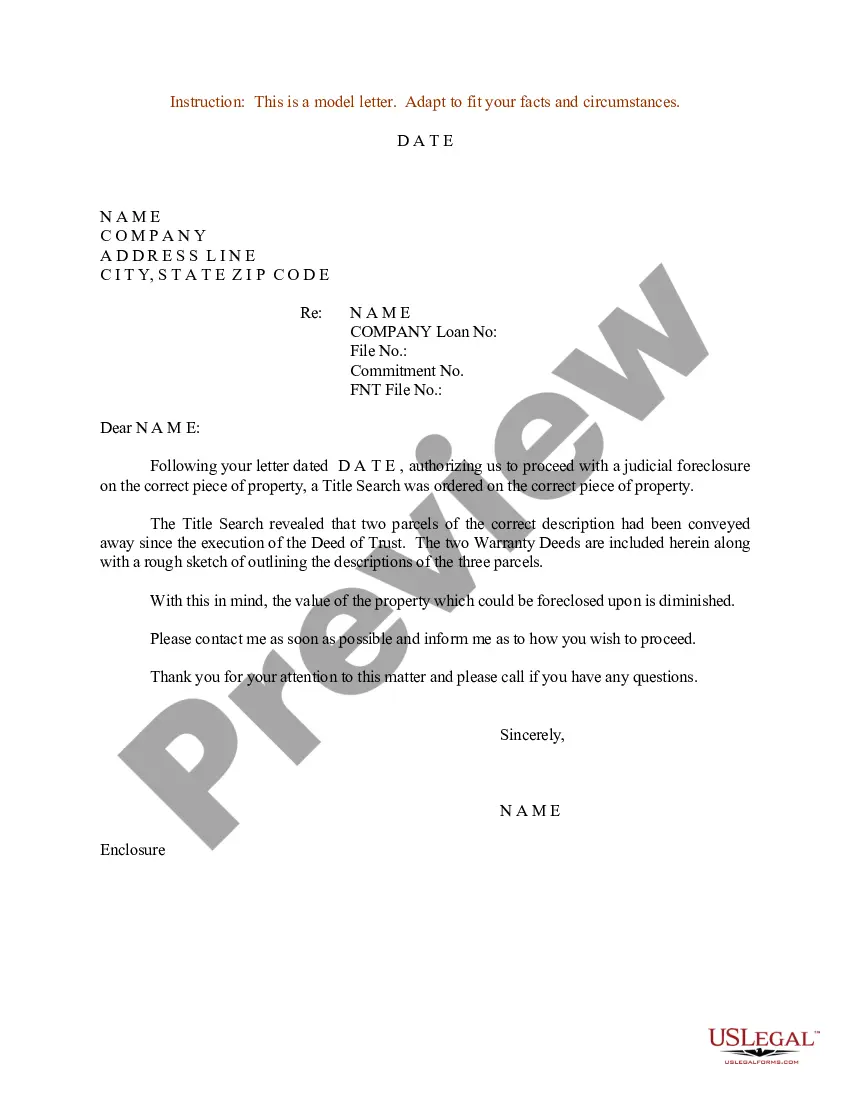
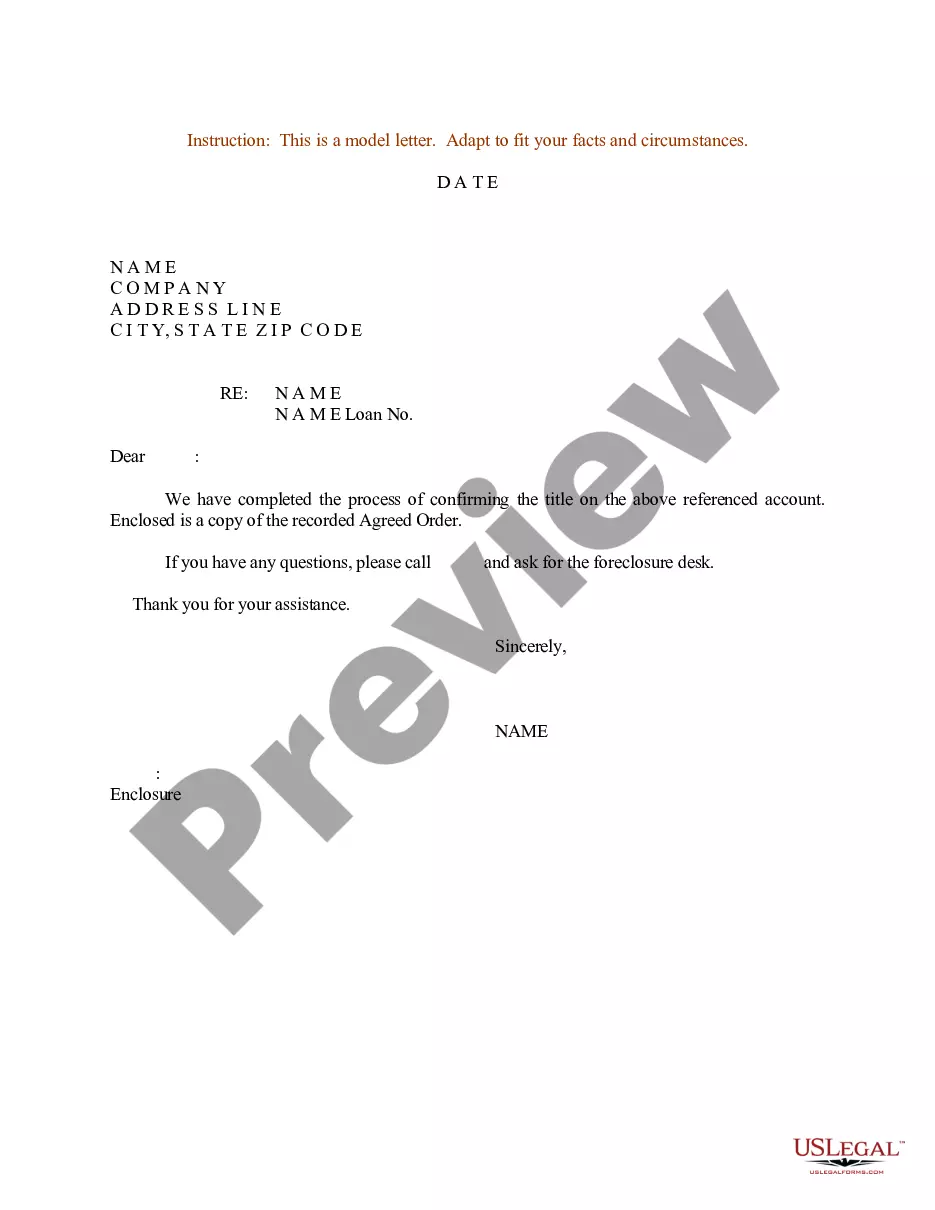
Get your form ready online
Our built-in tools help you complete, sign, share, and store your documents in one place.
Make edits, fill in missing information, and update formatting in US Legal Forms—just like you would in MS Word.
Download a copy, print it, send it by email, or mail it via USPS—whatever works best for your next step.
Sign and collect signatures with our SignNow integration. Send to multiple recipients, set reminders, and more. Go Premium to unlock E-Sign.
If this form requires notarization, complete it online through a secure video call—no need to meet a notary in person or wait for an appointment.
We protect your documents and personal data by following strict security and privacy standards.

Make edits, fill in missing information, and update formatting in US Legal Forms—just like you would in MS Word.

Download a copy, print it, send it by email, or mail it via USPS—whatever works best for your next step.

Sign and collect signatures with our SignNow integration. Send to multiple recipients, set reminders, and more. Go Premium to unlock E-Sign.

If this form requires notarization, complete it online through a secure video call—no need to meet a notary in person or wait for an appointment.

We protect your documents and personal data by following strict security and privacy standards.
Looking for another form?

How to fill out Sample Letter For Package Of Letters?
Regardless of whether for commercial reasons or personal issues, everyone must confront legal circumstances eventually in their life.
Filling out legal documents requires meticulous consideration, beginning with choosing the correct form template.
With a comprehensive US Legal Forms catalog available, you do not need to waste time searching for the correct template online. Use the library's intuitive navigation to discover the suitable form for any occasion.
- For example, if you select an incorrect version of the Barangay Summon Letter Sample, it will be rejected upon submission.
- Thus, it is crucial to have a reliable source of legal documents like US Legal Forms.
- To obtain a Barangay Summon Letter Sample template, follow these straightforward steps.
- Acquire the template you require by utilizing the search bar or catalog navigation.
- Review the form's details to confirm it corresponds with your situation, state, and locality.
- Click on the form's preview to inspect it.
- If it is the wrong form, return to the search feature to locate the Barangay Summon Letter Sample you need.
- Download the template if it satisfies your needs.
- If you already possess a US Legal Forms account, click Log in to access previously saved documents in My documents.
- If you do not have an account yet, you can download the form by clicking Buy now.
- Select the appropriate pricing option.
- Fill out the profile registration form.
- Choose your payment method: either a credit card or PayPal account.
- Select the document format you prefer and download the Barangay Summon Letter Sample.
- Once saved, you can complete the form using editing software or print it and finish it manually.
Form popularity
FAQ
How do you write a Summon? Every summons includes the following: the names of the plaintiff(s) and defendant(s), the case number, the place where the lawsuit has been filed, the name and address of the plaintiffs lawyer or the plaintiff, and the date by which the defendant has to respond to the lawsuit.
A summons is just a letter sent by the court asking you to come to court to handle your case. It does not require you to do anything except go to court. If you don't show up to court, the judge may issue an arrest warrant for your failure to appear.
A summons must accompany a complaint when a lawsuit is filed by the plaintiff. A summons is a formal notice given to the defendant that a lawsuit has been filed against them. In plain terms, the summons acts as an instruction guide for the party to let them know exactly what to do next.
What is a summons? A summons is an official notice of a lawsuit. It is given to the person being sued. If you sue someone, they need to know about it. This way, they can come to court and fight the lawsuit.
Often the purpose of a citation or summons is to require a person to answer charges or a complaint filed against him. It may also be used simply to notify a person that he has an interest in the proceedings at hand, which it would be to his advantage to attend.