Shared Vacation Home Agreement With Owner
Description
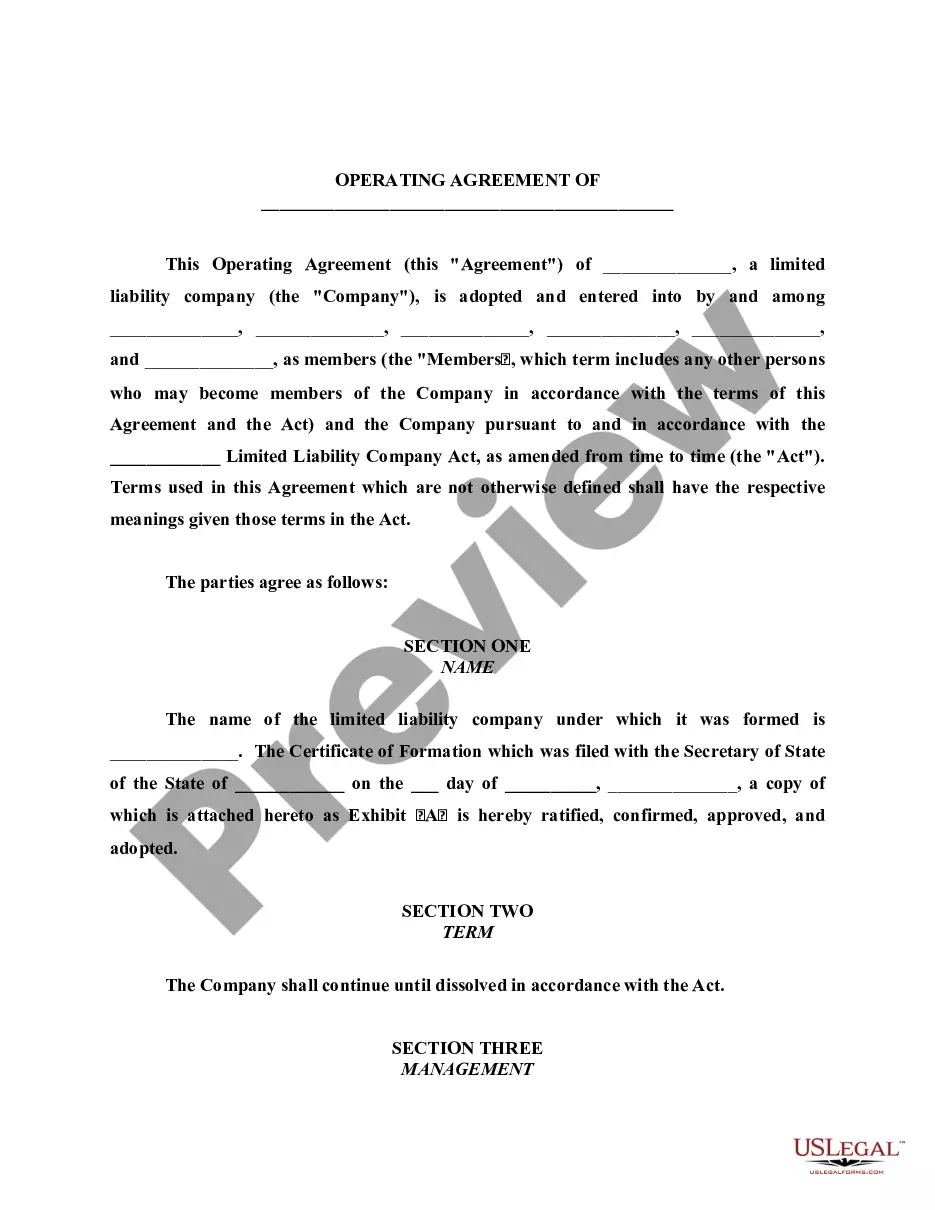
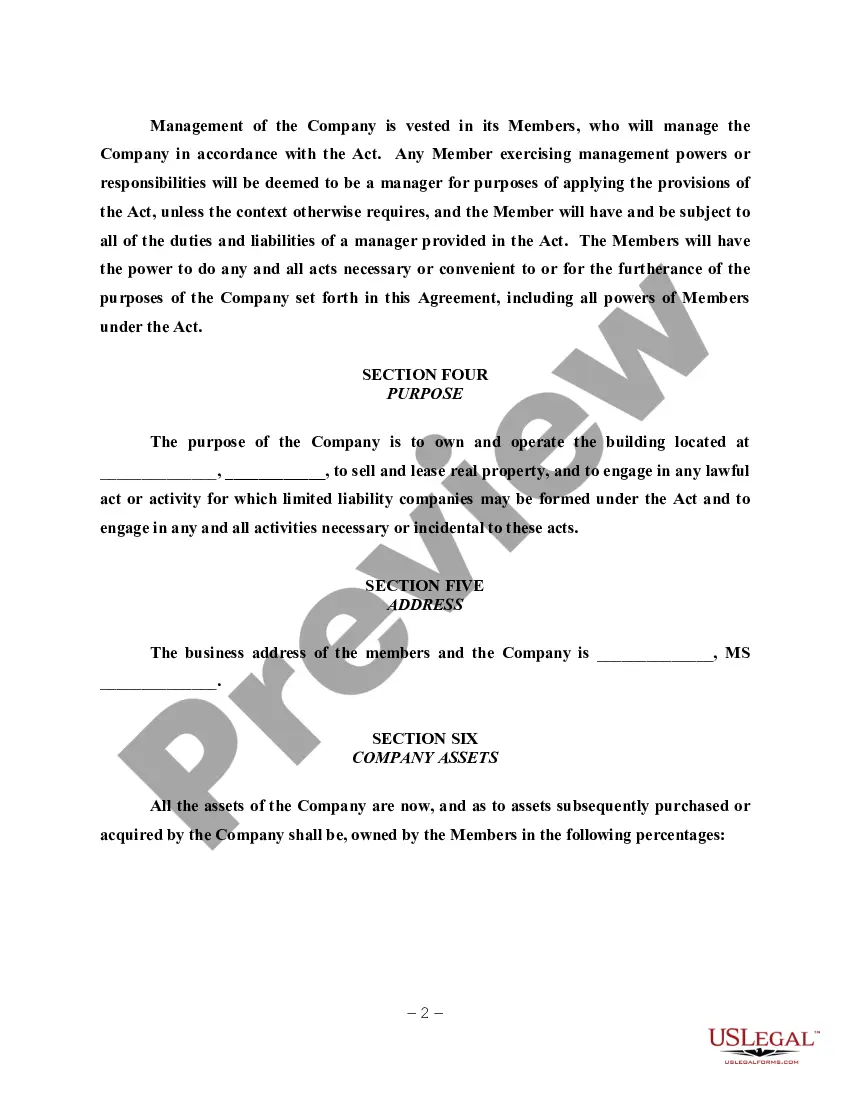
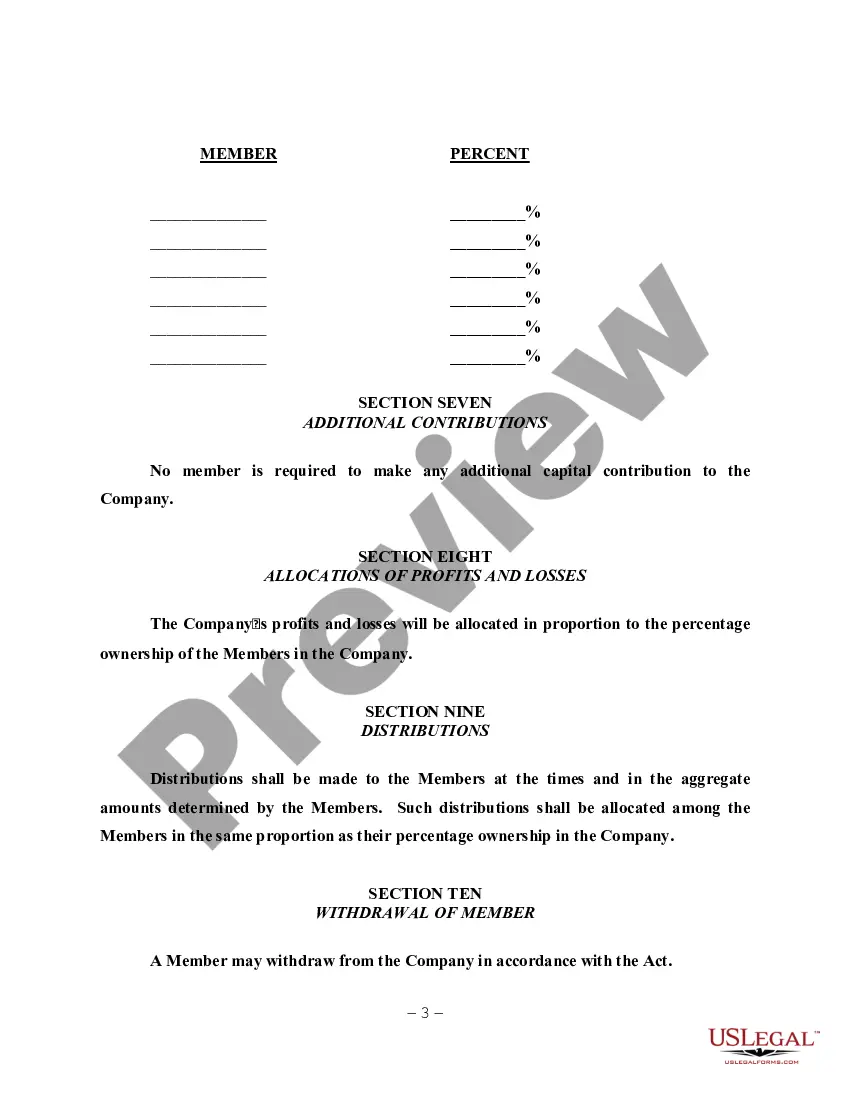
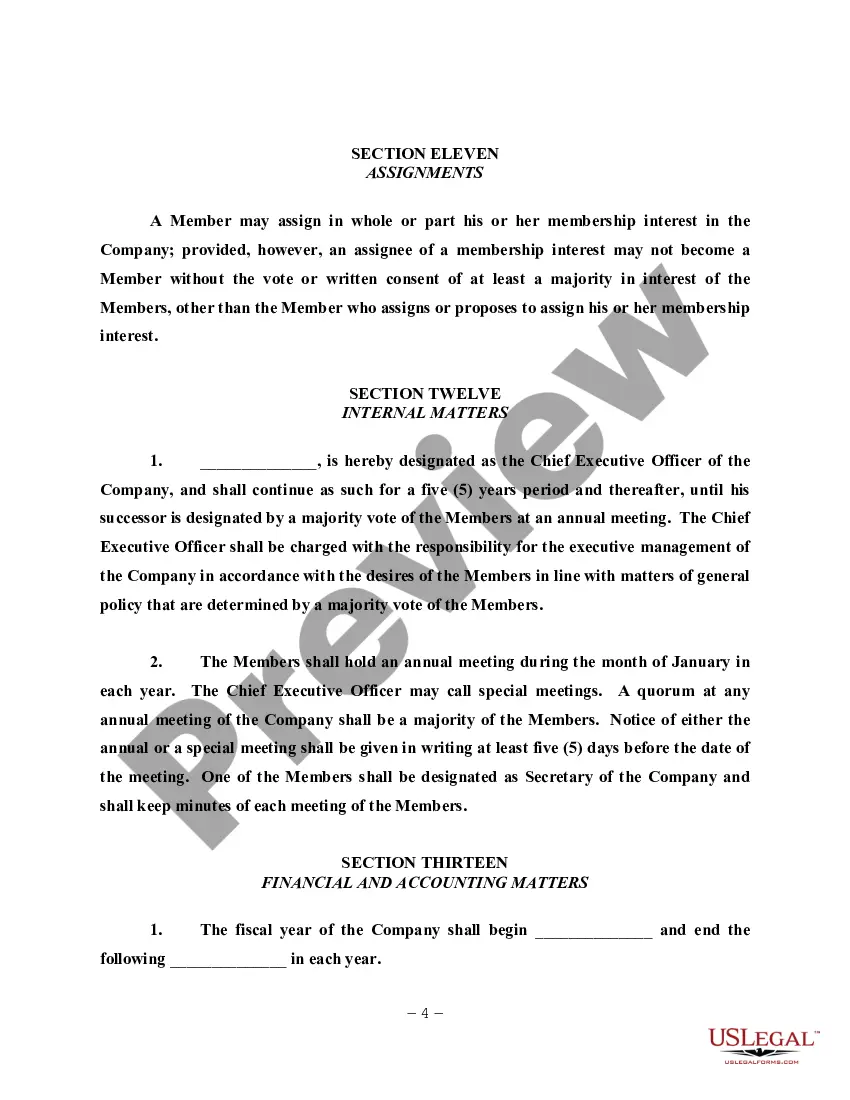
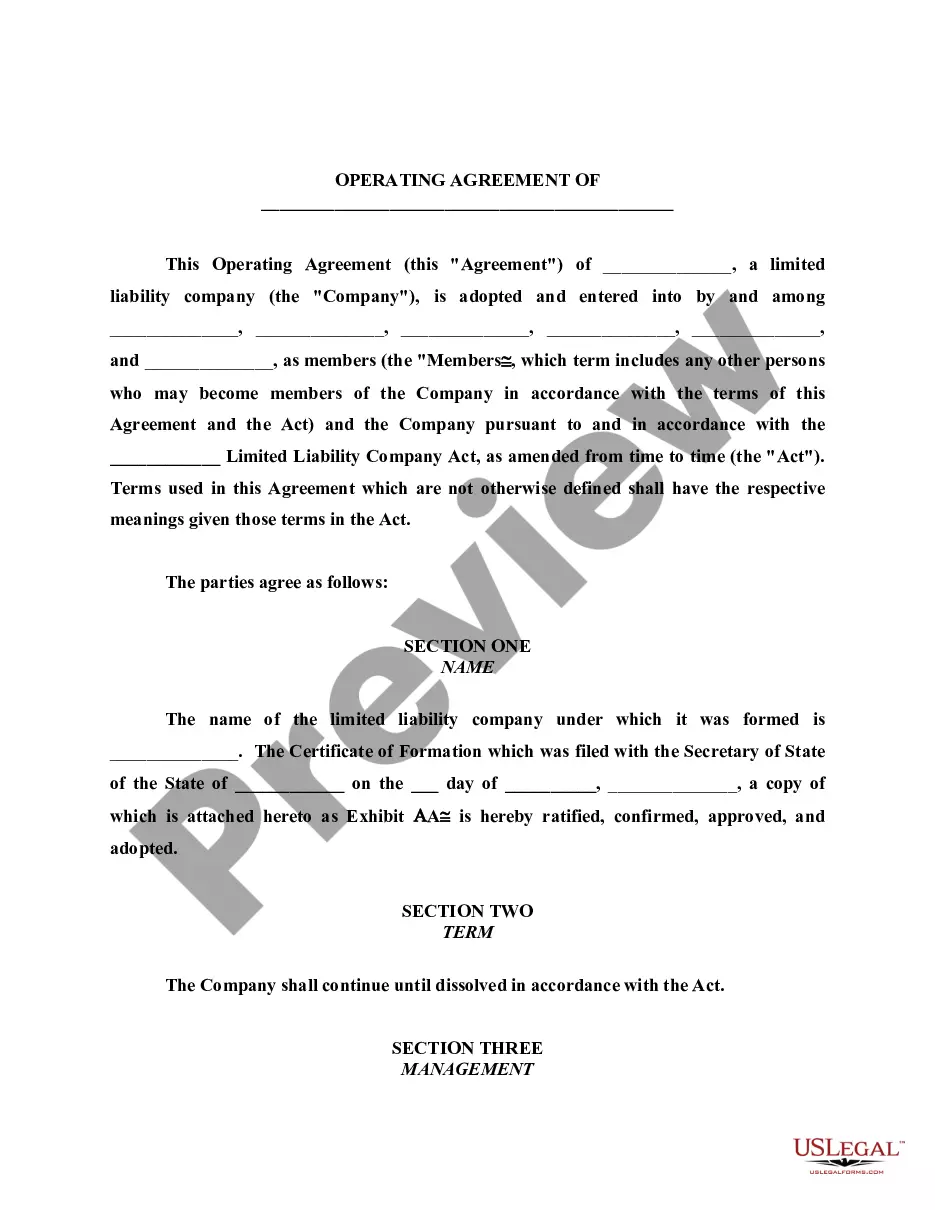
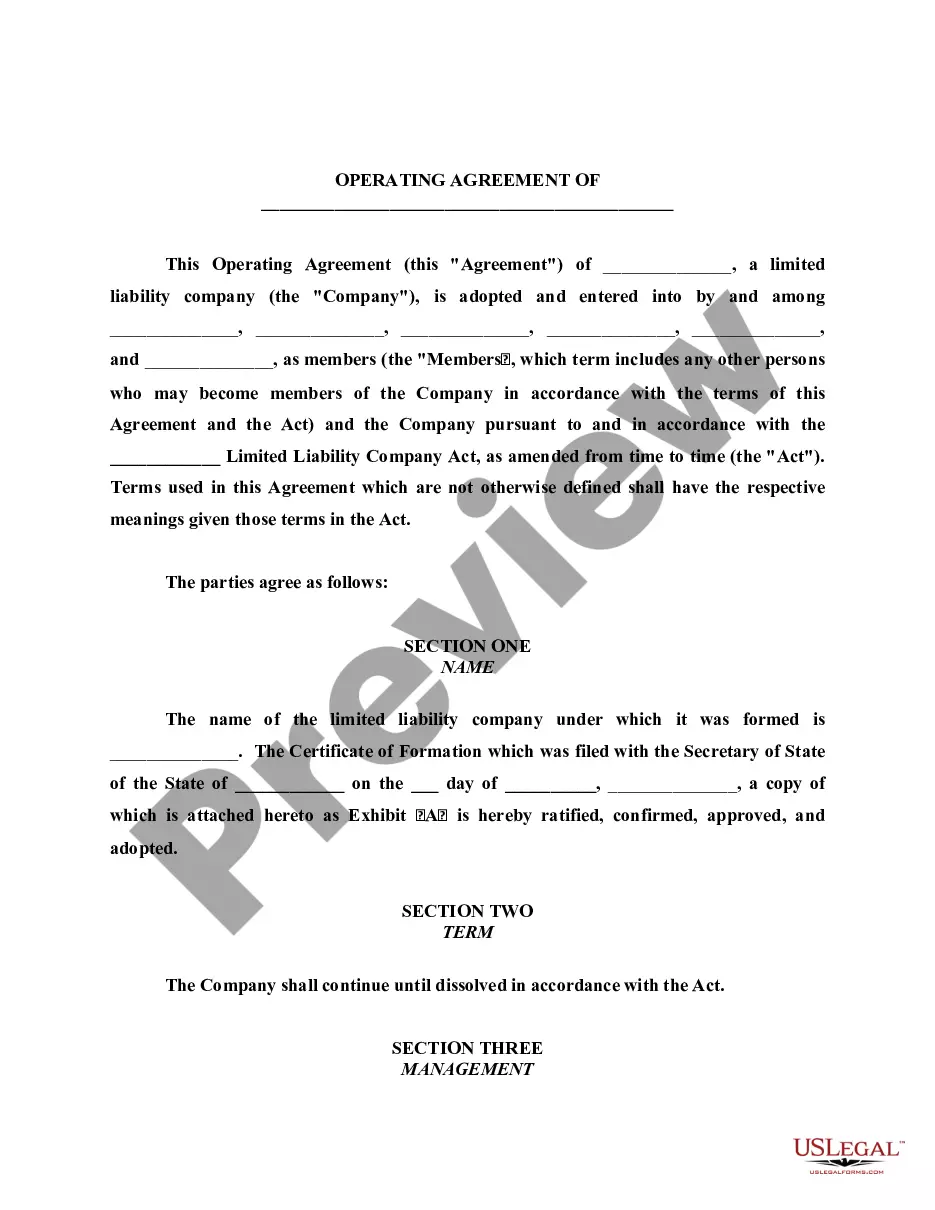
Get your form ready online
Our built-in tools help you complete, sign, share, and store your documents in one place.
Make edits, fill in missing information, and update formatting in US Legal Forms—just like you would in MS Word.
Download a copy, print it, send it by email, or mail it via USPS—whatever works best for your next step.
Sign and collect signatures with our SignNow integration. Send to multiple recipients, set reminders, and more. Go Premium to unlock E-Sign.
If this form requires notarization, complete it online through a secure video call—no need to meet a notary in person or wait for an appointment.
We protect your documents and personal data by following strict security and privacy standards.

Make edits, fill in missing information, and update formatting in US Legal Forms—just like you would in MS Word.

Download a copy, print it, send it by email, or mail it via USPS—whatever works best for your next step.

Sign and collect signatures with our SignNow integration. Send to multiple recipients, set reminders, and more. Go Premium to unlock E-Sign.

If this form requires notarization, complete it online through a secure video call—no need to meet a notary in person or wait for an appointment.

We protect your documents and personal data by following strict security and privacy standards.
Looking for another form?
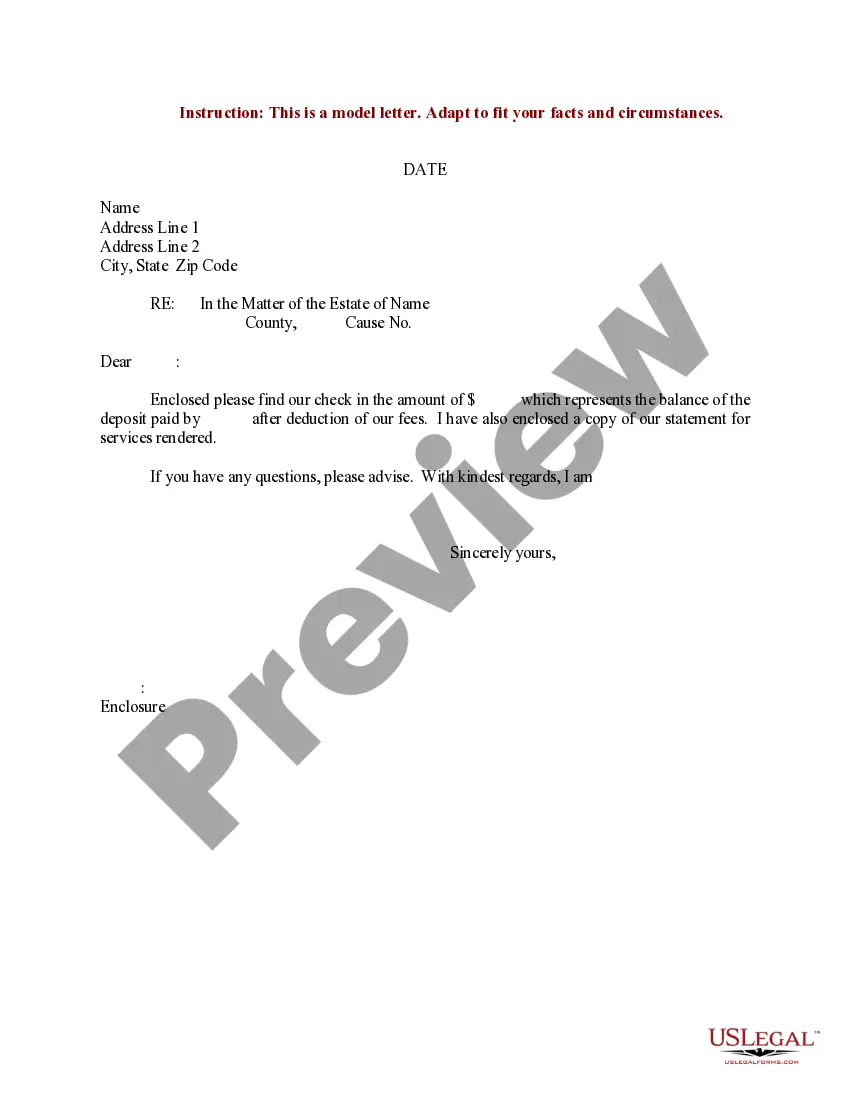
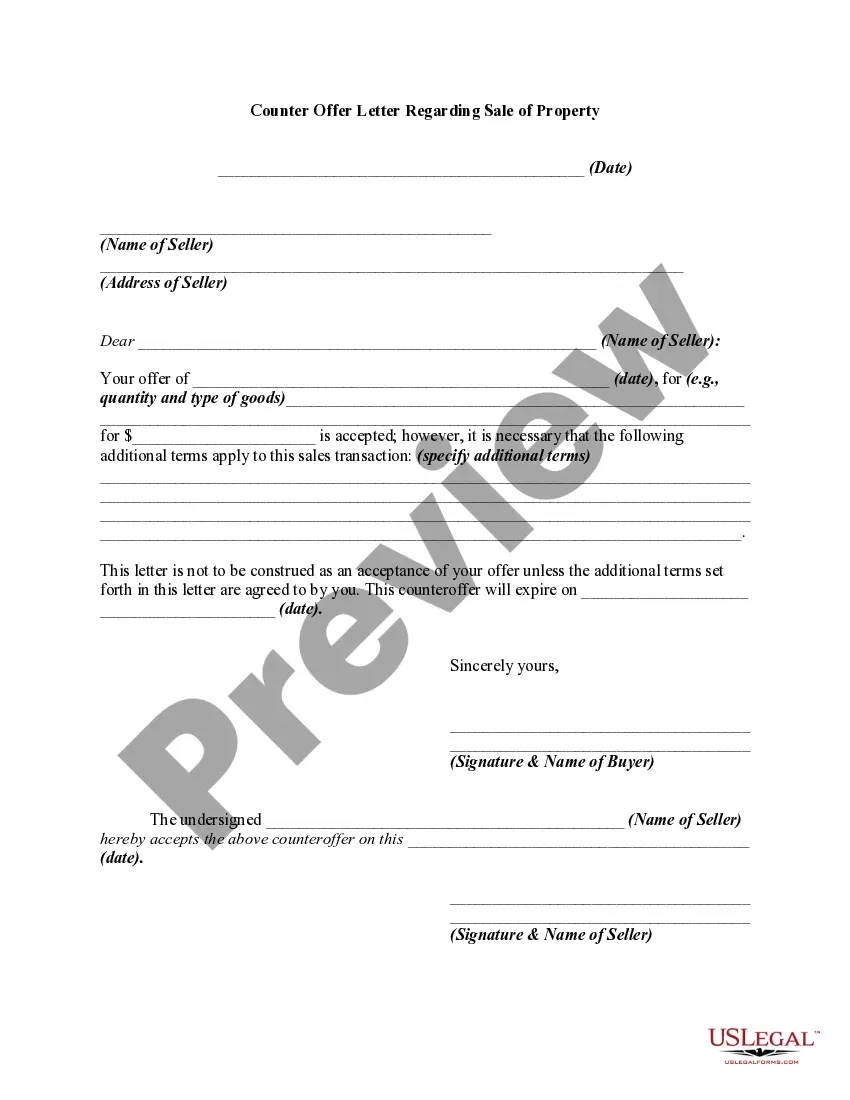




How to fill out LLC Operating Agreement For Shared Vacation Home?
Acquiring legal document samples that conform to the federal and state guidelines is crucial, and the internet provides a variety of choices to select from.
However, what’s the use of spending time searching for the properly crafted Shared Vacation Home Agreement With Owner sample online when the US Legal Forms digital library already compiles such templates in one location.
US Legal Forms is the most comprehensive online legal database featuring over 85,000 editable templates created by attorneys for any business and personal situation. They are straightforward to navigate with all documents categorized by state and intended use. Our experts keep abreast of legal modifications, ensuring that your documents are always up to date and compliant when obtaining a Shared Vacation Home Agreement With Owner from our site.
All templates you find via US Legal Forms are reusable. To re-download and complete previously obtained documents, access the My documents section in your account. Enjoy the most comprehensive and user-friendly legal documentation service!
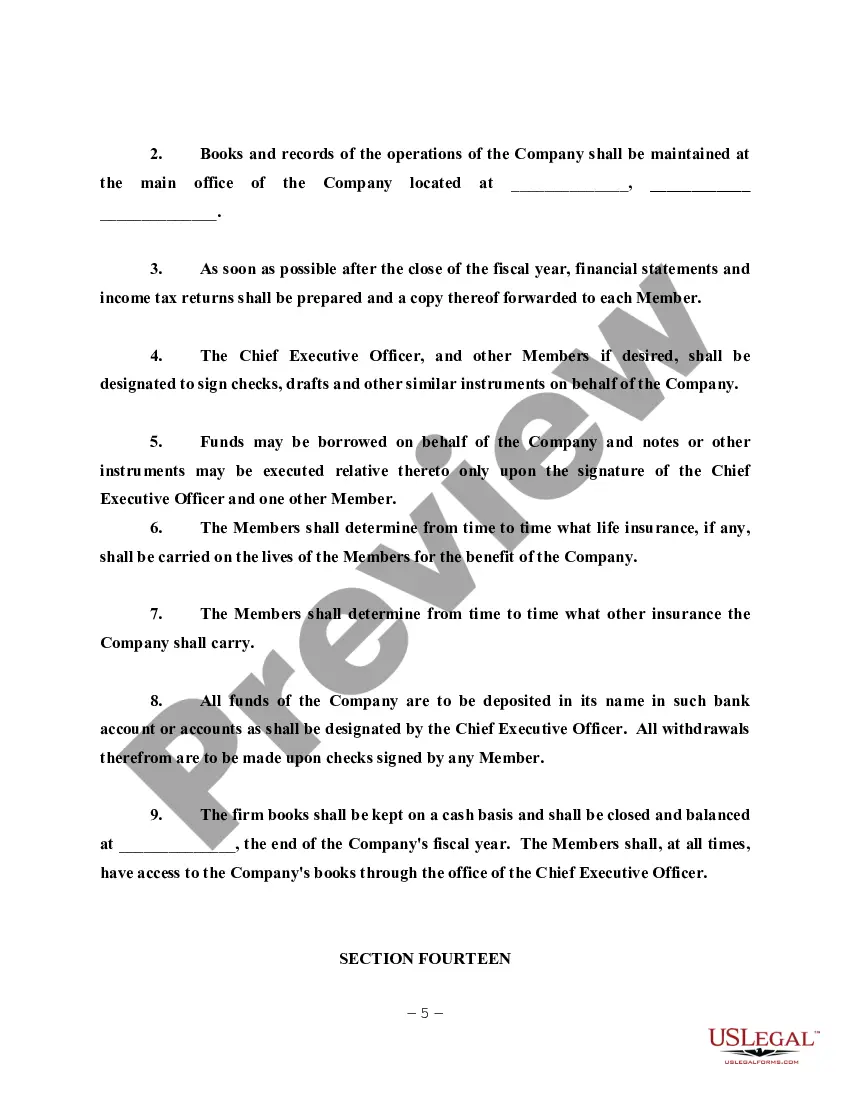
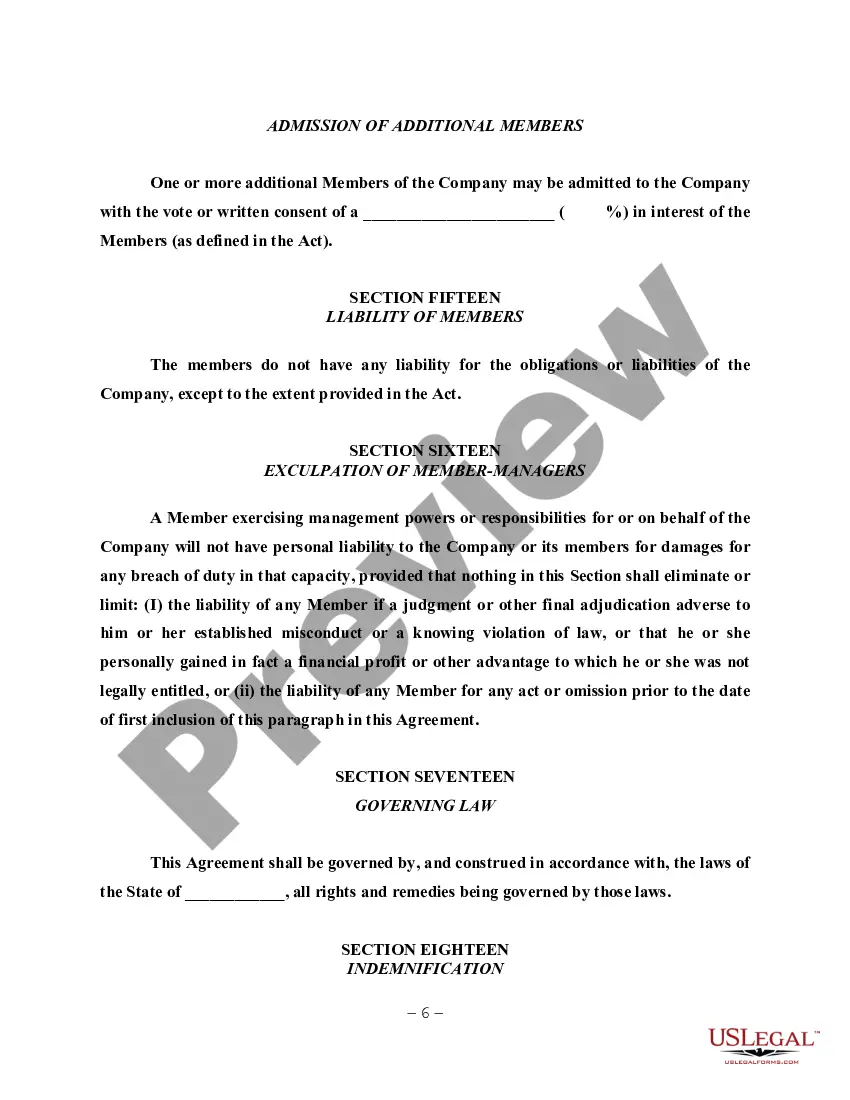
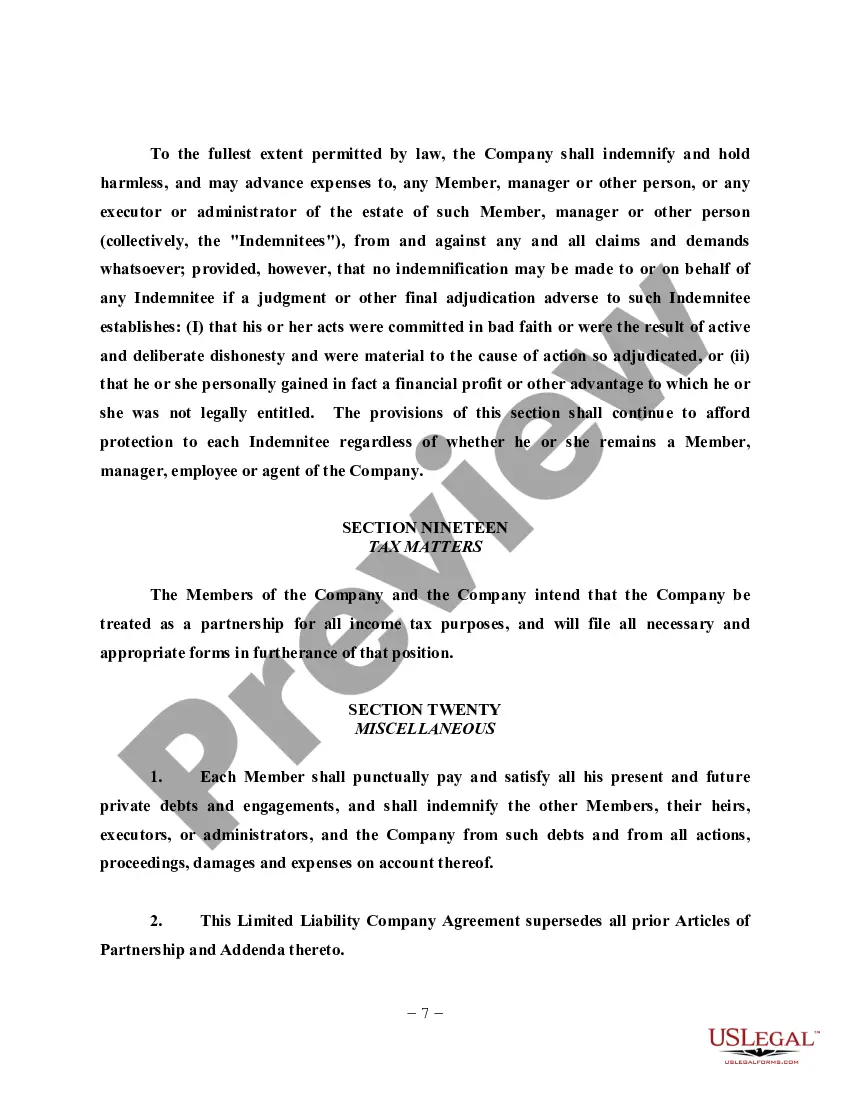
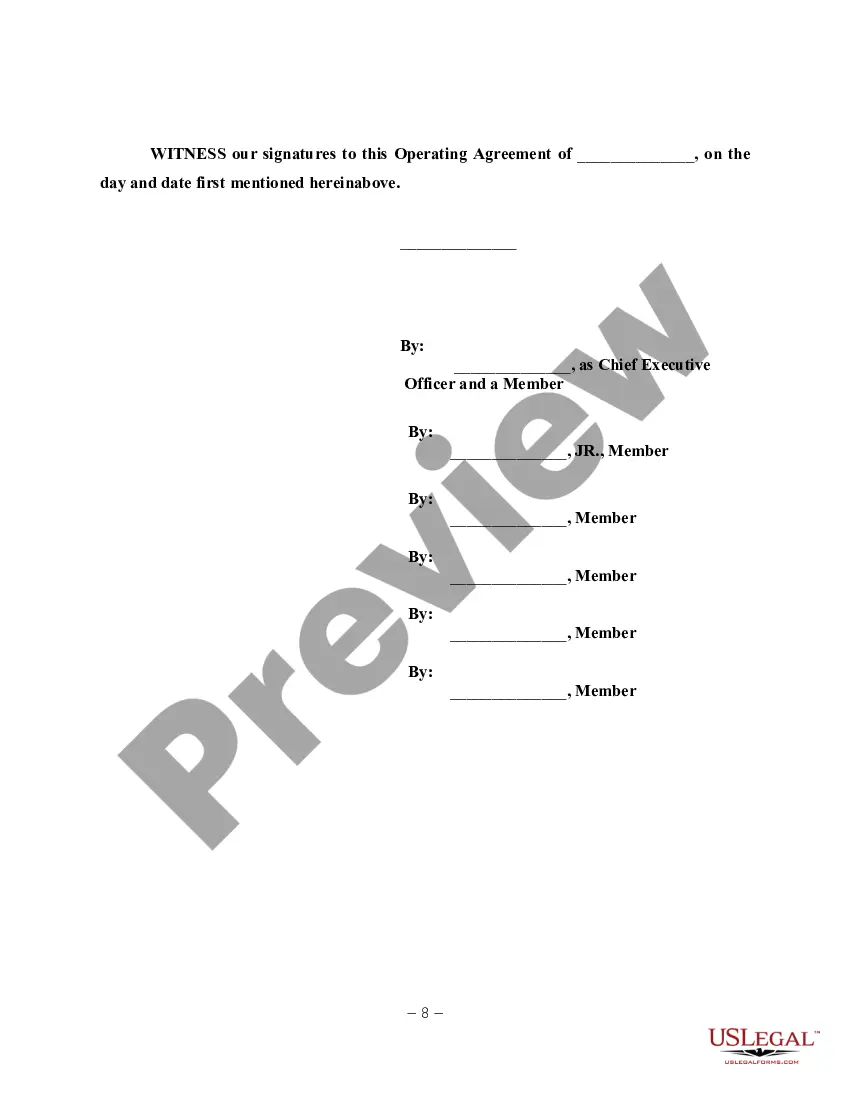
- Review the template using the Preview option or through the text outline to confirm it satisfies your needs.
- If needed, find an alternative sample using the search function located at the top of the page.
- Click Buy Now once you’ve found the appropriate form and choose a subscription plan.
- Create an account or Log In and complete your payment with PayPal or a credit card.
- Choose the most suitable format for your Shared Vacation Home Agreement With Owner and download it.
Form popularity
FAQ
Yes, a vacation home can be a tax write-off in certain circumstances. If your shared vacation home agreement with owner allows for rental activity, you may be able to deduct expenses related to the property. This can include mortgage interest, property taxes, and maintenance costs. It's essential to consult a tax professional to understand the specific deductions available based on your situation.
Co-owning a vacation home involves clear communication and planning. First, establish a shared vacation home agreement with owner to outline the responsibilities, usage, and financial commitments of each party. Use a written contract to specify how costs are shared, the schedule for usage, and any rules for maintenance. Open discussions among co-owners can enhance the experience, making it enjoyable for everyone involved.
Yes, you can put a vacation home in an LLC. This approach offers liability protection for the owners while simplifying the shared vacation home agreement with owner. By placing the property in an LLC, you protect personal assets from legal claims related to the vacation home. Additionally, an LLC structure can simplify management and ownership arrangements.
Co-ownership of a home involves multiple parties sharing legal ownership and financial responsibilities. A shared vacation home agreement with owner is essential to define each party's rights and obligations, including how to manage costs and decision-making. The agreement can specify rules for usage, maintenance, and the process for resolving disputes. With a well-structured agreement, co-ownership can provide significant benefits while minimizing potential conflicts.
To split a shared vacation house effectively, you can start by outlining the terms with a shared vacation home agreement with owner. This document should detail how expenses, usage time, and maintenance responsibilities are divided among co-owners. Establish open communication about scheduling and any additional costs that may arise. By doing this, everyone has clear expectations, leading to a harmonious ownership experience.
Proof of joint ownership of property is typically established through legal documents like deeds or titles that indicate multiple owners. In a shared vacation home agreement with the owner, these documents confirm each owner's share and their rights to the property. Additional evidence may include tax records, insurance policies, or shared expenses related to the property. Ensuring all pertinent documents are accessible is essential for protecting each party's interests.
Split ownership of a house involves multiple individuals sharing ownership interests in a single property. This setup can be formalized through a shared vacation home agreement with the owner, outlining each party's rights and responsibilities. Typically, owners decide on usage schedules, maintenance contributions, and any rental arrangements. Clear communication and a solid agreement help avoid disputes and ensure a smooth co-ownership experience.
A legal document that proves ownership of a property is commonly known as a deed. In a shared vacation home agreement with the owner, the deed specifies who holds title to the property. This document is crucial for establishing each owner's interest and protecting their rights. It is advisable to consult legal experts when creating or transferring deeds in shared ownership scenarios.
The legal term for shared property often refers to joint ownership or co-ownership. In the context of a shared vacation home agreement with the owner, it describes a situation where multiple parties own a property together. This arrangement allows each owner to enjoy the property while sharing responsibilities. A well-drafted agreement helps clarify ownership rights and obligations.
The most common form of co-ownership is tenancy-in-common. In this arrangement, each owner holds a distinct share of the property, which they can buy, sell, or bequeath independently. This structure can be effectively managed with a shared vacation home agreement with owner to ensure all parties are aligned on property management and usage.