Attorney Analysis
Description
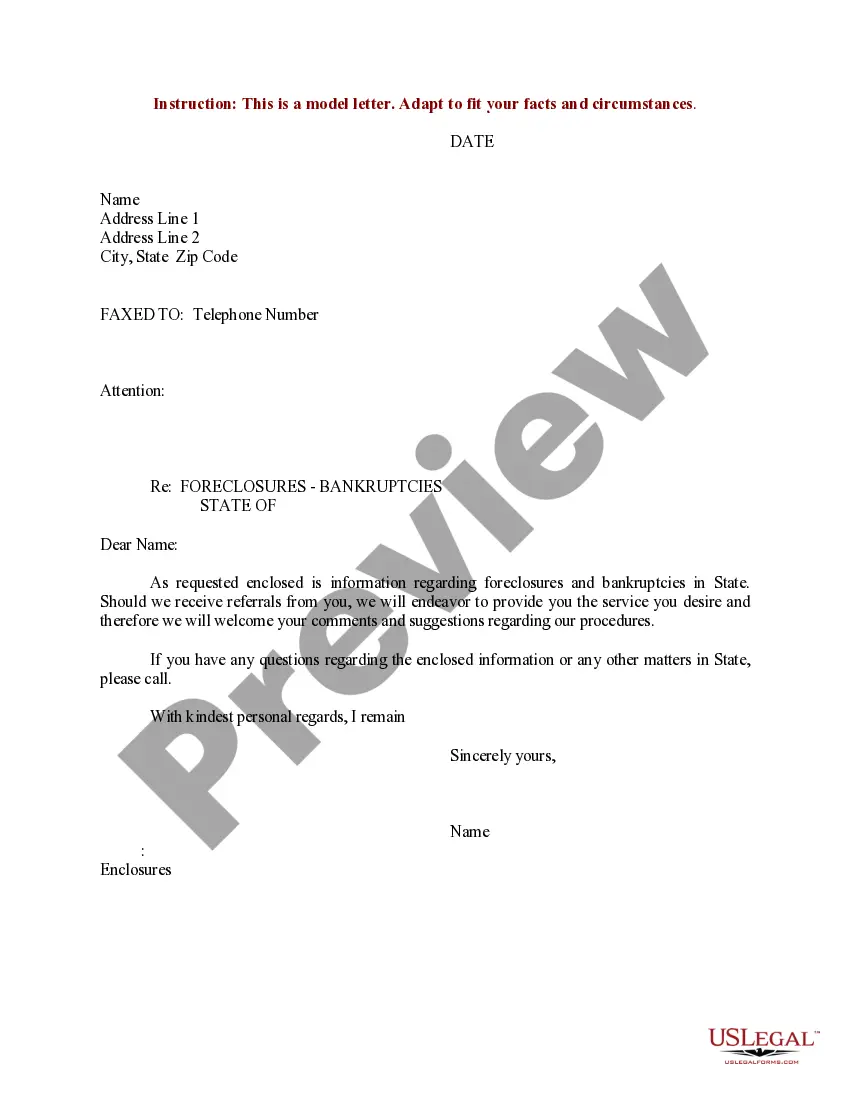
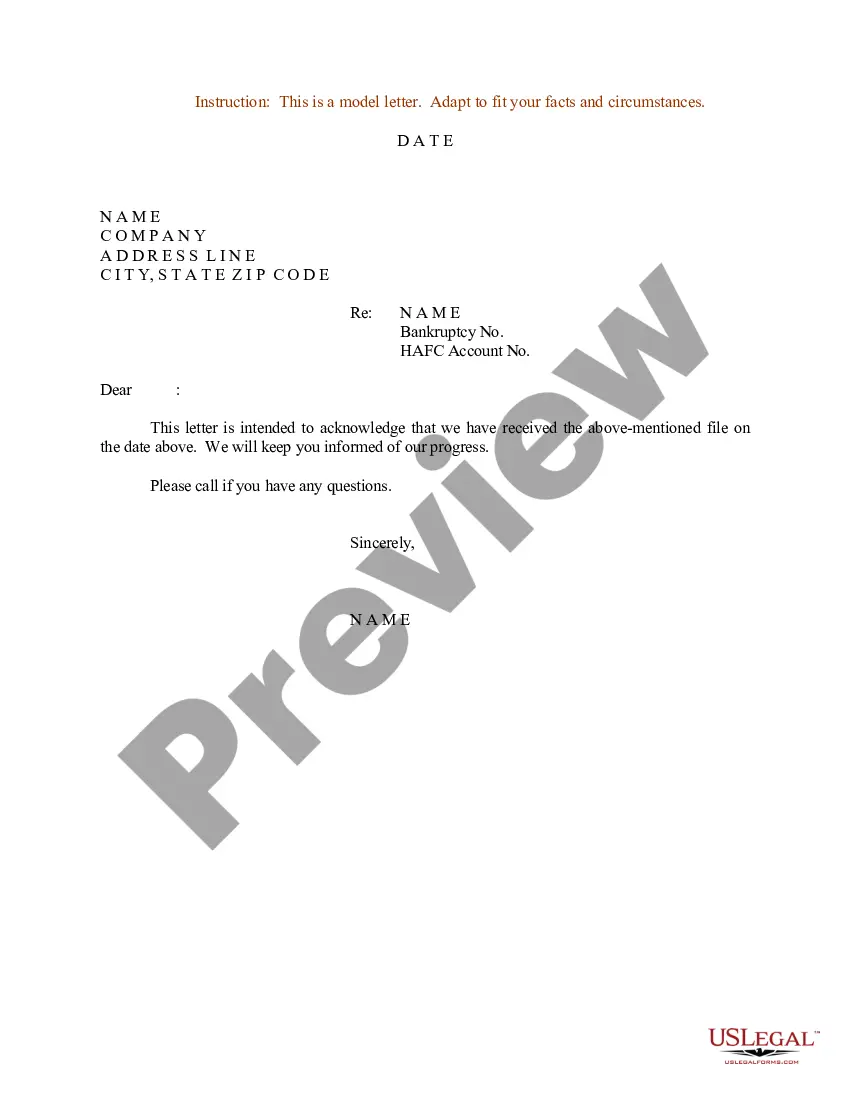
Get your form ready online
Our built-in tools help you complete, sign, share, and store your documents in one place.
Make edits, fill in missing information, and update formatting in US Legal Forms—just like you would in MS Word.
Download a copy, print it, send it by email, or mail it via USPS—whatever works best for your next step.
Sign and collect signatures with our SignNow integration. Send to multiple recipients, set reminders, and more. Go Premium to unlock E-Sign.
If this form requires notarization, complete it online through a secure video call—no need to meet a notary in person or wait for an appointment.
We protect your documents and personal data by following strict security and privacy standards.

Make edits, fill in missing information, and update formatting in US Legal Forms—just like you would in MS Word.

Download a copy, print it, send it by email, or mail it via USPS—whatever works best for your next step.

Sign and collect signatures with our SignNow integration. Send to multiple recipients, set reminders, and more. Go Premium to unlock E-Sign.

If this form requires notarization, complete it online through a secure video call—no need to meet a notary in person or wait for an appointment.

We protect your documents and personal data by following strict security and privacy standards.
Looking for another form?
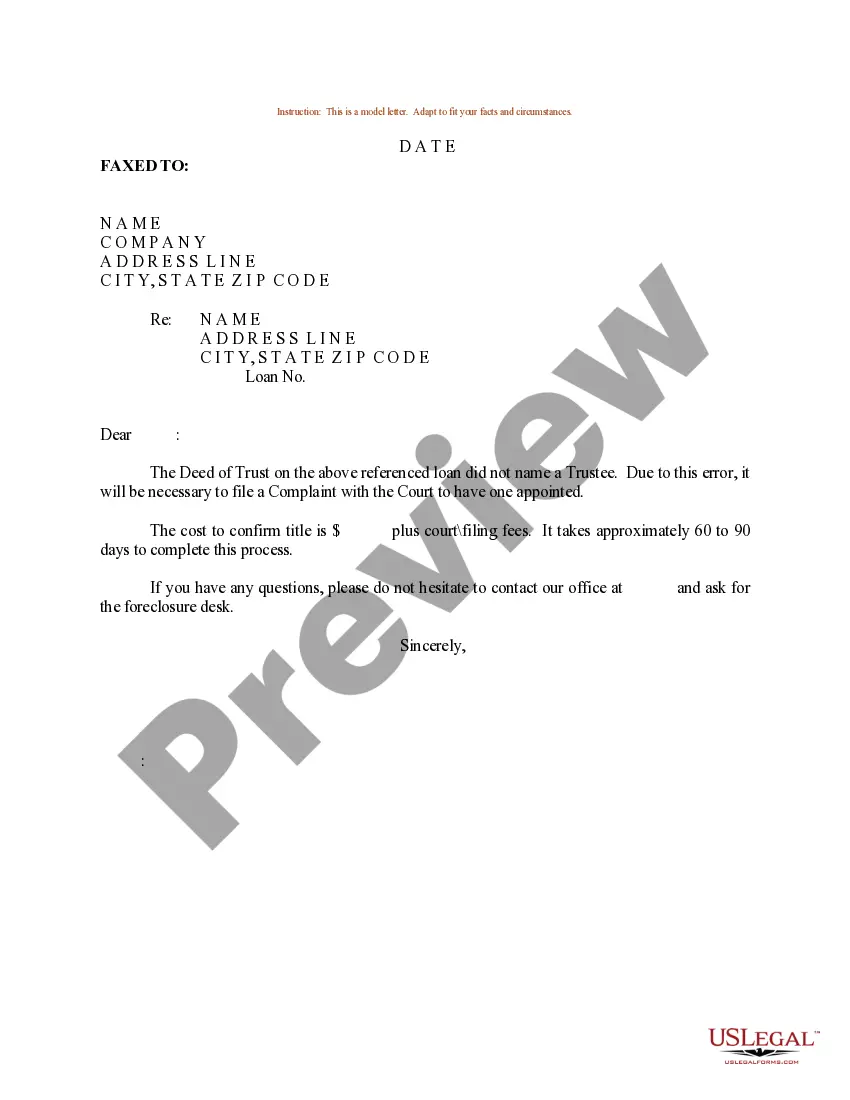
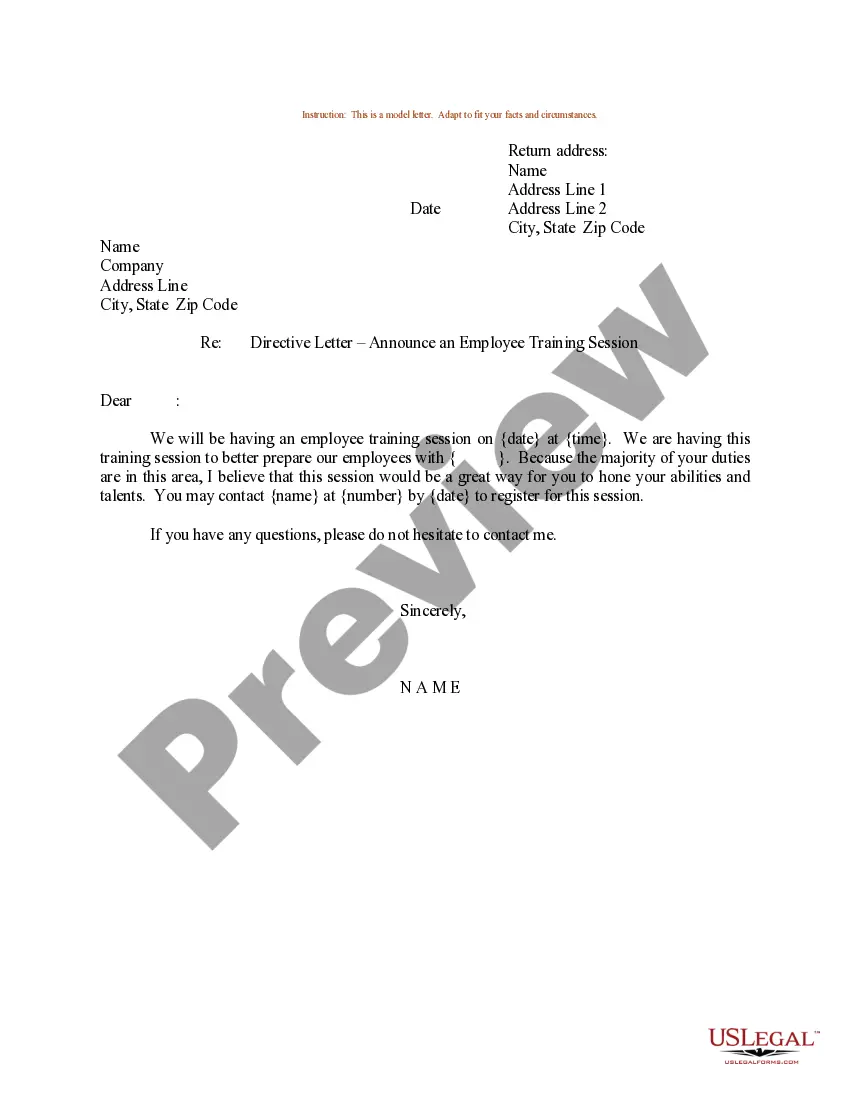
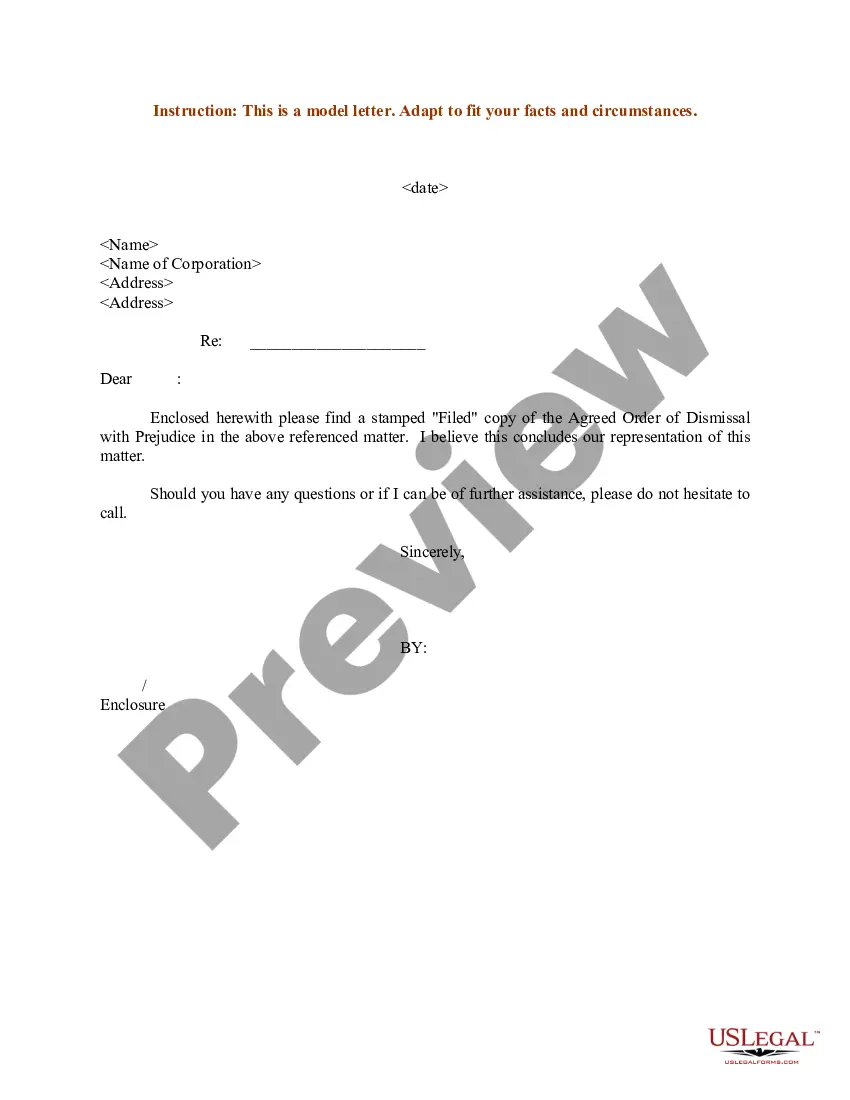

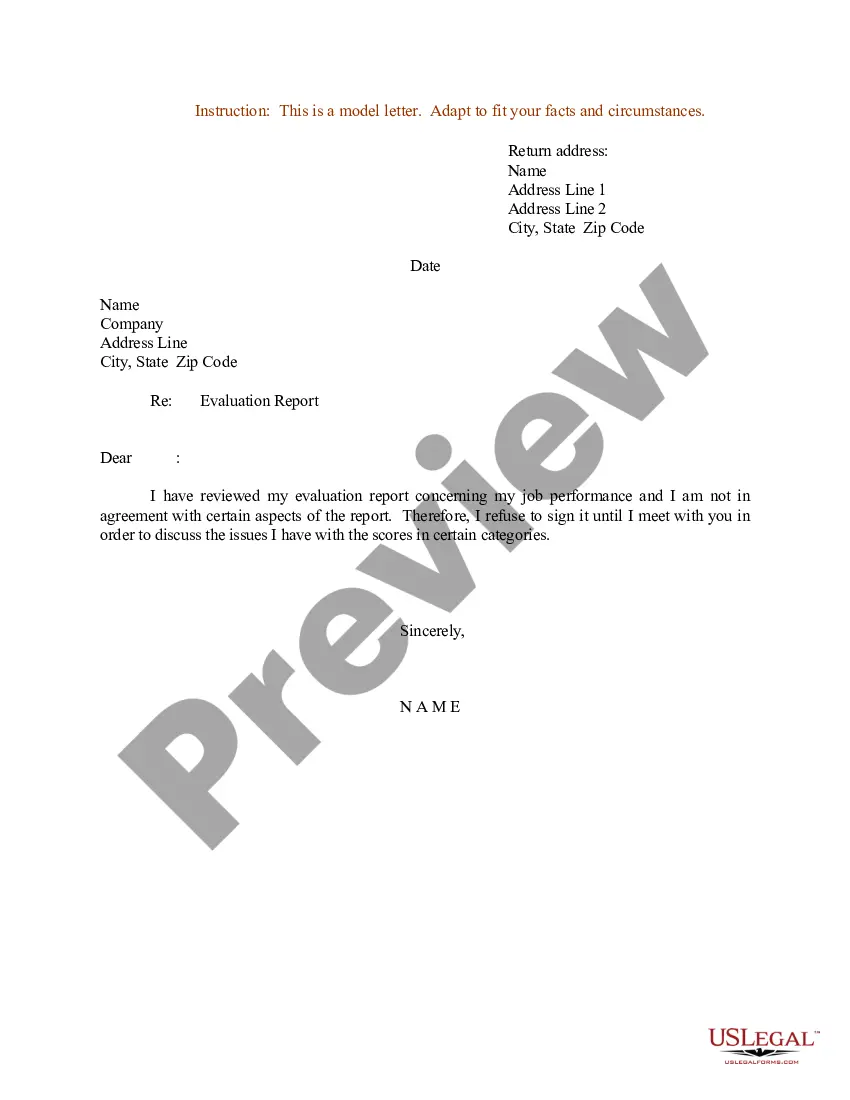
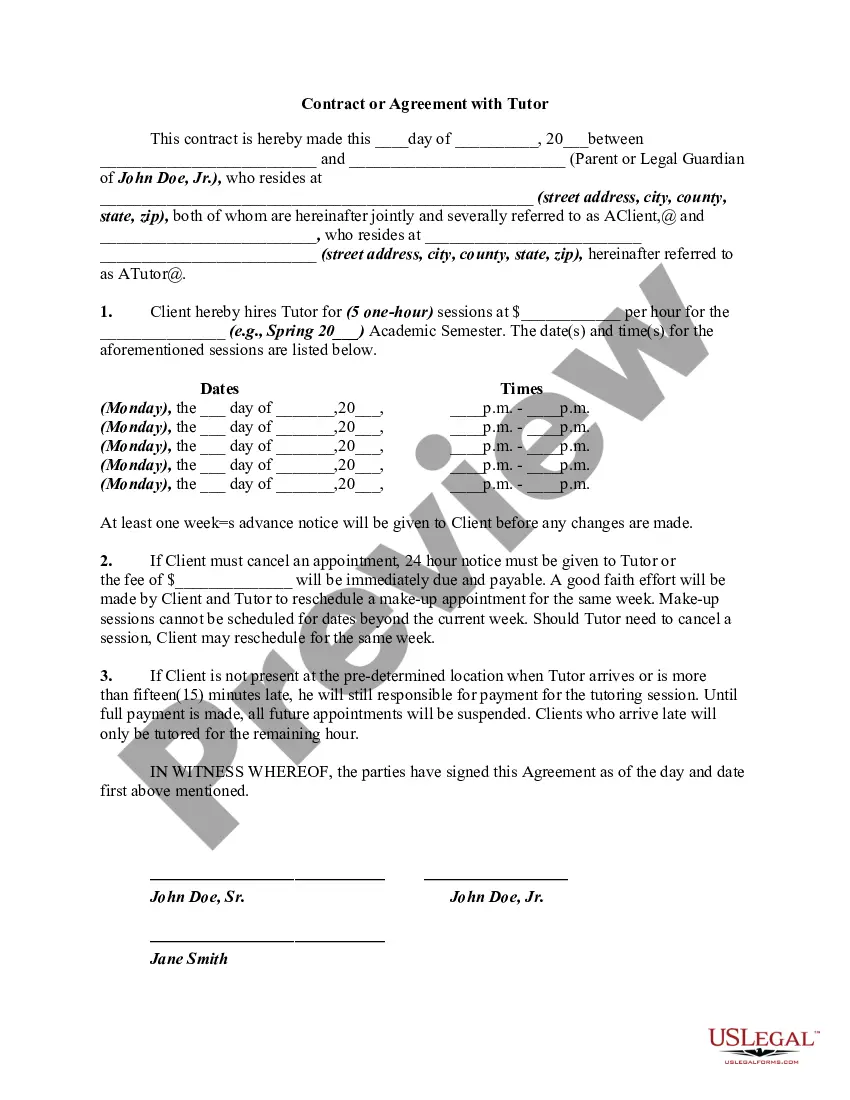
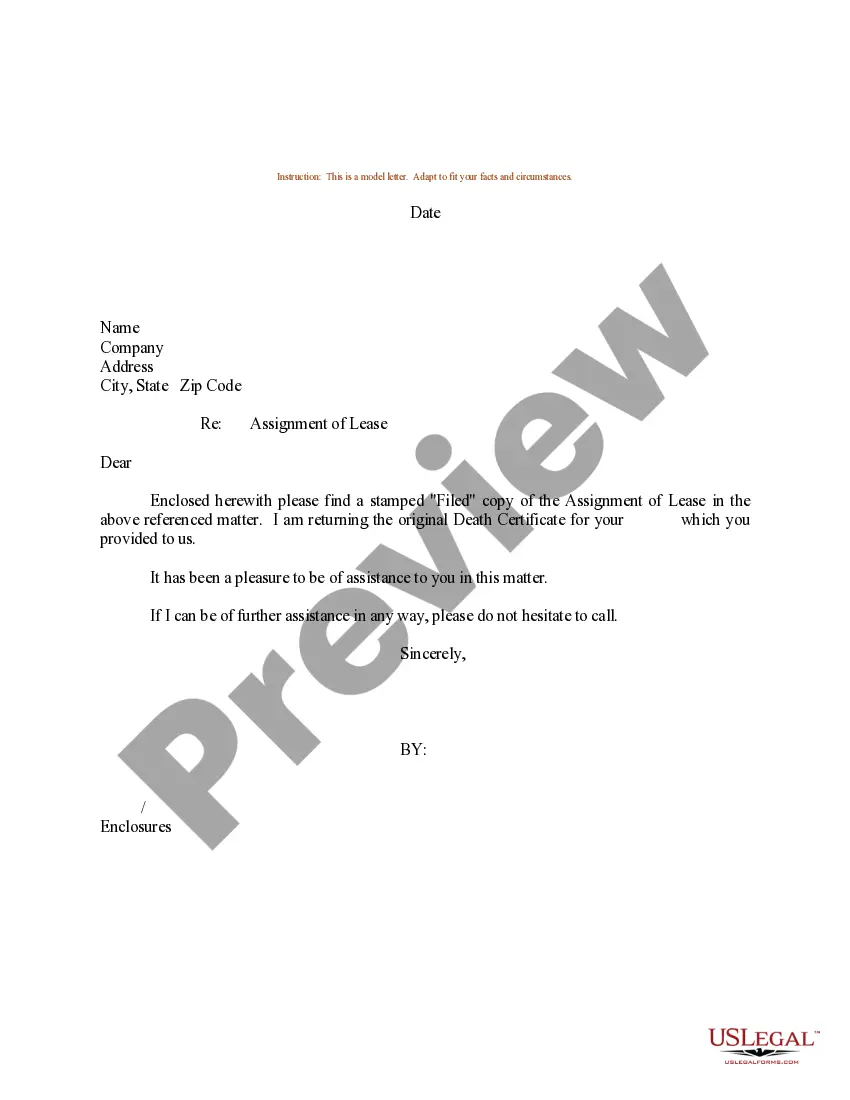
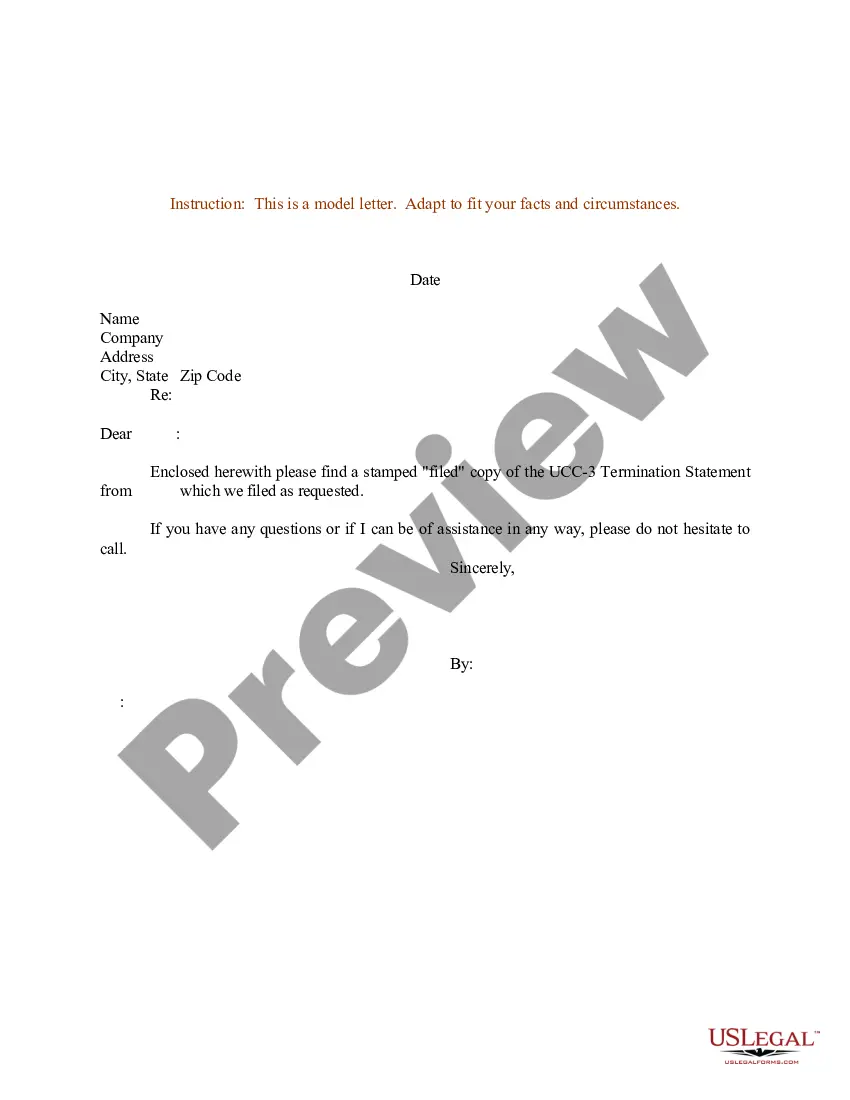
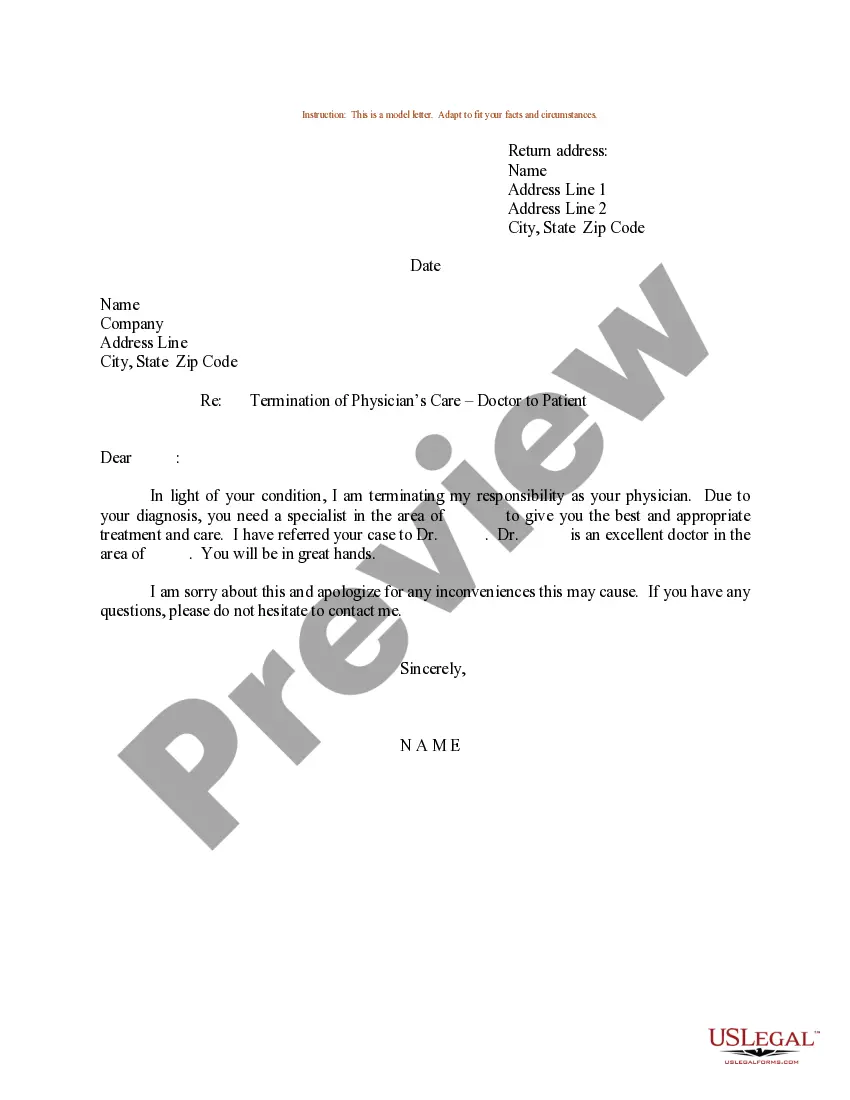
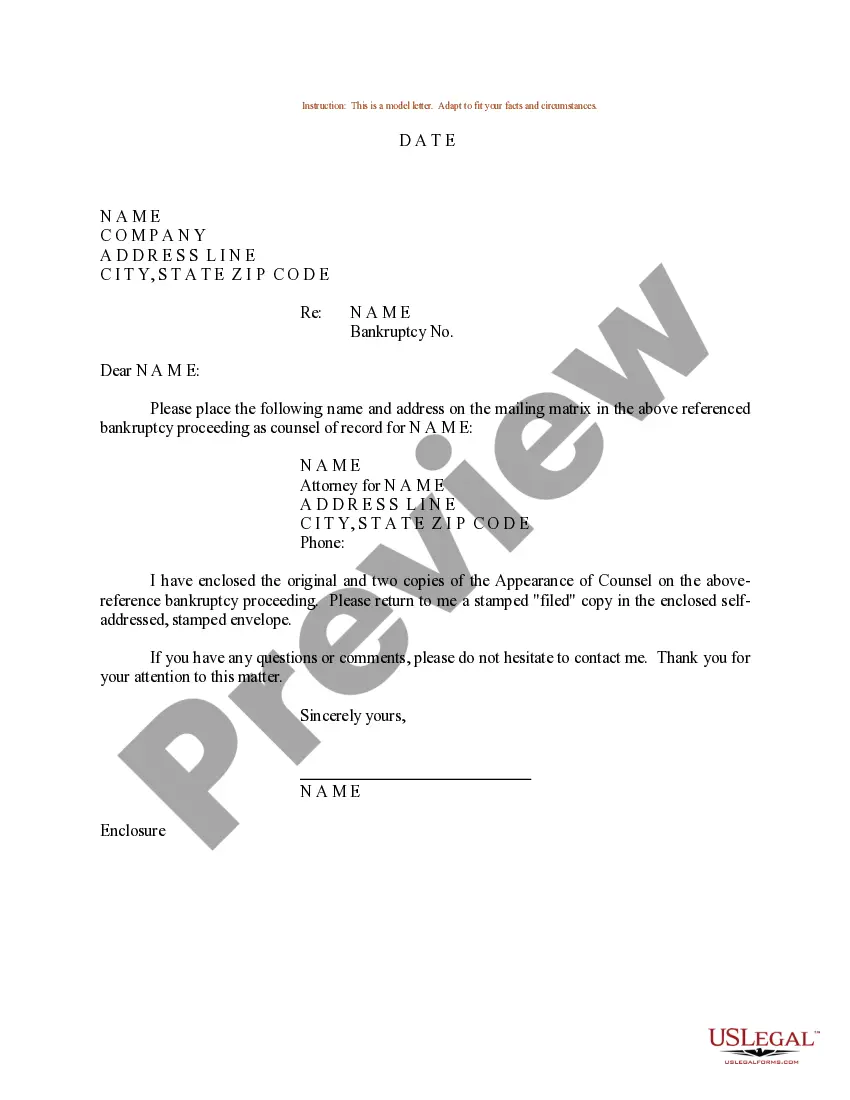
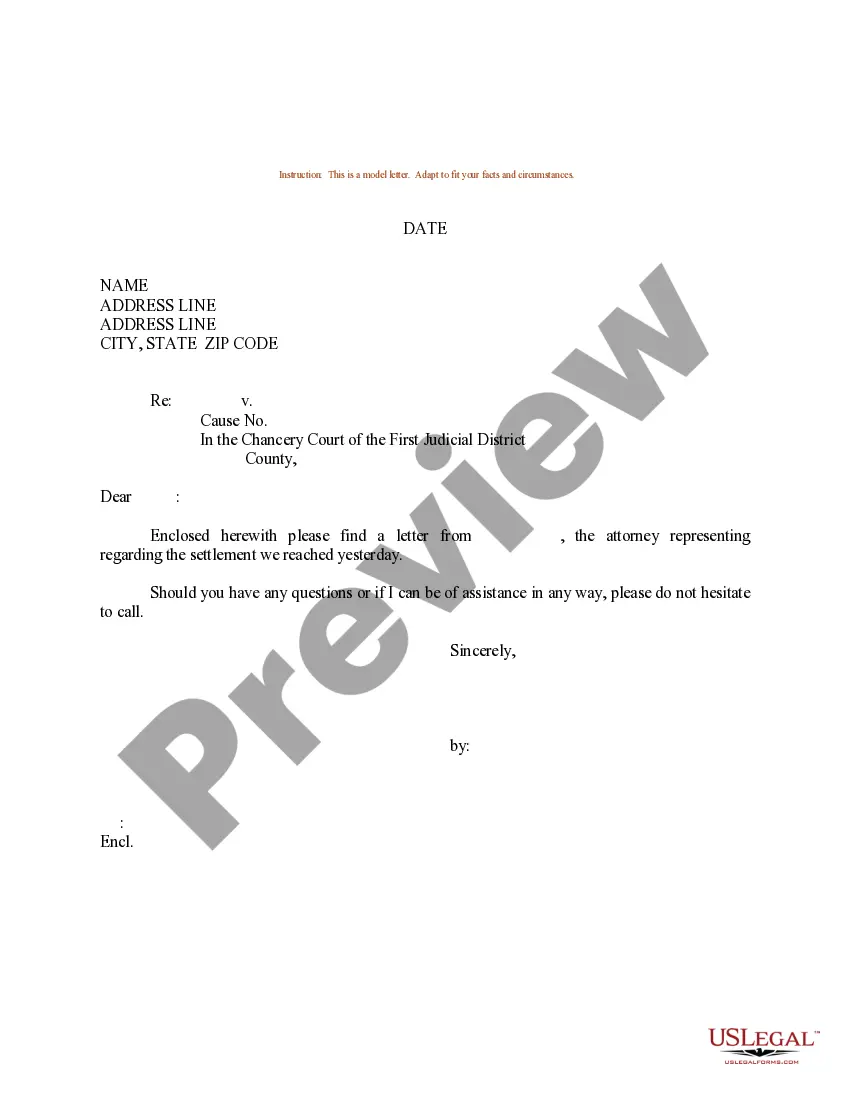
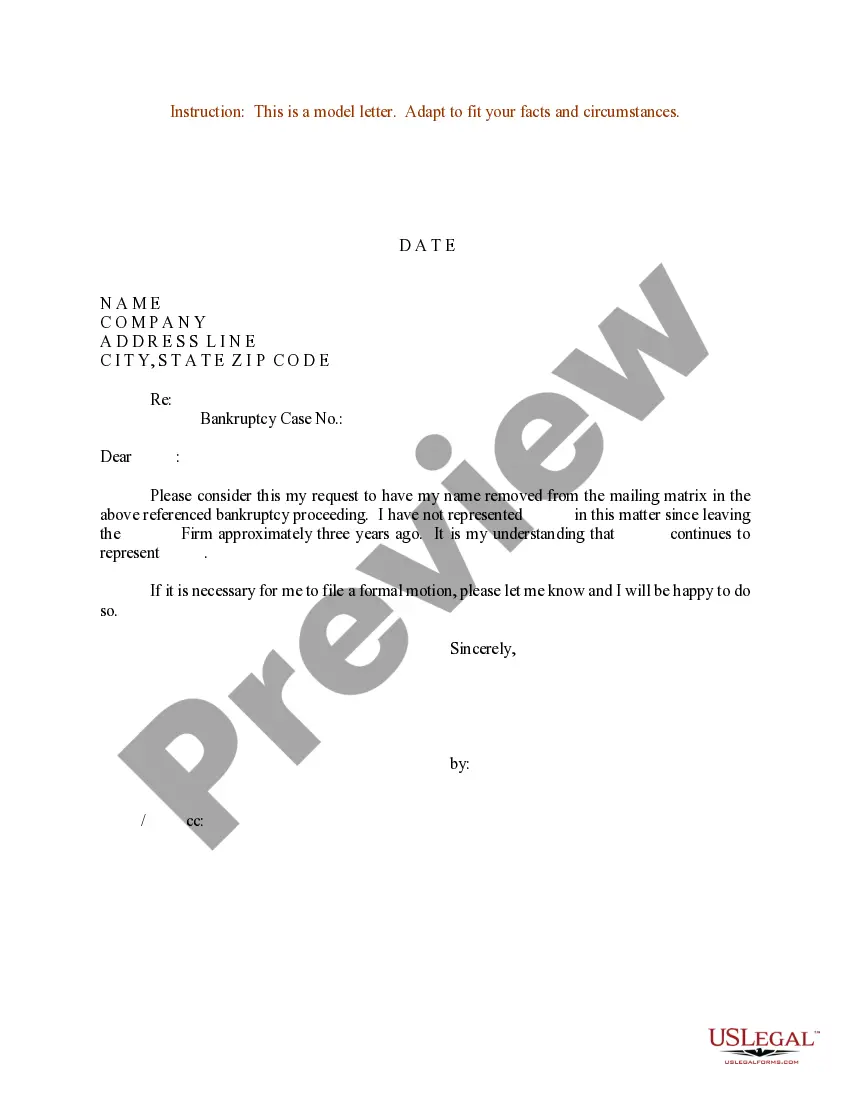
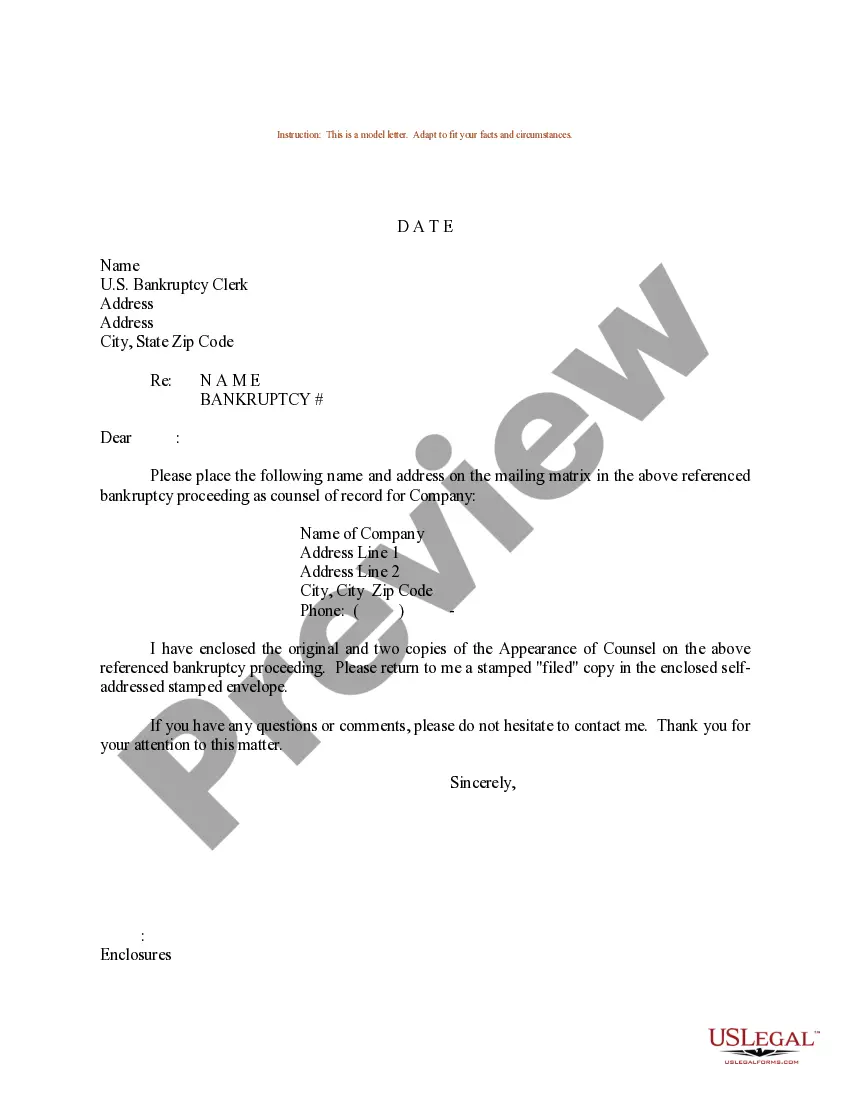
How to fill out Sample Letter For Appointment Of Attorney's Information On Mailing Matrix Concerning Bankruptcy Proceeding?
- Start by visiting the US Legal Forms website and logging in to your account. If you're new, create a free account first.
- Browse the preview mode and thoroughly review the form descriptions to ensure they meet your specific needs and local jurisdiction requirements.
- If you need a different template, use the search bar to find the correct document quickly.
- Select the document you want, click on the 'Buy Now' button, and choose your subscription plan.
- Proceed to purchase by entering your payment information through credit card or PayPal.
- Once your payment is confirmed, download your chosen form directly to your device for immediate use. Access it anytime through the 'My Forms' section of your profile.
With US Legal Forms, you not only gain access to an extensive collection of legal documents but also benefit from professional support to ensure your forms are correctly completed and legally valid.
Start your attorney analysis today by visiting US Legal Forms and experience the ease of managing your legal documents!
Form popularity
FAQ
The most common complaint lodged against attorneys revolves around lack of communication. Clients often feel frustrated when they perceive that their lawyer is not keeping them updated or responding timely. Addressing communication barriers is essential in enhancing client relationships. Regular attorney analysis can help identify and improve communication practices in legal settings.
The most frequent reason for attorney discipline involves violations of professional conduct rules, such as misrepresentation or neglecting a client’s case. These serious breaches can lead to sanctions and legal repercussions. Understanding these pitfalls through effective attorney analysis will enable lawyers to navigate their practice responsibly and ethically.
Unethical behavior for a lawyer includes failing to represent a client competently, charging exorbitant fees, and breaching client confidentiality. Such actions can result in disciplinary measures and lost licenses. It is essential for legal professionals to adhere to ethical standards to maintain the integrity of their practice and the legal system. Conducting an attorney analysis helps highlight areas where ethical standards may be at risk.
The three essential steps of legal analysis include identifying the legal issue, analyzing the relevant laws or case law, and applying this analysis to the facts of the current situation. This methodical approach helps ensure a thorough examination of the case at hand. By following these steps, a lawyer can provide valuable insights during an attorney analysis that leads to informed legal decisions.
The biggest complaint against lawyers often pertains to communication issues. Clients frequently express frustration over a lawyer's lack of responsiveness and failure to keep them informed about their cases. These complaints can significantly erode the attorney-client relationship. Addressing these concerns through effective attorney analysis can improve satisfaction and overall legal outcomes.
Writing a legal analysis involves a clear understanding of relevant laws, case precedents, and factual context. Start by identifying the legal issue, analyze how the law applies to the facts, and then conclude with reasoning that ties everything together. A well-structured attorney analysis helps clarify complex legal concepts and assists in legal decision-making. Utilizing platforms like US Legal Forms can aid in accessing templates and resources that enhance your legal writing.
Unethical attorney behavior can include conflicts of interest, misappropriation of client funds, and failure to communicate effectively with clients. These actions undermine client trust and can lead to serious disciplinary actions. Engaging in unethical behavior not only damages a lawyer's career but also affects the legal profession's integrity as a whole. Understanding these issues is crucial in any attorney analysis.
Top lawyers can bill anywhere from $500 to over $1,500 per hour, particularly in prestigious firms or highly specialized fields. Their rate often reflects their experience, reputation, and the depth of their attorney analysis. While this may seem steep, clients often find that the quality of service and results justifies the expense. Engaging a top-tier lawyer can provide critical insights and strategies when navigating complex legal matters.
Yes, some lawyers do earn $500,000 a year, especially those working in high-stakes fields like corporate law, intellectual property, or litigation. Their income often aligns with their expertise in areas that require comprehensive attorney analysis. However, earnings vary widely within the profession based on factors like location, the law firm's size, and the attorney's experience. Pursuing the right niche can significantly impact earning potential.
A legal analysis evaluates a situation by reviewing the facts and applying the law to those facts. It serves as a foundation for making informed legal decisions and predicting possible outcomes. In an attorney analysis, this process helps identify risks and opportunities for clients. Effective legal analysis can guide clients through potential legal challenges and improve their decision-making.