Appointment With Attorney
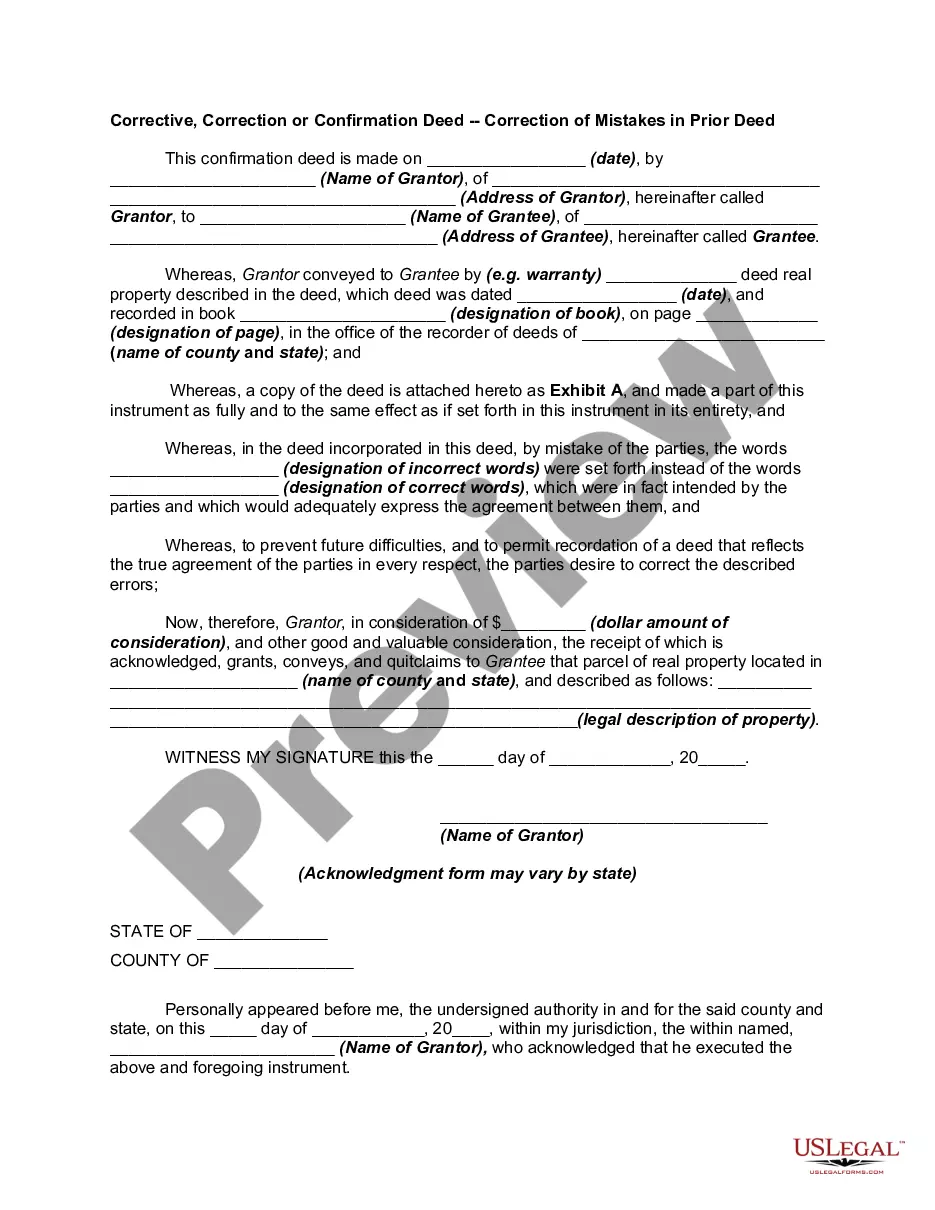
Description
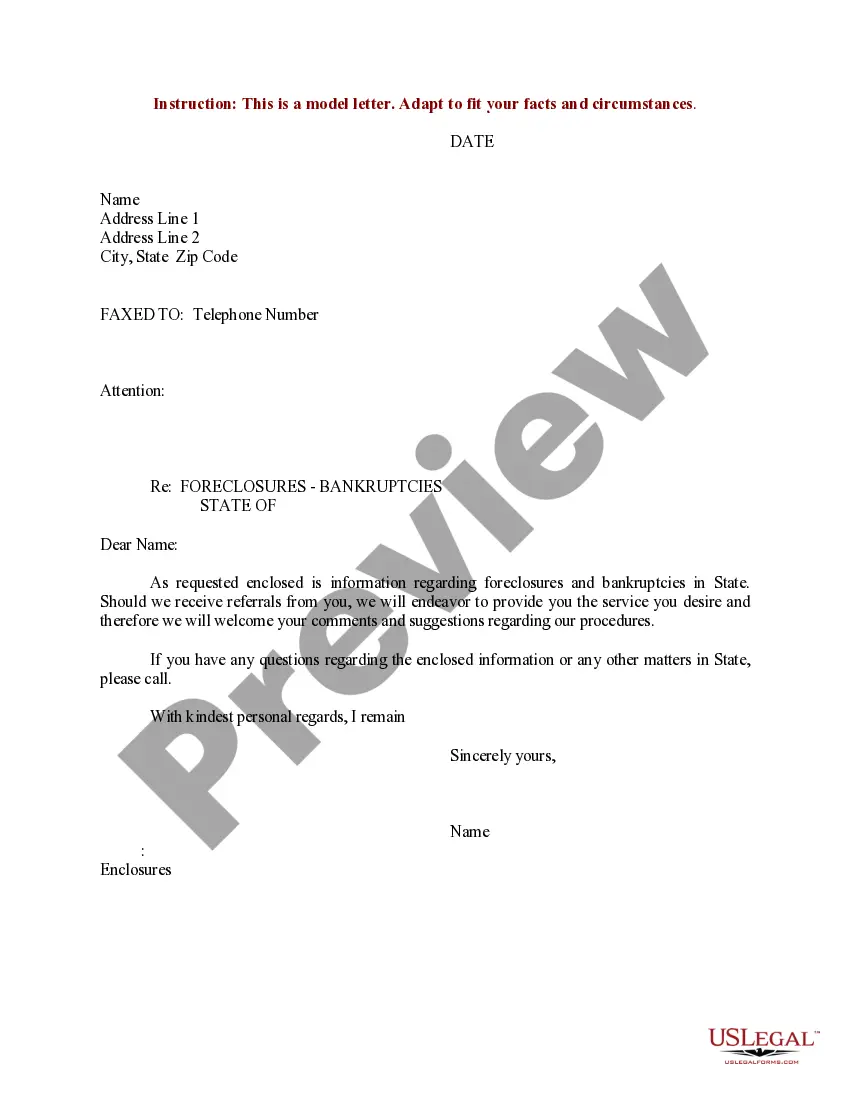
Get your form ready online
Our built-in tools help you complete, sign, share, and store your documents in one place.
Make edits, fill in missing information, and update formatting in US Legal Forms—just like you would in MS Word.
Download a copy, print it, send it by email, or mail it via USPS—whatever works best for your next step.
Sign and collect signatures with our SignNow integration. Send to multiple recipients, set reminders, and more. Go Premium to unlock E-Sign.
If this form requires notarization, complete it online through a secure video call—no need to meet a notary in person or wait for an appointment.
We protect your documents and personal data by following strict security and privacy standards.

Make edits, fill in missing information, and update formatting in US Legal Forms—just like you would in MS Word.

Download a copy, print it, send it by email, or mail it via USPS—whatever works best for your next step.

Sign and collect signatures with our SignNow integration. Send to multiple recipients, set reminders, and more. Go Premium to unlock E-Sign.

If this form requires notarization, complete it online through a secure video call—no need to meet a notary in person or wait for an appointment.

We protect your documents and personal data by following strict security and privacy standards.
Looking for another form?
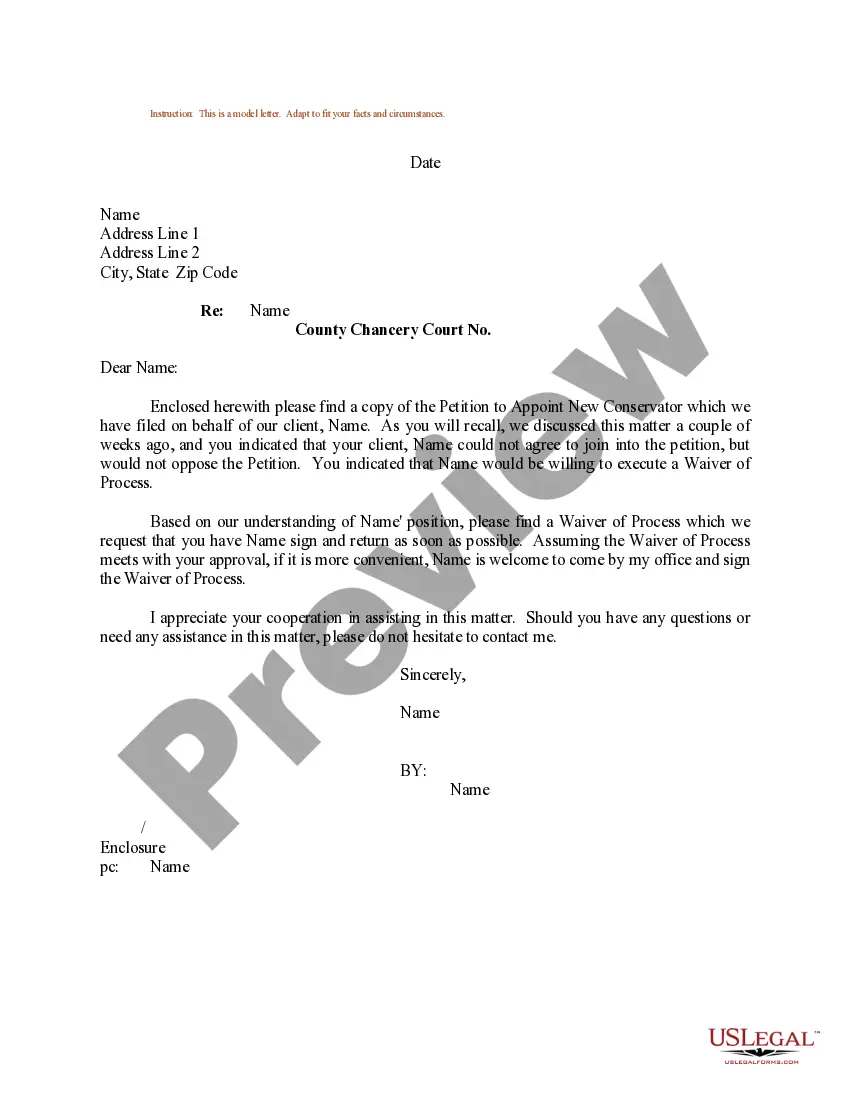

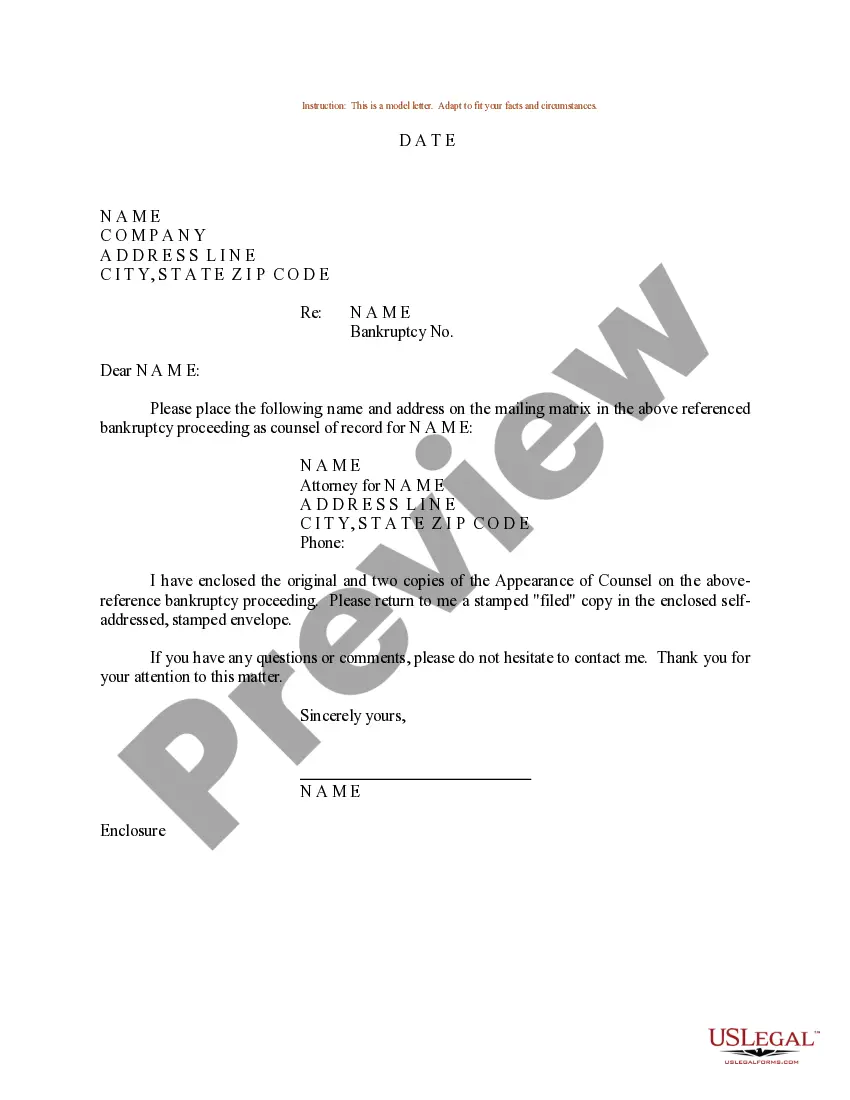
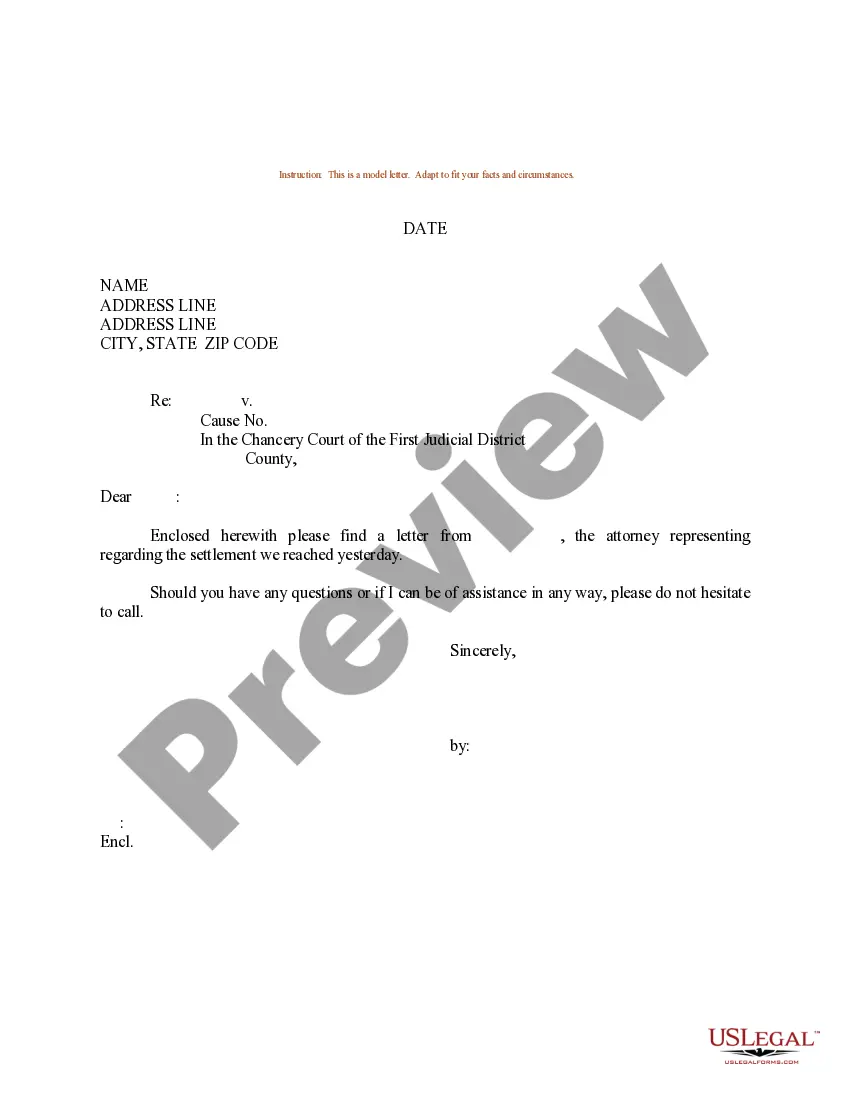
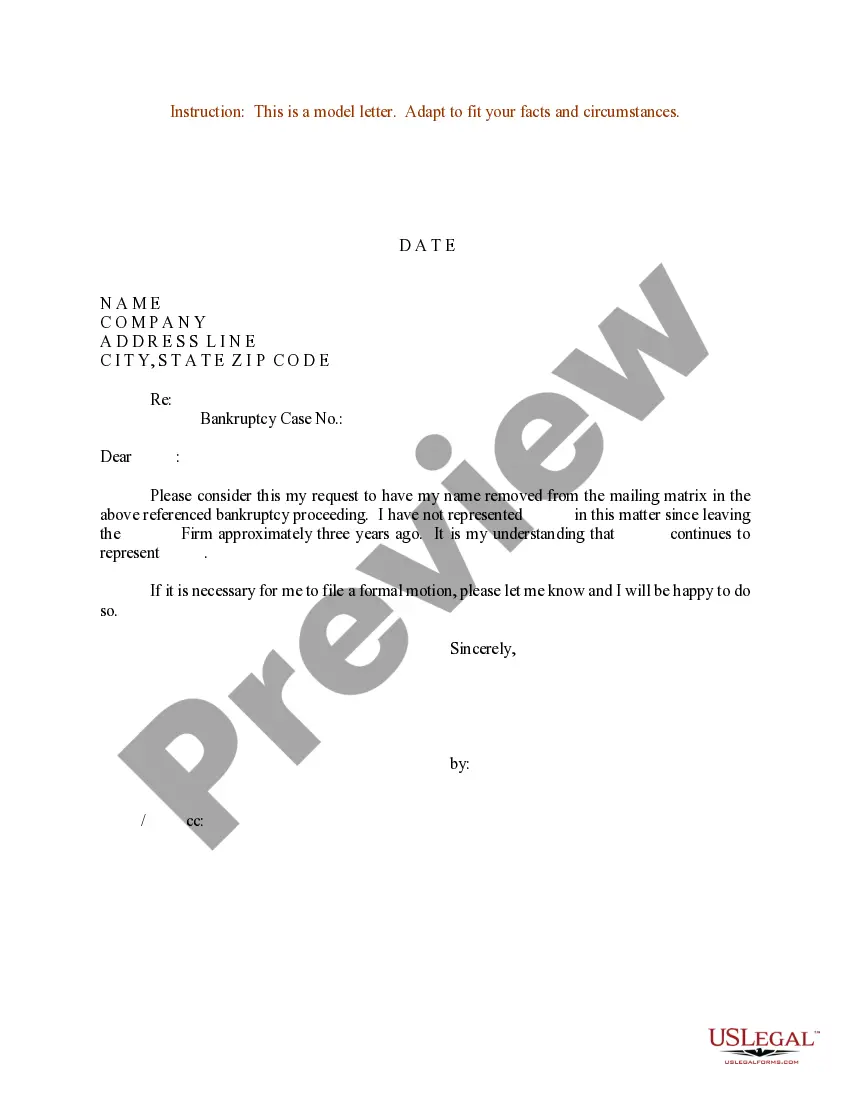
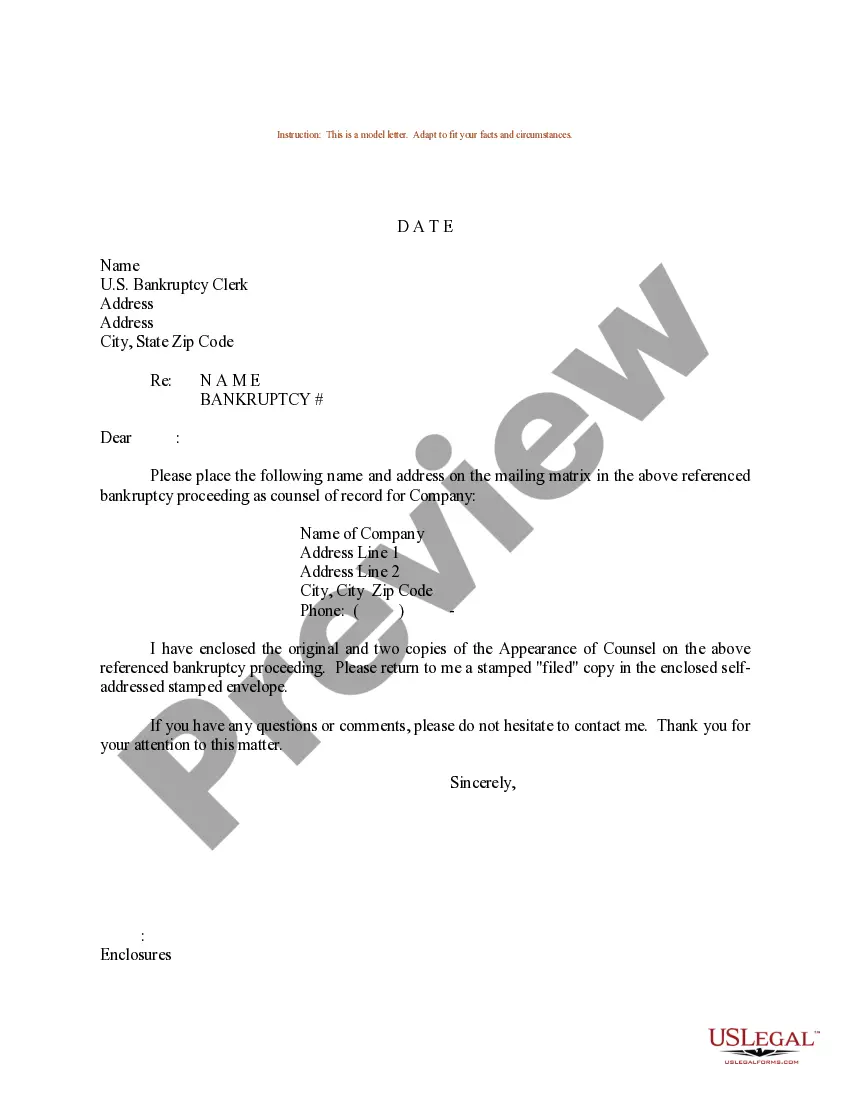
How to fill out Sample Letter For Appointment Of Attorney's Information On Mailing Matrix Concerning Bankruptcy Proceeding?
- If you're a returning user, log in to your account. Verify that your subscription is current; if not, renew it as needed.
- If it's your first time, begin by browsing the extensive library to find the correct document that fits your legal requirements.
- Preview the needed form thoroughly to ensure it aligns with your local jurisdiction's needs.
- If the chosen document does not meet your expectations, utilize the Search tab to locate a different template.
- Click the Buy Now button to select your preferred subscription plan and create your account for full access to the library.
- Enter your payment information via credit card or PayPal, completing the purchase.
- Download the necessary form to your device and access it anytime through the My documents section.
By following these steps, you can effortlessly secure your appointment with an attorney, ensuring all necessary documentation is correctly prepared.
Start your journey to legal clarity today by visiting US Legal Forms and discover how easy it is to navigate legal processes.
Form popularity
FAQ
Yes, you can talk to a lawyer without formally hiring them. Many attorneys offer initial consultations to discuss your situation and provide guidance. This is an excellent opportunity to determine if you would like to proceed with an appointment with an attorney for further legal representation or advice.
When you begin talking to a lawyer, start by stating your name and the purpose of your appointment with an attorney. Clearly explain your situation or legal issue, and be prepared to share any relevant details. This straightforward approach helps the lawyer understand your needs quickly and allows you to receive the guidance you require.
To contact a lawyer for the first time, start by researching attorneys who specialize in your area of need. You can often find contact information on their websites or through legal directories. Once you have a few options, reach out directly via phone or email and mention that you're looking to schedule an appointment with an attorney to discuss your legal matters.
When you meet a lawyer, a friendly 'Hello' or 'Hi' works well. You may also want to introduce yourself and mention why you're seeking an appointment with an attorney. This can help set a positive tone for your interaction. Remember, a good first impression can pave the way for effective communication.
A crucial question to ask during your appointment with an attorney is, 'What are the potential outcomes of my case?' Understanding the lawyer's perspective can provide you with insight into your situation. You might also ask about their experience with similar cases. This dialogue helps you gauge their expertise and ensures you have realistic expectations moving forward.
The proper way to refer to an attorney is generally by their title, followed by their last name, such as 'Attorney Smith'. In informal settings, you might use their first name if they permit it. It's always best to observe how the attorney introduces themselves during your appointment. That way, you can maintain a respectful tone while establishing rapport.
When reaching out to a lawyer, it helps to express your concerns clearly and succinctly. A sample message might be, 'I would like to schedule an appointment with an attorney to discuss my legal situation regarding...'. This shows you value their time and expertise, allowing for an efficient conversation. Keeping your message straightforward enables the attorney to prepare for your meeting effectively.
In the U.S., a lawyer may be called an attorney or an attorney-at-law, reflecting their licensed status to practice law. During your appointment with an attorney, it is appropriate to refer to them simply as 'attorney' or by their first name if they invite you to do so. The choice of terms often depends on the context and the relationship you develop. Always be respectful in your address.
Preparing for your first appointment with an attorney can make the process smoother. Gather all relevant documents and information about your case, including any correspondence related to the issue. Write down your goals and any questions you have, ensuring you get the most out of your time with the attorney. This preparation will help you have a clear and productive conversation.
When you set up an appointment with an attorney, start by expressing your specific legal needs. Clearly state the area of law you're concerned about, such as family law, criminal law, or business law. This way, the lawyer can advise you on what type of legal expert you need. You can inquire directly, asking something like, 'What type of lawyer handles cases like mine?'