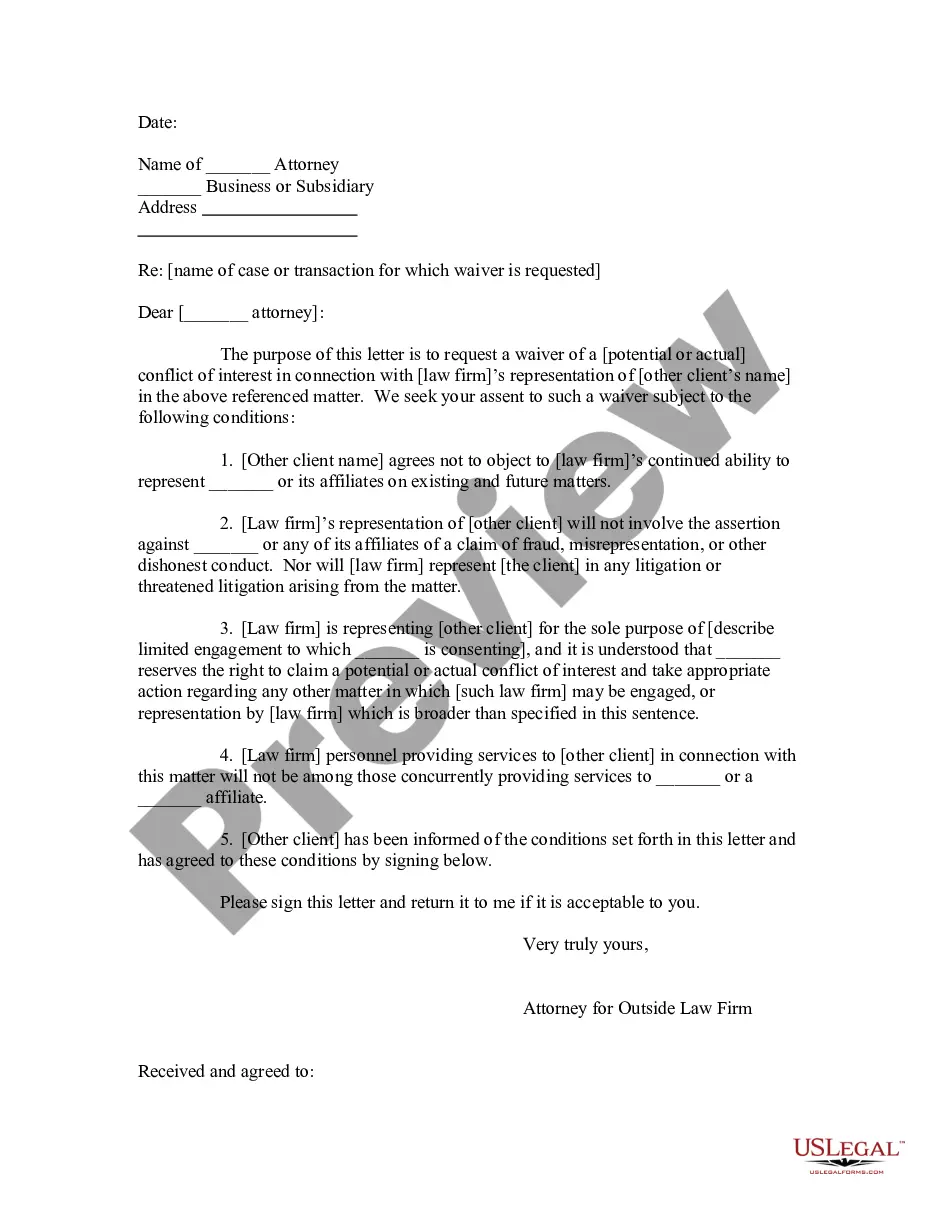
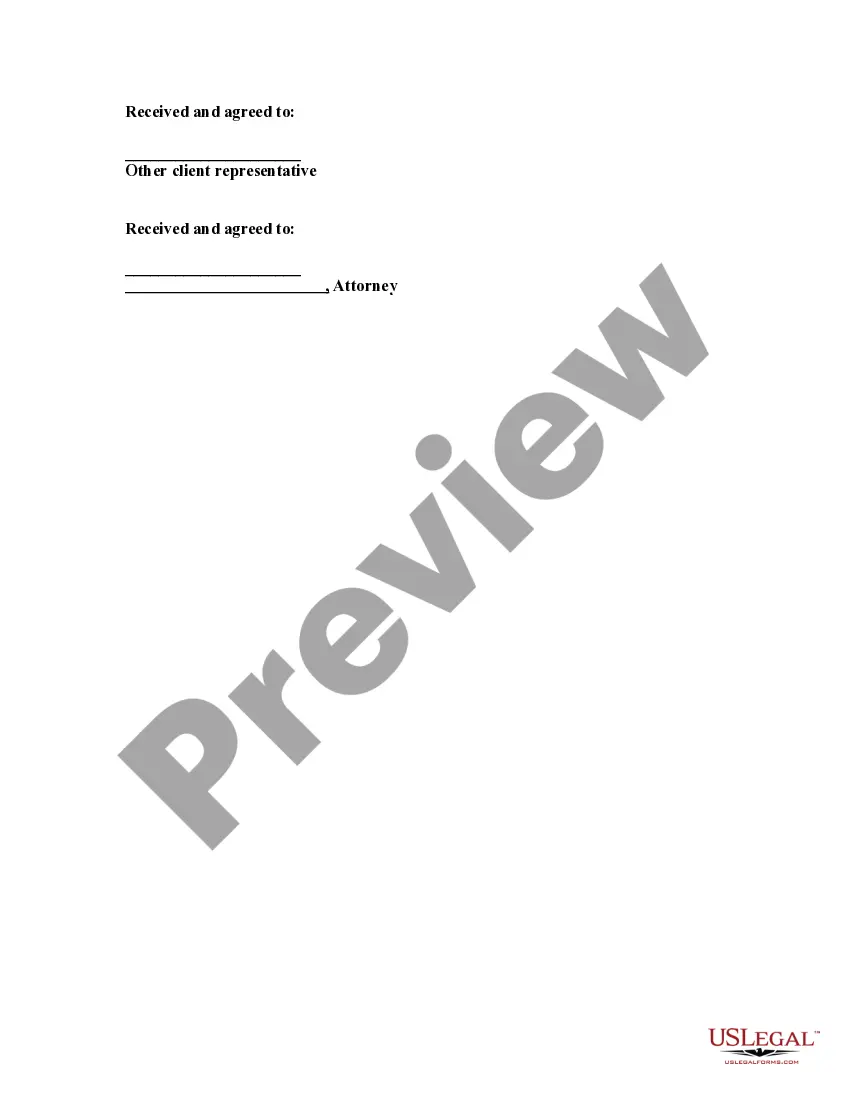
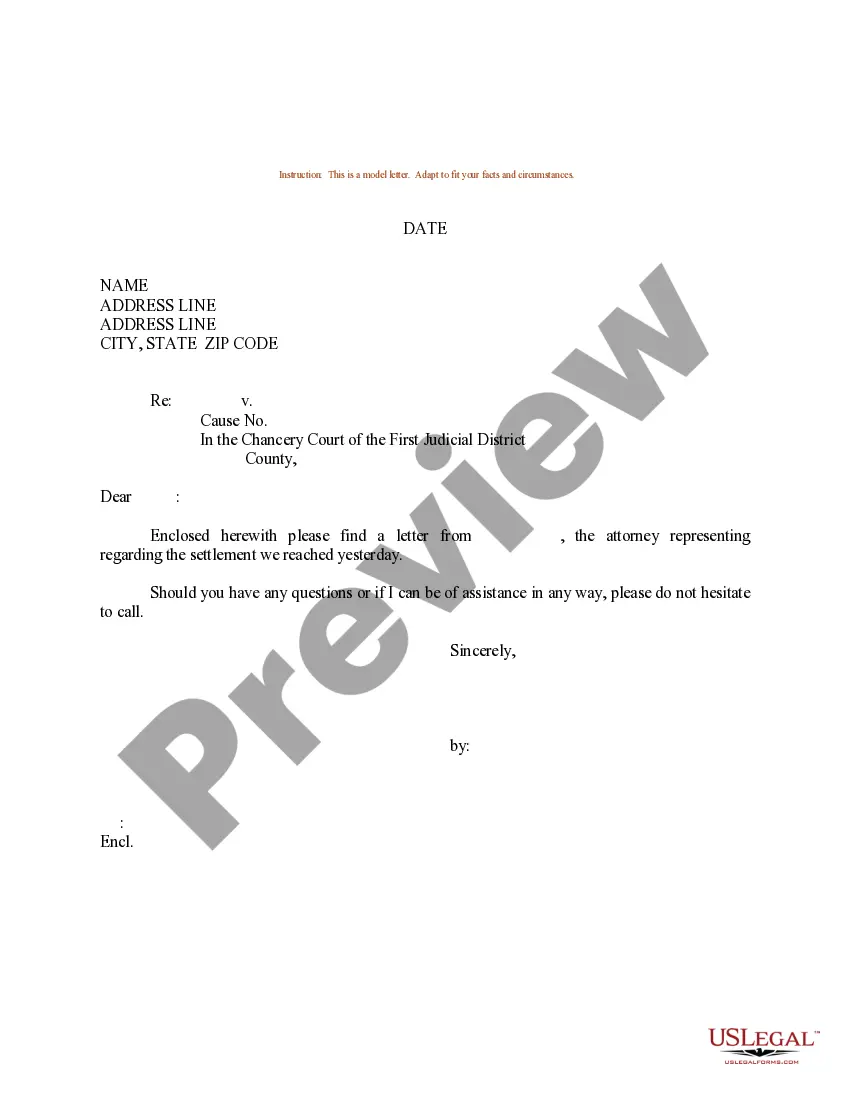
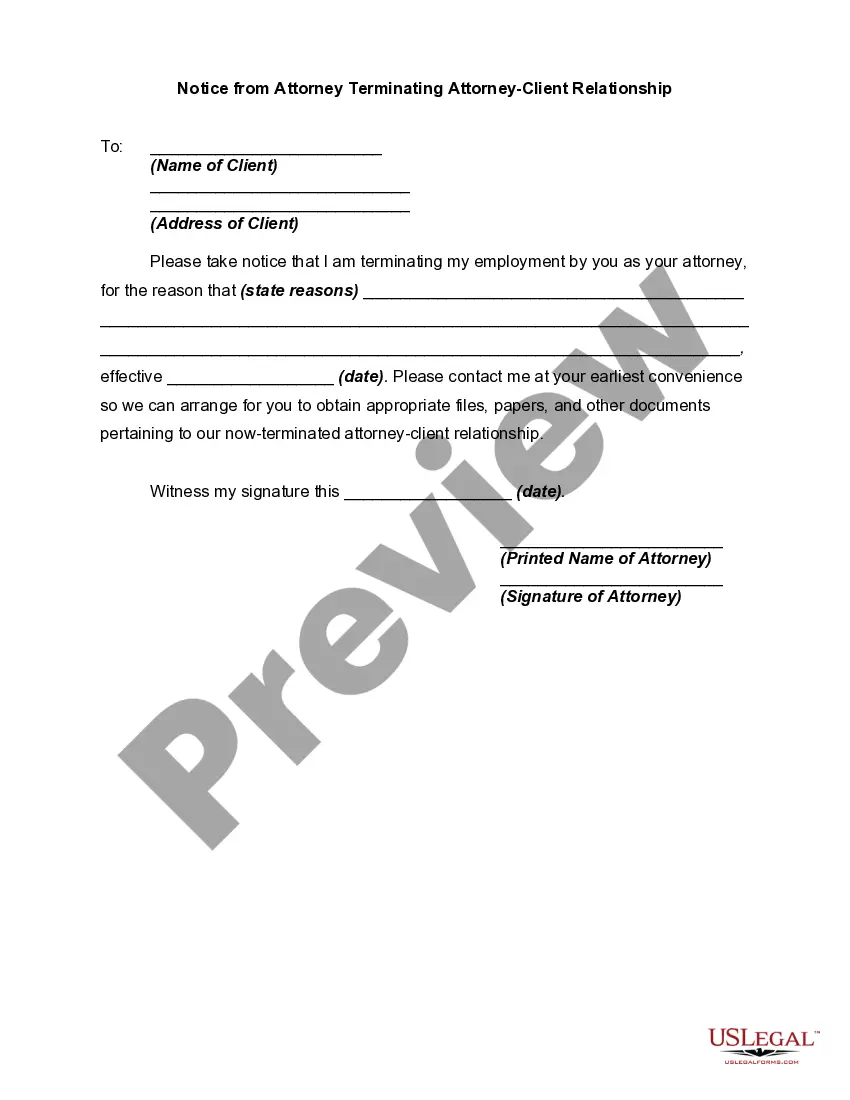
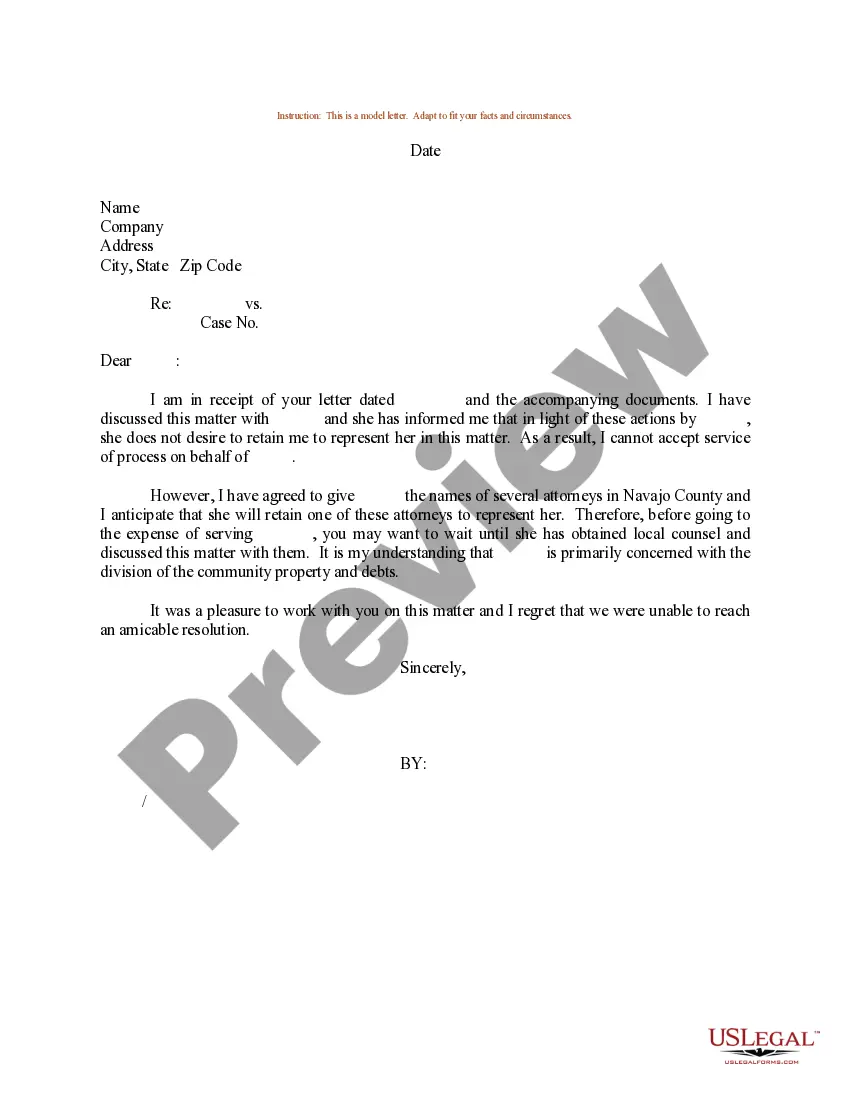
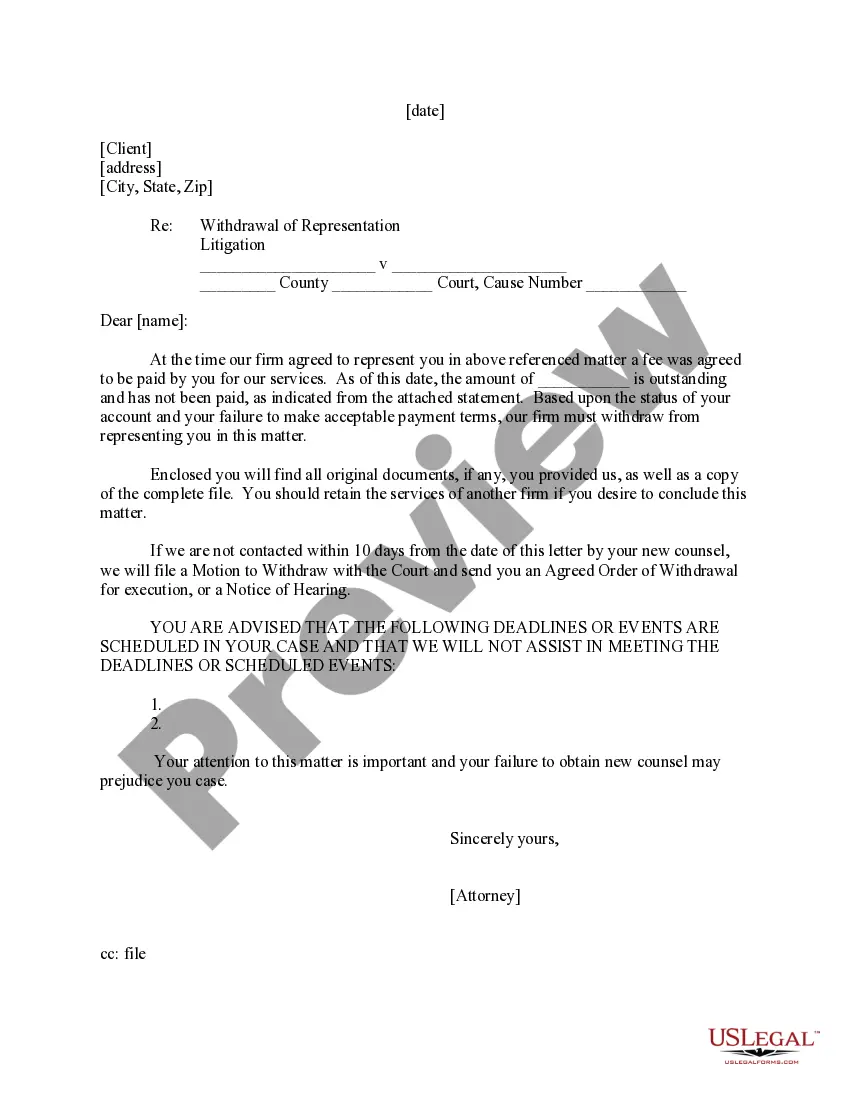
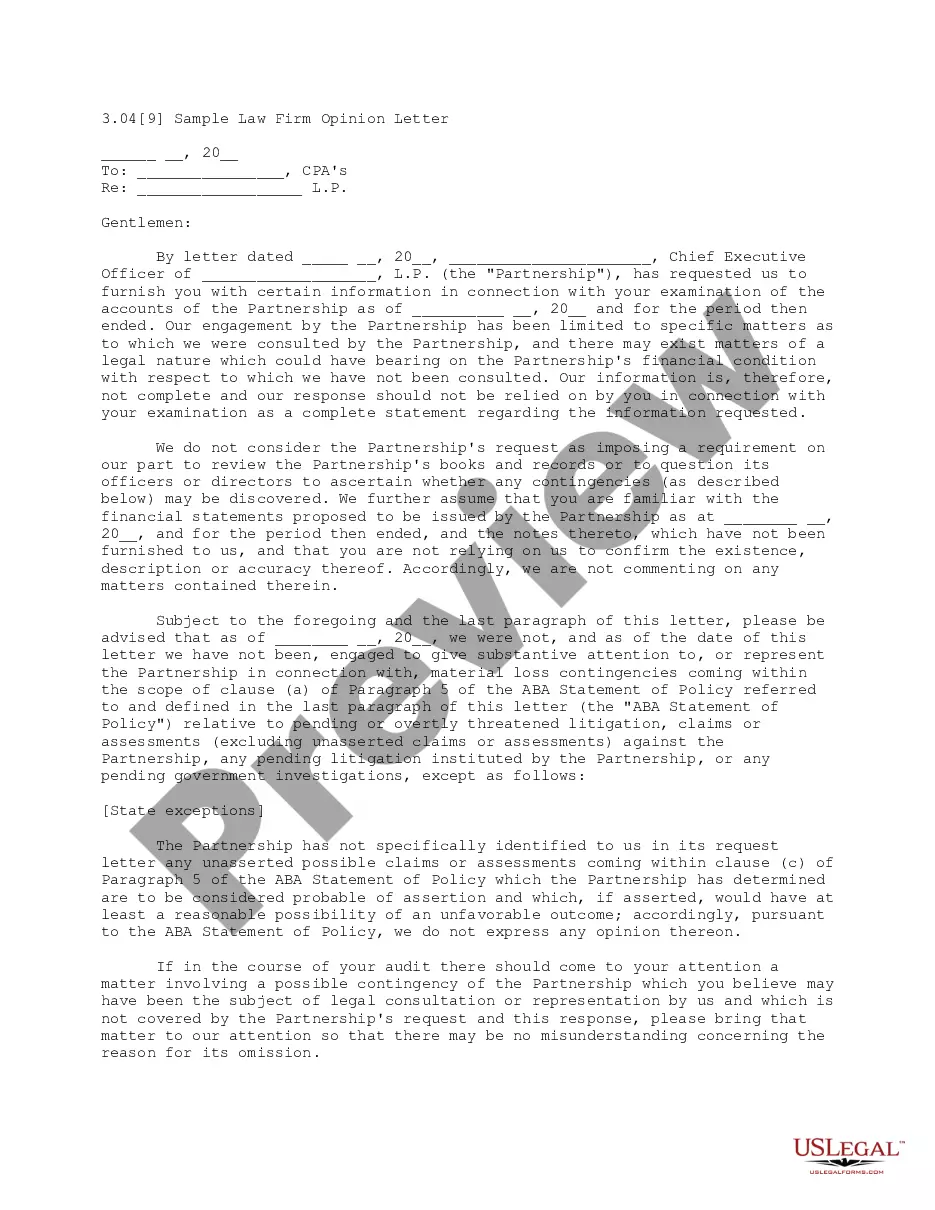
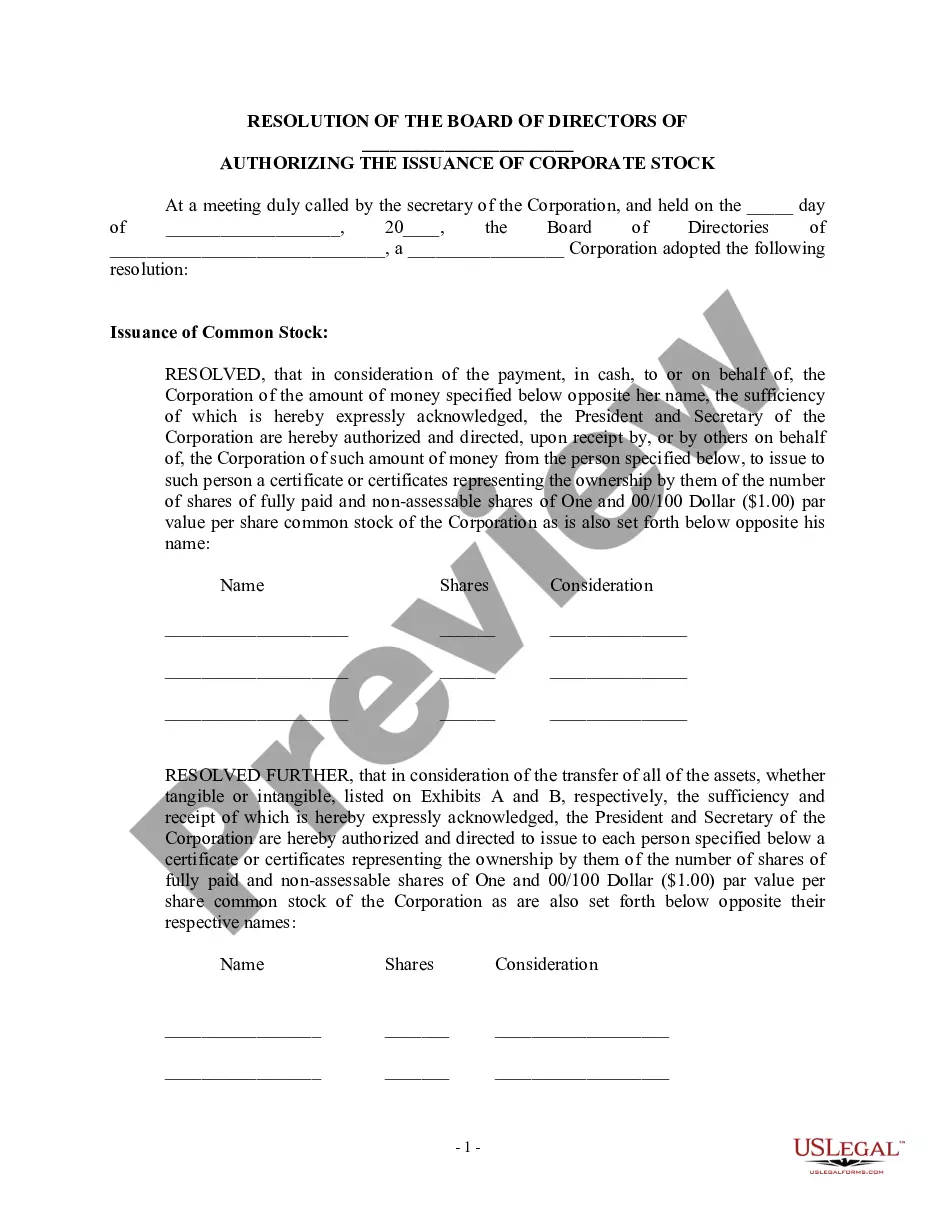
Formal Waiver Letter Example
Description
Get your form ready online
Our built-in tools help you complete, sign, share, and store your documents in one place.
Make edits, fill in missing information, and update formatting in US Legal Forms—just like you would in MS Word.
Download a copy, print it, send it by email, or mail it via USPS—whatever works best for your next step.
Sign and collect signatures with our SignNow integration. Send to multiple recipients, set reminders, and more. Go Premium to unlock E-Sign.
If this form requires notarization, complete it online through a secure video call—no need to meet a notary in person or wait for an appointment.
We protect your documents and personal data by following strict security and privacy standards.

Make edits, fill in missing information, and update formatting in US Legal Forms—just like you would in MS Word.

Download a copy, print it, send it by email, or mail it via USPS—whatever works best for your next step.

Sign and collect signatures with our SignNow integration. Send to multiple recipients, set reminders, and more. Go Premium to unlock E-Sign.

If this form requires notarization, complete it online through a secure video call—no need to meet a notary in person or wait for an appointment.

We protect your documents and personal data by following strict security and privacy standards.
Looking for another form?








How to fill out Sample Attorney Conflict Of Interest Waiver Letter?
Whether for corporate reasons or for personal matters, everyone must confront legal scenarios at some stage in their life. Completing legal documentation requires meticulous attention, starting from choosing the appropriate form template. For example, when you select an incorrect version of a Formal Waiver Letter Example, it will be rejected upon submission. It is therefore vital to find a trustworthy source of legal documents like US Legal Forms.
If you need to acquire a Formal Waiver Letter Example template, adhere to these straightforward steps: Retrieve the sample you require by utilizing the search bar or catalog navigation. Review the form’s details to ensure it aligns with your case, state, and county. Click on the form’s preview to view it. If it is the incorrect form, return to the search function to find the Formal Waiver Letter Example sample you need. Download the document if it satisfies your requirements. If you already possess a US Legal Forms account, simply click Log in to access previously stored documents in My documents. If you don’t have an account yet, you may download the form by clicking Buy now. Select the appropriate pricing option. Complete the account registration form. Choose your payment method: utilize a credit card or PayPal account. Select the file format you prefer and download the Formal Waiver Letter Example. Once it is downloaded, you can fill out the form using editing software or print it and complete it manually.
With an extensive US Legal Forms catalog available, you do not have to waste time searching for the correct sample across the internet. Utilize the library’s straightforward navigation to locate the proper form for any circumstance.
- Retrieve the sample you require by utilizing the search bar or catalog navigation.
- Review the form’s details to ensure it aligns with your case, state, and county.
- Click on the form’s preview to view it.
- If it is the incorrect form, return to the search function to find the Formal Waiver Letter Example sample you need.
- Download the document if it satisfies your requirements.
- If you already possess a US Legal Forms account, simply click Log In to access previously stored documents in My documents.
- If you don’t have an account yet, you may download the form by clicking Buy now.
- Select the appropriate pricing option.
- Complete the account registration form.
- Choose your payment method: utilize a credit card or PayPal account.
- Select the file format you prefer and download the Formal Waiver Letter Example.
Form popularity
FAQ
Key Takeaways On How To Write A Waiver Choose a waiver template. Determine the type of activity or service. State the purpose of the waiver. Identify the risks. Include a title. Include customer information. Include waiver terms. Include a statement of understanding.
Components of a waiver Get help. Writing a waiver should not be complicated. ... Use the correct structure. Waivers should be written in a certain structure. ... Proper formatting. ... Include a subject line. ... Include a caution! ... Talk about the activity risks. ... Do not forget an assumption of risk. ... Hold harmless.
The following tips will help you: Ensure that your reasons for the waiver are valid. Your letter should not be emotional, only stick to the facts. Avoid writing about topics that is not relevant to your situation. Steer clear from any form of complaint.
Examples of waivers include the waiving of parental rights, waiving liability, tangible goods waivers, and waivers for grounds of inadmissibility. Waivers are common when finalizing lawsuits, as one party does not want the other pursuing them after a settlement is transferred.
Respected Sir, My name is Elisa William, belonging to a low-income family. I have completed high school, and now I wish to enter your college as it has always been my dream to study in this esteemed institution. However, my family's financial circumstances don't let me pay the application fee.