Testamentary Trust Sample Template
Description
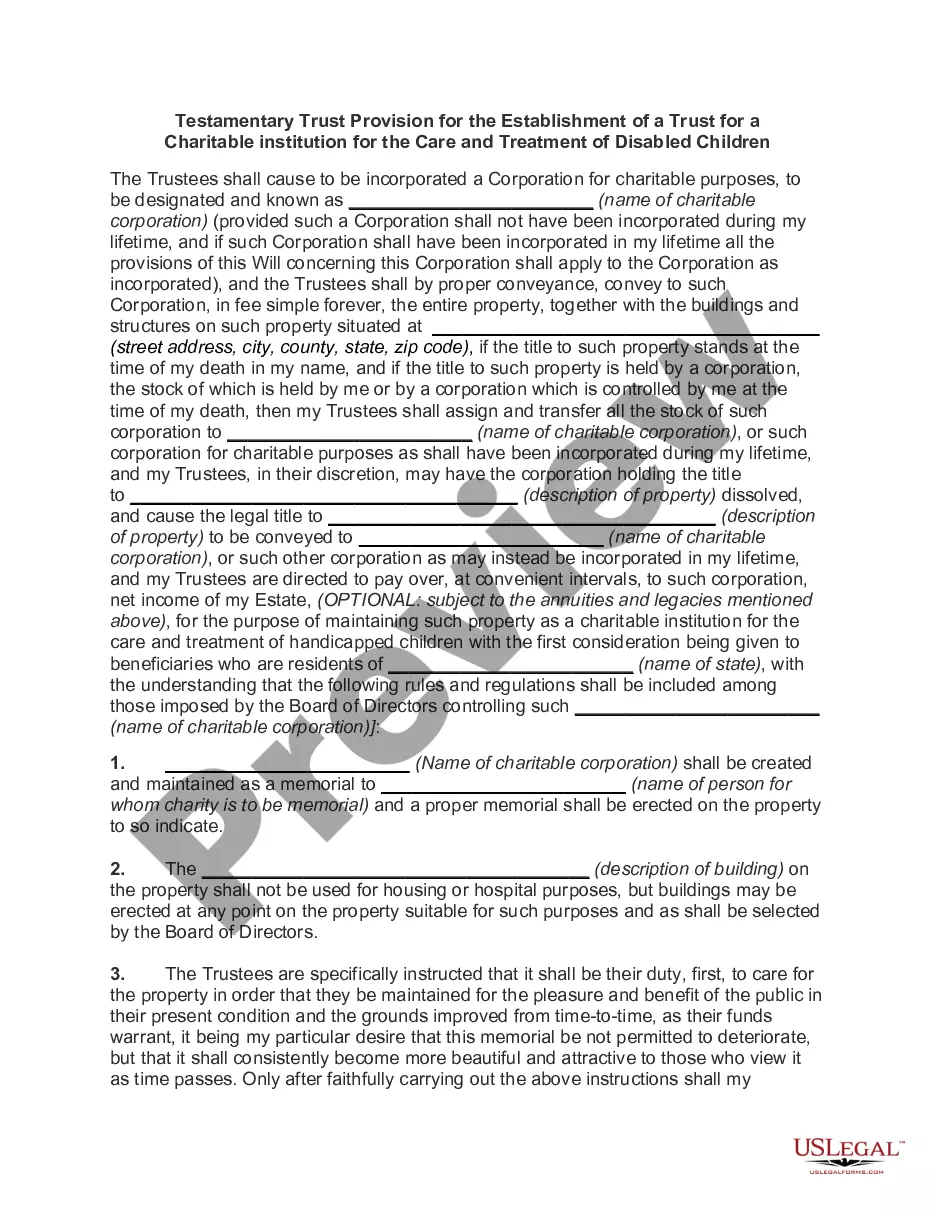
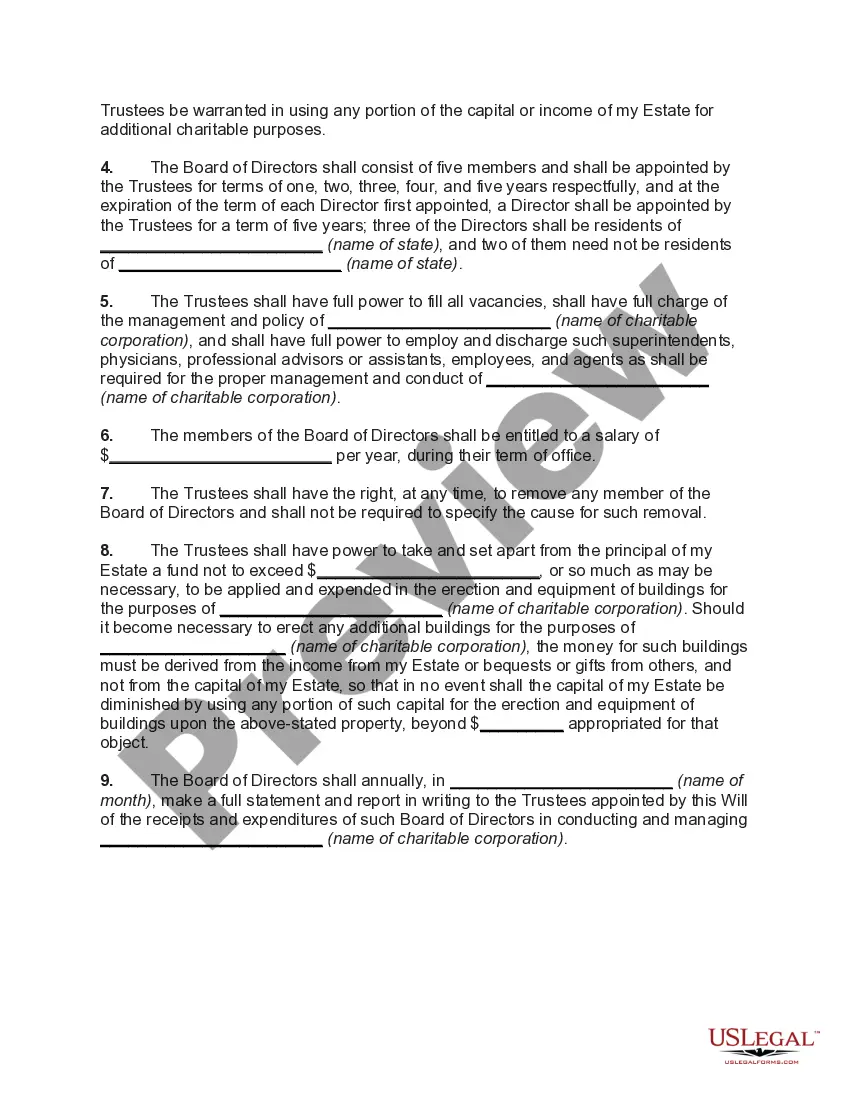
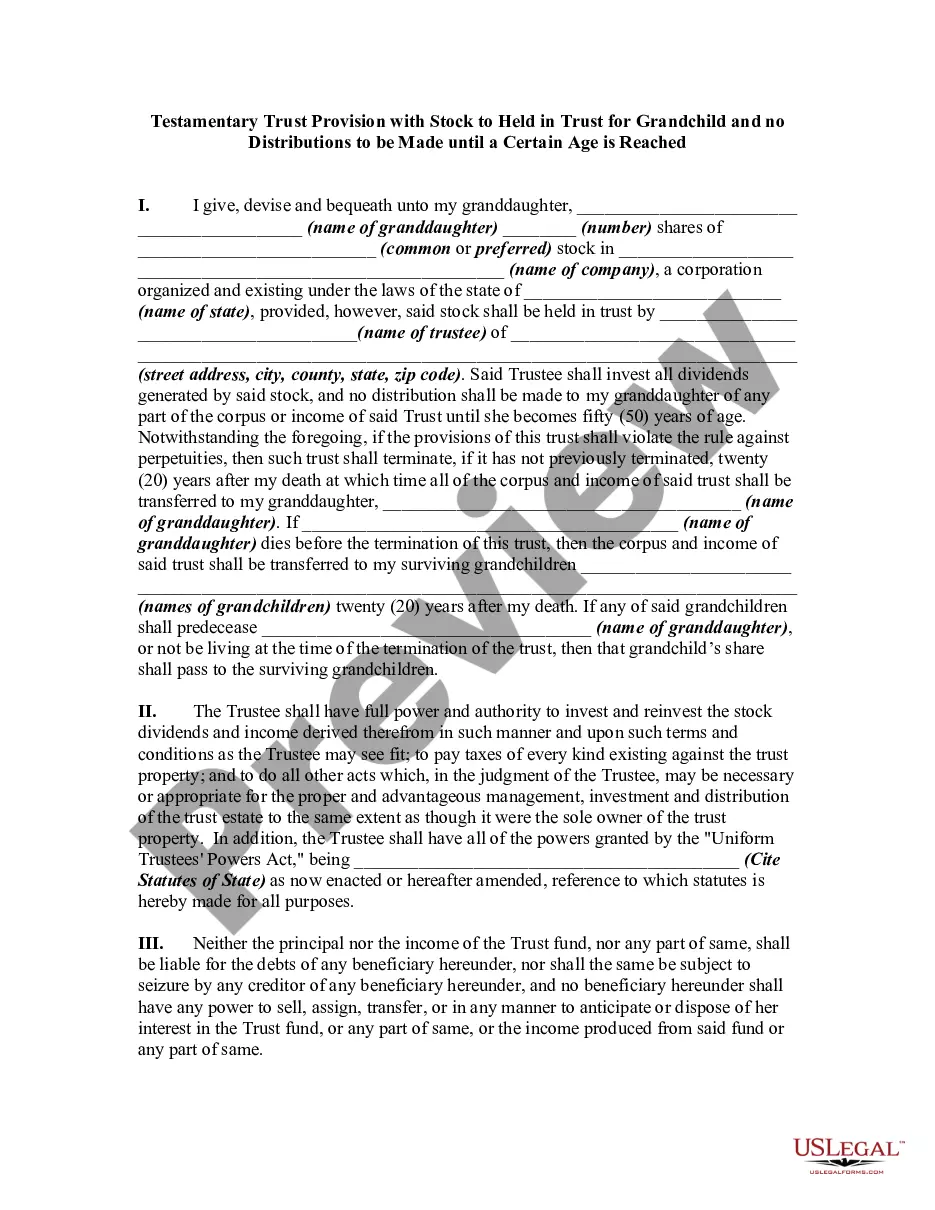
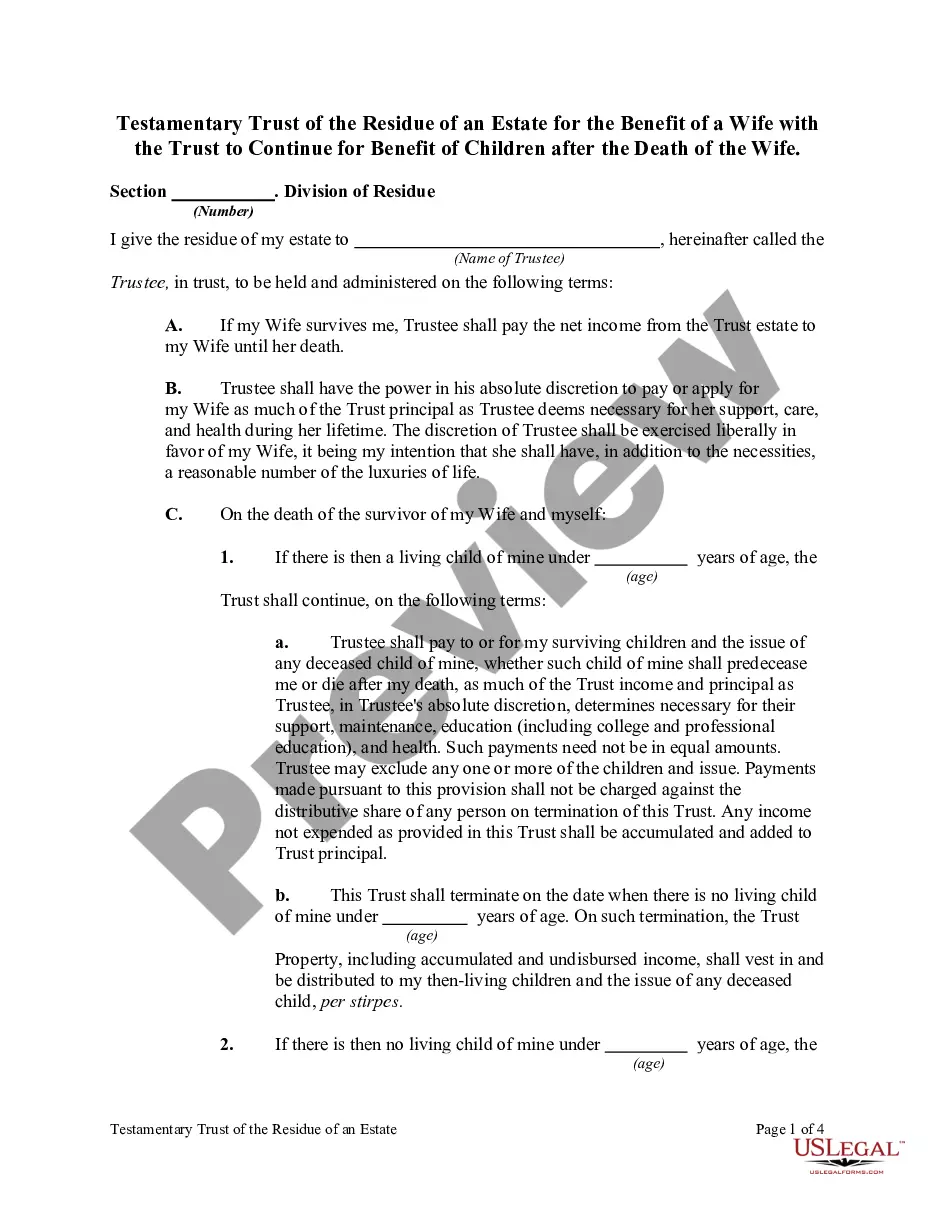
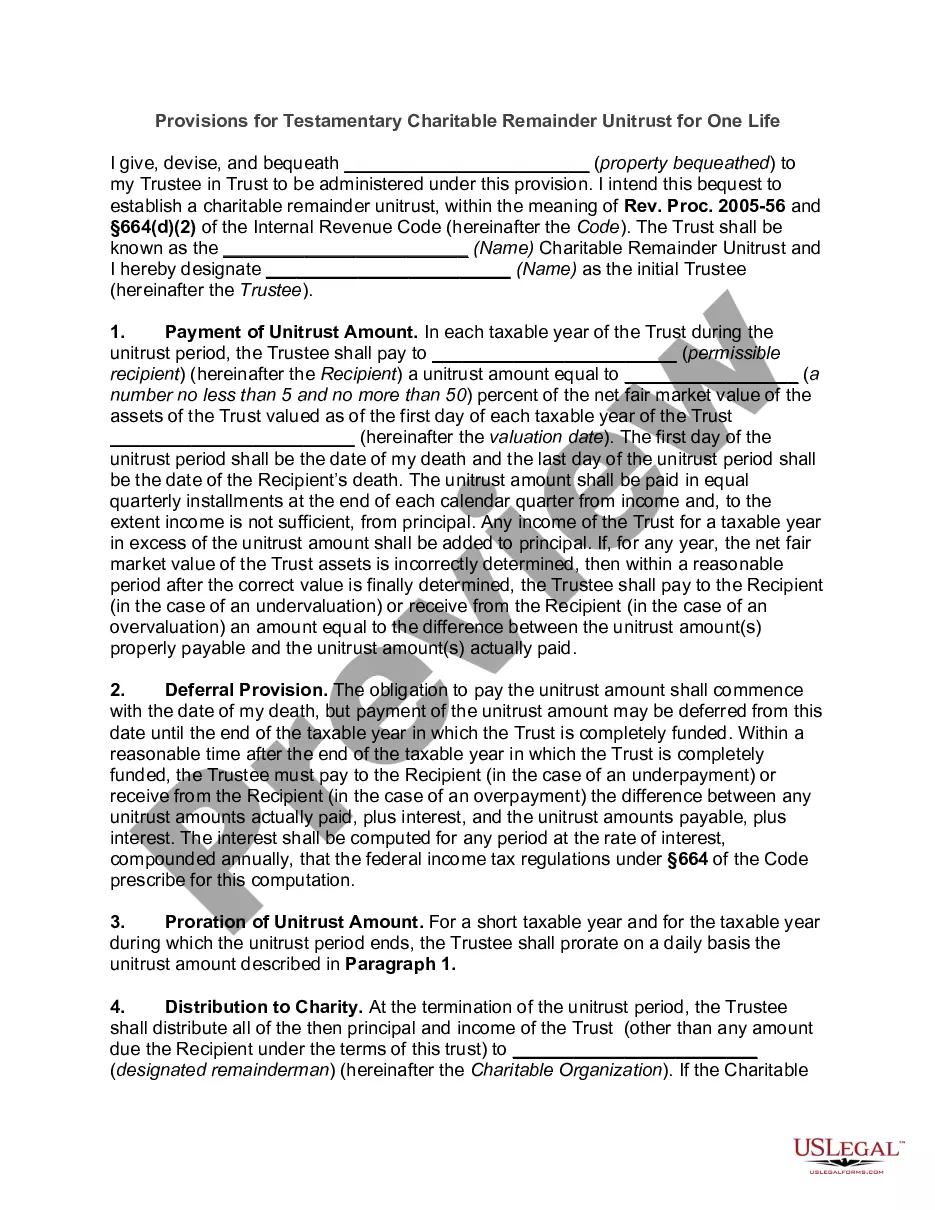

Get your form ready online
Our built-in tools help you complete, sign, share, and store your documents in one place.
Make edits, fill in missing information, and update formatting in US Legal Forms—just like you would in MS Word.
Download a copy, print it, send it by email, or mail it via USPS—whatever works best for your next step.
Sign and collect signatures with our SignNow integration. Send to multiple recipients, set reminders, and more. Go Premium to unlock E-Sign.
If this form requires notarization, complete it online through a secure video call—no need to meet a notary in person or wait for an appointment.
We protect your documents and personal data by following strict security and privacy standards.

Make edits, fill in missing information, and update formatting in US Legal Forms—just like you would in MS Word.

Download a copy, print it, send it by email, or mail it via USPS—whatever works best for your next step.

Sign and collect signatures with our SignNow integration. Send to multiple recipients, set reminders, and more. Go Premium to unlock E-Sign.

If this form requires notarization, complete it online through a secure video call—no need to meet a notary in person or wait for an appointment.

We protect your documents and personal data by following strict security and privacy standards.
Looking for another form?


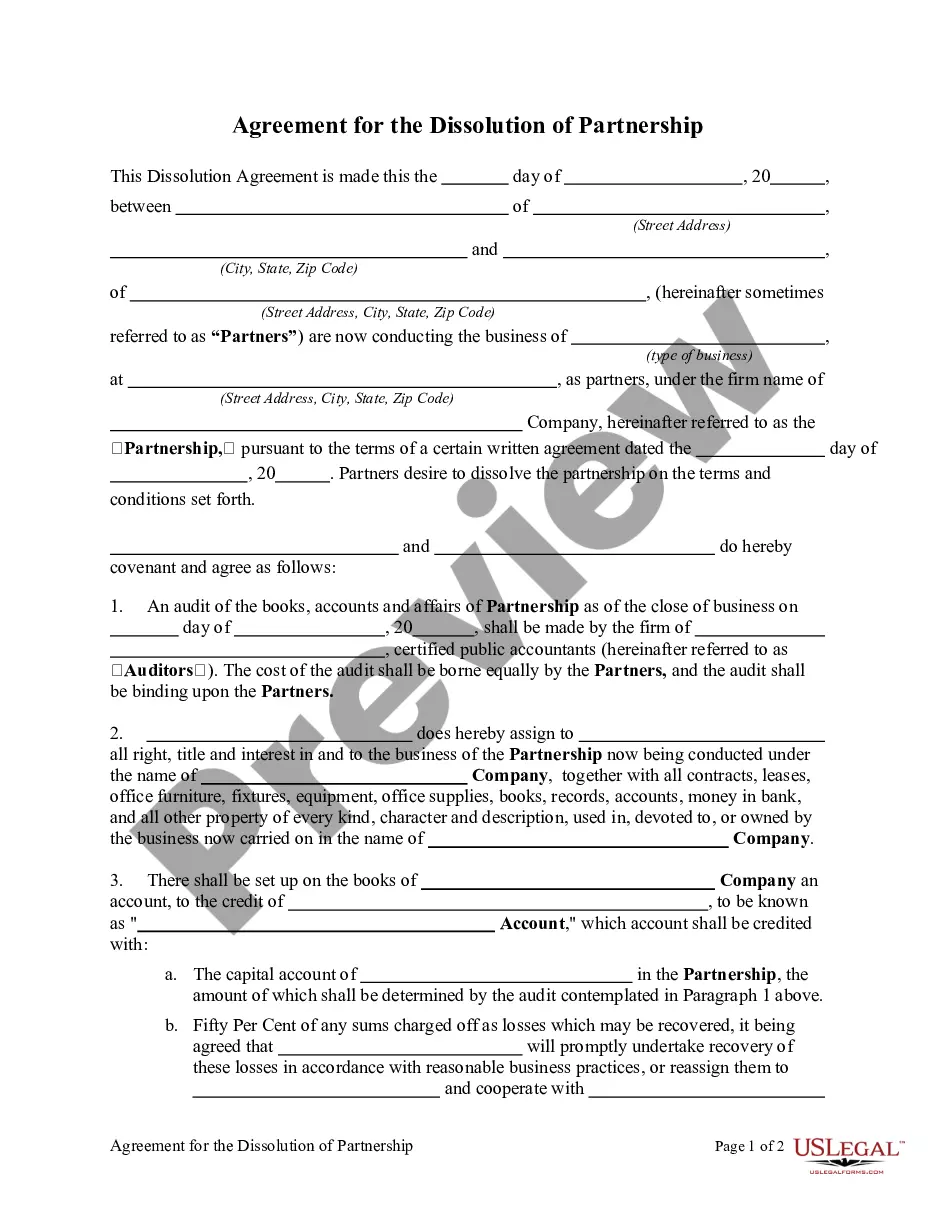



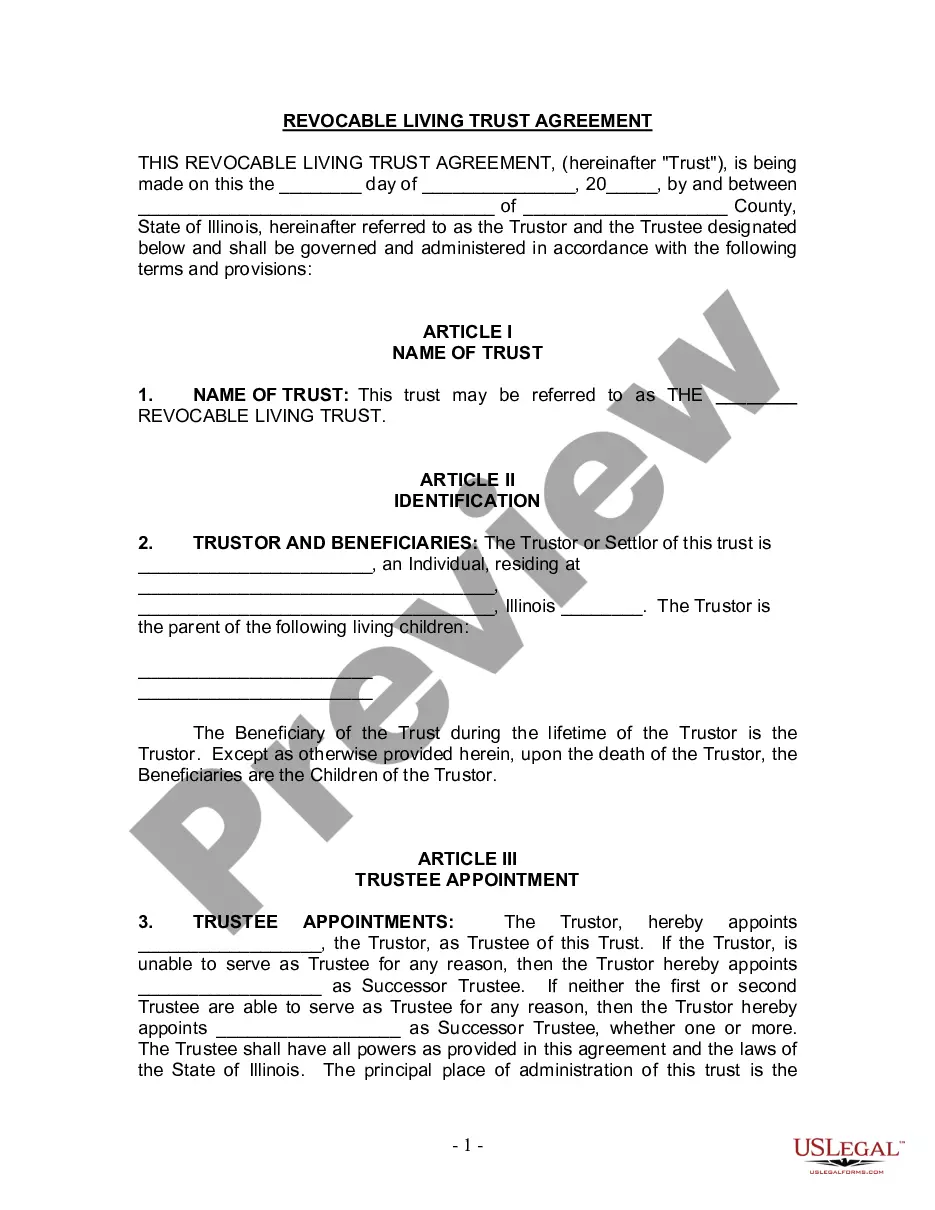
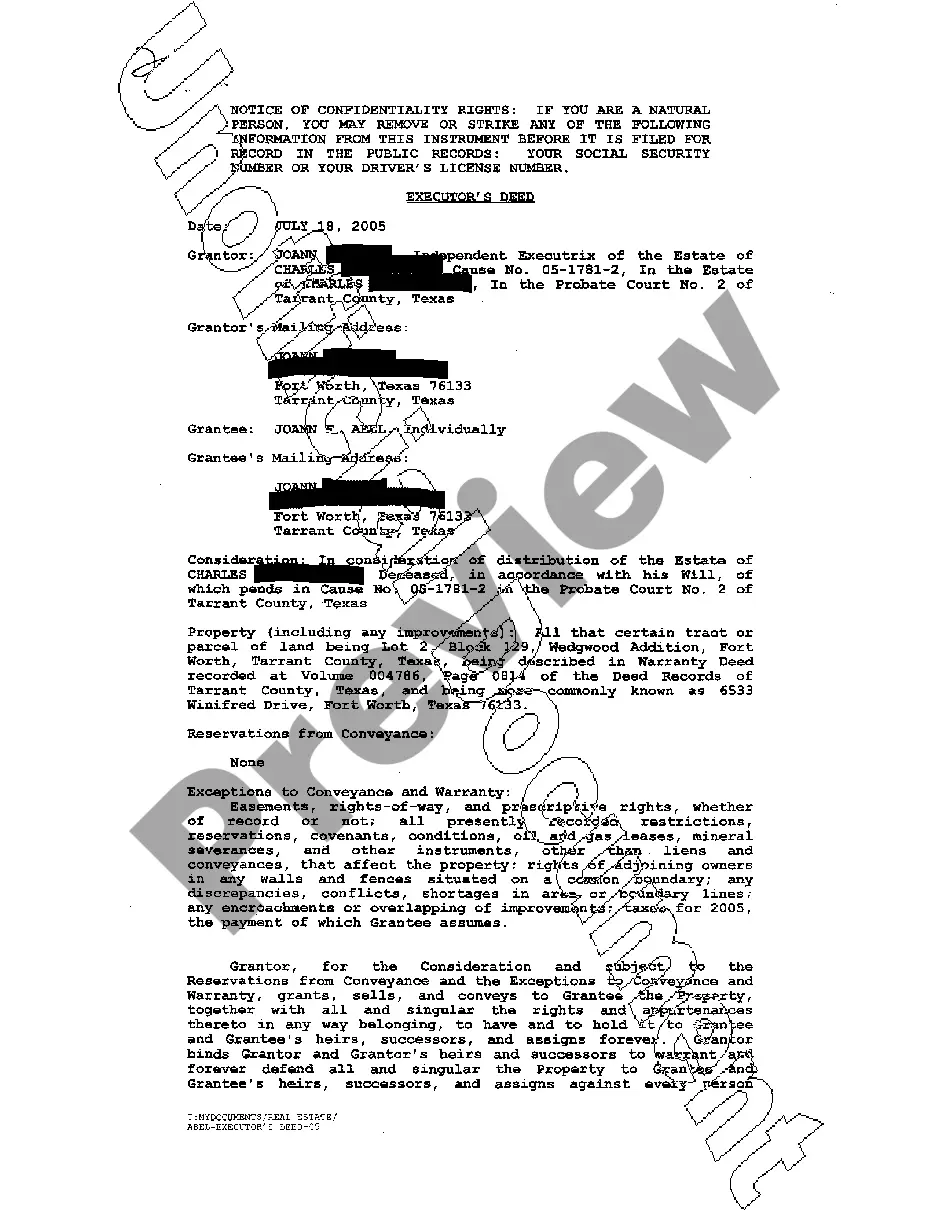
How to fill out Testamentary Trust Provision For The Establishment Of A Trust For A Charitable Institution For The Care And Treatment Of Disabled Children?
- Visit the US Legal Forms website and log in to your account if you're a returning user. Ensure your subscription is active to download forms.
- If you're new, start by exploring the extensive library. Use the preview mode to find a template that meets your specific jurisdiction requirements.
- Perform a search if necessary to locate any alternate templates that suit your needs. Check for accuracy before proceeding.
- Select the 'Buy Now' option and choose your subscription plan to gain access to the full range of legal documents.
- Complete your purchase by entering your credit card information or opting for PayPal to finalize the transaction.
- Download the selected testamentary trust template to your device and access it anytime through the 'My Forms' section of your profile.
By leveraging US Legal Forms, you gain access to a wide array of legal documents that are easy to fill out and edit. With over 85,000 forms available, you can find the right solutions tailored to your needs.
Ready to secure your legacy? Start using US Legal Forms today to create your testamentary trust and ensure your wishes are honored!
Form popularity
FAQ
To write a testamentary trust, begin by determining your goals for the trust and how you want your assets distributed. Next, draft the terms clearly, specifying the trustee, beneficiaries, and any specific conditions. It is crucial to have a legal professional review your draft to ensure it meets all legal requirements. A testamentary trust sample template can help you layout your thoughts and make the writing process smoother.
One of the biggest mistakes parents make is failing to update the trust as family circumstances change. Life events such as the birth of additional children or changes in financial status should prompt a review of the trust fund. It’s essential to ensure that all beneficiaries are included and that the trust reflects your current wishes. A testamentary trust sample template can assist in revising your trust appropriately.
An example of a testamentary trust is one that provides for a minor child until they reach adulthood. In this arrangement, the trust holds assets and distributes funds to cover education and living expenses. Once the child turns 18, they receive the remaining assets outright. Creating a testamentary trust sample template can help clarify such examples and guide your drafting.
To write a testamentary document, start by ensuring that you have a valid will. Within your will, clearly articulate your wishes regarding asset management and distribution through the trust. You should specify any conditions or age requirements for beneficiaries. Utilizing a testamentary trust sample template can simplify this process, making sure you include all necessary details.
A testamentary trust is structured according to the directives laid out in a will. After the individual passes away, the trust becomes effective and is managed by a trustee. This trustee is responsible for managing the assets and distributing them according to the terms of the trust. A testamentary trust sample template can provide a clear framework for establishing this structure.
Yes, a testamentary trust must file a tax return. When a testamentary trust earns income, it typically has to report that income to the IRS. It’s important to consult a tax professional to ensure compliance and avoid penalties. Using a testamentary trust sample template can help streamline the creation process and highlight tax obligations.
Drafting a testamentary trust involves several key steps. First, you need to create a will that clearly outlines your wishes regarding the trust's formation upon your passing. Next, you must specify the trust's terms, including the beneficiaries and how the assets will be managed. Using a testamentary trust sample template can simplify this process, ensuring you cover all necessary details for a successful trust creation.
An example of testamentary refers to elements that come into effect upon someone’s death, particularly instructions laid out in a will. For instance, a will that directs a portion of an estate to be placed into a trust for managing assets for children serves as a testamentary mechanism. Utilizing a testamentary trust sample template can help identify and organize these testamentary intentions effectively.
Drafting a testamentary trust involves several key steps, including identifying the grantor, beneficiaries, and assets to be placed in the trust. It’s crucial to outline specific instructions regarding the management and distribution of the trust assets. Utilizing a testamentary trust sample template can simplify this process, providing a clear framework to guide you in tailoring your trust to meet your unique needs.
One disadvantage of a testamentary trust is that it unfolds only after the grantor's death, lacking immediate effect during their lifetime. This delay can lead to prolonged probate processes, which may reduce the assets available to beneficiaries. When considering a testamentary trust sample template, weigh the trade-offs and evaluate how it fits into your overall estate planning strategy.