Special Needs Trustor Contract With The Government
Description

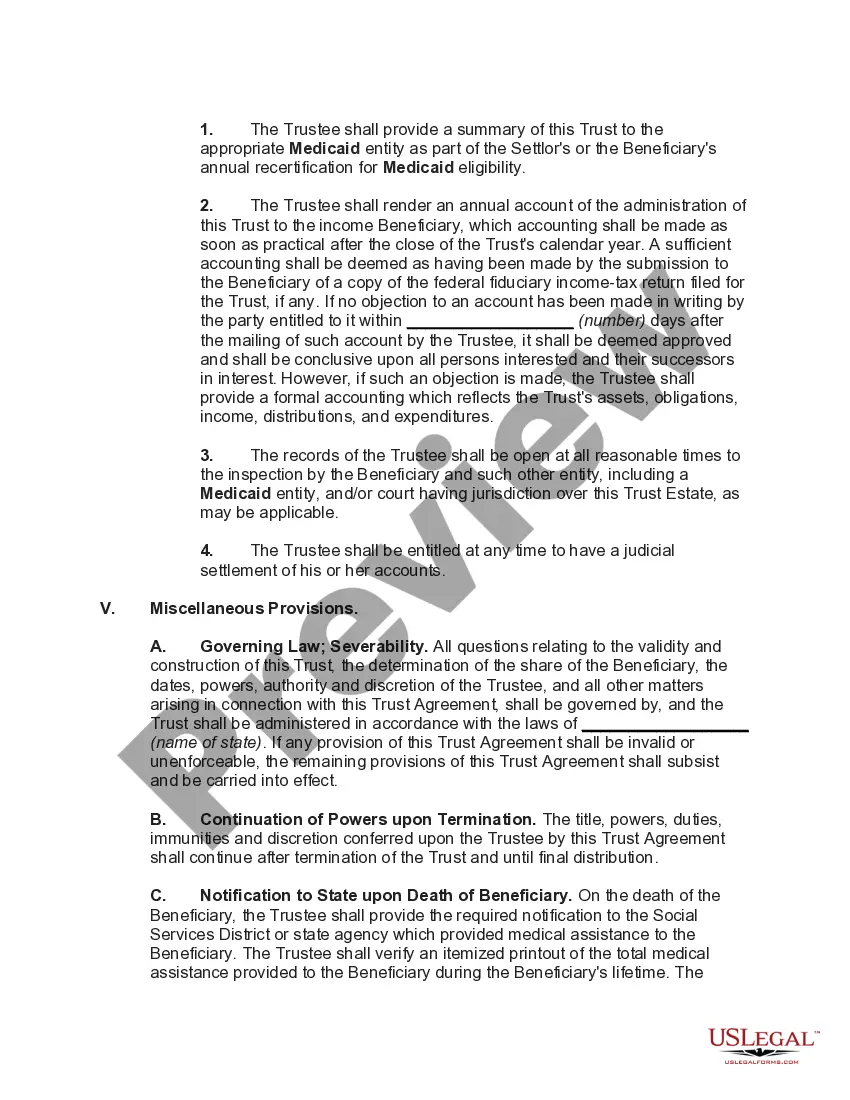
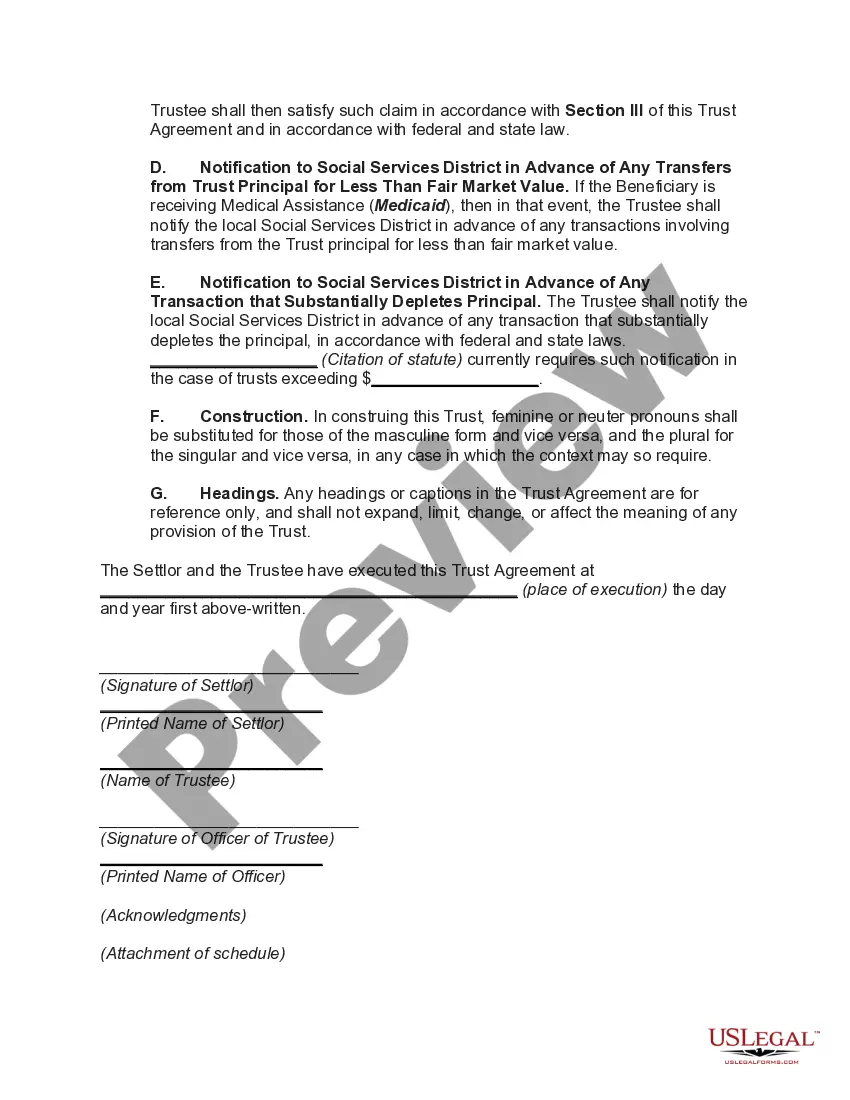



Get your form ready online
Our built-in tools help you complete, sign, share, and store your documents in one place.
Make edits, fill in missing information, and update formatting in US Legal Forms—just like you would in MS Word.
Download a copy, print it, send it by email, or mail it via USPS—whatever works best for your next step.
Sign and collect signatures with our SignNow integration. Send to multiple recipients, set reminders, and more. Go Premium to unlock E-Sign.
If this form requires notarization, complete it online through a secure video call—no need to meet a notary in person or wait for an appointment.
We protect your documents and personal data by following strict security and privacy standards.

Make edits, fill in missing information, and update formatting in US Legal Forms—just like you would in MS Word.

Download a copy, print it, send it by email, or mail it via USPS—whatever works best for your next step.

Sign and collect signatures with our SignNow integration. Send to multiple recipients, set reminders, and more. Go Premium to unlock E-Sign.

If this form requires notarization, complete it online through a secure video call—no need to meet a notary in person or wait for an appointment.

We protect your documents and personal data by following strict security and privacy standards.
Looking for another form?






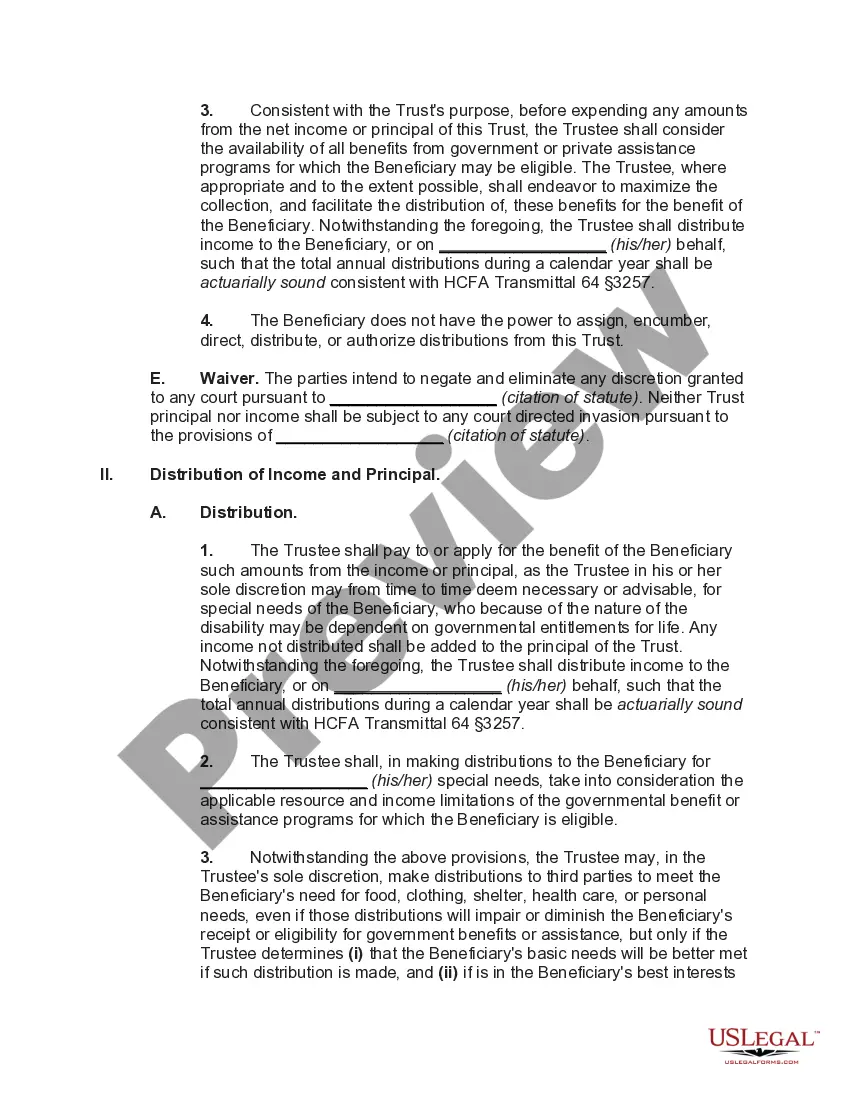
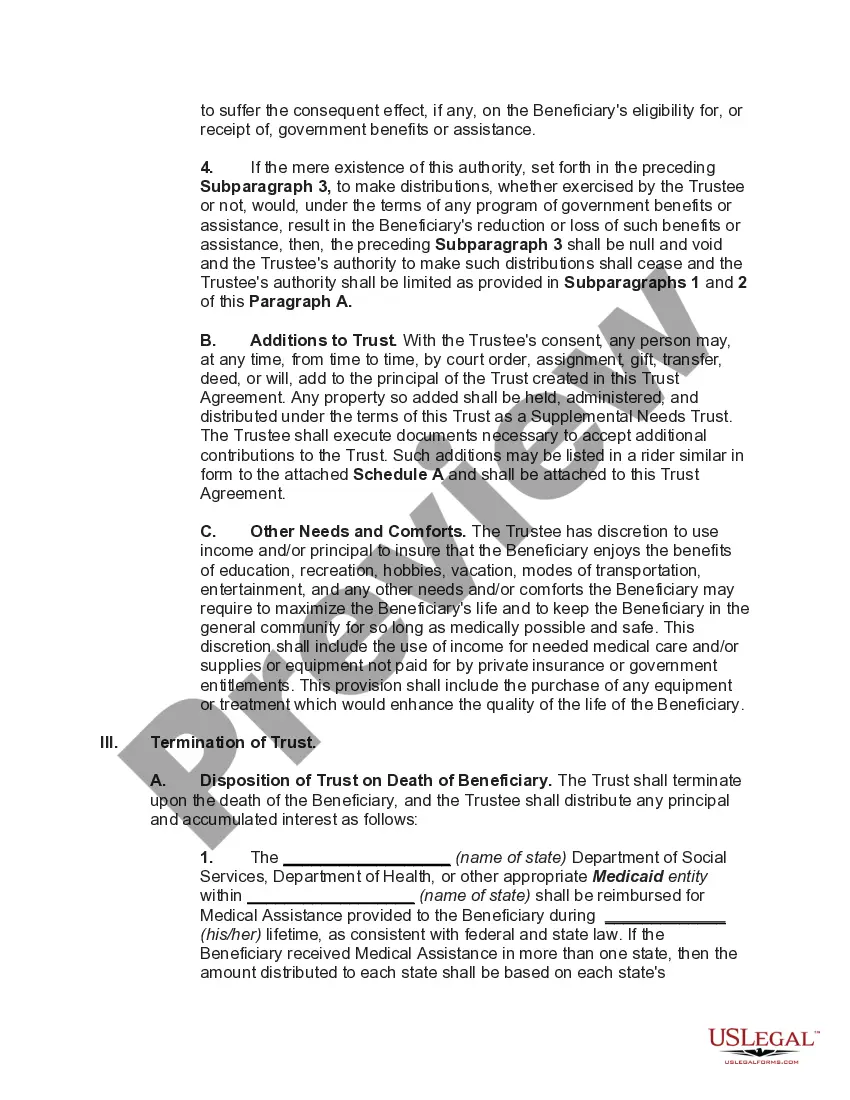
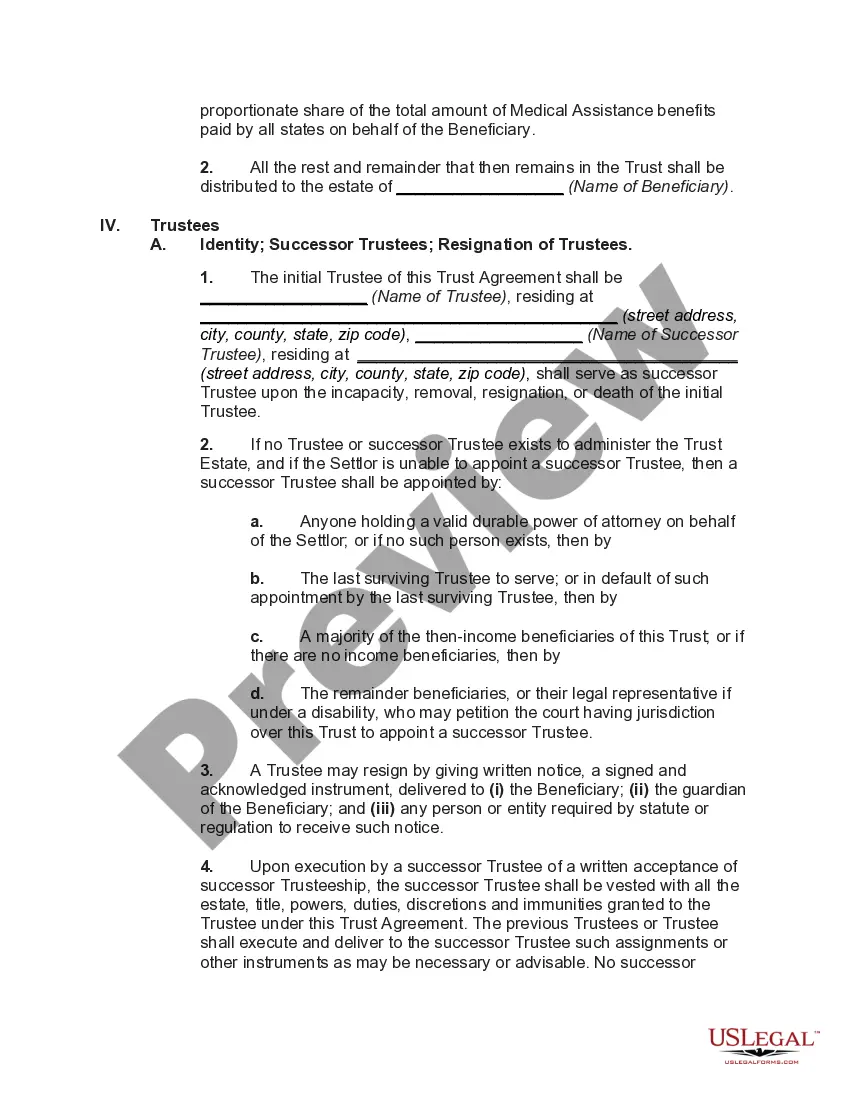
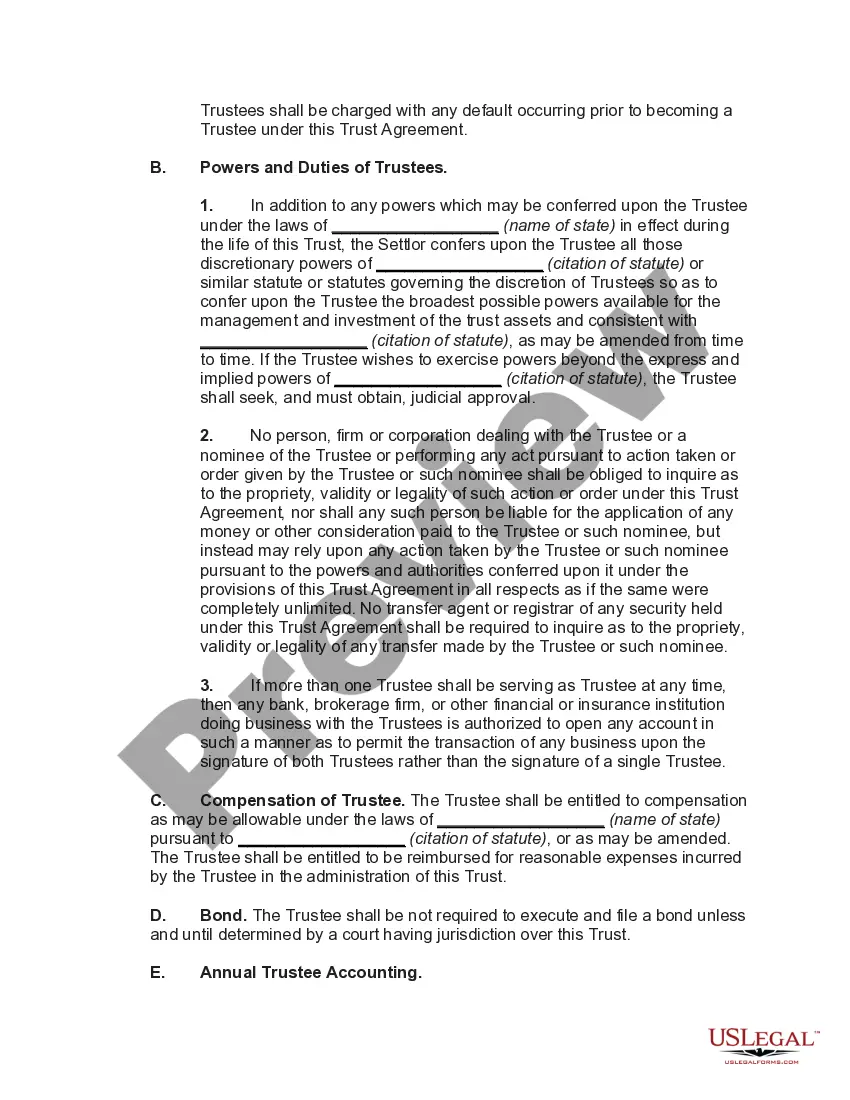
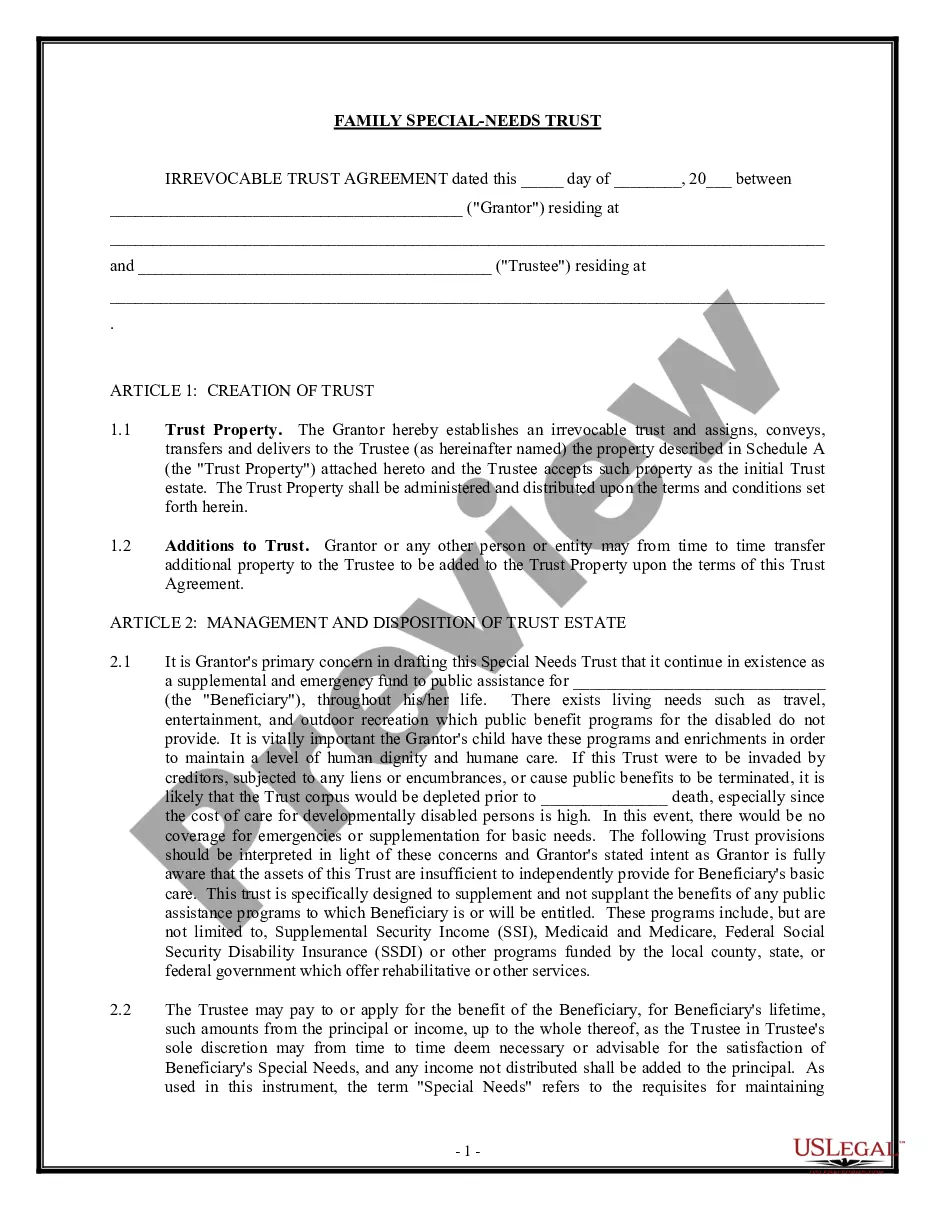
How to fill out Special Needs Irrevocable Trust Agreement For Benefit Of Disabled Child Of Trustor?
- If you're a returning user, log into your account and access the required form template. Ensure your subscription is active before downloading.
- If this is your first time, check the Preview mode and form description to confirm you've selected the right template that matches your jurisdiction's requirements.
- If clarification is needed, utilize the Search tab to find alternative forms. Once the suitable template is located, proceed to the next step.
- Click on the Buy Now button and choose a subscription plan that works for you. Register for an account to unlock access to the extensive library.
- Complete your purchase by entering your credit card information or using your PayPal account for payment.
- Finally, download your form and save it on your device. You can easily access it anytime through the My Forms section in your profile.
Navigating legal documents doesn't have to be complicated. US Legal Forms facilitates this process with its extensive resources and expert support, ensuring that you have precisely what you need for your legal requirements.
Start streamlining your legal processes today by visiting US Legal Forms and take advantage of its comprehensive library.
Form popularity
FAQ
Filing taxes for a special needs trust typically requires obtaining a Taxpayer Identification Number (TIN) specific to the trust. Trust income is generally reported on IRS Form 1041, and understanding distribution rules is vital for accurate reporting. Consulting with a tax professional can help clarify these processes in relation to the special needs trustor contract with the government.
While special needs trusts offer significant benefits, potential disadvantages include complexity in setting them up and managing them. They may also involve costs related to legal fees and ongoing trust management. However, understanding these challenges can help ensure that your special needs trustor contract with the government serves its purpose effectively.
A special needs trust often serves as the best option for a disabled child, as it preserves government benefits while providing additional financial support. This type of trust allows funds to be used for personal care, education, and enrichment without jeopardizing benefits. Consider using resources from US Legal Forms to establish a compliant special needs trustor contract with the government.
The minimum amount to set up a special needs trust can vary by state and trust company, but it often starts around $5,000. Establishing this trust is crucial, as it protects the beneficiary's eligibility for government benefits. You can explore options with platforms like US Legal Forms to ensure a smooth setup that adheres to the special needs trustor contract with the government.
Yes, a special needs trust typically requires its own tax ID number, known as an Employer Identification Number (EIN). This number is necessary for the trust to file tax returns and manage its finances independently. Ensuring that your special needs trustor contract with the government reflects this requirement will help streamline the tax process and maintain compliance.
A special needs trust may be subject to taxes, depending on the income it generates. Trust income may need to be reported and could result in taxation under certain circumstances. It's essential to understand the details of your special needs trustor contract with the government to gauge potential tax liabilities accurately and maintain compliance with IRS regulations.
Setting up a special needs trust fund begins with consulting an attorney who specializes in this area. This professional will help draft the trust document according to your needs and the legal requirements. Furthermore, you will need to decide on the funding sources for the trust, ensuring it aligns with the special needs trustor contract with the government to protect your beneficiary's eligibility for benefits.
One downside of a special needs trust is the complexity of its setup and management. Administering the trust requires attention to rules and regulations that govern how funds can be used without jeopardizing government assistance. It’s crucial to consult experts to navigate the special needs trustor contract with the government properly, ensuring compliance while maximizing benefits.
Yes, income distributions from a trust can be taxable, but it depends on the type of trust. For special needs trusts, distributions to the beneficiary may affect their governmental benefits. It is important to understand how the special needs trustor contract with the government interacts with income distributions to avoid unnecessary taxation or loss of benefits.
A special needs trust is taxed under the rules set by the IRS. Generally, the income generated by this trust can be taxed depending on the trust's structure and the distributions made to the beneficiary. If the trust generates income, it may need to file its own tax return. This income may or may not be taxed based on applicable tax laws and the specific special needs trustor contract with the government.