Living Trust With Mortgage
Description
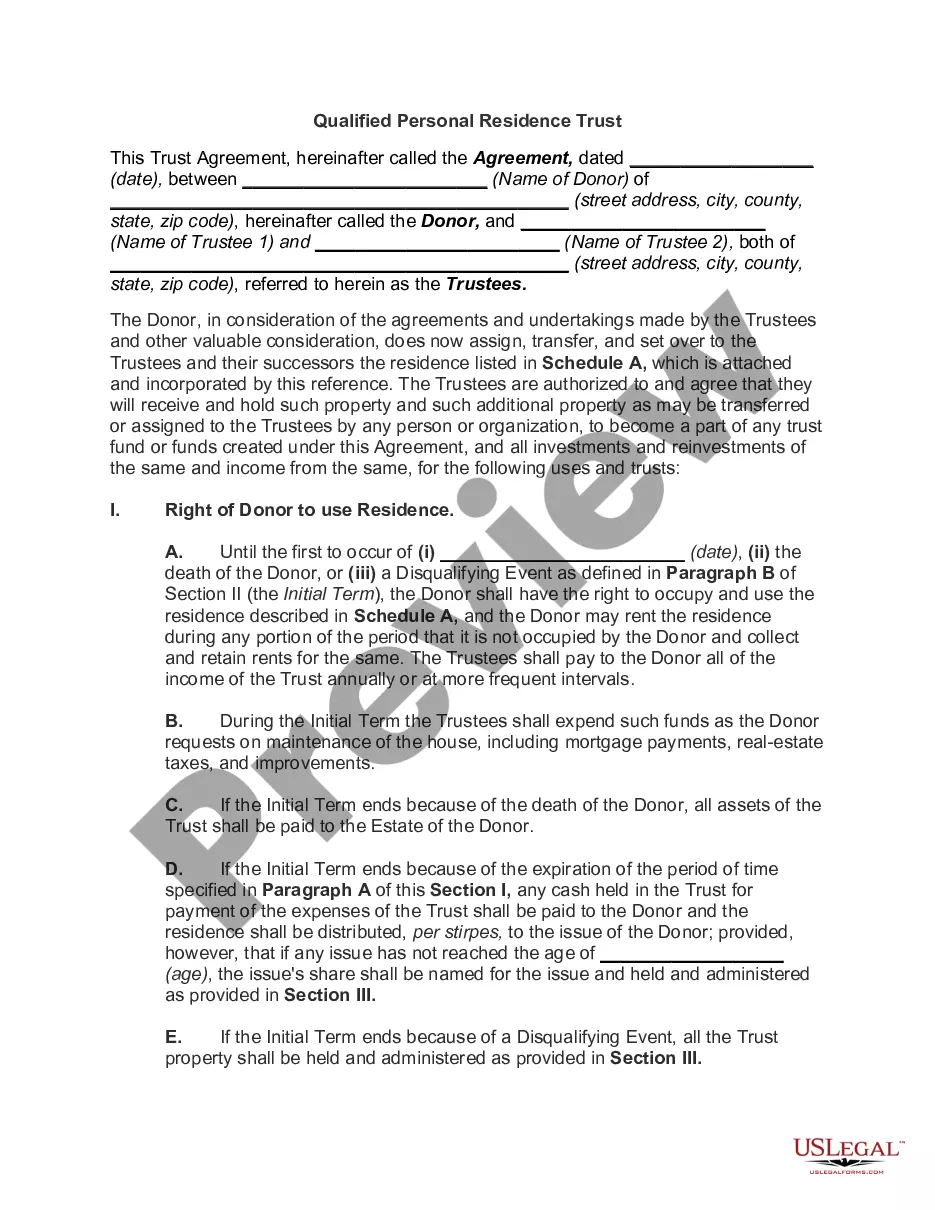
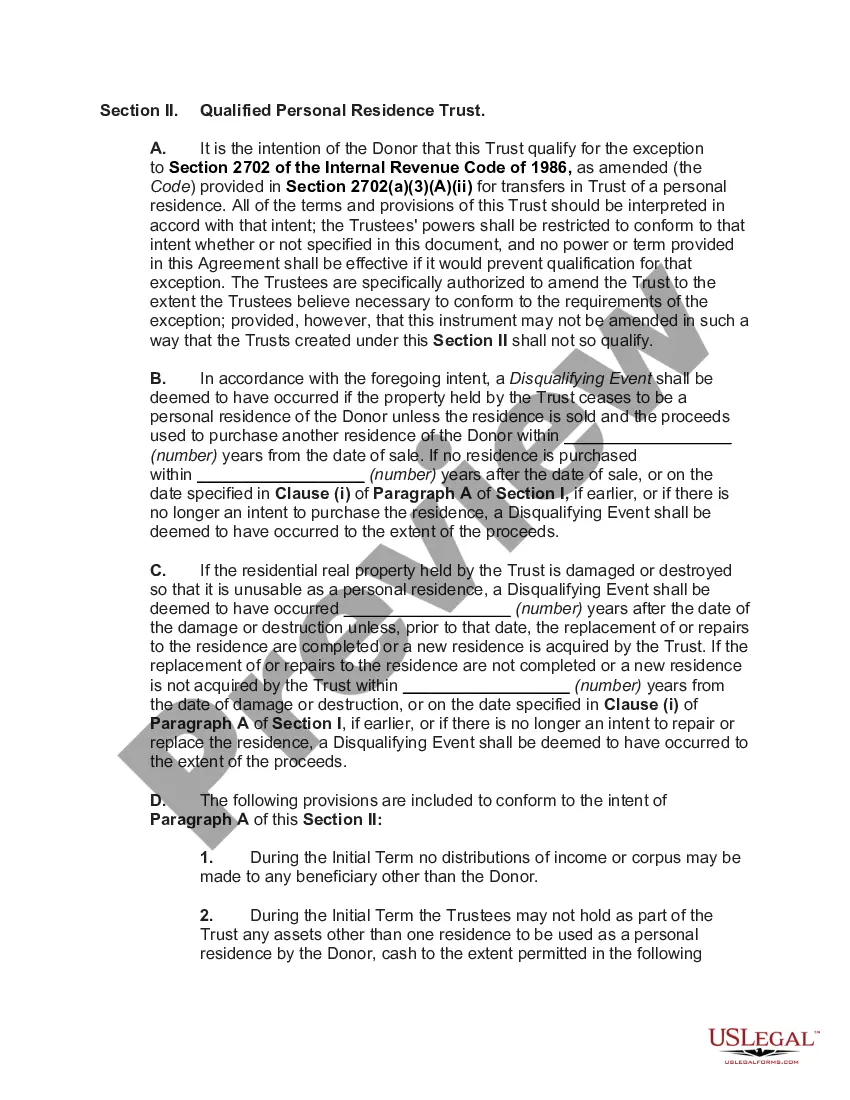
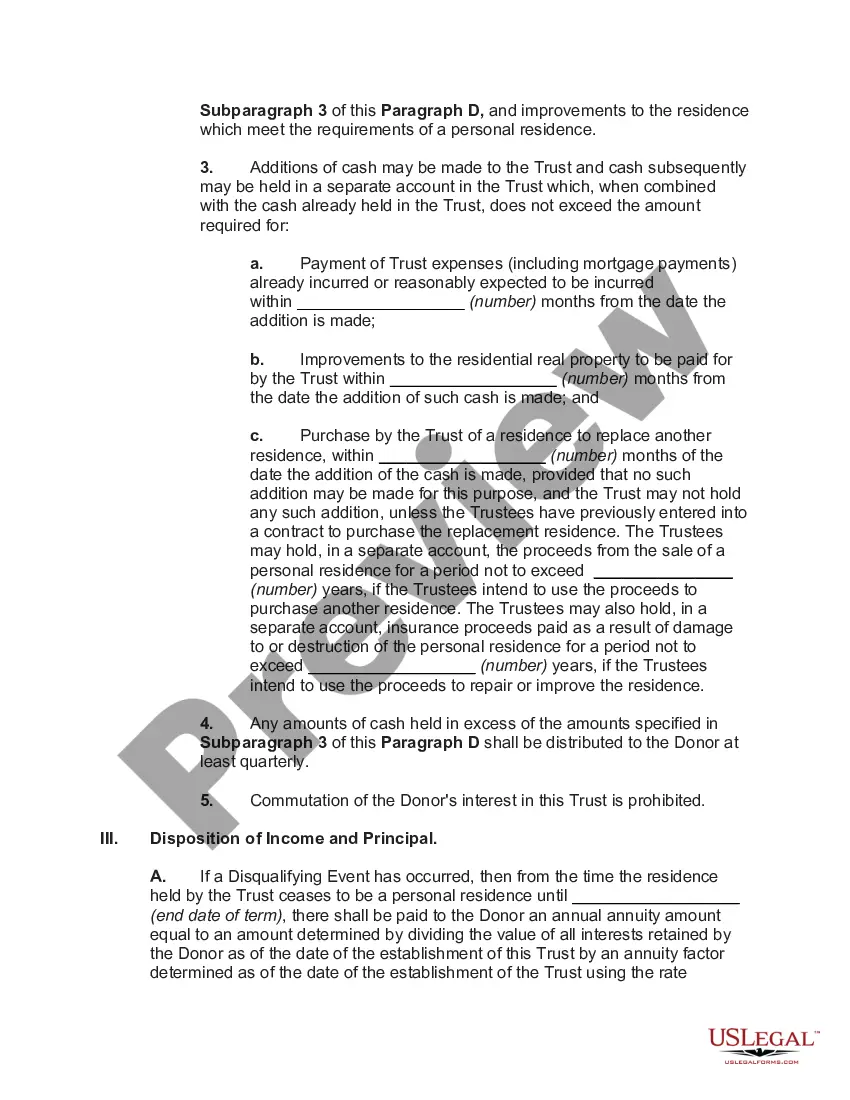
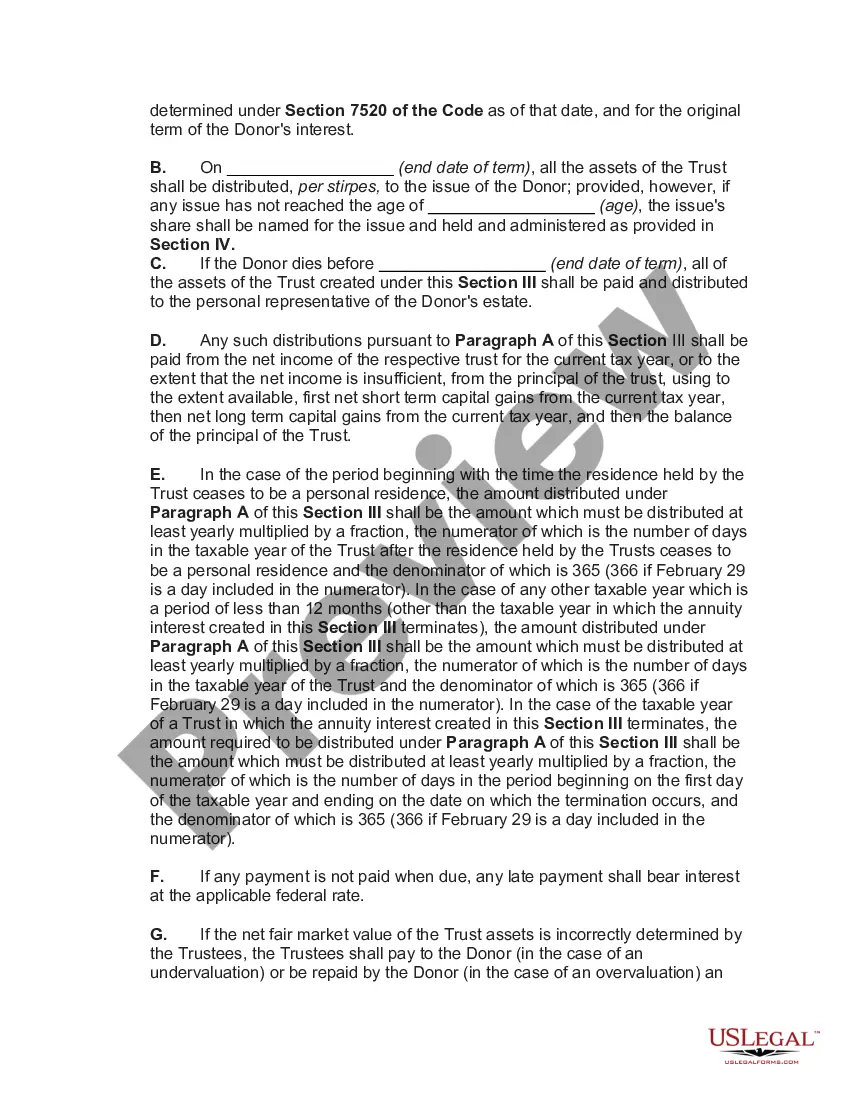
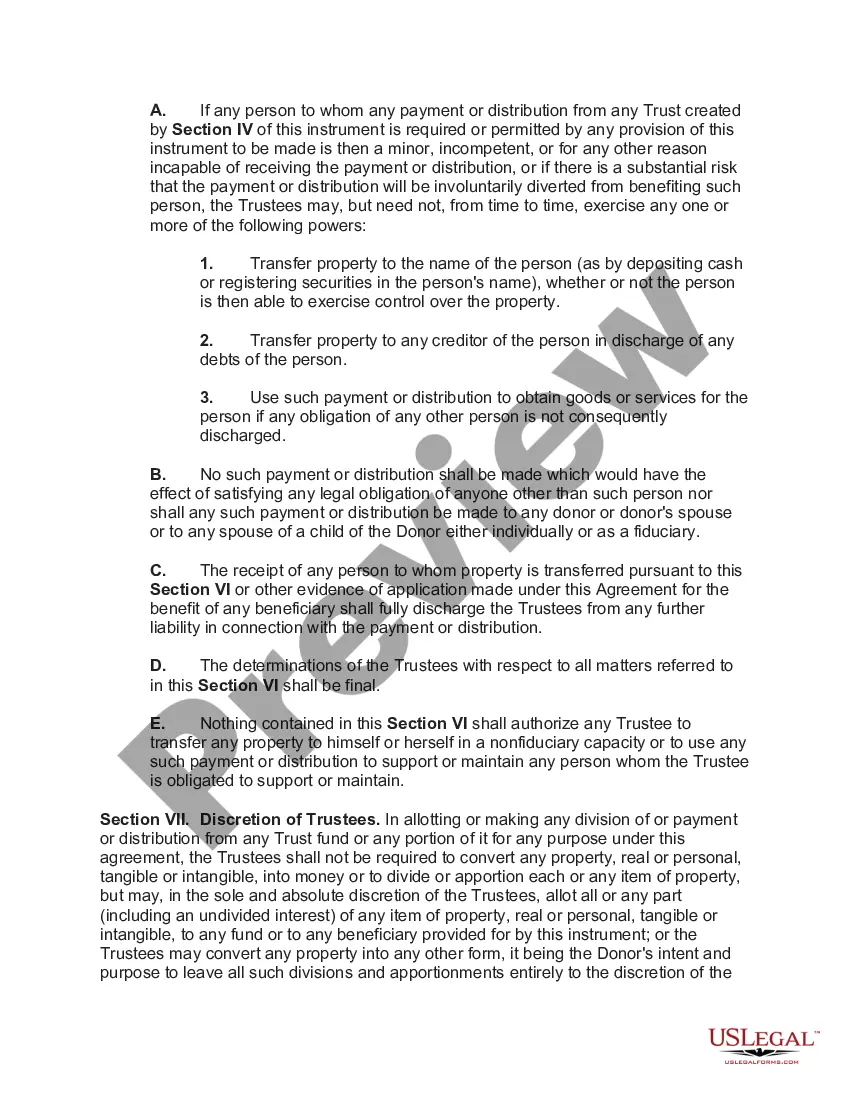
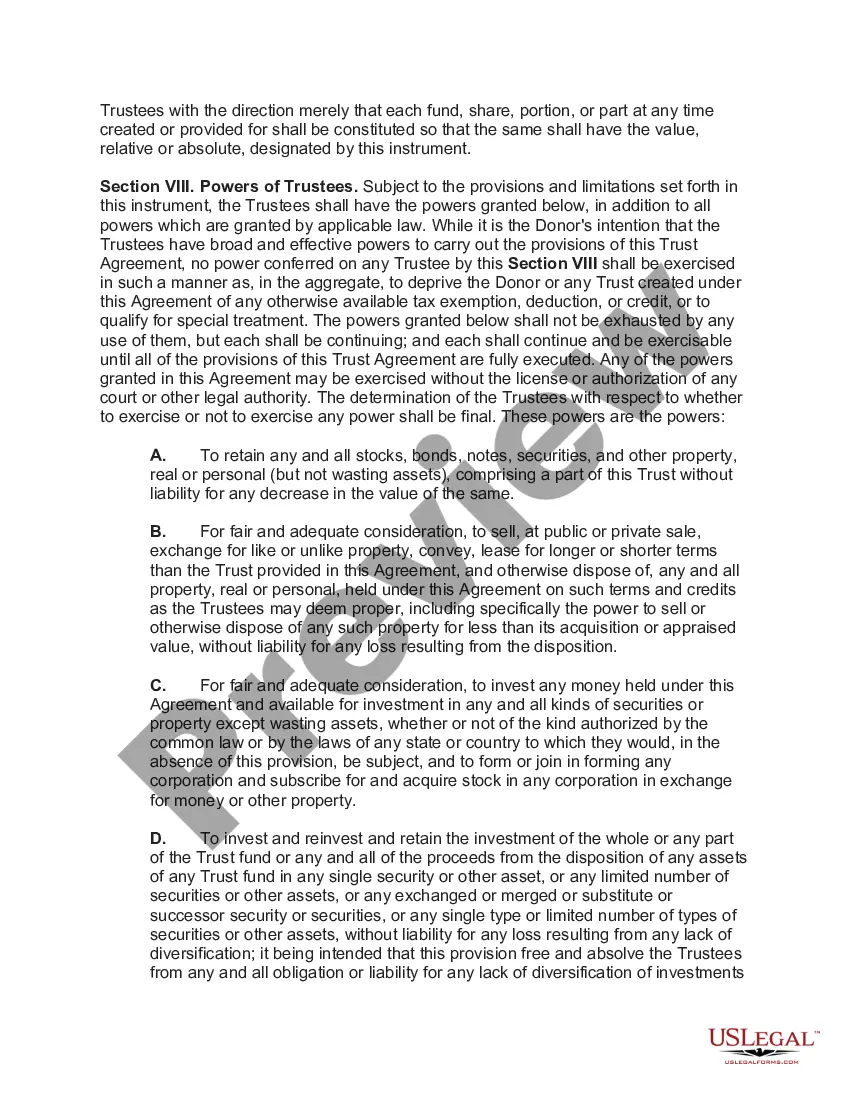

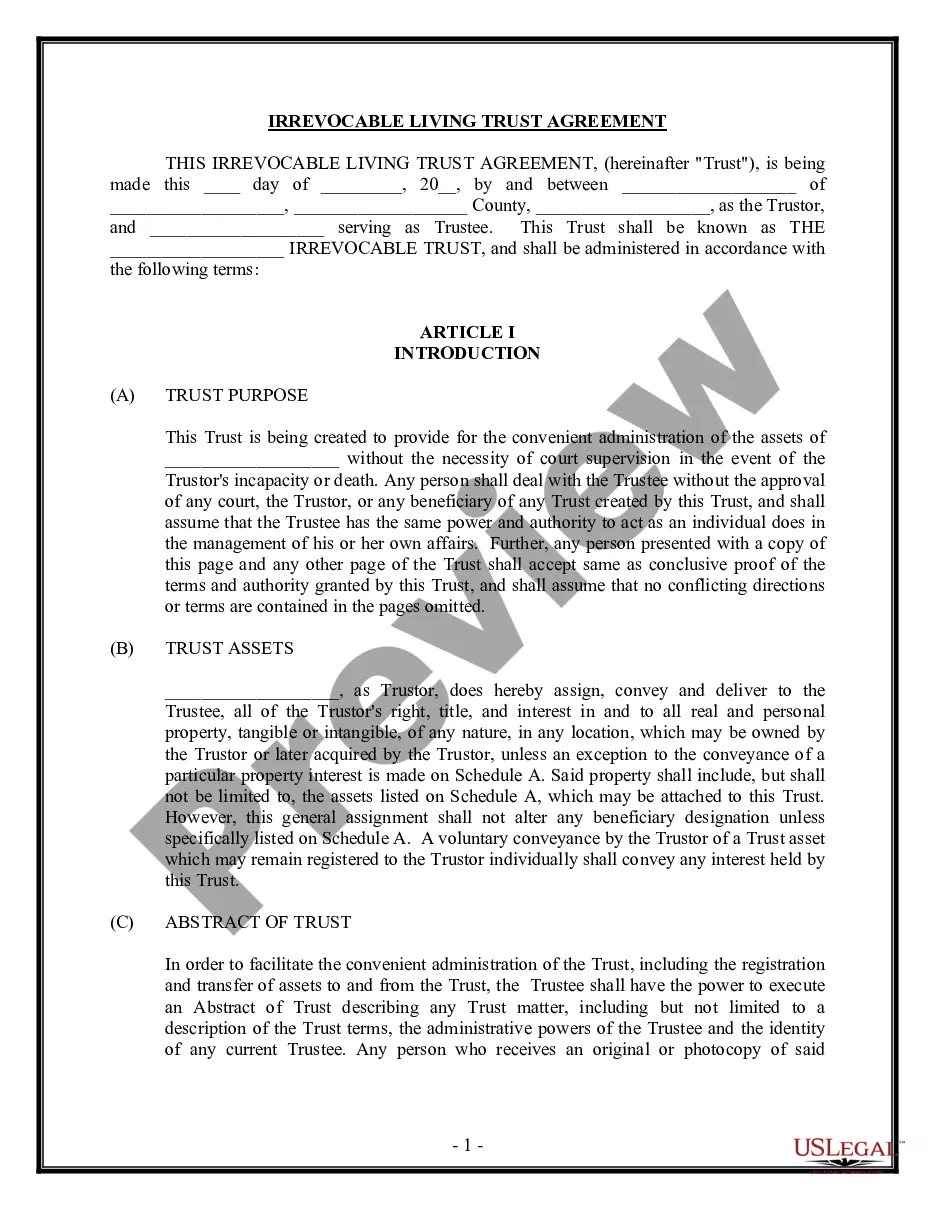
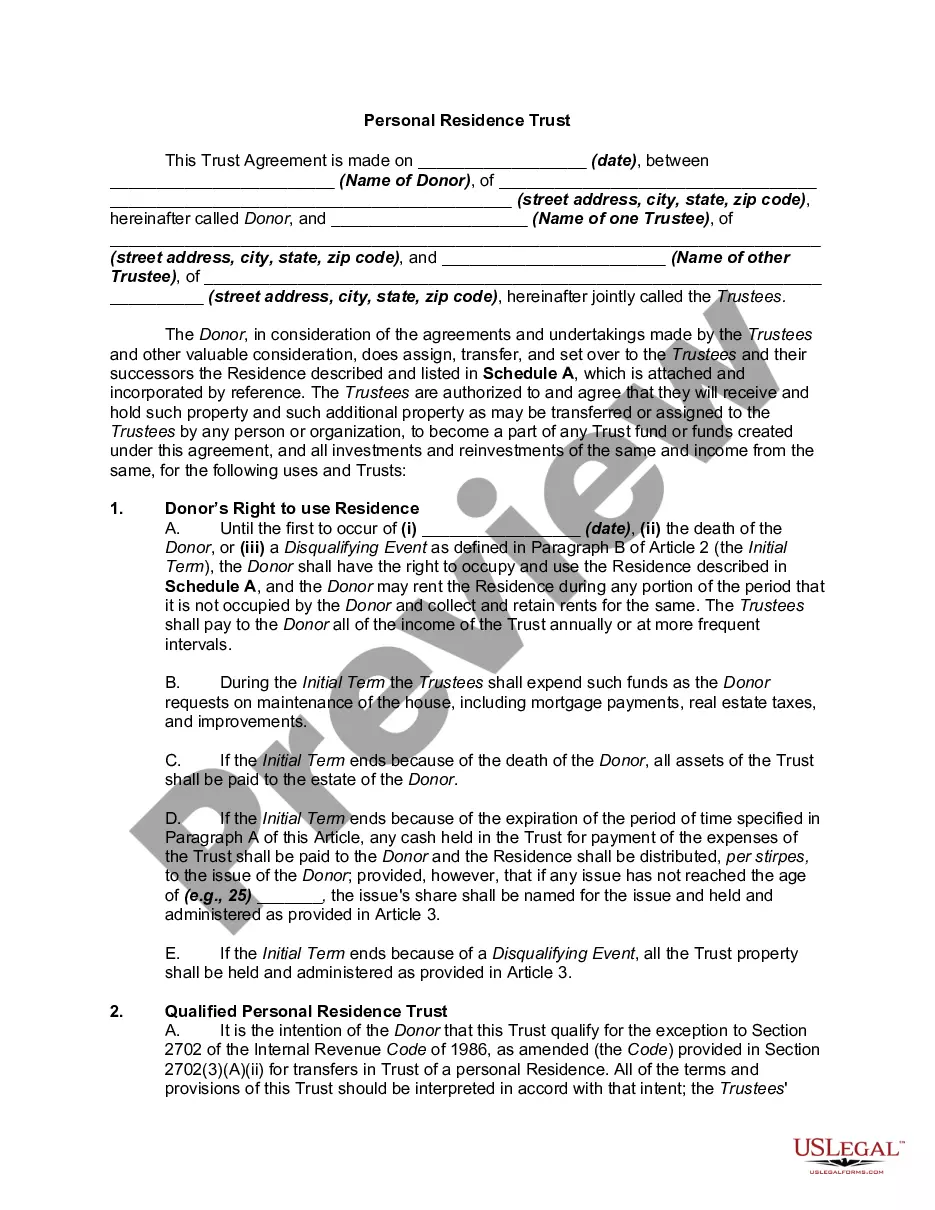
Get your form ready online
Our built-in tools help you complete, sign, share, and store your documents in one place.
Make edits, fill in missing information, and update formatting in US Legal Forms—just like you would in MS Word.
Download a copy, print it, send it by email, or mail it via USPS—whatever works best for your next step.
Sign and collect signatures with our SignNow integration. Send to multiple recipients, set reminders, and more. Go Premium to unlock E-Sign.
If this form requires notarization, complete it online through a secure video call—no need to meet a notary in person or wait for an appointment.
We protect your documents and personal data by following strict security and privacy standards.

Make edits, fill in missing information, and update formatting in US Legal Forms—just like you would in MS Word.

Download a copy, print it, send it by email, or mail it via USPS—whatever works best for your next step.

Sign and collect signatures with our SignNow integration. Send to multiple recipients, set reminders, and more. Go Premium to unlock E-Sign.

If this form requires notarization, complete it online through a secure video call—no need to meet a notary in person or wait for an appointment.

We protect your documents and personal data by following strict security and privacy standards.
Looking for another form?








How to fill out Qualified Personal Residence Trust?
- If you're a returning user, log into your account to access your documents. Verify that your subscription is still valid; if not, renew it based on your payment plan.
- For new users, start by browsing through our extensive online library of over 85,000 legal forms. Use the Preview mode and form descriptions to identify the living trust with mortgage template that suits your requirements.
- If you can't find the exact form you need, utilize the Search tab to look for alternatives that may better fit your legal situation.
- Once you find the correct document, click the Buy Now button. Select the subscription plan that meets your needs and create an account to access our full library.
- Finalize your purchase by entering your payment information, either via credit card or PayPal.
- After payment is confirmed, download your living trust form directly to your device. You can access this document anytime from the My Forms section in your profile.
By following these steps, you can ensure that your living trust with mortgage is established correctly and efficiently. From document selection to payment, US Legal Forms simplifies the process, allowing you to focus on what matters most.
Don’t wait any longer; start securing your financial future today with US Legal Forms!
Form popularity
FAQ
People put their mortgages in a living trust for various reasons. One major benefit is the facilitation of asset management for themselves or their beneficiaries, reducing the risk of disputes over property after passing. Additionally, a living trust with mortgage can offer protection against creditors and help streamline the transfer of assets, making it easier for heirs to manage their inheritance. Utilizing services like US Legal Forms can simplify the process of setting up a trust that fits your specific needs.
Placing your mortgage in a living trust can provide several advantages. First, it helps avoid probate, allowing your loved ones to inherit your property more smoothly and efficiently. Second, a living trust with mortgage can help manage your financial affairs during your lifetime, ensuring that your mortgage obligations are handled according to your wishes. This arrangement can also enhance privacy, as trusts typically do not enter the public record like wills do.
While a living trust with a mortgage offers many benefits, there are some disadvantages to consider. Transferring the property into a trust might require paperwork and coordination, which could be time-consuming. Additionally, you might lose some tax benefits or face higher fees associated with trust management. Evaluating these aspects carefully will help you make an informed decision about whether to place your home in a trust.
Holding property in a living trust with a mortgage comes with various advantages and disadvantages. On the plus side, a trust can provide clear directives for property management and avoid probate delays. However, you may incur ongoing costs in managing the trust, including administrative fees. Ultimately, weighing these factors will help you determine if this option aligns with your estate planning goals.
Yes, you can place your house in a living trust even if there is an existing mortgage. It’s essential to inform your mortgage lender, as some loans have specific requirements regarding transfers. However, adding your home to a living trust with a mortgage can help avoid probate, ensuring a smoother transition of ownership after your passing. This strategy also maintains your control over the property.
When deciding between gifting a house or placing it in a living trust with a mortgage, consider the implications of each option. Gifting might lead to tax consequences for both you and the recipient. In contrast, a living trust allows you to retain control over the property while offering flexibility in its management. This way, you can decide how the property is handled after your passing, making a trust often a more strategic choice.
The biggest mistake parents often make when creating a trust fund is failing to clearly define their intentions and rules for the trust. This lack of clarity can lead to misunderstandings or conflicts among beneficiaries. By focusing on establishing a comprehensive living trust with mortgage, parents can help ensure their wishes are honored and their assets are managed effectively.
You can transfer your house into an irrevocable trust even if you have a mortgage. However, this action typically requires the lender's approval and may trigger due-on-sale clauses in your mortgage agreement. It's beneficial to assess how a living trust with mortgage aligns with your financial plans before proceeding.
A mortgage tied to a property in a living trust works similarly to one held by an individual. The borrower is still responsible for payments, but the trust owns the title to the property. This arrangement can benefit estate planning, yet it is advisable to understand your mortgage terms when establishing a living trust with mortgage.
One major disadvantage of placing your house in an irrevocable trust is the loss of control over the property. This means you cannot sell, refinance, or modify the terms of the trust without going through a legal process. Additionally, people often overlook how a living trust with mortgage can affect their ability to manage debts associated with the property.