Beneficiary Right To Trust Documents
Description
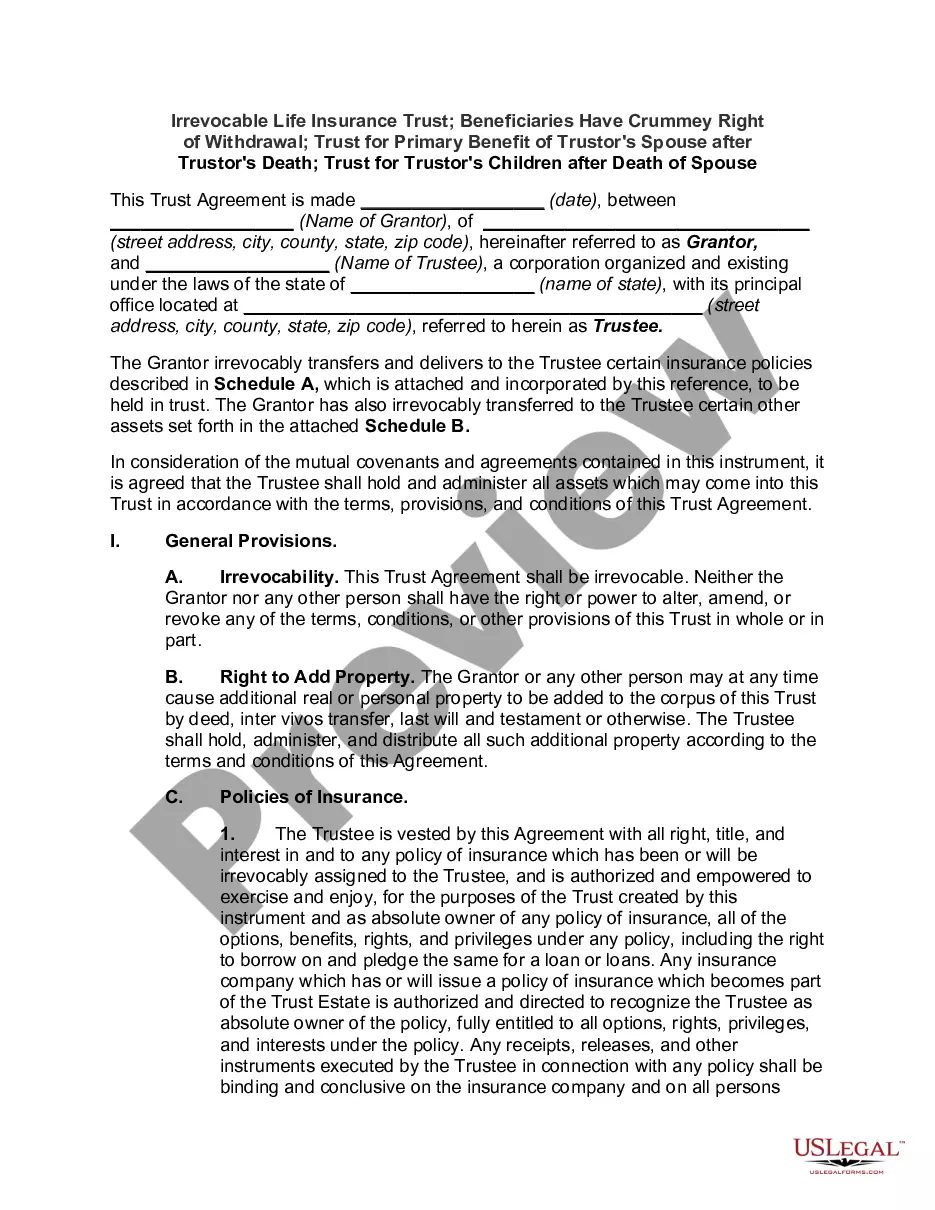
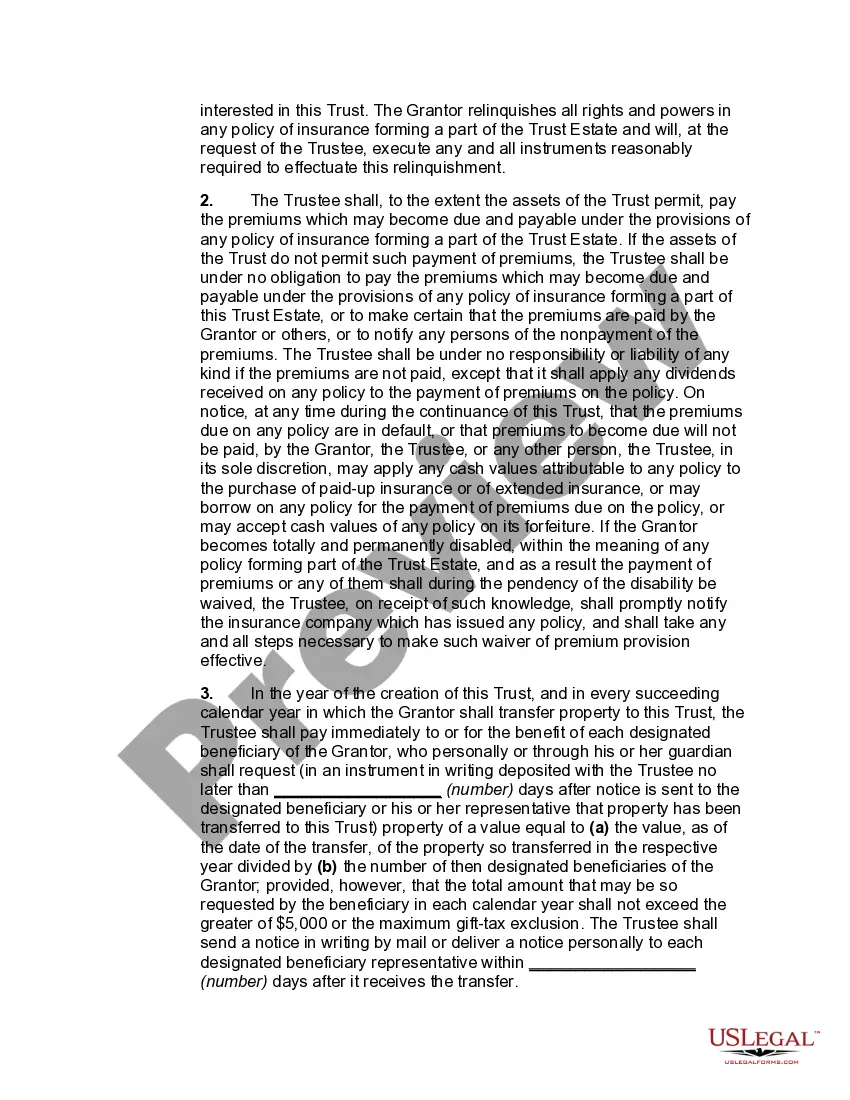
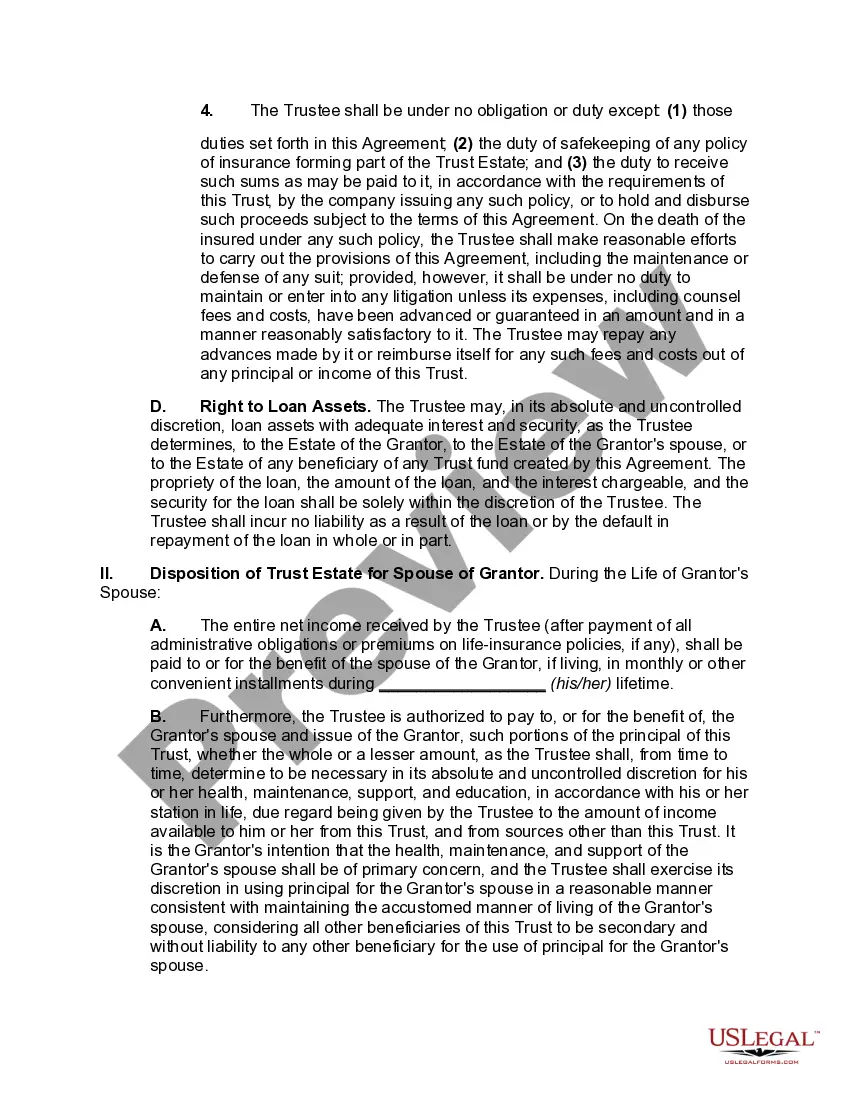
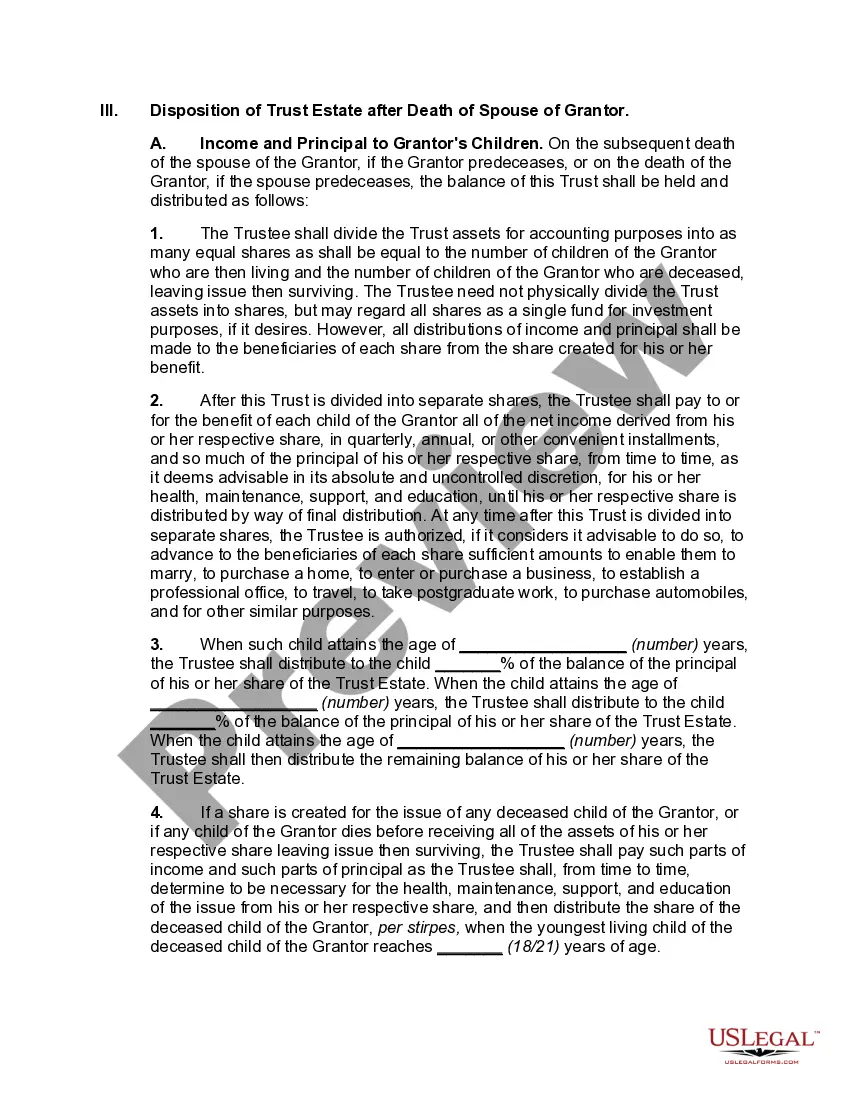

Get your form ready online
Our built-in tools help you complete, sign, share, and store your documents in one place.
Make edits, fill in missing information, and update formatting in US Legal Forms—just like you would in MS Word.
Download a copy, print it, send it by email, or mail it via USPS—whatever works best for your next step.
Sign and collect signatures with our SignNow integration. Send to multiple recipients, set reminders, and more. Go Premium to unlock E-Sign.
If this form requires notarization, complete it online through a secure video call—no need to meet a notary in person or wait for an appointment.
We protect your documents and personal data by following strict security and privacy standards.

Make edits, fill in missing information, and update formatting in US Legal Forms—just like you would in MS Word.

Download a copy, print it, send it by email, or mail it via USPS—whatever works best for your next step.

Sign and collect signatures with our SignNow integration. Send to multiple recipients, set reminders, and more. Go Premium to unlock E-Sign.

If this form requires notarization, complete it online through a secure video call—no need to meet a notary in person or wait for an appointment.

We protect your documents and personal data by following strict security and privacy standards.
Looking for another form?
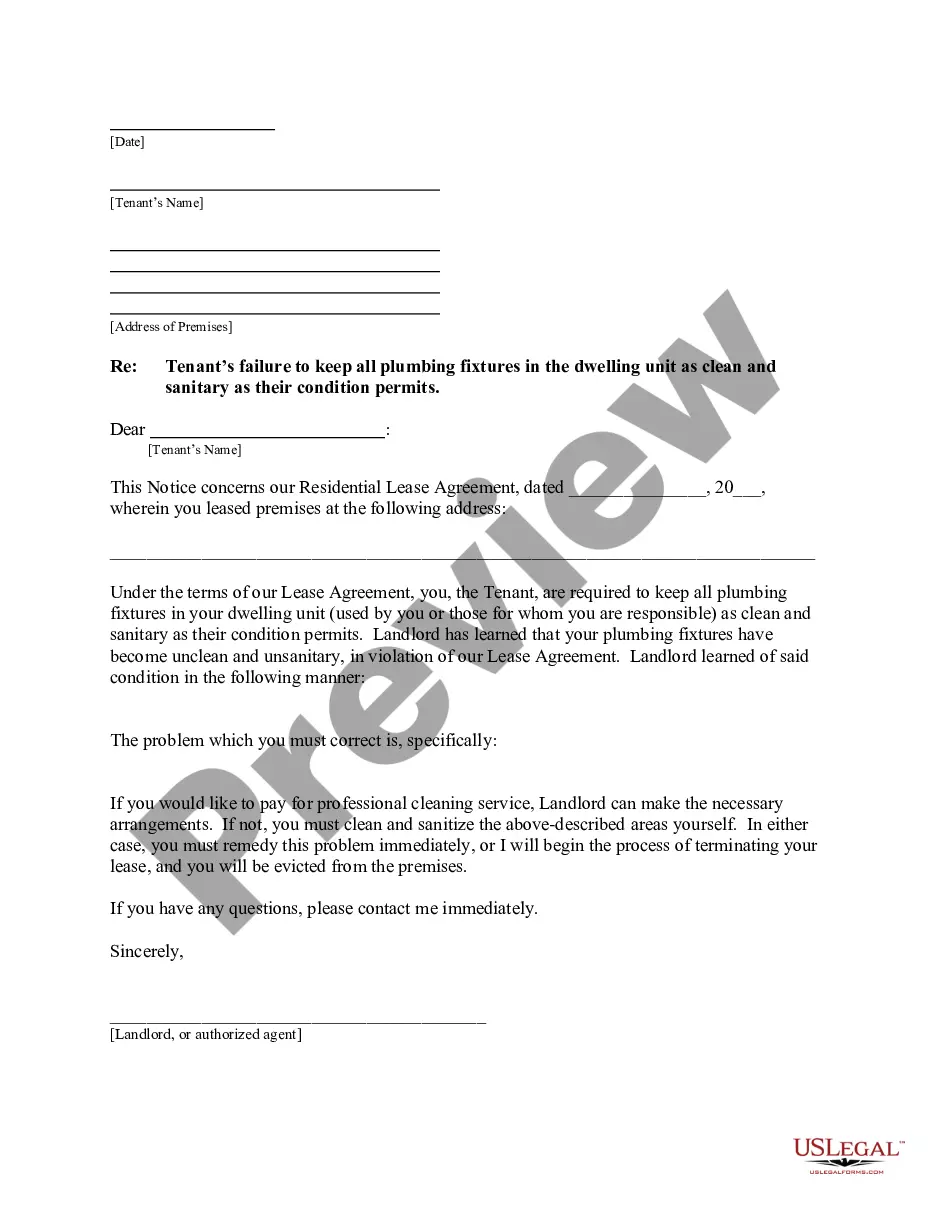








How to fill out Irrevocable Life Insurance Trust - Beneficiaries Have Crummey Right Of Withdrawal?
Acquiring legal document examples that comply with federal and local regulations is essential, and the internet provides numerous alternatives to select from.
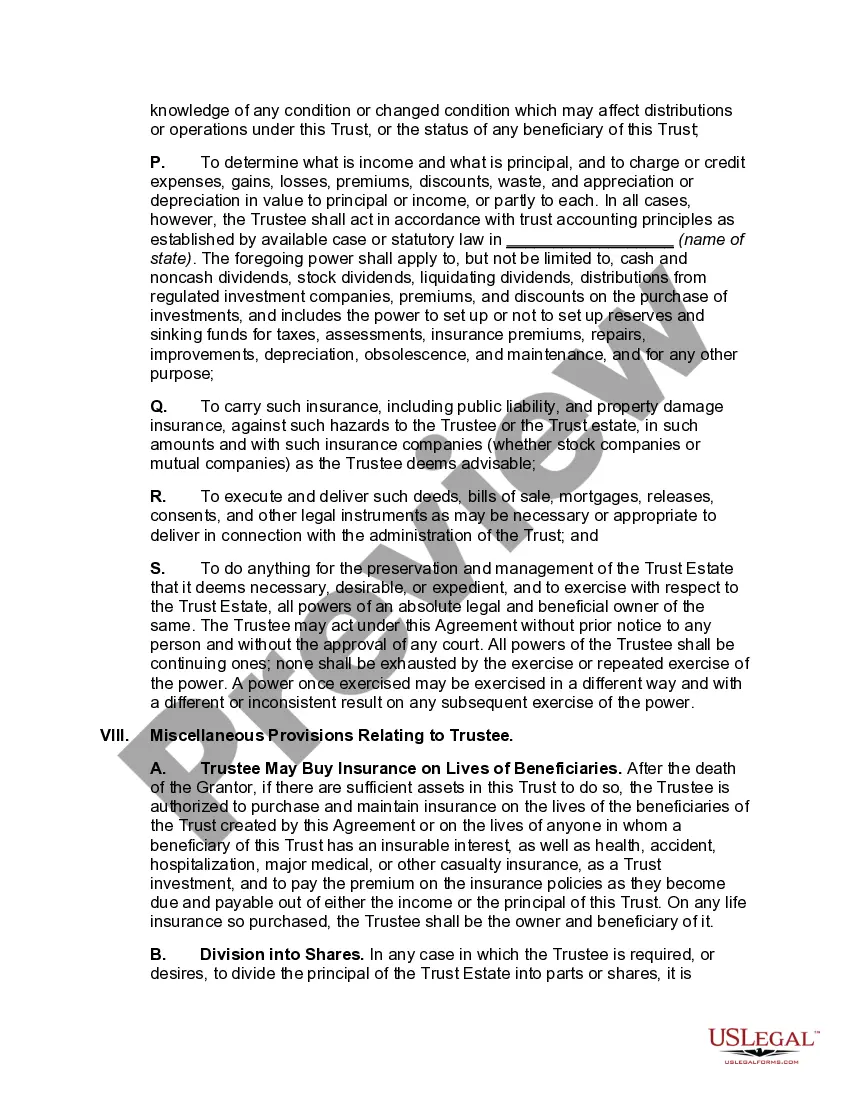
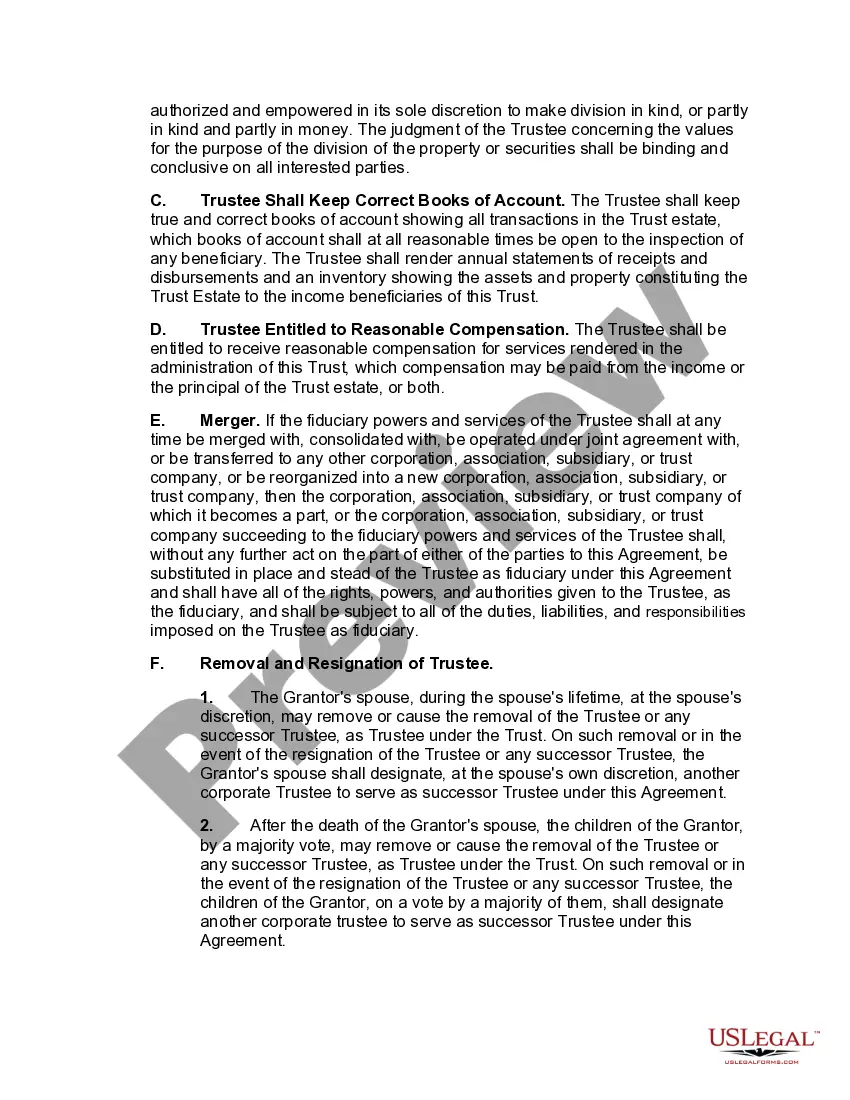
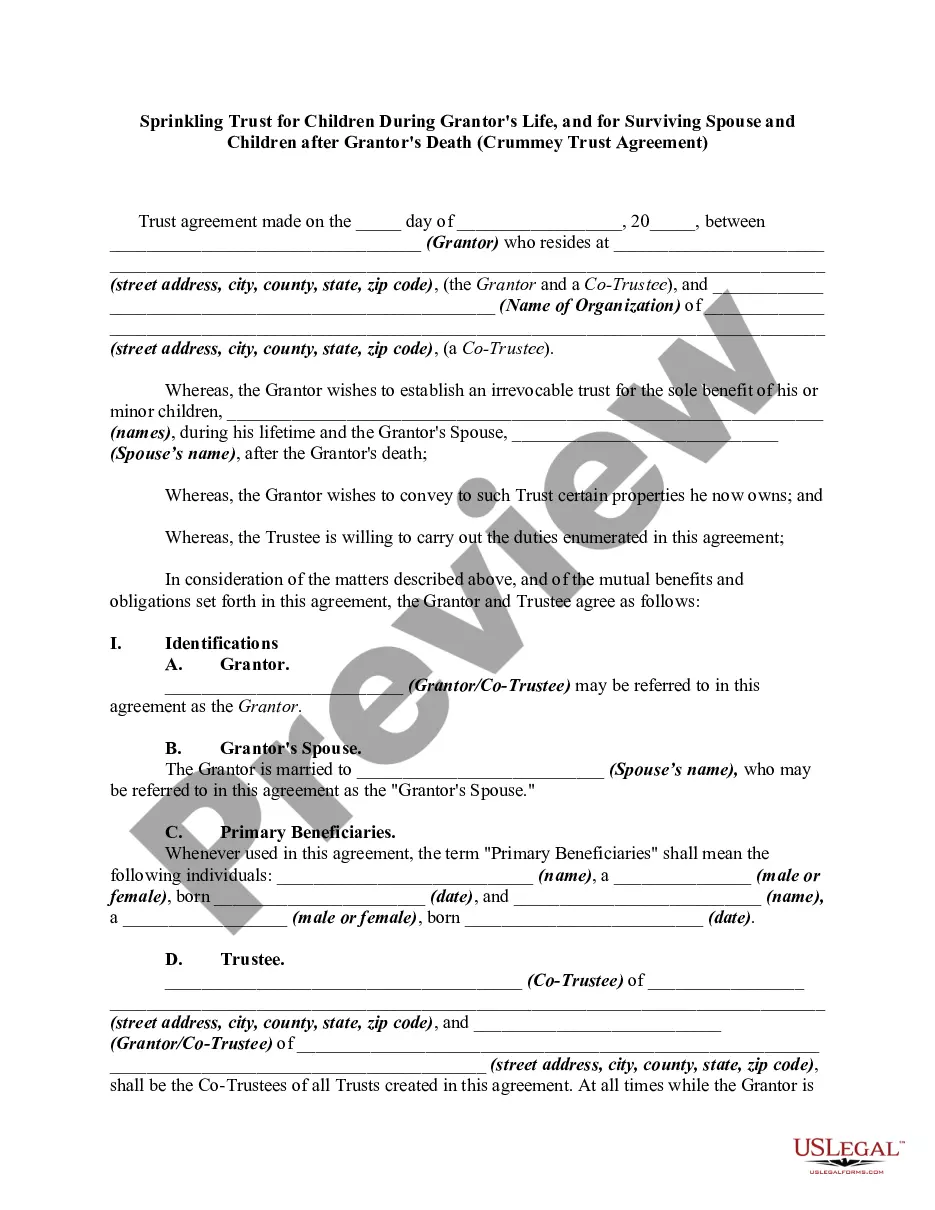
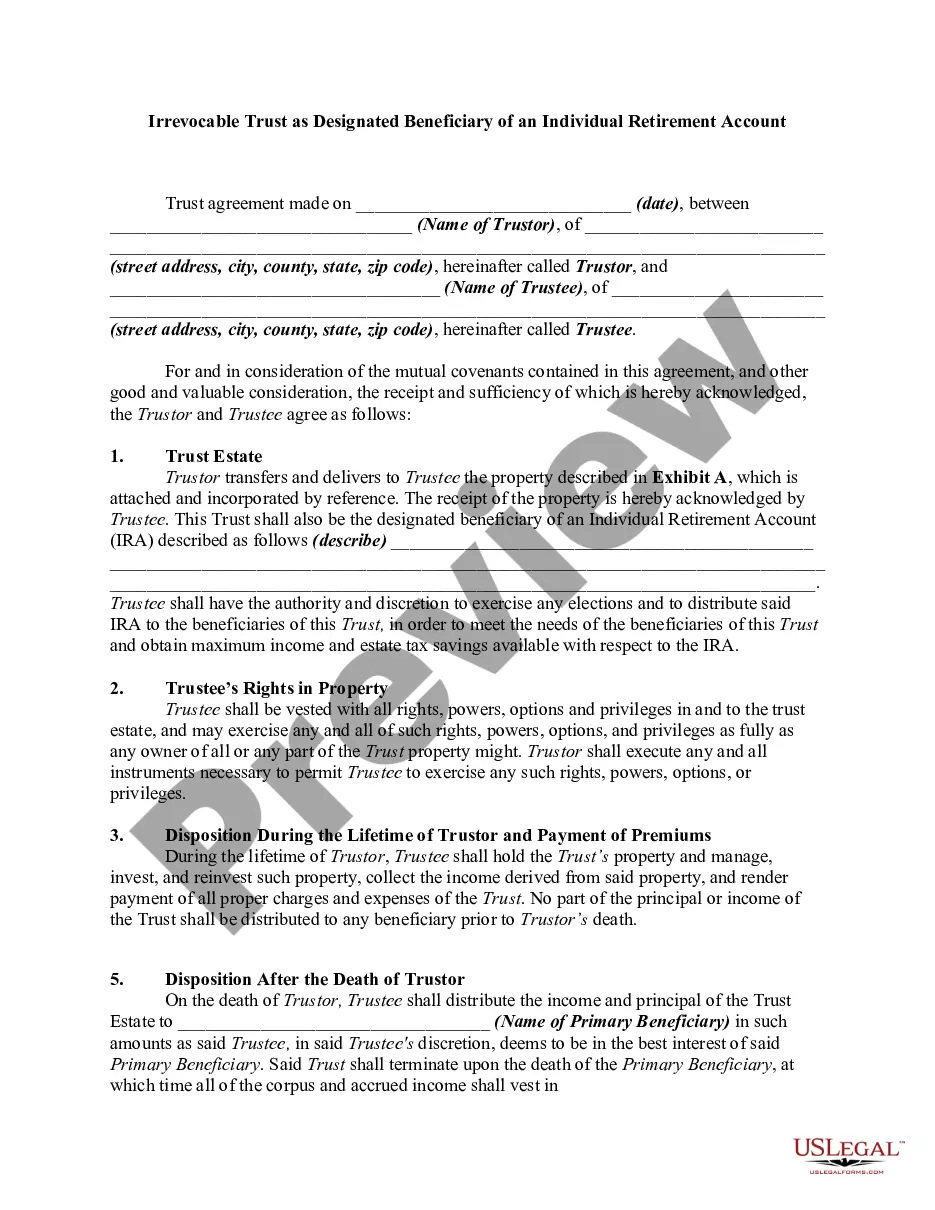
However, what’s the use of spending time searching for the suitable Beneficiary Right To Trust Documents template online if the US Legal Forms virtual library already assembles such forms in one location.
US Legal Forms is the top-rated online legal repository featuring over 85,000 editable templates created by lawyers for any professional and personal situation.
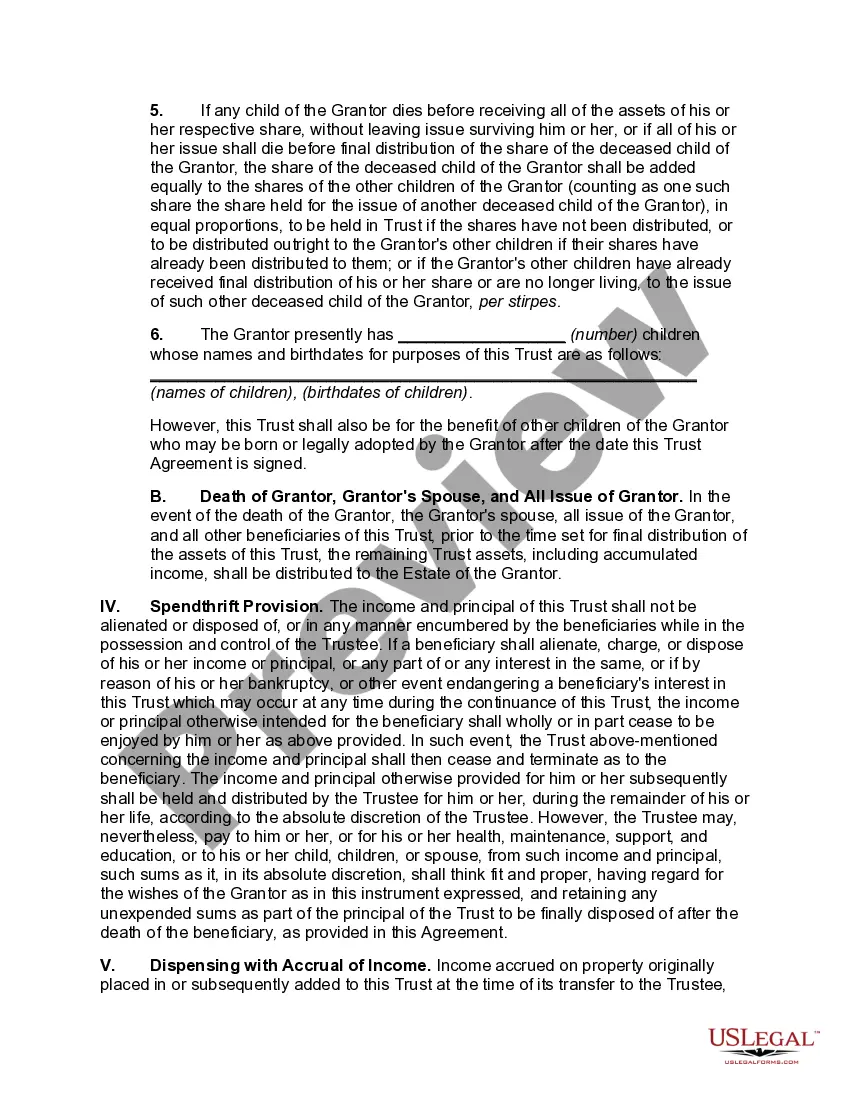
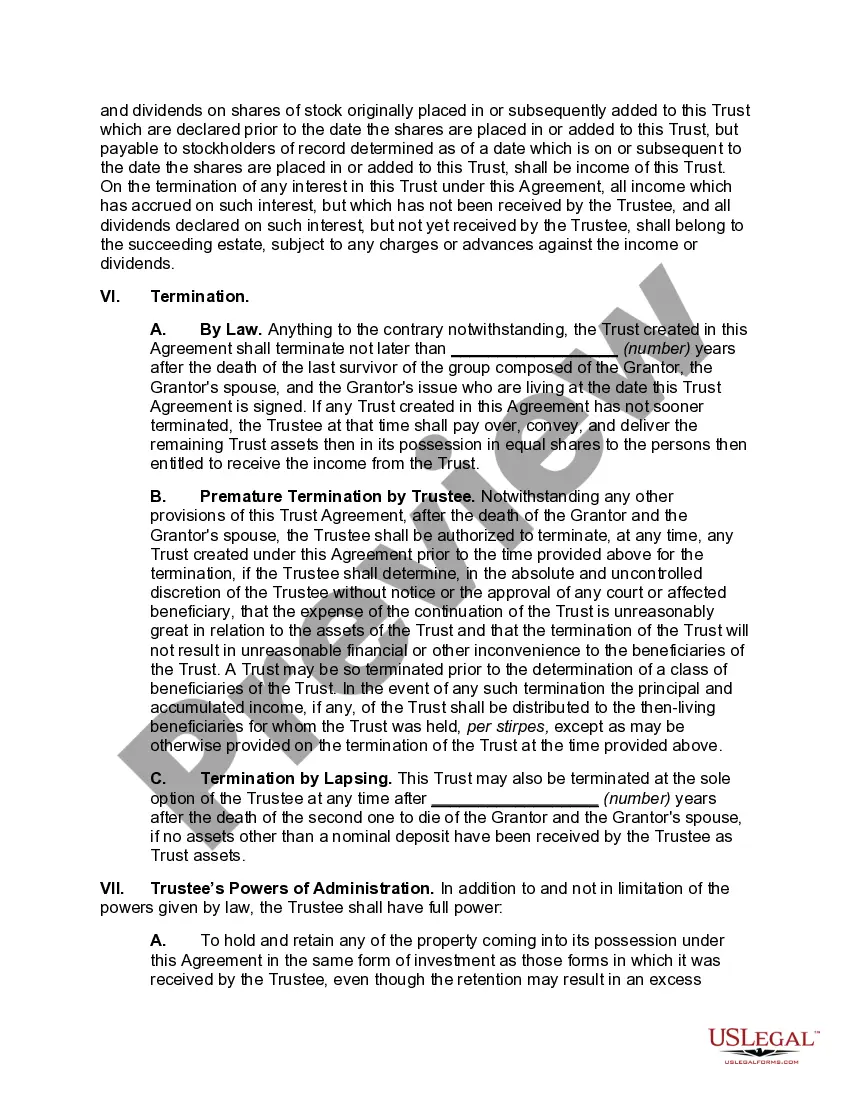
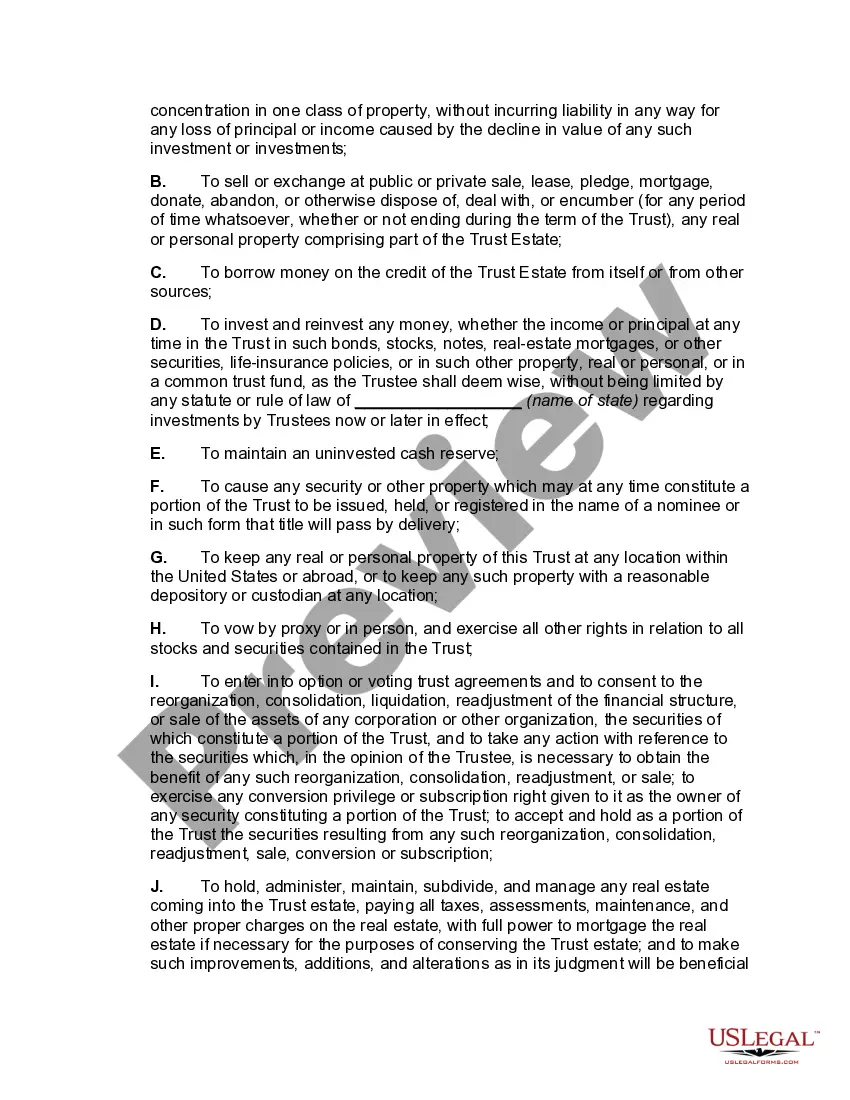
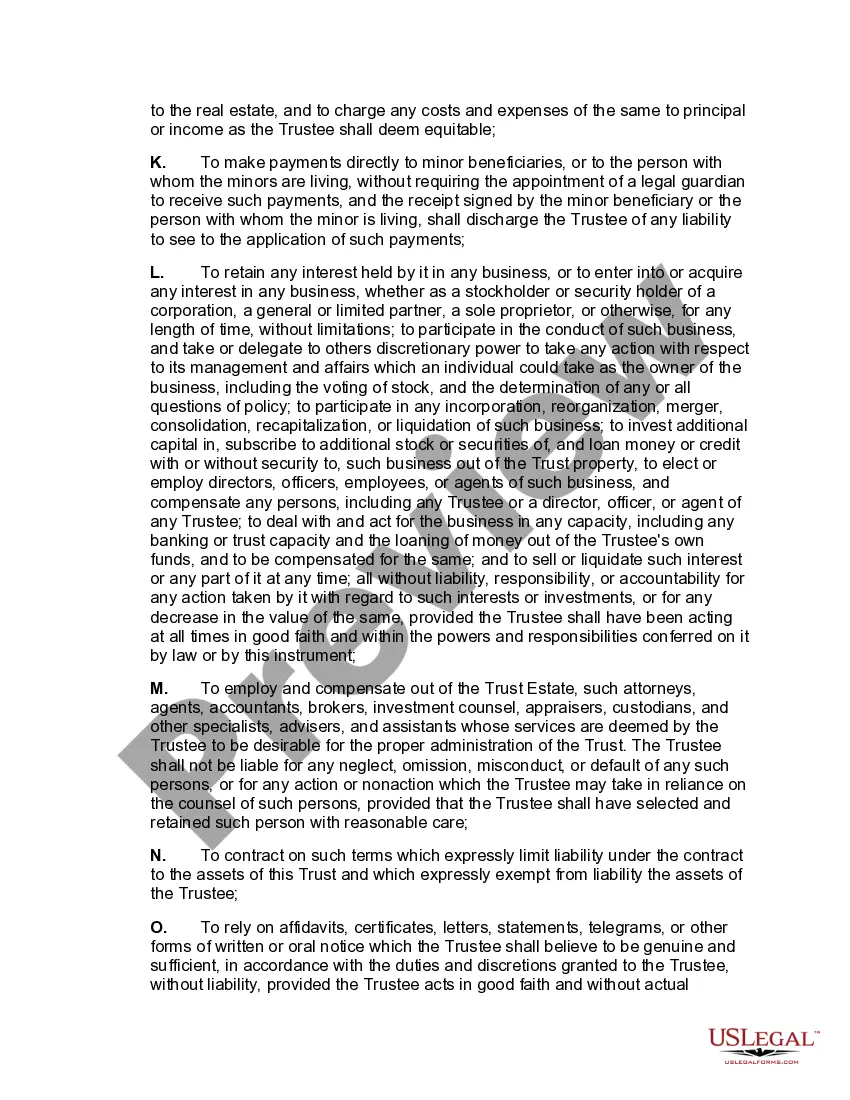
Review the template using the Preview feature or through the text outline to confirm it meets your requirements.
- They are straightforward to navigate with all forms categorized by state and intended use.
- Our specialists keep pace with legislative changes, ensuring your documentation is current and compliant when acquiring a Beneficiary Right To Trust Documents from our platform.
- Obtaining a Beneficiary Right To Trust Documents is quick and easy for both existing and new users.
- If you possess an account with an active subscription, Log In and save the document template you need in your chosen format.
- If you are new to our site, follow the steps below.
Form popularity
FAQ
Most beneficiary designations will require you to provide a person's full legal name and their relationship to you (spouse, child, mother, etc.). Some beneficiary designations also include information like mailing address, email, phone number, date of birth and Social Security number.
Generally speaking, California law states that beneficiaries have a right to information and accounting regarding the trust. More specifically, beneficiaries have a right to information regarding all changes made to the trust promptly, and they have a right to know the plan to administer and distribute the estate.
To leave property to your living trust, name your trust as beneficiary for that property, using the trustee's name and the name of the trust. For example: John Doe as trustee of the John Doe Living Trust, dated January 1, 20xx.
Write only one beneficiary on each line. Make sure that you write the full names of all beneficiaries. For example, if you name you children as beneficiaries, DO NOT merely write ?children? on one of the lines; instead write the full names of each of your children on separate lines.
Spouse, partner, children, parents, brothers and sisters, business partner, key employee, trust and charitable organization.