Beneficiary Estate Other Form Sample
Description


Get your form ready online
Our built-in tools help you complete, sign, share, and store your documents in one place.
Make edits, fill in missing information, and update formatting in US Legal Forms—just like you would in MS Word.
Download a copy, print it, send it by email, or mail it via USPS—whatever works best for your next step.
Sign and collect signatures with our SignNow integration. Send to multiple recipients, set reminders, and more. Go Premium to unlock E-Sign.
If this form requires notarization, complete it online through a secure video call—no need to meet a notary in person or wait for an appointment.
We protect your documents and personal data by following strict security and privacy standards.

Make edits, fill in missing information, and update formatting in US Legal Forms—just like you would in MS Word.

Download a copy, print it, send it by email, or mail it via USPS—whatever works best for your next step.

Sign and collect signatures with our SignNow integration. Send to multiple recipients, set reminders, and more. Go Premium to unlock E-Sign.

If this form requires notarization, complete it online through a secure video call—no need to meet a notary in person or wait for an appointment.

We protect your documents and personal data by following strict security and privacy standards.
Looking for another form?





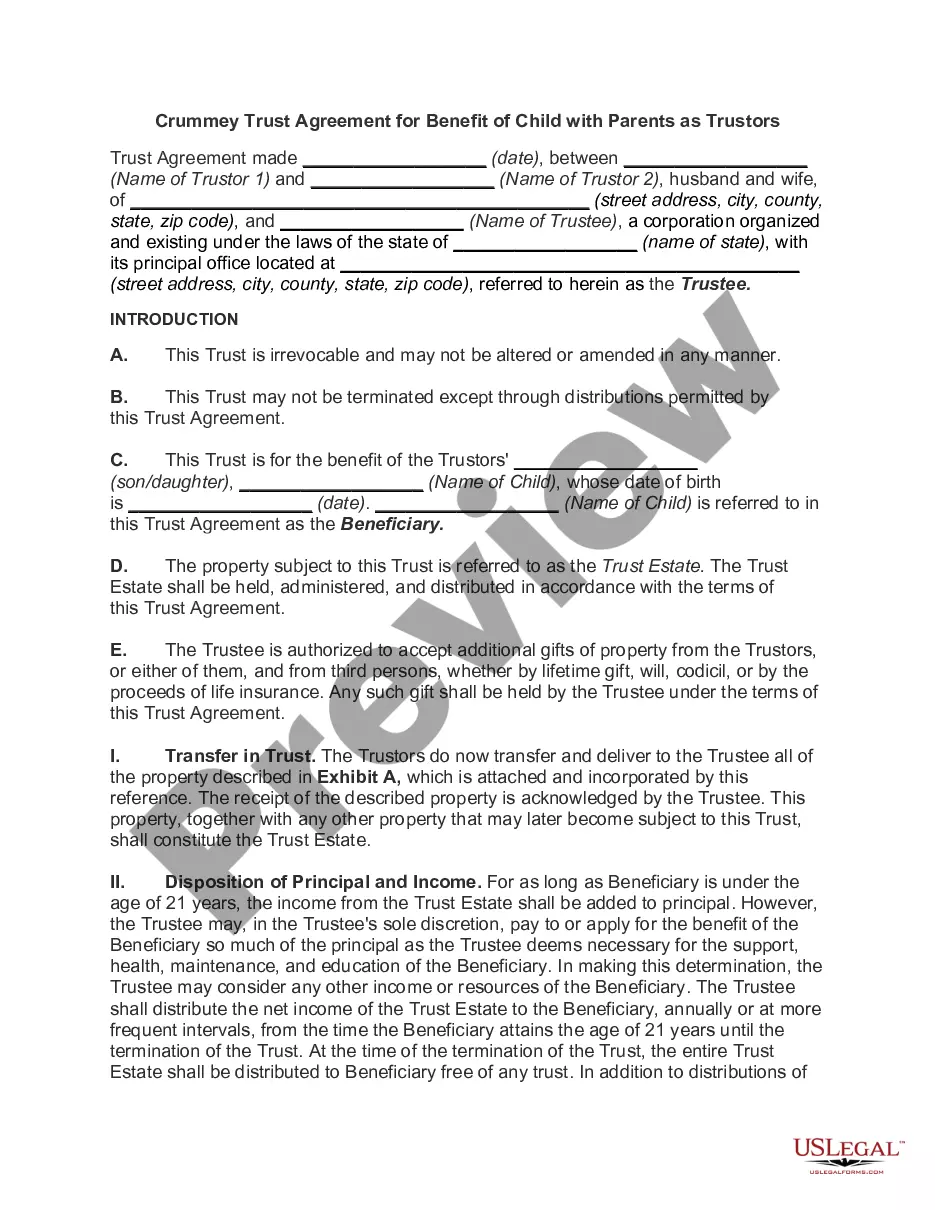
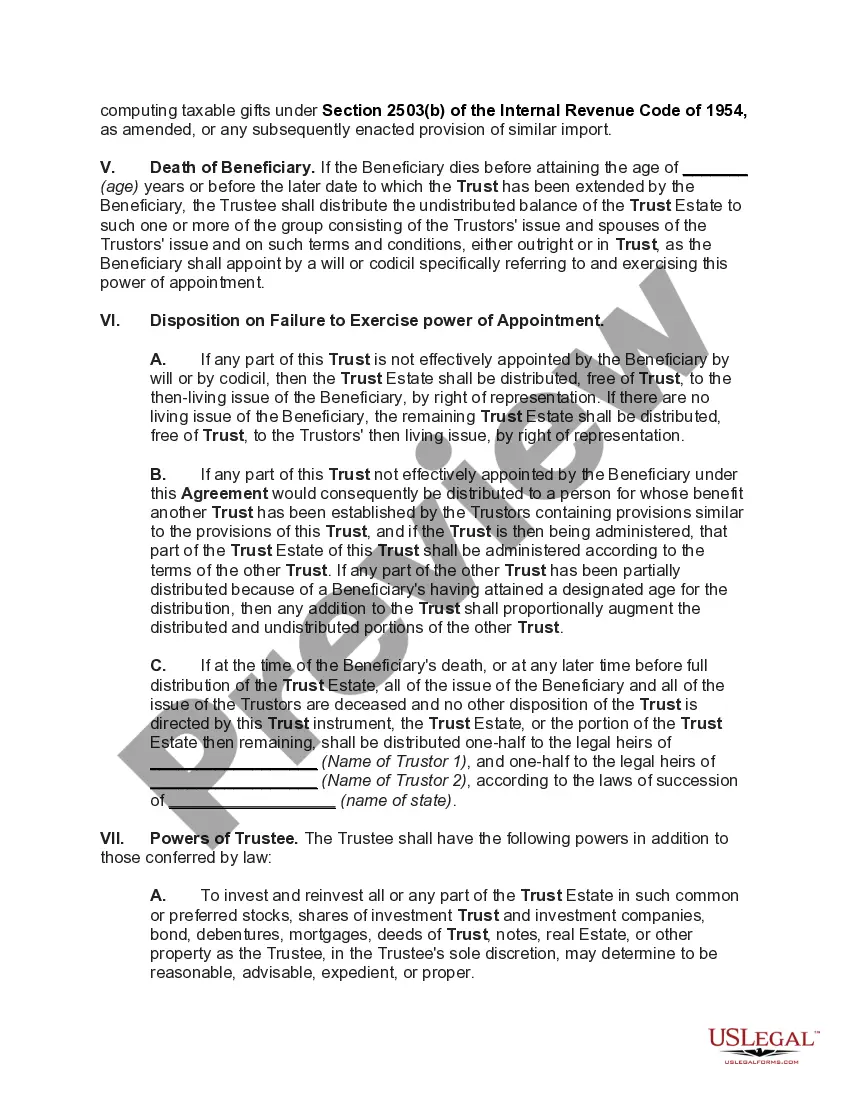
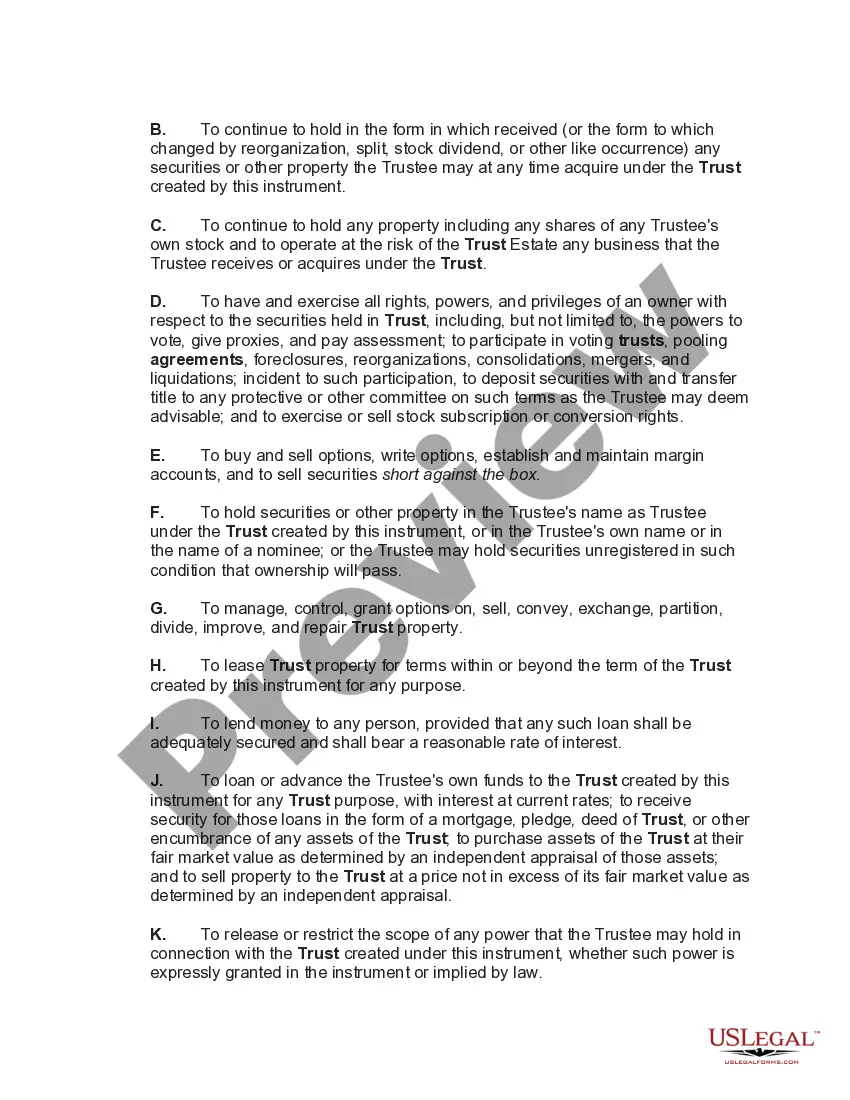
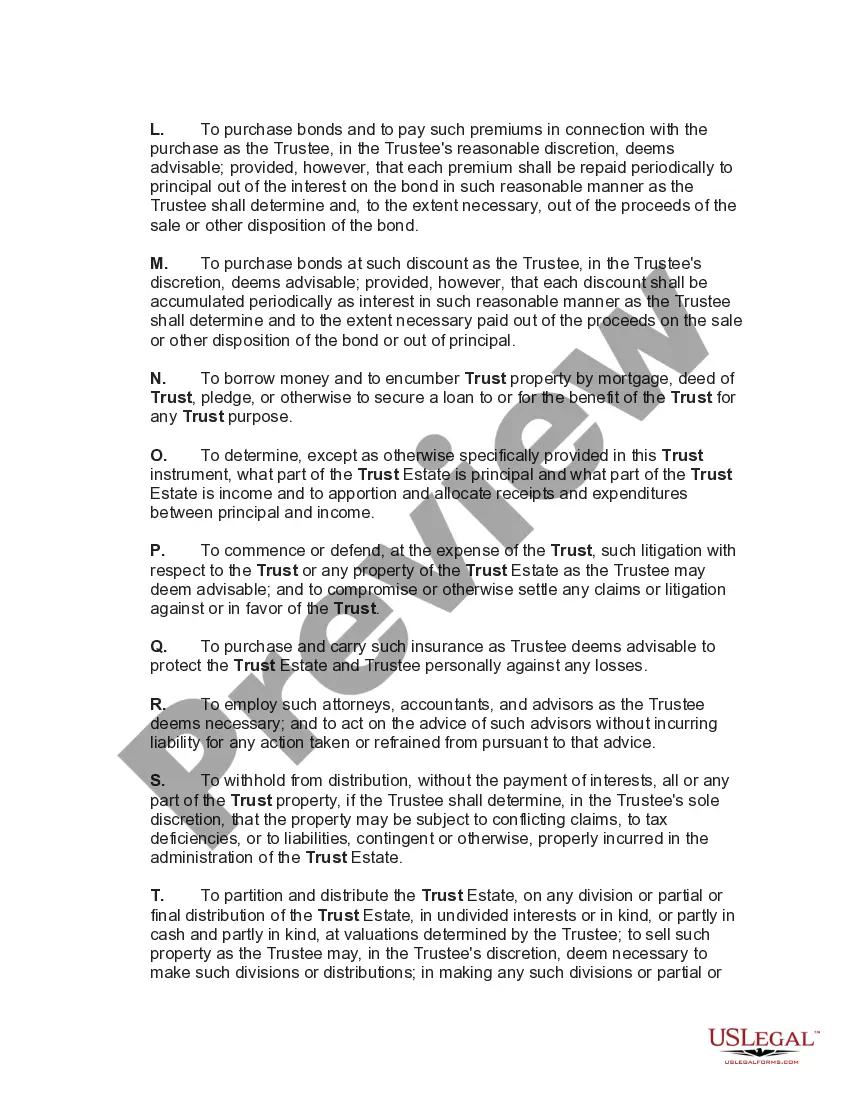
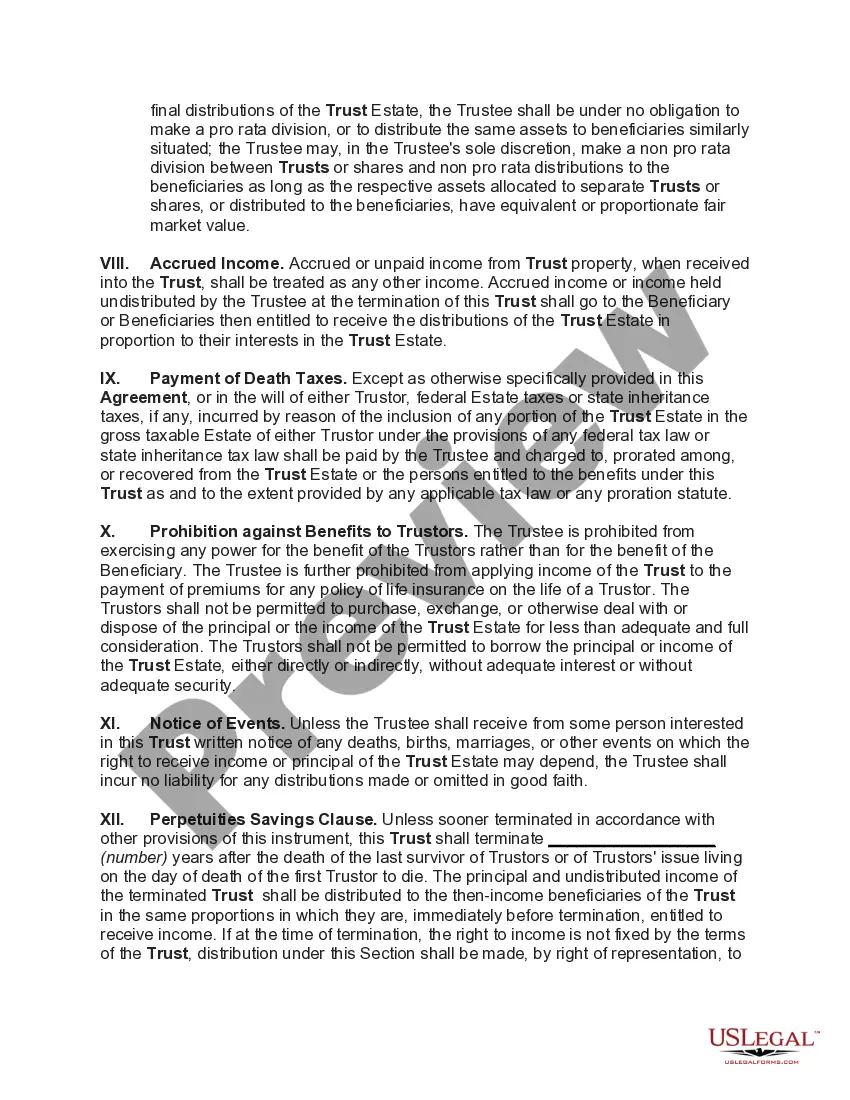
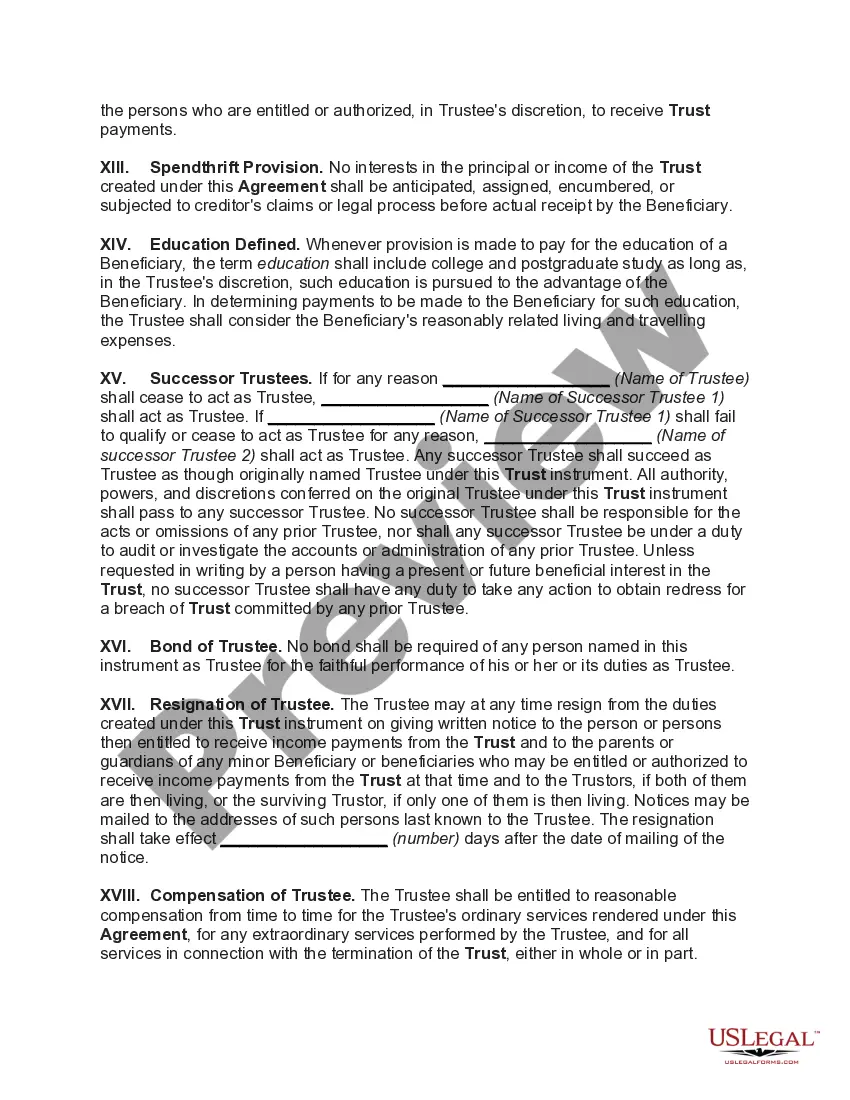
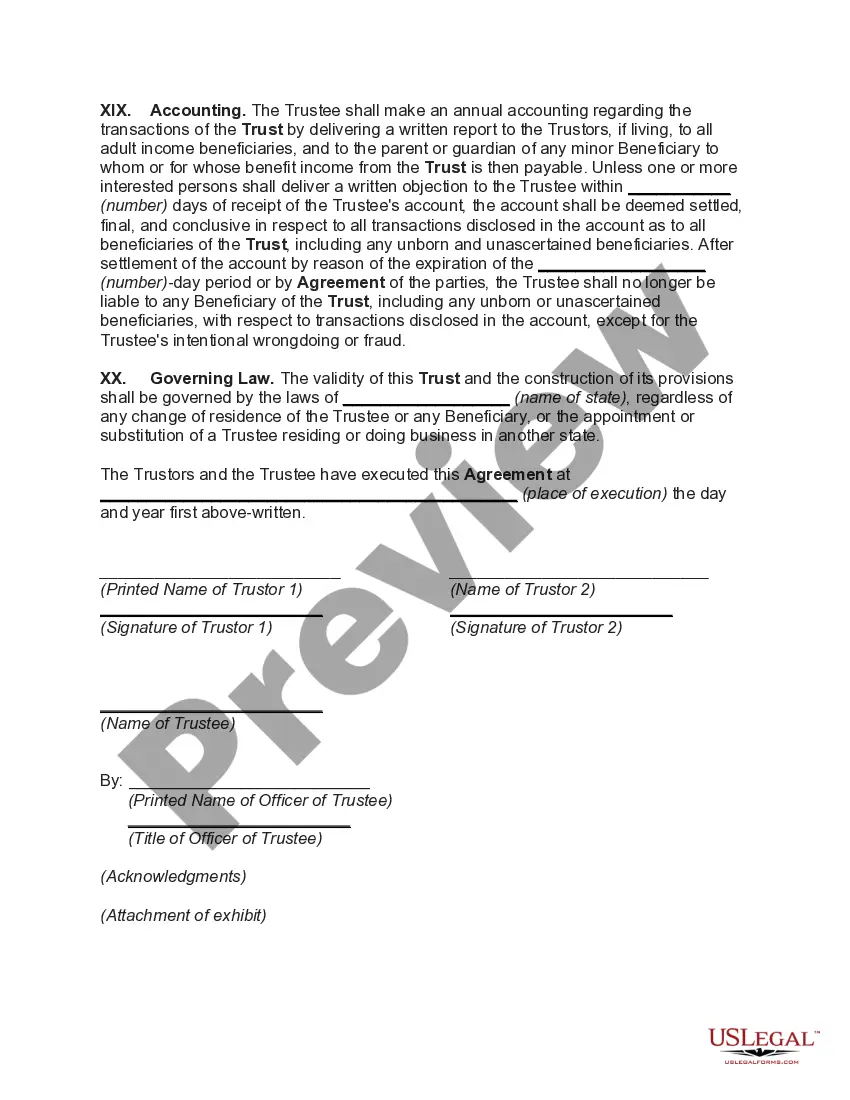
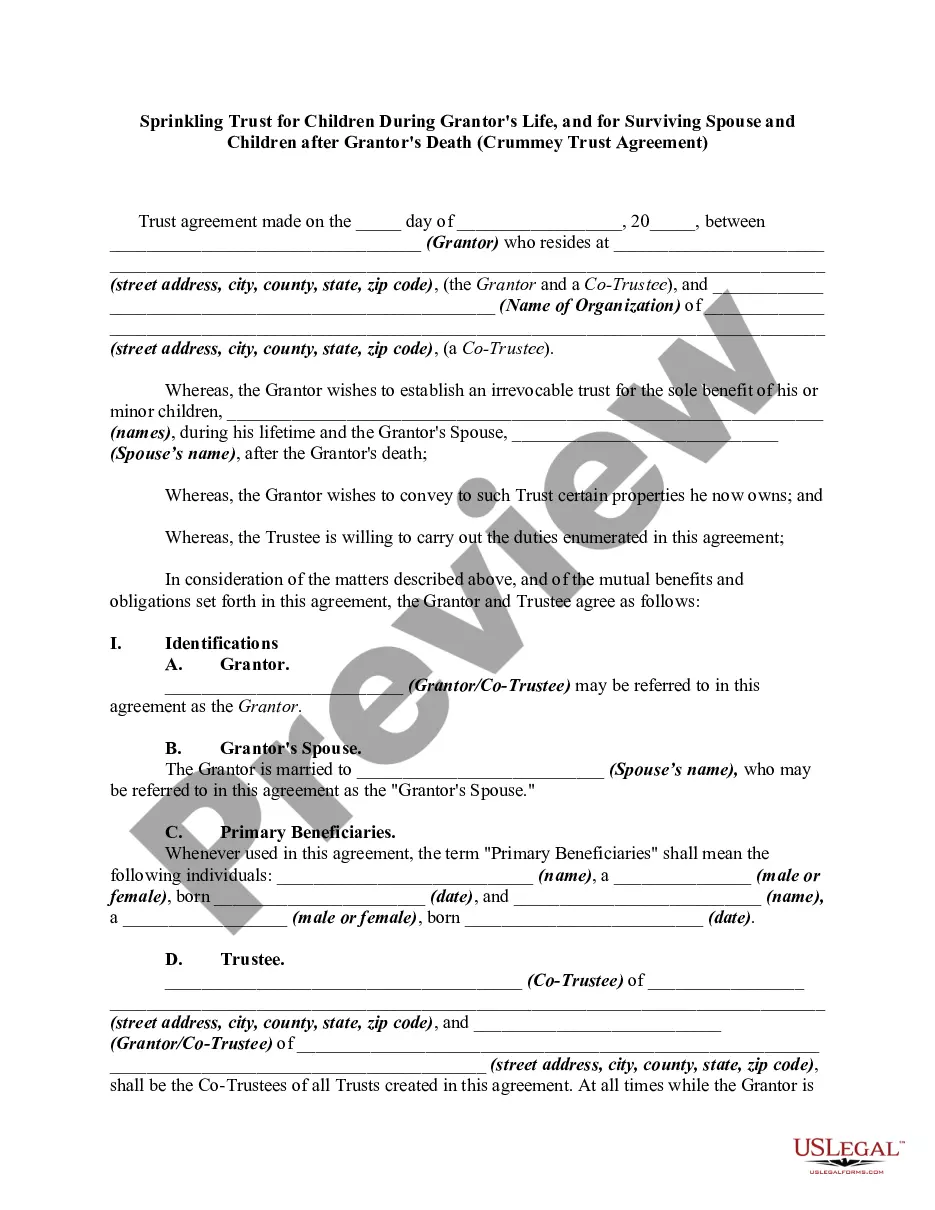
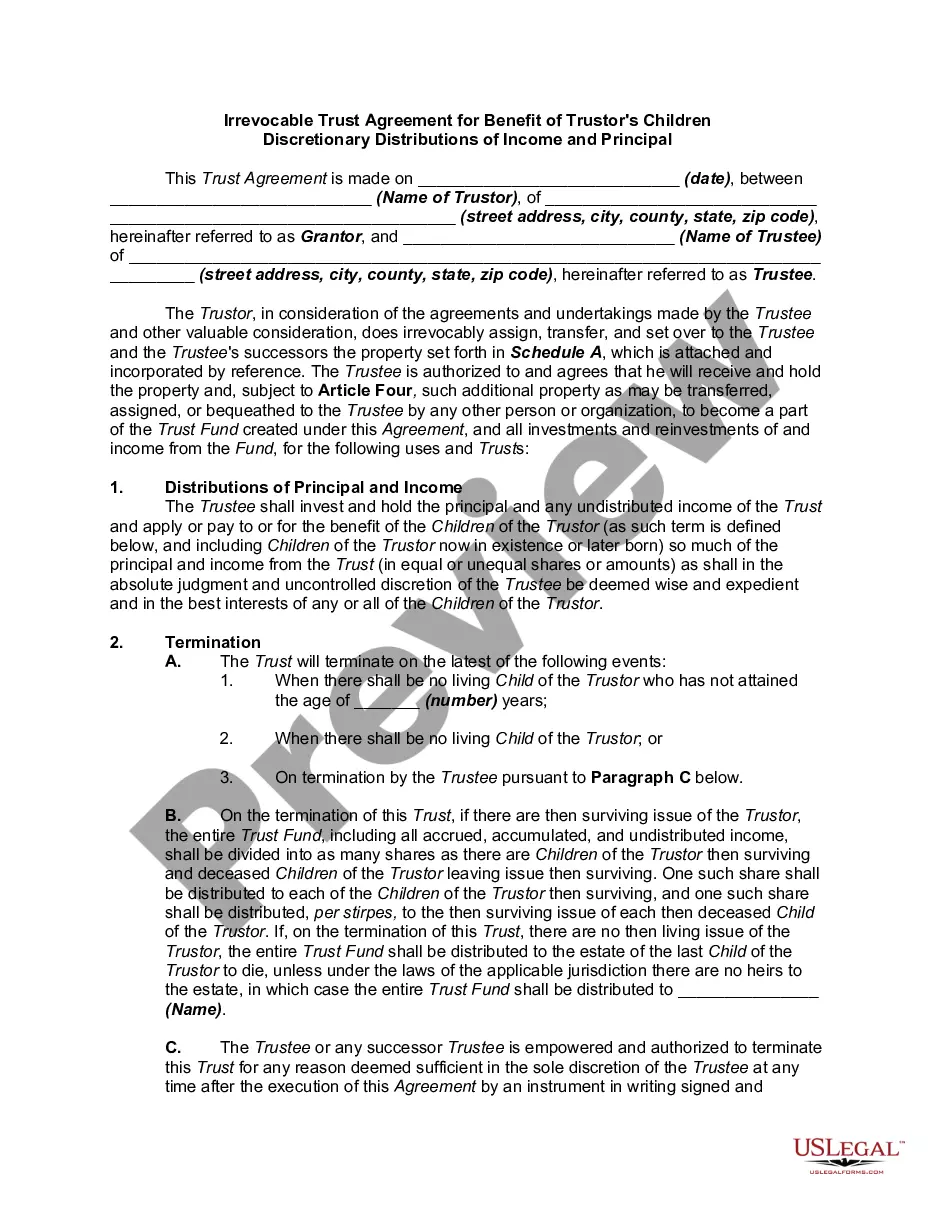
How to fill out Crummey Trust Agreement For Benefit Of Child With Parents As Trustors?
It’s obvious that you can’t become a law expert overnight, nor can you learn how to quickly prepare Beneficiary Estate Other Form Sample without the need of a specialized background. Creating legal documents is a long process requiring a particular education and skills. So why not leave the preparation of the Beneficiary Estate Other Form Sample to the pros?
With US Legal Forms, one of the most comprehensive legal document libraries, you can find anything from court papers to templates for in-office communication. We understand how crucial compliance and adherence to federal and state laws are. That’s why, on our platform, all forms are location specific and up to date.
Here’s how you can get started with our platform and get the document you require in mere minutes:
- Discover the form you need with the search bar at the top of the page.
- Preview it (if this option provided) and read the supporting description to figure out whether Beneficiary Estate Other Form Sample is what you’re searching for.
- Begin your search over if you need a different template.
- Register for a free account and select a subscription option to purchase the template.
- Choose Buy now. As soon as the transaction is complete, you can get the Beneficiary Estate Other Form Sample, fill it out, print it, and send or mail it to the necessary individuals or organizations.
You can re-access your forms from the My Forms tab at any time. If you’re an existing customer, you can simply log in, and find and download the template from the same tab.
No matter the purpose of your paperwork-be it financial and legal, or personal-our platform has you covered. Try US Legal Forms now!
Form popularity
FAQ
When deciding upon beneficiaries, the more specific you are, the better. Describe beneficiaries by name instead of by group. For example, if you want all your children to inherit, name them individually. Stepchildren aren't beneficiaries unless they're specifically named in your will or other estate documents.
Your original designation remains in force whether it still reflects your wishes or not, until you submit another form to cancel prior designations or to designate a new beneficiary. A designation of beneficiary form outlines your desire to have the funds due upon your death paid out in a particular way.
If you decide to have more than one beneficiary, you will allocate a percentage of the death benefit for each, so that the total allocation equals 100%. A simple example of this would be allocating 50% to your partner, and 25% to each of your two children, for a total of 100%.
Most beneficiary designations will require you to provide a person's full legal name and their relationship to you (spouse, child, mother, etc.). Some beneficiary designations also include information like mailing address, email, phone number, date of birth and Social Security number.
10 tips about beneficiary designations Remember to name beneficiaries. ... Name both primary and contingent beneficiaries. ... Update for life events. ... Read the instructions. ... Coordinate with your will and trust. ... Think twice before naming individual beneficiaries for particular assets. ... Avoid naming your estate as beneficiary.