Living Trust Form Template For Arkansas
Description
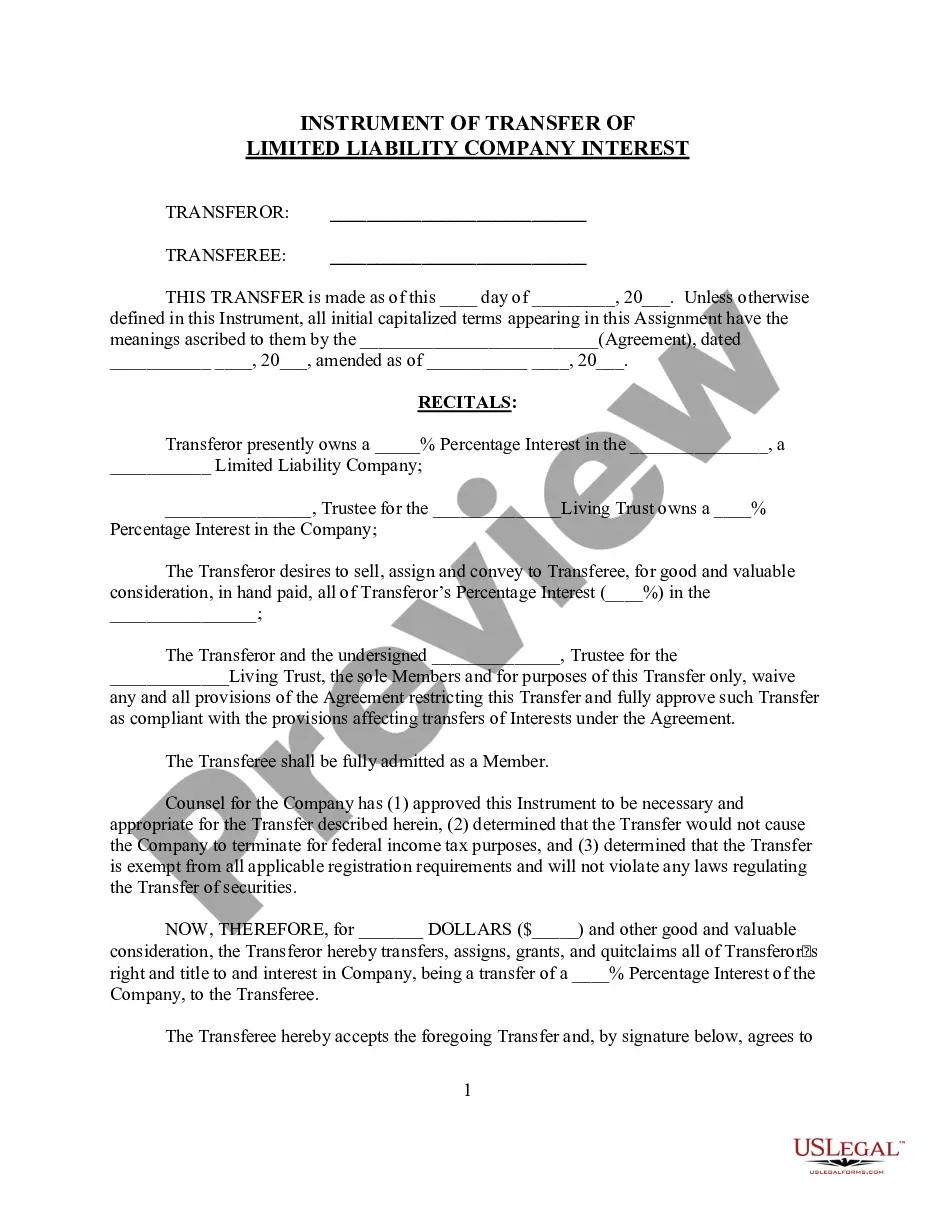
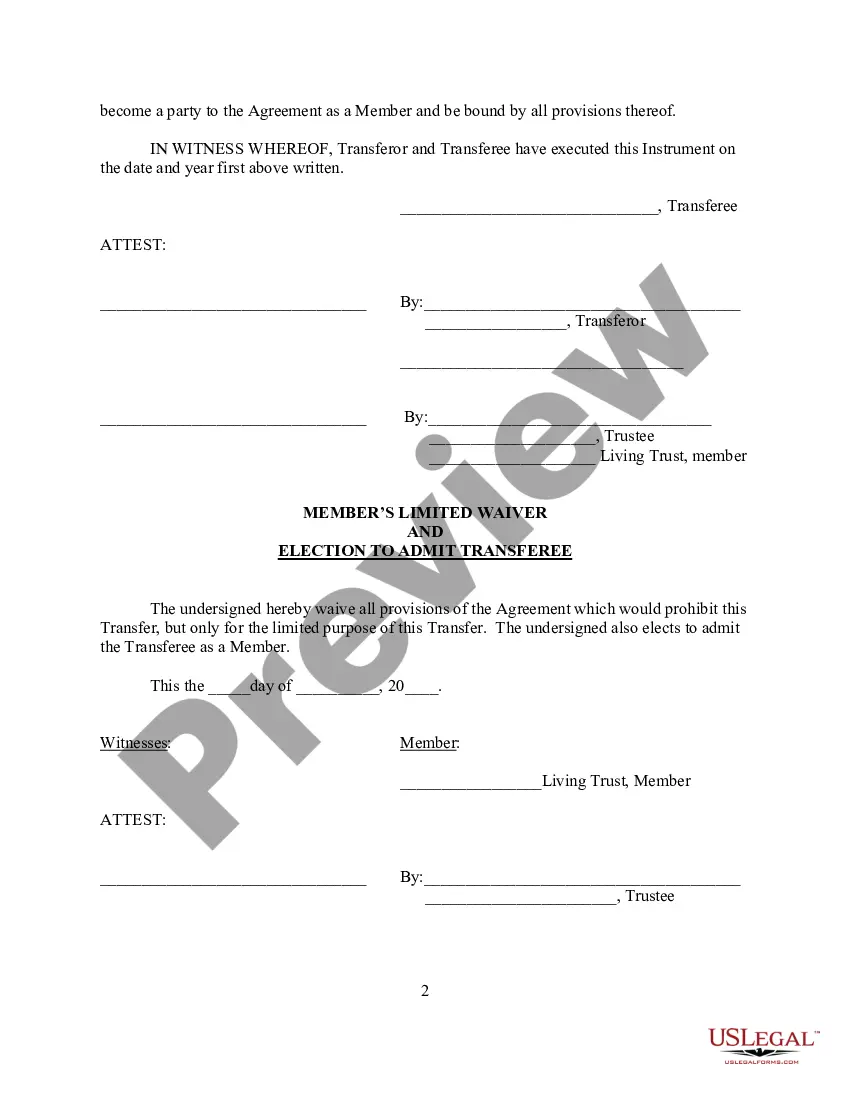
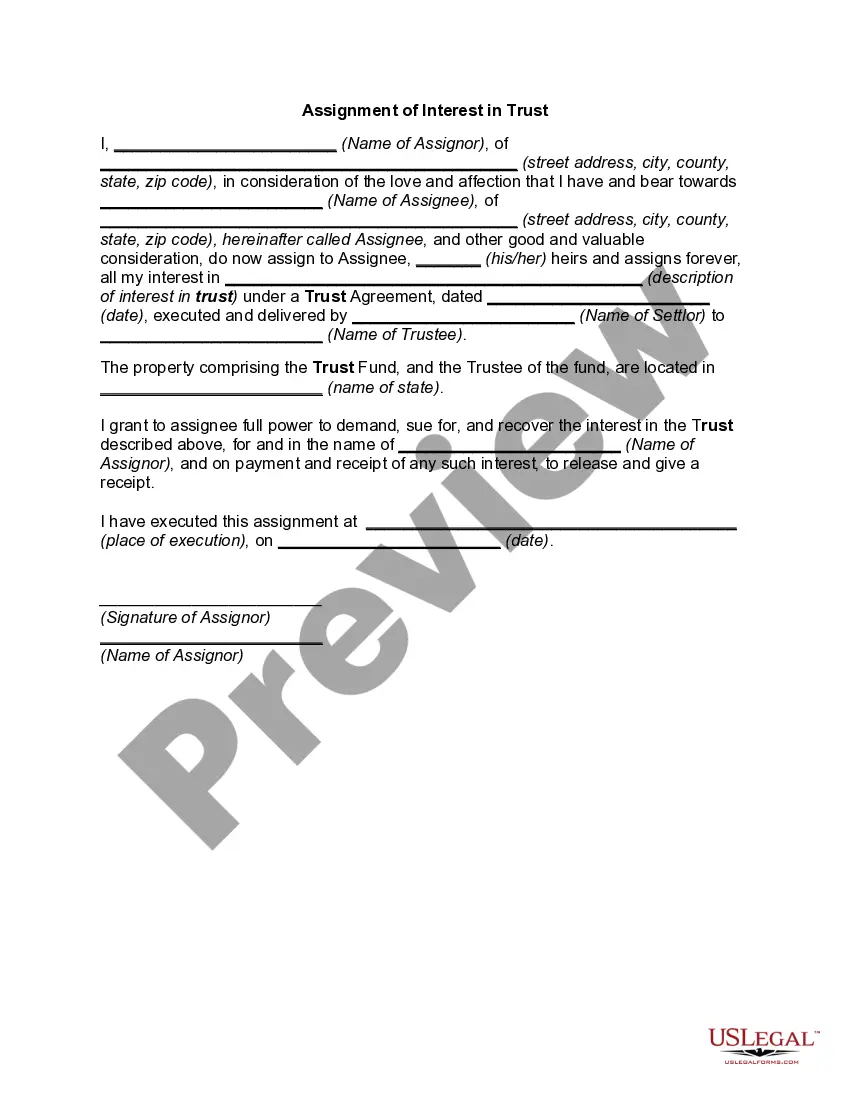
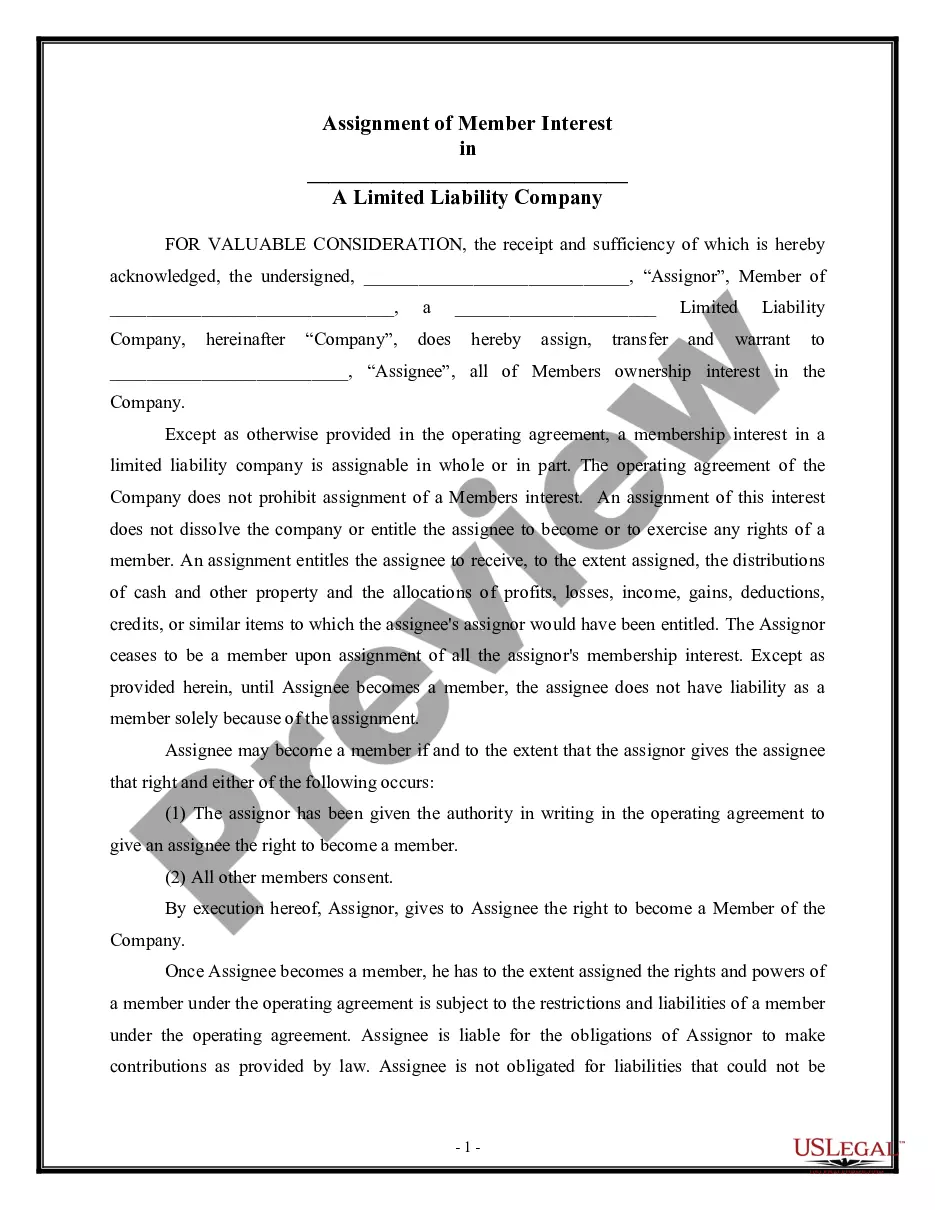
Get your form ready online
Our built-in tools help you complete, sign, share, and store your documents in one place.
Make edits, fill in missing information, and update formatting in US Legal Forms—just like you would in MS Word.
Download a copy, print it, send it by email, or mail it via USPS—whatever works best for your next step.
Sign and collect signatures with our SignNow integration. Send to multiple recipients, set reminders, and more. Go Premium to unlock E-Sign.
If this form requires notarization, complete it online through a secure video call—no need to meet a notary in person or wait for an appointment.
We protect your documents and personal data by following strict security and privacy standards.

Make edits, fill in missing information, and update formatting in US Legal Forms—just like you would in MS Word.

Download a copy, print it, send it by email, or mail it via USPS—whatever works best for your next step.

Sign and collect signatures with our SignNow integration. Send to multiple recipients, set reminders, and more. Go Premium to unlock E-Sign.

If this form requires notarization, complete it online through a secure video call—no need to meet a notary in person or wait for an appointment.

We protect your documents and personal data by following strict security and privacy standards.
Looking for another form?
How to fill out Assignment Of LLC Company Interest To Living Trust?
Whether for corporate purposes or for individual matters, everyone must confront legal circumstances sooner or later in their lives.
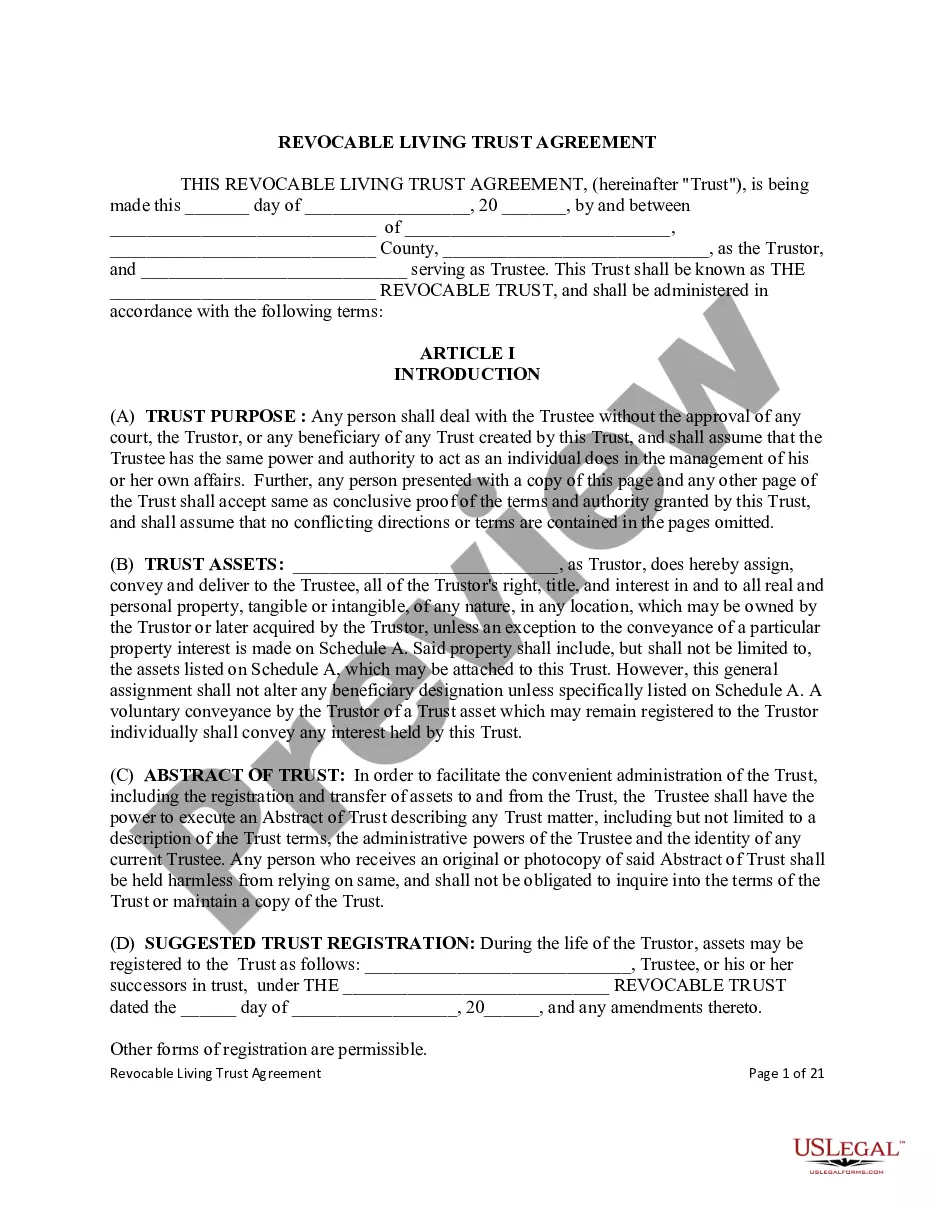
Completing legal documentation requires precise attention, starting with selecting the appropriate form model. For example, if you choose an incorrect version of the Living Trust Form Template For Arkansas, it will be rejected once you submit it.
- Locate the template you require by utilizing the search bar or catalog navigation.
- Review the form’s details to verify it aligns with your situation, state, and county.
- Select the form’s preview to view it.
- If it is the wrong form, return to the search feature to find the Living Trust Form Template For Arkansas sample you require.
- Download the template once it meets your needs.
- If you already possess a US Legal Forms account, simply click Log in to access files you have previously saved in My documents.
- If you do not have an account yet, you can acquire the form by clicking Buy now.
- Select the appropriate pricing option.
- Fill out the account registration form.
- Choose your payment method: either a credit card or PayPal account.
- Select the document format you desire and download the Living Trust Form Template For Arkansas.
- Once it is saved, you can complete the form using editing software or print it out and fill it in manually.
- With an extensive US Legal Forms catalog available, you never have to waste time searching for the correct template online. Use the library’s easy navigation to discover the right form for any circumstance.
Form popularity
FAQ
Both a will and a trust play significant roles in estate planning. A will provides clear directions about asset distribution after your passing, while a trust can manage your assets during your lifetime and after. It’s essential to evaluate your circumstances to determine which document is more crucial for your situation. Utilizing a living trust form template for Arkansas can help streamline this decision.
Your employer identification number (EIN), or FEIN, allows you to do business and report financial information to the Internal Revenue Service. However, an EIN number is a public record, making your company vulnerable to people who care less about your business.
Unfortunately, looking up your EIN on IRS.gov isn't an option, as there's no EIN lookup tool. Still, that doesn't mean you're entirely out of luck. You can find it on the official IRS notice you received when it was issued, call the IRS directly or locate your EIN on business documents.
Applying for an EIN for your Massachusetts LLC is completely free. The IRS doesn't charge any service fees for the EIN online application.
The IRS doesn't provide a public database you can use to look up EIN numbers for your own company or others. However, you can look at your EIN confirmation letter or other places your number may be recorded, including previously filed tax returns or old financing documents.
For public companies, you can look up the EIN on the SEC's website. Search the company's name, and pull up the most recent 10-Q or 10K. All non-profit EINs are public information, and you can find them in the IRS database. If none of these suggestions yield results, you likely won't be able to find the number for free.
Searching the EDGAR database is completely free of charge, and can be used to find a business EIN that is not listed in the online SEC filings. If you frequently need to search for business EINs, then you may want to sign up for a commercial database service.
You can verify the EIN with the IRS TIN Match system or use Tax1099's super fast real-time TIN match program (more on this as you scroll). If the EIN and the legal name of the entity match the records of the IRS, it's an EIN match.