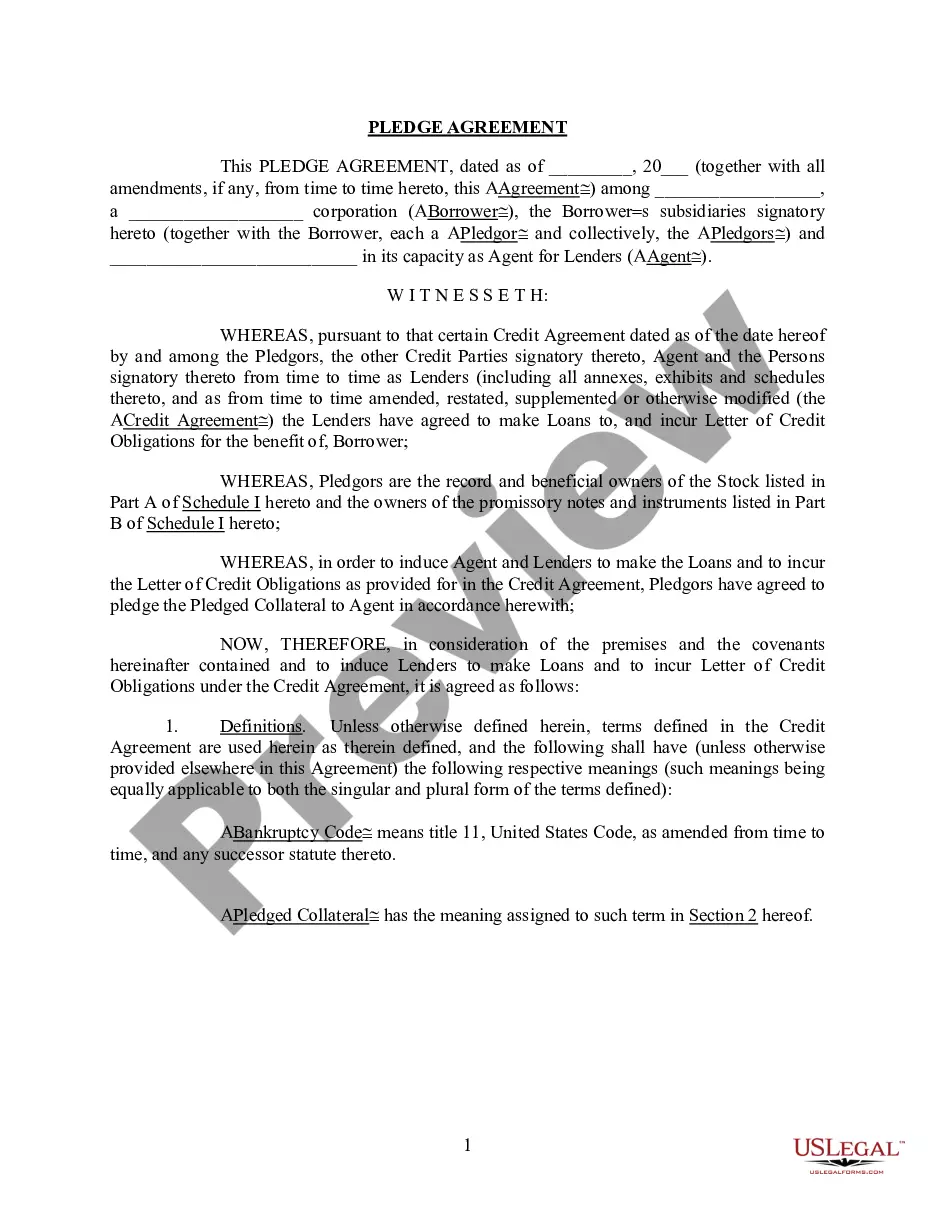
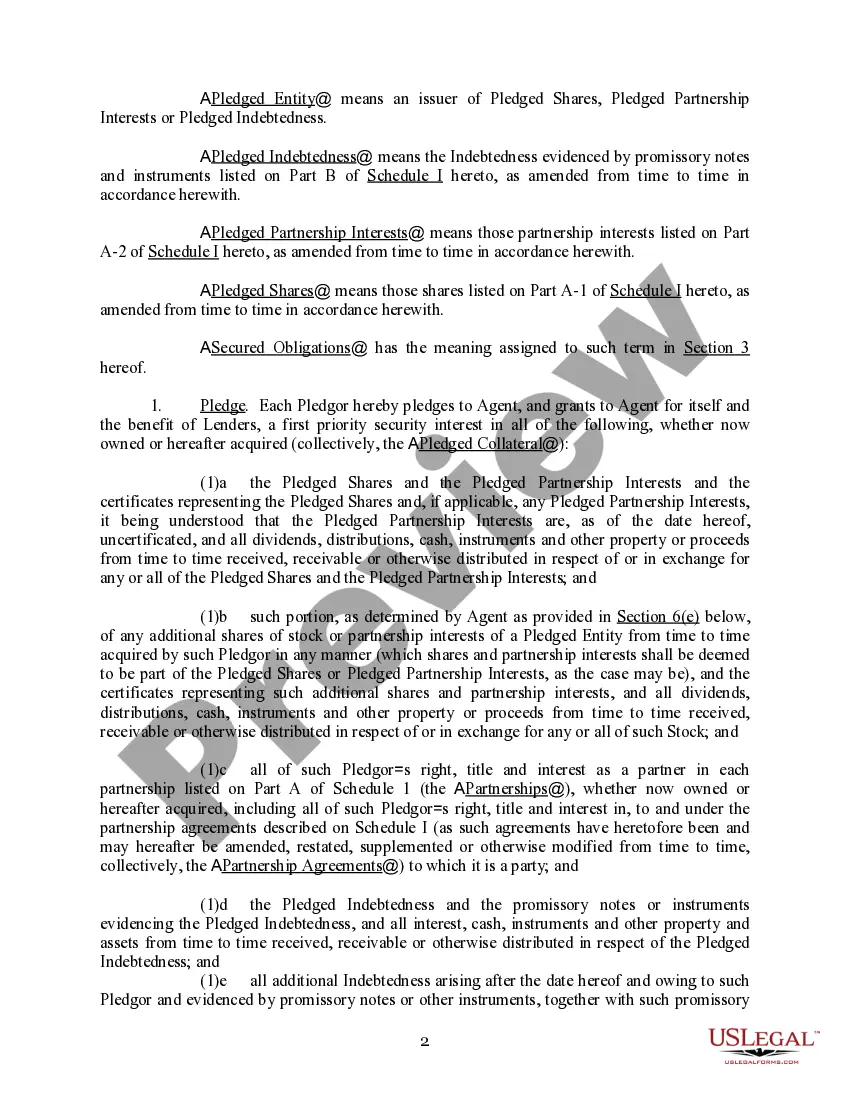
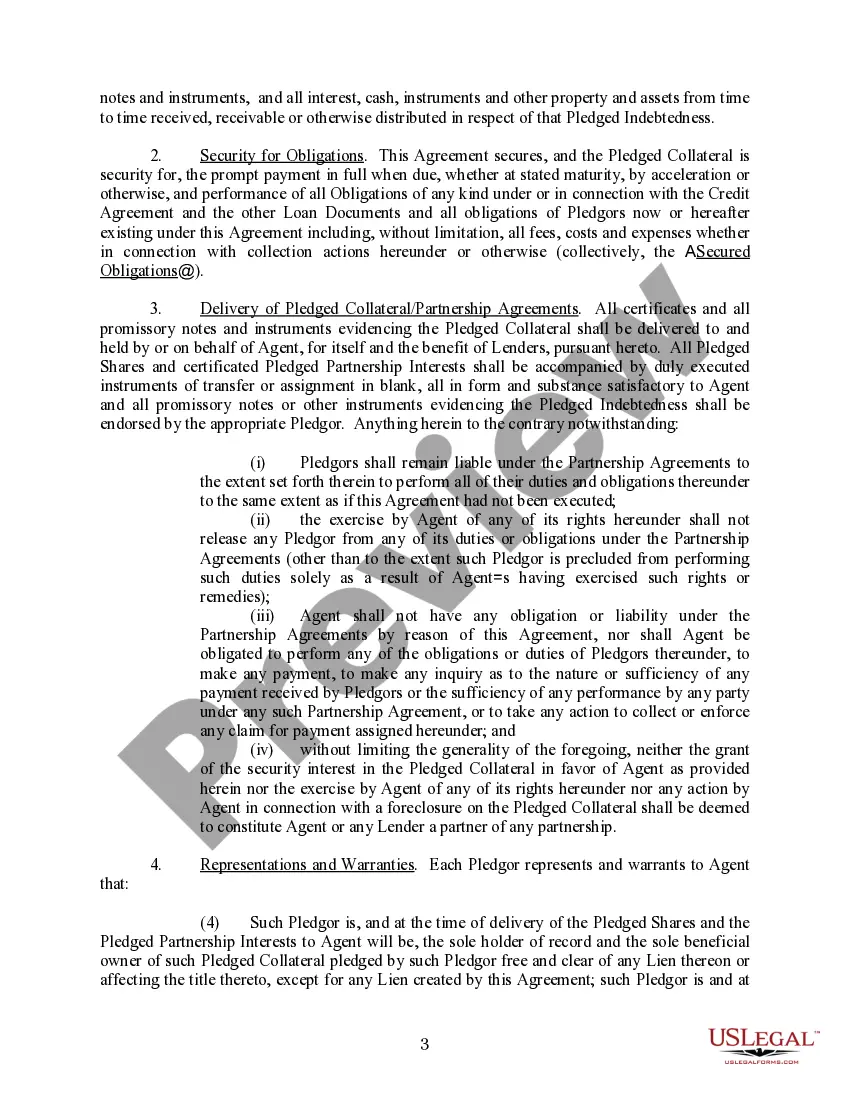
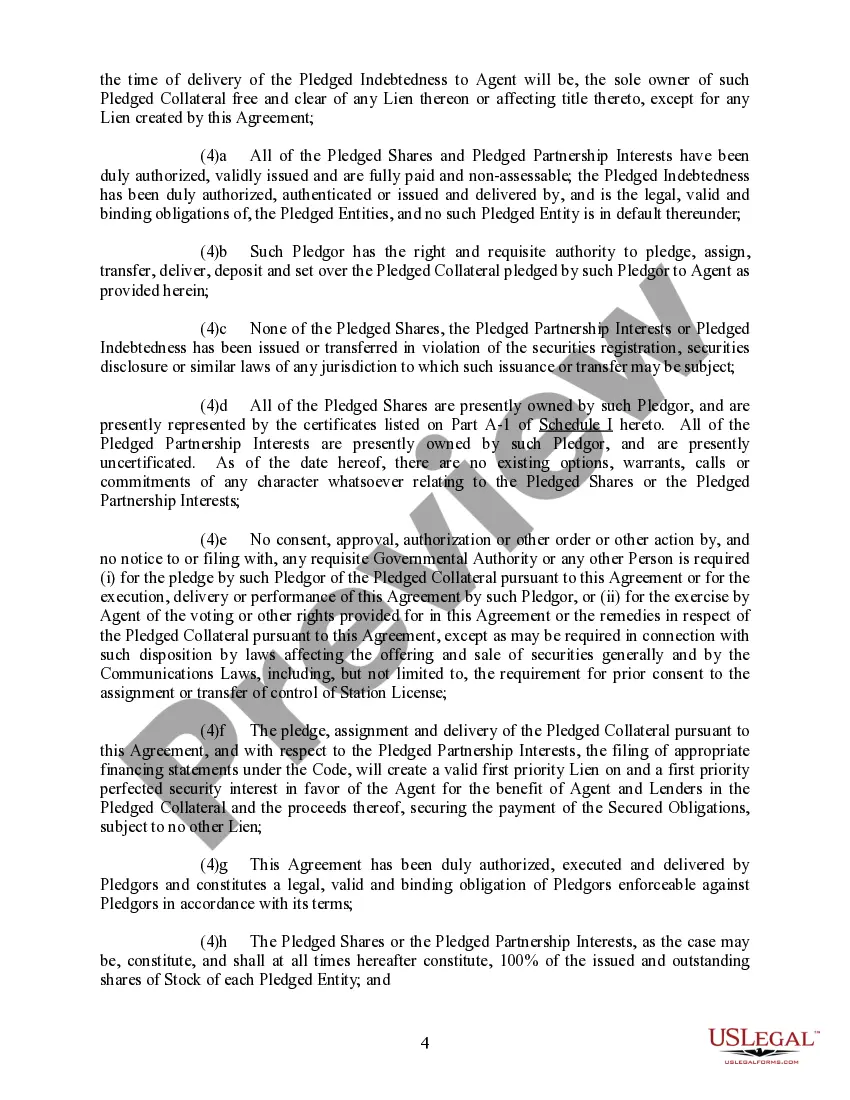
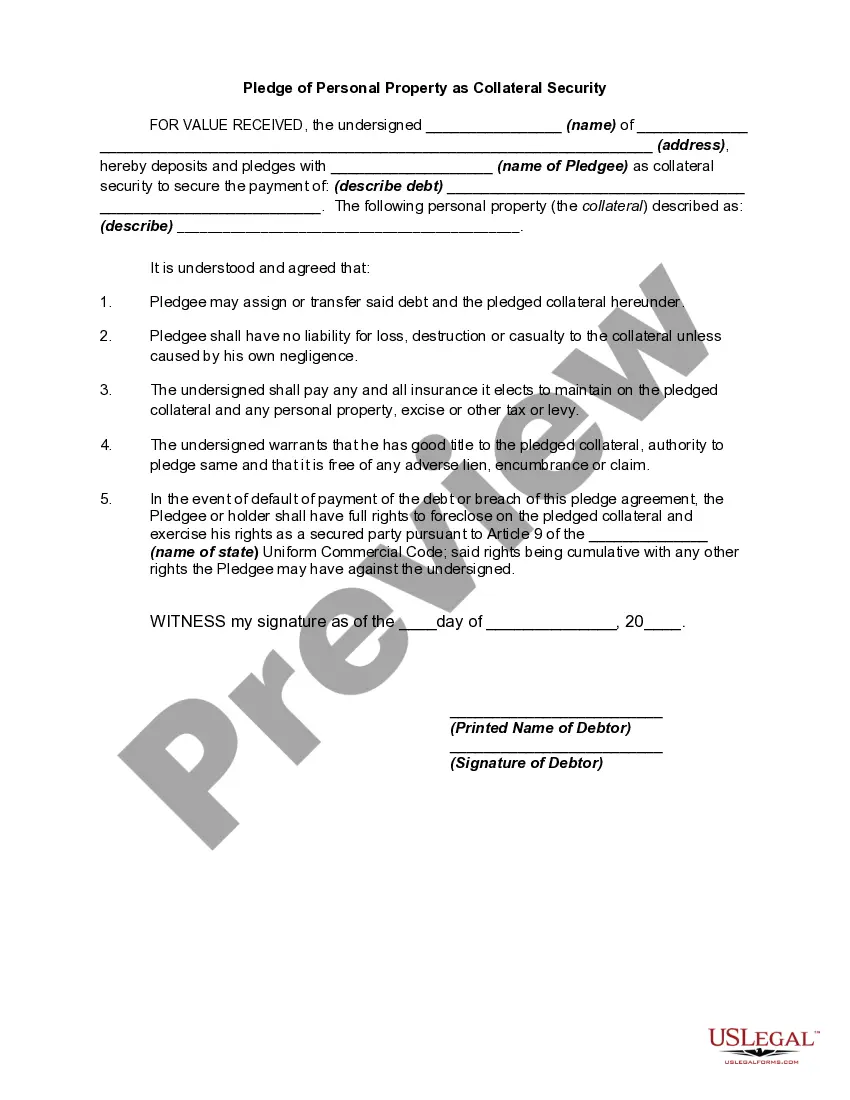
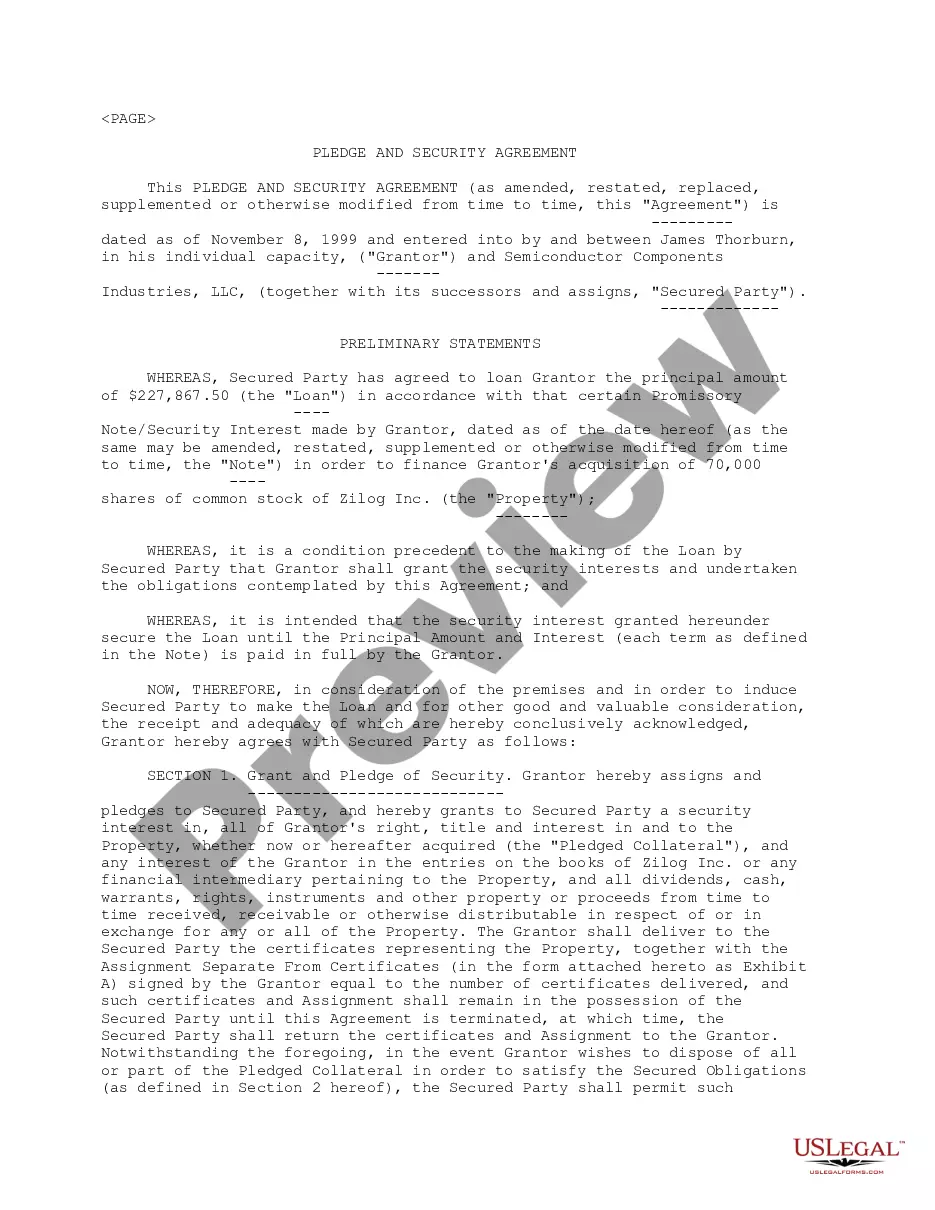
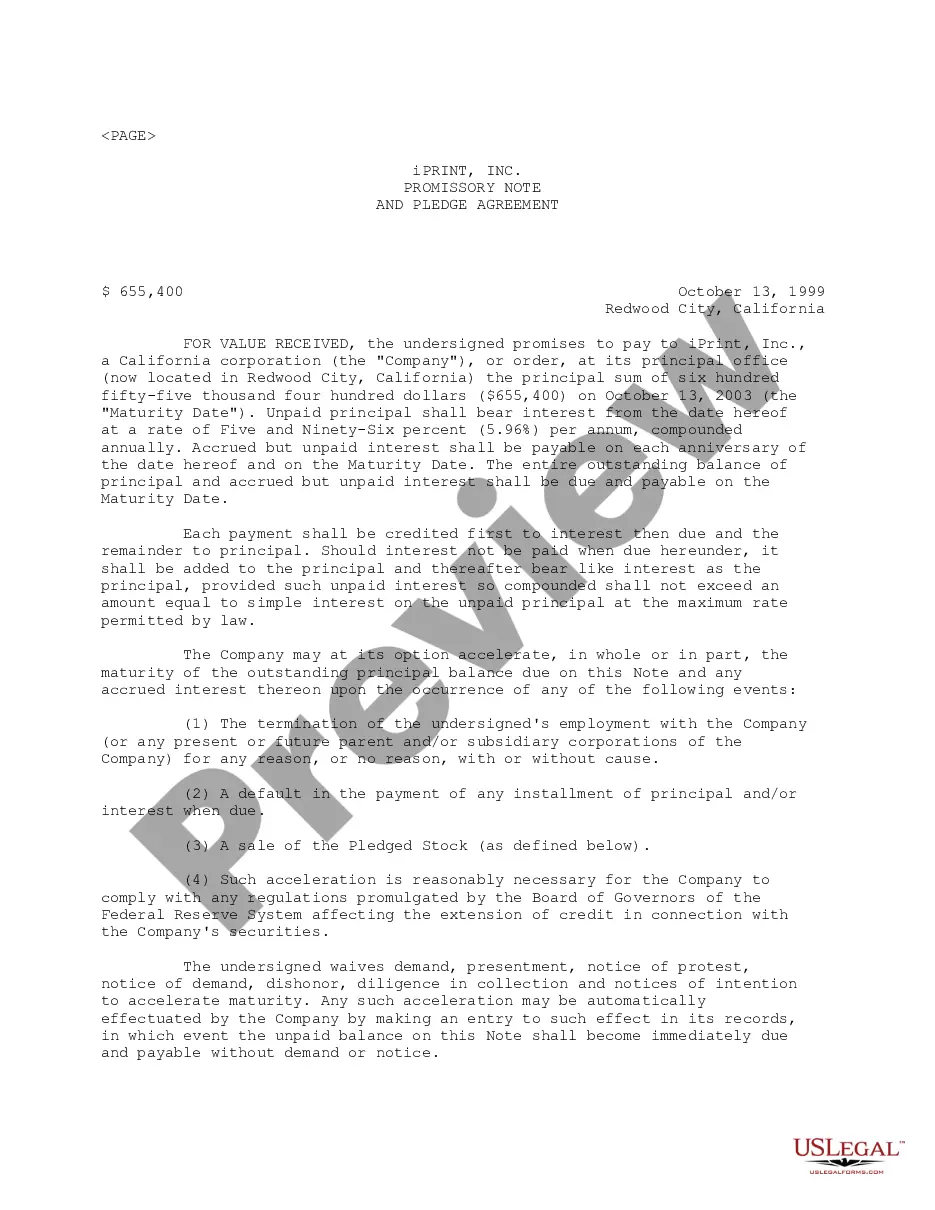
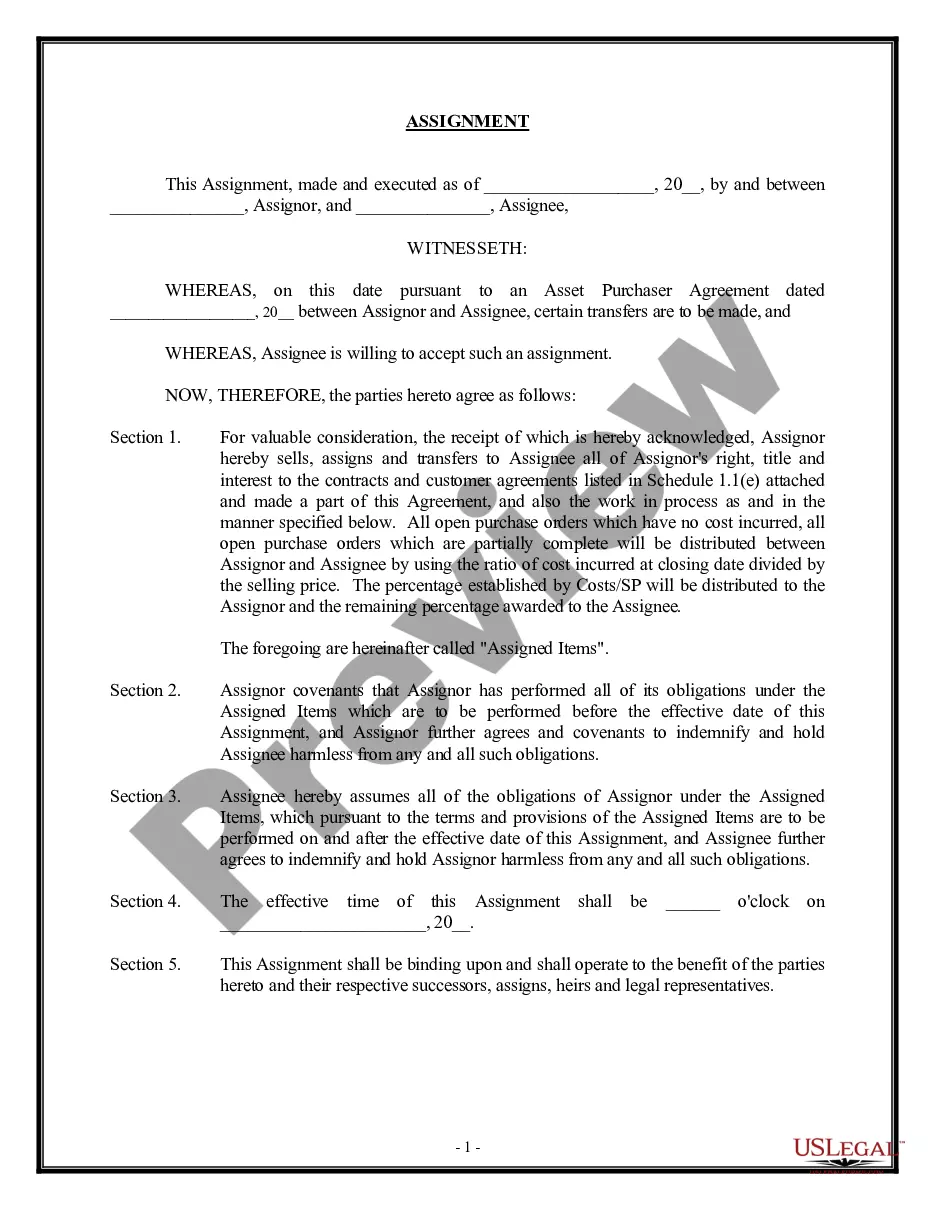
Collateral Pledge Agreement Without
Description

Get your form ready online
Our built-in tools help you complete, sign, share, and store your documents in one place.
Make edits, fill in missing information, and update formatting in US Legal Forms—just like you would in MS Word.
Download a copy, print it, send it by email, or mail it via USPS—whatever works best for your next step.
Sign and collect signatures with our SignNow integration. Send to multiple recipients, set reminders, and more. Go Premium to unlock E-Sign.
If this form requires notarization, complete it online through a secure video call—no need to meet a notary in person or wait for an appointment.
We protect your documents and personal data by following strict security and privacy standards.

Make edits, fill in missing information, and update formatting in US Legal Forms—just like you would in MS Word.

Download a copy, print it, send it by email, or mail it via USPS—whatever works best for your next step.

Sign and collect signatures with our SignNow integration. Send to multiple recipients, set reminders, and more. Go Premium to unlock E-Sign.

If this form requires notarization, complete it online through a secure video call—no need to meet a notary in person or wait for an appointment.

We protect your documents and personal data by following strict security and privacy standards.
Looking for another form?









How to fill out Agreement Pledge Of Stock And Collateral For Loan?
The Collateral Pledge Agreement Without you see on this page is a versatile legal template created by expert attorneys in accordance with federal and state regulations.
For over 25 years, US Legal Forms has supplied individuals, businesses, and legal practitioners with more than 85,000 authenticated, state-specific documents for any commercial and personal matter.
Utilize the same document again whenever necessary. Access the My documents tab in your profile to redownload any previously acquired forms.
- Seek the document you require and review it.
- Browse through the file you searched and preview it or verify the form description to ensure it meets your requirements. If it doesn't, utilize the search bar to find the suitable one. Click Buy Now when you have found the template you need.
- Choose the payment plan that fits your needs and sign up for an account. Use PayPal or a credit card for an immediate transaction. If you already have an account, Log In and review your subscription to advance.
- Select the format you desire for your Collateral Pledge Agreement Without (PDF, Word, RTF) and download the document onto your device.
- Print out the template to fill it out manually. Alternatively, use an online all-purpose PDF editor to swiftly and accurately complete and sign your form with an eSignature.
Form popularity
FAQ
A pledge is perfected when the entity granting the pledge is dispossessed of the inventory and the inventory is delivered to you or your agent. Many lenders appoint collateral managers or stock monitoring companies as custodians to hold the inventory on their behalf.
In simple words, a pledge is a promise to repay a loan, and collateral is what you lose if you don't keep your promise. For example, I can take a loan from a friend, pledge to return it within 30 days, and offer my bike as collateral. As long as I return the loan within 30 days, the bike is safe.
A pledged asset is an asset that is used by a lender to secure a debt or loan and can include cash, stocks, bonds, and other equity or securities. A pledged asset is collateral held by a lender in return for lending funds.
In business, a company may pledge various types of property as collateral. A borrower may pledge physical assets, such as equipment, machinery, real estate, buildings, or inventory, or it may pledge trade receivables, such as the value of the company's accounts receivable, which represents money owed to the company.
Collateral is an asset?like a car or a home?that can help borrowers qualify for a loan by lowering the risk to a lender. Secured loans typically require collateral; unsecured loans usually don't. Auto loans, mortgages and secured credit cards are examples of secured loans.