Drunk Work
Description
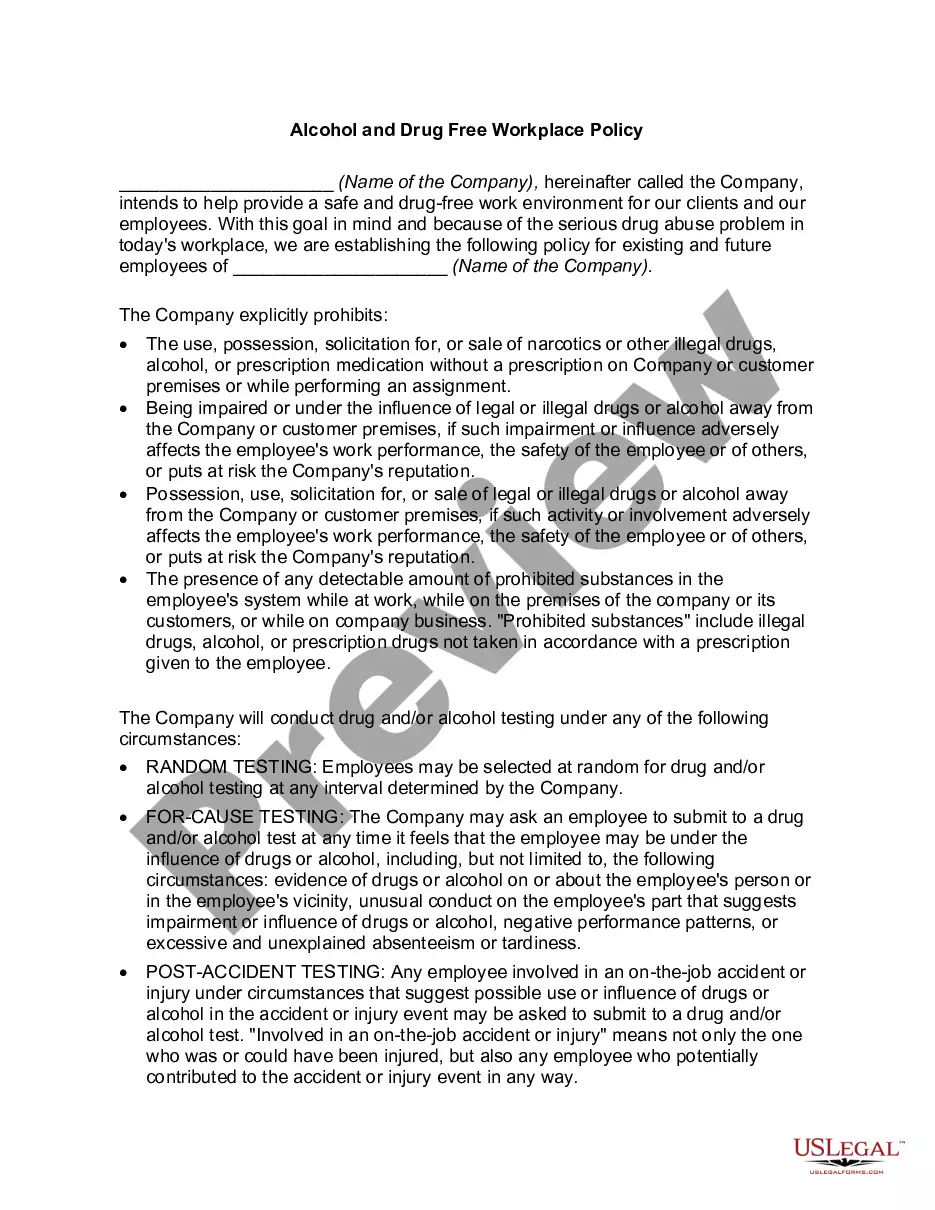
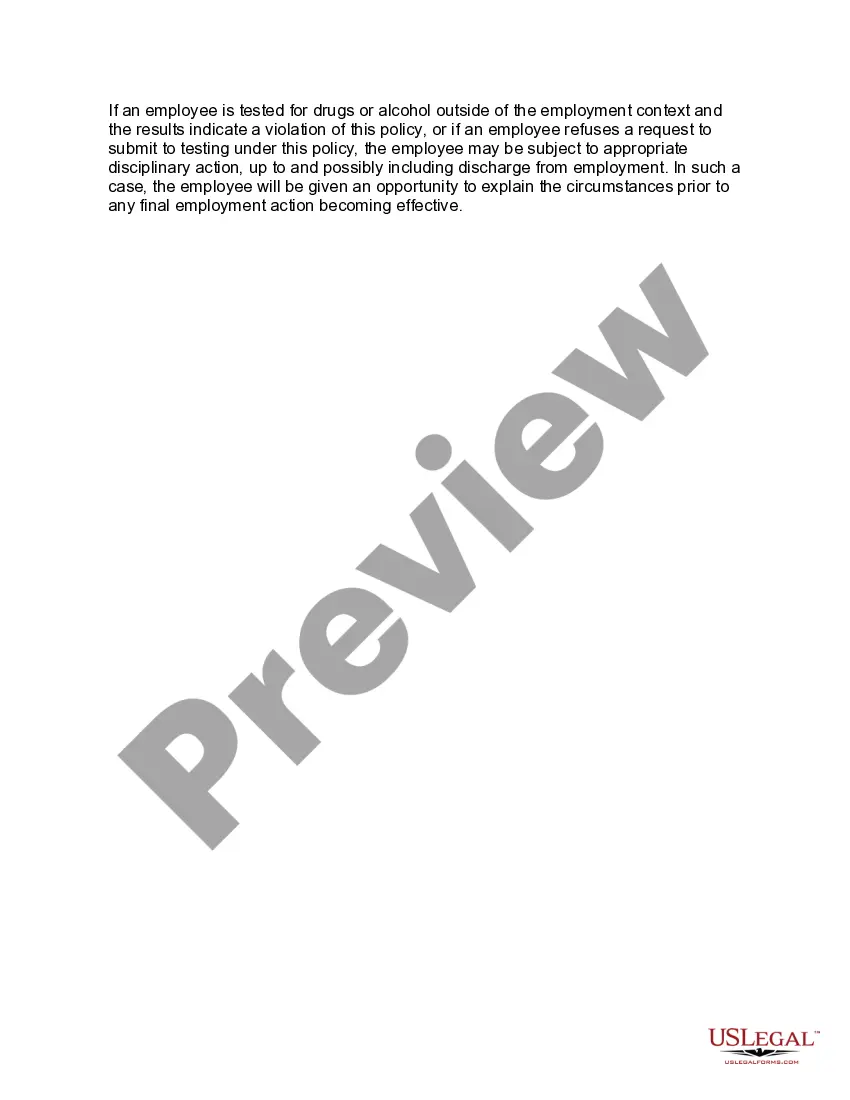
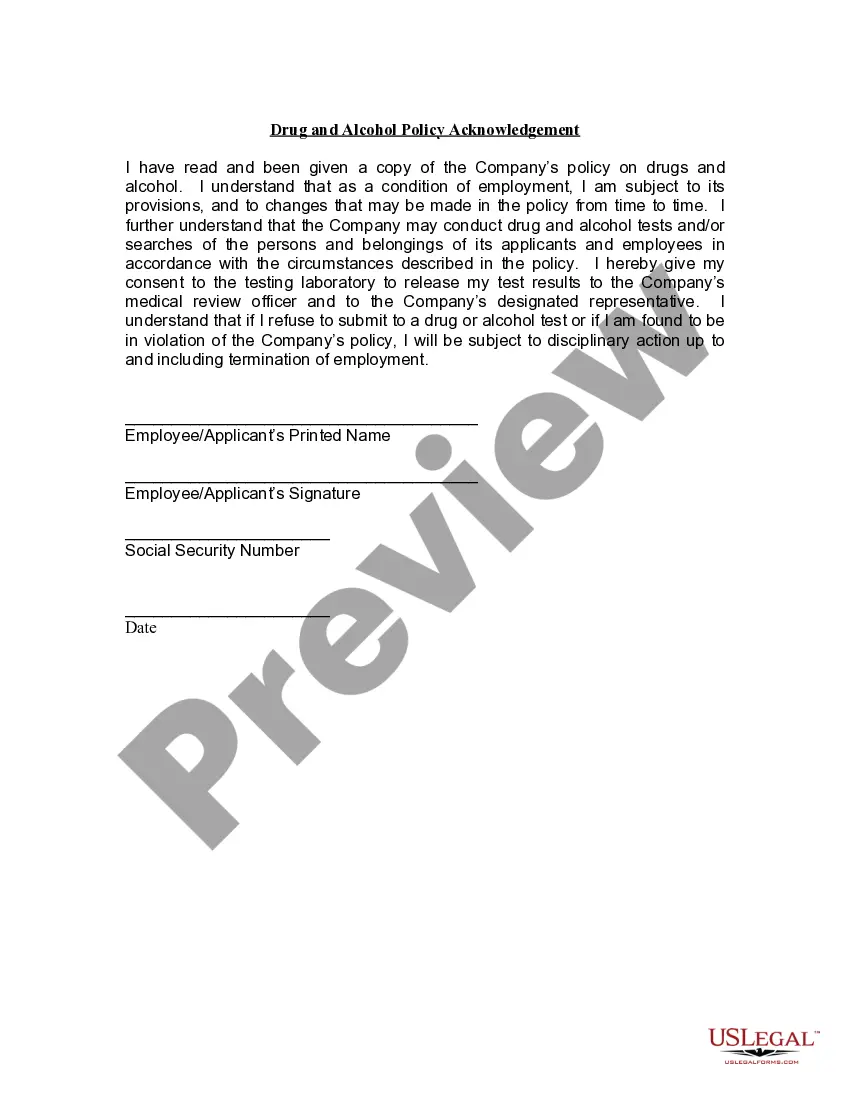
Get your form ready online
Our built-in tools help you complete, sign, share, and store your documents in one place.
Make edits, fill in missing information, and update formatting in US Legal Forms—just like you would in MS Word.
Download a copy, print it, send it by email, or mail it via USPS—whatever works best for your next step.
Sign and collect signatures with our SignNow integration. Send to multiple recipients, set reminders, and more. Go Premium to unlock E-Sign.
If this form requires notarization, complete it online through a secure video call—no need to meet a notary in person or wait for an appointment.
We protect your documents and personal data by following strict security and privacy standards.

Make edits, fill in missing information, and update formatting in US Legal Forms—just like you would in MS Word.

Download a copy, print it, send it by email, or mail it via USPS—whatever works best for your next step.

Sign and collect signatures with our SignNow integration. Send to multiple recipients, set reminders, and more. Go Premium to unlock E-Sign.

If this form requires notarization, complete it online through a secure video call—no need to meet a notary in person or wait for an appointment.

We protect your documents and personal data by following strict security and privacy standards.
Looking for another form?
How to fill out Alcohol And Drug Free Workplace Policy?
- If you're an existing user, log in to your account and verify your subscription status. Click the Download button to get your required form template.
- For first-time users, start by checking the Preview mode and form description to ensure it aligns with your local jurisdiction and needs.
- If the form isn't suitable, utilize the Search tab to find another template that fits your requirements.
- Once you find the right document, click on the Buy Now button. Choose the subscription plan that suits you, creating an account if necessary.
- Proceed to make your purchase by entering your credit card information or using a PayPal account.
- After your payment is confirmed, download the template to your device. You can access it anytime through the My Forms section of your profile.
With over 85,000 fillable forms and access to premium experts, US Legal Forms ensures you'll have the right assistance at your fingertips, allowing you to focus on what matters most, even during those times of 'drunk work'.
Don't hesitate to empower your legal processes today—visit US Legal Forms and streamline your document needs!
Form popularity
FAQ
Writing a warning for being at work involves detailing the inappropriate conduct, including information about when and where it occurred. Make sure to reference any relevant company policies regarding drunk work. Such documentation serves as both a record and a guide for future behavior, encouraging a more responsible approach.
Writing as if means adopting a perspective or a tone that resonates with the reader. To achieve this, consider using relatable scenarios that depict the consequences of drunk work. This approach can make your message more engaging, encouraging employees to reflect on their behavior while maintaining professionalism.
Yes, an employer can dismiss an employee for being drunk at work, especially if it violates company policies. Drunk work poses significant risks, not only to the employee but also to coworkers and the overall workplace environment. It’s crucial for companies to have structured policies in place to address these situations effectively and legally.
To write a warning for unprofessional behavior, start by clearly stating the issue, providing specific examples of the behavior, and referencing the company's policies. Use a professional tone and emphasize the need for improvement, highlighting the impact of drunk work on team dynamics. Ensure to document this warning and outline any potential consequences if the behavior continues.
Disciplinary actions for drinking at work can include verbal warnings, written warnings, or even termination, depending on the company policy and the severity of the incident. Employers aim to address drunk work behaviors to maintain a responsible and productive workforce. It's essential for employers to communicate clear policies regarding alcohol consumption to employees.
The 1/2/3 rule for drinking states that an individual should limit themselves to one drink per hour, consume no more than two drinks at a gathering, and avoid drinking more than three times a week. This guideline helps in reducing the risks associated with drunk work situations. Remember, staying within these limits can promote a safer environment, ultimately benefiting both the employee and the employer.
To report a worker suspected of drunk work, gather detailed information about the incidents you observed. Approach your HR department or a trusted supervisor to share your concerns and documentation. They will have processes in place to handle such reports confidentially and effectively, ensuring the workplace remains safe and productive.
A Department of Labor (DOL) investigation may be triggered by reports of unsafe working conditions, including incidents of drunk work. Complaints from employees, whistleblower allegations, or patterns of behavior can all prompt a formal investigation. It is vital to report any concerns, as DOL investigations aim to protect the rights and safety of employees in the workplace.
Yes, if you suspect that a coworker is involved in drunk work, it’s essential to report your concerns. Doing so helps maintain a safe work environment for everyone. Discuss your observations with a supervisor or HR representative, who will ensure that the situation is investigated properly and discreetly.
If you notice an employee participating in drunk work, it's crucial to address the situation immediately. First, document the behavior accurately and discreetly. Next, report your observations to your supervisor or HR department, as they will guide you on the appropriate steps to take, ensuring safety and compliance within the workplace.