What Is A Letter Of Testamentary Example
Description
Get your form ready online
Our built-in tools help you complete, sign, share, and store your documents in one place.
Make edits, fill in missing information, and update formatting in US Legal Forms—just like you would in MS Word.
Download a copy, print it, send it by email, or mail it via USPS—whatever works best for your next step.
Sign and collect signatures with our SignNow integration. Send to multiple recipients, set reminders, and more. Go Premium to unlock E-Sign.
If this form requires notarization, complete it online through a secure video call—no need to meet a notary in person or wait for an appointment.
We protect your documents and personal data by following strict security and privacy standards.

Make edits, fill in missing information, and update formatting in US Legal Forms—just like you would in MS Word.

Download a copy, print it, send it by email, or mail it via USPS—whatever works best for your next step.

Sign and collect signatures with our SignNow integration. Send to multiple recipients, set reminders, and more. Go Premium to unlock E-Sign.

If this form requires notarization, complete it online through a secure video call—no need to meet a notary in person or wait for an appointment.

We protect your documents and personal data by following strict security and privacy standards.
Looking for another form?


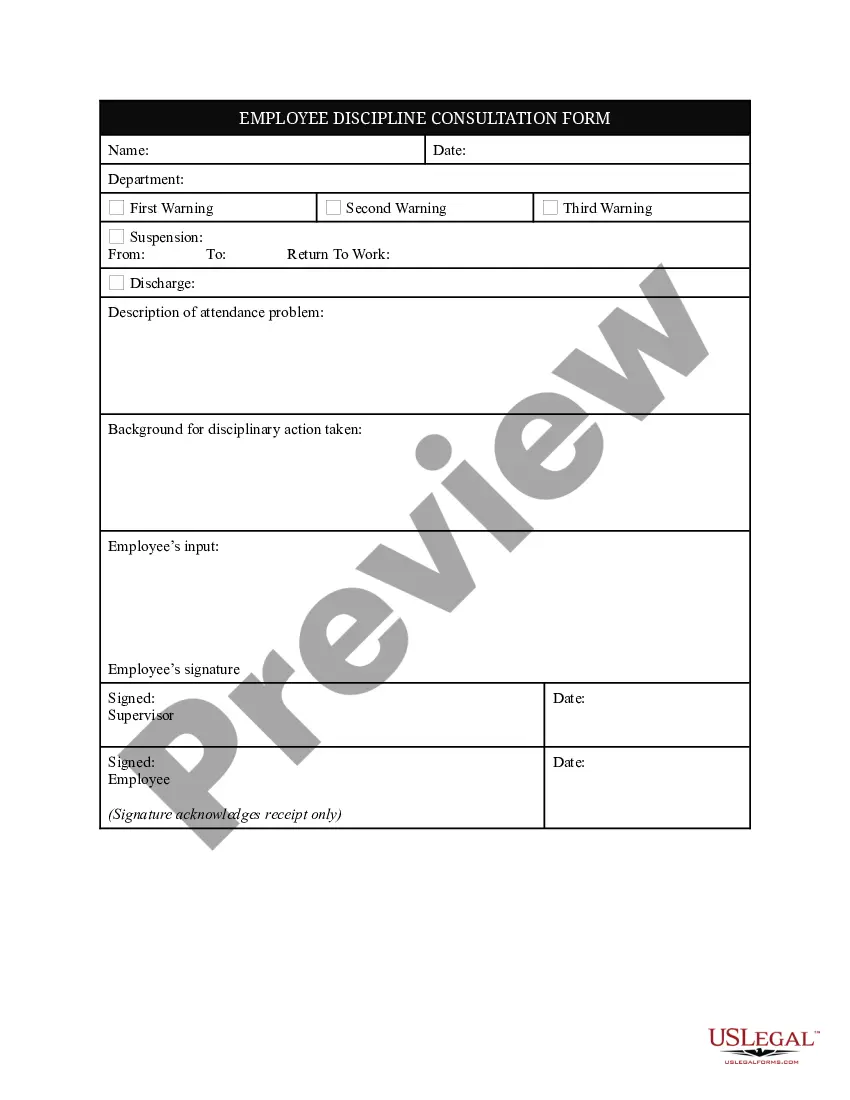
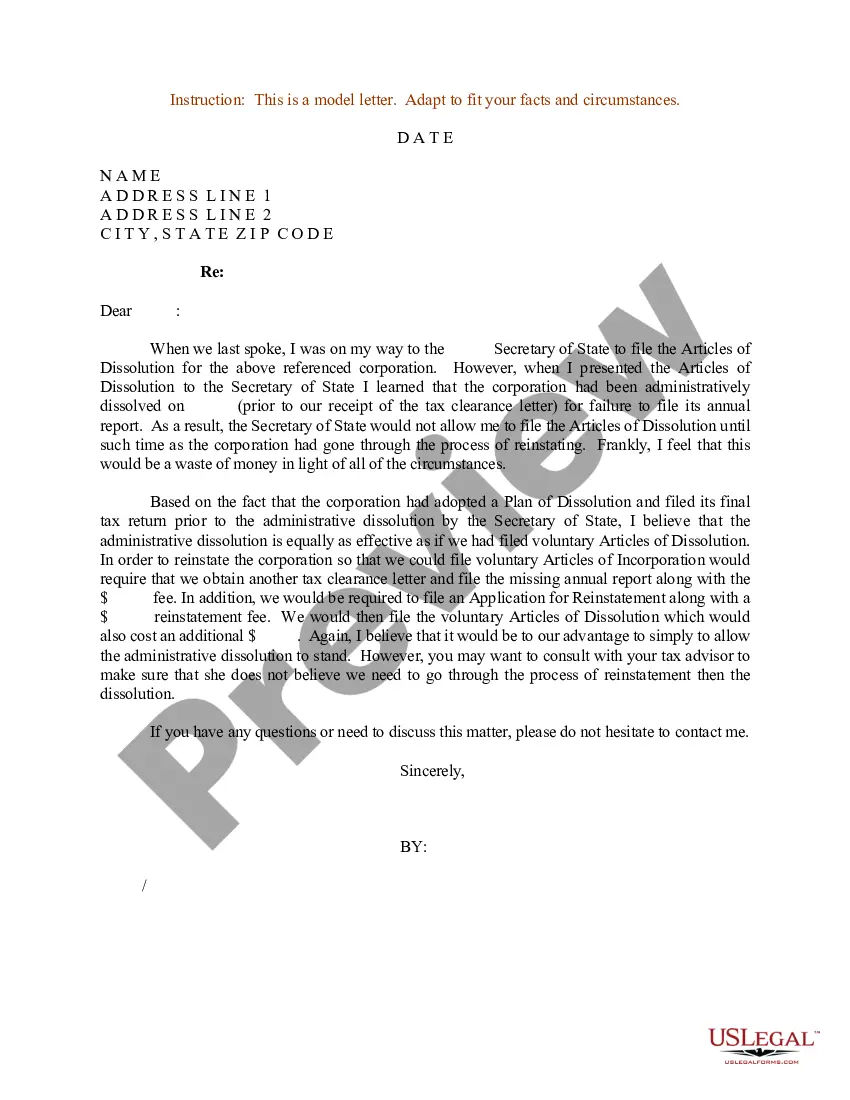
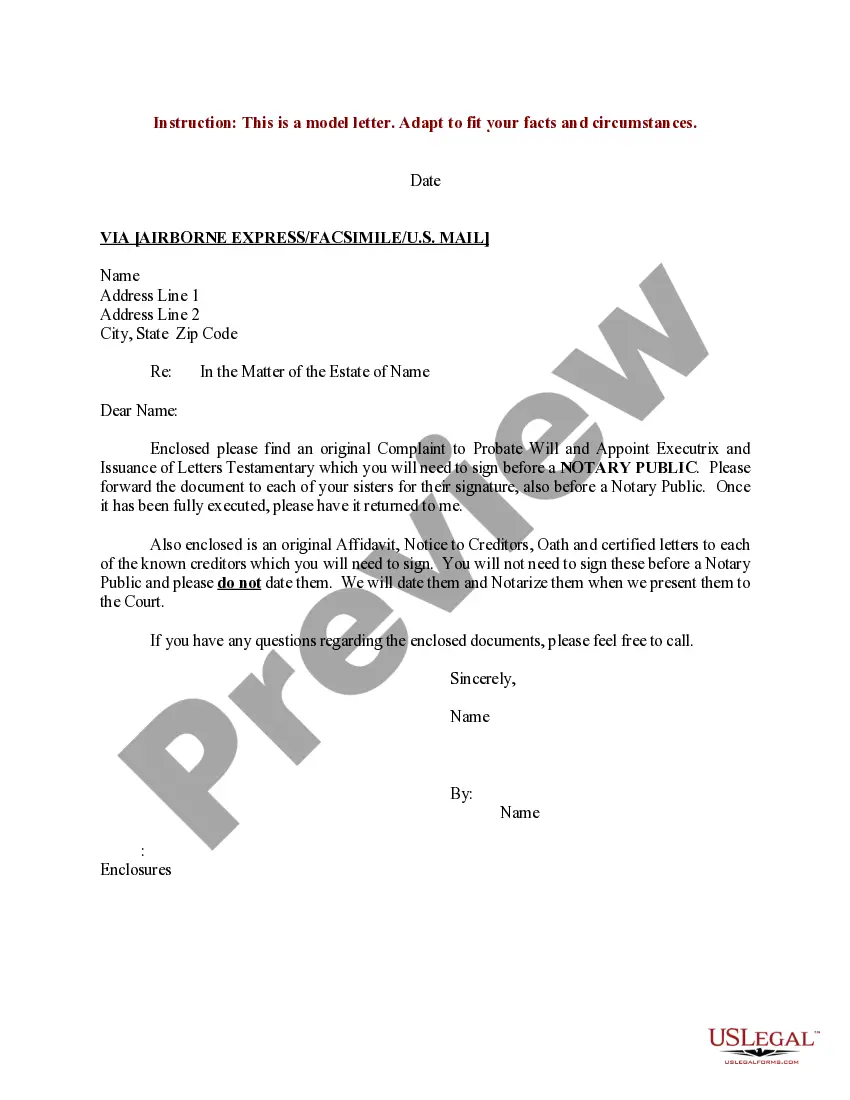
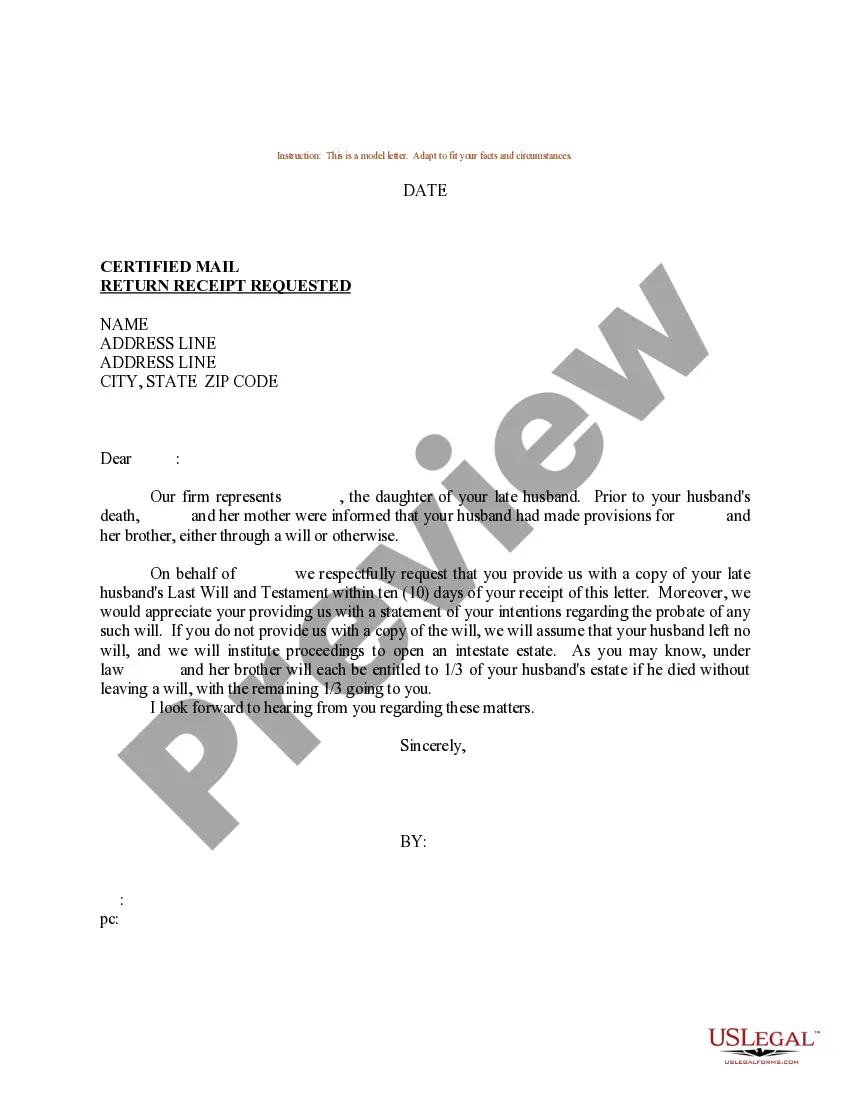
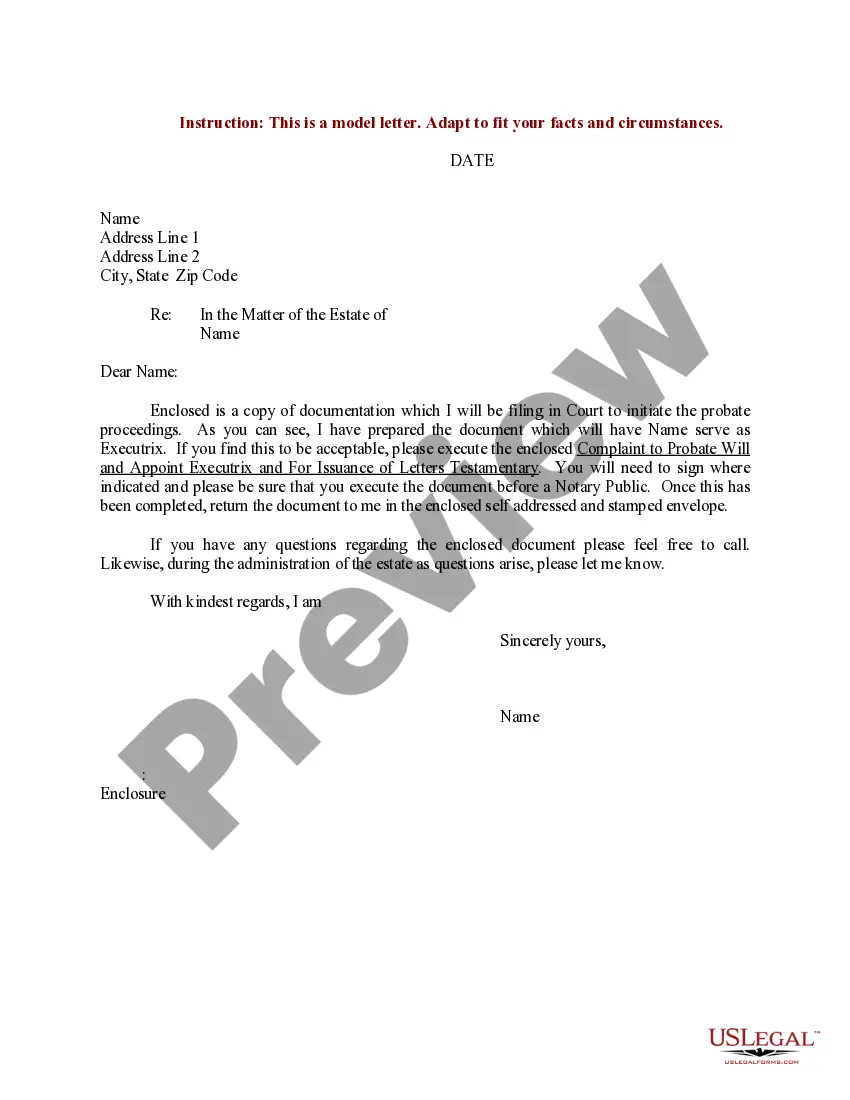
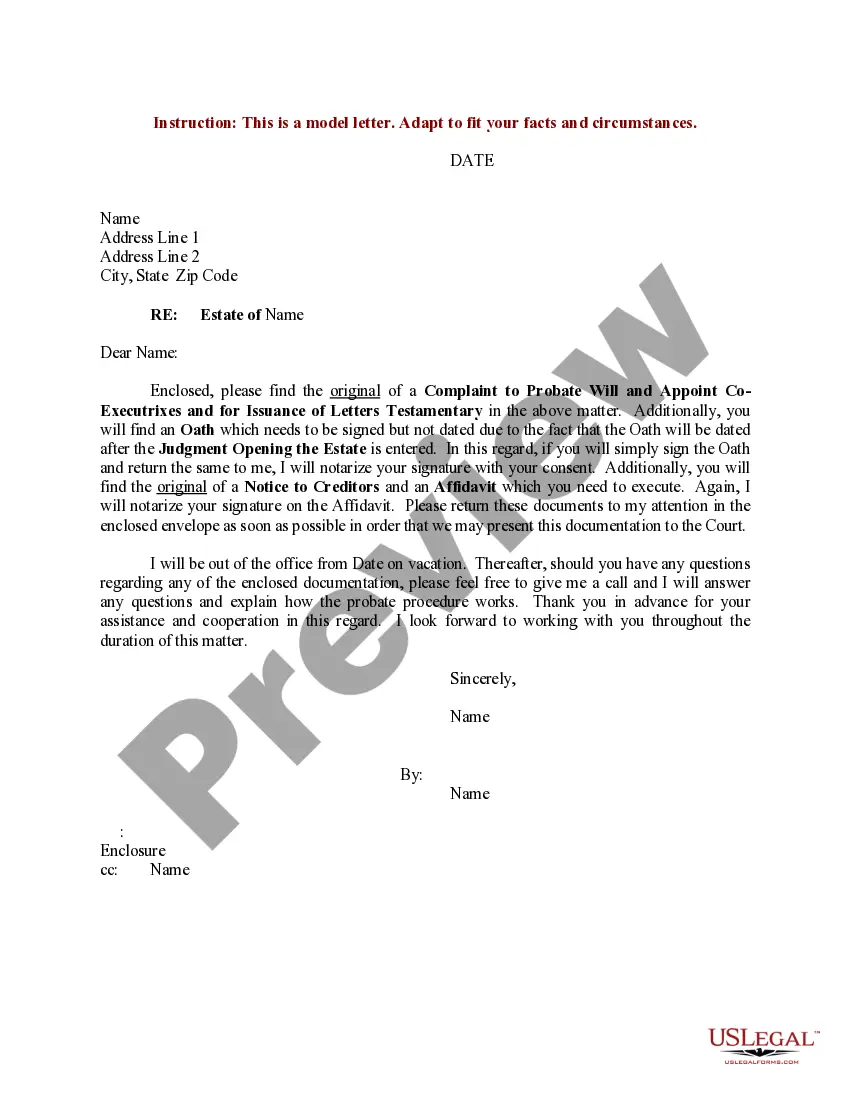
How to fill out Sample Letter For Complaint To Probate Will And Appoint Executrix And Issuance Of Letters Testamentary?
- If you are a returning user, log in to your account and ensure your subscription is active. You can easily download your required form template by selecting the Download button.
- For new users, first, browse the Preview mode and read the form description to confirm it matches your legal requirements.
- If the first template isn’t satisfactory, use the Search tab to explore different options that fit your needs.
- Once you find the right document, click on the Buy Now button and select your preferred subscription plan. You will need to create an account to access the forms.
- Proceed with payment by entering your credit card information or utilizing your PayPal account to finalize the subscription.
- After your purchase, download the form to your device for completion and easy access later via the My Forms section of your profile.
With US Legal Forms, individuals and attorneys can swiftly create legal documents using a vast library tailored to meet diverse needs. The platform boasts over 85,000 editable legal forms, ensuring users can find the right document efficiently.
Don’t hesitate to explore the extensive resources at US Legal Forms today. Get started on securing your legal documents with confidence!
Form popularity
FAQ
Letters of testamentary typically remain valid until the estate is fully settled or the court revokes them. This duration can vary based on state laws and the complexity of the estate. It's essential to stay informed of any changes in the estate's status that could affect the validity of your authority. For more specific information, including examples and state-specific guidelines, consult the resources offered by US Legal Forms.
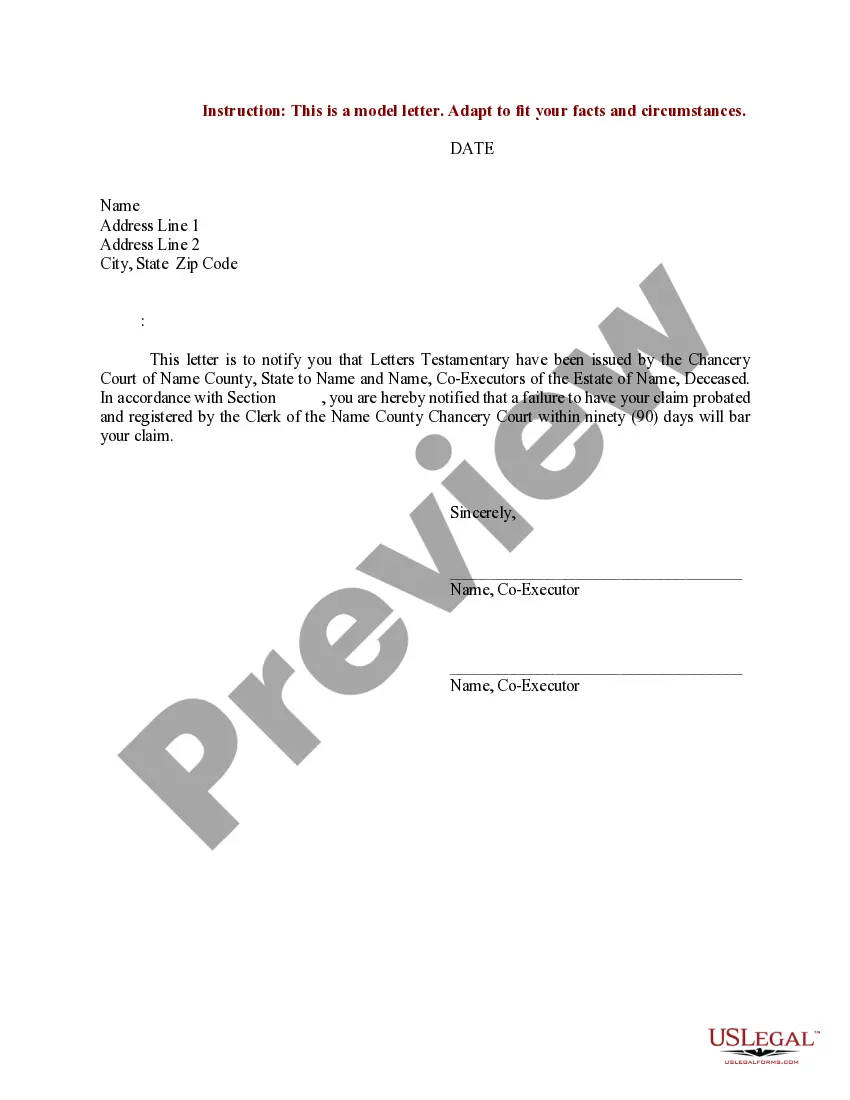
To write a letter of testamentary, begin by including your name, the deceased's name, and the date. Clearly state the purpose of the letter, which is to affirm your authority to manage the deceased's estate. You should also mention any relevant details, such as the will's location and its basic provisions. For a solid example of a letter of testamentary, consider using templates available on the US Legal Forms platform to guide you through the process.
Generally, obtaining a letter testamentary requires going through probate court. However, there may be exceptions in some jurisdictions, such as small estates that qualify for simplified processes. It's essential to check the specific laws in your area, and uslegalforms can offer tailored support if you’re unsure about how to proceed without a letter of testamentary example.
Examples of letters of testamentary typically include specific details about the estate, the executor, and the court. These documents serve as legal recognition of the executor's authority to manage the estate. You can find various letter of testamentary examples online that can help you understand how to format your own document and what to include.
You can order letters testamentary by filing a petition with the probate court in your area. This process usually requires the submission of specific documents, including the deceased's will and relevant identification. In many cases, utilizing the services of platforms like uslegalforms can simplify the process and guide you on what is needed based on a letter of testamentary example.
To create a letter of testamentary, start by gathering essential information about the deceased's estate. You will need to include details such as the deceased's full name, date of death, and the name of the executor. You can refer to a letter of testamentary example to ensure you include all necessary elements and follow the correct format for your jurisdiction.
An example of testamentary is a will that specifies how a person's property will be distributed upon their death. This can include designating heirs, outlining specific gifts, or establishing a testamentary trust for minor children. These documents must comply with state laws to be valid. By understanding and utilizing such examples, individuals can better prepare their estates and ensure their wishes are respected.
One disadvantage of a testamentary trust is that it does not become active until after the death of the individual, which can delay asset distribution. Additionally, it must go through the probate process, which can be lengthy and costly. Furthermore, the trust may be subject to higher income tax rates. However, testamentary trusts can still provide valuable protections and control over asset distribution.
The legal term for testamentary is 'testamentary disposition,' which refers to how an individual's assets will be distributed after their death, as outlined in their will. This term encompasses various documents and actions taken to ensure that the wishes of the deceased are honored. Understanding this concept can help clarify the legal processes involved.
To get a certified letter of testamentary, the personal representative must first file a petition for probate in court. Once the court validates the will and appoints the representative, they will issue the letter. This official document is often needed to access bank accounts and other assets. You may also find helpful resources on platforms like uslegalforms to assist you through the process.