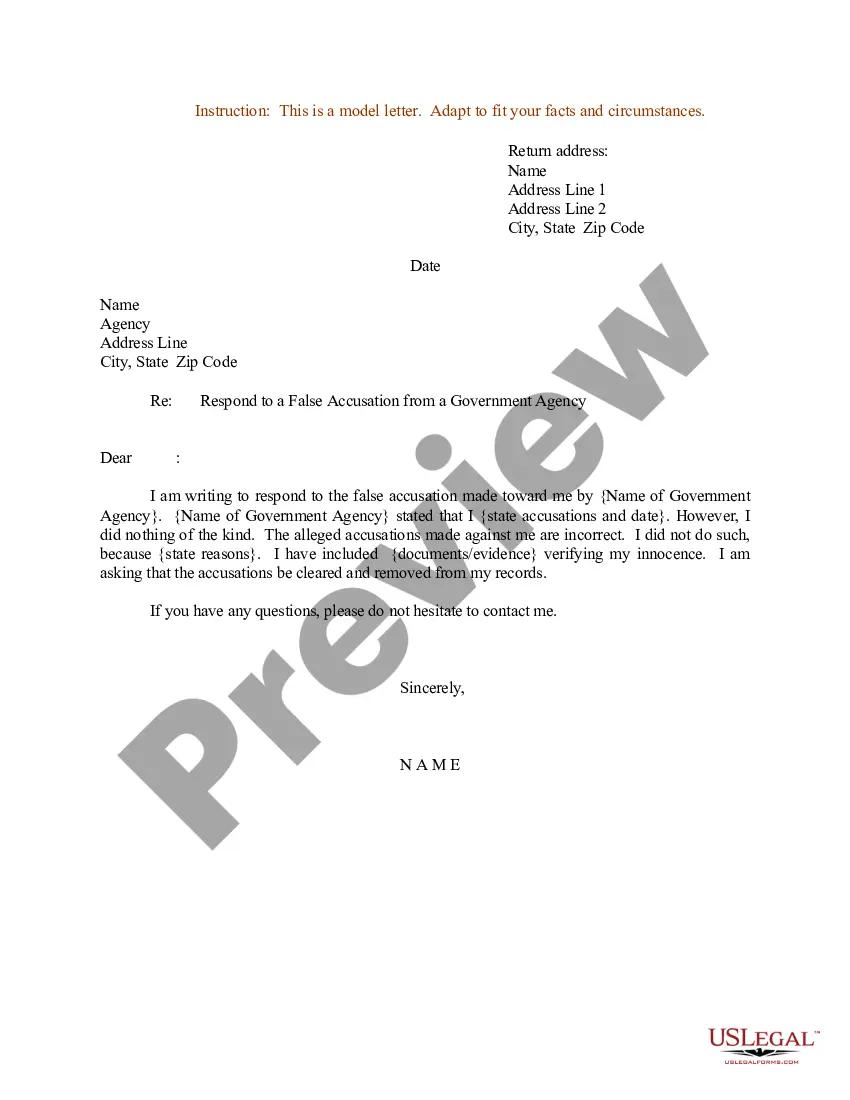
Accusation Letter Sample With Notice Period
Description
Get your form ready online
Our built-in tools help you complete, sign, share, and store your documents in one place.
Make edits, fill in missing information, and update formatting in US Legal Forms—just like you would in MS Word.
Download a copy, print it, send it by email, or mail it via USPS—whatever works best for your next step.
Sign and collect signatures with our SignNow integration. Send to multiple recipients, set reminders, and more. Go Premium to unlock E-Sign.
If this form requires notarization, complete it online through a secure video call—no need to meet a notary in person or wait for an appointment.
We protect your documents and personal data by following strict security and privacy standards.

Make edits, fill in missing information, and update formatting in US Legal Forms—just like you would in MS Word.

Download a copy, print it, send it by email, or mail it via USPS—whatever works best for your next step.

Sign and collect signatures with our SignNow integration. Send to multiple recipients, set reminders, and more. Go Premium to unlock E-Sign.

If this form requires notarization, complete it online through a secure video call—no need to meet a notary in person or wait for an appointment.

We protect your documents and personal data by following strict security and privacy standards.
Looking for another form?
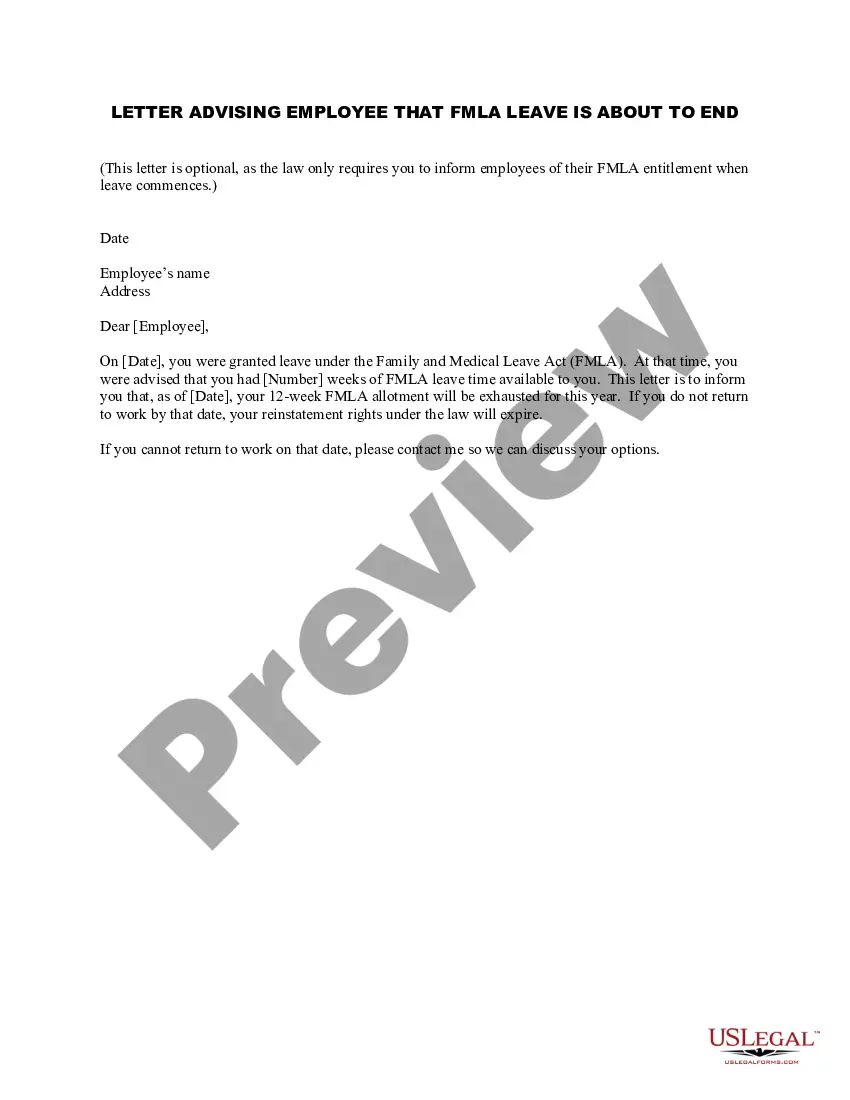




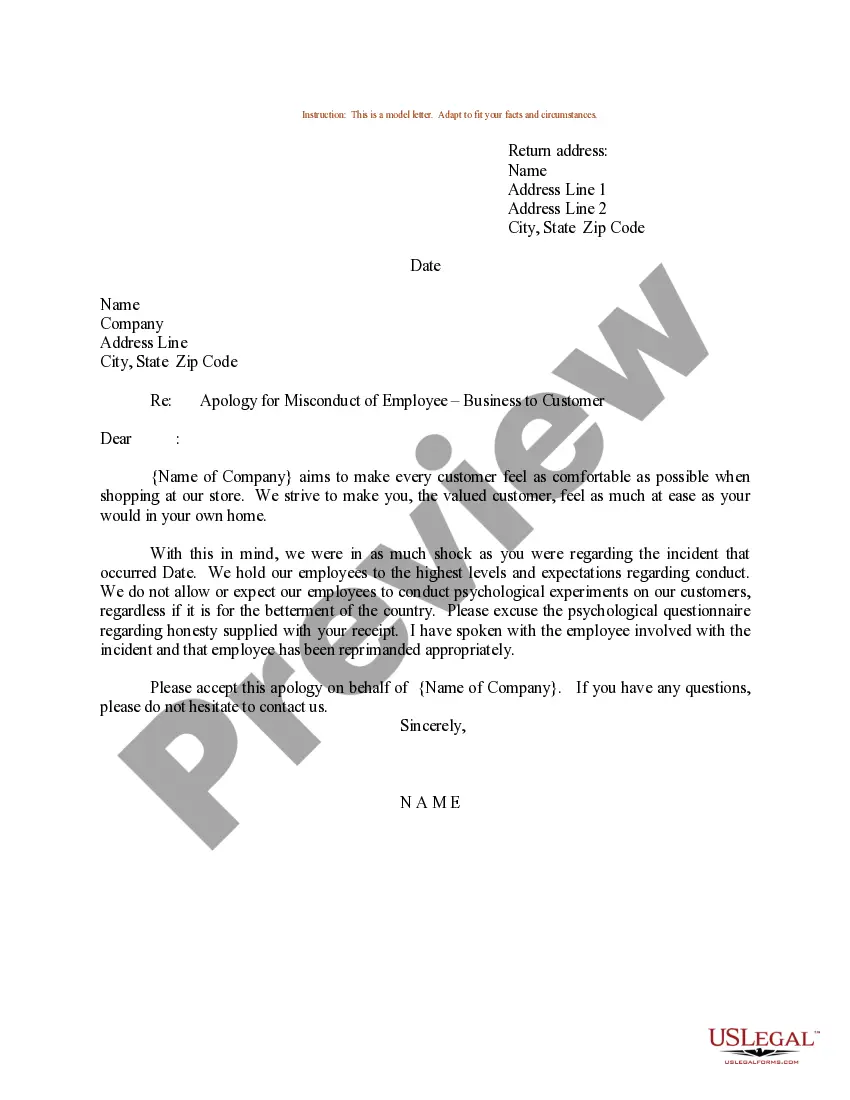
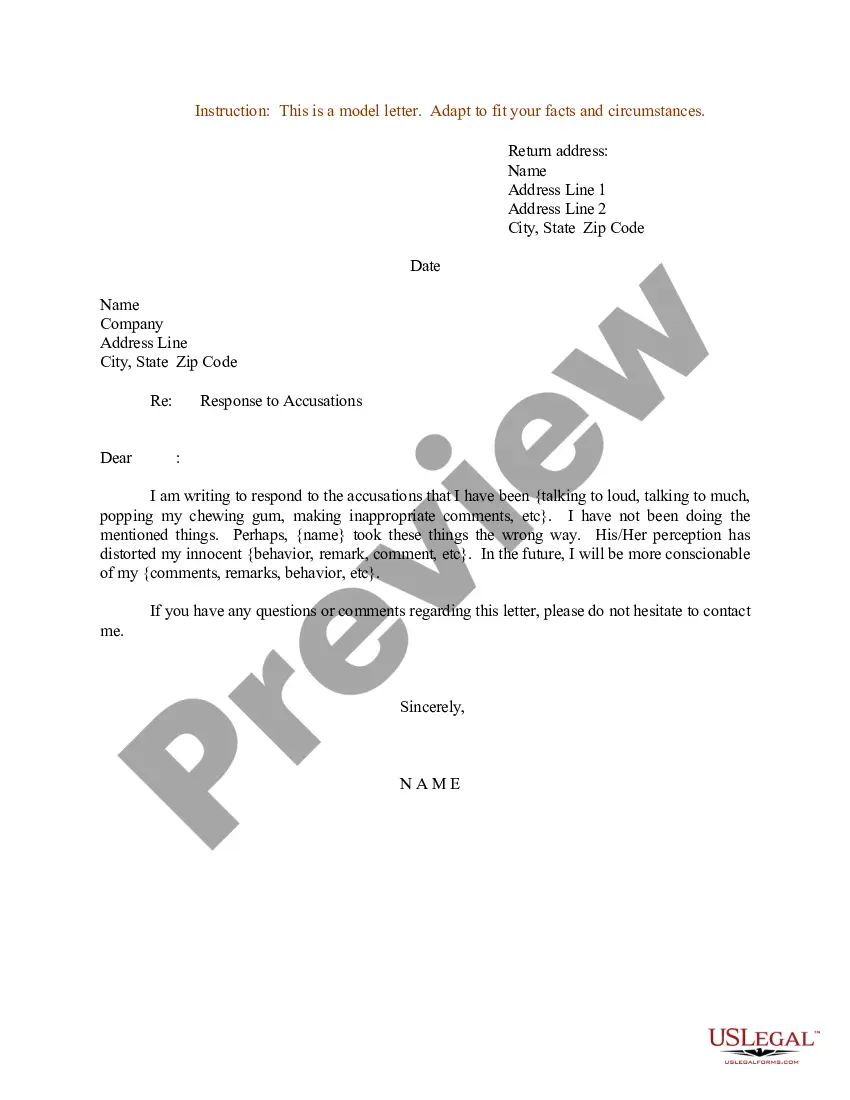
How to fill out Sample Letter For Responding To A False Accusation From A Government Agency?
Regardless of whether it's for business reasons or personal issues, everyone must confront legal matters at some point in their lives.
Filling out legal documents necessitates meticulous attention, starting with selecting the correct form template.
Once downloaded, you can fill out the form using editing software, or print it and complete it by hand. With an extensive catalog from US Legal Forms available, you need not waste time searching for the right template online. Use the library's straightforward navigation to find the suitable template for any circumstance.
- Locate the template you require by utilizing the search bar or catalog browsing.
- Review the form's description to confirm it aligns with your situation, state, and locality.
- Select the preview of the form to assess it.
- If it is not the correct form, return to the search function to find the Accusation Letter Sample With Notice Period template you need.
- Download the file if it meets your specifications.
- If you already possess a US Legal Forms account, click Log in to access previously saved templates in My documents.
- Should you not have an account yet, you can obtain the form by clicking Buy now.
- Select the appropriate pricing option.
- Complete the profile registration form.
- Select your payment method: you can use a credit card or PayPal account.
- Choose the document format you prefer and download the Accusation Letter Sample With Notice Period.
Form popularity
FAQ
Develop a comprehensive response. Any vague, general, subjective or unsubstantiated allegations should be identified as such in your response. You should also indicate, where appropriate, that more information is needed to be able to provide a more comprehensive response. think the allegations are about.
Basic rules keep your letter to the point. You need to give enough detail for your employer to be able to investigate your complaint properly. ... keep to the facts. ... never use abusive or offensive language. ... explain how you felt about the behaviour you are complaining about but don't use emotive language.
How to write an effective complaint letter Be clear and concise. ... State exactly what you want done and how long you're willing to wait for a response. ... Don't write an angry, sarcastic, or threatening letter. ... Include copies of relevant documents, like receipts, work orders, and warranties.
Closing out an Internal Investigation: 5 Key Steps Meet with the Subject and Complainant. The first step in properly closing out an investigation is to conduct meetings with the accused as well as with the complainant. ... Document Everything. ... Review Communication. ... Review Policies. ... Make Changes to Prevent Future Incidents.
Closing out an Internal Investigation: 5 Key Steps Meet with the Subject and Complainant. The first step in properly closing out an investigation is to conduct meetings with the accused as well as with the complainant. ... Document Everything. ... Review Communication. ... Review Policies. ... Make Changes to Prevent Future Incidents.