Demand Letter Response With No Response
Description
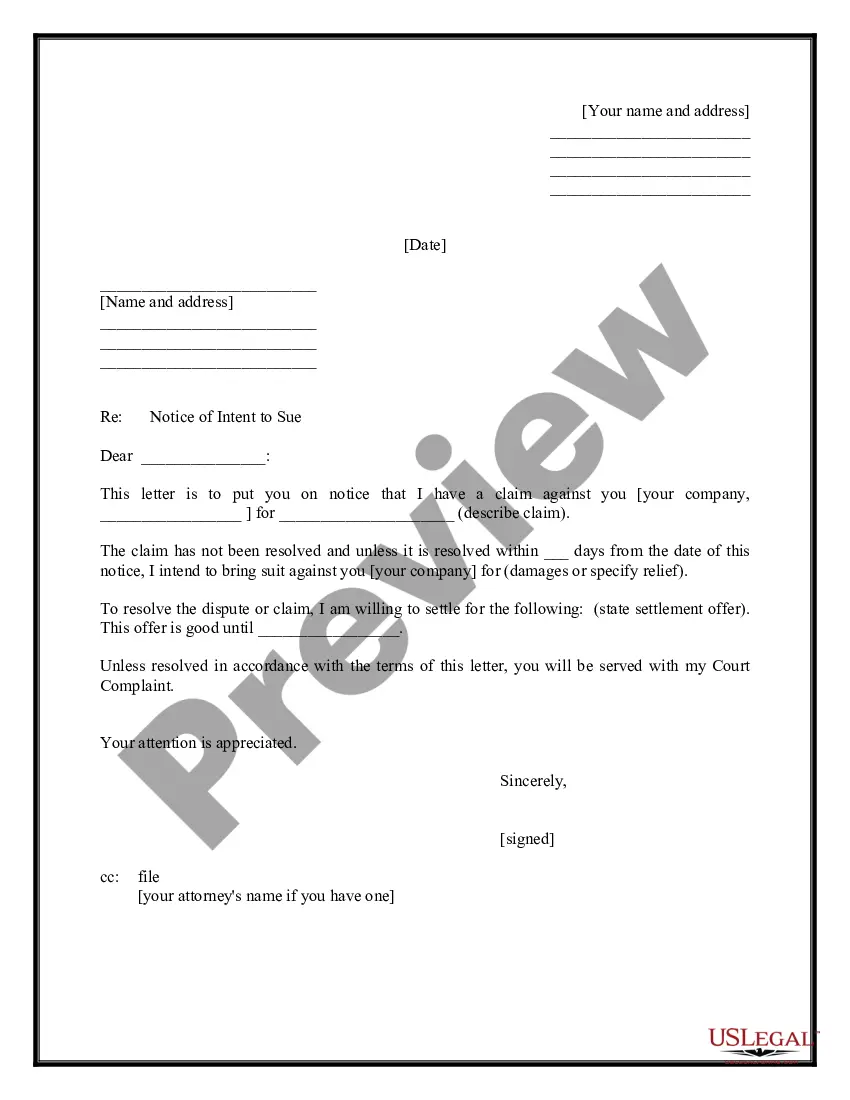
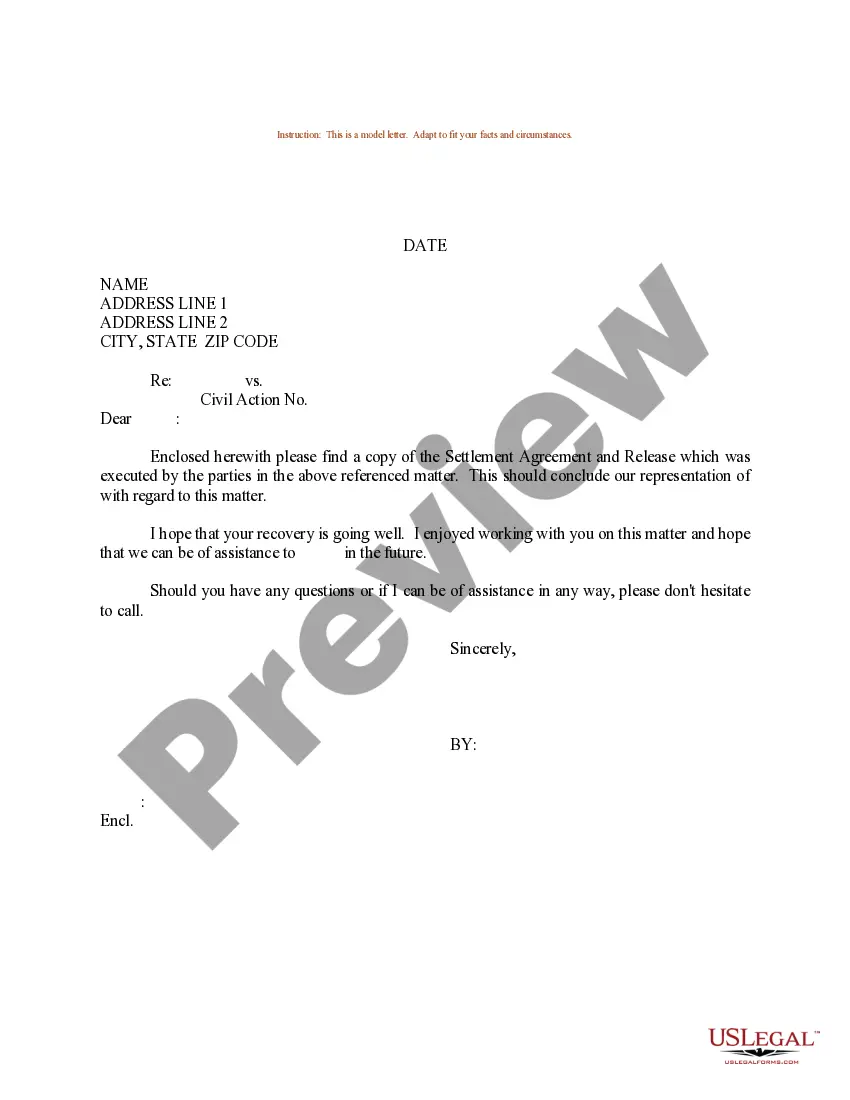
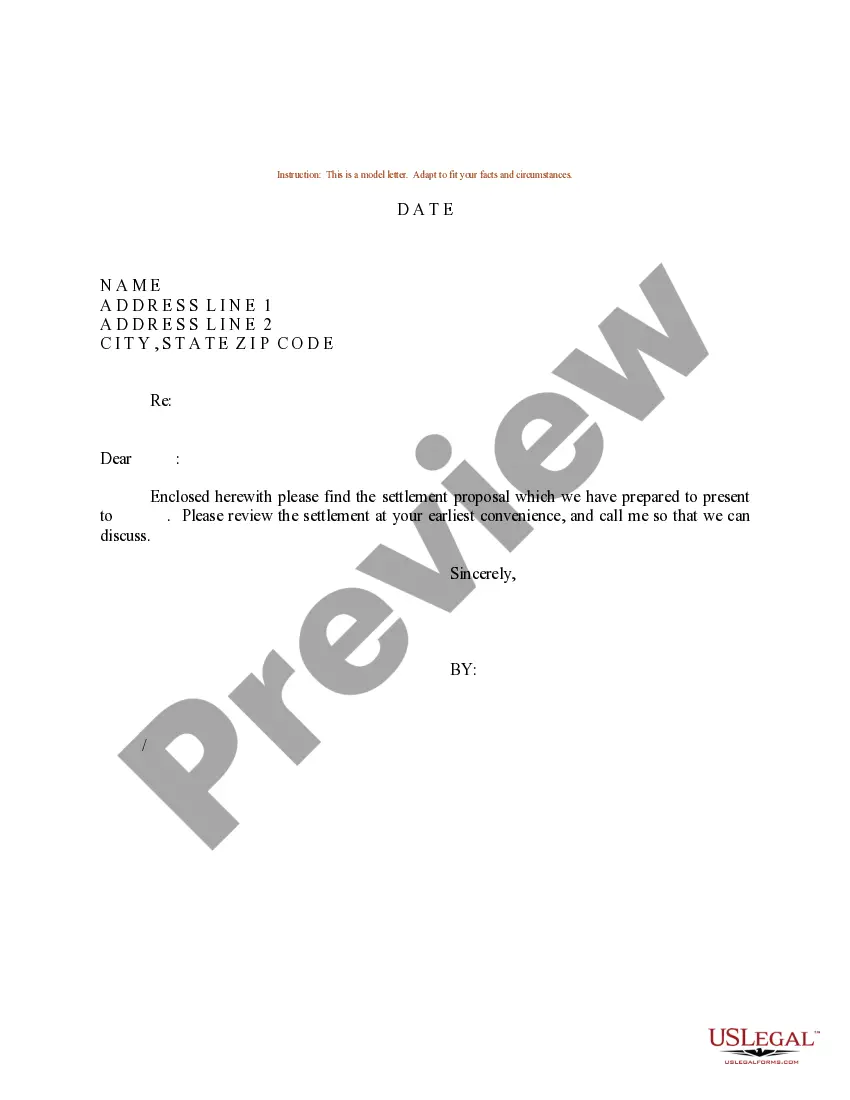
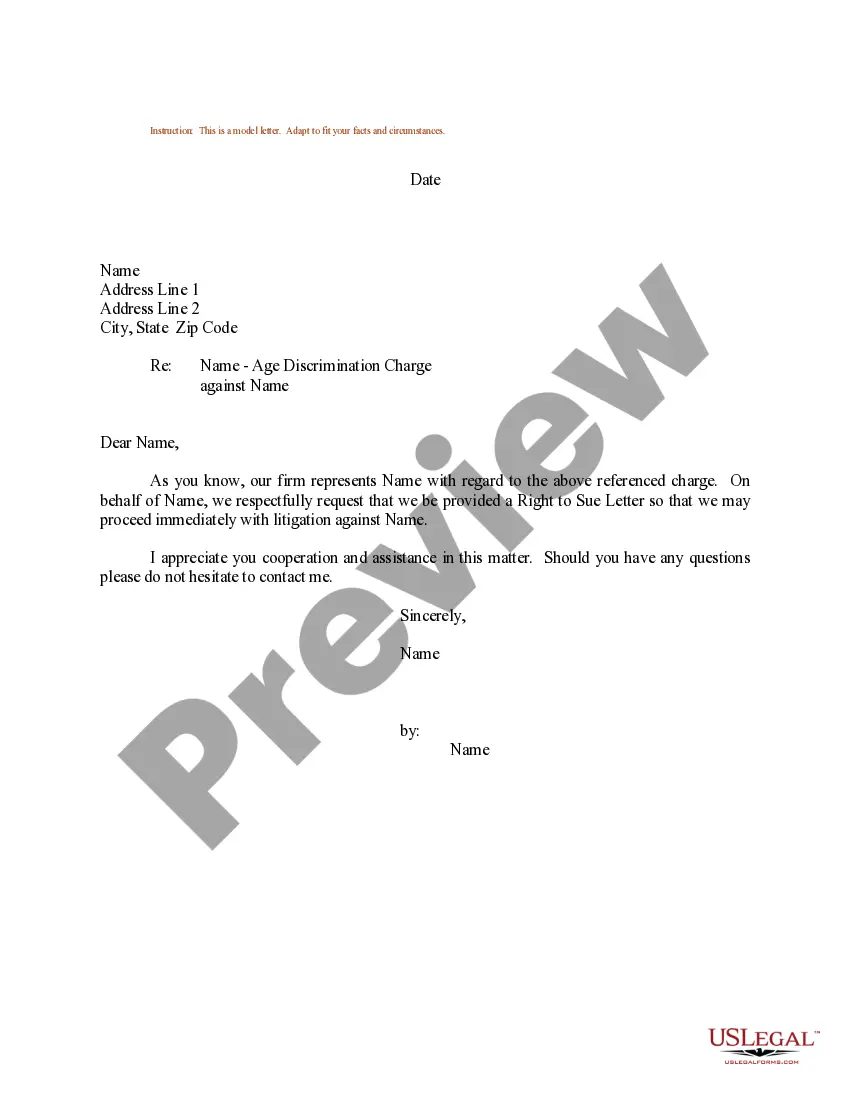
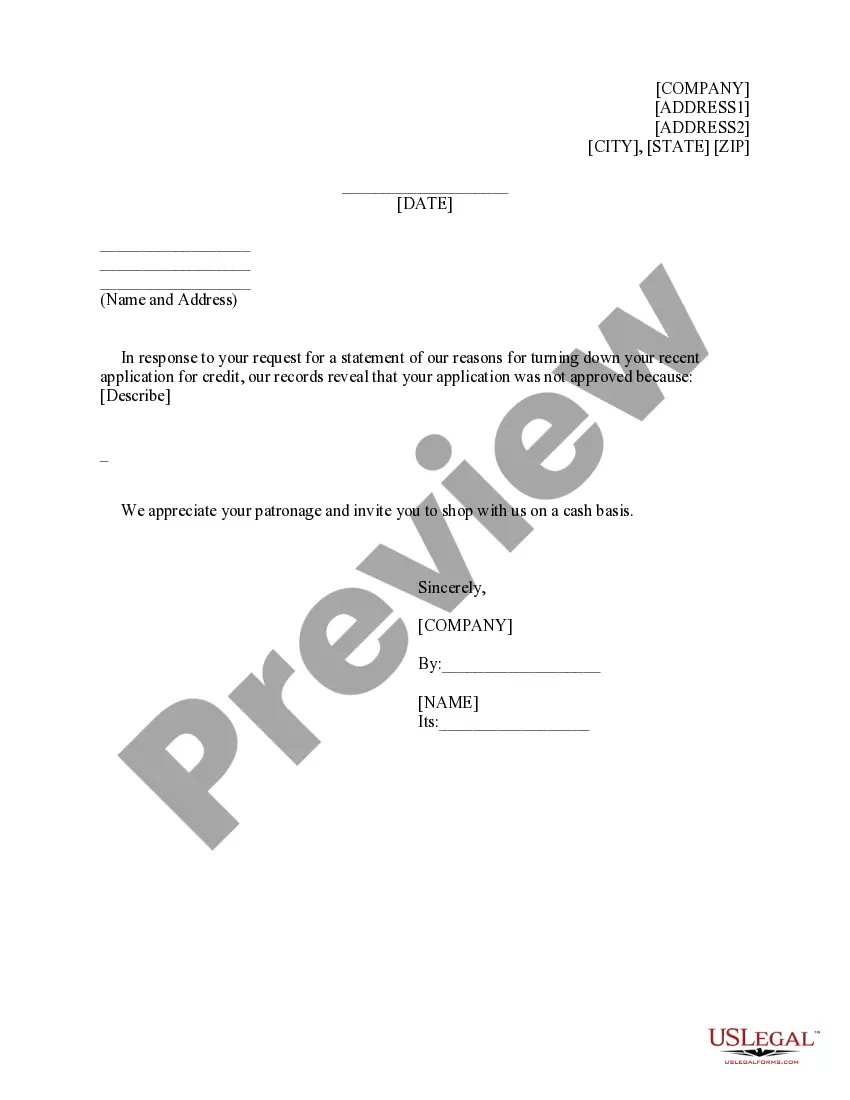
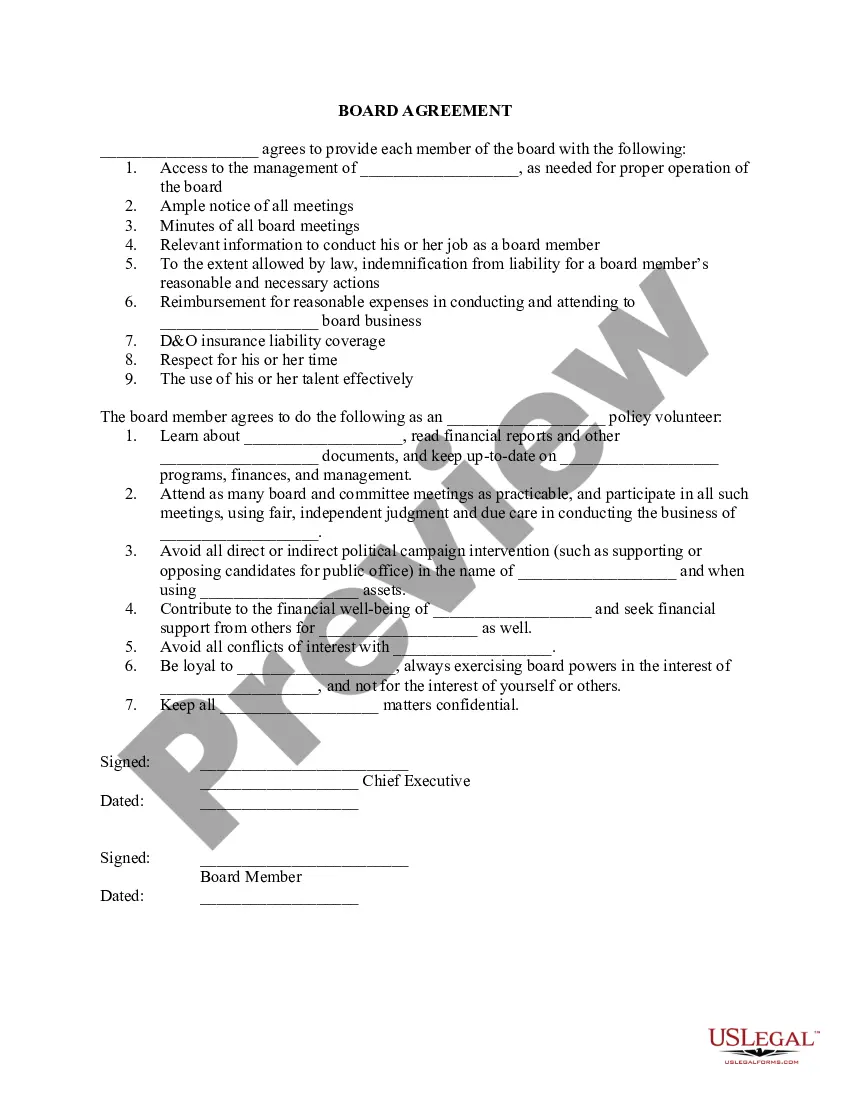
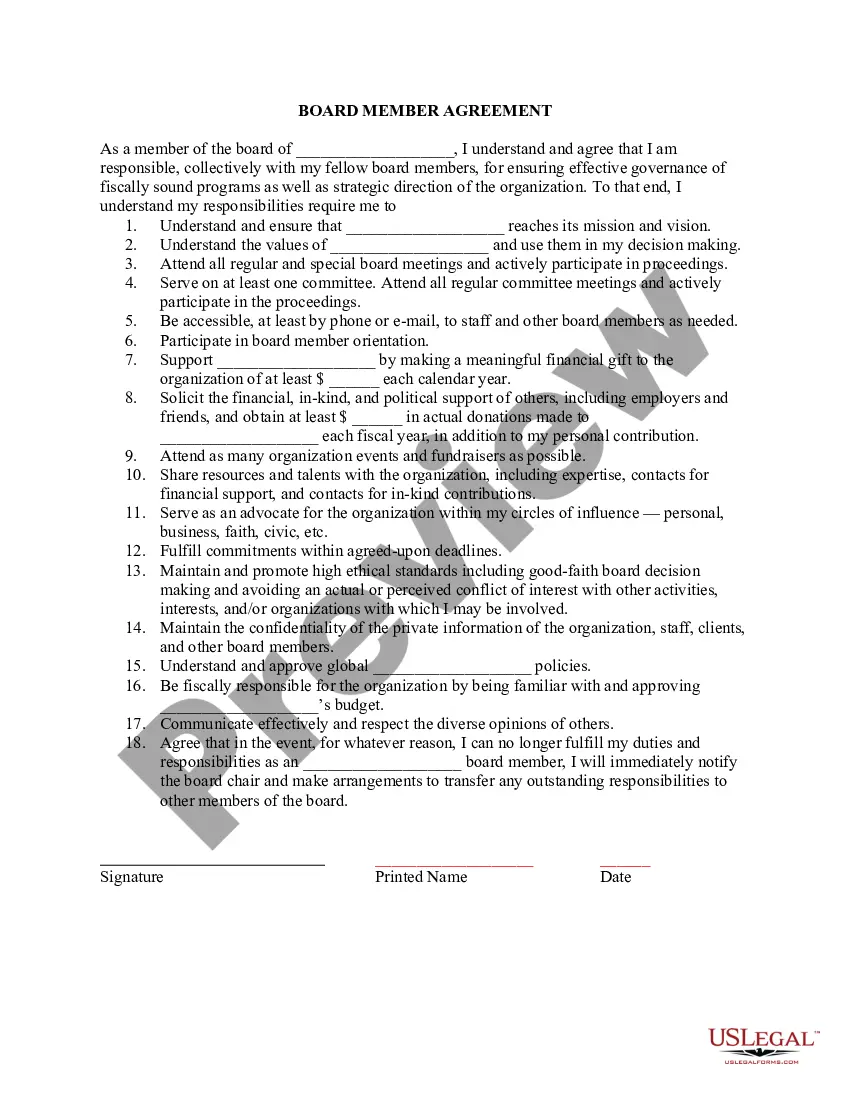

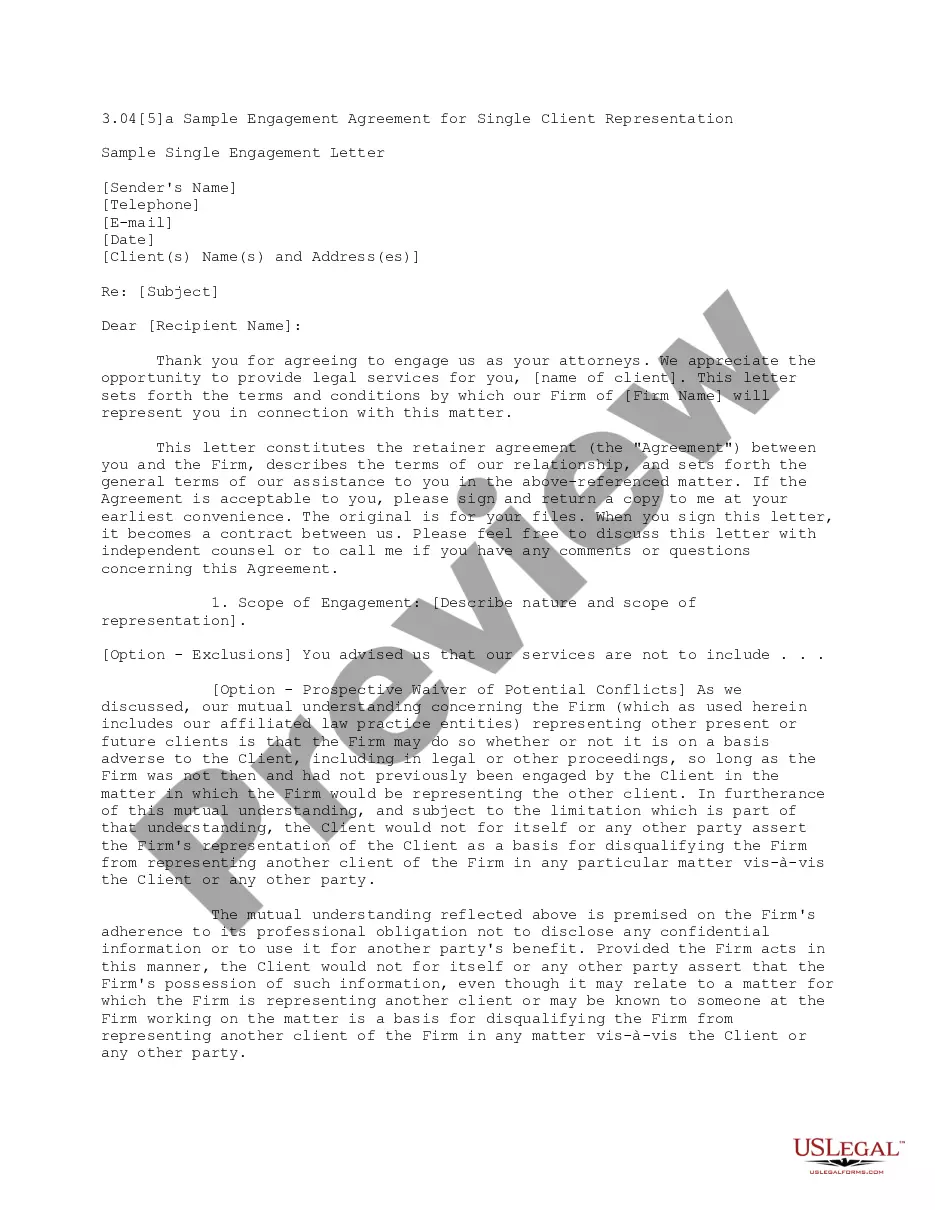
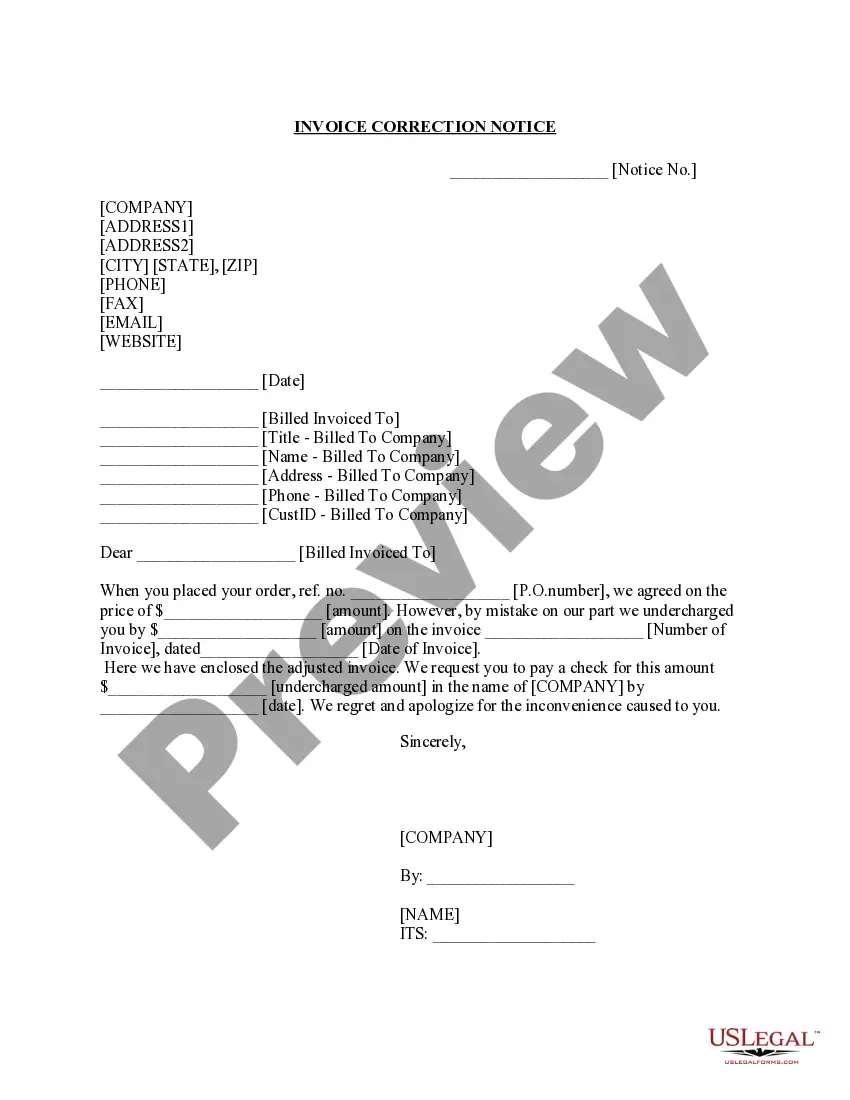
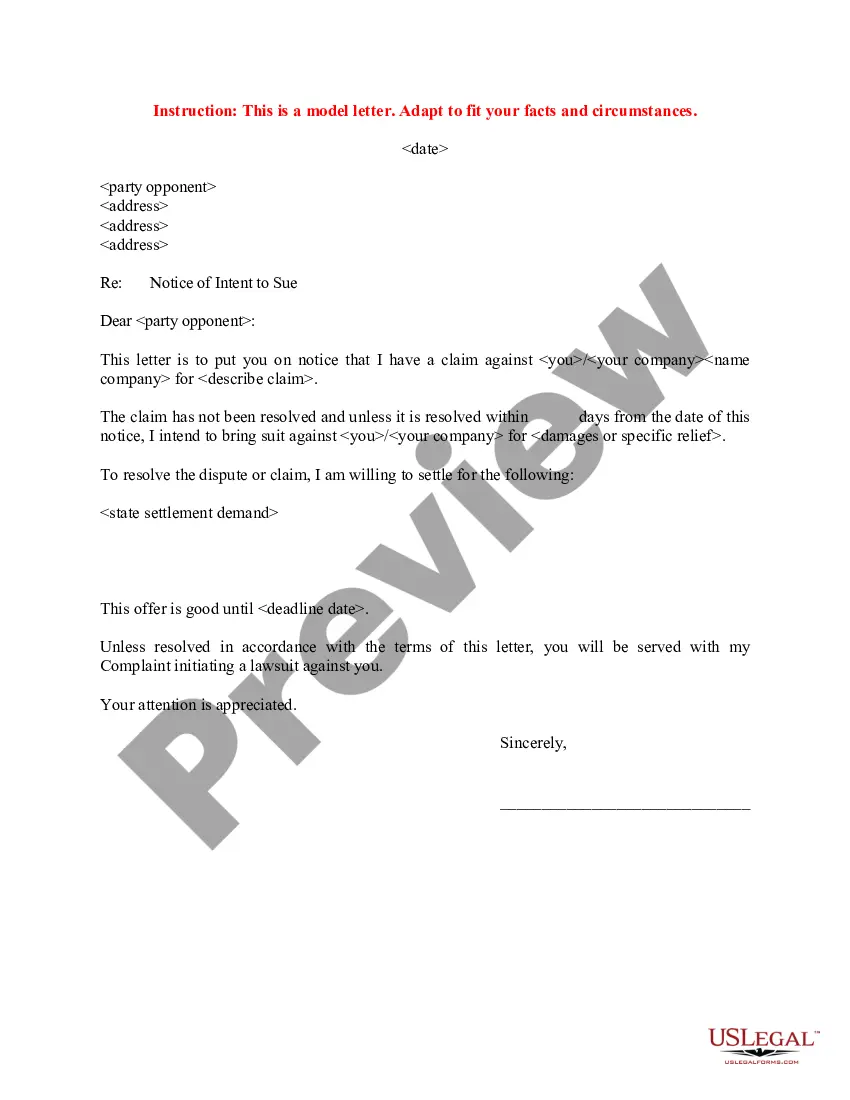
How to fill out Sample Letter Of Intent To Sue - With Settlement Demand?
Managing legal paperwork and processes can be a lengthy addition to your day.
Demand Letter Response With No Response and similar forms frequently necessitate you to locate them and figure out how to fill them out accurately.
Consequently, whether you are handling financial, legal, or personal affairs, utilizing a thorough and accessible online library of forms when required will significantly help.
US Legal Forms is the premier online platform for legal templates, providing over 85,000 state-specific documents and various resources to help you complete your paperwork effortlessly.
Is this your first time using US Legal Forms? Register and create your account in a few minutes, and you’ll gain access to the form library and Demand Letter Response With No Response. Then, follow the steps below to complete your form: Ensure you have the correct form by utilizing the Preview feature and reviewing the form details. Select Buy Now when you are ready, and choose the monthly subscription plan that suits you best. Click Download and then fill out, sign, and print the form. US Legal Forms has twenty-five years of experience helping users manage their legal documents. Locate the form you need now and streamline any process effortlessly.
- Explore the collection of relevant documents available to you with just a click.
- US Legal Forms offers you state- and county-specific forms accessible at any time for downloading.
- Protect your document management workflow with a high-quality service that enables you to prepare any form in minutes without any extra or concealed charges.
- Simply Log In to your account, find Demand Letter Response With No Response and download it immediately from the My documents section.
- You can also access forms you have saved previously.
Form popularity
FAQ
If someone does not respond to a demand letter, consider sending a follow-up communication to reiterate your request. Should there still be no reply, you may want to consult with a legal professional to explore your options. Utilizing platforms like US Legal Forms can help you draft effective follow-up letters or take further action. Taking proactive steps can safeguard your rights and ensure your concerns are addressed.
The timeframe to respond to a demand letter typically varies, but it is often within 10 to 30 days. This period allows the recipient time to assess the claims and prepare a response. However, it's important to remember that responding sooner can help prevent escalation and protect your interests. Ignoring the demand letter response with no response can complicate matters further.
People often ignore demand letters for several reasons. Some may not take the letter seriously, believing it won't lead to any real consequences. Others might feel overwhelmed or unsure about how to respond appropriately. It's essential to understand that a lack of response to a demand letter can lead to further legal action, so addressing it promptly is crucial.
Not responding to a lawyer's letter may lead to adverse legal consequences, such as losing your right to dispute the claims made against you. The lawyer may take further legal action, which could complicate your situation. To avoid these potential outcomes, consider reaching out to legal experts or using uslegalforms to craft an appropriate response.
Failing to respond to a letter of claim can have significant implications, including a default judgment against you. The sender may proceed with legal action, which could result in financial liability. It is vital to engage with the letter to protect your interests and explore options for resolution.
When the respondent does not reply, it may indicate a lack of willingness to negotiate or resolve the issue. This silence could lead you to pursue further legal action, such as filing a lawsuit. It is advisable to document all communications and consider professional legal advice to guide your next steps.
If someone does not respond to your demand letter, consider following up with a reminder. You can also assess whether to escalate the issue by consulting with a legal professional. Using platforms like uslegalforms can help you draft follow-up communications or take necessary legal steps to ensure your rights are protected.
If there is no response to a letter of claim, the sender may decide to escalate the matter by initiating legal action. This lack of response can be interpreted as an admission of liability, potentially strengthening the sender's position in court. Therefore, it's essential to address the letter promptly to mitigate risks.
Ignoring a court order can lead to serious consequences, including fines, penalties, or even jail time. A judge may issue a contempt order against you, which can escalate your legal troubles. It is crucial to respond appropriately to any legal directive to avoid worsening the situation.