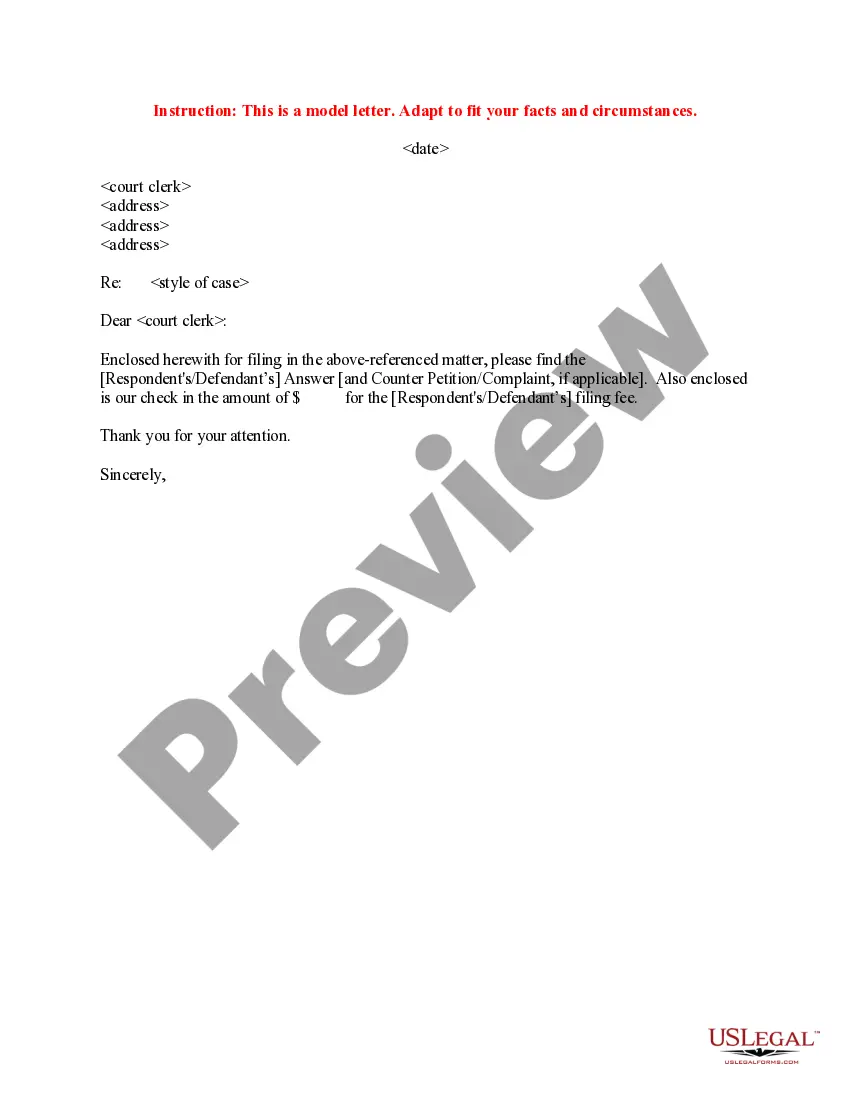
Answer To Court Summons
Description
Get your form ready online
Our built-in tools help you complete, sign, share, and store your documents in one place.
Make edits, fill in missing information, and update formatting in US Legal Forms—just like you would in MS Word.
Download a copy, print it, send it by email, or mail it via USPS—whatever works best for your next step.
Sign and collect signatures with our SignNow integration. Send to multiple recipients, set reminders, and more. Go Premium to unlock E-Sign.
If this form requires notarization, complete it online through a secure video call—no need to meet a notary in person or wait for an appointment.
We protect your documents and personal data by following strict security and privacy standards.

Make edits, fill in missing information, and update formatting in US Legal Forms—just like you would in MS Word.

Download a copy, print it, send it by email, or mail it via USPS—whatever works best for your next step.

Sign and collect signatures with our SignNow integration. Send to multiple recipients, set reminders, and more. Go Premium to unlock E-Sign.

If this form requires notarization, complete it online through a secure video call—no need to meet a notary in person or wait for an appointment.

We protect your documents and personal data by following strict security and privacy standards.
Looking for another form?
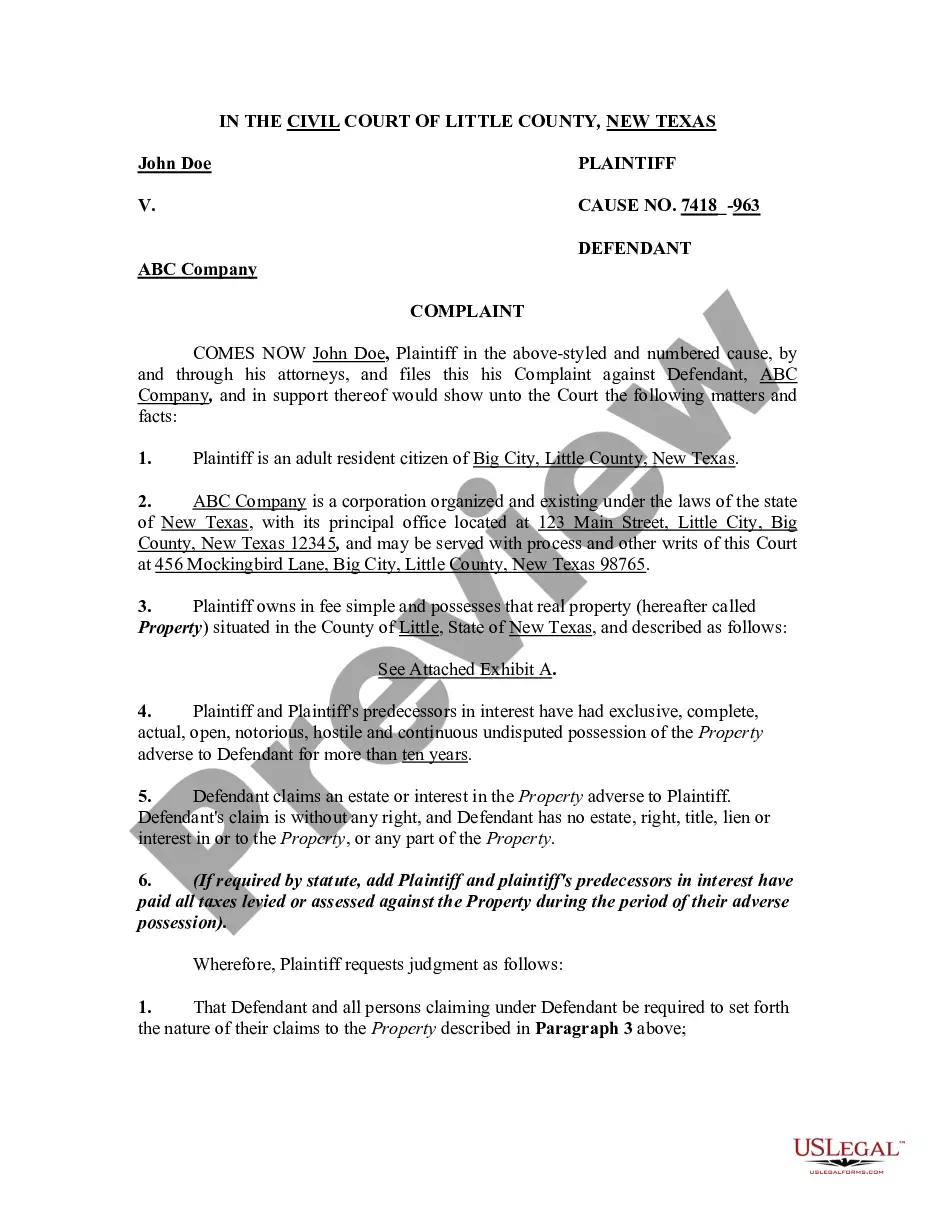

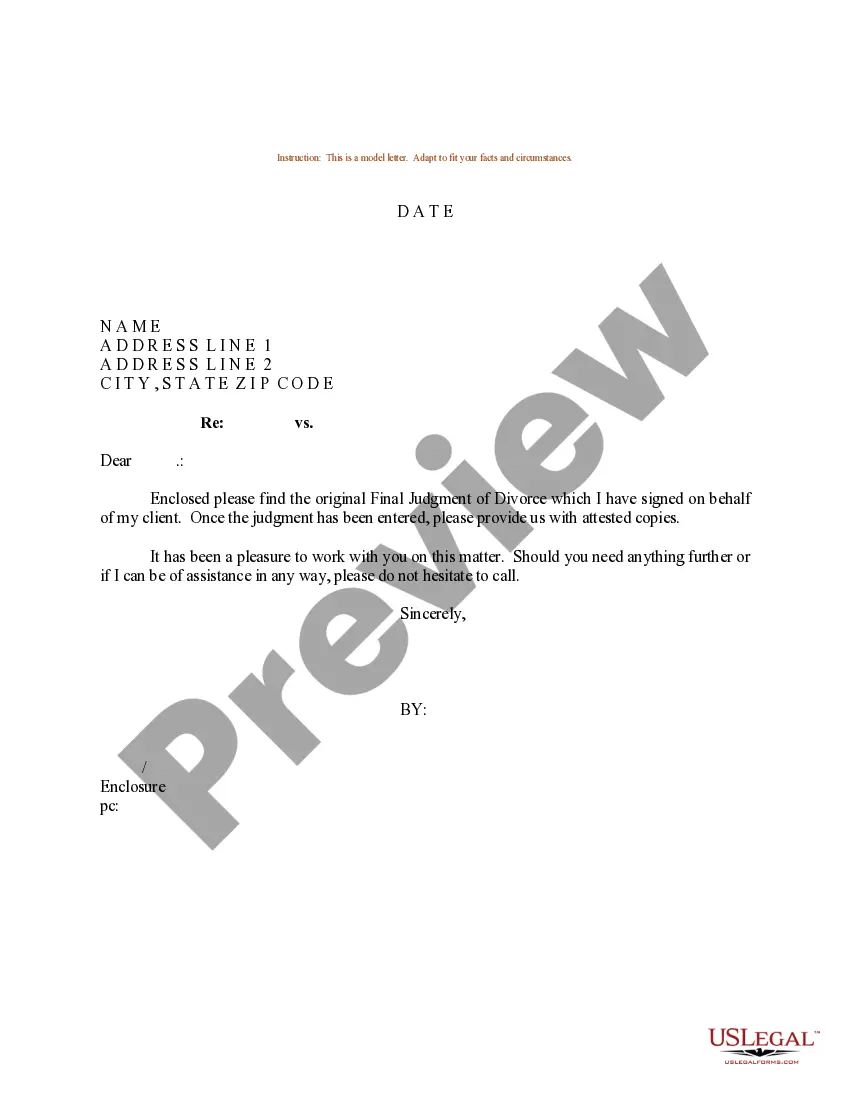
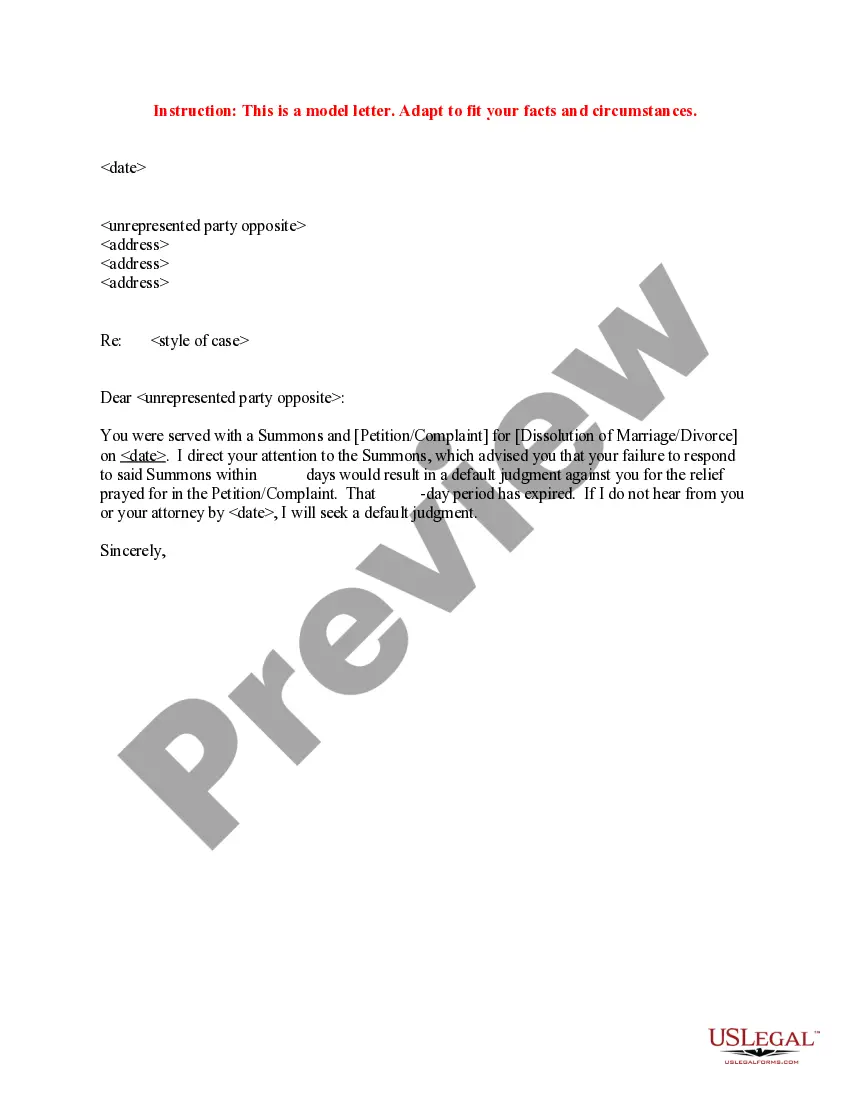
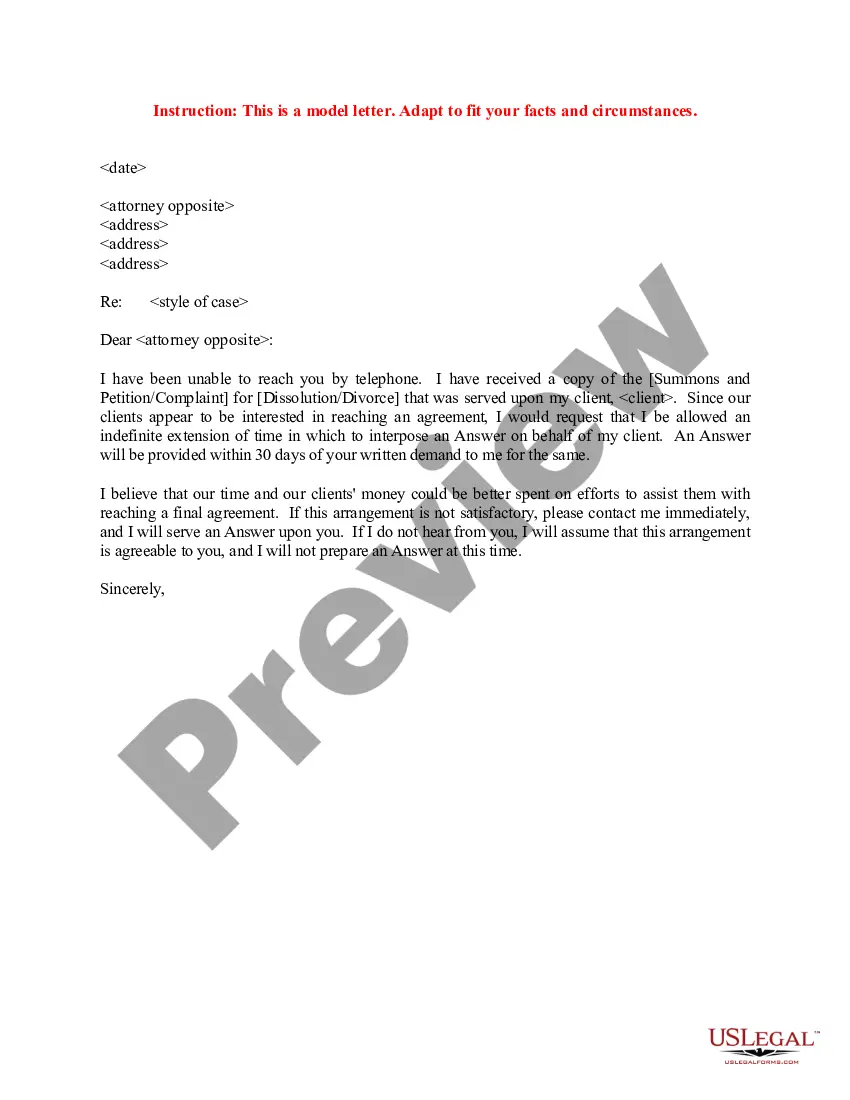
How to fill out Sample Letter To Court Clerk Regarding Filing Answer - Cover Letter?
Legal management can be exasperating, even for the most adept professionals.
When you seek a Response To Court Summons and lack the opportunity to dedicate time to finding the suitable and current version, the process may become taxing.
US Legal Forms meets all your requirements, from personal to business paperwork, conveniently in one location.
Leverage sophisticated tools to fill out and manage your Response To Court Summons.
Here are the steps to follow after downloading the form you need: Verify that this is the correct document by previewing it and reading its description. Ensure that the template is approved in your state or county. Select Buy Now when you are prepared. Choose a subscription plan. Select the file format you prefer, and Download, complete, sign, print, and submit your document. Experience the US Legal Forms online catalogue, backed by 25 years of expertise and trustworthiness. Streamline your daily document management into a seamless and user-friendly process today.
- Utilize a repository of articles, guidelines, and manuals pertinent to your situation and requirements.
- Save time and energy searching for the documents you need, and use US Legal Forms’ advanced search and Review feature to locate Response To Court Summons and obtain it.
- If you have a subscription, Log Into your US Legal Forms account, search for the form, and acquire it.
- Check your My documents tab to review the documents you have previously saved and manage your folders as needed.
- If this is your first experience with US Legal Forms, sign up and gain unlimited access to all the advantages of the library.
- A comprehensive online form repository could be a transformative solution for those looking to navigate these circumstances efficiently.
- US Legal Forms is a frontrunner in online legal documents, offering over 85,000 state-specific legal forms accessible to you at any time.
- With US Legal Forms, you can access various state- or county-specific legal and business documents.
Form popularity
FAQ
If you file an Answer to the lawsuit and defend yourself in court, you can state an affirmative defense. You can deny what the plaintiff says you did without saying anything else. But you can also have affirmative defenses. You must raise it in your Answer or you may give up your right to bring it up later.
Affirmative defense?Examples On [Date], after making the contract and the alleged breach, and before this action was commenced, defendant paid to the plaintiff the sum of [specify amount], which was accepted by the plaintiff in full satisfaction and discharge of the damages claimed in the petition.
If you decide to file a response, you must file it in the same courthouse where the lawsuit was filed. The address should be on the papers you were served by the plaintiff. Make sure you take your original plus at least 2 copies to the clerk's office to file. You will have to pay a filing fee to file your papers.
When drafting an answer, one must: (1) follow the local, state, and federal court rules; (2) research the legal claims in the adversary's complaint; (3) respond to the adversary's factual allegations; and (4) assert affirmative defenses, counterclaims, cross-claims, or third-party claims, if applicable.
Be brief. Answer the allegations in the complaint with one or two sentences. Again remember that the statements you make in your answer can be used as admissions against you. Your response to the allegations in the complaint may admit part of the statement in the specific paragraph and deny part.