Nonprofit Organization
Description
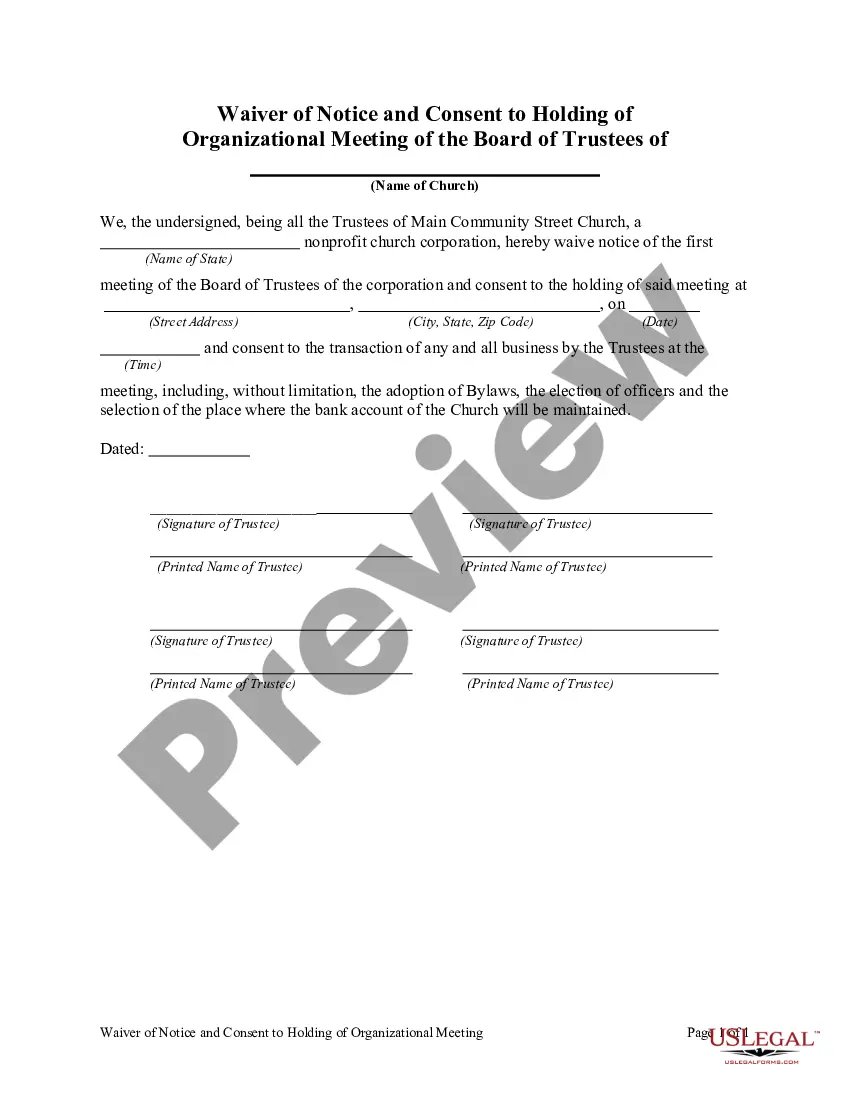
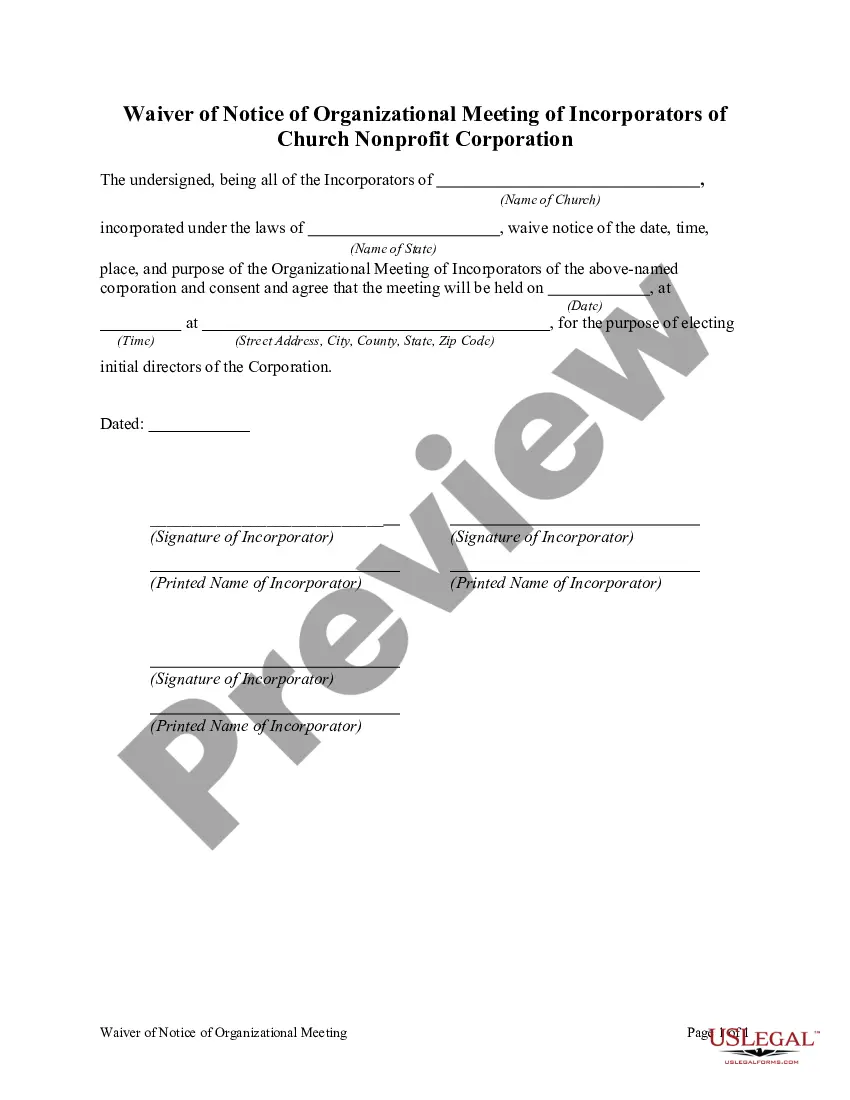
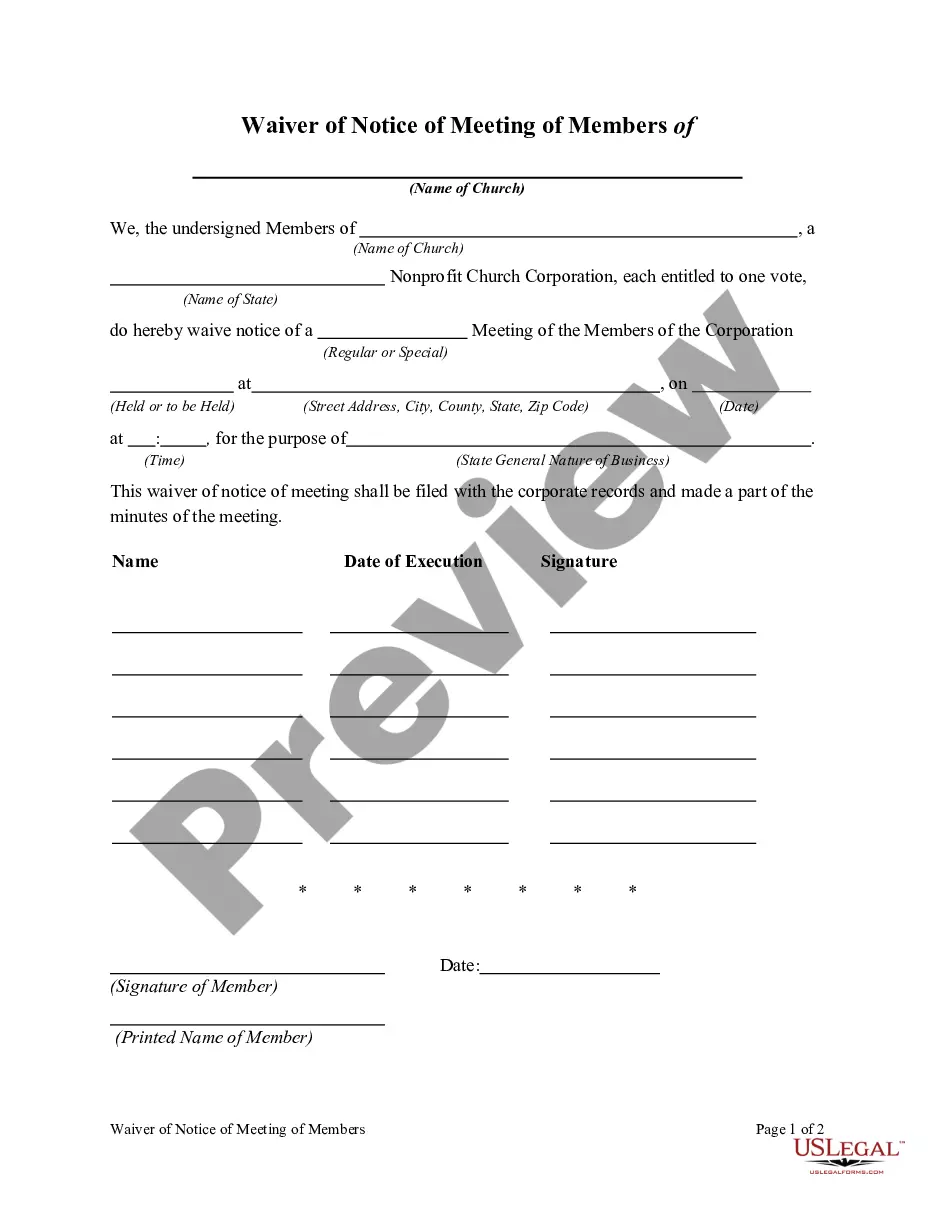
Get your form ready online
Our built-in tools help you complete, sign, share, and store your documents in one place.
Make edits, fill in missing information, and update formatting in US Legal Forms—just like you would in MS Word.
Download a copy, print it, send it by email, or mail it via USPS—whatever works best for your next step.
Sign and collect signatures with our SignNow integration. Send to multiple recipients, set reminders, and more. Go Premium to unlock E-Sign.
If this form requires notarization, complete it online through a secure video call—no need to meet a notary in person or wait for an appointment.
We protect your documents and personal data by following strict security and privacy standards.
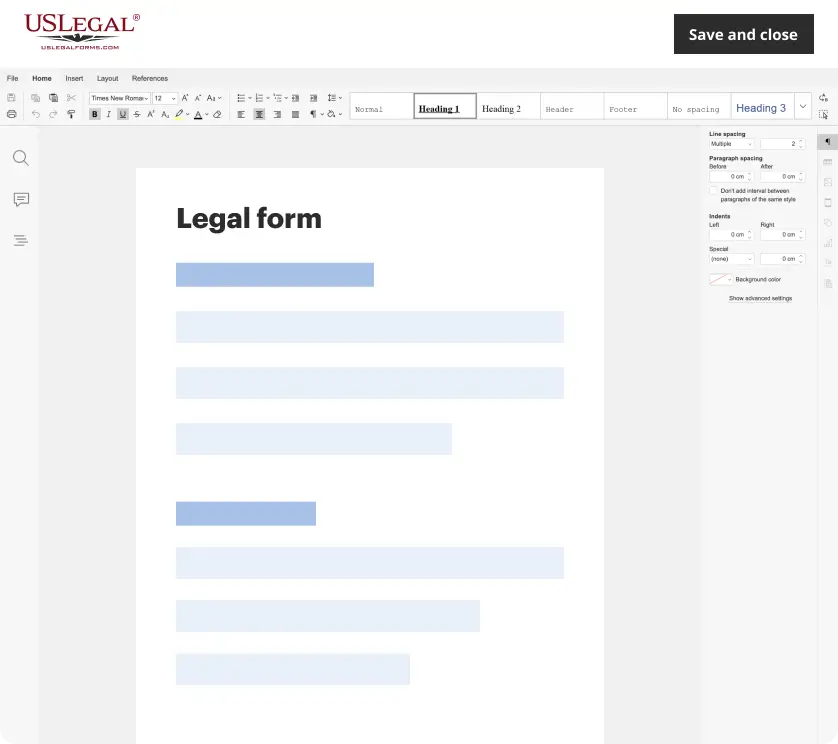
Make edits, fill in missing information, and update formatting in US Legal Forms—just like you would in MS Word.
Download a copy, print it, send it by email, or mail it via USPS—whatever works best for your next step.
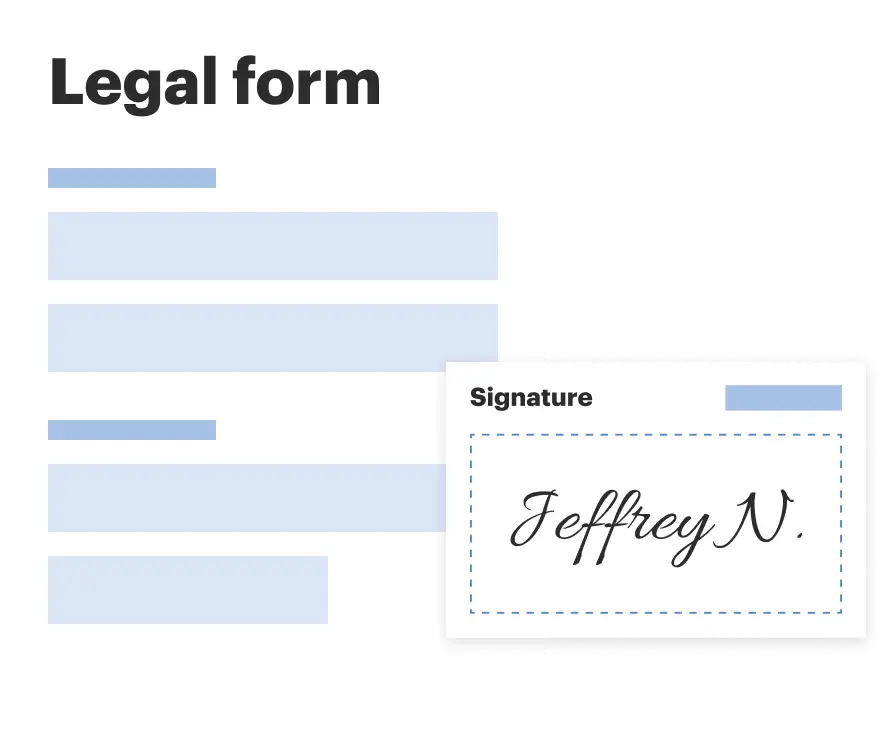
Sign and collect signatures with our SignNow integration. Send to multiple recipients, set reminders, and more. Go Premium to unlock E-Sign.
If this form requires notarization, complete it online through a secure video call—no need to meet a notary in person or wait for an appointment.
We protect your documents and personal data by following strict security and privacy standards.
Looking for another form?
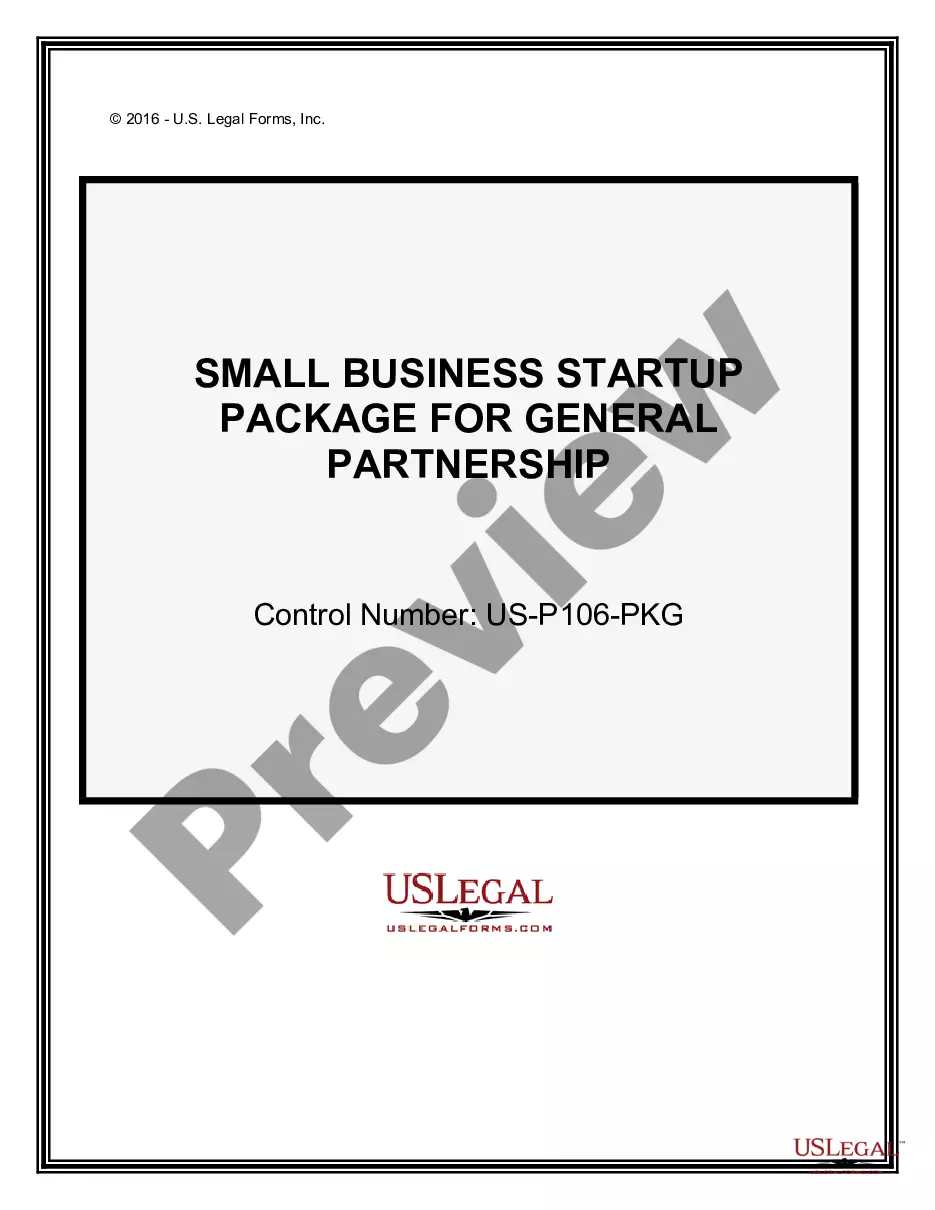






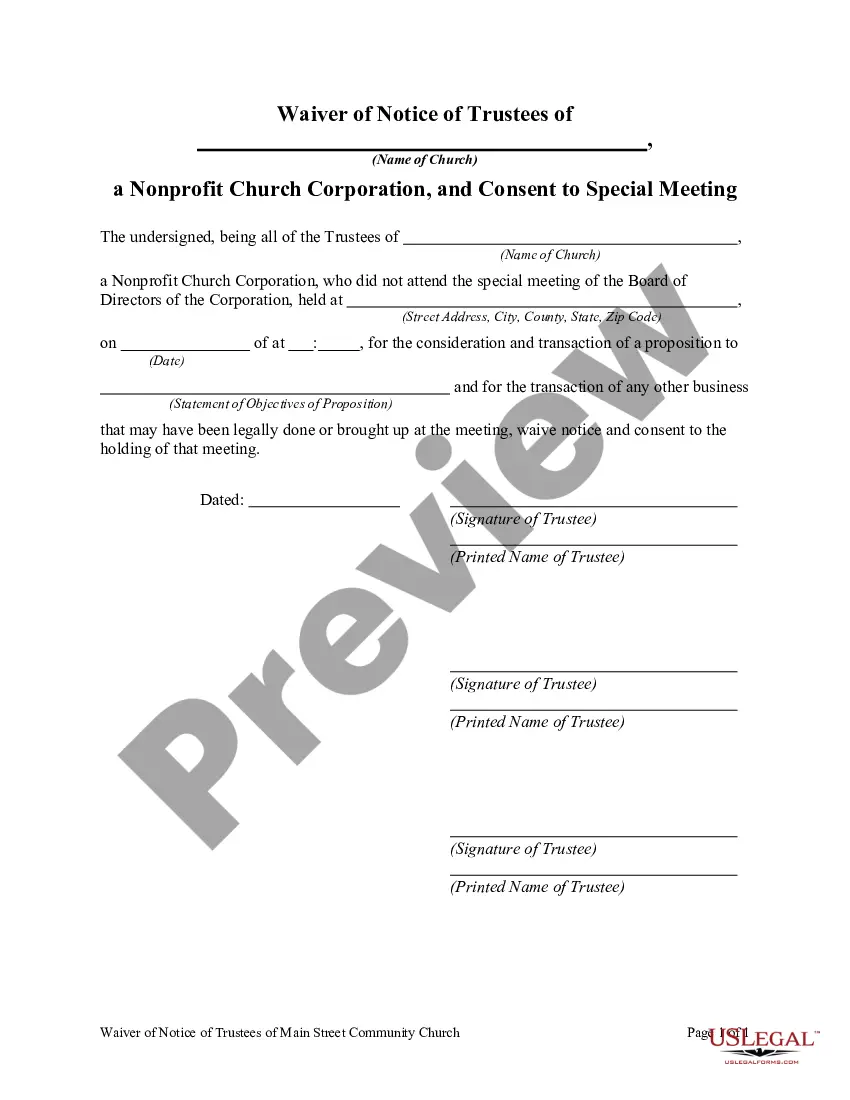
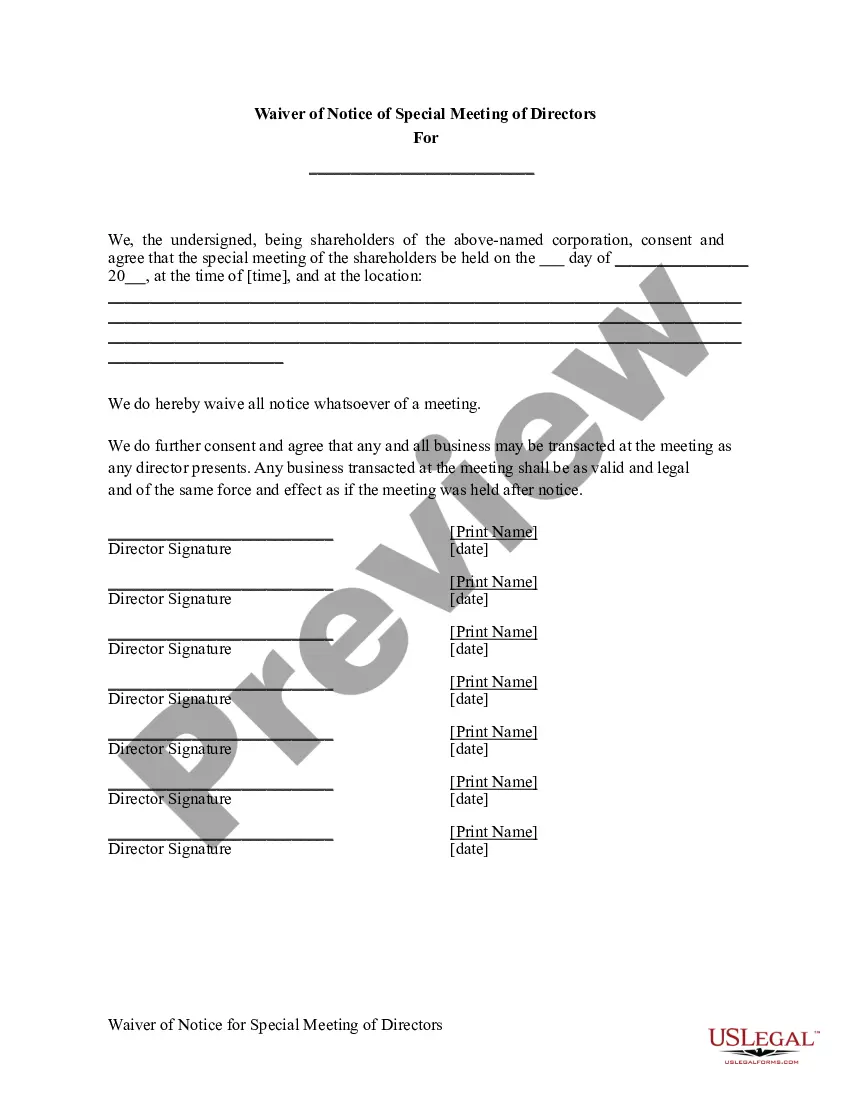
How to fill out Waiver Of Notice Of Trustees Of A Nonprofit Church Corporation And, Consent To Special Meeting?
- If you're already a member, sign in to your US Legal Forms account and download your desired form by clicking the Download button. Ensure your subscription is active; if not, renew it according to your plan.
- For first-time users, start by checking the form preview and description to verify it meets your requirements and local jurisdiction needs.
- If adjustments are necessary, use the search feature to find an alternative template that meets your criteria.
- Proceed to purchase the document by clicking the Buy Now button. Choose the subscription plan that best fits your needs and set up an account to access additional resources.
- Complete your transaction with your credit card or PayPal to finalize the purchase.
- Download your chosen form and save it on your device. You can access it anytime through the My Forms section in your profile.
By utilizing US Legal Forms, nonprofit organizations can streamline their legal processes effectively.
Take control of your nonprofit's legal needs today and explore the US Legal Forms library for comprehensive support!
Form popularity
FAQ
The 33% rule refers to a guideline that nonprofits should not spend more than 33% of their total expenses on administrative costs. This principle ensures that a significant portion of funds goes directly to programs and services that fulfill the organization's mission. By adhering to this rule, nonprofits can maintain transparency and trust with their donors.
A nonprofit organization is a broad term for entities created for purposes other than profit. A 501c3 organization, however, refers specifically to nonprofits that meet IRS criteria for tax exemption under section 501(c)(3). This designation allows for donations to be tax-deductible, offering additional benefits for both the organization and its donors.
Filling out a W-9 for a nonprofit organization is straightforward. Start with your organization's name on line one, followed by the address. Accurately indicate your nonprofit status by marking the right classification, provide your tax ID number, and finish by signing at the bottom to confirm the information is correct.
Begin by entering your nonprofit organization's name on the first line, followed by your address on the next lines. In the 'Tax Classification' section, check the box for 'Exempt Payee.' Then, input your nonprofit's taxpayer identification number and complete the signature block to submit your W9 accurately.
A nonprofit organization is a legal entity formed for purposes other than generating profit. Unlike for-profit businesses, nonprofits focus on social, educational, charitable, or religious missions. They can take various forms but are primarily established as corporations or trusts to work for the public good.
The main difference between a nonprofit and a not-for-profit organization lies in their objectives. A nonprofit organization primarily aims to serve the public or a specific community, while a not-for-profit organization may focus on serving its members without a charitable intent. Understanding this difference can help you determine the best structure for your venture. For more clarity, USLegalForms offers informative resources that can help you choose the right path.
Filing taxes for your nonprofit organization is necessary to maintain your tax-exempt status. Most nonprofits must file Form 990 with the IRS annually, which provides financial information about your organization. Make sure to keep accurate records and consult tools available on the USLegalForms platform to streamline your filing process.
To file for a not-for-profit organization, you need to prepare your articles of incorporation and submit them to your state government. Alongside the articles, you must apply for federal tax-exempt status by completing IRS Form 1023 or 1023-EZ. Using USLegalForms can simplify this process, as it provides templates and resources tailored for nonprofit organizations.
Yes, you can start a nonprofit organization by yourself. However, forming a board of directors is often advisable to gain different perspectives and support. Additionally, having a team can help you in the long run with fundraising and governance. By using platforms like USLegalForms, you can easily find resources to guide you through the process.
Yes, nonprofits can generate a profit, but it must be used to further their mission rather than distributed to individuals. Profits are typically reinvested into the organization to expand programs, improve services, or support operational costs. Thus, while a nonprofit organization can earn revenue, its primary goal is to fulfill its mission and benefit the community. Utilizing platforms like uslegalforms can assist nonprofits in managing legal and administrative tasks effectively.