Non Profit Corporation Form With Animals
Description
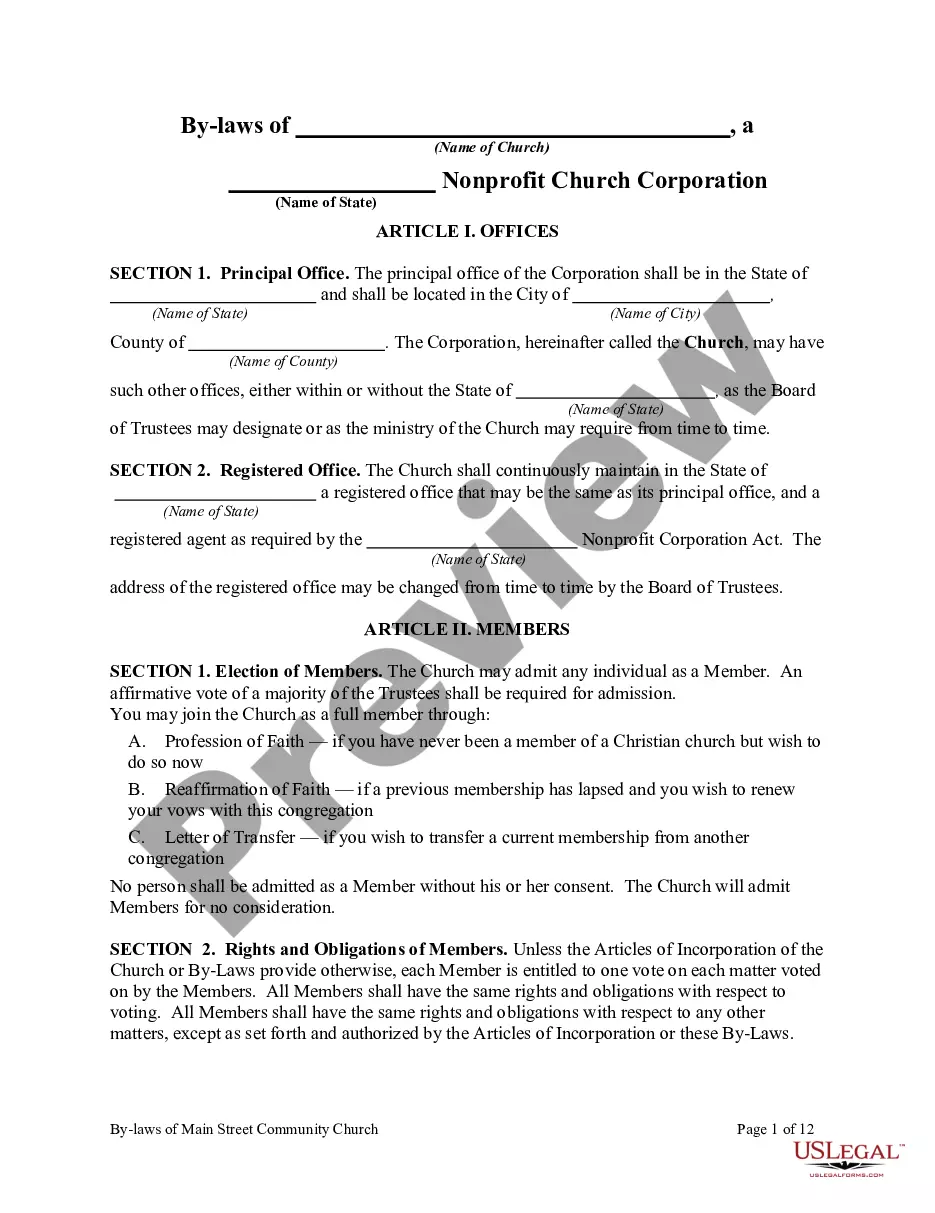
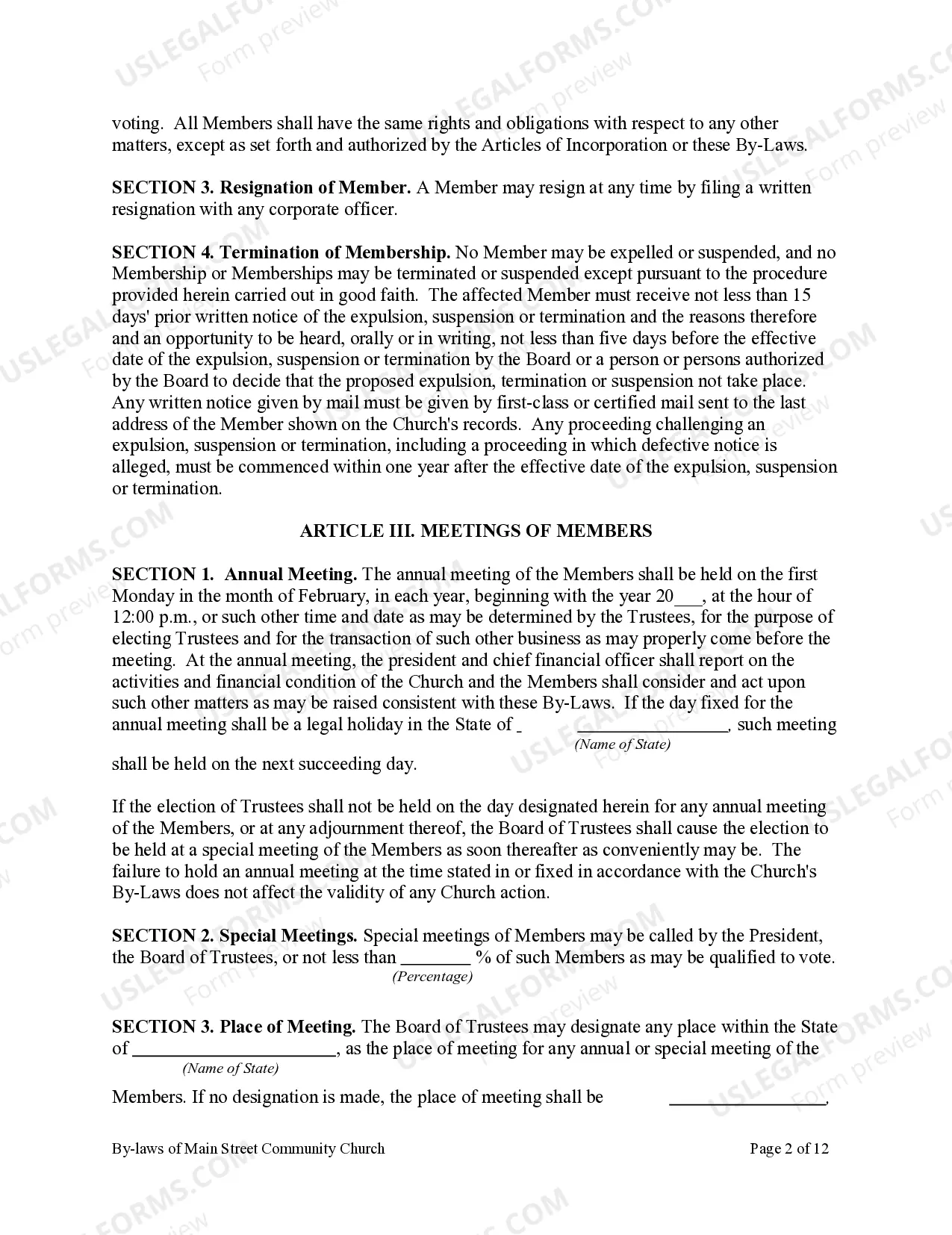
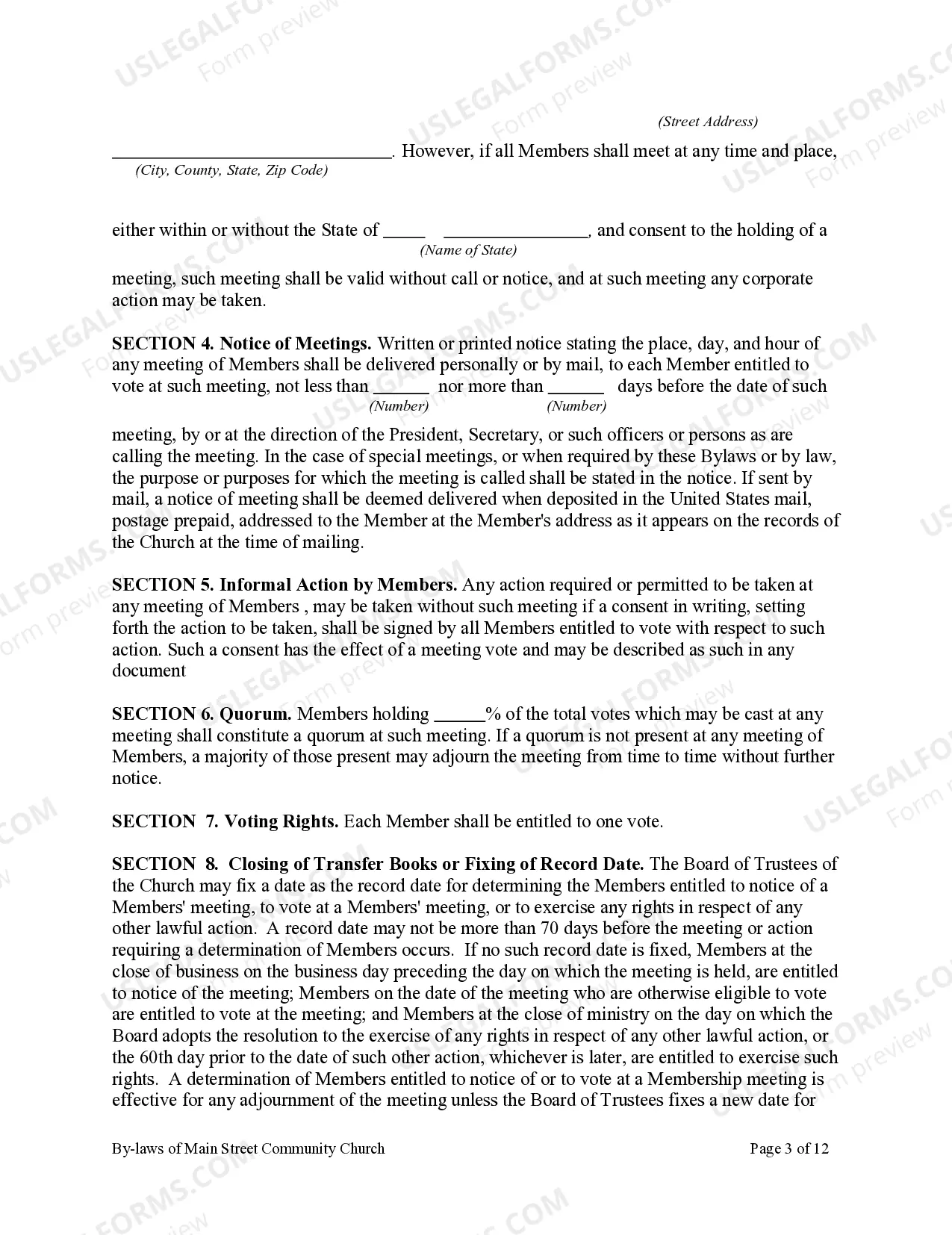
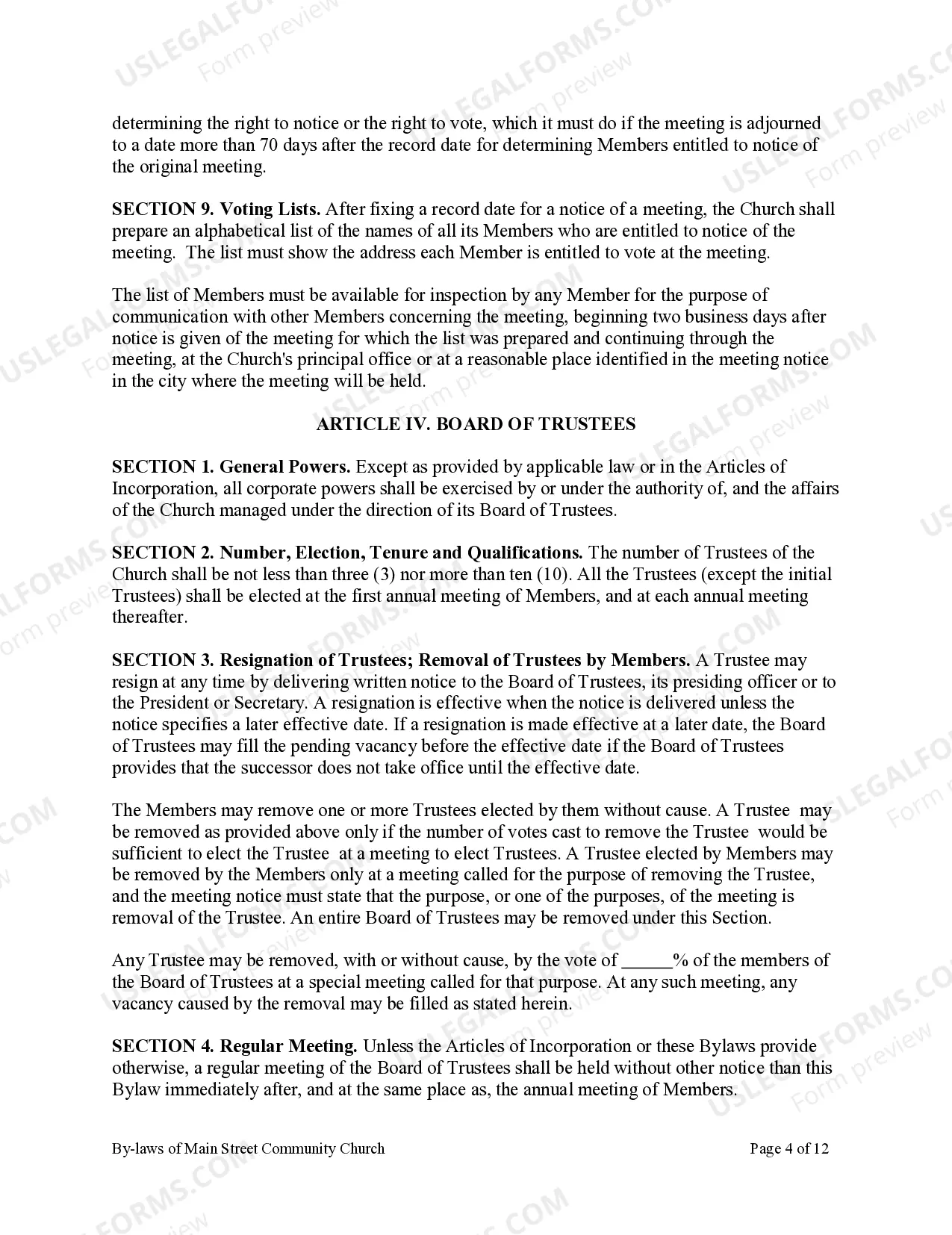

Get your form ready online
Our built-in tools help you complete, sign, share, and store your documents in one place.
Make edits, fill in missing information, and update formatting in US Legal Forms—just like you would in MS Word.
Download a copy, print it, send it by email, or mail it via USPS—whatever works best for your next step.
Sign and collect signatures with our SignNow integration. Send to multiple recipients, set reminders, and more. Go Premium to unlock E-Sign.
If this form requires notarization, complete it online through a secure video call—no need to meet a notary in person or wait for an appointment.
We protect your documents and personal data by following strict security and privacy standards.

Make edits, fill in missing information, and update formatting in US Legal Forms—just like you would in MS Word.

Download a copy, print it, send it by email, or mail it via USPS—whatever works best for your next step.

Sign and collect signatures with our SignNow integration. Send to multiple recipients, set reminders, and more. Go Premium to unlock E-Sign.

If this form requires notarization, complete it online through a secure video call—no need to meet a notary in person or wait for an appointment.

We protect your documents and personal data by following strict security and privacy standards.
Looking for another form?
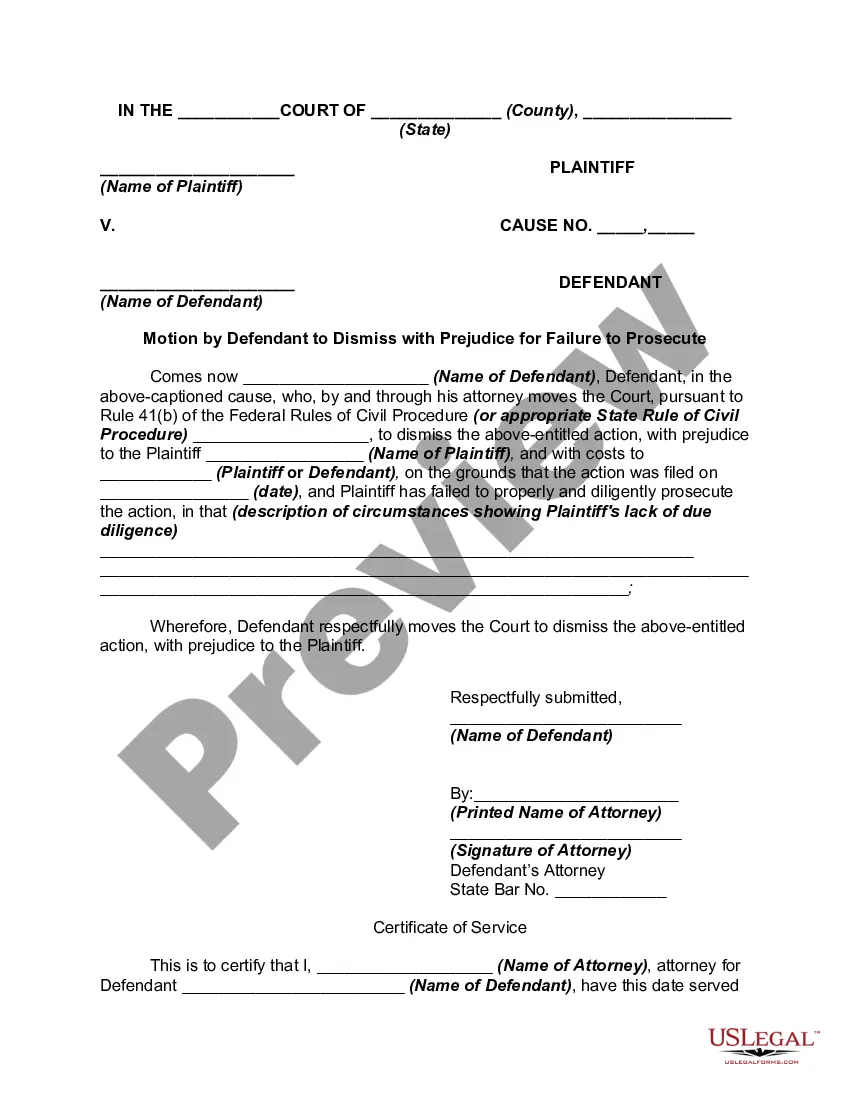
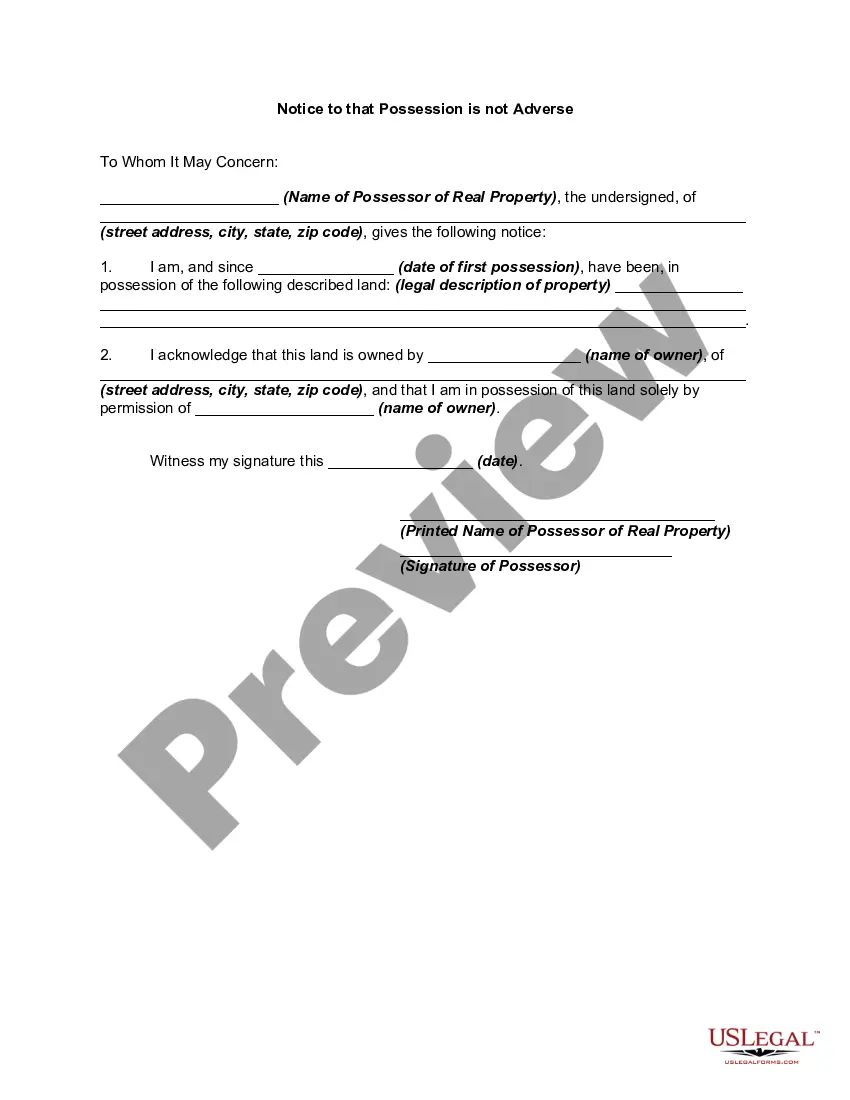
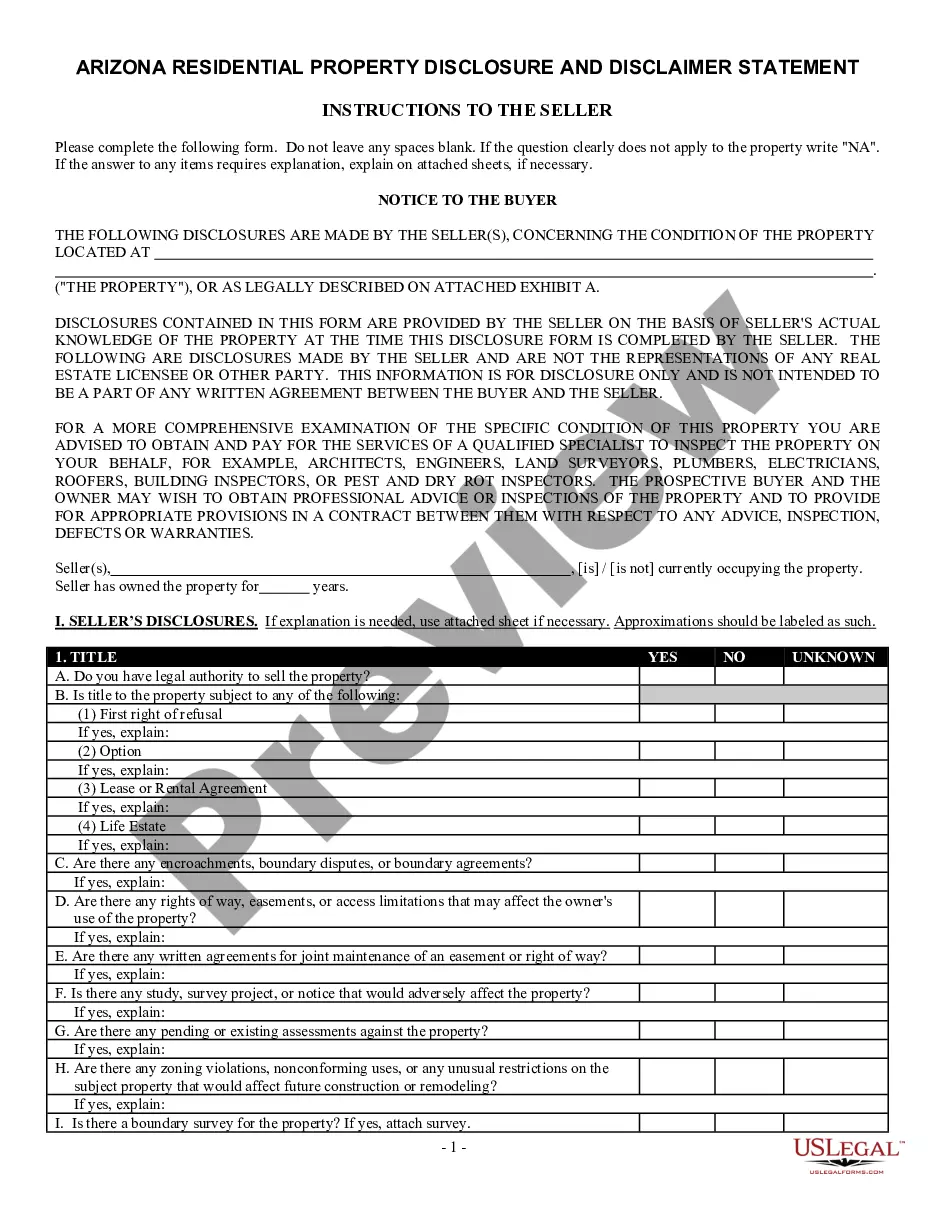

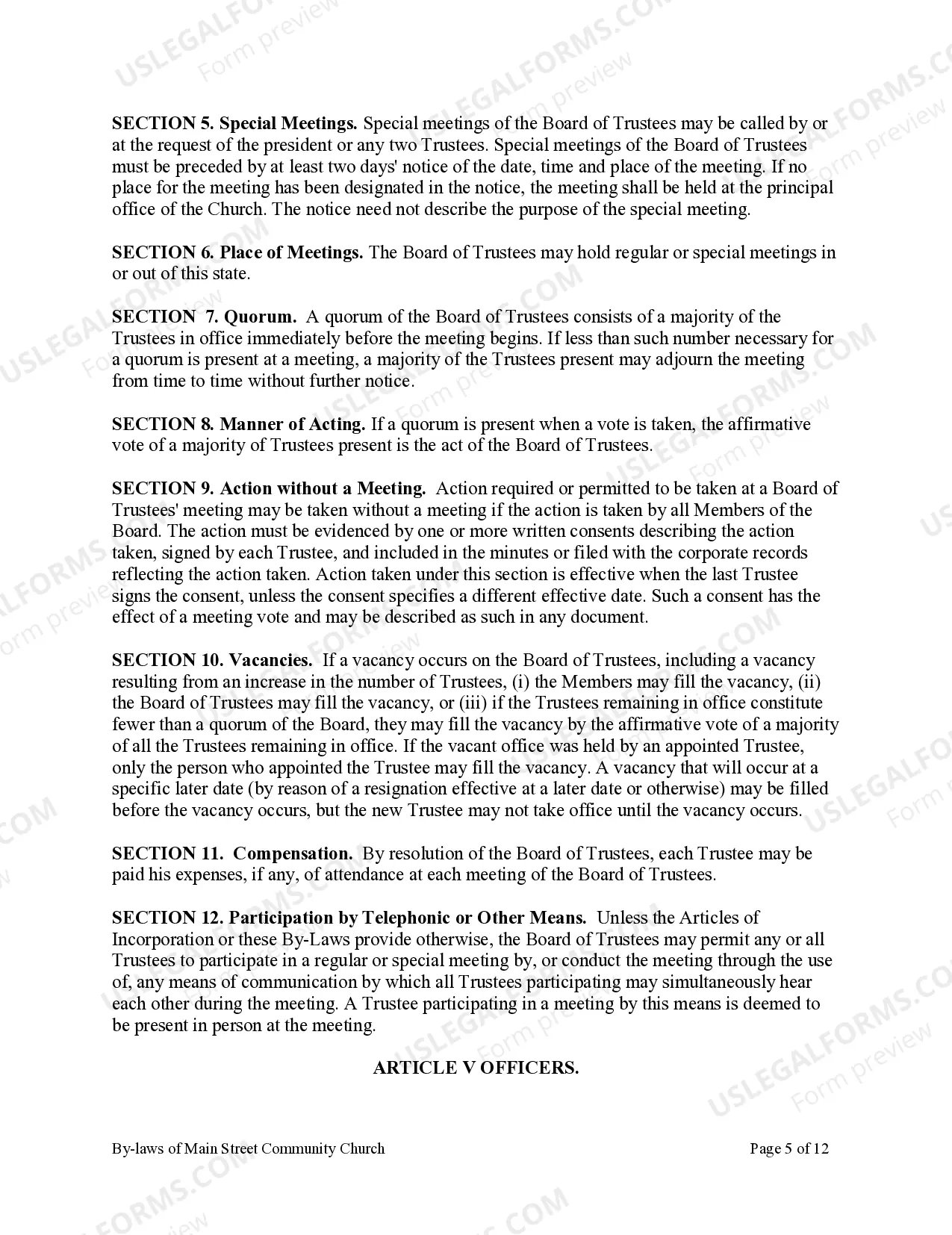
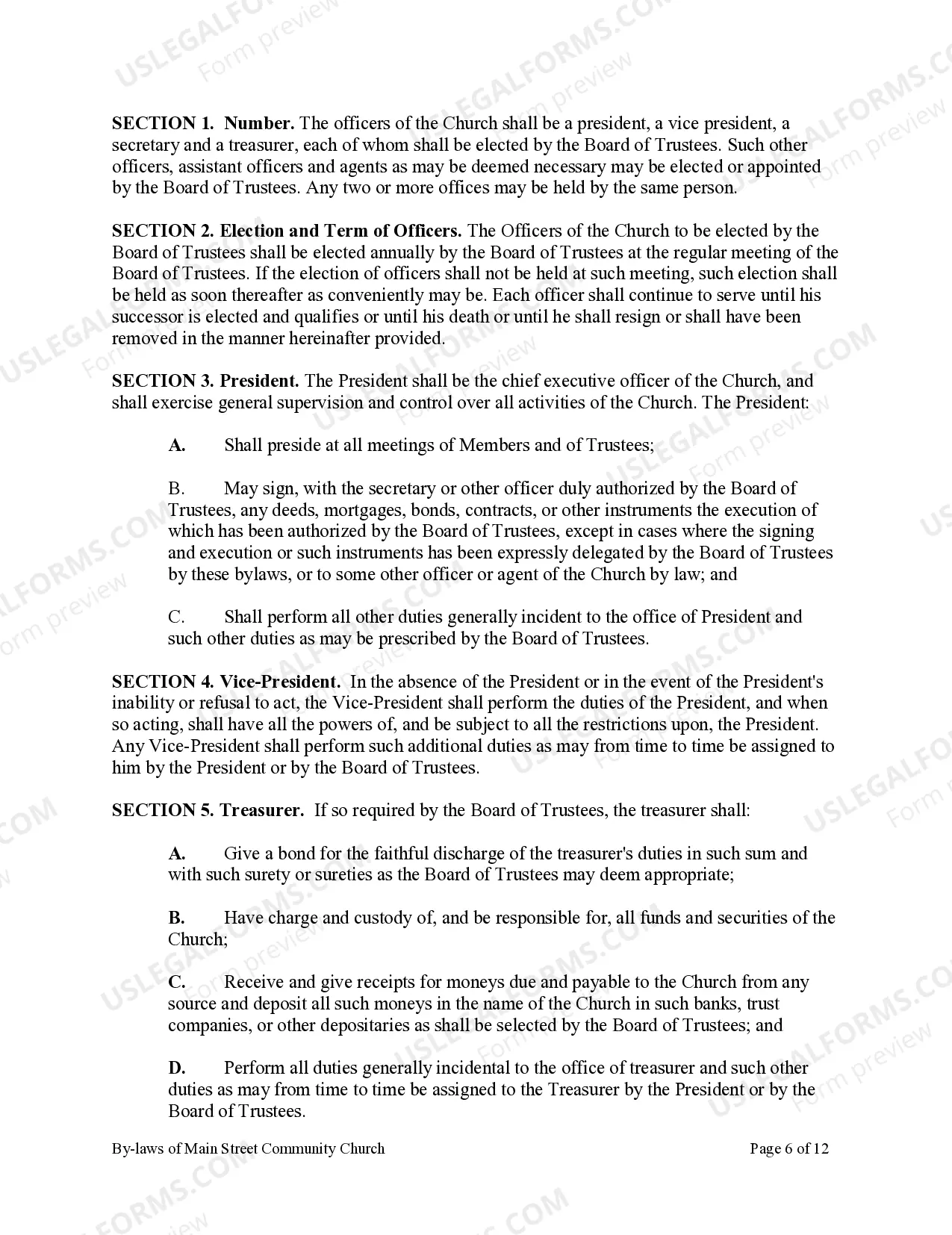
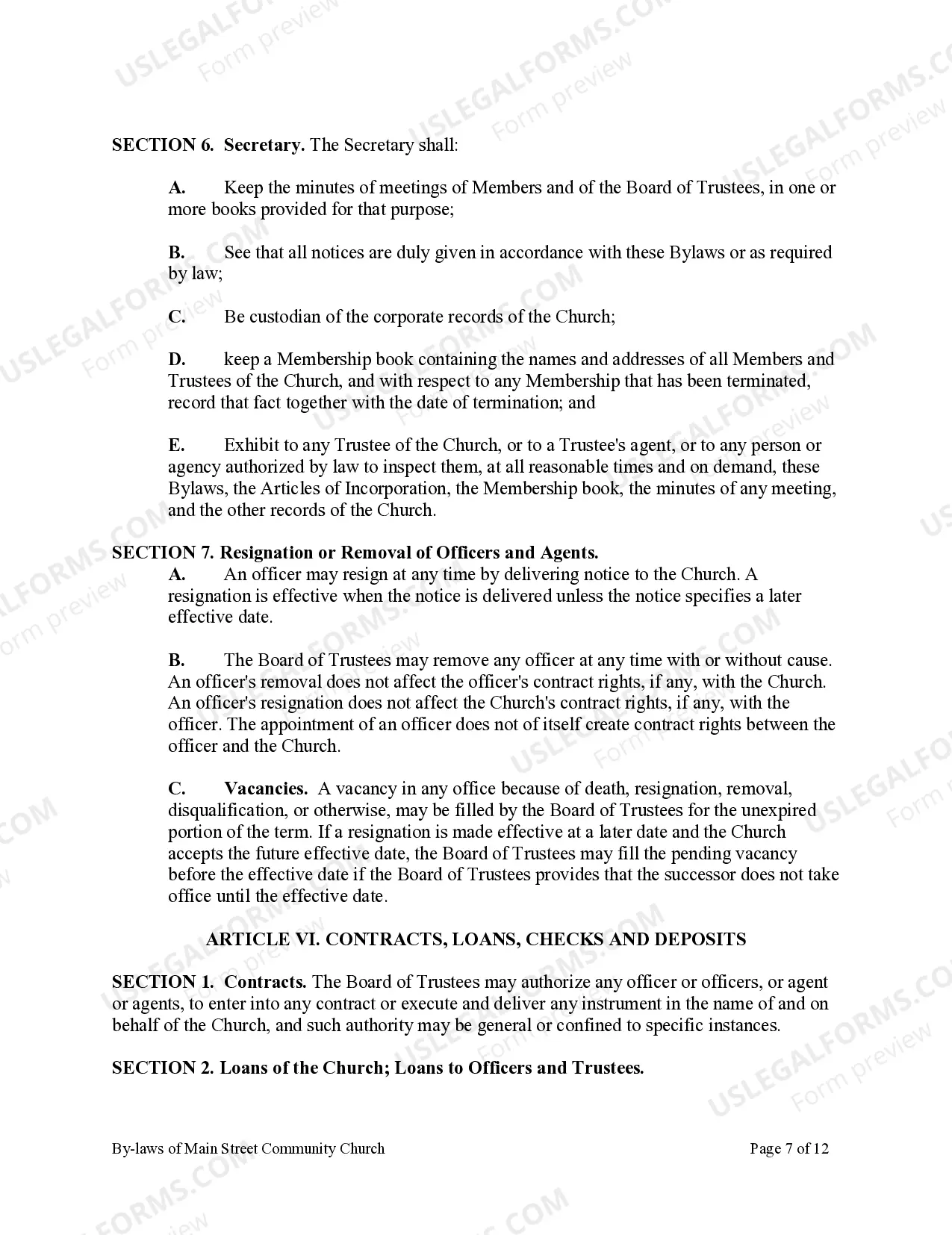
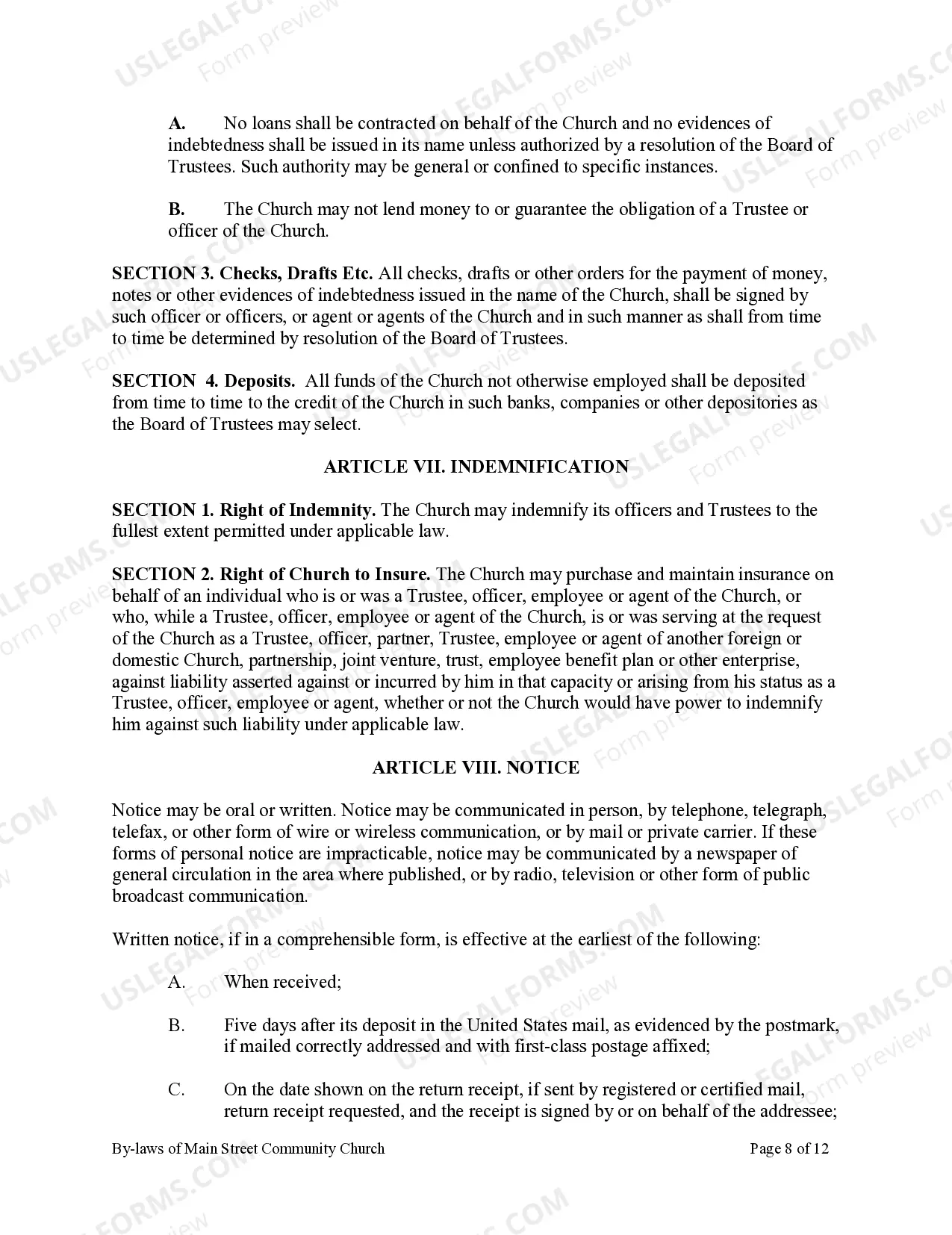
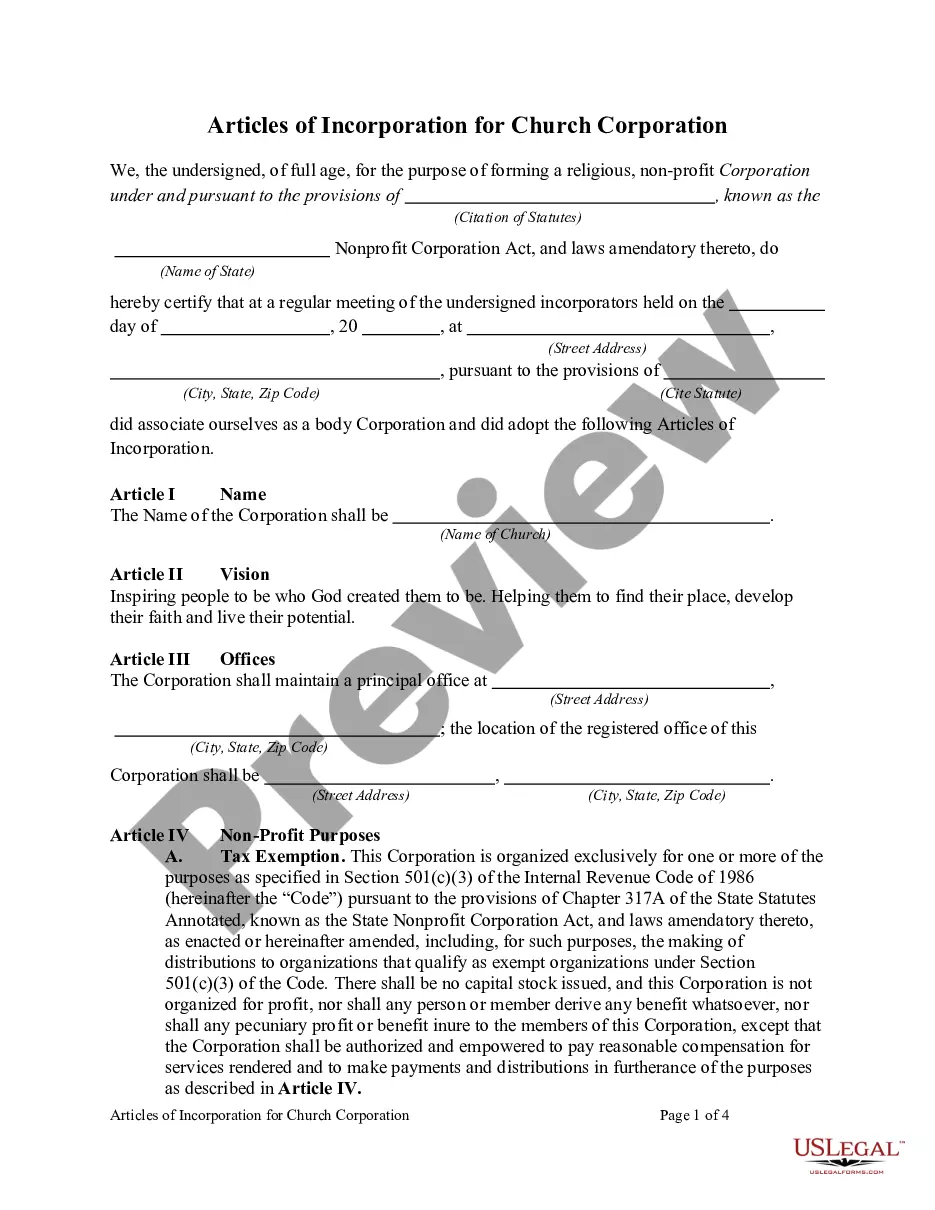
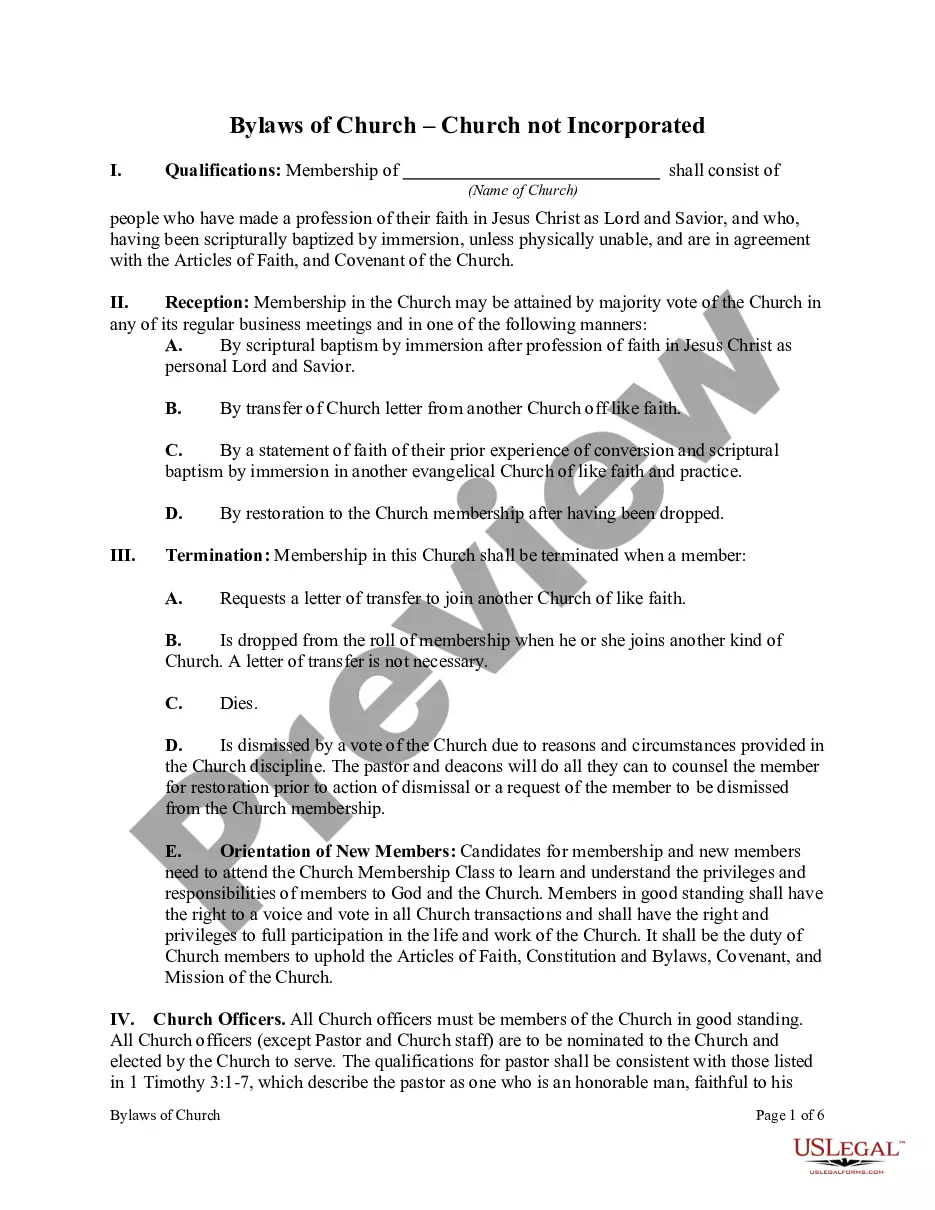
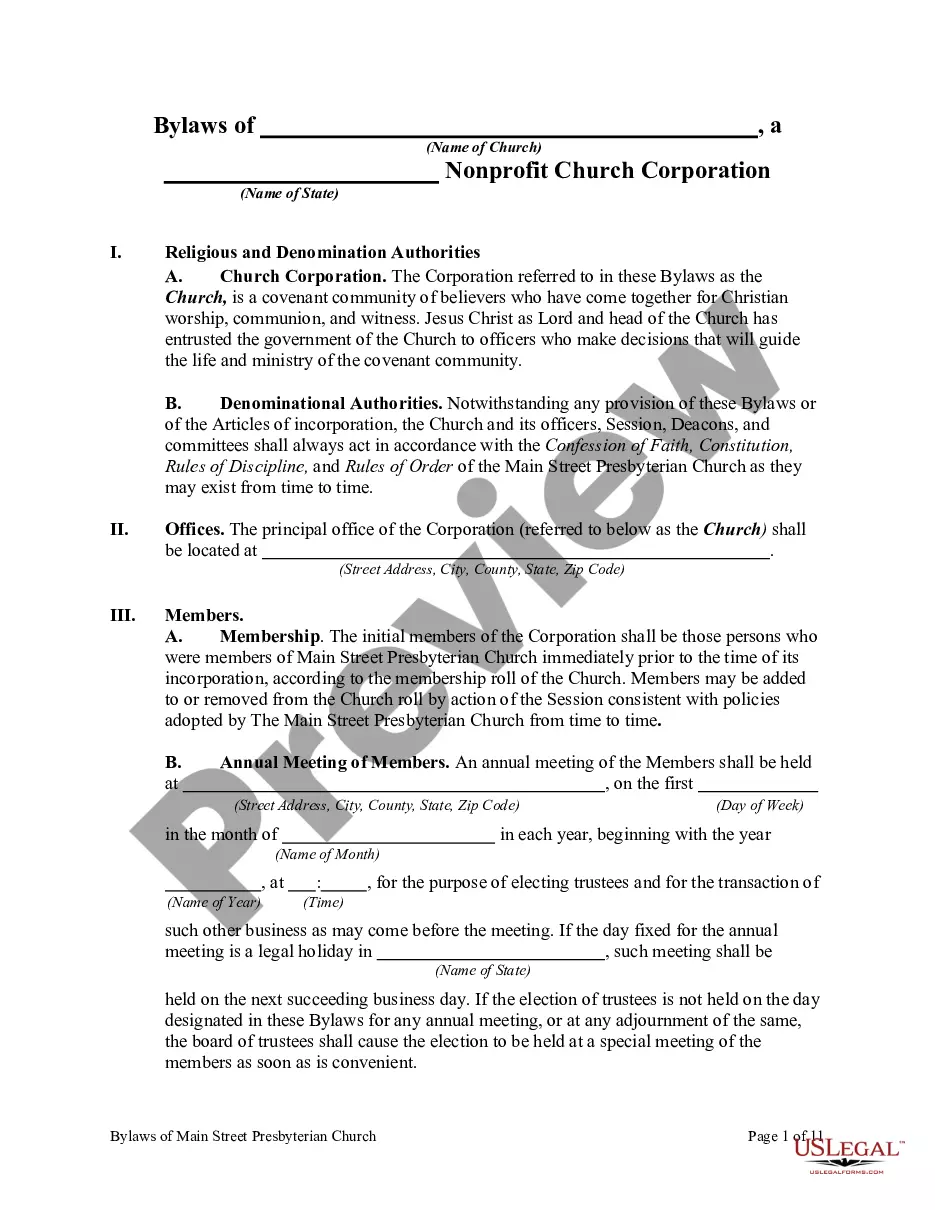
How to fill out Bi-Laws Of A Non-Profit Church Corporation?
Regardless of whether it's for corporate needs or personal matters, everyone encounters legal issues at some time in their lives.
Filling out legal documents requires meticulous care, starting with choosing the appropriate form template.
Once it is downloaded, you can fill out the form using editing software or print it out and complete it by hand. With an extensive US Legal Forms library available, there's no need to waste time searching for the right template online. Utilize the library’s straightforward navigation to find the suitable template for any situation.
- Locate the template you need by utilizing the search bar or browsing through the catalog.
- Review the form’s details to confirm it fits your circumstances, state, and locality.
- Click on the form’s preview to examine it.
- If it is not the correct form, return to the search function to find the Non Profit Corporation Form With Animals version you require.
- Download the template if it meets your criteria.
- If you have a US Legal Forms account, simply click Log in to retrieve previously saved documents in My documents.
- If you don’t have an account yet, you may obtain the form by clicking Buy now.
- Choose the appropriate pricing option.
- Complete the account registration form.
- Opt for your payment method: you can use a credit card or PayPal account.
- Select the desired file format and download the Non Profit Corporation Form With Animals.
Form popularity
FAQ
The 3-3-3 rule for animals applies to various pets and is a useful framework for understanding their adjustment to new homes. As mentioned, the rule outlines that animals may experience three days of stress, three weeks of adjustment, and three months to fully settle in. This knowledge is beneficial for both pet owners and organizations involved in animal rescue. If you are exploring a non profit corporation form with animals, integrating this rule into your training programs can enhance the experience for both pets and adopters.
The 333 rule for senior dogs is similar to the general 3-3-3 rule but specifically tailored for older dogs. It highlights the idea that seniors may need a little extra time to adjust to new environments, often taking three days to settle, three weeks to feel comfortable, and three months to show their true character. If you are considering a non profit corporation form with animals focused on senior rescues, this understanding is vital for better care and placement.
Setting up a non-profit animal rescue requires careful planning and organization. First, you need to create a mission statement and gather a team of dedicated volunteers. Next, file the necessary paperwork, including the non profit corporation form with animals, to establish your organization legally. Utilizing platforms like US Legal Forms can simplify the paperwork process and ensure you meet all legal requirements, allowing you to focus on rescuing animals.
Yes, the 3-3-3 rule for dogs is generally accurate and serves as a helpful guideline for new dog owners. Dogs often take time to adjust to new homes, and this rule helps set realistic expectations. The initial stress can lead to behavioral changes during the first month. For those looking to create a non profit corporation form with animals, recognizing this adjustment period is crucial for successful rescues and adoptions.
The 3-3-3 rule for pets refers to the adjustment period that many animals experience after being adopted. It suggests that the first three days involve stress as the pet settles into a new environment. After three weeks, you may notice your pet starting to feel comfortable. By three months, they often show their true personality. If you're considering starting a non profit corporation form with animals, understanding this rule can help you support your rescue efforts.
A 501c3 animal rescue is a nonprofit organization dedicated to the care and adoption of animals in need. This designation allows the organization to receive tax-deductible donations, helping it to fund its operations and support its mission. By filing the appropriate non profit corporation form with animals, these rescues can establish their legal status and gain access to essential resources. Ultimately, a 501c3 status enhances the organization's credibility and increases its ability to make a positive impact in the community.
To start a nonprofit for animals, you first need to identify the specific needs you want to address, such as rescue, rehabilitation, or advocacy. After that, draft your non profit corporation form with animals, detailing your programs and operational plans. It is essential to gather community support and volunteers to strengthen your cause. Once established, you can apply for grants and donations to fuel your efforts.
Starting a non-profit to help animals begins with defining your mission and goals. Next, you will need to choose a name for your organization and create a board of directors. Once you have these elements in place, you can complete a non profit corporation form with animals, which outlines your purpose and structure. Finally, submitting your application for tax-exempt status will help you secure funding and support.
The 33% rule states that non-profits should aim to spend no more than one-third of their expenses on administrative costs. This guideline helps ensure that a significant portion of funds directly supports charitable activities. For a non-profit corporation form with animals, maintaining a focus on programmatic spending can enhance your impact and foster donor trust.
The choice between filing Form 990-EZ or 990-N depends on your non-profit's annual gross receipts. If your receipts are under $50,000, you can file the simpler 990-N postcard. However, if your gross receipts range from $50,000 to $200,000, you must file 990-EZ, providing more detailed financial information. Either option enables transparency and compliance for your non-profit corporation form with animals.