Change File Name With Python
Description

Get your form ready online
Our built-in tools help you complete, sign, share, and store your documents in one place.
Make edits, fill in missing information, and update formatting in US Legal Forms—just like you would in MS Word.
Download a copy, print it, send it by email, or mail it via USPS—whatever works best for your next step.
Sign and collect signatures with our SignNow integration. Send to multiple recipients, set reminders, and more. Go Premium to unlock E-Sign.
If this form requires notarization, complete it online through a secure video call—no need to meet a notary in person or wait for an appointment.
We protect your documents and personal data by following strict security and privacy standards.

Make edits, fill in missing information, and update formatting in US Legal Forms—just like you would in MS Word.

Download a copy, print it, send it by email, or mail it via USPS—whatever works best for your next step.

Sign and collect signatures with our SignNow integration. Send to multiple recipients, set reminders, and more. Go Premium to unlock E-Sign.

If this form requires notarization, complete it online through a secure video call—no need to meet a notary in person or wait for an appointment.

We protect your documents and personal data by following strict security and privacy standards.
Looking for another form?
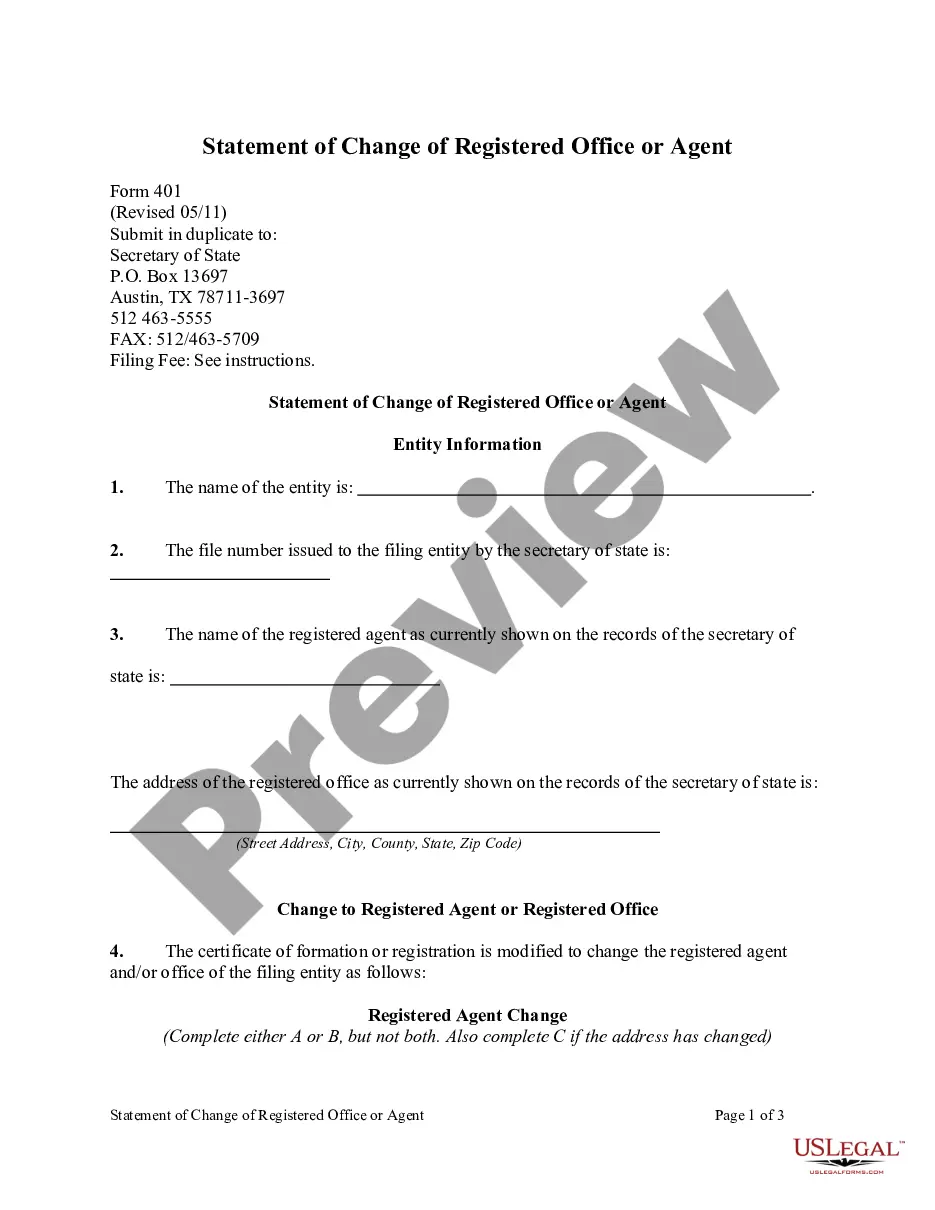
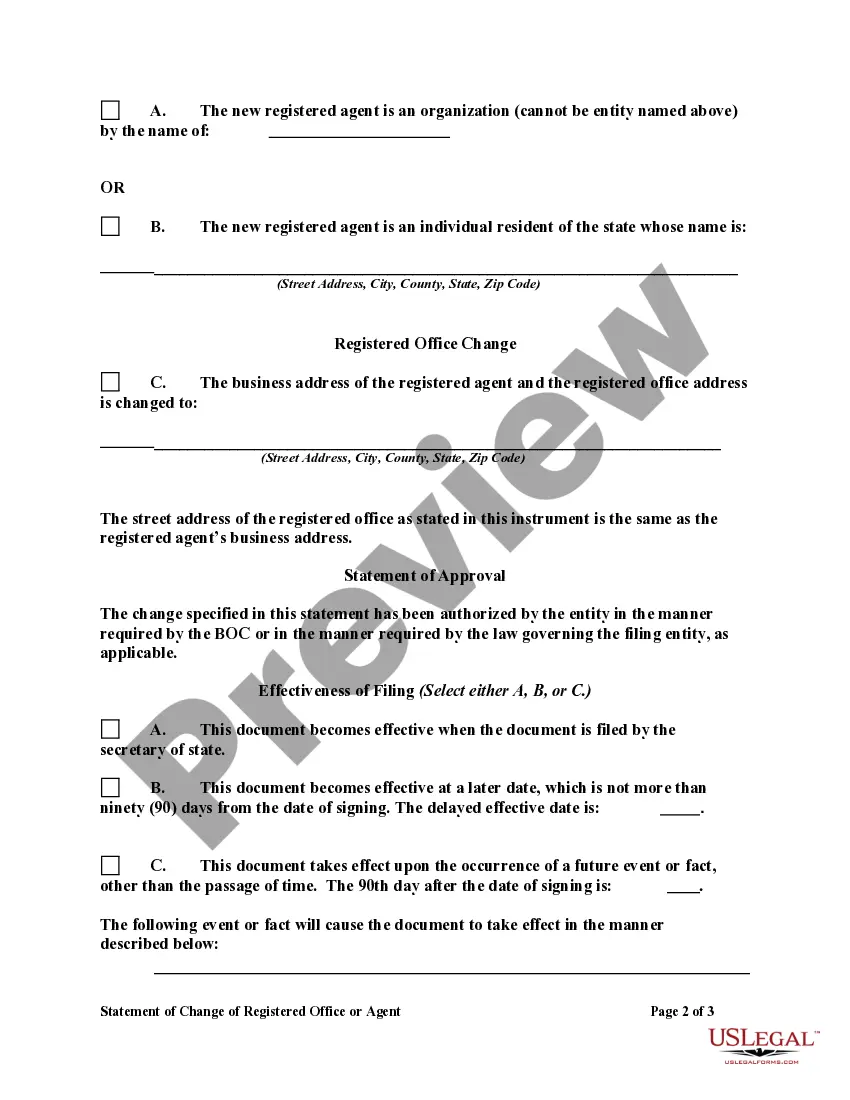
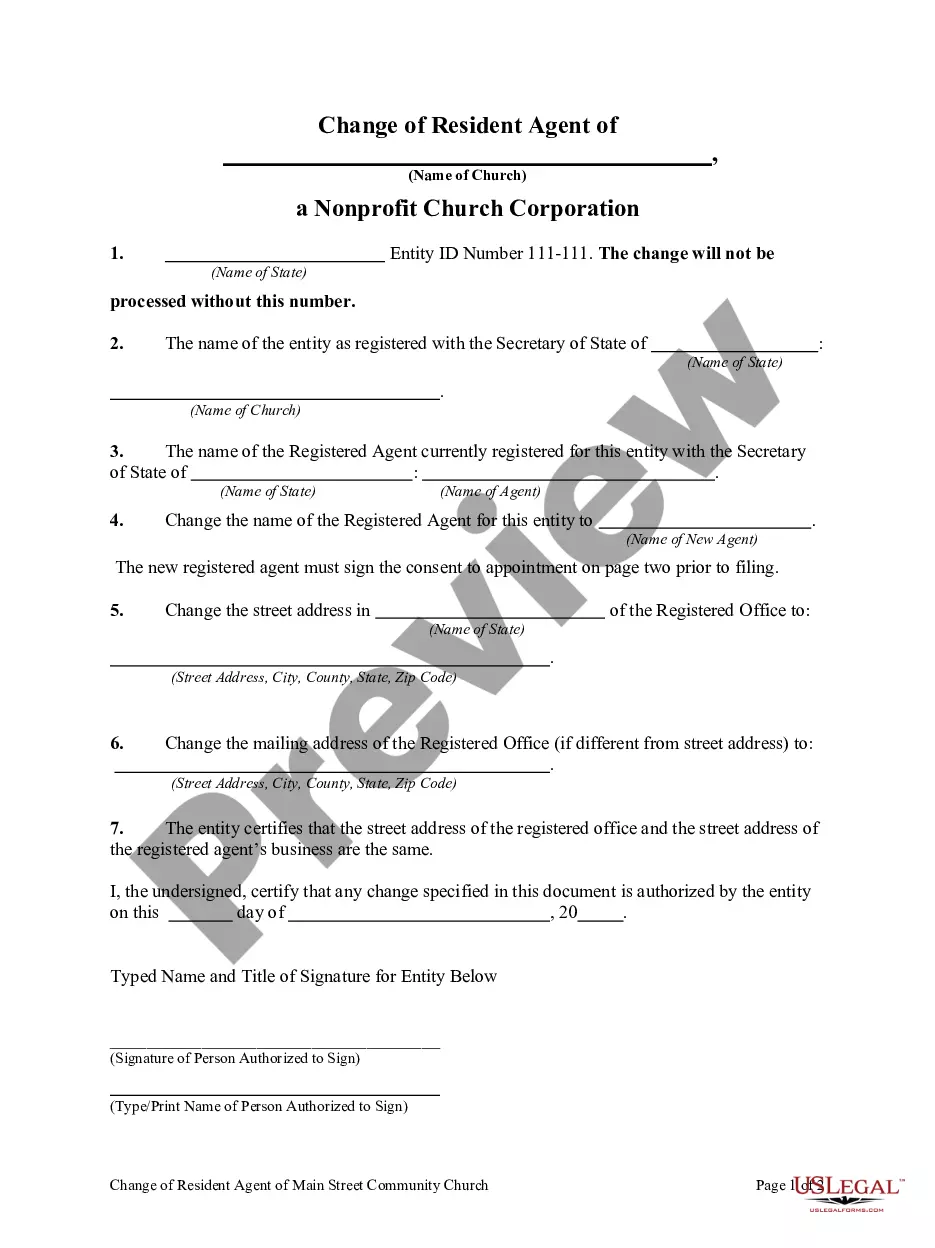
How to fill out Statement Of Change Of Registered Office Or Agent?
Handling legal documents can be exasperating, even for the most experienced professionals.
When you are looking for a Modify File Name With Python and lack the time to search for the accurate and current version, the tasks can be arduous.
Access a collection of articles, guides, handbooks, and materials related to your circumstances and requirements.
Save effort and time attempting to locate the documents you require, and use US Legal Forms' advanced search and Review feature to find Modify File Name With Python and obtain it.
Ensure that the template is validated in your state or county. Choose Buy Now when you are prepared. Select a subscription plan. Choose the format you prefer, then Download, complete, sign, print, and deliver your documents. Take advantage of the US Legal Forms online library, supported by 25 years of experience and trustworthiness. Transform your daily document management into a simple and user-friendly process today.
- If you have a membership, Log In to your US Legal Forms account, search for the form, and obtain it.
- Check your My documents tab to see the documents you have previously saved and to organize your folders accordingly.
- If this is your first time using US Legal Forms, create an account to gain unlimited access to all platform features.
- Here are the steps you should take after accessing the desired form.
- Confirm this is the correct form by previewing it and reviewing its details.
- Utilize state- or county-specific legal and commercial documents.
- US Legal Forms addresses any needs you might encounter, from personal to corporate paperwork, all in one place.
- Employ sophisticated tools to complete and manage your Modify File Name With Python.
Form popularity
FAQ
If you want to rename multiple files, you can use a loop in Python along with the 'os' module. Create a list of the current file names and iterate through it, applying the 'os.rename()' function for each file. This approach streamlines the process, making it easy to change file name with Python for several files at once. For users looking to manage their documents efficiently, platforms like USLegalForms can help organize your files and documents effectively.
To change a file name with Python, you can use the built-in 'os' module. First, import the module, then use the 'os.rename()' function, providing the current file name and the new file name as arguments. This method is efficient and allows you to easily manage your files within your projects. By implementing this simple code, you can effectively change file name with Python.
The rename method in Python, found in the 'os' module, allows you to change the name of a file or directory. By using 'os.rename()', you can specify the old filename and the new filename. This method is essential for anyone looking to change file names with Python and maintain an orderly file system.
To change a file name using Python, you can leverage the 'os.rename()' method. By specifying the existing filename and the new name you want, this function makes the renaming process simple and efficient. It's a crucial step for organizing your files effectively.
The 'rename()' function in Python is part of the 'os' module. To use it, import the module, then call 'os.rename()' with the current filename and the new filename as arguments. This function simplifies the process of changing file names with Python and enhances your file management strategies.
You can copy and rename a file using the 'shutil' module in Python. First, use 'shutilpy()' to copy the original file, then use 'os.rename()' to change the name of the copied file. This method is effective when you need to keep the original file intact while making modifications.
To automatically rename files in Python, you can create a loop that iterates through your files. Use the 'os' module to access and rename each file based on your criteria. This approach is beneficial for bulk file management, making it easy to change file names with Python.
Changing a file name using Python is straightforward. You can use the 'os.rename()' function, passing in the current file name and the desired new name. This method not only allows you to rename files but also ensures your file management process remains efficient.
To obtain the filename of a file in Python, you can utilize the 'os.path' module. By using 'os.path.basename()', you can extract the filename from a given file path. This is crucial when you want to change the file name with Python, ensuring you work with the correct files.
To rename a filename, you can use Python's built-in functions. Specifically, you can use the 'os' module, which allows you to change file names with Python easily. Simply call 'os.rename()' and provide the current filename and the new name. This method streamlines the process of managing your files.