Food Truck Df
Description
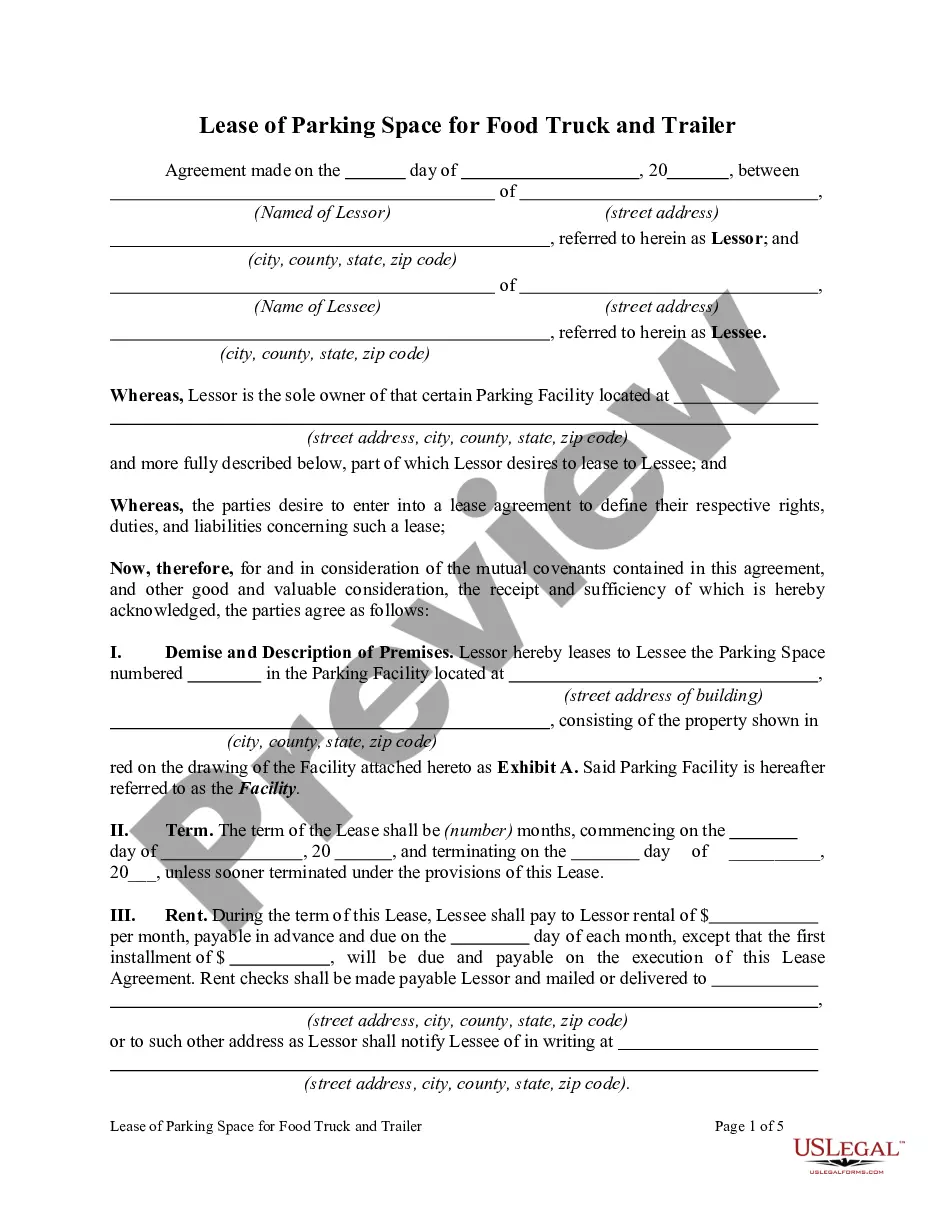
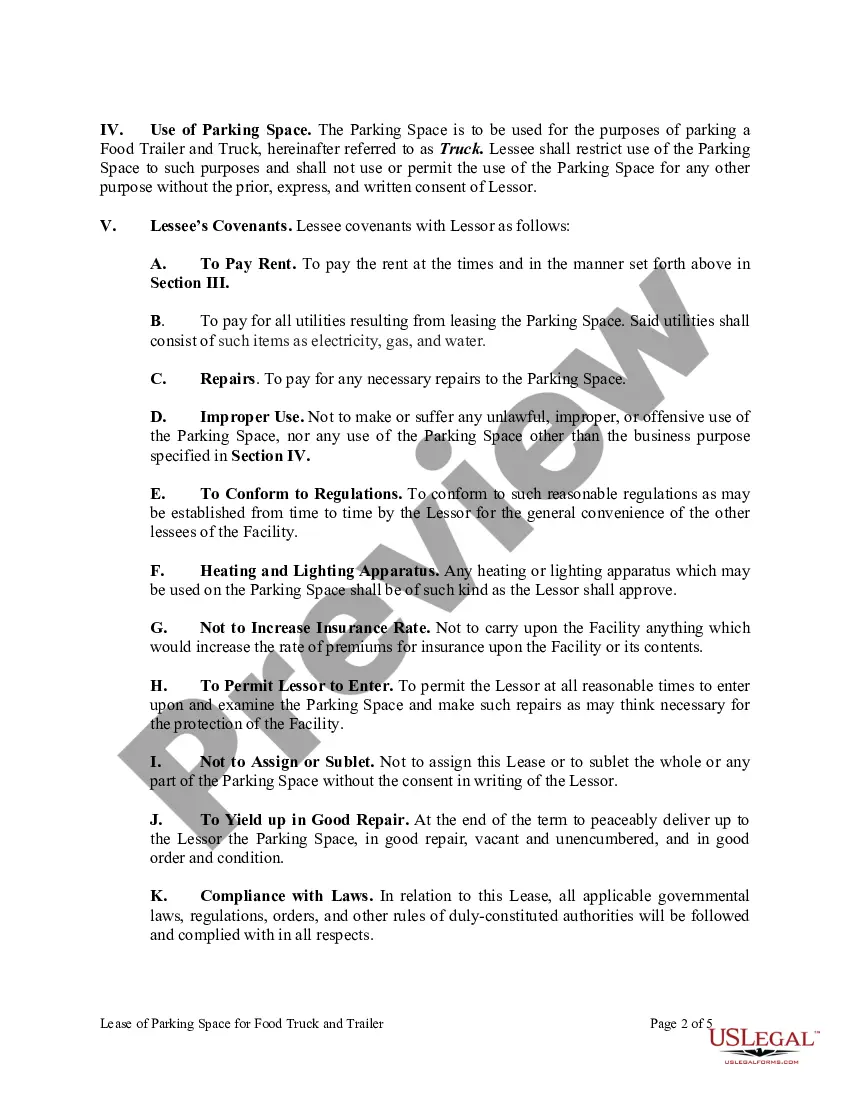
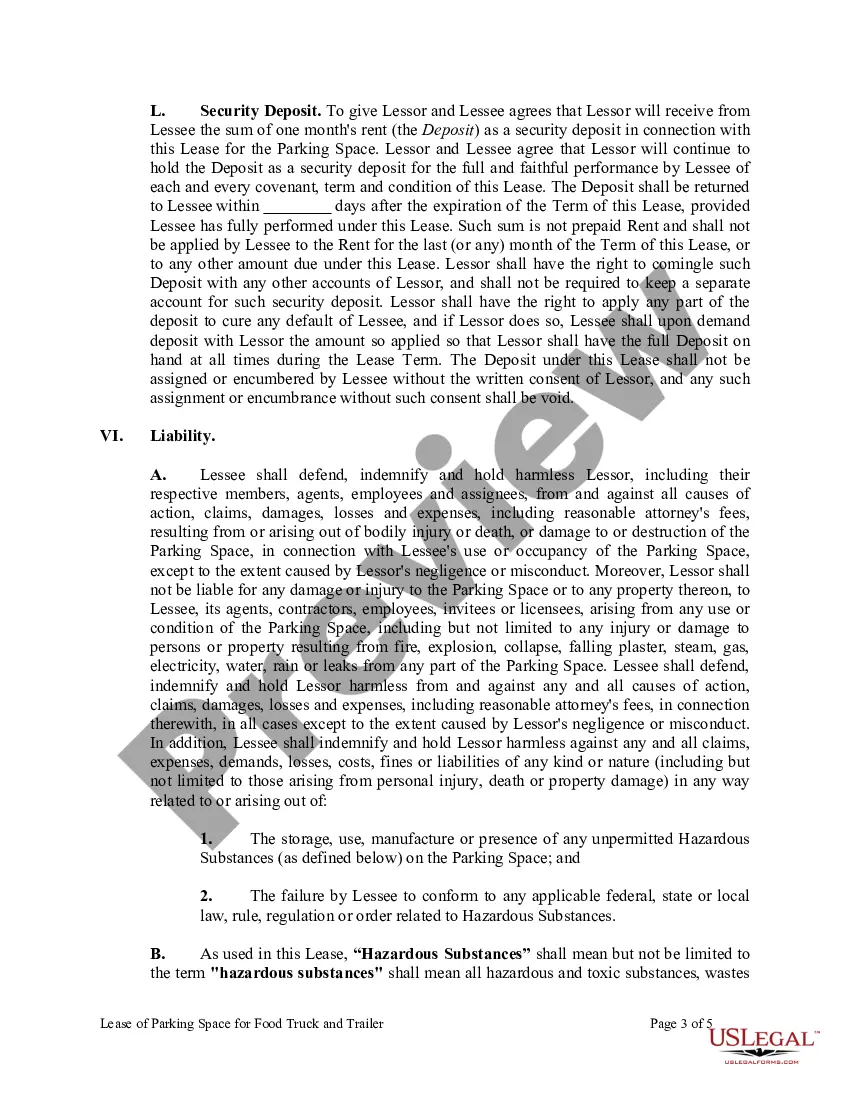
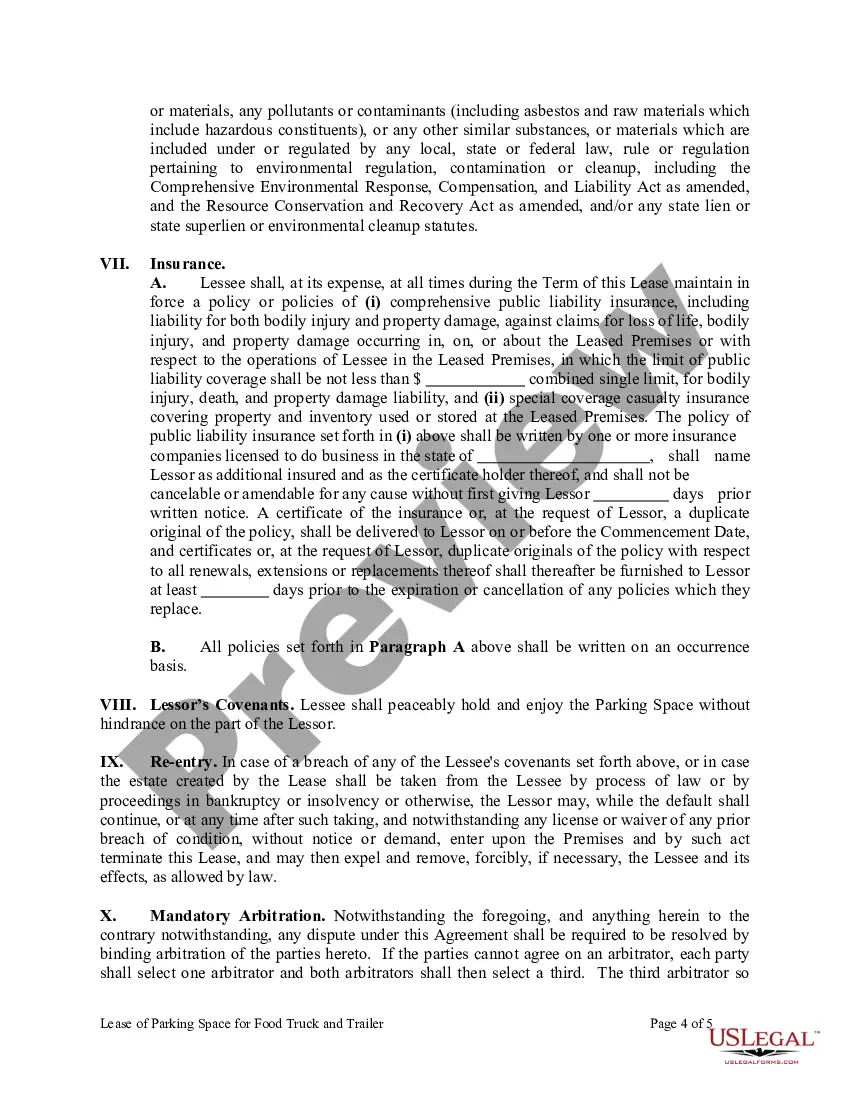
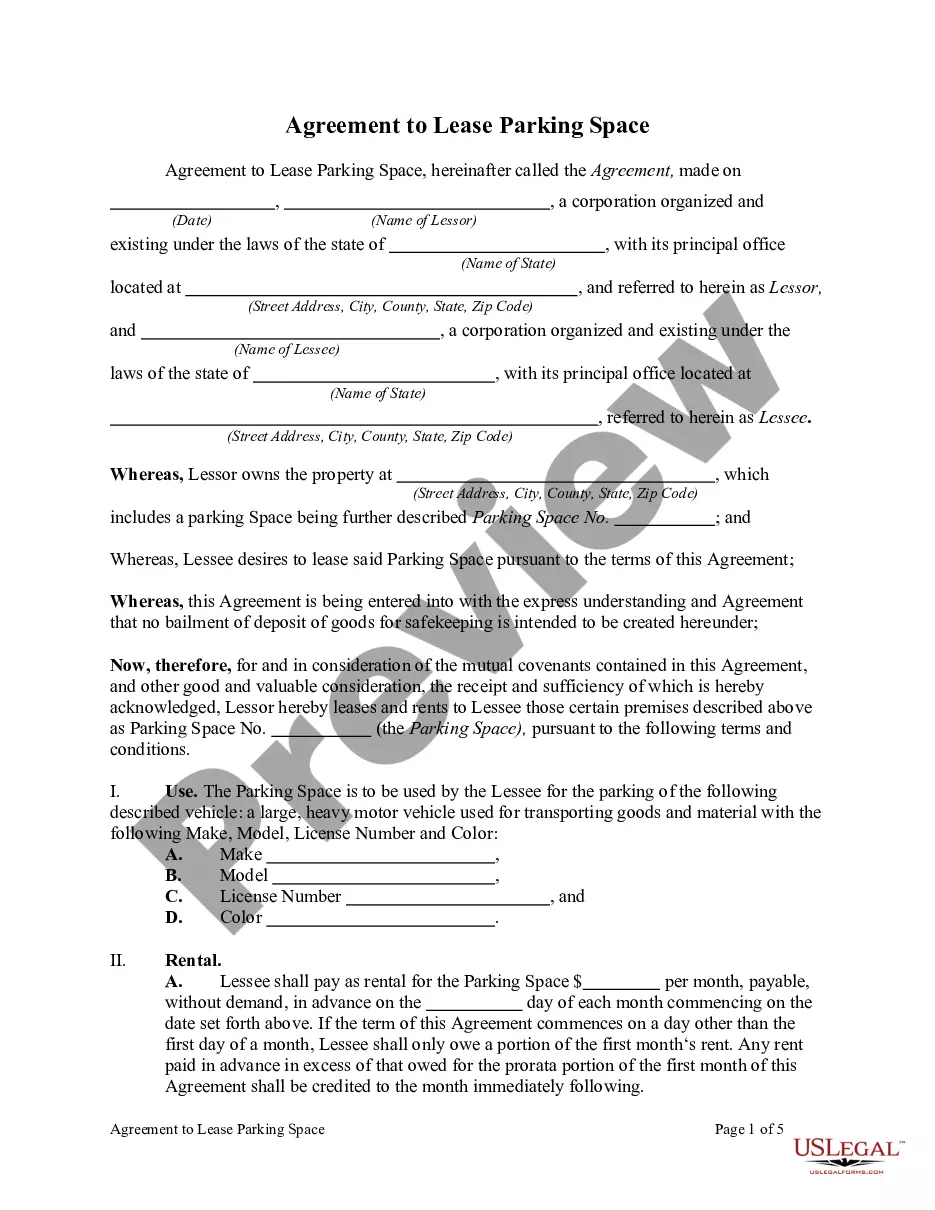
Get your form ready online
Our built-in tools help you complete, sign, share, and store your documents in one place.
Make edits, fill in missing information, and update formatting in US Legal Forms—just like you would in MS Word.
Download a copy, print it, send it by email, or mail it via USPS—whatever works best for your next step.
Sign and collect signatures with our SignNow integration. Send to multiple recipients, set reminders, and more. Go Premium to unlock E-Sign.
If this form requires notarization, complete it online through a secure video call—no need to meet a notary in person or wait for an appointment.
We protect your documents and personal data by following strict security and privacy standards.

Make edits, fill in missing information, and update formatting in US Legal Forms—just like you would in MS Word.

Download a copy, print it, send it by email, or mail it via USPS—whatever works best for your next step.

Sign and collect signatures with our SignNow integration. Send to multiple recipients, set reminders, and more. Go Premium to unlock E-Sign.

If this form requires notarization, complete it online through a secure video call—no need to meet a notary in person or wait for an appointment.

We protect your documents and personal data by following strict security and privacy standards.
Looking for another form?





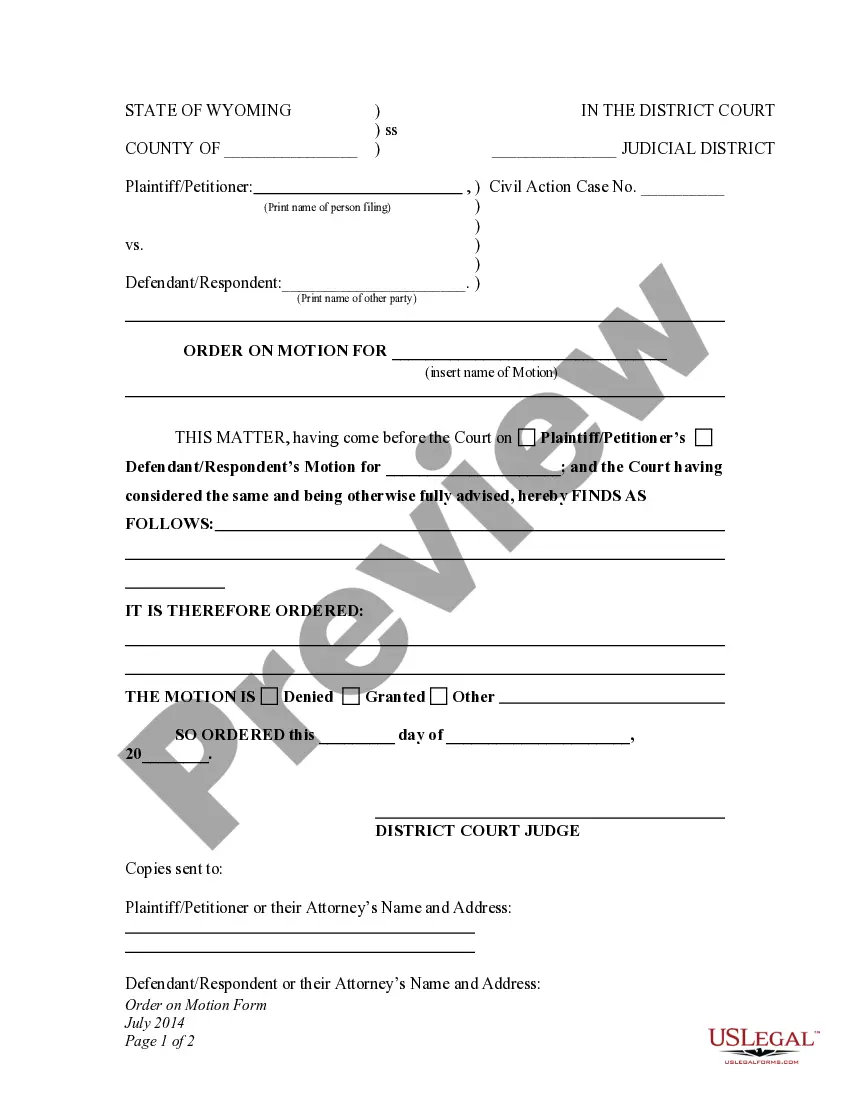


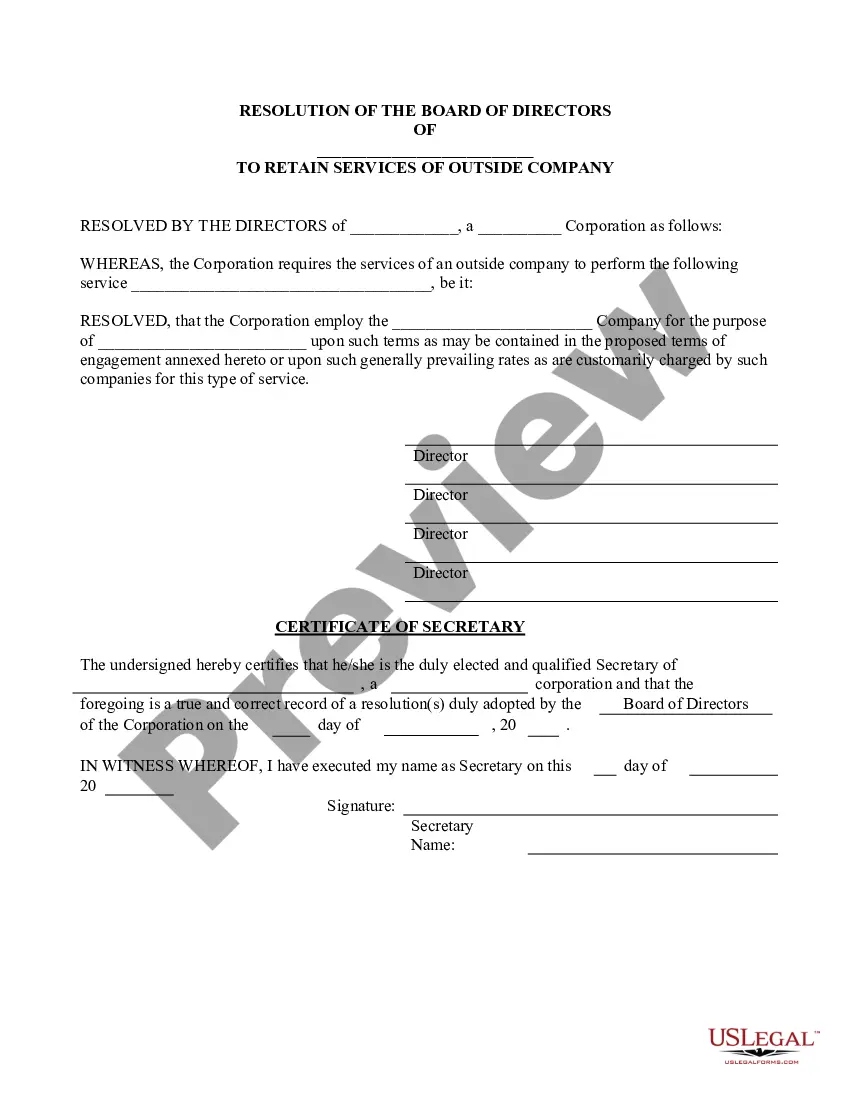

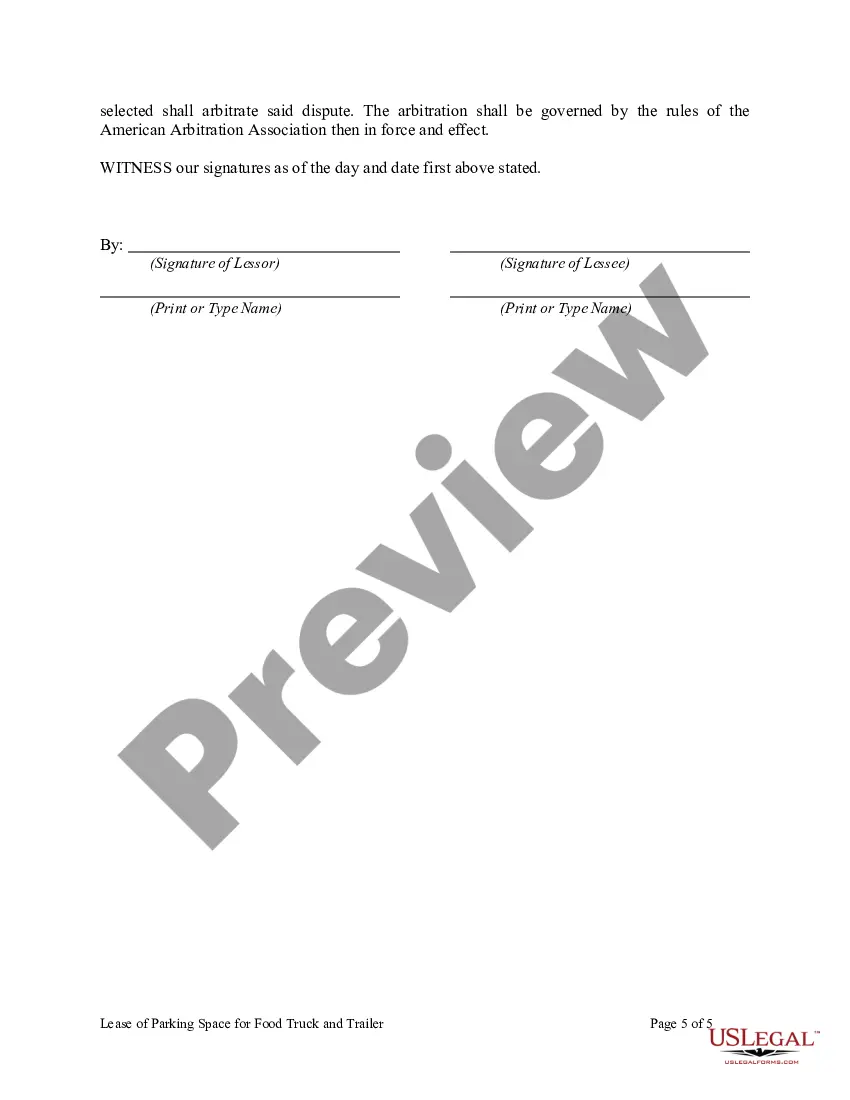
How to fill out Lease Of Parking Space For Food Truck And Trailer?
- Log in to your account if you're a returning user. Confirm your subscription status before proceeding to download your desired form template.
- For first-time users, start by reviewing the form preview and descriptions to find the document that aligns with your requirements and local law.
- If the chosen form doesn’t suit your needs, utilize the search feature at the top of the page to find alternative templates.
- Once you have selected the appropriate form, click the 'Buy Now' button and select your preferred subscription option, making sure to create an account for full access.
- Complete your purchase by entering your payment information via credit card or PayPal to finalize your subscription plan.
- After your payment is processed, download the form to your device. You can also access your documents anytime from the 'My Forms' section in your profile.
US Legal Forms stands out by offering an extensive collection of over 85,000 easily editable legal documents and premium expert support for form completion, empowering you to proceed with confidence.
Take control of your legal requirements today and streamline your food truck operations with US Legal Forms. Start your journey towards obtaining your essential legal documents now!
Form popularity
FAQ
To operate a food truck in Texas, you will need various permits, such as a mobile food vendor permit and a food establishment license. Each city may have additional requirements, so it’s essential to check local regulations. Having the proper permits ensures that your food truck operates legally and efficiently. Visit US Legal Forms to assist you in acquiring the necessary documentation.
Selling food in Texas requires several licenses to ensure safety and compliance. Most commonly, you will need a food dealer's permit, a sales tax permit, and a health department permit. Each type serves a different purpose, from health regulation to taxation. Use US Legal Forms to find the right applications and simplify the licensing process.
To operate a food truck in Texas, you will need several permits. These often include a food service permit, a health permit, and possibly a mobile vendor permit, among others. Requirements can vary by city, so it’s crucial to research the regulations specific to your location. Utilize US Legal Forms to streamline the process and ensure compliance.
Parking a food truck in Texas is not as simple as it sounds. You cannot just park anywhere; many cities have specific regulations about where food trucks can operate. Typically, you will need to comply with local zoning laws and obtain permission if you plan to park in a public area. For more clarity and guidance, consider using resources from US Legal Forms.
The Food Truck Freedom Act aims to support food truck vendors by reducing unnecessary regulations and promoting fair market access. This act helps food truck df operators thrive by simplifying licensing and operational requirements. Understanding this act can help you navigate the food truck industry more easily. Always stay updated on local policies to benefit from such legislation.
The income of a food truck can greatly vary, but many owners report earning between $200 to $2,000 per day, depending on location, time of year, and menu offerings. For a better understanding, consider the demographics of your target area and the types of events you attend. Keep in mind that effective marketing and excellent customer service play significant roles in boosting sales. Investing time in planning can help maximize your food truck's income potential.
To operate a food truck in New Jersey, you need a food vendor permit. Additionally, you may require a health permit from your local health department, ensuring your food truck meets safety and sanitation standards. Moreover, some municipalities require a specific food truck license, which can vary by location. Using uslegalforms can help you easily find the necessary permits and forms required to start your food truck business.
When planning for a large event with around 500 guests, consider having at least two to three food trucks. This ensures enough variety of food options and reduces wait times for guests. Depending on the type of food being served and the event's duration, you might adjust the number up or down. Assess the layout and guest flow for an optimal experience.
In New Jersey, parking your food truck is subject to local laws and regulations. You cannot park your food truck just anywhere; you need to follow specific guidelines set by each municipality. Many towns have designated areas for food trucks, often near events or busy streets. Before setting up, make sure to check local ordinances to avoid fines or being asked to move.
Generally, lenders prefer a credit score of at least 650 to finance a food truck. However, different lenders may have varying requirements, so it's wise to shop around. Improving your credit score can increase your options and help secure better financing terms. Utilizing the food truck df strategy can sometimes provide financing resources tailored to food truck entrepreneurs.