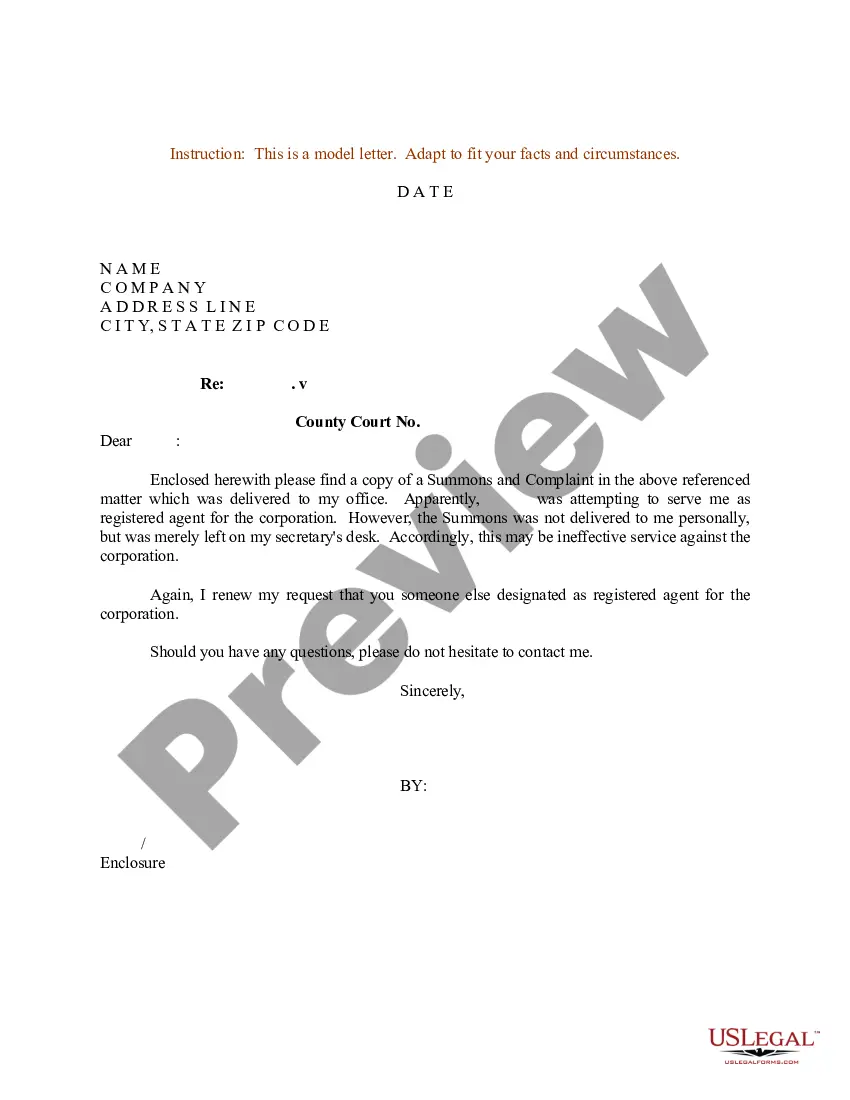
Sample Renewal Letter For Contract
Description
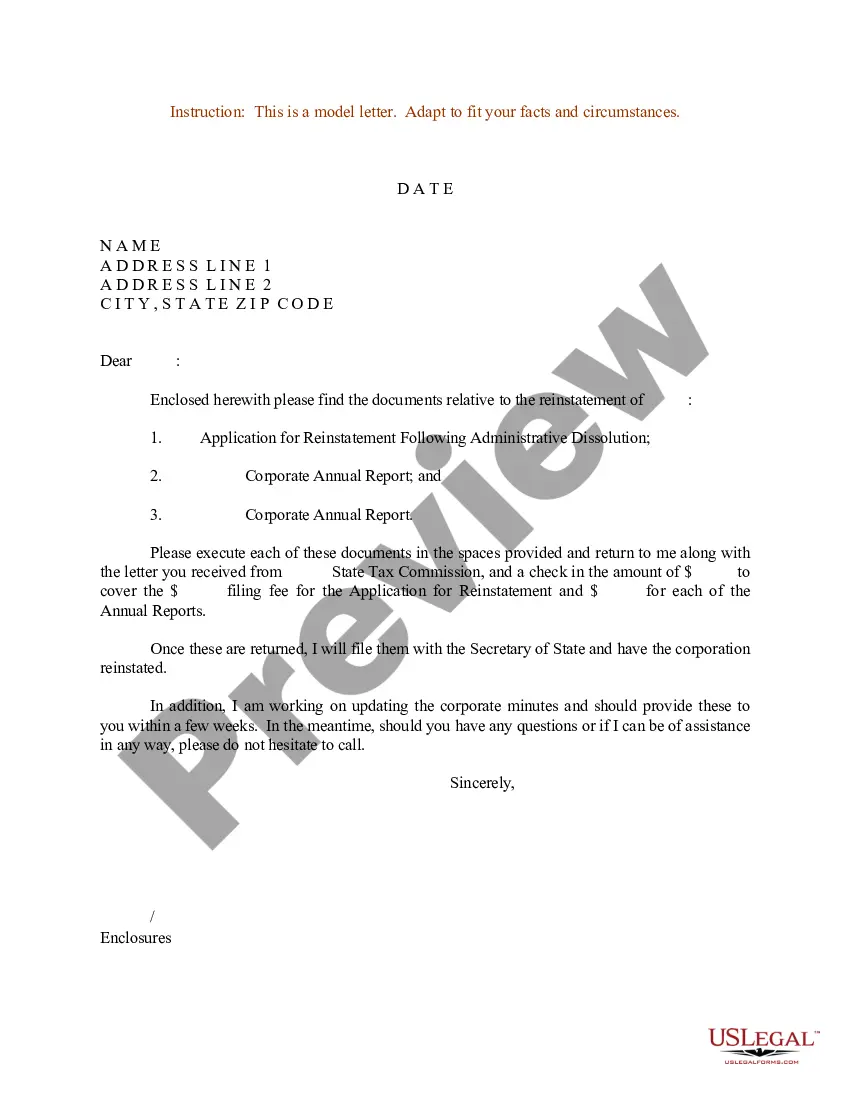
Get your form ready online
Our built-in tools help you complete, sign, share, and store your documents in one place.
Make edits, fill in missing information, and update formatting in US Legal Forms—just like you would in MS Word.
Download a copy, print it, send it by email, or mail it via USPS—whatever works best for your next step.
Sign and collect signatures with our SignNow integration. Send to multiple recipients, set reminders, and more. Go Premium to unlock E-Sign.
If this form requires notarization, complete it online through a secure video call—no need to meet a notary in person or wait for an appointment.
We protect your documents and personal data by following strict security and privacy standards.

Make edits, fill in missing information, and update formatting in US Legal Forms—just like you would in MS Word.

Download a copy, print it, send it by email, or mail it via USPS—whatever works best for your next step.

Sign and collect signatures with our SignNow integration. Send to multiple recipients, set reminders, and more. Go Premium to unlock E-Sign.

If this form requires notarization, complete it online through a secure video call—no need to meet a notary in person or wait for an appointment.

We protect your documents and personal data by following strict security and privacy standards.
Looking for another form?





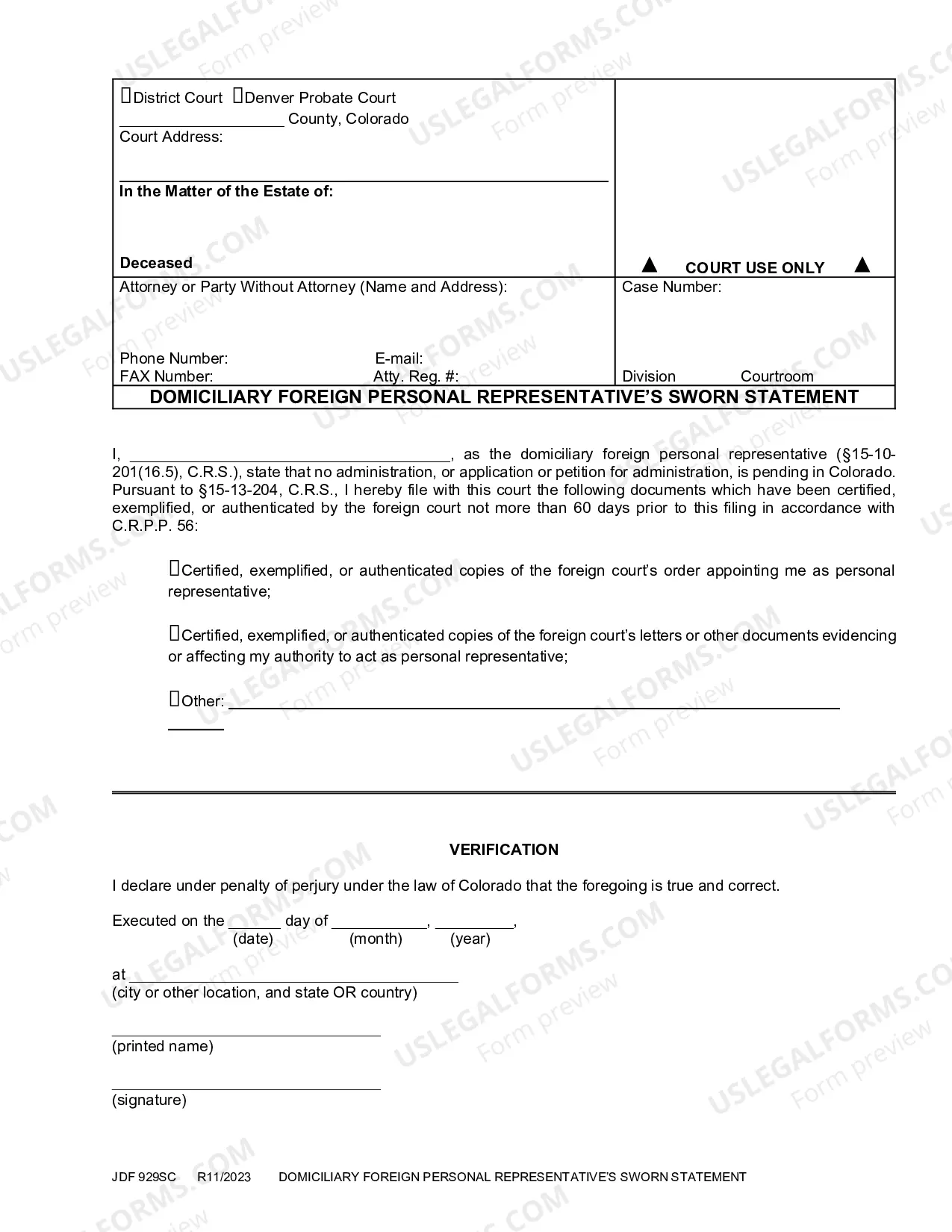
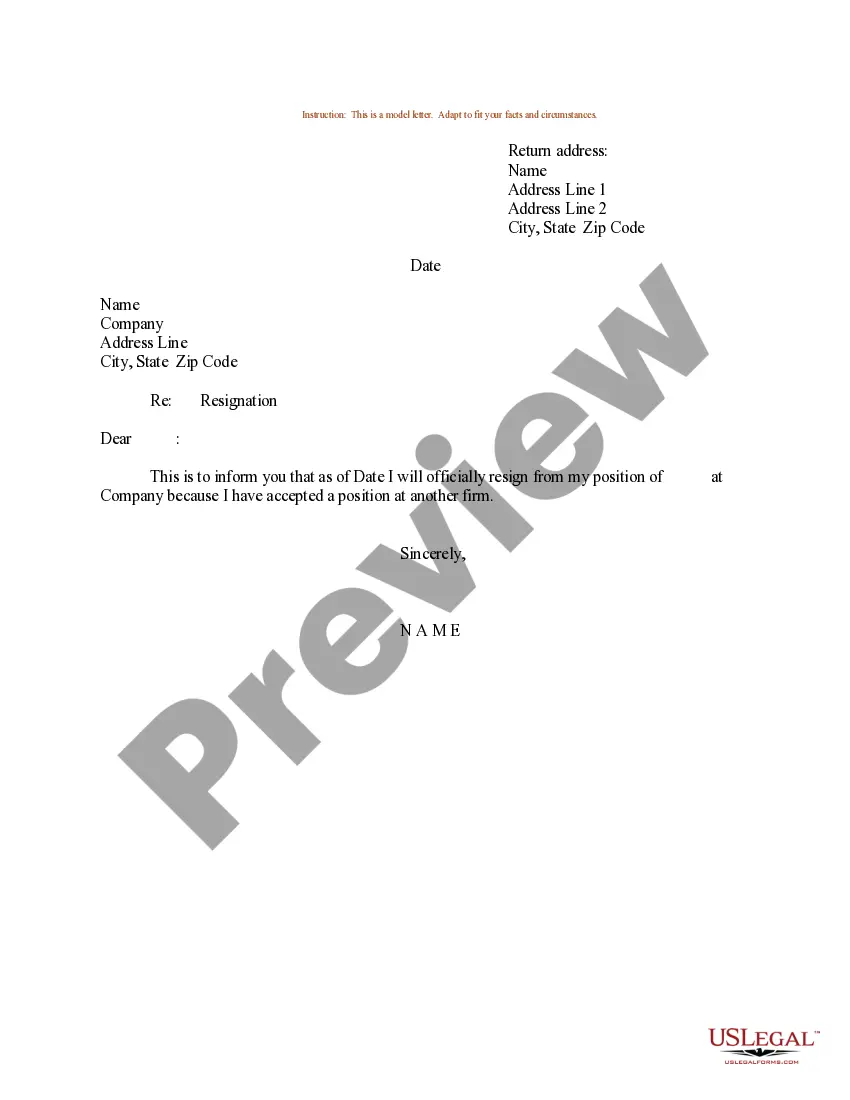
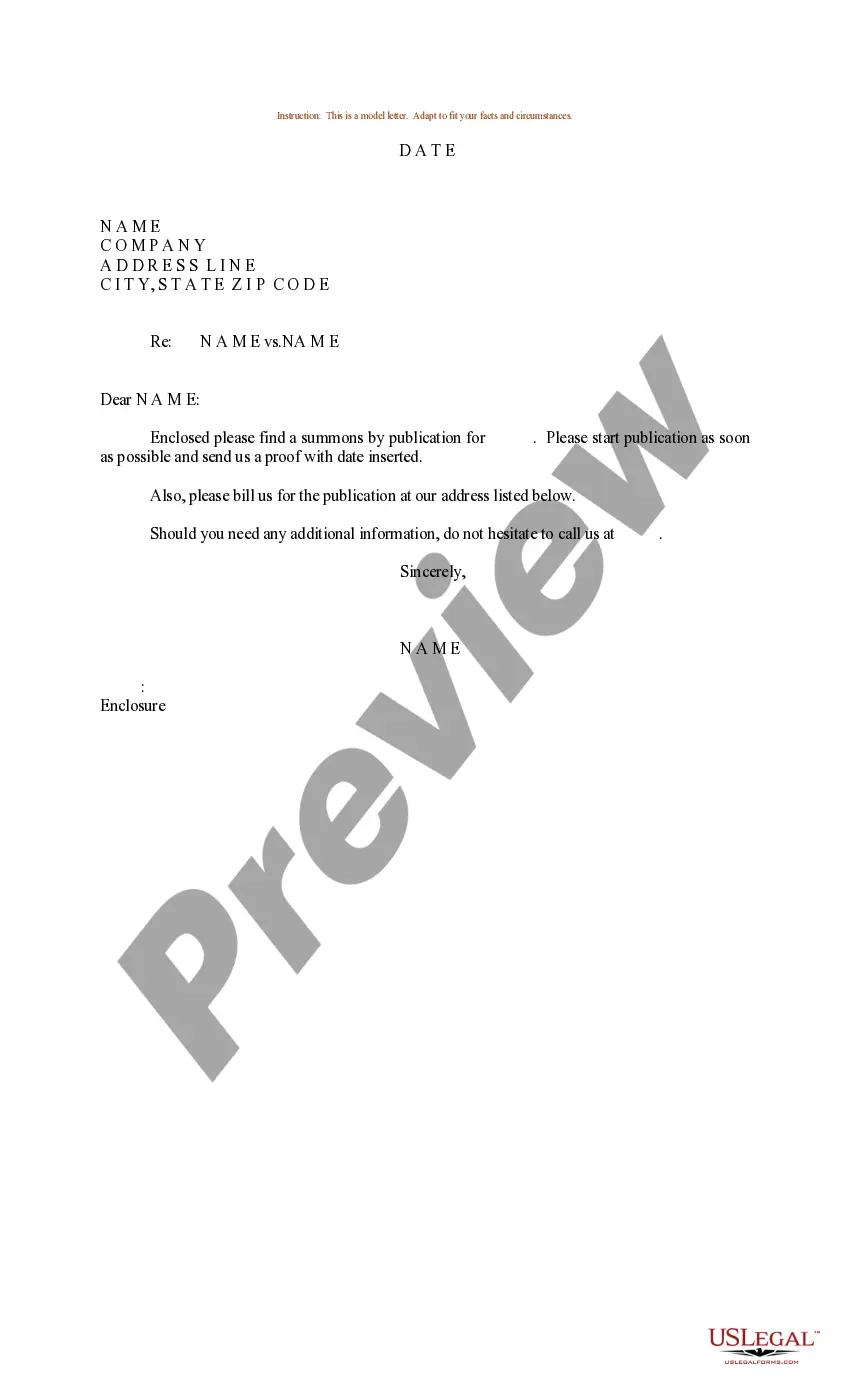

How to fill out Sample Letter For Renewal Of Request For Designation Of New Registered Agent?
The Exemplary Renewal Document For Agreement displayed on this page is a reusable official template formulated by experienced attorneys in accordance with national and regional statutes.
For over 25 years, US Legal Forms has supplied individuals, organizations, and lawyers with over 85,000 authenticated, state-specific documents for any commercial and personal scenario. It is the quickest, simplest, and most reliable method to acquire the paperwork you require, as the service ensures the utmost level of data protection and anti-malware security.
Select the format you prefer for your Exemplary Renewal Document For Agreement (PDF, Word, RTF) and download the template onto your device.
- Search for the document you need and inspect it.
- Browse through the file you searched and preview it or review the form description to confirm it meets your requirements. If it doesn’t, utilize the search functionality to find the correct one. Click Buy Now once you have located the template you require.
- Register and sign in.
- Choose the pricing plan that fits you and create an account. Utilize PayPal or a credit card for a swift payment. If you already possess an account, Log In and review your subscription to proceed.
- Obtain the fillable template.
Form popularity
FAQ
Small Estate - property of the decedent subject to administration in Maryland is established to have a value of $50,000 or less ($100,000 or less if the spouse is the sole heir).
One popular tool for avoiding probate is the creation of trust. A trust is a legal designation, governed by a document, which can direct the distribution of property. In fact, your trust functions as an extension of you. You can even place property and assets in the name of the trust during your lifetime.
Depending on the number of claims and the state of the deceased's financial affairs, this process can take a few months to over a year. Distributing the Remaining Assets: The final step in the estate settlement process is distributing the remaining assets to the beneficiaries as outlined in the will.
As a rule, gifts of a set amount of money in a will should be paid out within a year of death. If the executor isn't able to pay the legacy within that time, the beneficiaries will be entitled to claim interest.
Seeking Legal Recourse If you believe that the executor is not living up to their duties, you have two legal options: petition the court or file a civil lawsuit.
A probate attorney can help you determine if the estate needs to go through the probate process. Regular Estate - property of the decedent subject to administration in Maryland is es- tablished to have a value in excess of $50,000 (in excess of $100,000 if spouse is sole heir).
Ideally, you should be able to close the estate within 13 months of the decedent's death. However, depending on the size and complexity of the estate, it may take longer. In any case, it's important to keep meticulous records throughout the process to prove to the court that you've fulfilled all your fiduciary duties.
The answer to ?Do all Wills go through probate in Maryland?? is yes. All Wills go through probate. However, not all assets do. Non-probate assets include life insurance policies, retirement accounts, and jointly owned assets.
Under a modified administration, it is possible to extend the 10-month deadline for filing the final report if needed. With the consent of the personal representative and each interested party, the 10-month deadline may be extended by 90 days if the extension request is filed within the initial 10-month period.
Which Assets Go Through Probate? A probate asset is anything titled in the name of the decedent alone at the time of their death. Probate assets are identified, valued, and reported to the court on the official inventory filed within 90 days of the Personal Representative being appointed.