Demographic Audience Analysis Example With Examples
Description

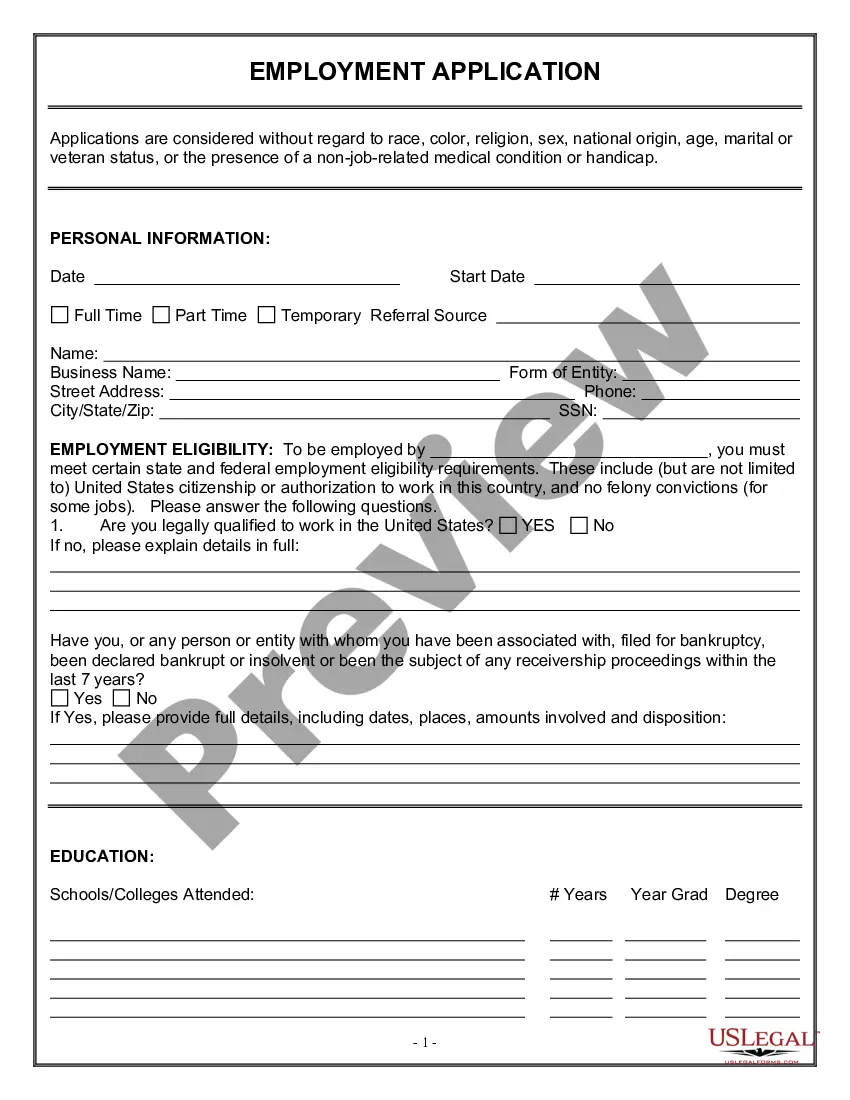


How to fill out Demographic Analysis Worksheet?
It’s no revelation that you can’t transform into a legal authority in a day, nor can you swiftly master how to efficiently create a Demographic Audience Analysis Example With Examples without possessing a specific array of expertise.
Assembling legal documents is a prolonged journey necessitating a particular training and expertise. So why not entrust the creation of the Demographic Audience Analysis Example With Examples to the experts.
With US Legal Forms, one of the broadest repositories of legal templates, you can discover everything from courtroom documents to templates for internal corporate communication. We recognize how vital compliance and adherence to federal and state regulations are. That’s why, on our platform, all forms are location-specific and current.
Select Buy now. Once the payment is finalized, you can access the Demographic Audience Analysis Example With Examples, complete it, print it, and send or forward it via mail to the intended individuals or organizations.
You can regain access to your forms from the My documents tab at any time. If you’re an existing client, you can simply Log In, and find and download the template from the same tab.
- Begin by visiting our website and obtain the form you require in just minutes.
- Find the form you need by utilizing the search bar located at the top of the page.
- Review it (if this option is available) and check the accompanying description to determine if Demographic Audience Analysis Example With Examples is what you’re looking for.
- Restart your search if you require a different template.
- Establish a free account and select a subscription plan to purchase the form.
Form popularity
FAQ
Here's how to conduct audience analysis effectively. Identify your target audience. The first stage of audience analysis involves defining your target audience. ... Segment your audience. ... Identify priority characteristics. ... Identify barriers and facilitators to change. ... Identify key influencers. ... Create data-informed buyer personas.
Steps Step 1: Identify Potential Audience(s) ... Step 2: Select the Priority Audience. ... Step 3: Identify Priority Audience Characteristics. ... Step 4: Identify Knowledge, Attitudes and Practices. ... Step 5: Identify Barriers and Facilitators. ... Step 6: Consider Audience Segmentation. ... Step 7: Identify Key Influencers.
Demographics. The demographic factors of an audience include age, gender, religion, ethnic background, class, sexual orientation, occupation, education, group membership, and countless other categories. Since these categories often organize individual's identities and experiences, a wise speaker attends to the them.
Demographic information examples include: age, race, ethnicity, gender, marital status, income, education, and employment. You can easily and effectively collect these types of information with survey questions.
Hear this out loud PauseAudience Demographics: Age, Gender, education level, Income levels, marital status, parenthood status, subcultures based on race or religion, etc. Defining Your Target Audience: Showcasing with Examples | Sender sender.net ? blog ? target-audience sender.net ? blog ? target-audience