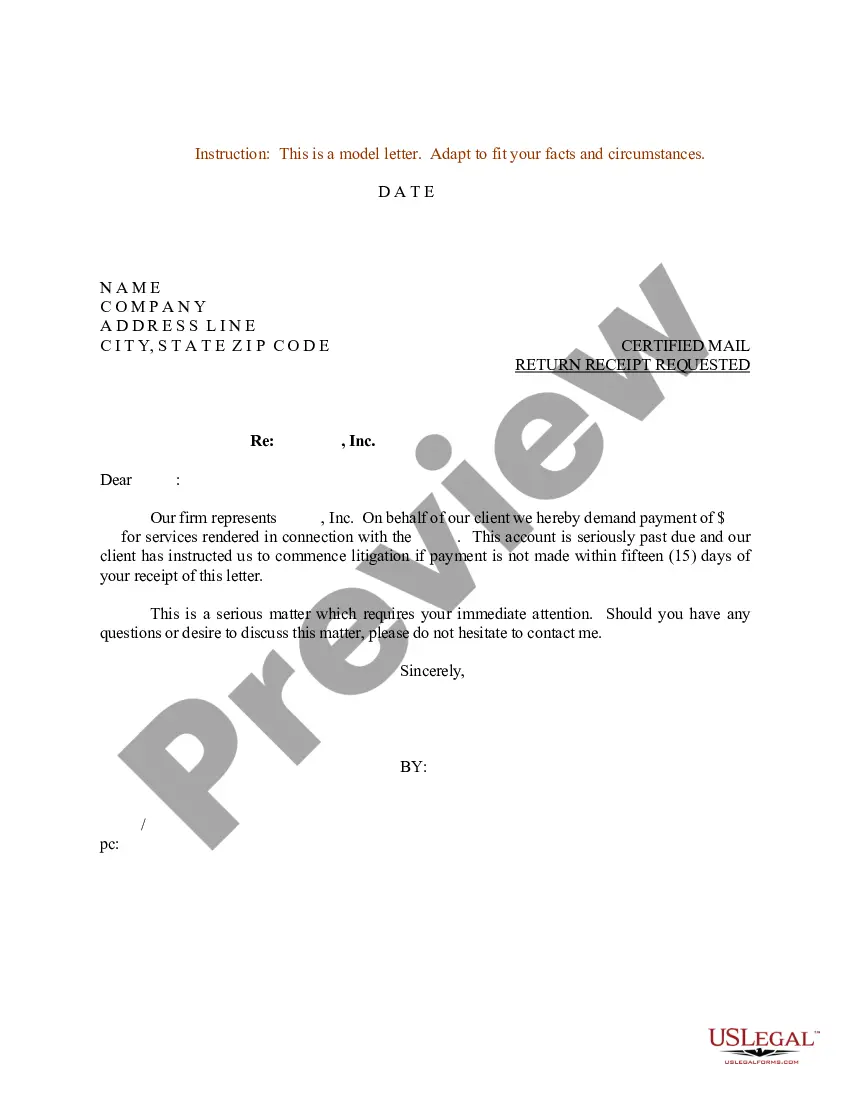
Sample Request Letter For Documents
Description
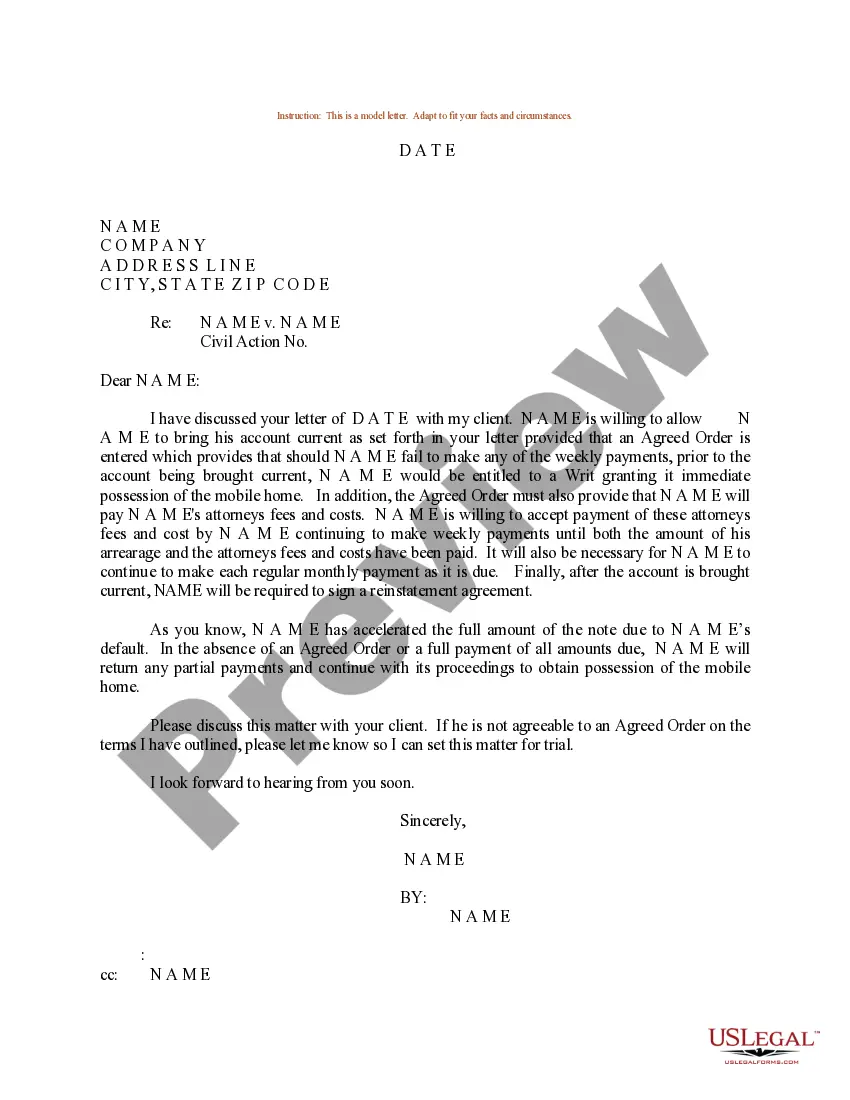
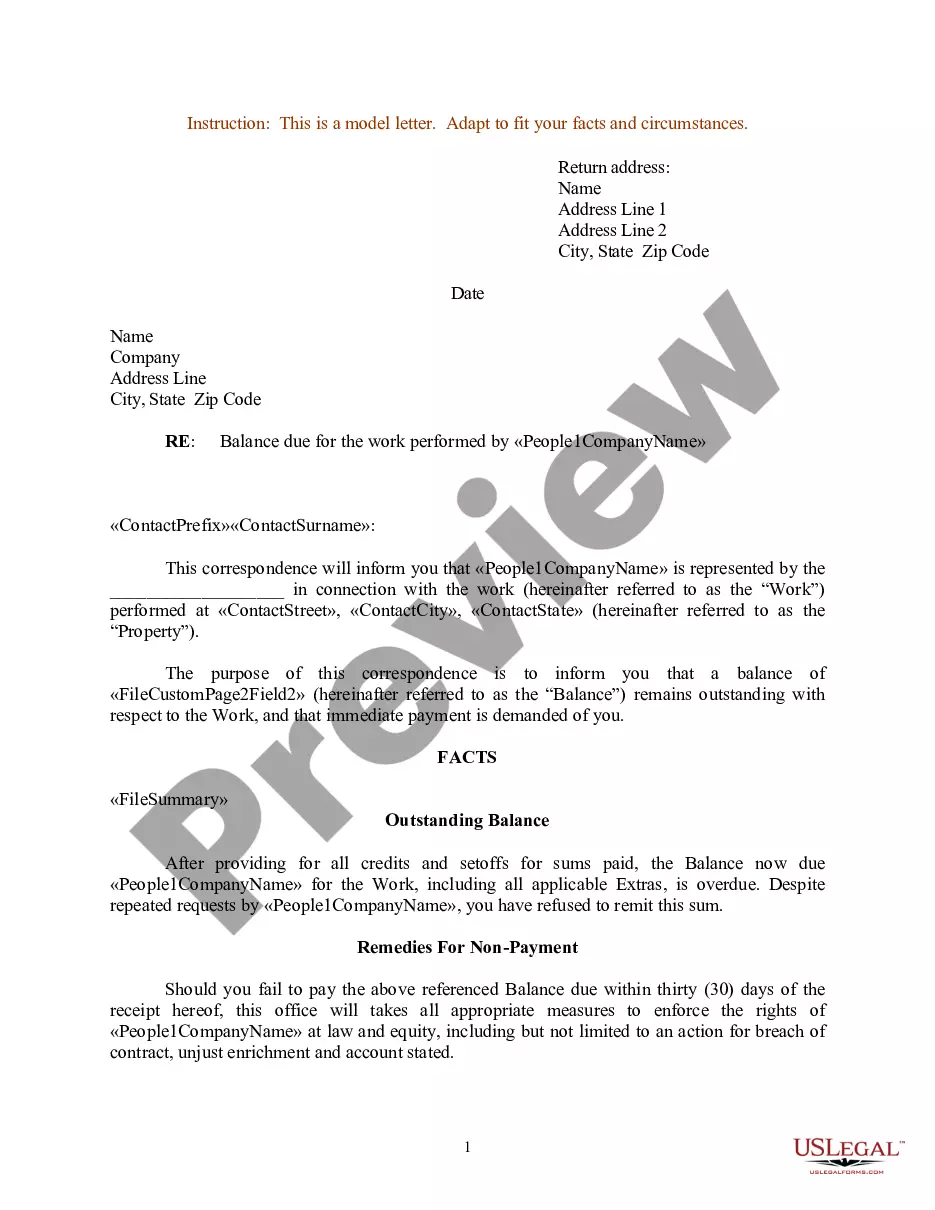
Get your form ready online
Our built-in tools help you complete, sign, share, and store your documents in one place.
Make edits, fill in missing information, and update formatting in US Legal Forms—just like you would in MS Word.
Download a copy, print it, send it by email, or mail it via USPS—whatever works best for your next step.
Sign and collect signatures with our SignNow integration. Send to multiple recipients, set reminders, and more. Go Premium to unlock E-Sign.
If this form requires notarization, complete it online through a secure video call—no need to meet a notary in person or wait for an appointment.
We protect your documents and personal data by following strict security and privacy standards.

Make edits, fill in missing information, and update formatting in US Legal Forms—just like you would in MS Word.

Download a copy, print it, send it by email, or mail it via USPS—whatever works best for your next step.

Sign and collect signatures with our SignNow integration. Send to multiple recipients, set reminders, and more. Go Premium to unlock E-Sign.

If this form requires notarization, complete it online through a secure video call—no need to meet a notary in person or wait for an appointment.

We protect your documents and personal data by following strict security and privacy standards.
Looking for another form?
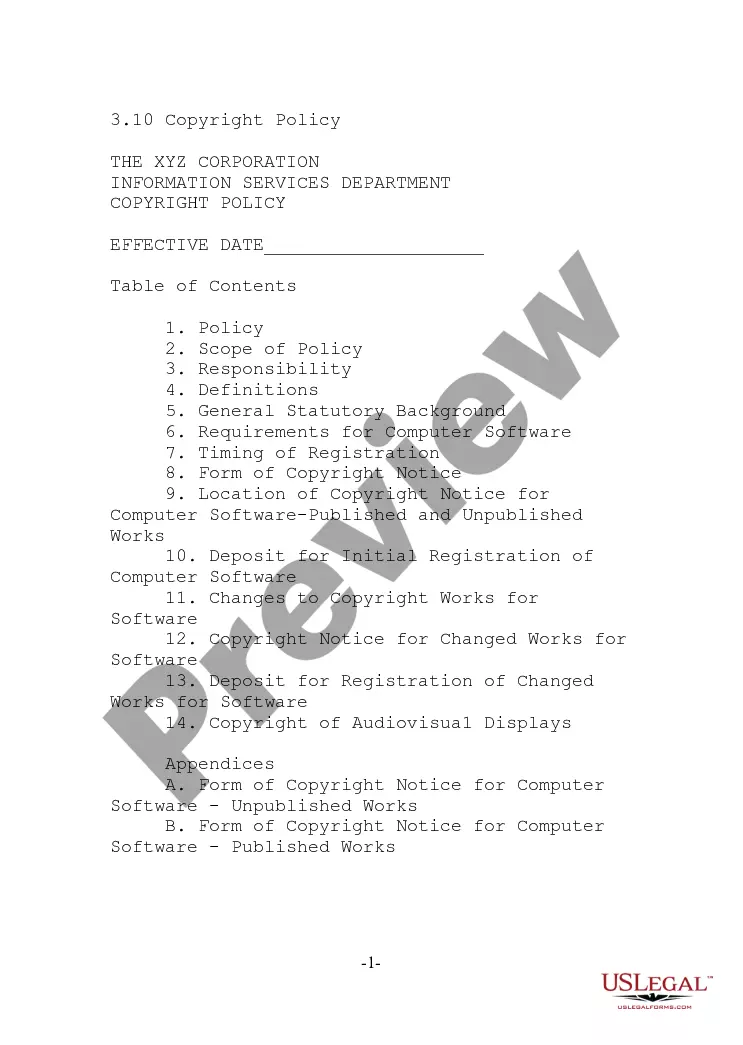
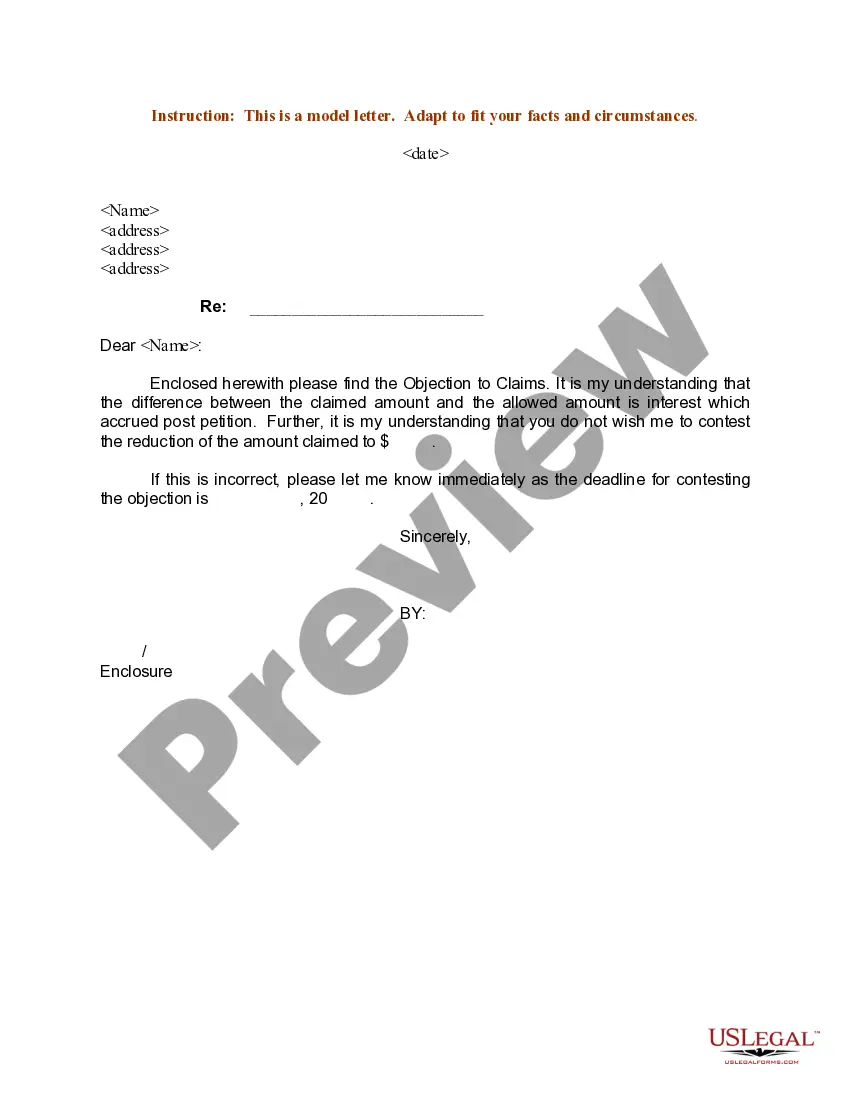
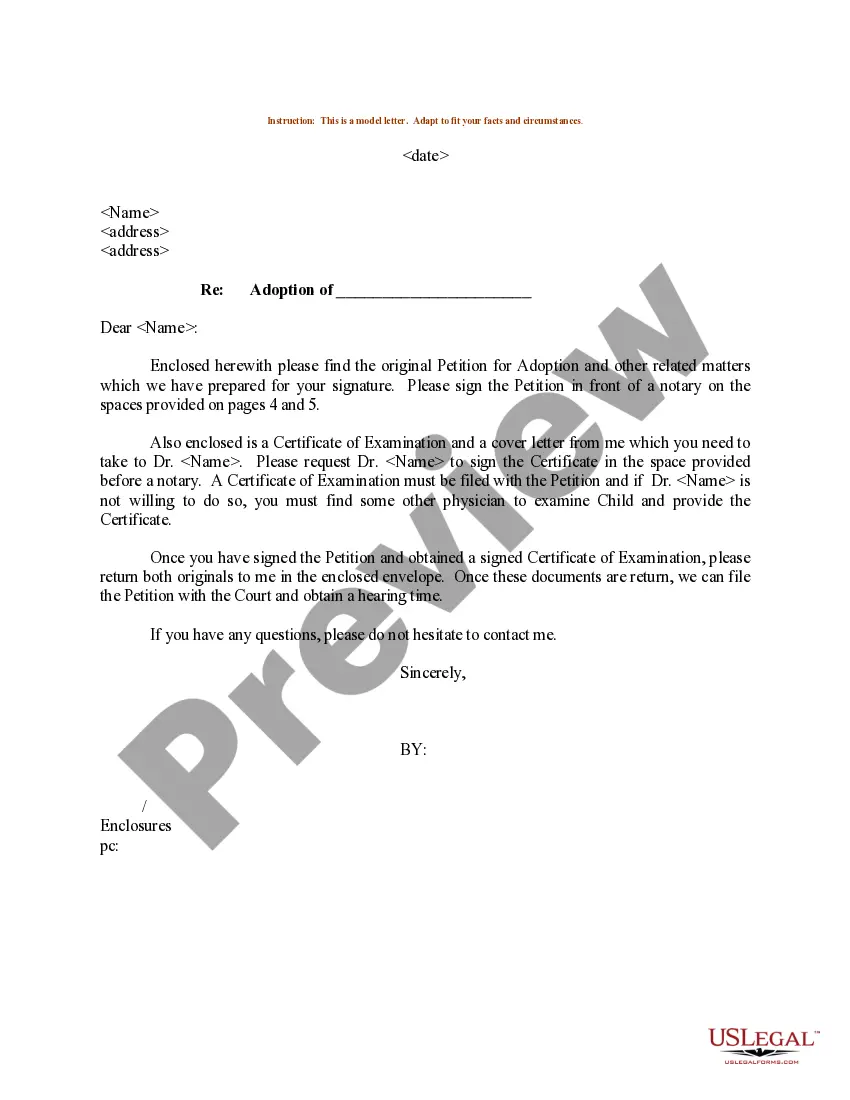
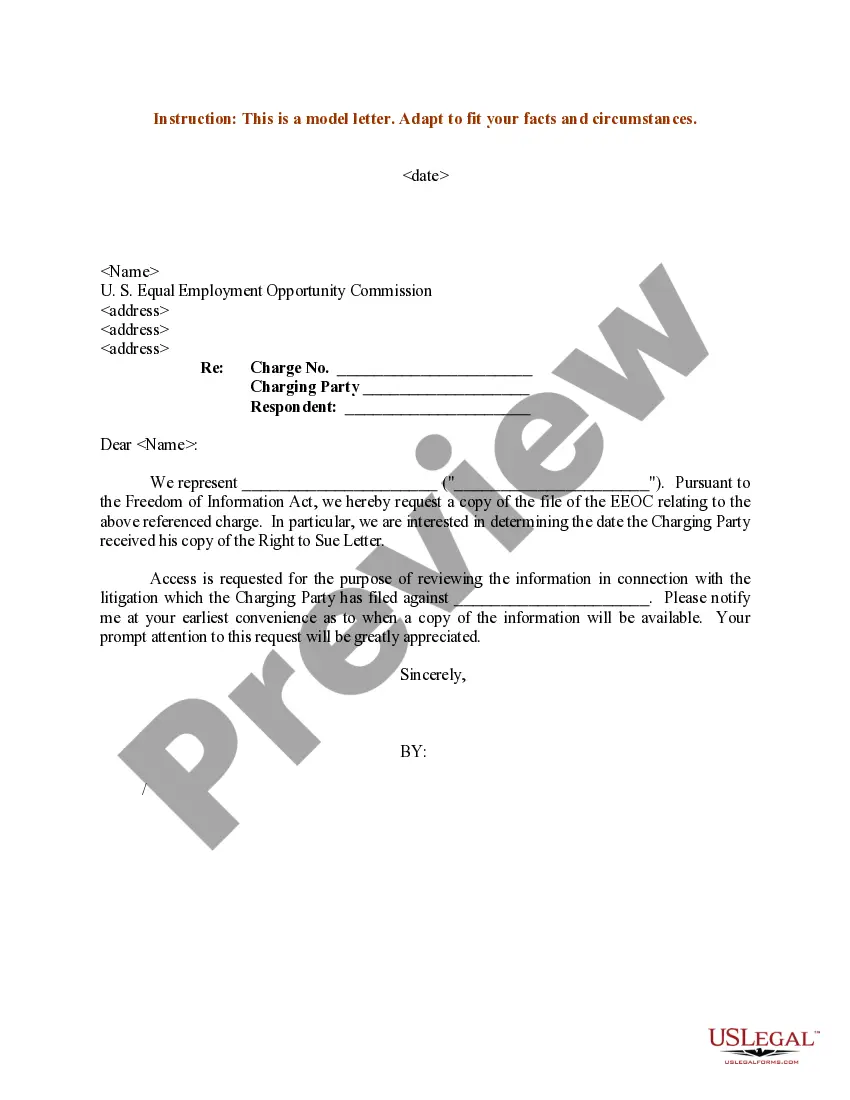
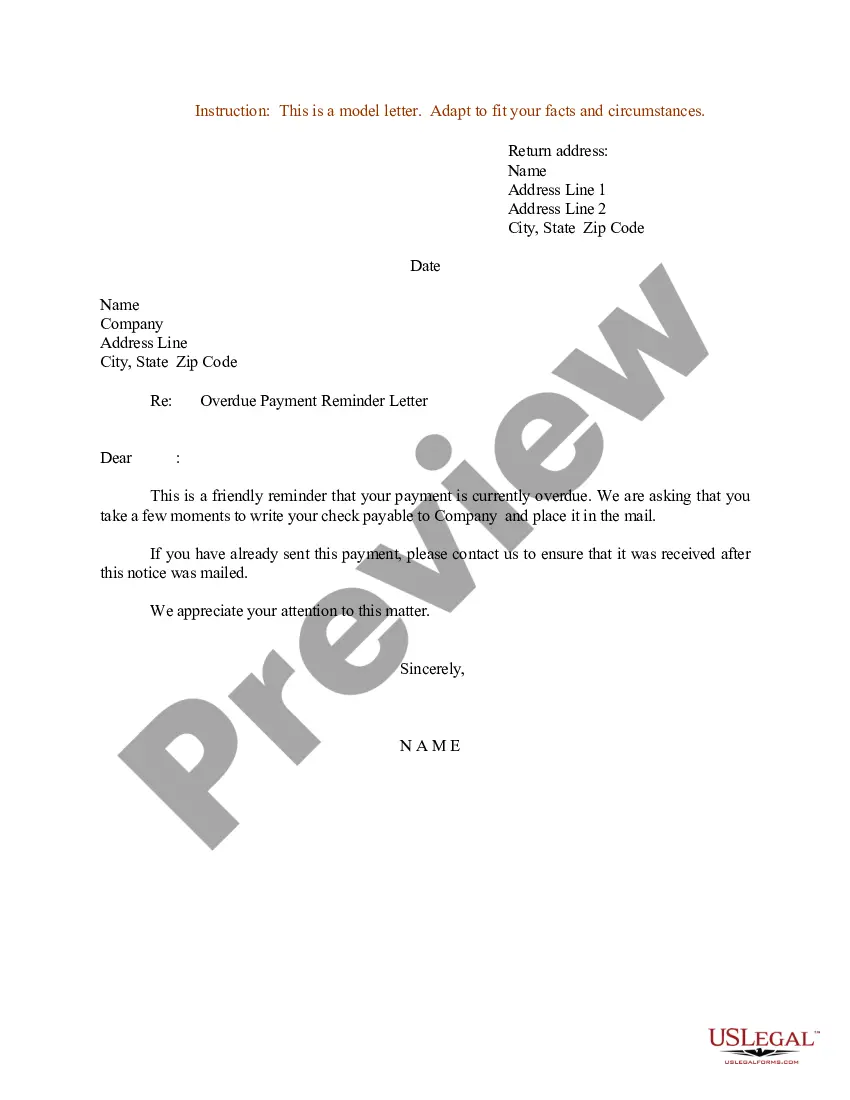
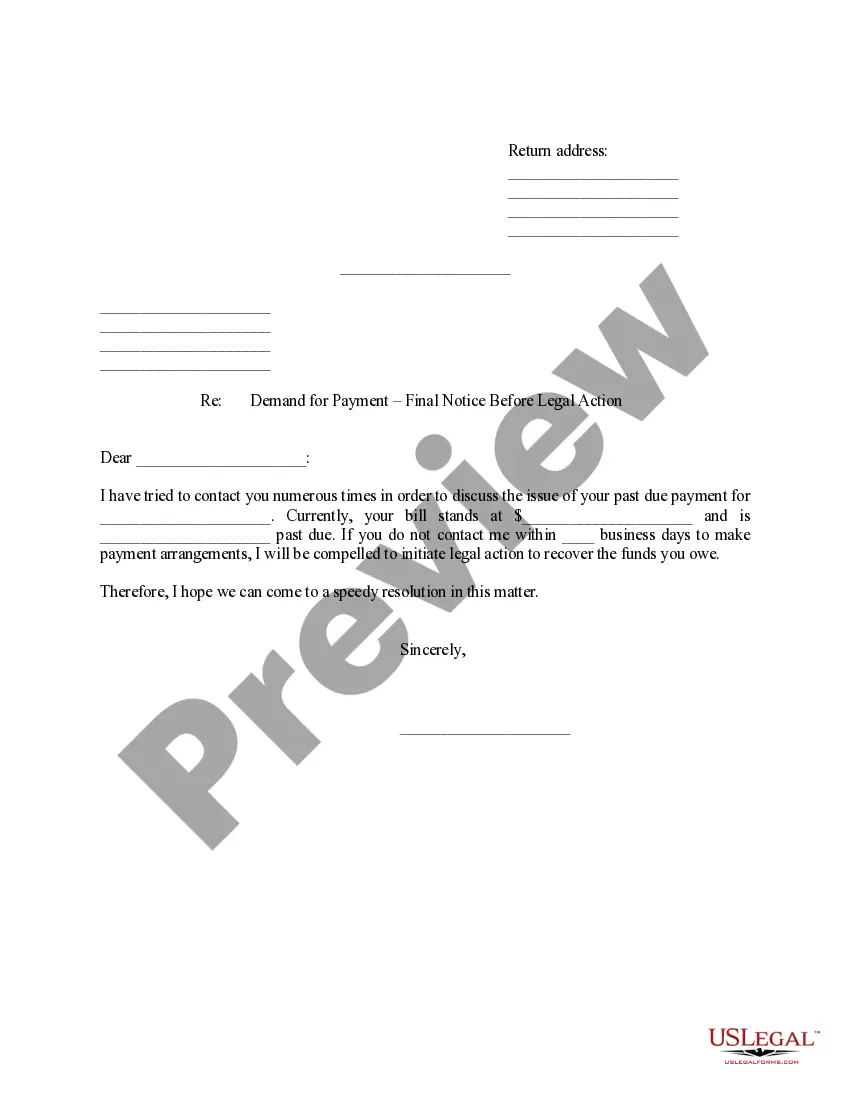
How to fill out Sample Letter For Demand For Payment?
Whether for commercial reasons or personal matters, everyone must handle legal issues at some stage in their life.
Filling out legal documents necessitates meticulous care, beginning with selecting the appropriate form template.
With a comprehensive US Legal Forms collection available, you do not need to waste time searching for the correct template online. Utilize the library’s easy navigation to find the right template for any circumstance.
- Locate the template you require through the search feature or catalog browsing.
- Examine the form’s details to ensure it aligns with your situation, state, and location.
- Click on the form’s preview to review it.
- If it is not the correct document, return to the search tool to find the Sample Request Letter For Documents template you need.
- Obtain the template if it satisfies your requirements.
- If you possess a US Legal Forms account, click Log in to retrieve saved documents in My documents.
- If you do not have an account yet, you can download the form by selecting Buy now.
- Choose the appropriate pricing option.
- Complete the profile registration form.
- Select your payment method: either a credit card or PayPal account.
- Choose the desired file format and download the Sample Request Letter For Documents.
- Once downloaded, you can complete the form using editing software or print it and fill it out manually.
Form popularity
FAQ
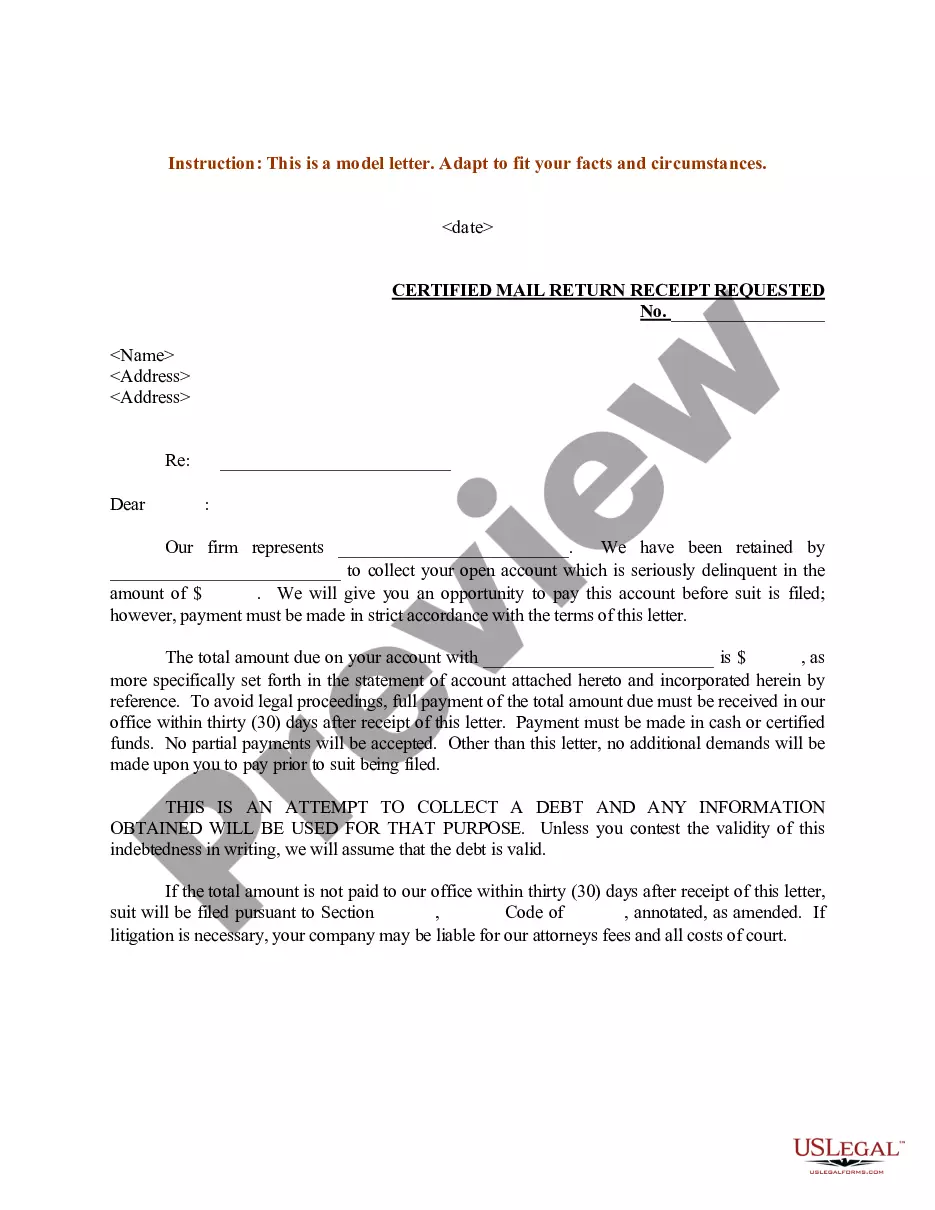
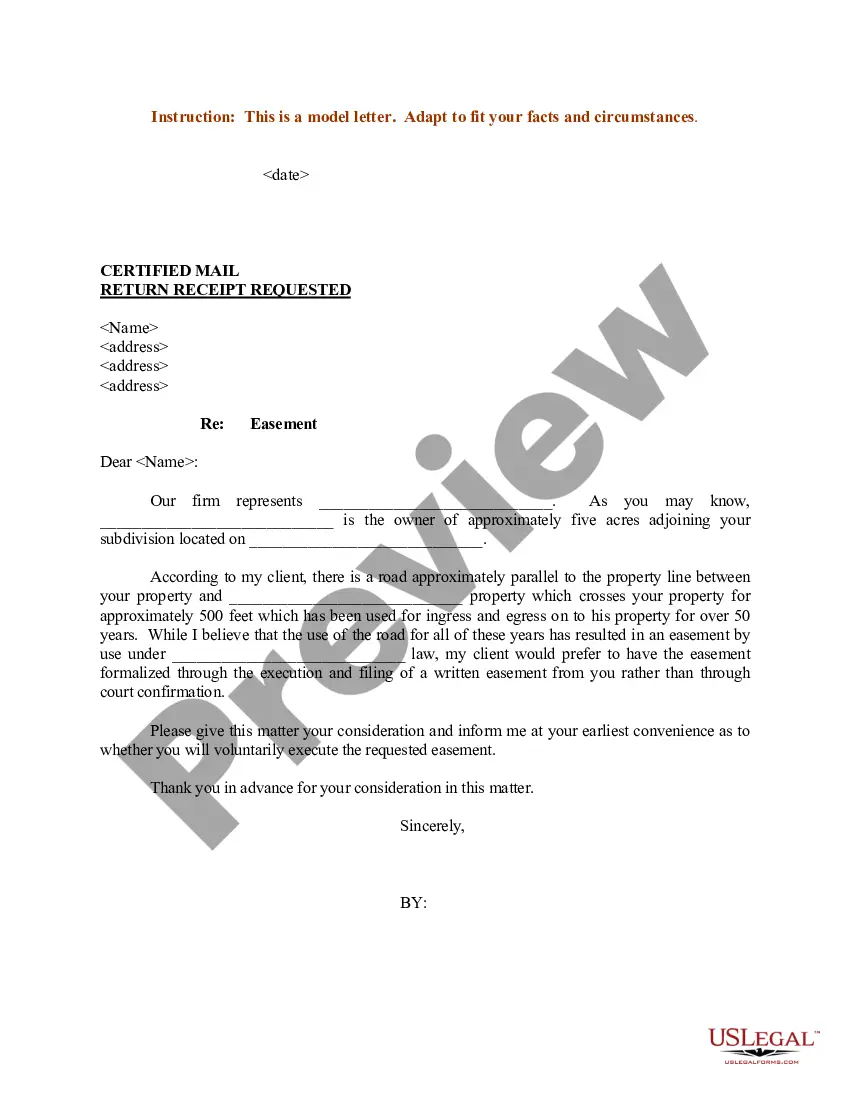
When writing an official letter requesting something, maintain a formal tone throughout. Start with your address and the date, followed by the recipient's information. In the body, be direct but respectful in stating your request, and you might find a 'Sample request letter for documents' format useful.
A legal guardian can only be appointed by someone who has parental responsibility for the child, such as a parent or special guardian, although a court can also rule on parental responsibility.
Legal guardians have the same rights as biological parents, but a legal guardian is not always a child's mother or father and may or may not be related to a child by blood. For example, a grandparent might be appointed a child's legal guardian if for some reason a child's mother and father cannot care for a child.
A guardian or conservator can only be appointed by the court. A petition explaining the need for a guardianship or conservatorship must be filed. An evaluation report from a doctor, a licensed psychologist, or a psychiatrist must be completed and filed with the court.
Under South Dakota law, a ?guardian? has authority over personal and healthcare decisions while a ?conservator? has authority over the protected person's property and financial affairs.
The appointment of a guardian or conservator of a protected person does not constitute a general finding of legal incompetence unless the court so orders, and the protected person shall otherwise retain all rights which have not been granted to the guardian or conservator, with the exception of the ability to create an ...
Under South Dakota law, the temporary guardianship or conservatorship of a minor child cannot be longer than 6 months, and the temporary guardianship or conservatorship of a protected person cannot be longer than 90 days, unless extended for an additional 90 days by court order.
South Dakota child custody laws don't prescribe a certain age when a child's preference may be considered. Judges have broad discretion when deciding how much weight to give the child's preference. In some South Dakota custody cases, judges have considered the well-reasoned preferences of children as young as 10.