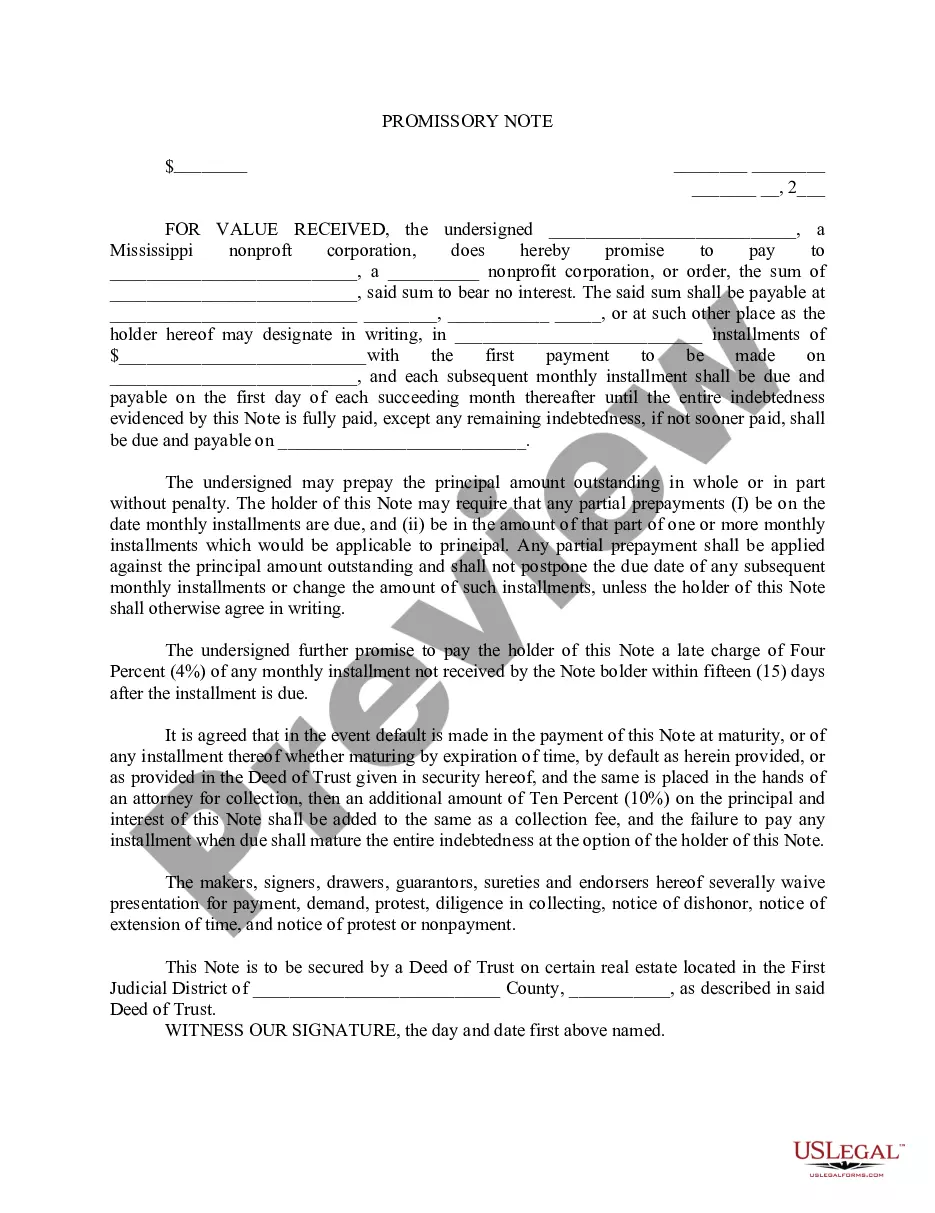
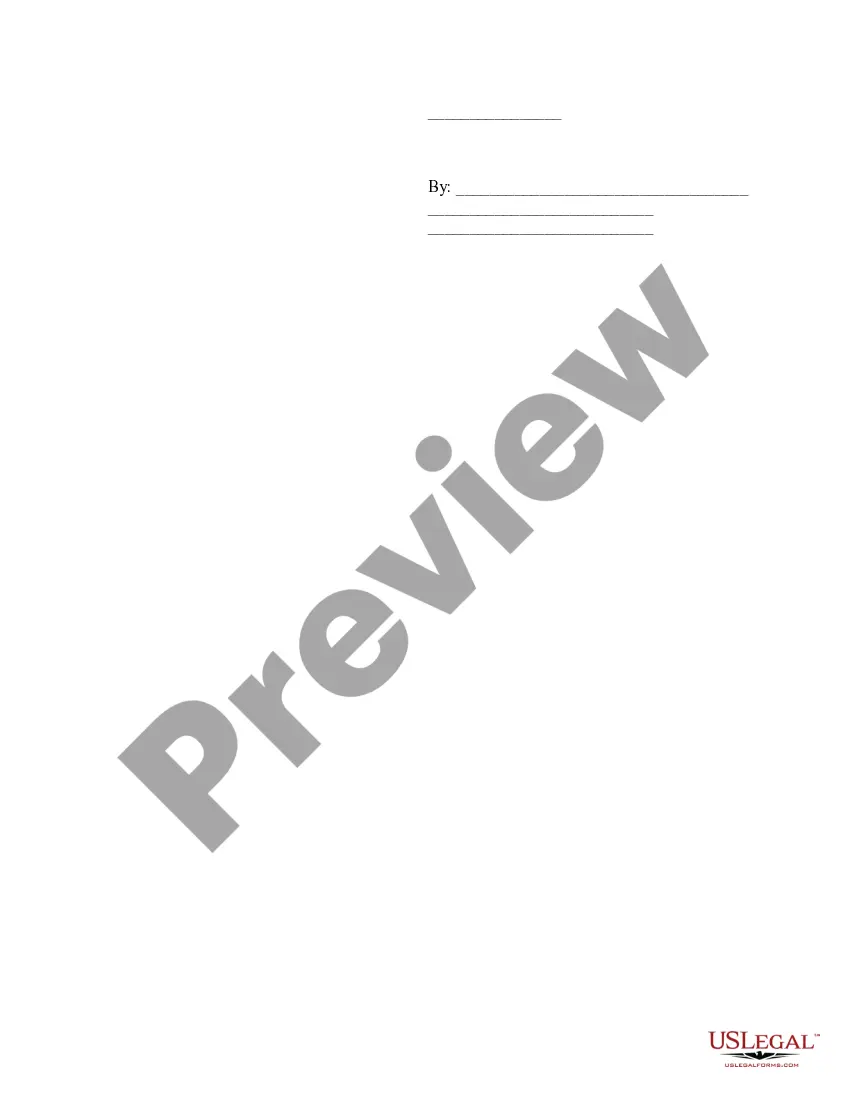
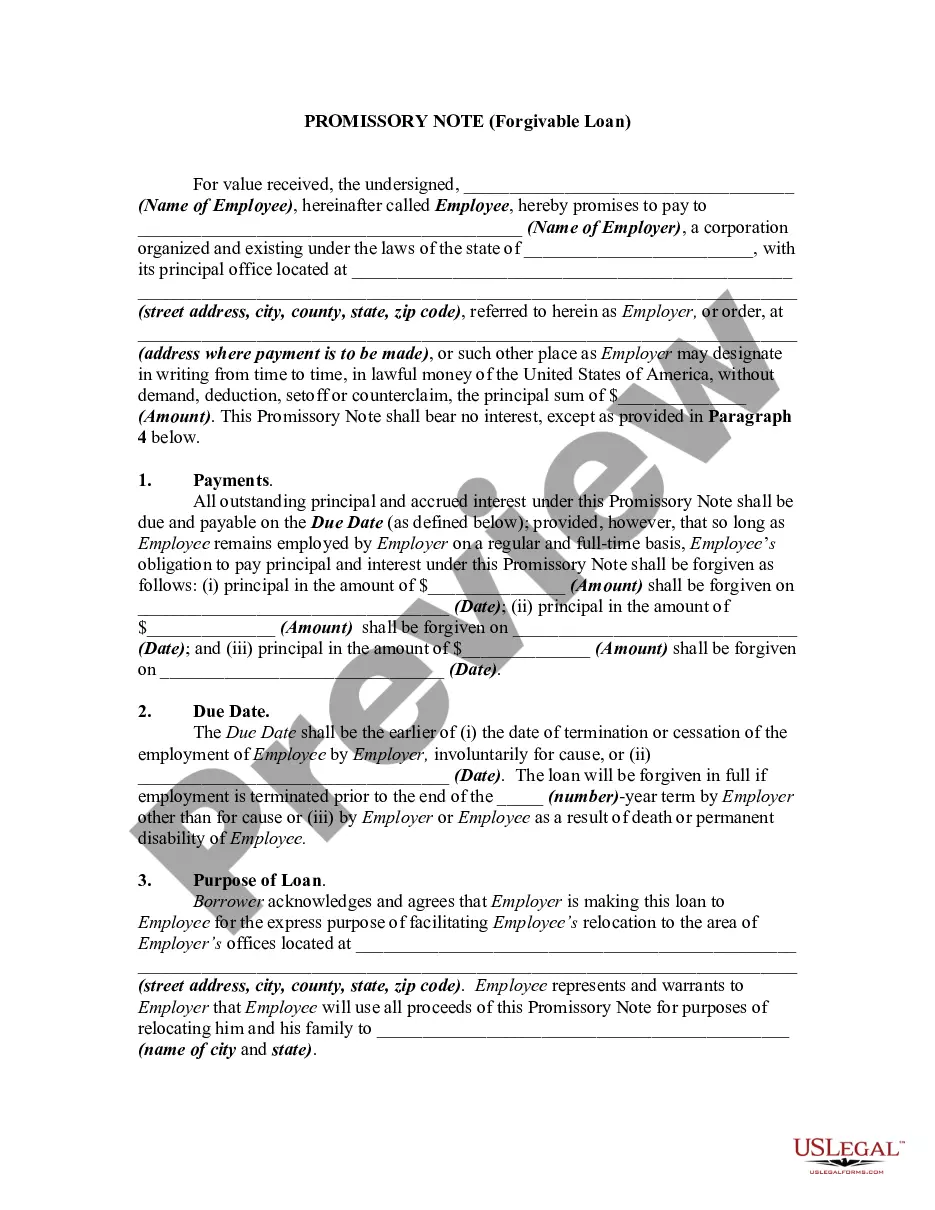
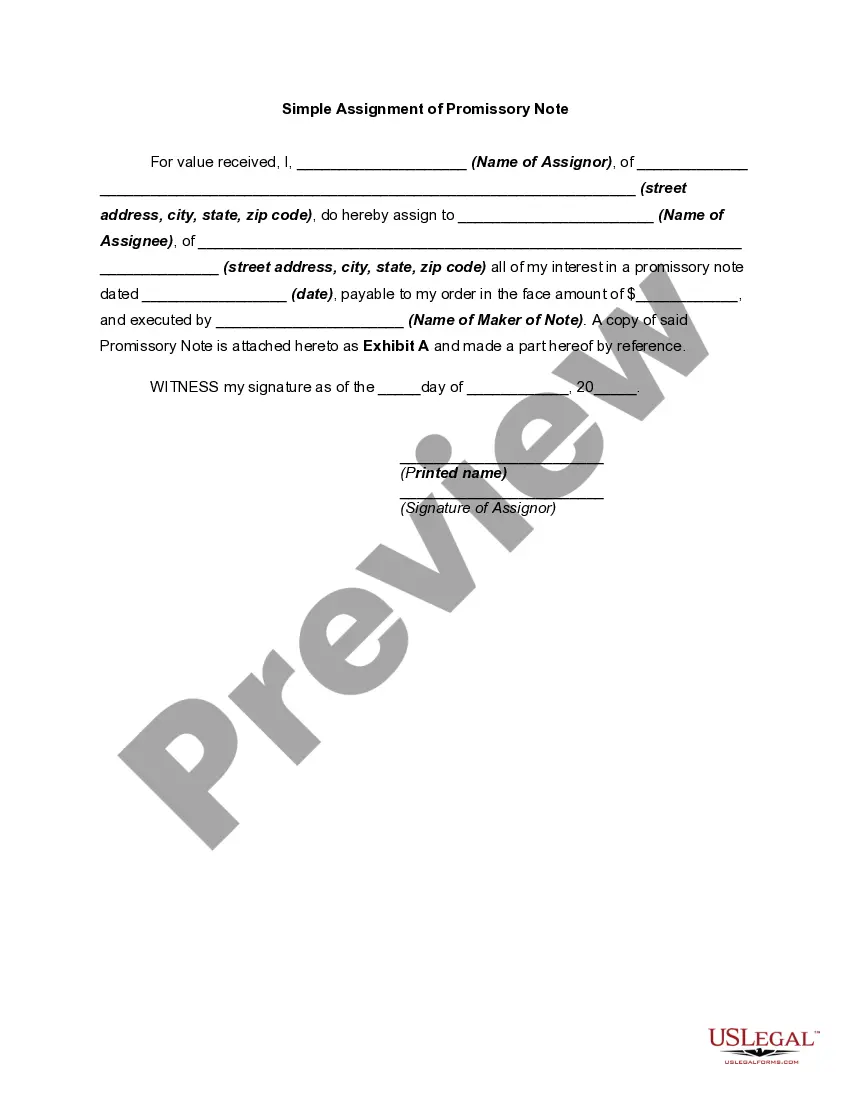
Church Promissory Note With Collateral Sample Philippines
Description
Get your form ready online
Our built-in tools help you complete, sign, share, and store your documents in one place.
Make edits, fill in missing information, and update formatting in US Legal Forms—just like you would in MS Word.
Download a copy, print it, send it by email, or mail it via USPS—whatever works best for your next step.
Sign and collect signatures with our SignNow integration. Send to multiple recipients, set reminders, and more. Go Premium to unlock E-Sign.
If this form requires notarization, complete it online through a secure video call—no need to meet a notary in person or wait for an appointment.
We protect your documents and personal data by following strict security and privacy standards.

Make edits, fill in missing information, and update formatting in US Legal Forms—just like you would in MS Word.

Download a copy, print it, send it by email, or mail it via USPS—whatever works best for your next step.

Sign and collect signatures with our SignNow integration. Send to multiple recipients, set reminders, and more. Go Premium to unlock E-Sign.

If this form requires notarization, complete it online through a secure video call—no need to meet a notary in person or wait for an appointment.

We protect your documents and personal data by following strict security and privacy standards.
Looking for another form?







How to fill out Promissory Note College To Church?
It’s clear that you cannot transform into a legal expert instantly, nor can you quickly learn how to draft a Church Promissory Note With Collateral Sample Philippines without a defined skill set.
Assembling legal documents is an extensive endeavor that necessitates particular education and expertise.
So why not entrust the creation of the Church Promissory Note With Collateral Sample Philippines to the professionals.
You can revisit your documents from the My documents section whenever you wish. If you’re a returning customer, you can easily Log In, locate, and download the template from the same section.
Regardless of the intention behind your documents—be it financial, legal, or personal—our site has your needs covered. Give US Legal Forms a try today!
- Identify the document you require by utilizing the search field at the top of the site.
- Examine it (if this feature is available) and review the accompanying details to ascertain whether the Church Promissory Note With Collateral Sample Philippines is suitable for your needs.
- If you seek a different form, initiate your search once more.
- Create a complimentary account and select a subscription plan to purchase the document.
- Click Buy now. Once the transaction is completed, you can obtain the Church Promissory Note With Collateral Sample Philippines, complete it, print it, and deliver it by mail or send it to the appropriate individuals or organizations.
Form popularity
FAQ
A Secured Promissory Note is a legal agreement that requires a borrower to provide security for a loan. With this lending document, the borrower puts forth their personal property or real estate as collateral if the loan isn't repaid.
I promise to pay said amount on or before ______________________. Furthermore, I am fully aware that subsequent Promissory Notes shall not be accepted without settling my current due amount. I hereby affix my signature to this agreement. Done this _____ Day of _________ 20____.
At its most basic, a promissory note should include the following things: Date. Name of the lender and borrower. Loan amount. Whether the loan is secured or unsecured. If it's secured with collateral: What is the collateral? ... Payment amount and frequency. Payment due date. Whether the loan has a cosigner, and if so, who.
The note can include specific details such as the borrower and lender's identities, the loan amount, interest rate, repayment terms, maturity date, and collateral (if any). There are two main categories of promissory notes: secured (with collateral) and unsecured (without collateral).
A simple promissory note might be for a lump sum repayment on a certain date. For example, you lend your friend $1,000 and he agrees to repay you by December 1. The full amount is due on that date, and there is no payment schedule involved.