Executor Beneficiary Mentioned For Trust
Description



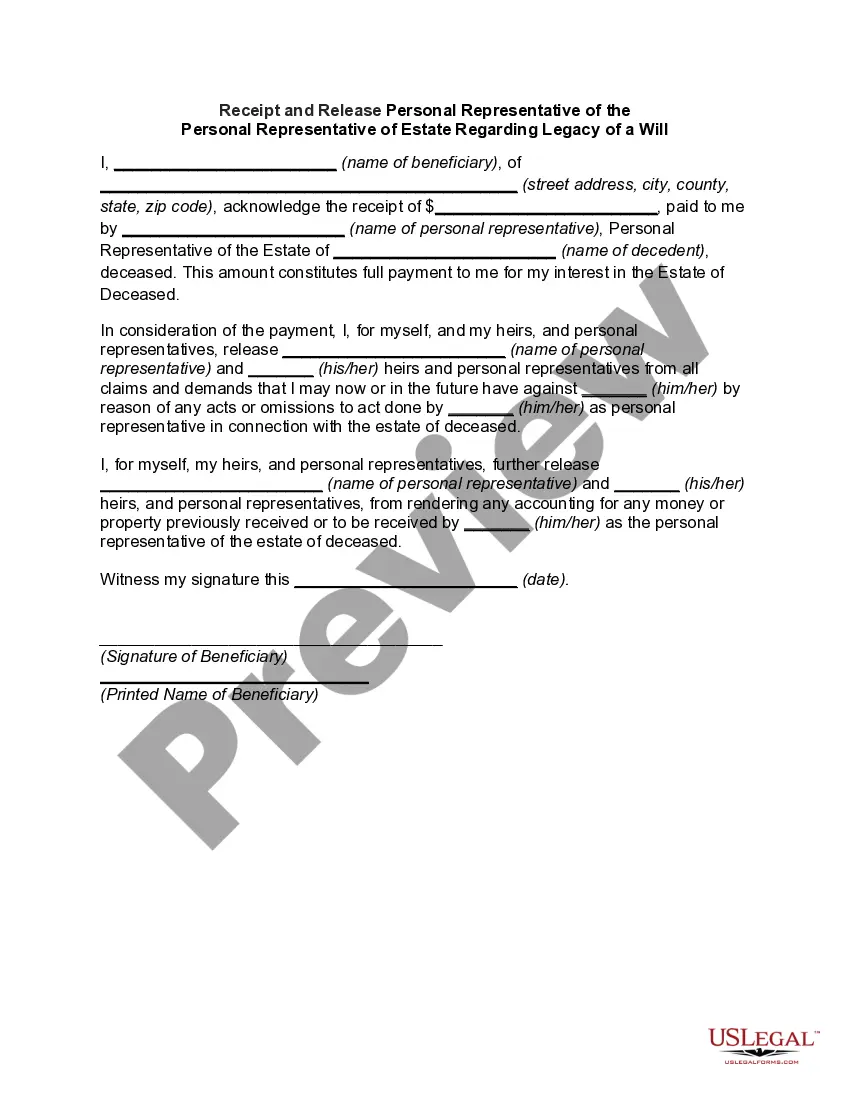
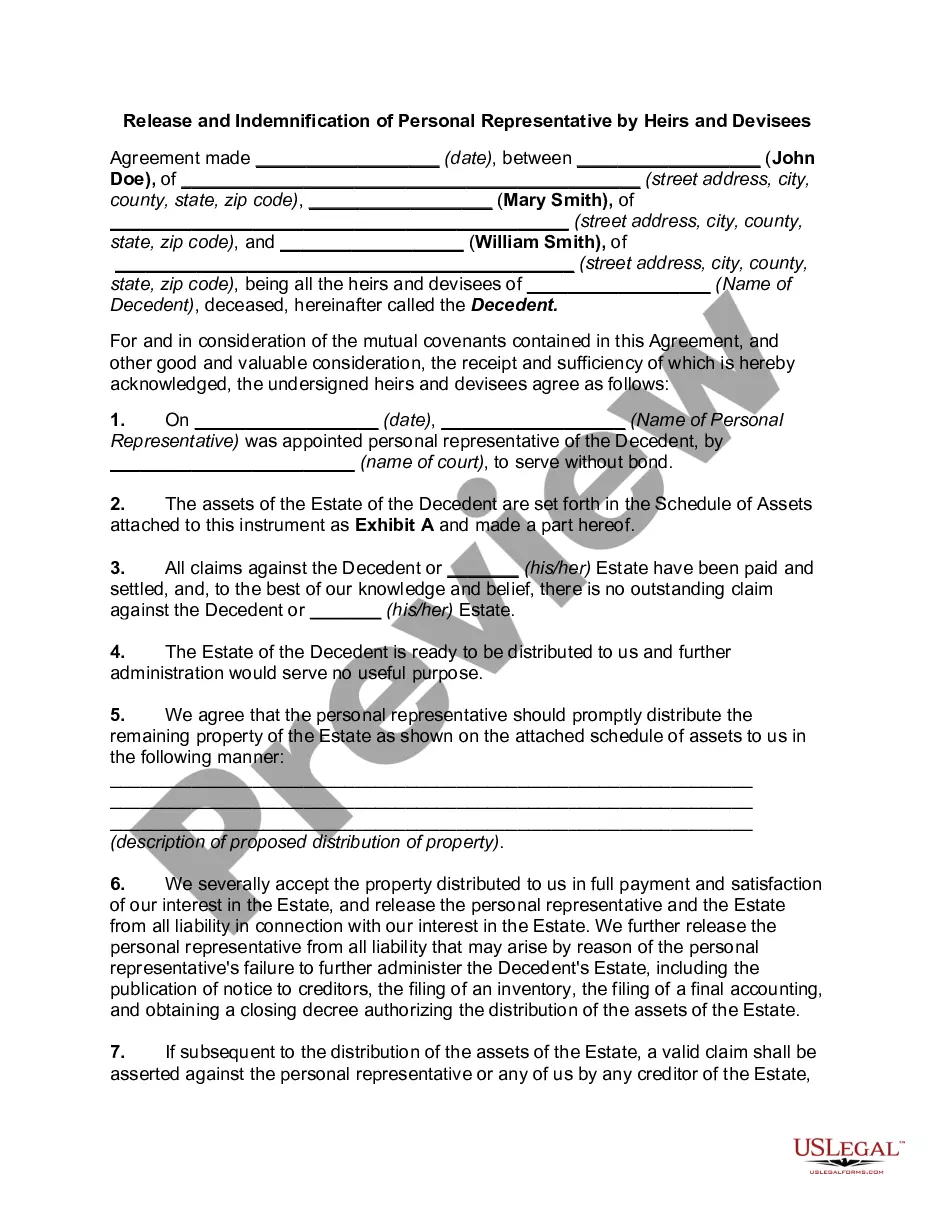
Get your form ready online
Our built-in tools help you complete, sign, share, and store your documents in one place.
Make edits, fill in missing information, and update formatting in US Legal Forms—just like you would in MS Word.
Download a copy, print it, send it by email, or mail it via USPS—whatever works best for your next step.
Sign and collect signatures with our SignNow integration. Send to multiple recipients, set reminders, and more. Go Premium to unlock E-Sign.
If this form requires notarization, complete it online through a secure video call—no need to meet a notary in person or wait for an appointment.
We protect your documents and personal data by following strict security and privacy standards.

Make edits, fill in missing information, and update formatting in US Legal Forms—just like you would in MS Word.

Download a copy, print it, send it by email, or mail it via USPS—whatever works best for your next step.

Sign and collect signatures with our SignNow integration. Send to multiple recipients, set reminders, and more. Go Premium to unlock E-Sign.

If this form requires notarization, complete it online through a secure video call—no need to meet a notary in person or wait for an appointment.

We protect your documents and personal data by following strict security and privacy standards.
Looking for another form?
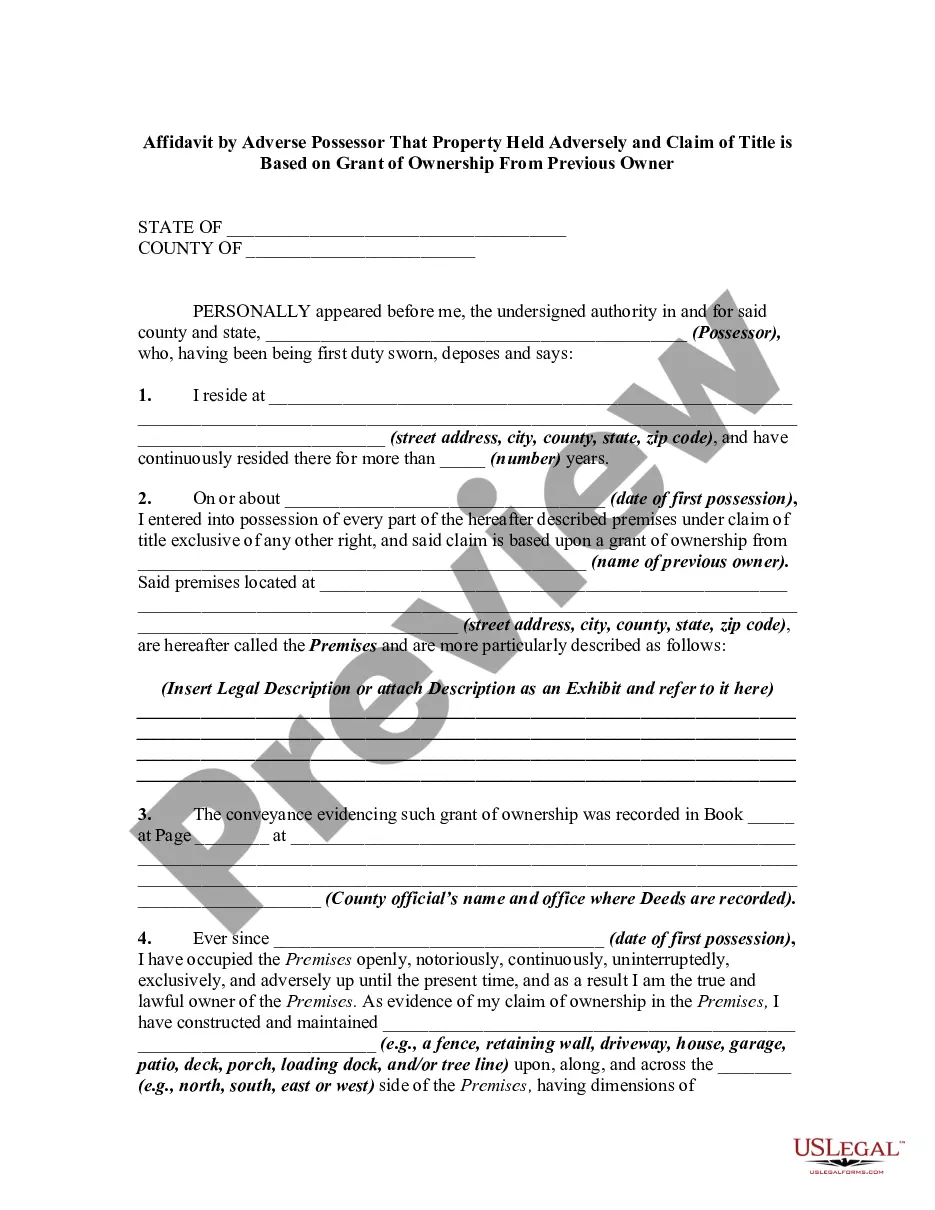







How to fill out Release And Exoneration Of Executor On Distribution To Beneficiary Of Will And Waiver Of Citation Of Final Settlement?
It’s widely known that you cannot transform into a legal expert in an instant, nor can you swiftly learn how to draft Executor Beneficiary Mentioned For Trust without possessing a specialized background.
Compiling legal documents is a lengthy process that necessitates specific training and skills.
So why not entrust the preparation of the Executor Beneficiary Mentioned For Trust to the experts.
Preview it (if this option is available) and read the accompanying description to ascertain whether Executor Beneficiary Mentioned For Trust is what you seek.
Initiate your search again if you require a different template.
- With US Legal Forms, one of the most extensive legal template repositories, you can discover anything from court documents to templates for internal communication.
- We recognize the significance of compliance and adherence to federal and state regulations.
- That’s why, on our platform, all templates are location-specific and current.
- Here’s how to get started with our platform and obtain the form you require in just minutes.
- Find the form you need using the search bar at the top of the page.
Form popularity
FAQ
To leave property to your living trust, name your trust as beneficiary for that property, using the trustee's name and the name of the trust. For example: John Doe as trustee of the John Doe Living Trust, dated January 1, 20xx.
It is quite common (and perfectly legal) for the person named as executor of a Will to also be a beneficiary. In fact, it's not unusual for the executor to be the main beneficiary. It's also more than acceptable to not name your executor as a beneficiary.
To leave property to your living trust, name your trust as beneficiary for that property, using the trustee's name and the name of the trust. For example: John Doe as trustee of the John Doe Living Trust, dated January 1, 20xx.
Duty to disclose information: Beneficiaries must receive sufficient information about the trust assets. Duty to keep accounts: Trustees should generally provide beneficiaries with the trust accounts upon request and need a very good reason to refuse to disclose them.
What information should an Executor provide to a Beneficiary? Beneficiaries should be provided with general information about the estate and the assets involved and also a copy of the Will should they request one.