Memorandum Of Trial Readiness
Description
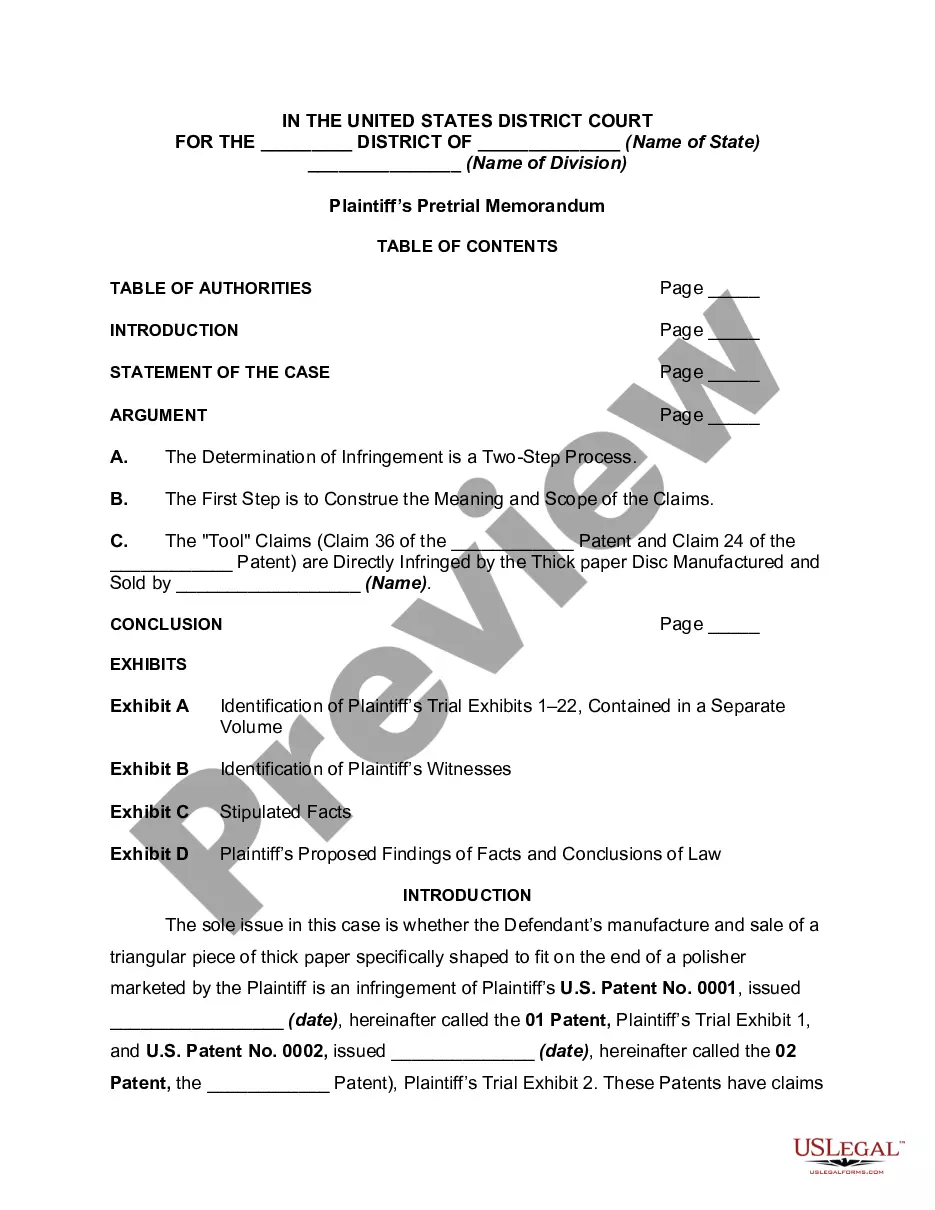
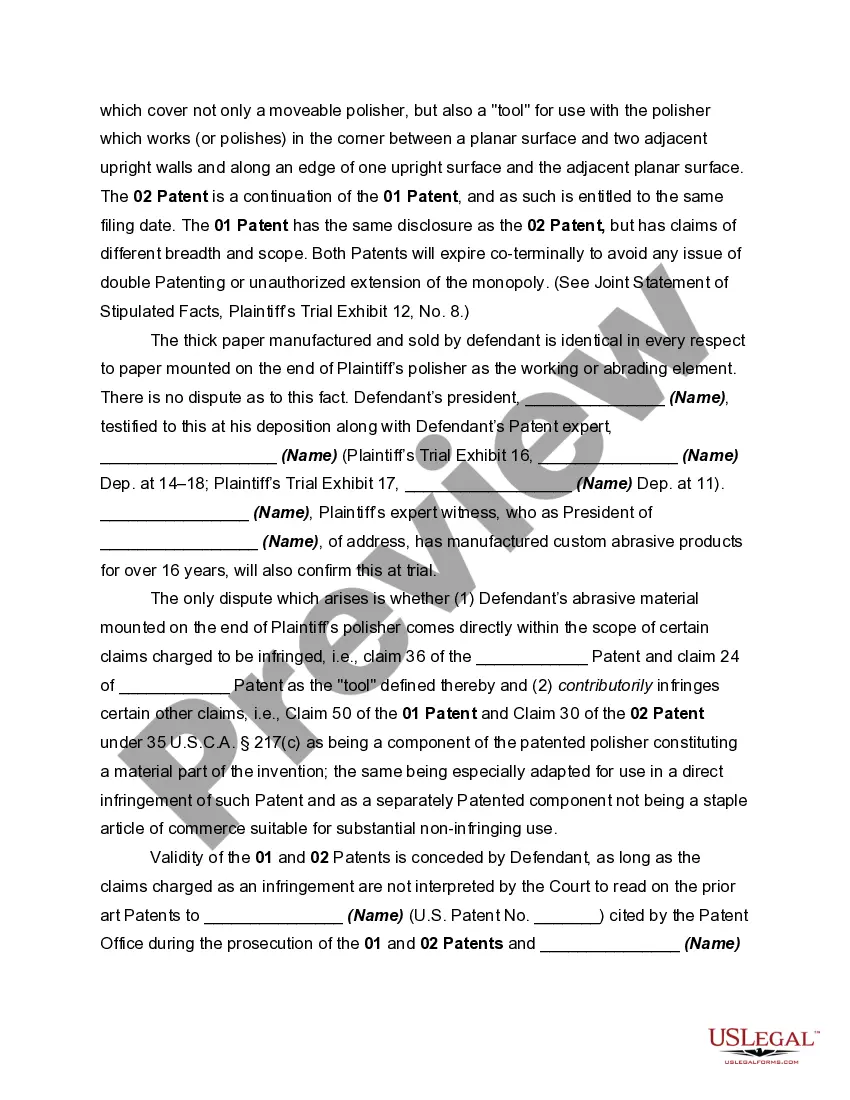
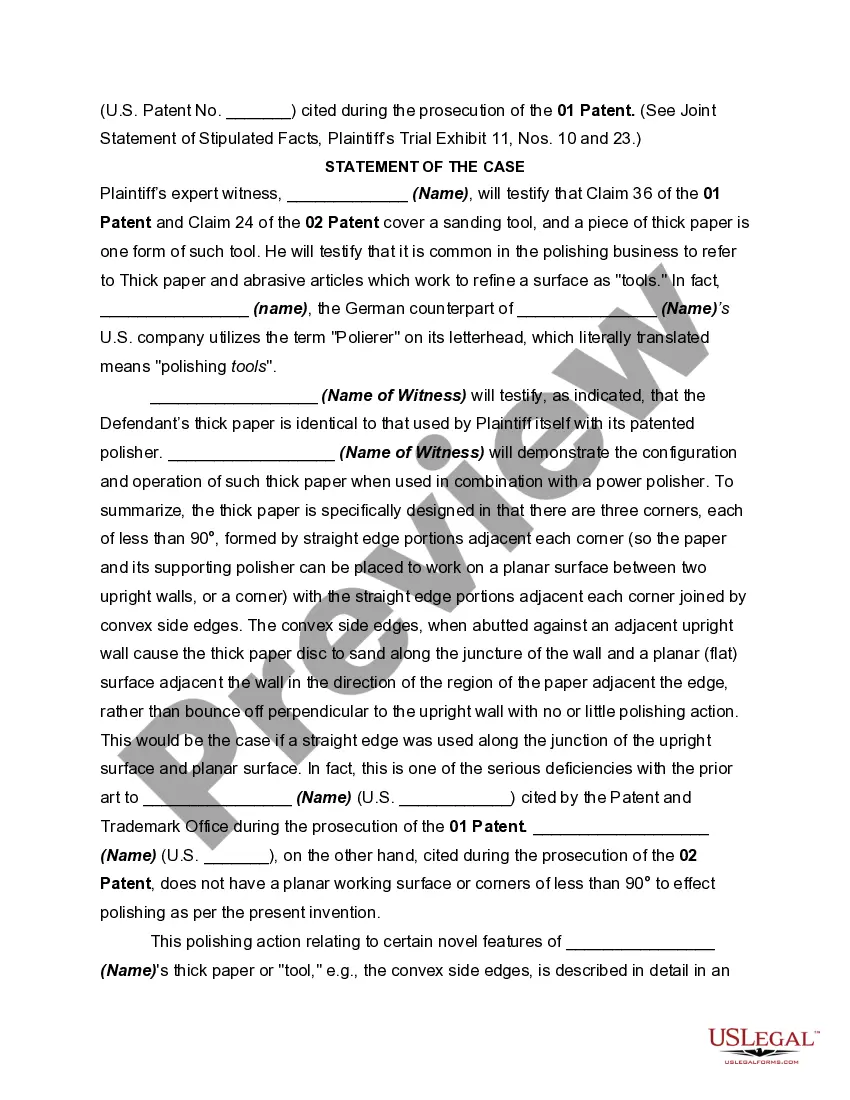
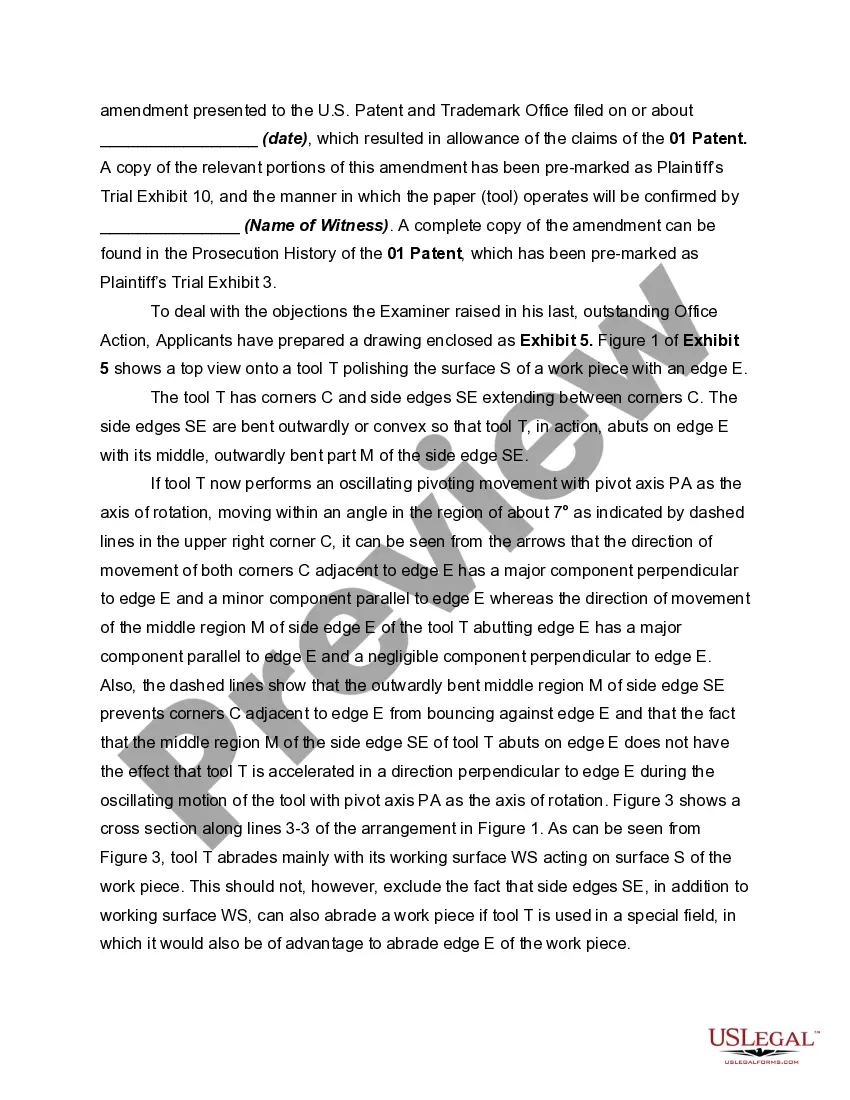
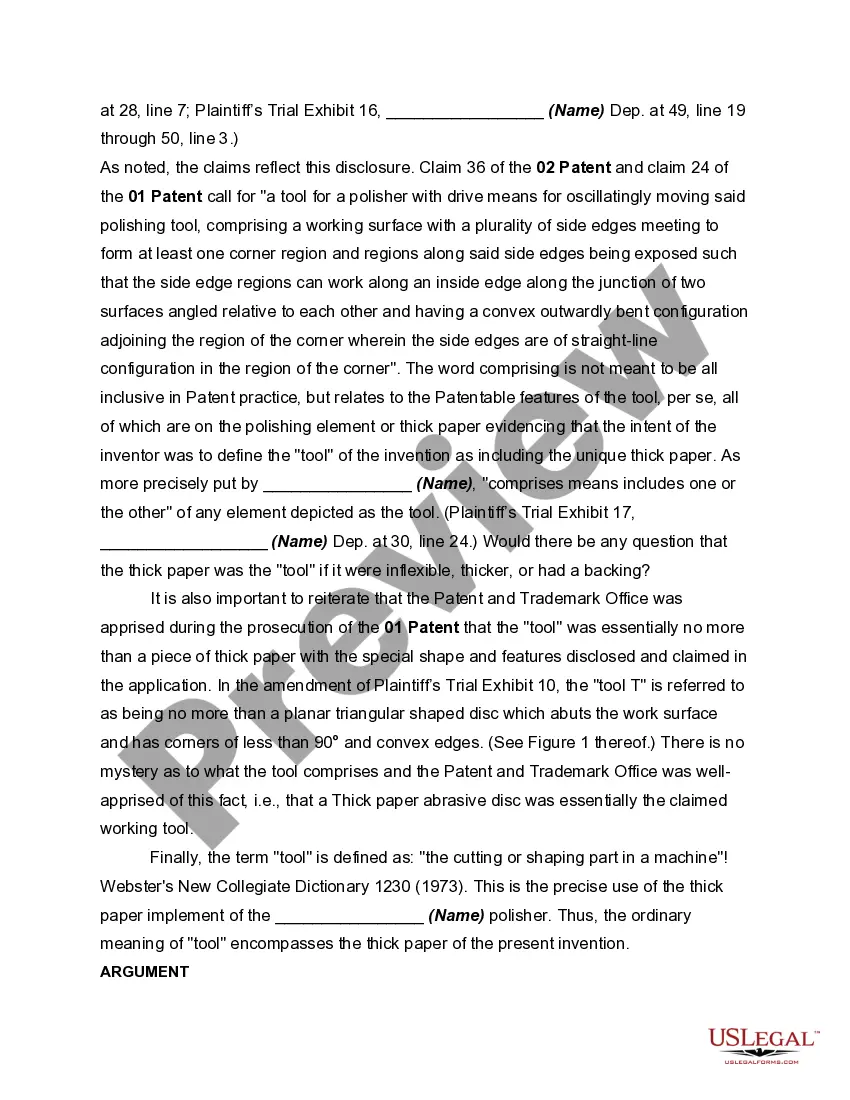
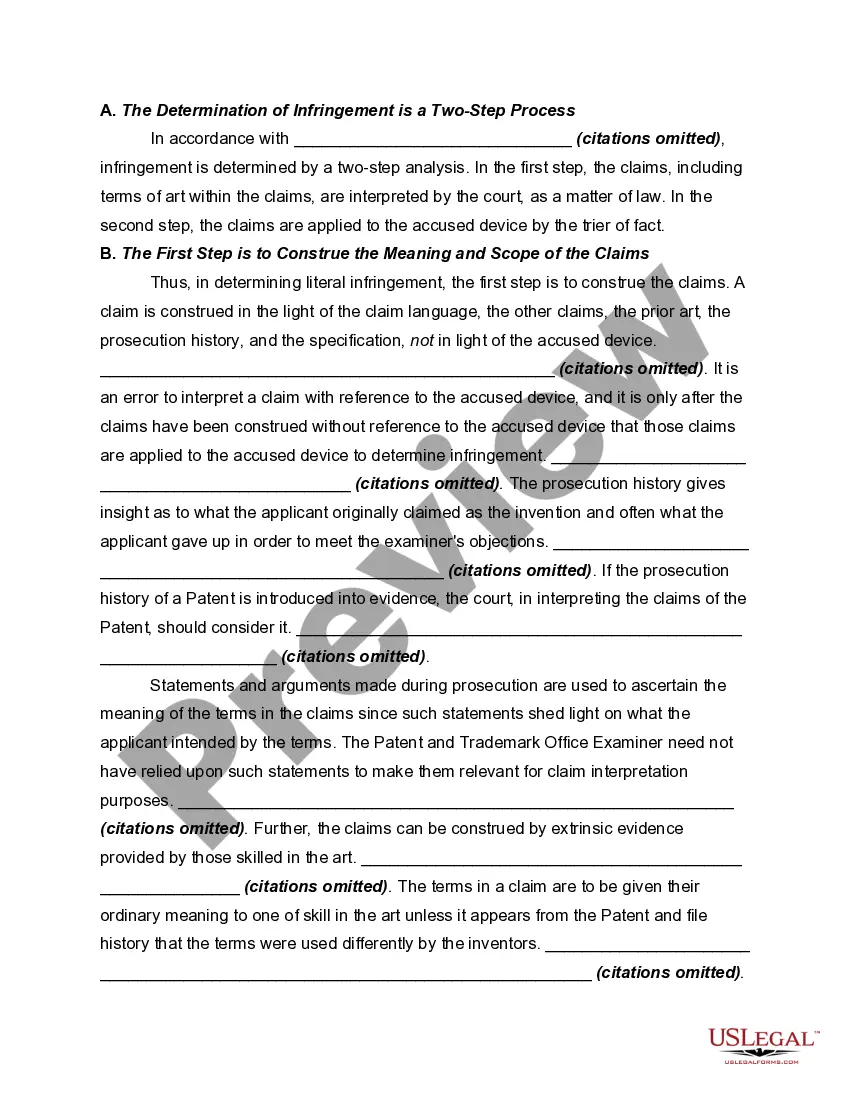

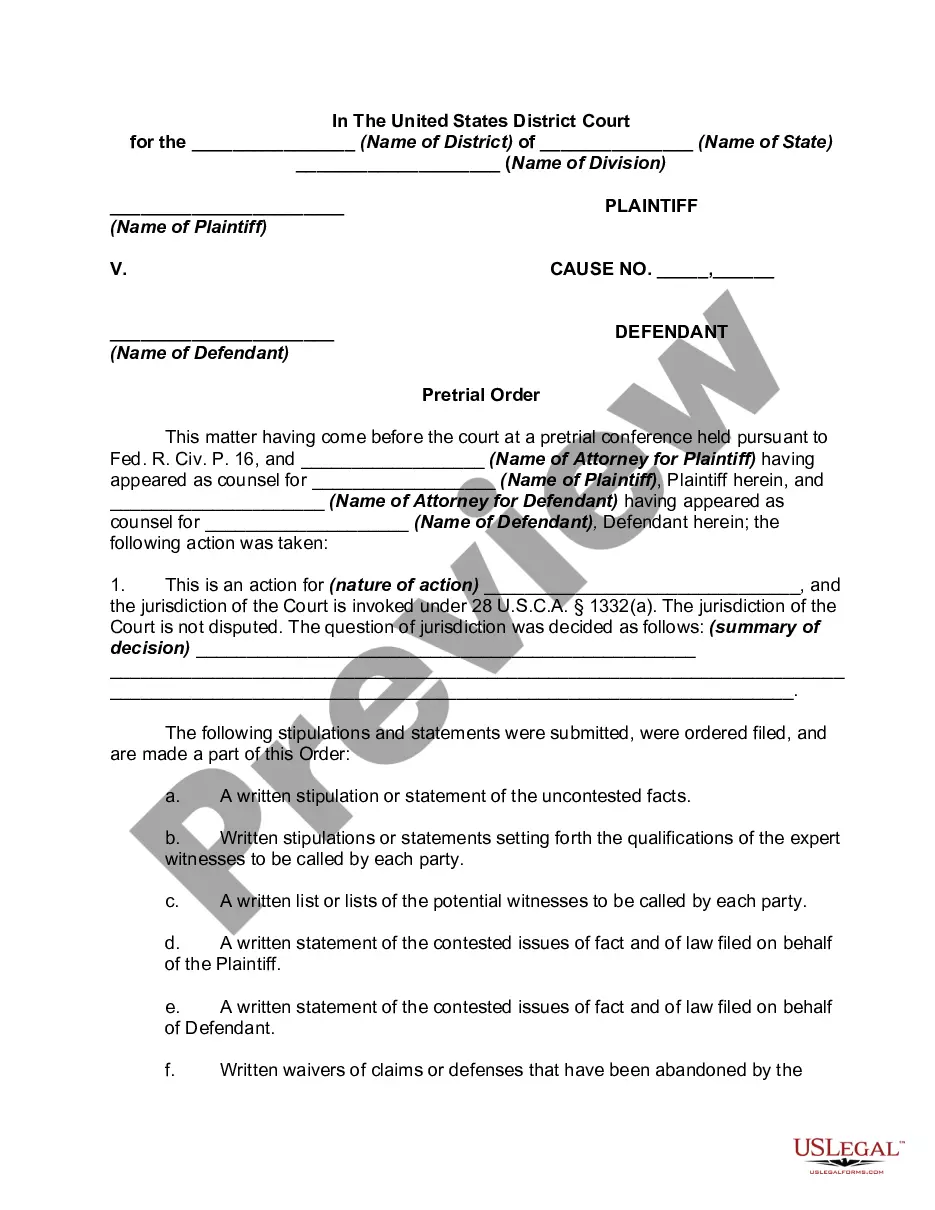
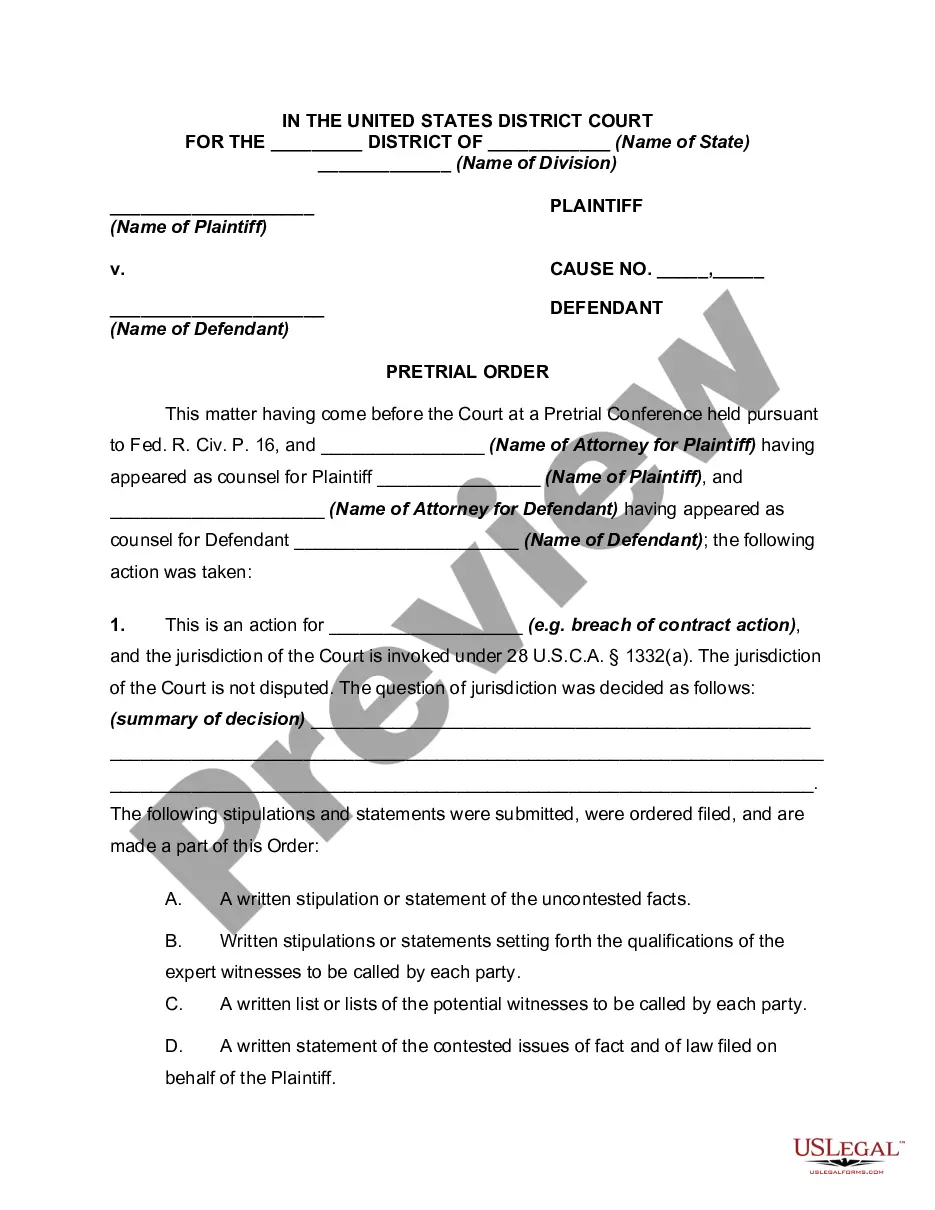
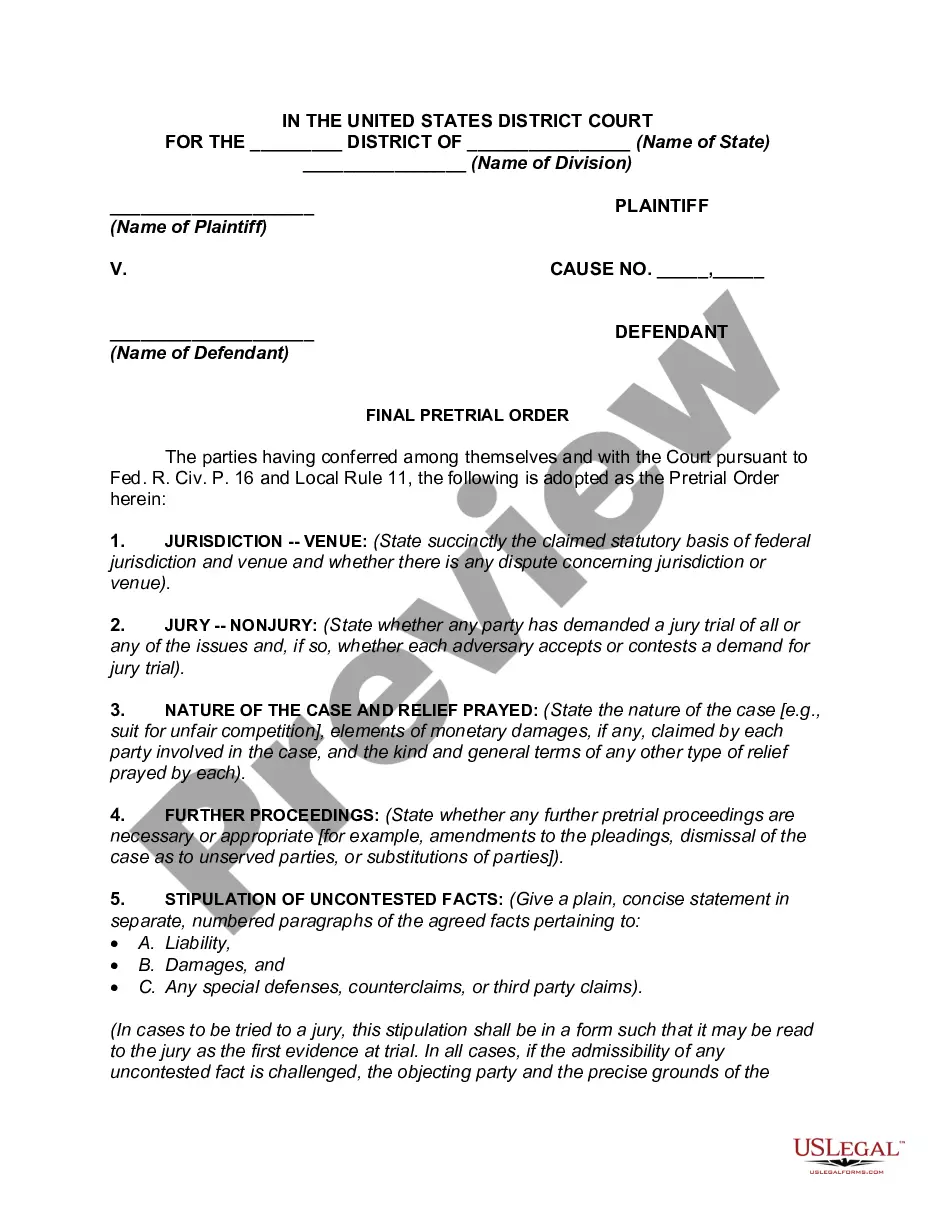
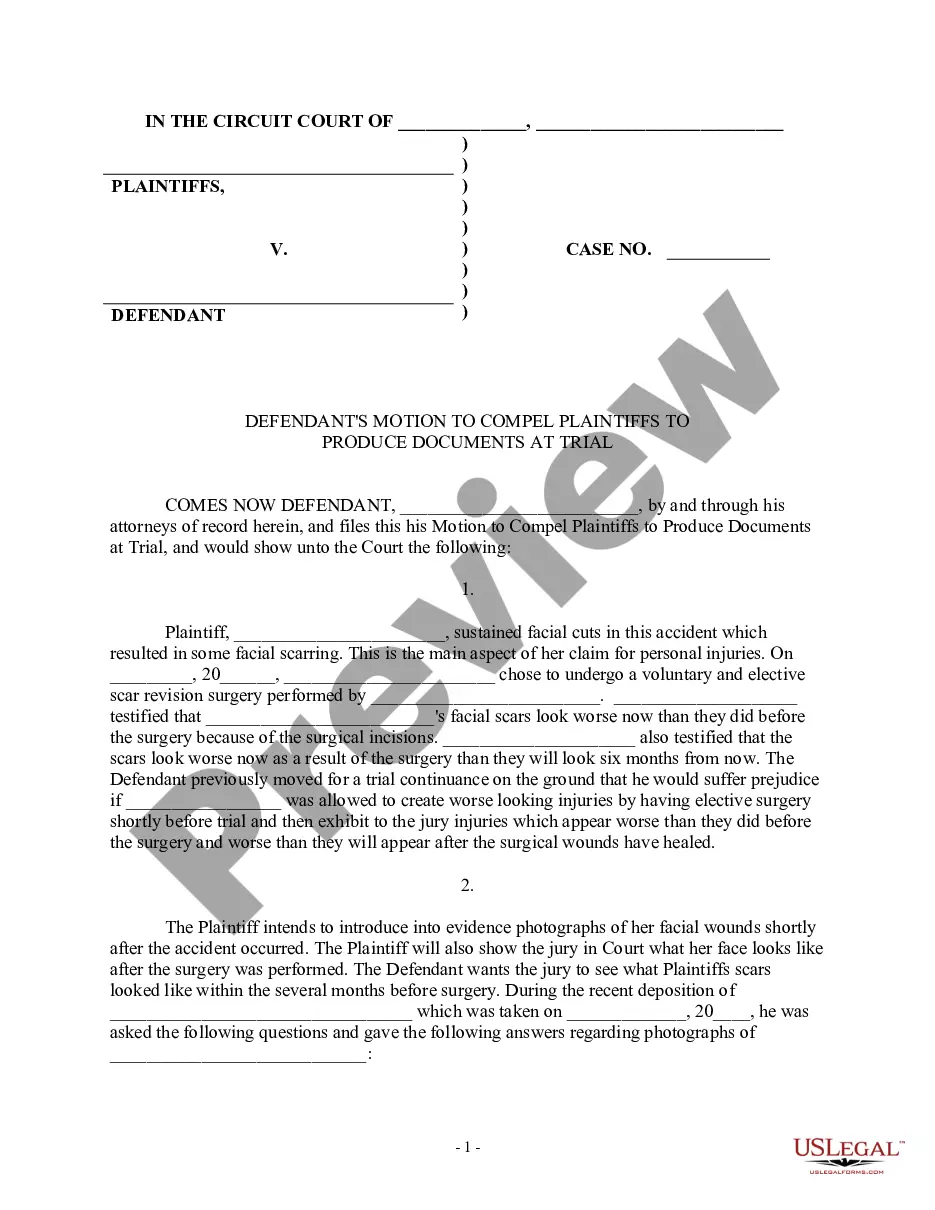
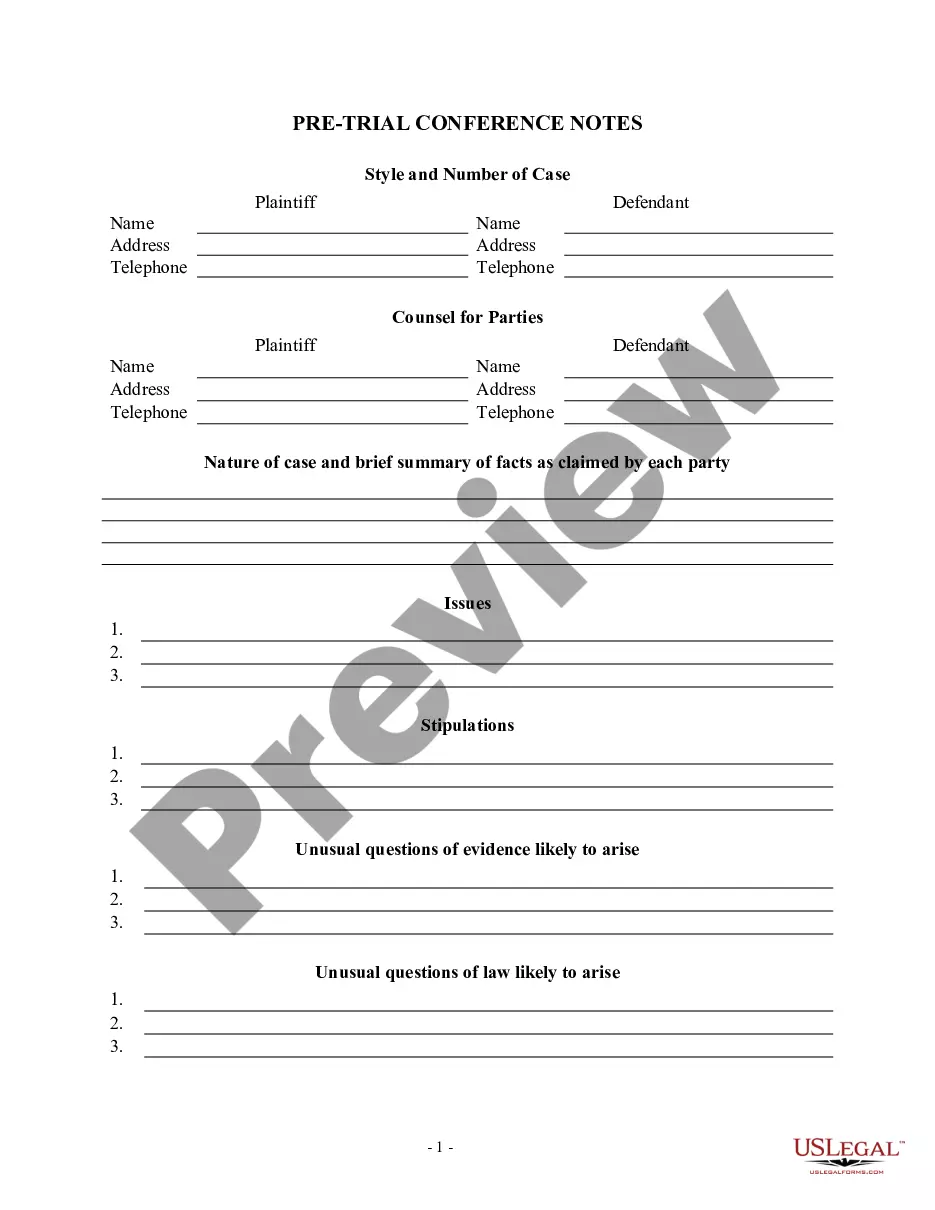
Get your form ready online
Our built-in tools help you complete, sign, share, and store your documents in one place.
Make edits, fill in missing information, and update formatting in US Legal Forms—just like you would in MS Word.
Download a copy, print it, send it by email, or mail it via USPS—whatever works best for your next step.
Sign and collect signatures with our SignNow integration. Send to multiple recipients, set reminders, and more. Go Premium to unlock E-Sign.
If this form requires notarization, complete it online through a secure video call—no need to meet a notary in person or wait for an appointment.
We protect your documents and personal data by following strict security and privacy standards.

Make edits, fill in missing information, and update formatting in US Legal Forms—just like you would in MS Word.

Download a copy, print it, send it by email, or mail it via USPS—whatever works best for your next step.

Sign and collect signatures with our SignNow integration. Send to multiple recipients, set reminders, and more. Go Premium to unlock E-Sign.

If this form requires notarization, complete it online through a secure video call—no need to meet a notary in person or wait for an appointment.

We protect your documents and personal data by following strict security and privacy standards.
Looking for another form?

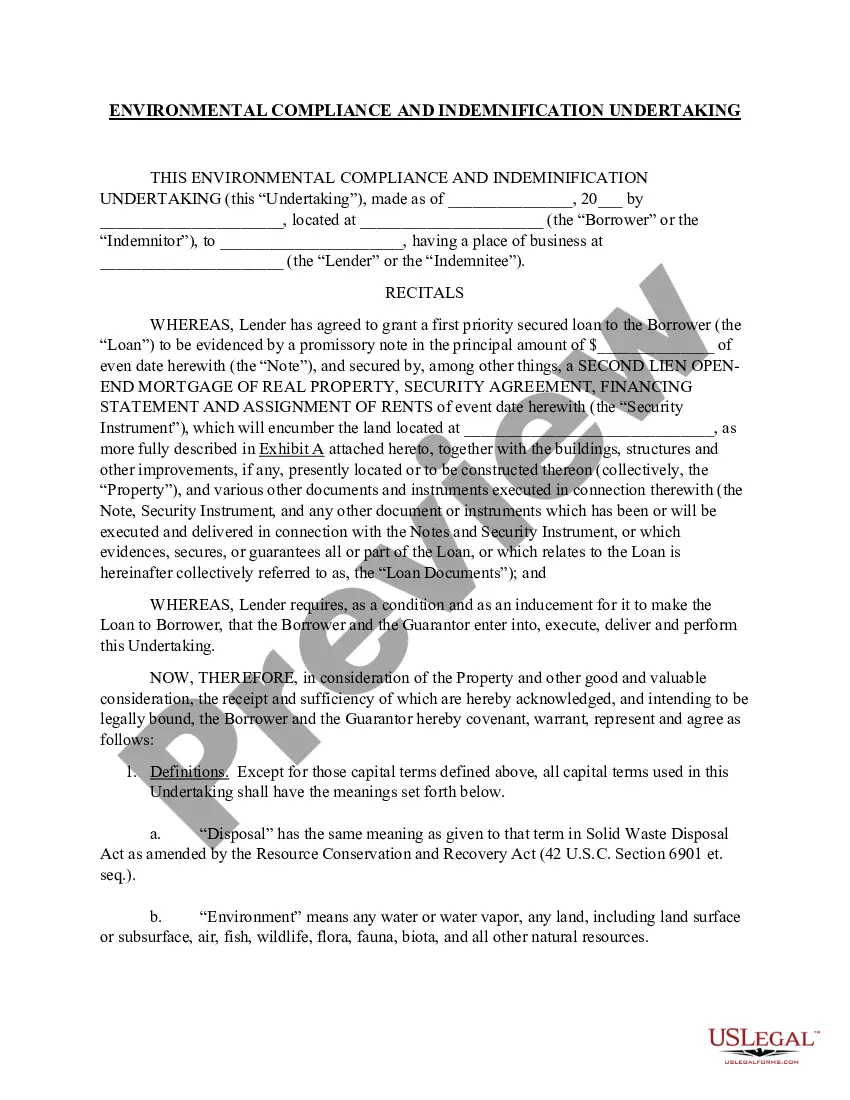


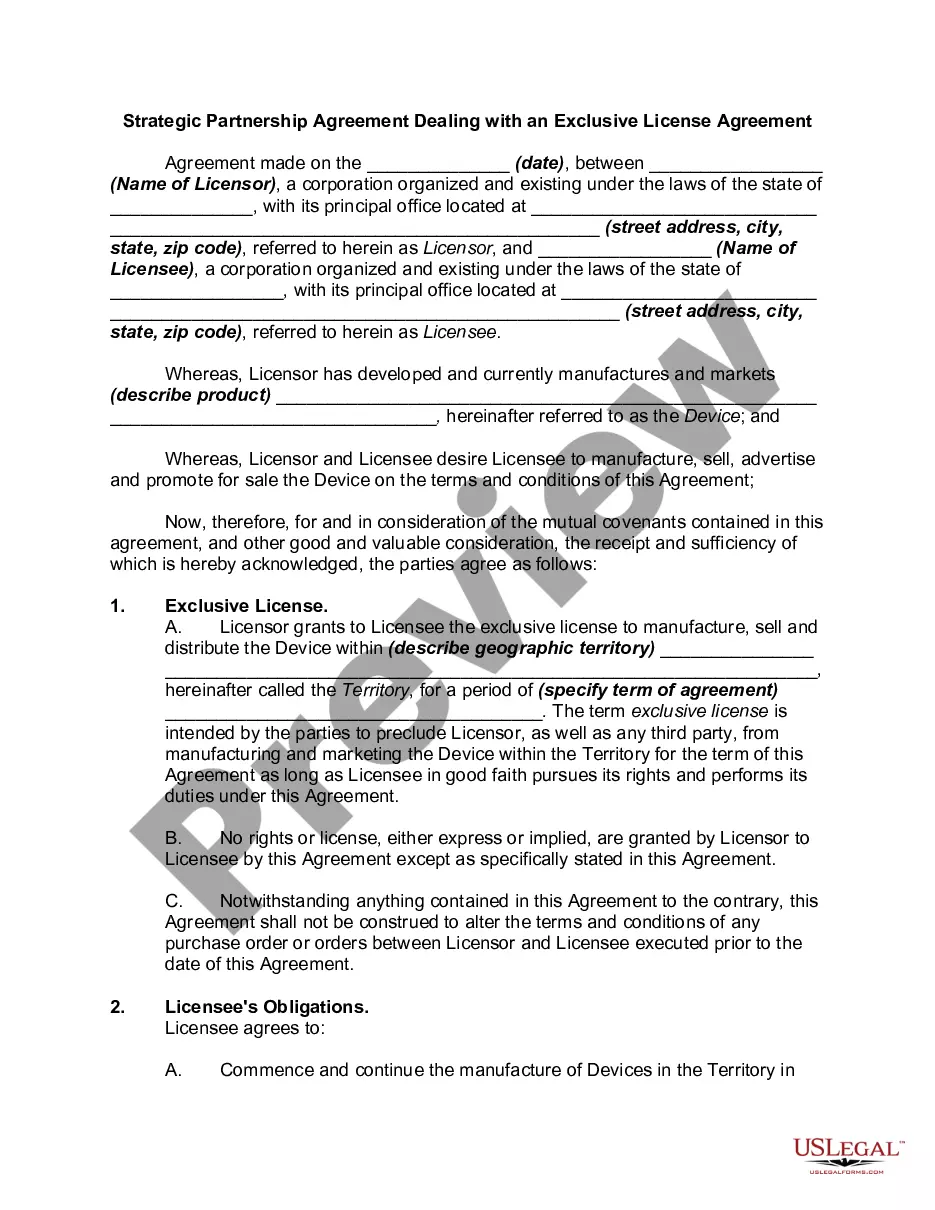

How to fill out Plaintiff's Pretrial Memorandum For A Bench Trial In A Patent Case?
Obtaining legal templates that adhere to federal and state regulations is essential, and the web provides numerous selections to choose from.
However, what's the purpose of spending time searching for the correct Memorandum Of Trial Readiness example online when the US Legal Forms digital library already hosts such documents in one location.
US Legal Forms is the largest online legal repository with more than 85,000 editable templates created by attorneys for every business and personal situation. They are easy to navigate with all documents categorized by state and intended use. Our specialists stay informed about legislative updates, allowing you to be assured that your documentation is current and compliant when acquiring a Memorandum Of Trial Readiness from our platform.
Press Buy Now once you've discovered the suitable form and select a subscription plan. Create an account or Log In and complete your payment through PayPal or a credit card. Choose the preferred format for your Memorandum Of Trial Readiness and download it. All templates accessed through US Legal Forms are reusable. To re-download and fill out previously acquired documents, navigate to the My documents section in your account. Experience the most comprehensive and user-friendly legal paperwork service!
- Acquiring a Memorandum Of Trial Readiness is straightforward and rapid for both existing and new users.
- If you possess an account with an active subscription, Log In and secure the document sample you need in the appropriate format.
- If you are a first-time visitor to our site, follow the instructions below.
- Examine the template using the Preview option or via the text outline to make sure it satisfies your needs.
- Use the search feature at the top of the page to locate an additional sample if necessary.
Form popularity
FAQ
A trial memorandum is a comprehensive document that summarizes the facts, legal issues, and arguments relevant to a trial. This important tool helps attorneys present their case clearly and persuasively to the court. A well-crafted memorandum of trial readiness not only aids in preparation but also communicates essential points to judges and opposing counsel.
The purpose of creating a memorandum of trial readiness is to outline and clarify the key issues and pertinent evidence before a trial. It serves as a structured document that helps organize thoughts, arguments, and strategies, ensuring that all parties are on the same page. By preparing this memorandum, you enhance your readiness for trial, thus increasing your confidence and effectiveness in presenting your case.
When drafting a court memo, start by identifying the specific legal issue you are addressing. Clearly define your position and support it with factual evidence and relevant case law. Organize your memo into sections, using headings for clarity, and be sure to cite your sources appropriately. A well-crafted memorandum of trial readiness will enhance your legal strategy and improve your chances in court.
To write a court statement memorandum, first gather all relevant case details and facts. Begin with a clear introduction that states the purpose of the memorandum and outlines the key arguments. Then, structure the body with logical sections, including the legal issues at hand and supporting evidence. Finally, conclude with a summary that reinforces the importance of the memorandum of trial readiness in your case.
The purpose of a trial memorandum is to present a clear and comprehensive overview of your case to the judge. It serves as a roadmap detailing arguments, evidence, and legal standards relevant to the case. A well-prepared memorandum of trial readiness helps ensure that the court understands your position and the readiness to proceed with trial.
To write a trial memorandum, start with a clear introduction that outlines the purpose. Follow with a detailed analysis of the facts, your legal arguments, and relevant case law. Make sure to conclude with a summary that reinforces your position. Crafting a compelling memorandum of trial readiness is key to setting the stage for success in court.
Trial readiness refers to the state of being fully prepared to proceed with a trial. This includes having all necessary documents, witnesses, and arguments organized and ready to present. A memorandum of trial readiness is a vital tool that outlines your preparedness, ensuring that the court sees your commitment to proceeding with the case.
Begin your memorandum by identifying the purpose and key issues you need to address. Next, gather relevant facts and legal precedents to support your arguments. After writing a draft, review and revise it for clarity and coherence. A well-structured memorandum of trial readiness will guide the court through your case effectively.
To prepare for a readiness hearing, first review all case materials to ensure you fully understand the details. Next, organize your arguments and evidence to demonstrate that you are prepared for trial. Your memorandum of trial readiness will play a crucial role in outlining your preparedness and addressing any outstanding issues beforehand.
A trial memorandum generally contains several sections, including factual background, legal arguments, and supporting evidence. Each section should be organized logically to ensure clarity. It is important that your memorandum of trial readiness be comprehensive yet concise to effectively communicate your case to the court.