Detainer Term With Warrant
Description
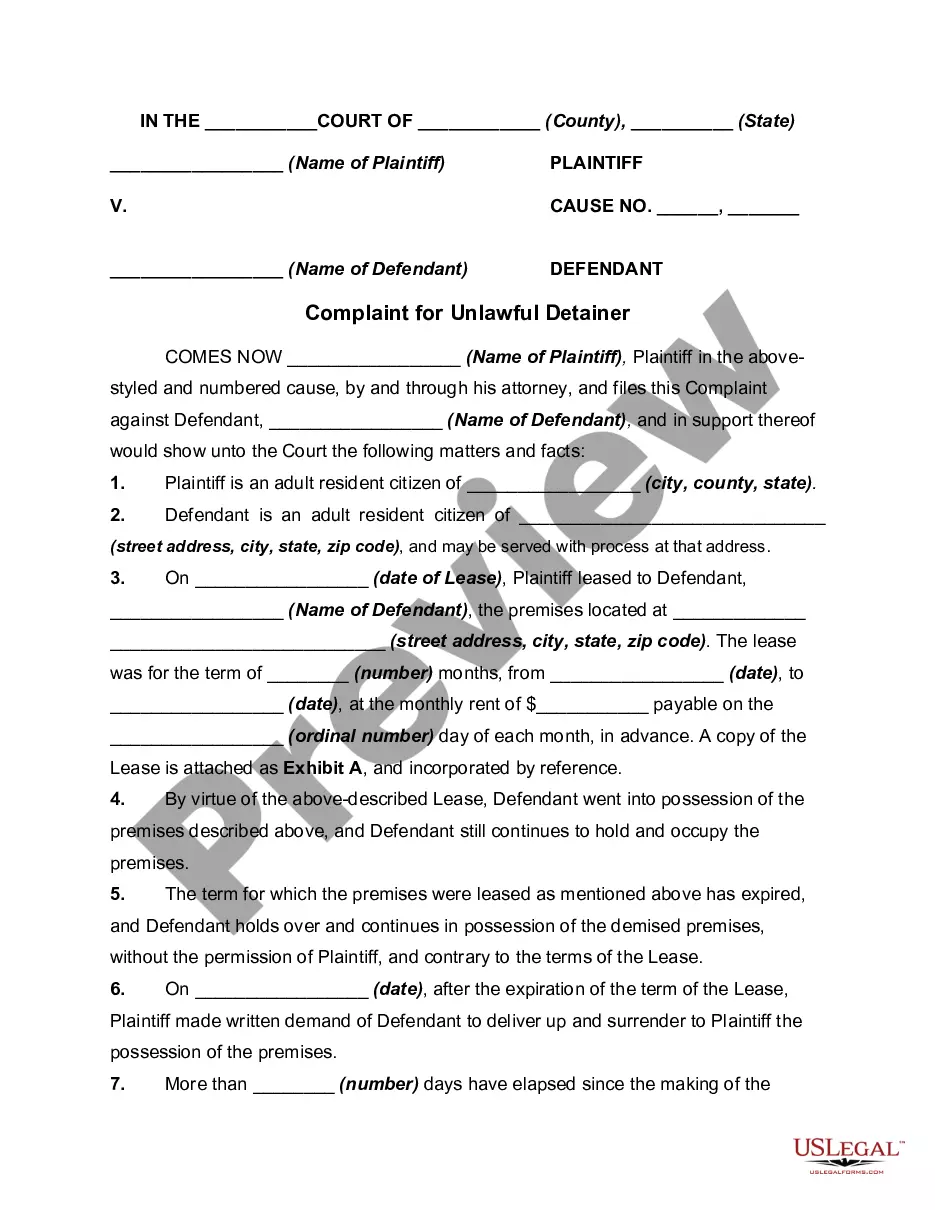

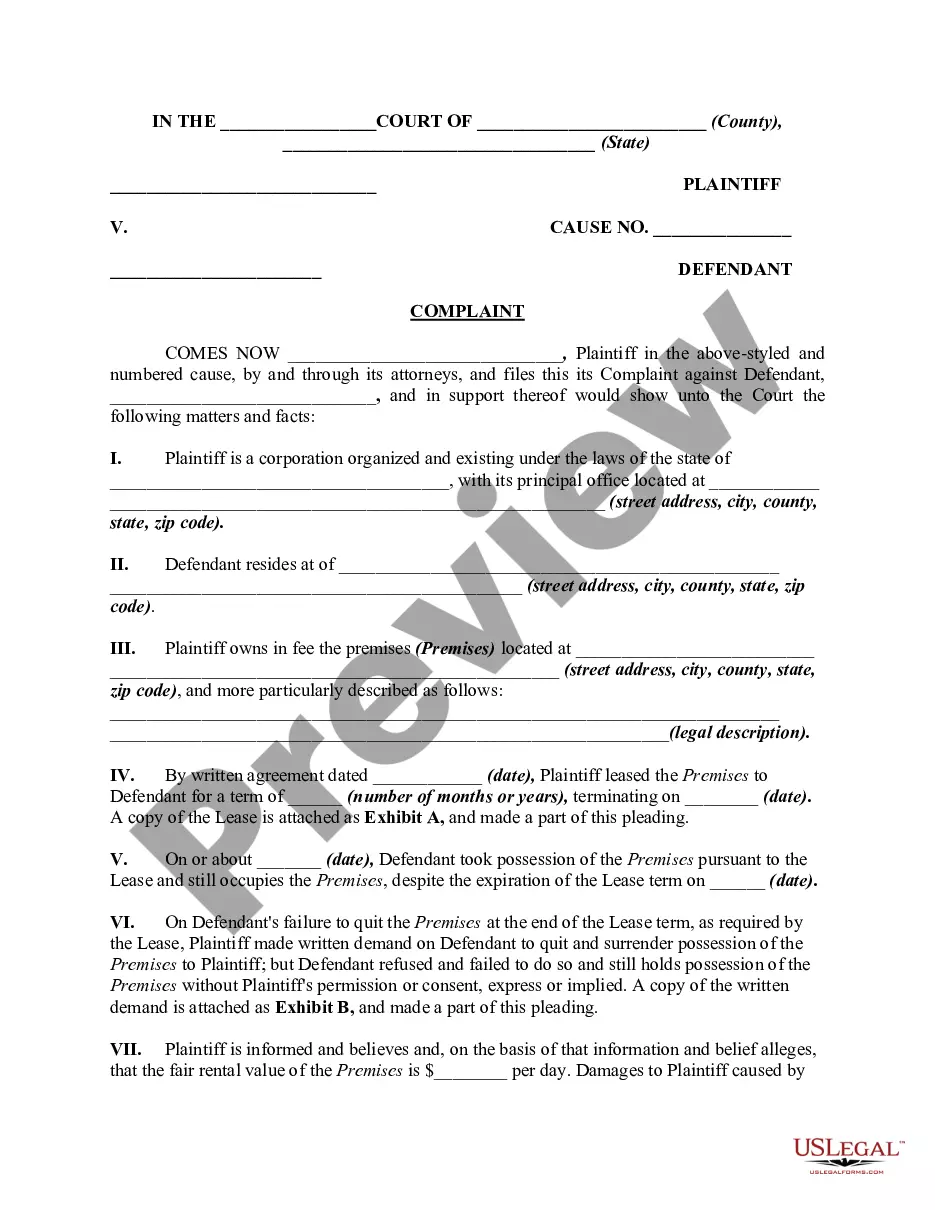
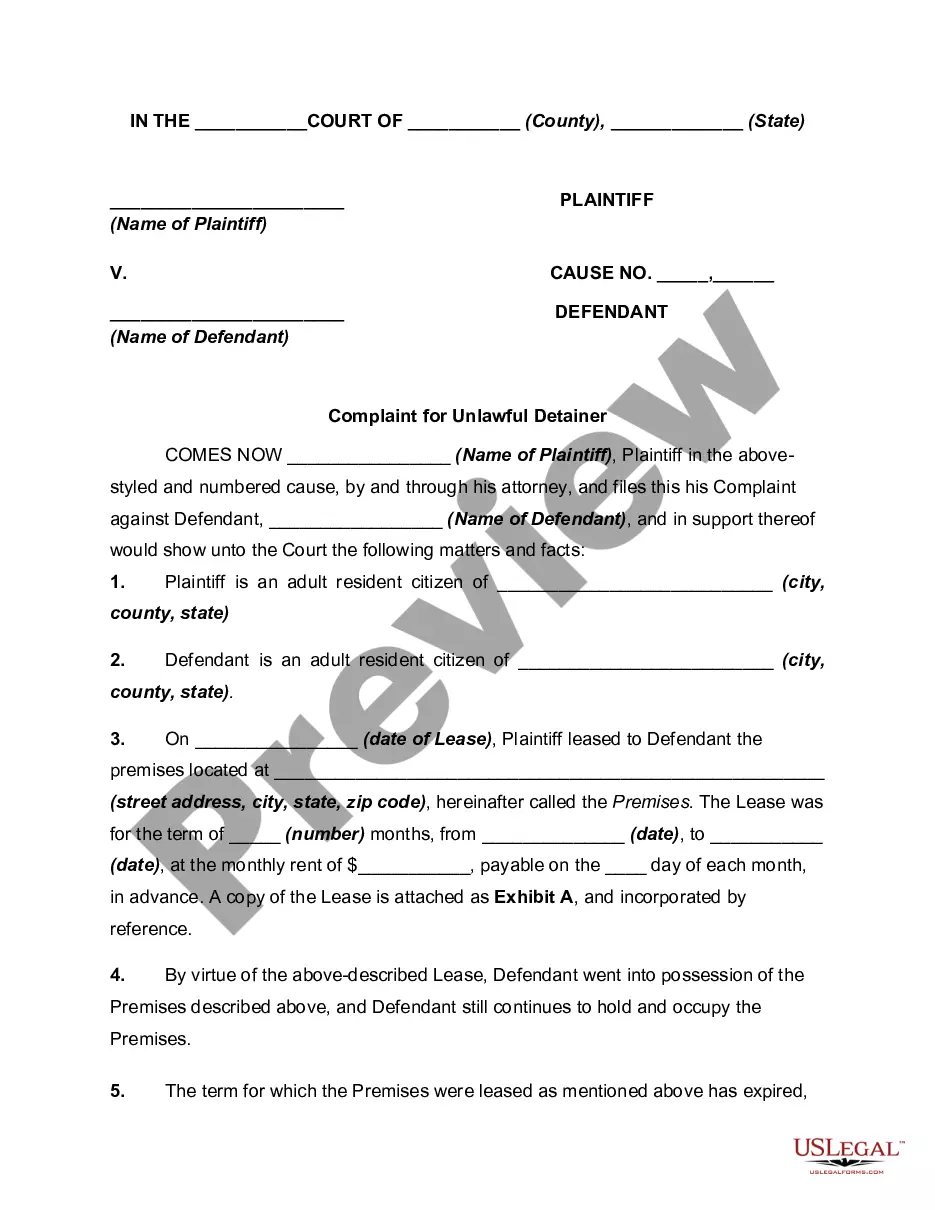
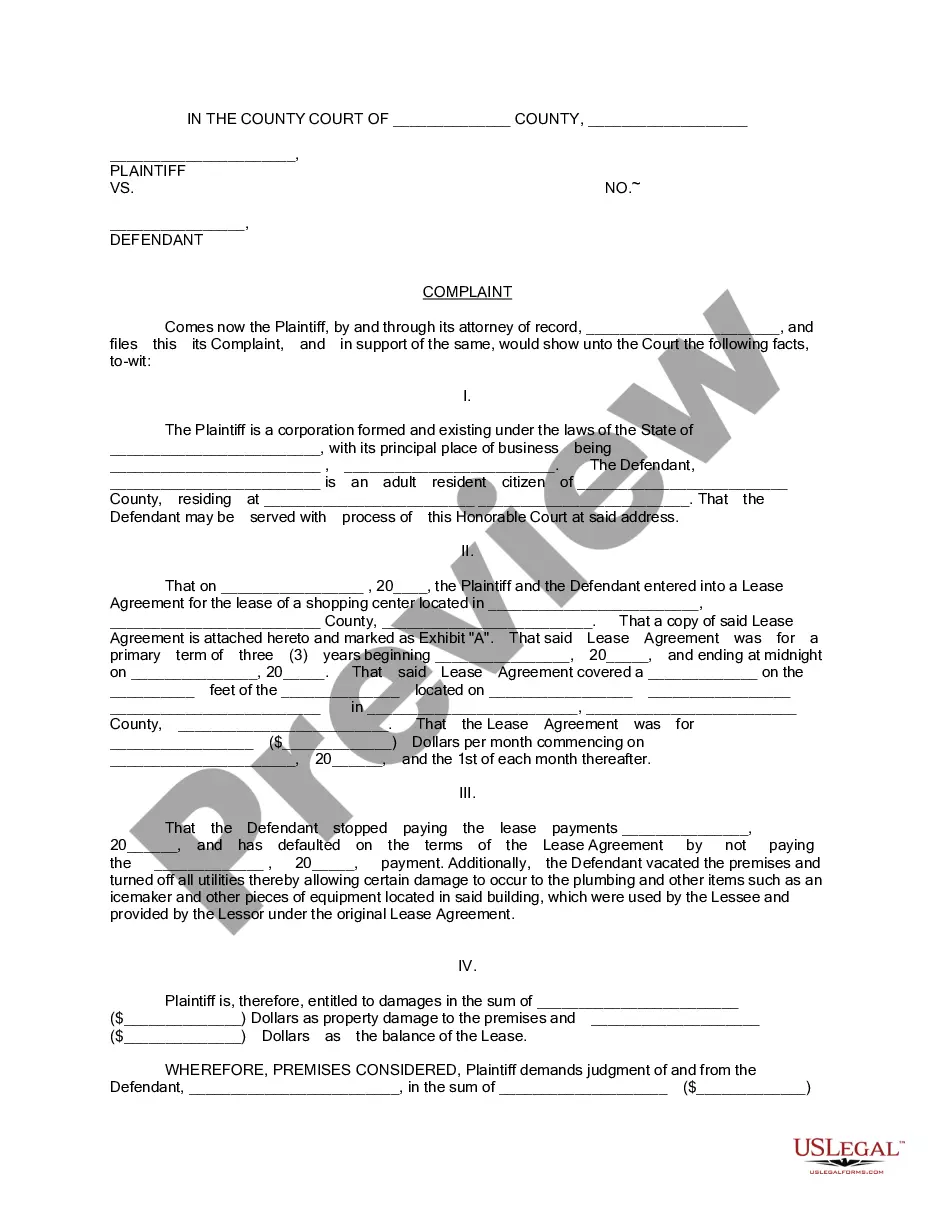
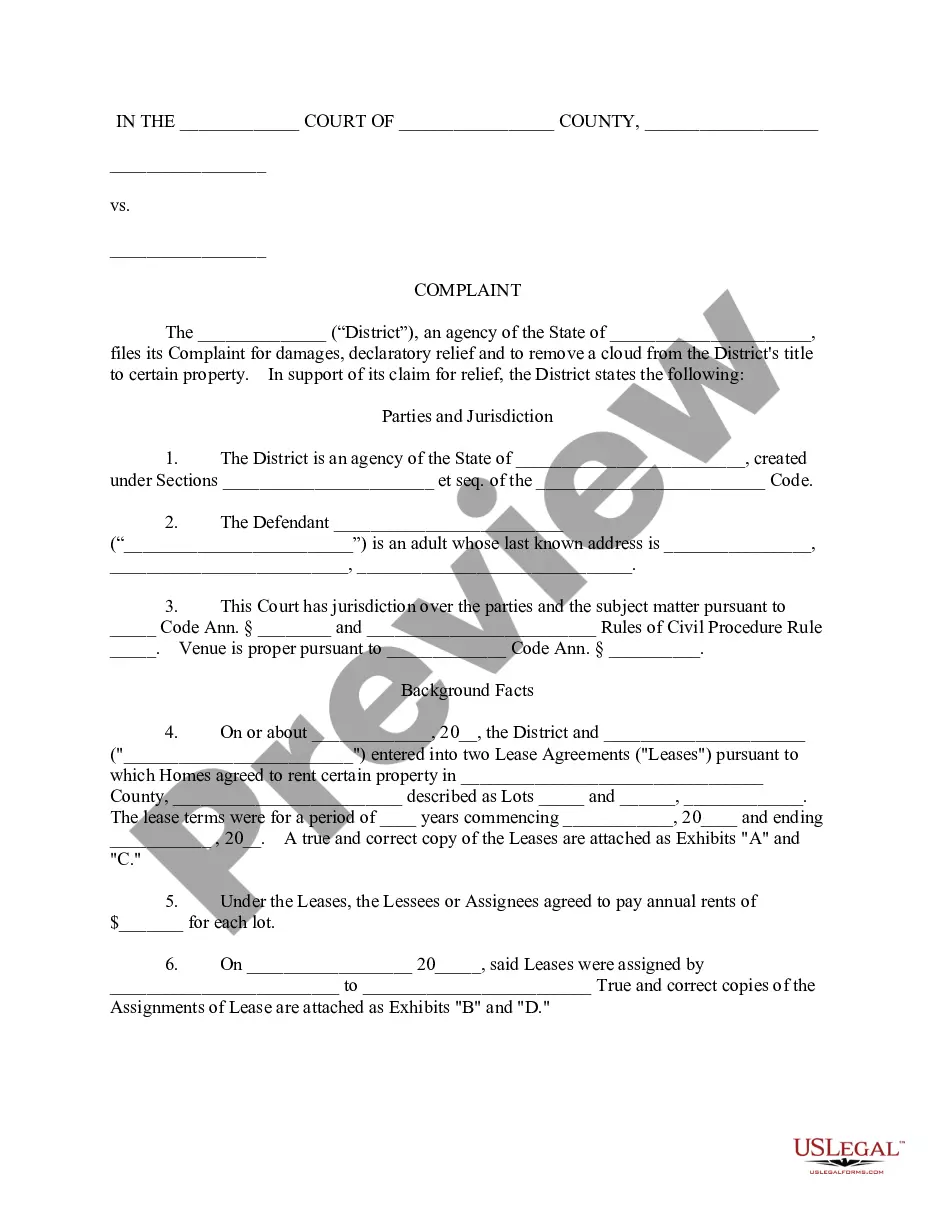
How to fill out Complaint For Unlawful Detainer - Tenant Holding Over After Expiration Of Term?
It’s clear that you cannot become a legal expert in a single night, nor can you swiftly learn how to draft a Detainer Term With Warrant without a specialized education.
Assembling legal documents is a lengthy procedure that demands specific knowledge and abilities.
So why not entrust the development of the Detainer Term With Warrant to the specialists.
Preview it (if this option is available) and read the accompanying description to decide if Detainer Term With Warrant is what you’re looking for.
Create a free account and choose a subscription plan to acquire the form.
- With US Legal Forms, one of the most comprehensive legal template collections, you can discover everything from court paperwork to templates for internal communication.
- We understand how crucial compliance with federal and state laws and regulations is.
- That’s why, on our platform, all templates are location-specific and current.
- Let’s begin with our website and obtain the document you need in just minutes.
- Search for the form you need using the search bar at the top of the page.
Form popularity
FAQ
A detainer in jail means that an individual is being held due to a request from another jurisdiction or agency, often related to pending charges. This status can complicate the individual’s release process, as the detainer must be addressed before they can be freed. If you find yourself in such a situation, exploring the detainer term with warrant can provide clarity and guide you through the available legal resources.
A detainer warrant is a formal request issued by a court or law enforcement agency to keep an individual in custody for further legal action. It serves to prevent the individual from being released until the underlying charges are resolved. Understanding the detainer term with warrant is essential for anyone involved in the legal system, as it can affect your rights and options.
In Tennessee, a detainer warrant is a legal document that allows law enforcement to hold an individual who is already in custody for additional charges. This type of warrant may arise when the individual has pending charges in another jurisdiction or has violated parole. The detainer term with warrant is crucial for ensuring that the legal process is followed correctly in such cases.
No, a detainer is not the same as a warrant. A detainer indicates an intention to hold an individual for further legal action, while a warrant is a specific authorization for law enforcement to take action, such as making an arrest. The detainer term with warrant highlights the need for clarity regarding the legal implications of both terms in your situation.
A detainer is a request to hold an individual in custody, often related to pending charges, while a warrant is a legal order issued by a judge allowing law enforcement to arrest or search. The detainer term with warrant indicates that the law enforcement agency wants to ensure that the individual remains in custody until the warrant is executed. Understanding these distinctions can help you navigate legal proceedings effectively.
A detainer can significantly impact your legal status, as it places a hold on you while pending charges are resolved. When a detainer term with warrant is in effect, it restricts your ability to be released from custody. This situation can lead to delays in legal proceedings and affect your overall case strategy. Using resources like USLegalForms can help you understand your options and navigate the complexities of your situation.
The duration an inmate can be held on a detainer varies by jurisdiction and the specific circumstances of the case. Generally, a detainer term with warrant does not have a fixed timeframe, but it must be resolved within a reasonable period. If the requesting agency does not act promptly, the inmate may have grounds for release. Staying informed about your rights can be crucial in these situations.
A detainer warrant allows law enforcement to hold an individual on behalf of another jurisdiction. When a detainer term with warrant is issued, it means the person will remain in custody until the charges from the requesting entity are addressed. This process ensures that authorities can manage individuals facing pending charges across different locations. Understanding how detainer warrants function can help you navigate the legal landscape effectively.