Special Needs Trust Tax Rules With Ira
Description
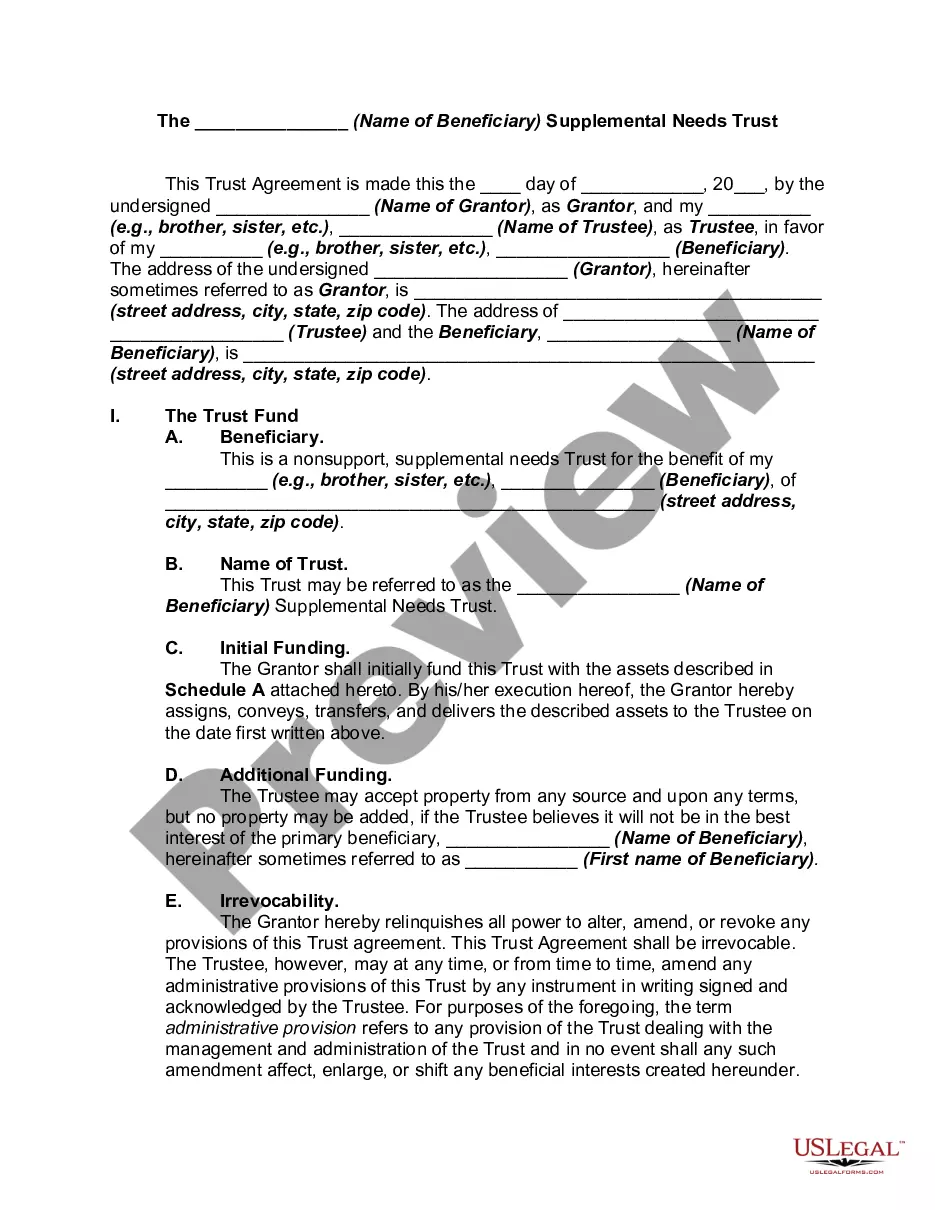
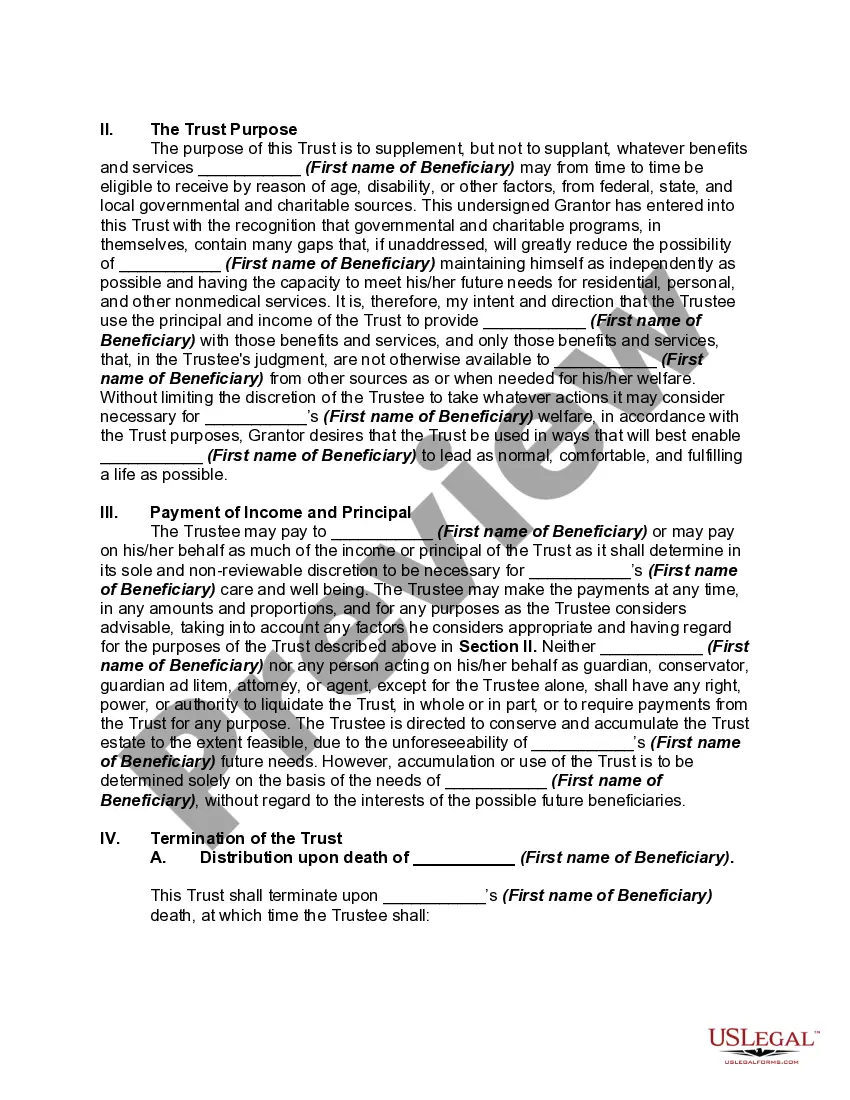
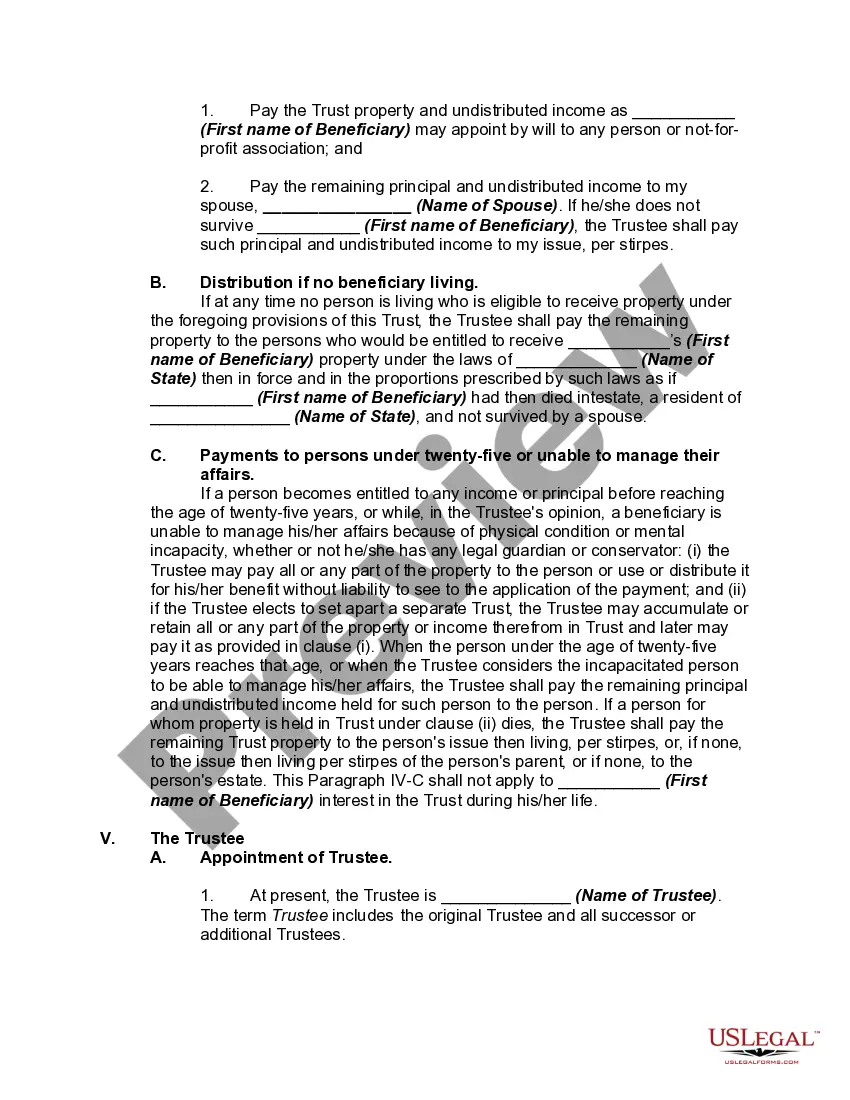
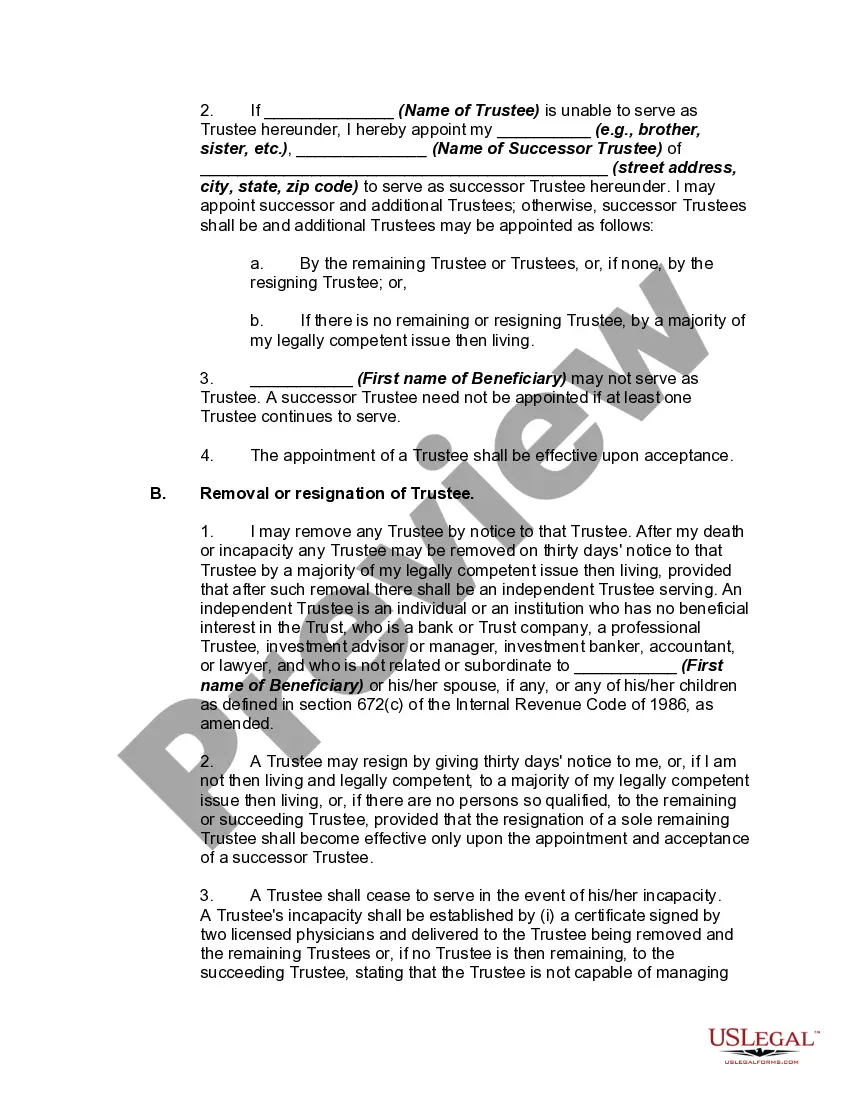
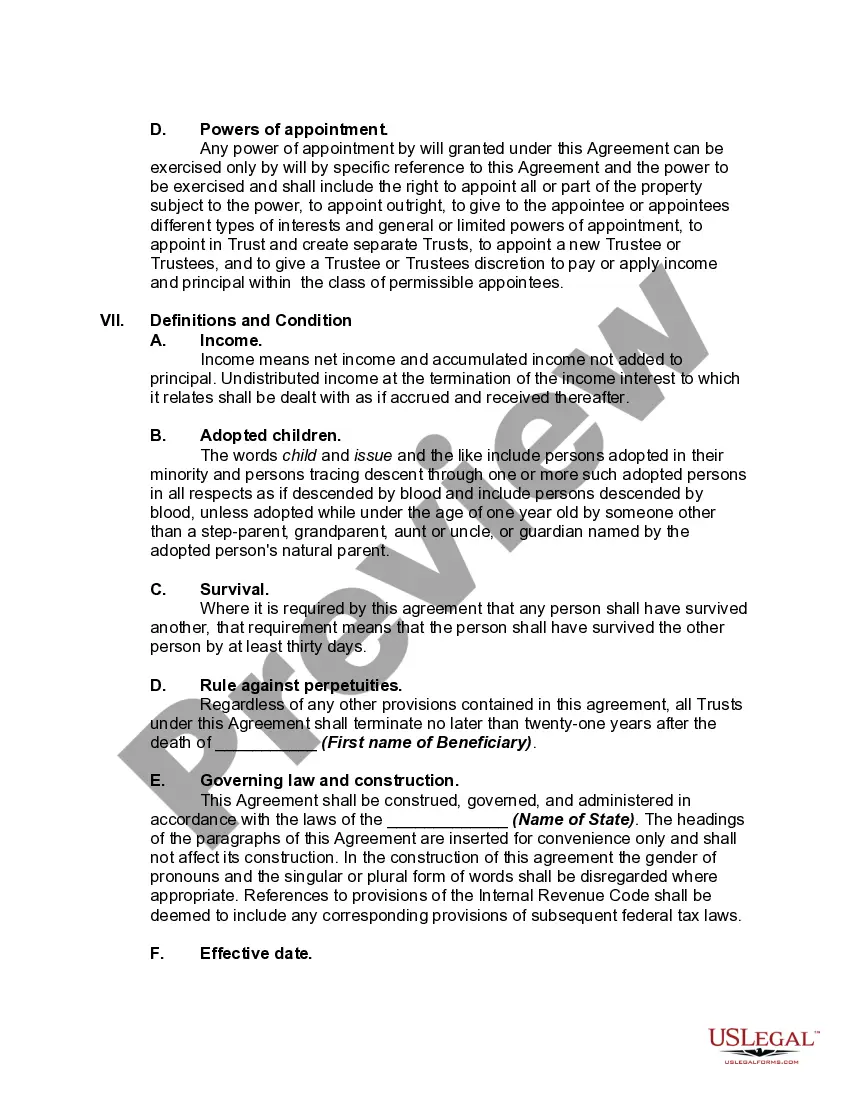


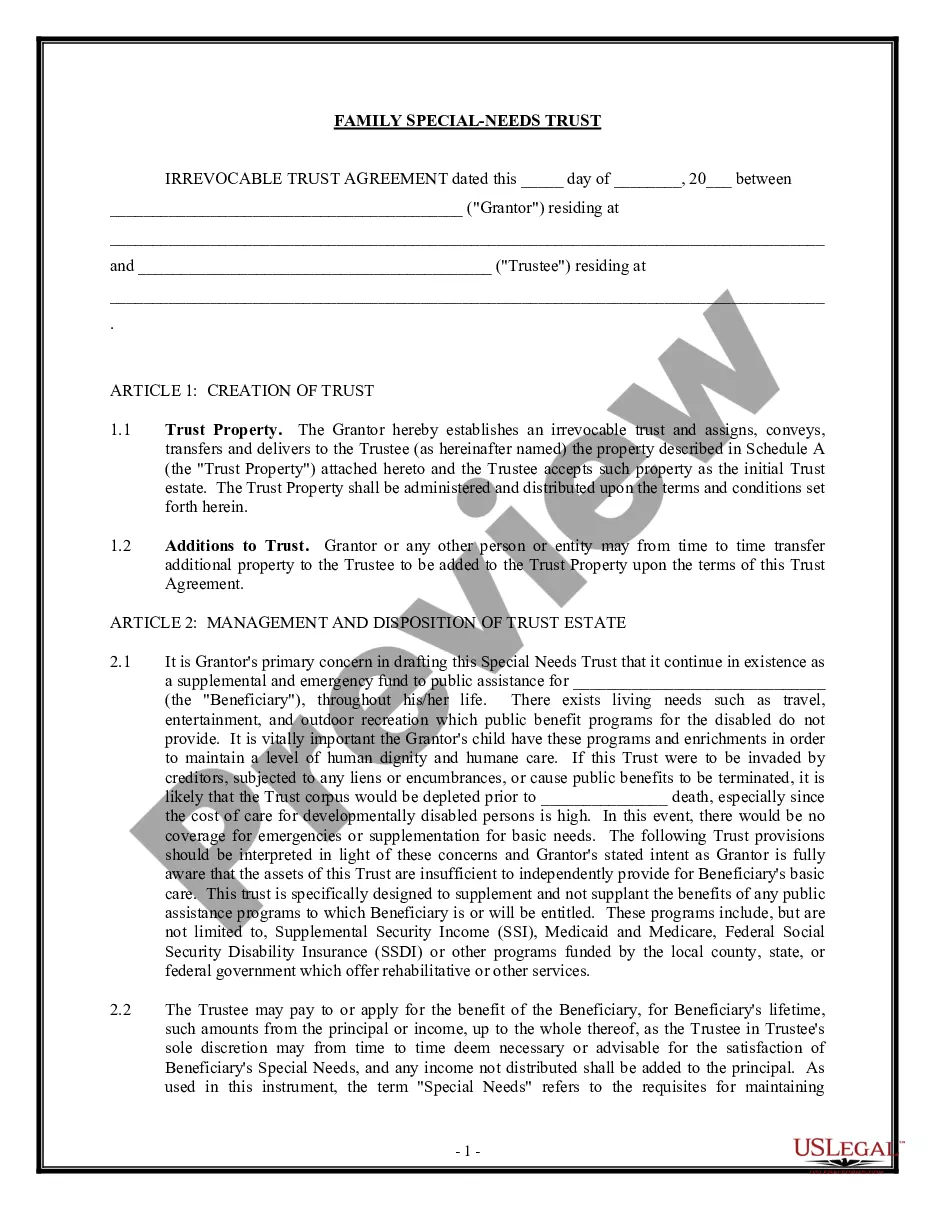
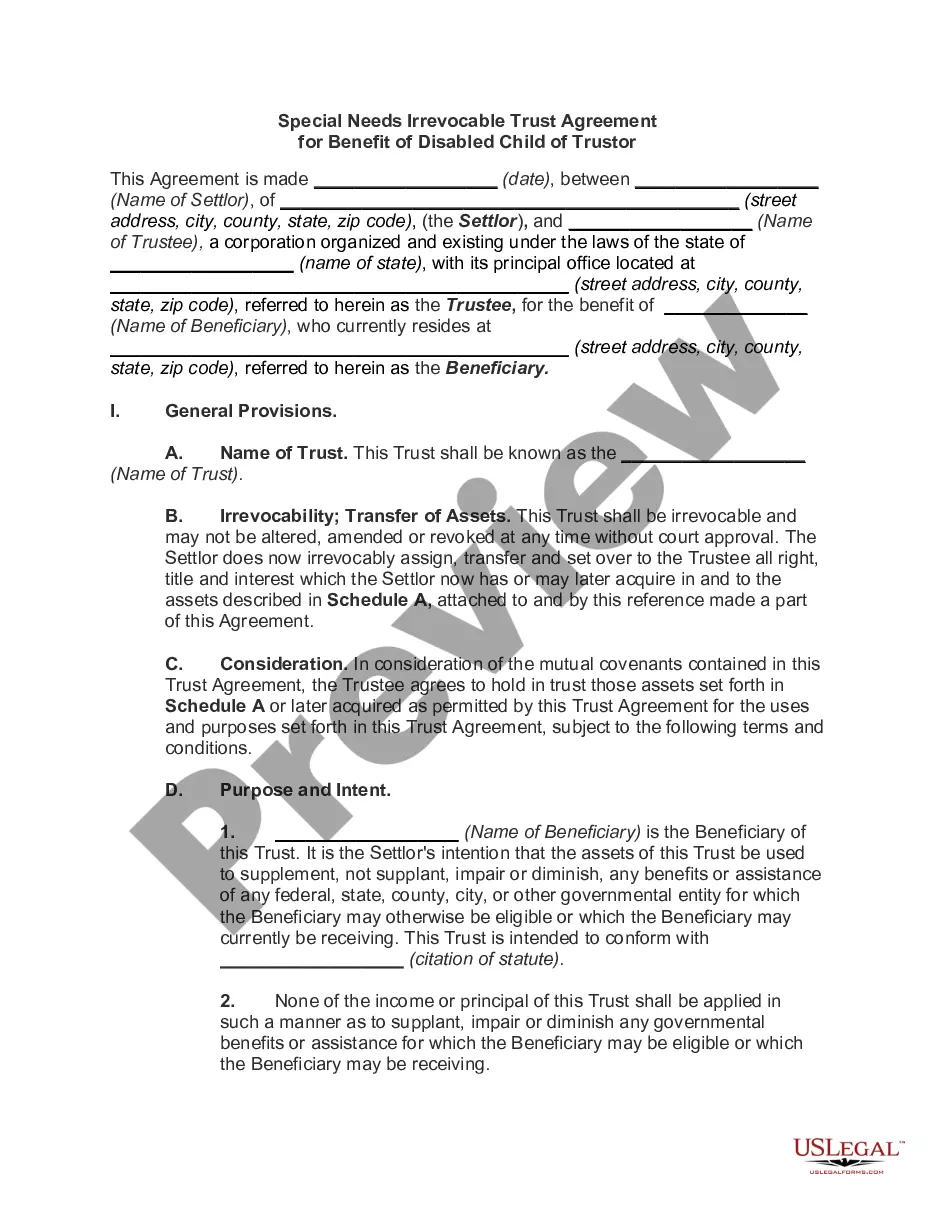
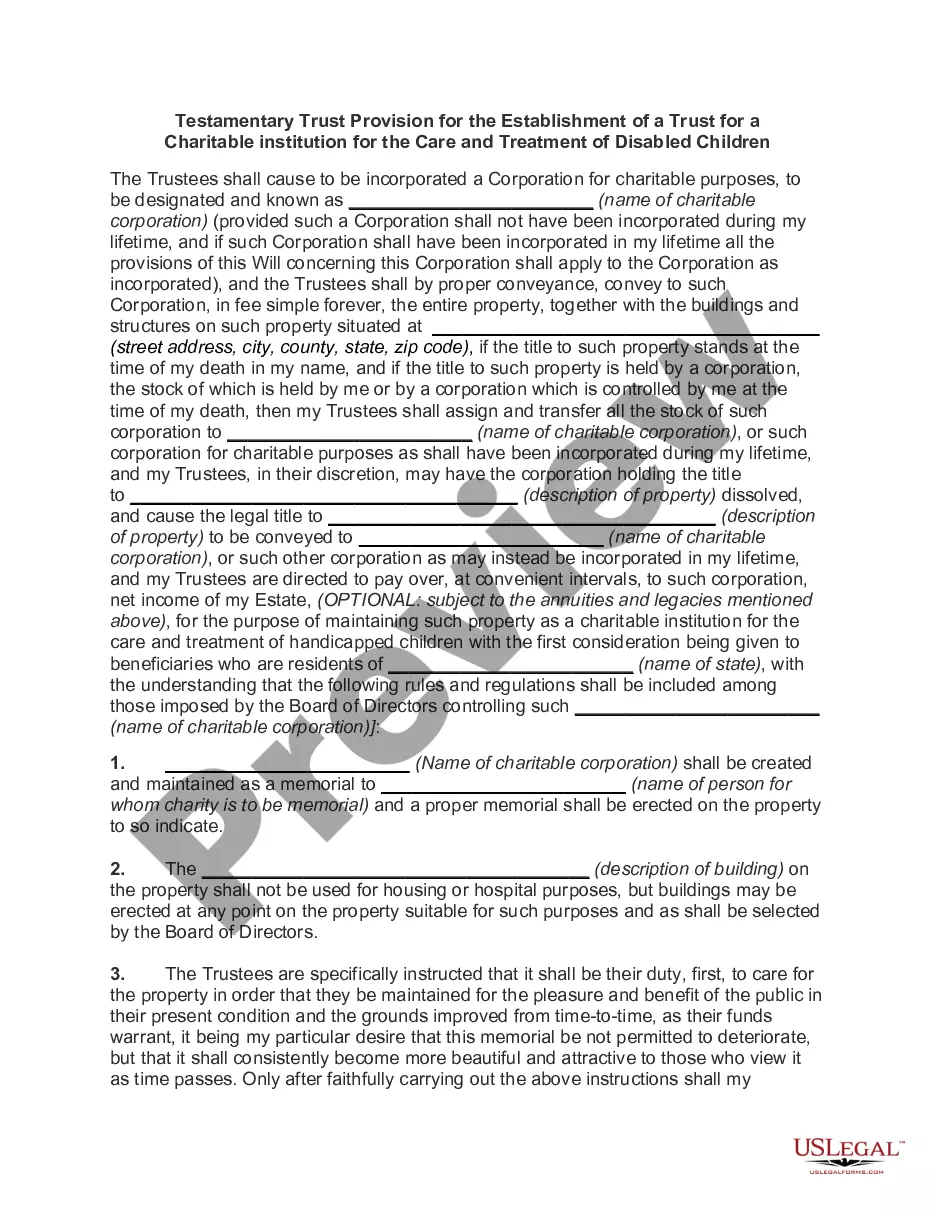
Get your form ready online
Our built-in tools help you complete, sign, share, and store your documents in one place.
Make edits, fill in missing information, and update formatting in US Legal Forms—just like you would in MS Word.
Download a copy, print it, send it by email, or mail it via USPS—whatever works best for your next step.
Sign and collect signatures with our SignNow integration. Send to multiple recipients, set reminders, and more. Go Premium to unlock E-Sign.
If this form requires notarization, complete it online through a secure video call—no need to meet a notary in person or wait for an appointment.
We protect your documents and personal data by following strict security and privacy standards.

Make edits, fill in missing information, and update formatting in US Legal Forms—just like you would in MS Word.

Download a copy, print it, send it by email, or mail it via USPS—whatever works best for your next step.

Sign and collect signatures with our SignNow integration. Send to multiple recipients, set reminders, and more. Go Premium to unlock E-Sign.

If this form requires notarization, complete it online through a secure video call—no need to meet a notary in person or wait for an appointment.

We protect your documents and personal data by following strict security and privacy standards.
Looking for another form?







How to fill out Supplemental Needs Trust For Third Party - Disabled Beneficiary?
Legal management may be frustrating, even for skilled specialists. When you are searching for a Special Needs Trust Tax Rules With Ira and don’t have the time to devote searching for the appropriate and updated version, the operations may be demanding. A robust online form library can be a gamechanger for anyone who wants to manage these situations effectively. US Legal Forms is a market leader in online legal forms, with more than 85,000 state-specific legal forms available to you at any time.
With US Legal Forms, you can:
- Gain access to state- or county-specific legal and organization forms. US Legal Forms covers any needs you might have, from personal to enterprise documents, in one spot.
- Utilize innovative tools to accomplish and manage your Special Needs Trust Tax Rules With Ira
- Gain access to a useful resource base of articles, guides and handbooks and resources related to your situation and requirements
Save effort and time searching for the documents you need, and make use of US Legal Forms’ advanced search and Preview tool to locate Special Needs Trust Tax Rules With Ira and get it. If you have a subscription, log in to the US Legal Forms profile, look for the form, and get it. Take a look at My Forms tab to see the documents you previously saved and to manage your folders as you can see fit.
Should it be the first time with US Legal Forms, create a free account and acquire unlimited use of all advantages of the platform. Listed below are the steps to consider after getting the form you want:
- Verify it is the proper form by previewing it and reading its information.
- Ensure that the sample is recognized in your state or county.
- Select Buy Now once you are all set.
- Select a subscription plan.
- Pick the file format you want, and Download, complete, eSign, print out and send your papers.
Enjoy the US Legal Forms online library, supported with 25 years of experience and stability. Transform your daily papers managing in a smooth and easy-to-use process today.
Form popularity
FAQ
The promoter directs the investor to transfer funds from the original IRA to a new third-party custodian to facilitate the transaction. A third-party custodian is a company that keeps track of the IRA and completes the required reporting to the IRS in order to keep the money in a tax-deferred status.
When a trust is named as the beneficiary of an IRA, the trust inherits the IRA when the IRA owner dies.
All distributions may be transferred over, except the required minimum distribution and any distribution of excess contributions and related earnings. The transfer must be deposited in the new account within 60 days. Only one transfer may be made per 12-month period.
You cannot put your individual retirement account (IRA) in a trust while you are living. You can, however, name a trust as the beneficiary of your IRA and dictate how the assets are to be handled after your death.
Retirement accounts like an IRA, Roth IRA, 401K, 403b, 457 and the like don't belong in your trust. Placing any of these assets in your trust would mean that you're taking them out of your name to retitle them in the name of your trust. The impact this will have on your taxes can be disastrous.